10 Sleep Headbands to Tune Your Brain Like a Sports Car: A Neuroscientist’s Guide to Optimal Brain Performance
Imagine your brain as a finely tuned, high-performance sports car. It possesses incredible horsepower, precision engineering, and the potential for exhilarating speeds. Yet, for many, this magnificent machine idles roughly, misfires, or runs on low-grade fuel. The culprit? Often, it’s not a lack of ambition or intelligence, but rather a fundamental disconnect from its most vital maintenance cycle: sleep. In our relentless pursuit of peak performance, we optimize diets, exercise regimens, and workflows, yet often overlook the foundational process that recalibrates our cognitive engine. If you’ve ever felt the drag of brain fog, the frustration of waning focus, or the persistent hum of anxiety, you know the profound impact that a poorly rested mind can have on your daily “drive.”
As a neuroscientist and biohacker dedicated to unlocking the full spectrum of human potential, I’ve witnessed firsthand the transformative power of understanding and optimizing our nocturnal states. The quest for sharper cognition, enhanced creativity, and resilient mental health begins not with more caffeine or endless to-do lists, but with a deeper, more intelligent engagement with our sleep. This is where the sleep tracker headband emerges as a revolutionary sleep instrument, offering an unprecedented window into the brain’s nocturnal mechanics. Far beyond passive monitoring, these sophisticated devices provide actionable insights, allowing us to precisely “tune” our neural pathways for unparalleled waking performance. This article will delve deep into the science and technology behind these brain-optimizing wearables, guiding you through how to leverage them to transform your mental horsepower.
Key Takeaways
- • Sleep Headbands are Advanced Brain Tuners: They utilize cutting-edge EEG technology to provide unparalleled insights into your brain’s sleep cycles and cognitive states, acting as a direct interface for neuro-optimization.
- • Precision Data is Power: Unlike simpler trackers, these headbands offer granular data on brainwave activity (Delta, Theta, Alpha, Beta, Gamma), allowing you to truly monitor your brain’s ‘RPM’ and understand the quality of your deep sleep and restorative processes.
- • More Than Just Tracking: Many devices integrate neurofeedback, sonic guidance, and smart alarms to actively enhance sleep quality, promote relaxation, and even aid in meditation, moving beyond passive observation to active brain training.
- • The Future of Cognitive Enhancement: Adopting a sleep tracker headband is a strategic move for anyone serious about biohacking their brain, offering a data-driven pathway to sustained mental clarity, energy, and overall well-being.
What Exactly is a Sleep Tracker Headband, and How Does it Monitor Your Brain’s ‘RPM’?
At its core, a sleep tracker headband is a sophisticated wearable device designed to non-invasively monitor your brain’s electrical activity during sleep. Unlike a typical fitness tracker that relies on movement and heart rate, these headbands go deeper, tapping directly into the neural symphony that orchestrates your rest. They are, in essence, compact electroencephalography (EEG) systems, bringing laboratory-grade EEG Technology right to your bedside.
The brain communicates through electrical impulses, forming distinct patterns known as brainwaves. These waves are categorized by their frequency (Hz) and amplitude, each corresponding to different states of consciousness and stages of sleep. Think of these brainwaves as the “RPM” (Revolutions Per Minute) of your brain’s engine. Just as a car’s RPM indicates how hard its engine is working, your brainwaves reveal its operational state:
- • Delta Waves (0.5-4 Hz): These are the slowest waves, dominant during deep sleep tracking (NREM Stage 3 & 4). They signify profound rest and physical restoration, akin to the engine being completely shut down for a major overhaul. High-quality deep sleep is crucial for cellular repair, hormone regulation, and immune function.
- • Theta Waves (4-8 Hz): Associated with light sleep (NREM Stage 1 & 2), meditation, and creativity. The engine is idling, preparing to transition to deeper states or waking consciousness.
- • Alpha Waves (8-12 Hz): Present during relaxed, awake states, often when eyes are closed or during light meditation. The engine is running smoothly, ready for action but not yet engaged.
- • Beta Waves (12-30 Hz): Characteristic of active, alert, and focused states. This is the engine revving, engaged in complex tasks, problem-solving, or decision-making.
- • Gamma Waves (30-100+ Hz): The fastest waves, linked to high-level cognitive processing, learning, memory, and information processing across different brain regions. The engine is performing at its peak, handling multiple complex operations simultaneously.
By placing sensors directly on the scalp, these headbands capture these subtle electrical signals. Sophisticated algorithms then interpret this raw EEG data, translating it into comprehensible metrics about your sleep architecture – how much time you spend in light, deep, and REM sleep, as well as wakefulness. This granular insight into your brain sleep patterns is what empowers you to truly understand and optimize your rest, moving beyond mere hours slept to the quality of that rest.
Why Track Your Brain’s Nocturnal Symphony: The Science of Sleep and Cognitive Enhancement
The ‘why’ behind using a sleep tracker headband is rooted deeply in neuroscience. Sleep is not a passive state of dormancy but an incredibly active period of physiological and psychological restoration. It’s when your brain performs critical maintenance, repair, and optimization tasks that are impossible during waking hours. Without adequate, high-quality sleep, your brain’s “engine” simply cannot perform at its best.
The Critical Role of Circadian Rhythm
Our internal biological clock, the Circadian Rhythm, dictates our sleep-wake cycle, hormone release, and even cognitive function throughout the day. When this rhythm is disrupted – by irregular sleep schedules, blue light exposure at night, or jet lag – the consequences are far-reaching. A misaligned circadian rhythm can lead to:
- • Reduced cognitive performance and alertness.
- • Impaired memory consolidation.
- • Mood disturbances and increased irritability.
- • Compromised immune function.
Understanding your sleep patterns through a headband can help you identify and correct disruptions to your circadian rhythm, restoring balance and optimizing your daily energy curve.
Neuroplasticity and Memory Consolidation During Sleep
One of sleep’s most remarkable functions is its role in Neuroplasticity – the brain’s ability to reorganize itself by forming new neural connections throughout life. During sleep, particularly deep sleep tracking and REM sleep, your brain actively processes and consolidates memories from the day. It prunes unnecessary synaptic connections, strengthens important ones, and integrates new information into your existing knowledge network. This is akin to your sports car’s onboard computer optimizing its performance algorithms overnight.
A lack of sufficient deep or REM sleep, as revealed by a sleep tracker headband, directly impacts your ability to learn, remember, and problem-solve. By optimizing these critical sleep stages, you can literally enhance your brain’s capacity for learning and adaptability, making you sharper, more creative, and more resilient to stress. The insights gained from tracking your brain’s activity with a sleep instrument like this can unveil pathways to improved cognitive function that were previously hidden.
Beyond the Basics: Advanced Features & Technologies in Modern Sleep Headbands
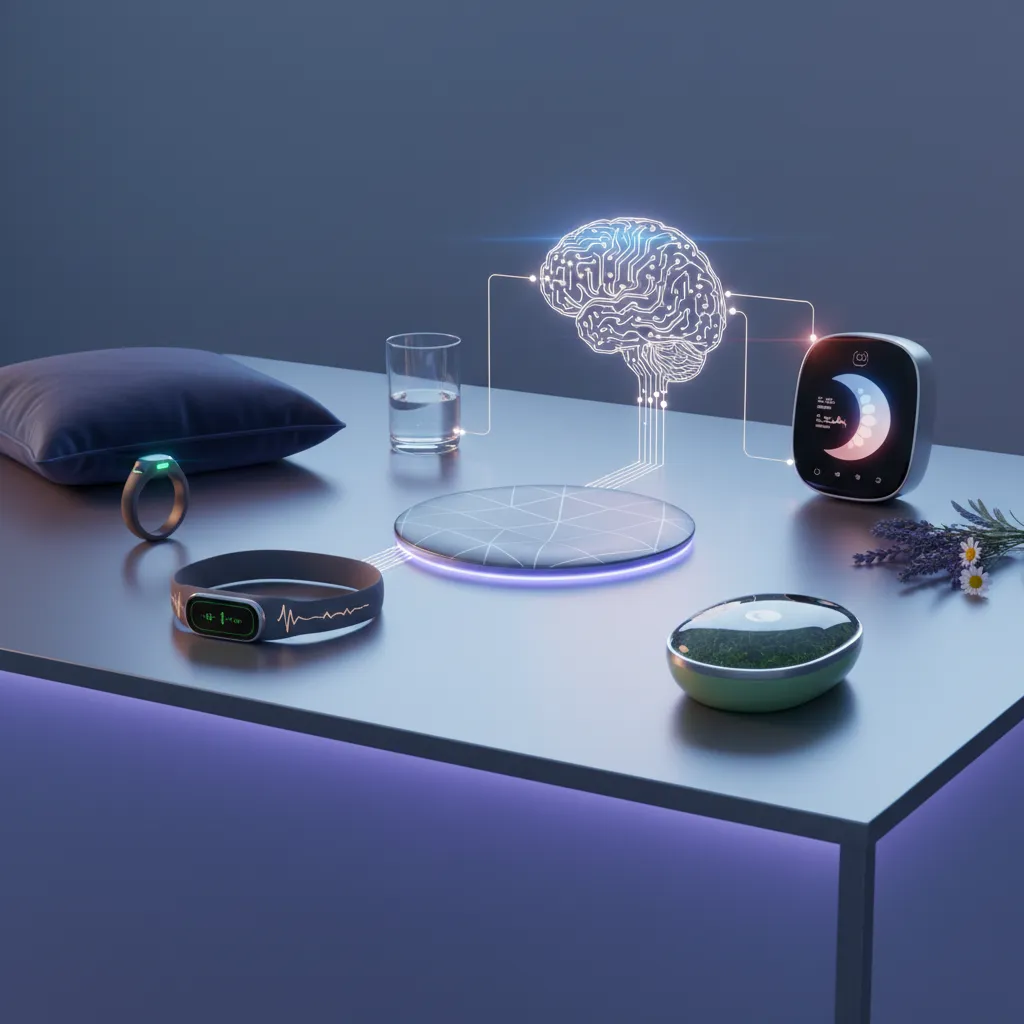
The landscape of Biohacking Devices has evolved dramatically, and sleep tracker headbands are at the forefront of this revolution. They are not merely passive data collectors; many are active participants in your journey to optimal brain performance. These devices represent a convergence of neuroscience, wearable technology, and artificial intelligence, offering a sophisticated array of features designed to not just track, but actively improve your sleep and waking cognition.
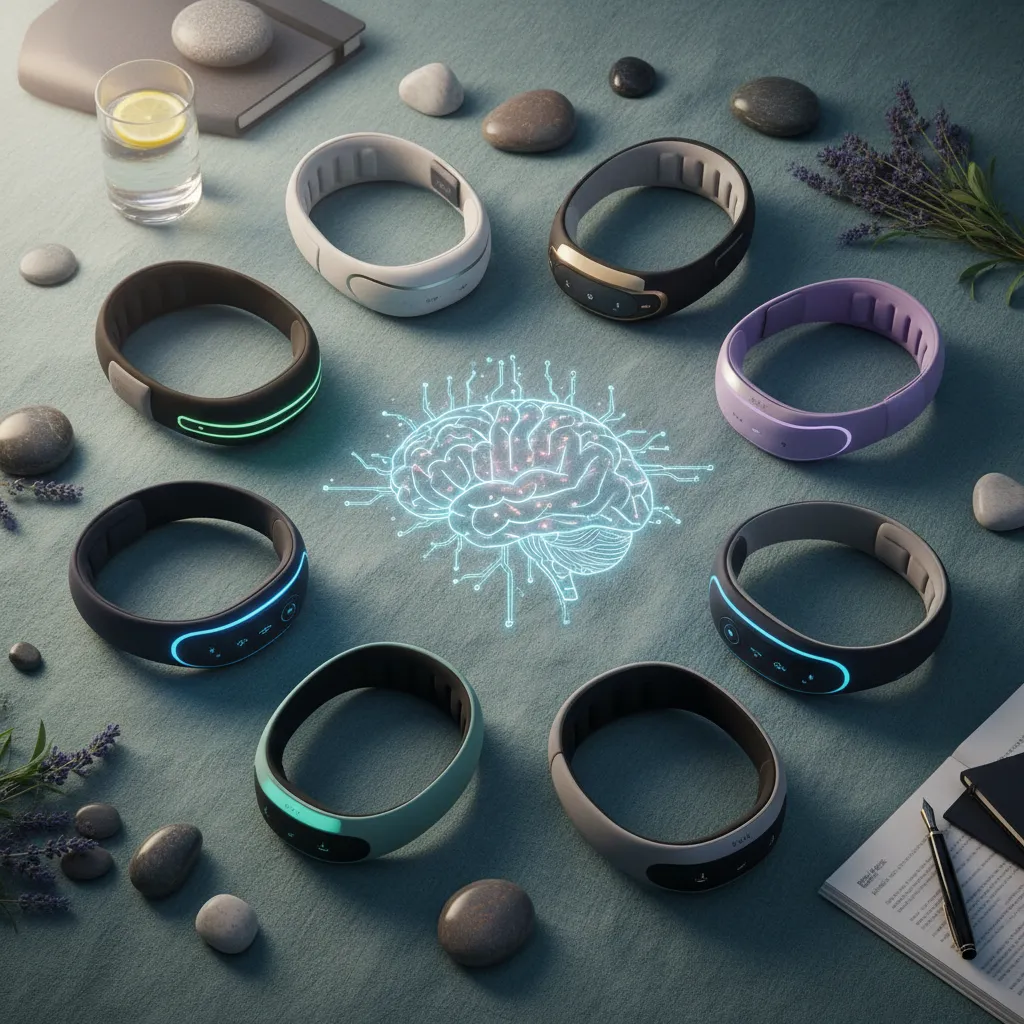
The “10 Sleep Headbands” in our title refers not to a fixed list of products, but to the ten pivotal technological advancements and feature categories that define the cutting edge of sleep optimization through these devices. Each represents a distinct way these advanced sleep instrument offerings can help you tune your brain like a sports car.
Decoding the Brain’s Blueprint: A Look at Top Sleep Headband Technologies
1. Precision EEG Tracking for Detailed Brain Sleep Analysis
The cornerstone of any advanced sleep tracker headband is its ability to capture high-fidelity EEG signals. These devices employ multiple dry or wet sensors strategically placed to capture brain activity from various cortical regions. This multi-sensor approach provides a far more granular and accurate picture of your brain sleep architecture compared to single-point sensors or wrist-based devices. They can differentiate between the subtle nuances of brainwave patterns, allowing for precise identification of sleep stages, micro-arousals, and even specific sleep disorders. This level of detail is crucial for biohackers who seek to truly understand and manipulate their brain’s nocturnal processes.
2. Neurofeedback Training for Sleep Induction and Quality
Beyond mere tracking, many advanced headbands integrate Neurofeedback Devices. This technology works by providing real-time feedback on your brainwave activity, allowing you to learn to self-regulate your brain states. For sleep, this often means guiding you into states conducive to relaxation and deeper sleep (e.g., increasing Alpha and Theta waves while reducing Beta activity). Through auditory cues (like gentle chimes or nature sounds that respond to your brain activity), these headbands help train your brain to enter and maintain optimal sleep patterns. For those seeking to profoundly influence their brain’s relaxation and focus pathways, exploring advanced brain entrainment methods is crucial. Tools like visual brain entrainment tools can offer targeted sensory resonance technology to guide your brain into optimal states.
3. Sonic Guidance: Leveraging Audio for Sleep Enhancement
Many sleep tracker headbands incorporate sophisticated audio features designed to facilitate relaxation and improve sleep architecture. This includes binaural beats, isochronic tones, pink noise, and white noise – all scientifically proven to influence brainwave frequencies. Additionally, some integrate guided meditations or immersive soundscapes directly through comfortable Sleep Headphones built into the headband, creating a personalized auditory environment that promotes a rapid descent into restorative sleep. This careful orchestration of sound can significantly quiet the “noise” in your head, allowing your brain to shift gears into rest mode more effectively.
4. The Muse Ecosystem: A Deep Dive into a Leading Sleep Instrument
When discussing advanced sleep tracker headbands, it’s impossible not to highlight the impact of devices like Muse. As a pioneer in personal EEG technology, Muse has created an ecosystem that epitomizes the blend of tracking and training. While primarily known for meditation, its sophisticated sensors provide valuable insights into muse sleep patterns by tracking brain activity, heart rate, and movement. Users can engage with guided meditations that offer real-time audio feedback on their brain state, helping them achieve deeper states of calm, which naturally transitions into better sleep. The detailed sleep data, including sleep stages and positional tracking, empowers users to understand their nocturnal habits. For those looking to unlock the full capabilities, exploring Muse Premium features can provide even more personalized insights and training protocols. New users can benefit greatly from a comprehensive Start Guide Muse to maximize their experience with this powerful sleep instrument.
5. Integrated Smart Alarms & Gentle Wake-Ups
Waking up abruptly from a deep sleep phase can leave you feeling groggy and disoriented – a phenomenon known as sleep inertia. Advanced sleep tracker headbands address this by incorporating smart alarm functions. These alarms use the headband’s real-time sleep stage data to identify the optimal moment within a pre-set window (e.g., 30 minutes before your desired wake-up time) to gently rouse you during a period of light sleep. This ensures you wake up feeling refreshed and naturally alert, ready to start your day with peak cognitive function, rather than feeling like your engine was redlined from a cold start.
6. Real-time Feedback and Data Visualization
A key element of biohacking is data. These headbands don’t just collect data; they present it in intuitive, actionable ways. Companion apps offer detailed graphs of your sleep cycles, brainwave activity, and sleep efficiency. Many provide real-time feedback during pre-sleep meditation or relaxation exercises. Understanding the intricate sleeping web of data – how your brain transitions between states, the duration of each sleep phase, and the impact of external factors – empowers you to make informed decisions about your sleep habits. This visualization transforms complex neuroscience into a personal performance dashboard.
7. Portability and Comfort for Consistent Tracking
For any wearable technology to be effective, it must be comfortable and convenient for consistent use. Modern sleep tracker headbands are designed with lightweight, breathable materials and ergonomic forms, ensuring they are barely noticeable during sleep. Many are wireless, connecting seamlessly to your smartphone via Bluetooth. This focus on user experience ensures that you can consistently gather data on your brain sleep, regardless of whether you’re at home or traveling, without sacrificing comfort or interrupting your natural sleep patterns.
8. Battery Life and Connectivity
Reliable battery life and stable connectivity are practical considerations that significantly impact the usability of a sleep instrument. Leading headbands offer extended battery life, often lasting several nights on a single charge, minimizing the need for frequent recharging. Robust Bluetooth connectivity ensures a seamless transfer of data to your companion app, providing uninterrupted tracking of your eeg sleep tracker data and maintaining the integrity of your sleep analysis. This reliability is critical for building a consistent sleep profile.
9. Data Privacy and Security
As we increasingly rely on biohacking devices that collect intimate biometric data, the importance of data privacy and security cannot be overstated. Reputable sleep tracker headband manufacturers prioritize the protection of your personal information. They employ strong encryption protocols and adhere to strict data privacy policies, ensuring that your sensitive brain sleep data remains confidential and secure. Always review a device’s privacy policy to ensure it aligns with your expectations for data protection.
10. Community and Support Ecosystems
The journey of biohacking and sleep optimization can be greatly enhanced by a supportive community and comprehensive customer support. Leading sleep tracker headband brands often foster online communities where users can share tips, insights, and experiences. They also provide extensive resources, FAQs, and responsive customer service to help users maximize the benefits of their sleep instrument. This ecosystem of support ensures that you’re not alone in your quest for optimal brain sleep and performance, providing continuous learning and problem-solving opportunities.
Headband vs. Wrist Tracker: Which ‘Dashboard’ Gives You the Best Brain Metrics?
The market is awash with sleep tracking devices, but a fundamental distinction exists between a dedicated sleep tracker headband and its more ubiquitous counterpart, the wrist tracker. For the serious biohacker intent on truly tuning their brain, understanding this difference is crucial.
The Precision Advantage of Headbands
Headbands, by design, offer a significant advantage due to their proximity to the brain. They primarily utilize EEG technology, which directly measures the electrical activity of your brain. This means they can accurately identify specific brainwave patterns (Delta, Theta, Alpha, Beta) associated with different sleep stages (light, deep sleep tracking, REM, awake). This direct measurement is the gold standard for sleep research and provides unparalleled insight into your brain’s ‘RPM’ during rest. An eeg sleep tracker provides a detailed, scientific blueprint of your nocturnal brain activity, allowing you to pinpoint issues with sleep onset, fragmentation, or insufficient restorative sleep.
Key benefits of headbands:
- • Direct Brainwave Measurement: Unmatched accuracy in identifying sleep stages.
- • Insights into Brain Health: Can reveal patterns indicative of sleep disorders or suboptimal brain function.
- • Neurofeedback Capabilities: Many offer active brain training to improve sleep quality.
The Convenience of Wrist Trackers
Wrist trackers, on the other hand, primarily rely on accelerometers (to detect movement) and photoplethysmography (PPG) sensors (to estimate heart rate and heart rate variability). While these devices can infer sleep stages based on movement patterns and physiological changes, they do not directly measure brain activity. They are excellent for overall activity tracking and providing a general overview of sleep duration and consistency. However, their ability to precisely differentiate between light, deep, and REM sleep is inherently limited compared to an eeg sleep tracker. They are more like a car’s fuel gauge and odometer, telling you how long you’ve been driving and how much fuel is left, but not providing detailed engine diagnostics.
Limitations of wrist trackers for brain sleep metrics:
- • Indirect Sleep Stage Estimation: Less accurate at distinguishing between specific sleep phases.
- • No Brainwave Data: Cannot provide insights into the specific neural activity during sleep.
- • Limited Active Intervention: Primarily tracking, not actively improving sleep through neurofeedback.
Choosing Your Optimal Sleep Instrument
For general health awareness and basic sleep duration tracking, a wrist tracker can be a good starting point. However, if your goal is to truly optimize your cognitive performance, understand the nuanced dynamics of your brain sleep, and actively train your brain for better rest, a sleep tracker headband is the superior sleep instrument. It offers the precision, depth, and actionable insights required to “tune your brain like a sports car,” moving you from merely observing your sleep to mastering it.
Beyond Sleep: The Synergy of Rest and Cognitive States
The benefits of a sleep tracker headband extend far beyond the hours you spend in bed. By providing unprecedented visibility into your brain sleep patterns, these devices offer profound insights into your overall cognitive health and performance. The quality of your nocturnal rest directly dictates your waking capacity for focus, decision-making, emotional regulation, and creativity. Think of it as the foundation upon which all other cognitive functions are built. When this foundation is solid, your brain’s “engine” runs cleaner, more efficiently, and with greater responsiveness.
Furthermore, the technologies embedded in many advanced headbands, particularly those incorporating neurofeedback and guided audio, often blur the lines between sleep enhancement and conscious cognitive training. The ability to enter deep states of relaxation or focused attention, whether for sleep induction or during daytime practices, is a valuable skill for any biohacker. Tools that promote relaxed Alpha and Theta brainwave states are not only excellent for initiating sleep but are also crucial for practices like meditation and mindfulness. Understanding the intricate relationship between these states is key to holistic brain optimization.
The distinction between Meditation vs Sleep becomes less about two separate activities and more about a spectrum of brain states contributing to recovery and performance. Just as a race car benefits from both a full night’s rest in the garage and precise tuning during pit stops, your brain thrives on both restorative sleep and periods of focused mental calm. A sleep tracker headband allows you to analyze and optimize both ends of this spectrum, unlocking a comprehensive strategy for peak mental function.
Conclusion: Ignite Your Brain’s Full Potential with a Sleep Tracker Headband
In the high-stakes game of cognitive performance and personal optimization, sleep is no longer a passive necessity; it is a critical frontier for biohacking. The advent of sophisticated sleep tracker headbands has democratized access to once laboratory-exclusive EEG technology, transforming how we understand and interact with our own brains. By providing an unparalleled view into your brain’s nocturnal ‘RPM’ and enabling active intervention, these devices empower you to move beyond guesswork and embrace a data-driven approach to truly tuning your mind like a high-performance sports car.
From precise deep sleep tracking and neurofeedback training to smart alarms and comprehensive data visualization, the capabilities of these sleep instrument options are revolutionizing cognitive enhancement. They offer a pathway to not just better sleep, but enhanced memory, sharper focus, improved mood, and a profound sense of mental resilience. The future of brain optimization is here, worn comfortably on your head.
Expert Tip: Don’t just track your sleep; analyze and act. Start by consistently wearing your sleep tracker headband for at least two weeks to establish a baseline. Then, identify one or two key metrics (e.g., deep sleep percentage, sleep onset latency) that you want to improve. Experiment with small, data-informed changes to your evening routine – perhaps an earlier bedtime, reducing screen time, or incorporating a guided meditation from your device – and observe the quantifiable impact on your brain sleep data. This iterative, data-driven approach is the essence of biohacking your way to a truly optimized brain.