This article provides a comprehensive guide to the five primary brain wave types: Gamma, Beta, Alpha, Theta, and Delta, detailing their frequency ranges and the mental states they represent. It emphasizes the importance of balancing these brain waves for optimal cognitive function, emotional stability, and overall well-being. The text also explains how Electroencephalography (EEG) is used to measure brain wave activity and offers practical techniques, including meditation, deep breathing, mindfulness, neurofeedback, and brainwave entrainment, to help individuals shift between different brain states, from stress to calm, ultimately optimizing their brain health.
Brain wave types, ranging from the rapid gamma waves to the slow delta waves, profoundly influence our cognitive and emotional states. NeuroTech Insider helps you understand these Brainwave Frequencies and shows you how to optimize them for better sleep, focus, and overall well-being. Explore the world of EEG frequency bands, brain states, and neuro-optimization to unlock your brain’s full potential.
What Are the 5 Brain Wave Types and How Do They Range From Fastest to Slowest?
Quick Answer: The five primary brain wave types, arranged from fastest to slowest, are Gamma, Beta, Alpha, Theta, and Delta. Each is associated with different states of consciousness and brain activity.
From Gamma to Delta: 5 Brain Wave Types Explained Simply – Brain Waves Types – 1
Brain waves, measured in Hertz (Hz), reflect the electrical activity in the brain. These waves are categorized into five main types, each associated with distinct mental states and functions. Understanding these waves can offer insights into various cognitive processes and help in optimizing brain function. Let’s explore each type, moving from the fastest to the slowest.
From Gamma to Delta: 5 Brain Wave Types Explained Simply – gamma waves – 2
Gamma Waves (30-100 Hz): These are the fastest brain waves, associated with higher mental activity and cognitive processing. They are involved in tasks requiring focus, problem-solving, and conscious perception.
Beta Waves (12-30 Hz): Commonly observed when we are awake and engaged in active thinking, problem-solving, and focused mental activities. High levels of Beta waves can also indicate stress, anxiety, or restlessness. Learn more about Beta Brain Waves.
Alpha Waves (8-12 Hz): Present during relaxed wakefulness, meditation, and moments of calm reflection. Alpha waves are associated with a state of peaceful awareness and can help reduce stress and anxiety.
Theta Waves (4-8 Hz): Predominant during deep relaxation, light sleep, and meditation. Theta waves are linked to creativity, intuition, and access to subconscious thoughts and feelings. Explore the Theta Wave Benefits.
Delta Waves (0.5-4 Hz): The slowest brain waves, primarily occurring during deep sleep. Delta waves are crucial for restorative sleep, physical healing, and unconscious bodily functions.
Here’s a table summarizing the brain wave types and their associated states:
From Gamma to Delta: 5 Brain Wave Types Explained Simply – beta waves – 3
Brain Wave Type
Frequency (Hz)
Associated States
Gamma
30-100
Higher mental activity, focus, problem-solving
Beta
12-30
Active thinking, concentration, arousal
Alpha
8-12
Relaxed wakefulness, meditation, calmness
Theta
4-8
Deep relaxation, light sleep, creativity
Delta
0.5-4
Deep sleep, physical healing, unconscious functions
What Does Each Brain Wave Type Do, and How Do They Relate to Different Brain States?
Quick Answer: Each brain wave type correlates to specific mental states, from peak focus (Gamma) and active thinking (Beta) to relaxation (Alpha), deep meditation (Theta), and restorative sleep (Delta).
From Gamma to Delta: 5 Brain Wave Types Explained Simply – alpha waves – 4
Each type of brain wave plays a crucial role in our daily lives by influencing our mental and emotional states. Understanding the function of each wave helps us appreciate how our brain adapts to different situations and demands.
From Gamma to Delta: 5 Brain Wave Types Explained Simply – theta waves – 5
• Gamma Waves: These waves are associated with peak performance and high-level information processing. They enable us to focus intently, solve complex problems, and experience heightened awareness. Gamma waves are often observed in experts during tasks requiring intense concentration.
• Beta Waves: Dominant during our waking hours, Beta waves are essential for engaging in cognitive tasks, making decisions, and interacting with the world. They facilitate alertness and critical thinking but can also lead to stress and anxiety if excessively high.
• Alpha Waves: These waves promote relaxation and calmness. They are prevalent when we are in a state of restful alertness, such as during meditation or light reading. Alpha waves help reduce mental clutter and promote a sense of well-being.
• Theta Waves: Associated with deep relaxation and the subconscious mind, Theta waves are crucial for accessing creativity, intuition, and emotional processing. They occur during sleep stages and deep meditative states, facilitating insight and emotional healing.
• Delta Waves: Predominant during the deepest stages of sleep, Delta waves are vital for physical restoration and unconscious bodily functions. They support the immune system, hormone regulation, and overall physical health.
Why Is It Important to Have a Balance of All Brain Wave Types?
Quick Answer: A balance of all brain wave types is essential for optimal cognitive function, emotional stability, and overall well-being, allowing the brain to adapt to various demands and situations.
From Gamma to Delta: 5 Brain Wave Types Explained Simply – Brain Waves Types – 6
The brain’s ability to function optimally relies on the harmonious interplay of all five brain wave types. Just as an orchestra requires different instruments to create a symphony, the brain needs a range of frequencies to perform various tasks efficiently. An imbalance in brain wave activity can lead to a variety of cognitive and emotional issues.
From Gamma to Delta: 5 Brain Wave Types Explained Simply – gamma waves – 7
• Cognitive Flexibility: A balanced brain wave profile allows for seamless transitions between different mental states, enhancing cognitive flexibility. For example, the ability to shift from high-focus Beta waves during work to relaxing Alpha waves during a break ensures sustained productivity and reduced mental fatigue.
• Emotional Regulation: Balanced brain wave activity supports emotional stability and resilience. Adequate Alpha and Theta wave activity promotes relaxation and reduces anxiety, while appropriate Beta wave activity facilitates effective emotional processing and decision-making.
• Optimal Performance: A well-balanced brain can perform at its best, whether it’s engaging in creative tasks, solving complex problems, or simply maintaining focus throughout the day. Proper distribution of brain wave activity ensures that the right frequencies are available when needed.
• Sleep Quality: Sufficient Delta wave activity during sleep is crucial for physical and mental restoration. Imbalances can lead to sleep disorders, such as insomnia, which can negatively impact overall health and cognitive function.
Achieving a balance of brain wave types can be supported through various techniques, including meditation, Brainwave Entrainment, and neurofeedback. These methods help train the brain to regulate its electrical activity and promote a more balanced and harmonious state.
From Gamma to Delta: 5 Brain Wave Types Explained Simply – beta waves – 8
How Can EEG Be Used to Capture and Measure These Brain Wave Speeds?
Quick Answer: Electroencephalography (EEG) captures brain wave speeds by detecting and recording the electrical activity of the brain through electrodes placed on the scalp.
From Gamma to Delta: 5 Brain Wave Types Explained Simply – alpha waves – 9
Electroencephalography (EEG) is a non-invasive neuroimaging technique used to measure and record the electrical activity of the brain. By placing electrodes on the scalp, EEG can detect the subtle voltage fluctuations that occur as neurons communicate with each other. These fluctuations are then amplified and displayed as brain waves, providing valuable insights into brain function.
• Electrode Placement: EEG electrodes are strategically placed on the scalp according to standardized systems, such as the 10-20 system. This ensures that recordings are consistent and comparable across different individuals and studies.
• Signal Detection: The electrodes detect the electrical potentials generated by the brain’s neurons. These signals are very weak and require amplification to be measurable.
• Waveform Analysis: The amplified signals are displayed as waveforms, which represent the different brain wave types. By analyzing the frequency and amplitude of these waves, clinicians and researchers can gain insights into various brain states and conditions.
• Clinical Applications: EEG is widely used in clinical settings to diagnose and monitor various neurological disorders, such as epilepsy, sleep disorders, and brain injuries. It can also be used to assess cognitive function and monitor the effects of medications.
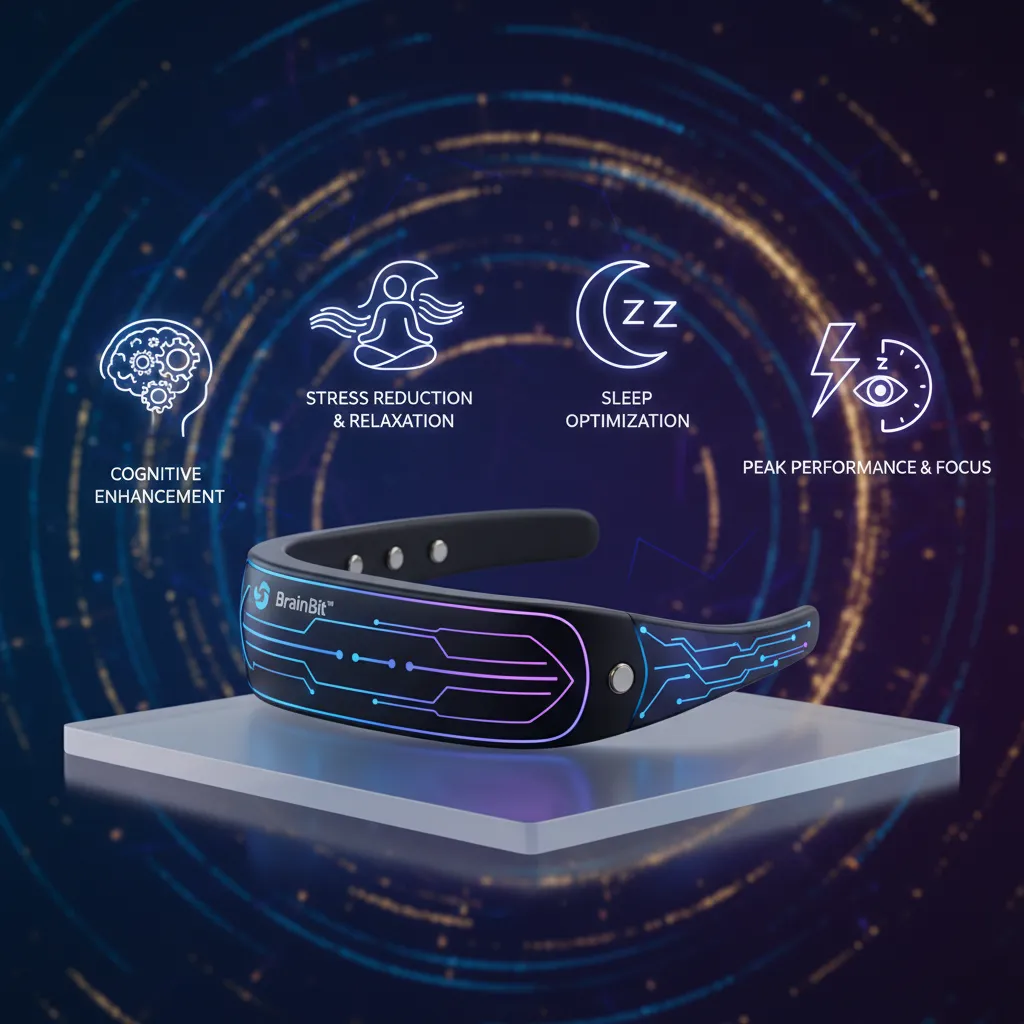
Advancements in technology have made EEG more accessible and user-friendly. Devices like the BrainBit Headband offer convenient and affordable ways to monitor brain wave activity at home, providing valuable insights into personal brain function. You can even learn How to Measure Brain Waves yourself.
How Can You Shift From Fast (Stress) to Slow (Calm) Brain Wave States?
Quick Answer: Shifting from fast (stress) to slow (calm) brain wave states involves techniques like meditation, deep breathing exercises, mindfulness, and neurofeedback to promote relaxation and reduce anxiety.
In today’s fast-paced world, many people experience an overabundance of fast brain waves, such as Beta, leading to stress, anxiety, and burnout. Learning how to shift to slower, more relaxed brain wave states, like Alpha and Theta, is essential for promoting well-being and enhancing cognitive function. Here are several effective techniques:
Meditation: Regular meditation practice can significantly increase Alpha and Theta wave activity, promoting a state of calm and relaxation. Mindfulness meditation, in particular, helps focus attention on the present moment, reducing mental clutter and fostering a sense of inner peace.
Deep Breathing Exercises: Practicing deep, diaphragmatic breathing can activate the parasympathetic nervous system, which is responsible for the “rest and digest” response. This helps slow down brain wave activity and reduce feelings of stress and anxiety.
Mindfulness: Engaging in mindfulness practices, such as body scans and mindful walking, can help cultivate awareness of thoughts and feelings without judgment. This promotes a sense of detachment from stressful situations and encourages slower brain wave activity.
Neurofeedback: This technique involves monitoring brain wave activity in real-time and providing feedback to help individuals learn how to self-regulate their brain waves. Neurofeedback Benefits may include reduced anxiety, improved focus, and enhanced emotional regulation.
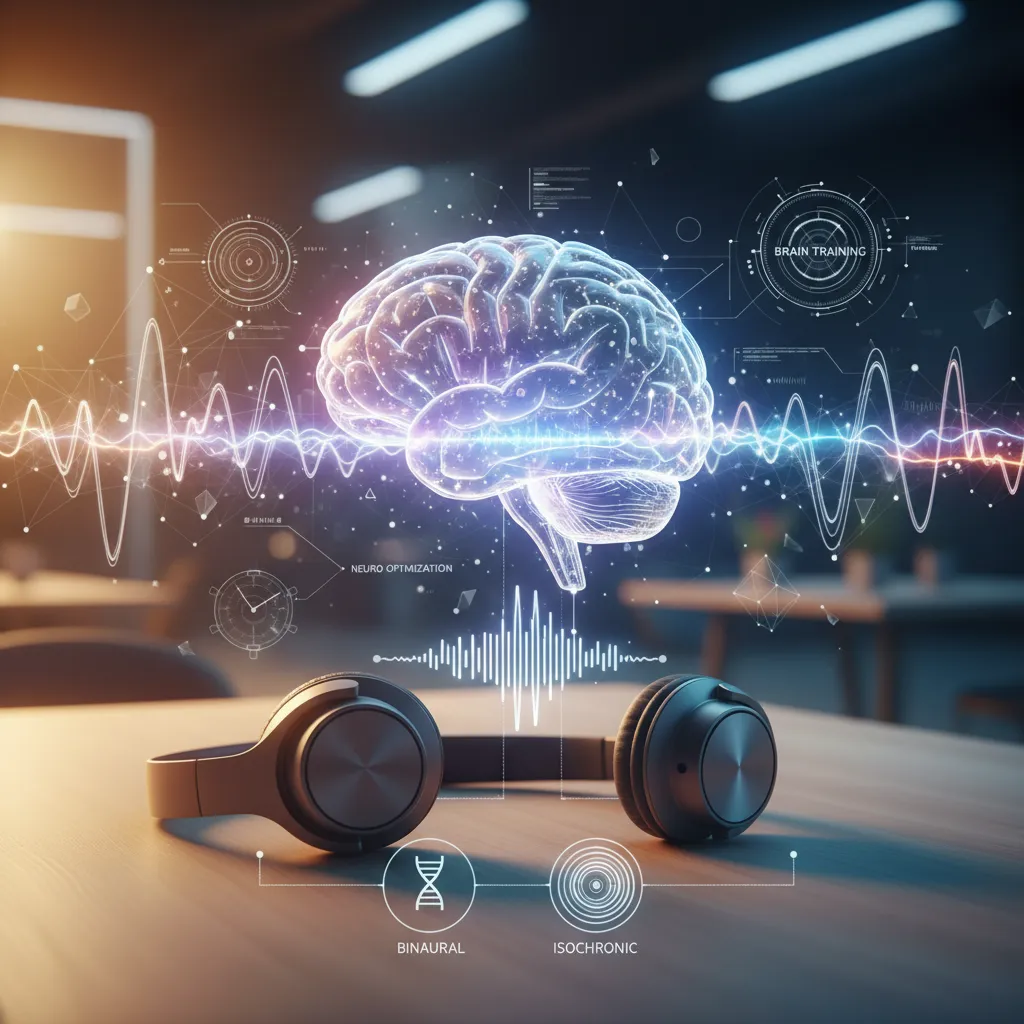
Brainwave Entrainment: Using auditory or visual stimuli to influence brain wave activity, brainwave entrainment can help shift the brain to desired states. For example, listening to binaural beats or isochronic tones at specific frequencies can promote relaxation or enhance focus.
By incorporating these techniques into your daily routine, you can train your brain to shift from fast (stress) to slow (calm) brain wave states, promoting greater well-being and cognitive function. The NeuroVizr device from NeuroTech Insider can also assist with this process through light and sound therapy.
Frequently Asked Questions
What are the 5 brain wave types and how do they range from fastest to slowest?
The five primary brain wave types, from fastest to slowest, are Gamma, Beta, Alpha, Theta, and Delta, each linked to different states of consciousness and brain activity.
Why is it important to have a balance of all brain wave types?
A balance is crucial for optimal cognitive function, emotional stability, and overall well-being, enabling the brain to adapt to diverse demands and situations.
How can you shift from fast (stress) to slow (calm) brain wave states?
Techniques like meditation, deep breathing, mindfulness, and neurofeedback can help shift from fast (stressful) to slow (calm) brain wave states, promoting relaxation.