
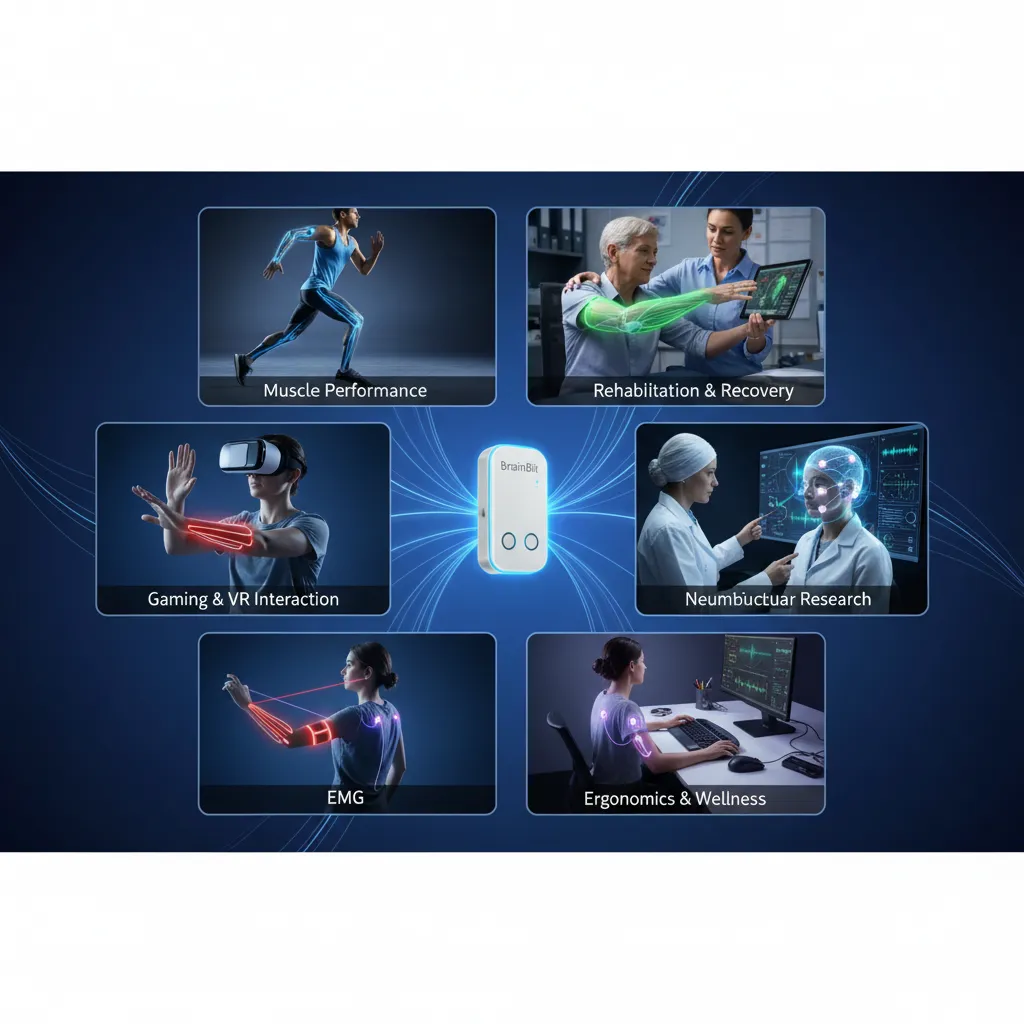
Key Takeaways
✅ Pros
- Integrated EEG and EMG capabilities provide comprehensive insights into brain and muscle activity.
- Offers real-time biofeedback for improved motor control and rehabilitation outcomes.
- Optimizes sports training by monitoring muscle tension, fatigue, and imbalances, preventing injuries.
- Effective tool for diagnosing and managing bruxism (teeth grinding) through objective data.
- Small form factor enhances user comfort, allows for discreet monitoring, and is easily integrated into wearables.
- Provides a data-driven approach to therapy and performance enhancement.
❌ Cons
- Potential for misinterpretation of complex data without expert guidance.
- Requires proper electrode placement and calibration for accurate readings.
- User commitment and consistent training are necessary for effective biofeedback applications.
- Specific cost and accessibility information are not detailed in the content.
BrainBit Callibri EMG sensors offer a revolutionary approach to muscle and motion tracking, providing valuable insights into neuromuscular activity. NeuroTech Insider is at the forefront of integrating this cutting-edge technology into various applications, from rehabilitation to sports performance enhancement. Explore the potential of wearable EMG, biofeedback for muscle training, and advanced motion analysis.
What is the Difference Between EEG (Brain) and EMG (Muscle) Callibri?
Quick Answer: EEG measures brain electrical activity, while EMG measures muscle electrical activity. Callibri offers both technologies, enabling a comprehensive understanding of the neuromuscular system.
Electroencephalography (EEG) and Electromyography (EMG) are both neurophysiological techniques, but they capture different aspects of the body’s electrical activity. EEG focuses on measuring the electrical activity of the brain, typically through electrodes placed on the scalp. This allows researchers and clinicians to monitor brainwaves, identify patterns associated with different cognitive states, and diagnose neurological conditions like epilepsy or sleep disorders. Think of it as listening to the symphony of your brain.
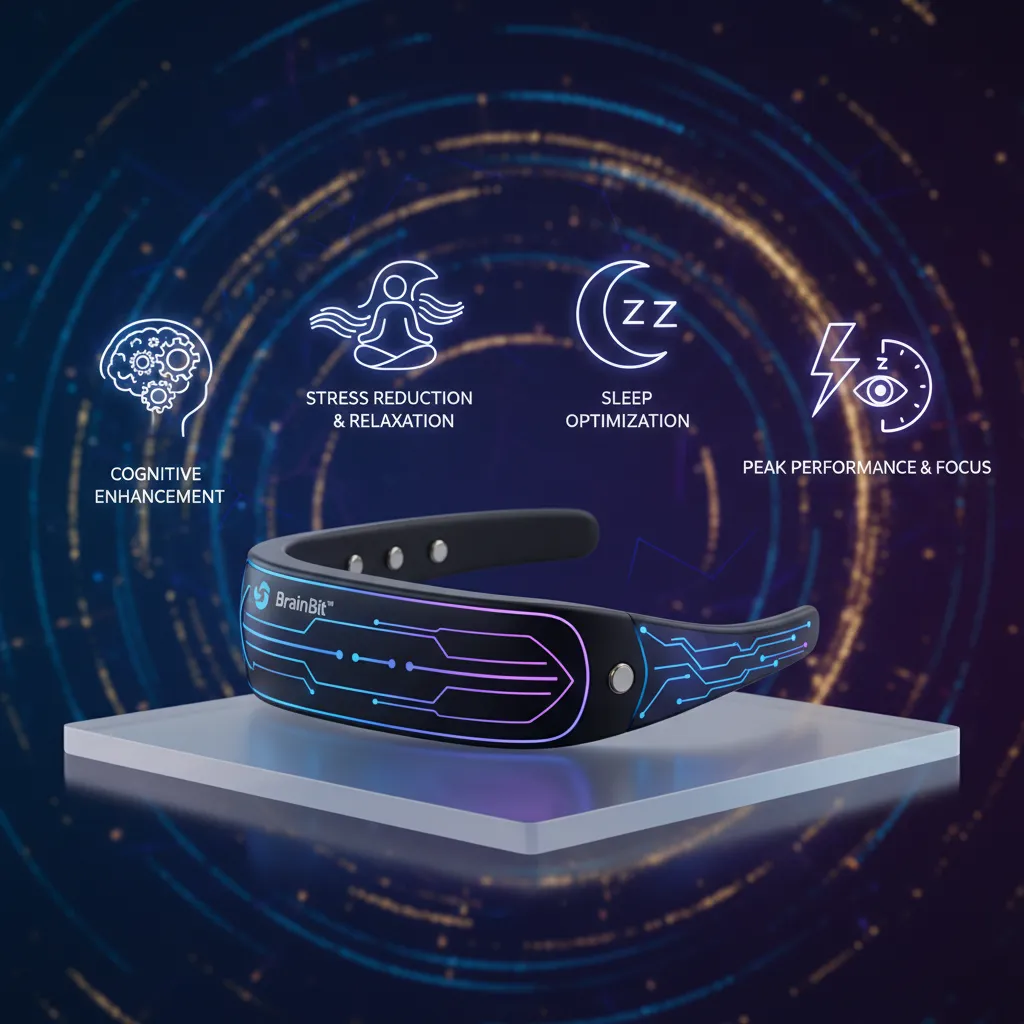
EMG, on the other hand, measures the electrical activity produced by skeletal muscles. This is done by placing electrodes on the skin or inserting them directly into the muscle tissue. EMG is used to assess muscle function, diagnose neuromuscular disorders, and study muscle activation patterns during movement. It’s like eavesdropping on the conversations between your brain and your muscles.
The BrainBit Callibri system offers both EEG and EMG capabilities in a single, wearable device. This allows for a more integrated and comprehensive understanding of the relationship between brain activity and muscle function. For example, you can use the BrainBit Headband for EEG monitoring. This is particularly useful in applications such as biofeedback, where users can learn to control their brainwaves and muscle activity to improve performance or manage stress. The difference is crucial, as one tells you what the brain is doing, and the other, what the muscles are responding.
How Can Callibri Be Used for Movement Recovery in Rehabilitation?
Quick Answer: Callibri’s EMG sensors can track muscle activation during rehabilitation exercises, providing real-time feedback to patients and therapists, accelerating recovery and improving motor control.
Rehabilitation after injury or stroke often involves regaining motor control and muscle strength. Callibri EMG sensors can play a crucial role in this process by providing objective data on muscle activity. By monitoring muscle activation patterns during exercises, therapists can tailor treatment plans to address specific weaknesses and imbalances. This data-driven approach allows for more effective and efficient rehabilitation.
For example, consider a patient recovering from a stroke who has difficulty moving their arm. Using Callibri EMG sensors, the therapist can monitor the activity of the muscles involved in arm movement. If the sensors detect that certain muscles are not activating properly, the therapist can adjust the exercises to target those specific muscles. The real-time feedback provided by the sensors can also help the patient learn to consciously activate the correct muscles, improving motor control and coordination.
Furthermore, the Callibri system can be used to create gamified rehabilitation exercises. By turning the muscle activation data into a visual or auditory feedback signal, patients can be motivated to engage more actively in their therapy. For instance, a game could be designed where the patient has to contract a specific muscle to move an object on the screen. This makes the rehabilitation process more engaging and enjoyable, leading to better outcomes. For even more specialized use, you can explore the BrainBit SDK to customize the rehabilitation process.
How Does Callibri Track Muscle Tension During Sports Training?
Quick Answer: Callibri helps athletes optimize training by monitoring muscle fatigue, identifying imbalances, and preventing injuries through real-time muscle tension analysis.
In sports, understanding muscle activation patterns is crucial for optimizing performance and preventing injuries. Callibri EMG sensors provide athletes and coaches with valuable insights into muscle function during training and competition. By monitoring muscle tension, fatigue, and imbalances, athletes can fine-tune their training regimens to maximize their potential. Imagine being able to see exactly which muscles are working too hard and which ones aren’t pulling their weight.
For example, a weightlifter can use Callibri EMG sensors to monitor the activity of their biceps and triceps during a bicep curl. If the sensors detect that the biceps are significantly more active than the triceps, it may indicate a muscle imbalance. The athlete can then adjust their training to strengthen the triceps and restore balance. This can help prevent injuries and improve overall performance.
Moreover, Callibri can be used to monitor muscle fatigue during endurance activities. By tracking the decline in muscle activity over time, athletes can identify the point at which fatigue sets in and adjust their pace accordingly. This can help them avoid overtraining and reduce the risk of injuries. The Neurofeedback for Sports applications are significantly enhanced with the Callibri, providing real-time data for optimal training.
Can Callibri Help Stop Teeth Grinding (Bruxism)?
Quick Answer: Yes, Callibri can monitor jaw muscle activity during sleep, alerting users to teeth grinding and enabling biofeedback training to reduce bruxism.
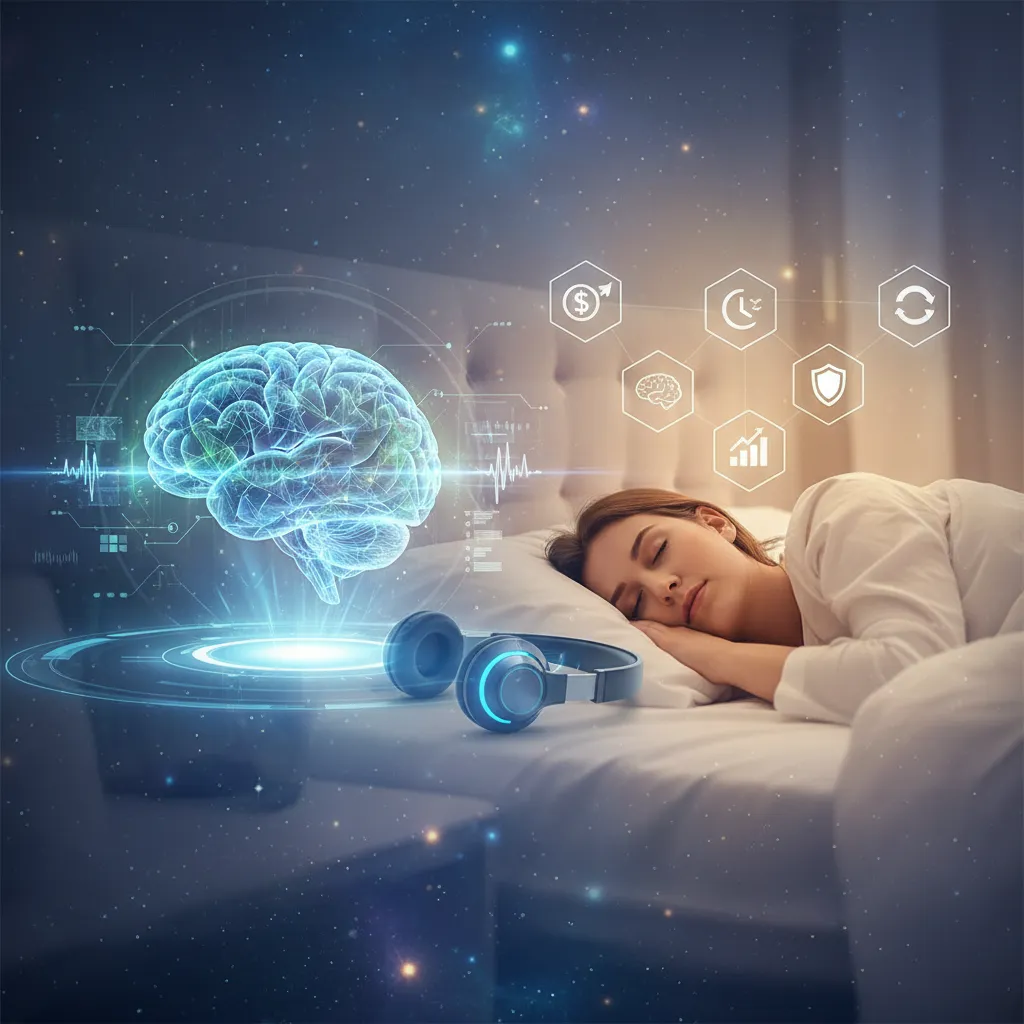
Bruxism, or teeth grinding, is a common problem that can lead to jaw pain, headaches, and tooth damage. Callibri EMG sensors can be used to monitor the activity of the jaw muscles during sleep, providing valuable insights into the frequency and intensity of teeth grinding. This information can be used to develop personalized treatment plans to reduce bruxism.

For example, a dentist can use Callibri EMG sensors to monitor a patient’s jaw muscle activity during sleep. If the sensors detect frequent and intense teeth grinding, the dentist can recommend a mouthguard to protect the teeth from damage. In addition, the patient can use biofeedback training to learn to consciously relax their jaw muscles and reduce teeth grinding.
The Callibri system can also be used to provide real-time feedback to the patient during sleep. If the sensors detect teeth grinding, the system can gently vibrate or play a soft sound to alert the patient and prompt them to relax their jaw muscles. Over time, this can help the patient develop a habit of relaxing their jaw muscles during sleep, reducing the frequency and intensity of bruxism. Consider using the Callibri Baseball Cap for comfortable overnight monitoring.
What Are the Benefits of Callibri’s Small Form Factor in Terms of Technology?
Quick Answer: Callibri’s compact size enhances user comfort, allows for discreet monitoring, and facilitates integration into various wearable devices, expanding its applications.
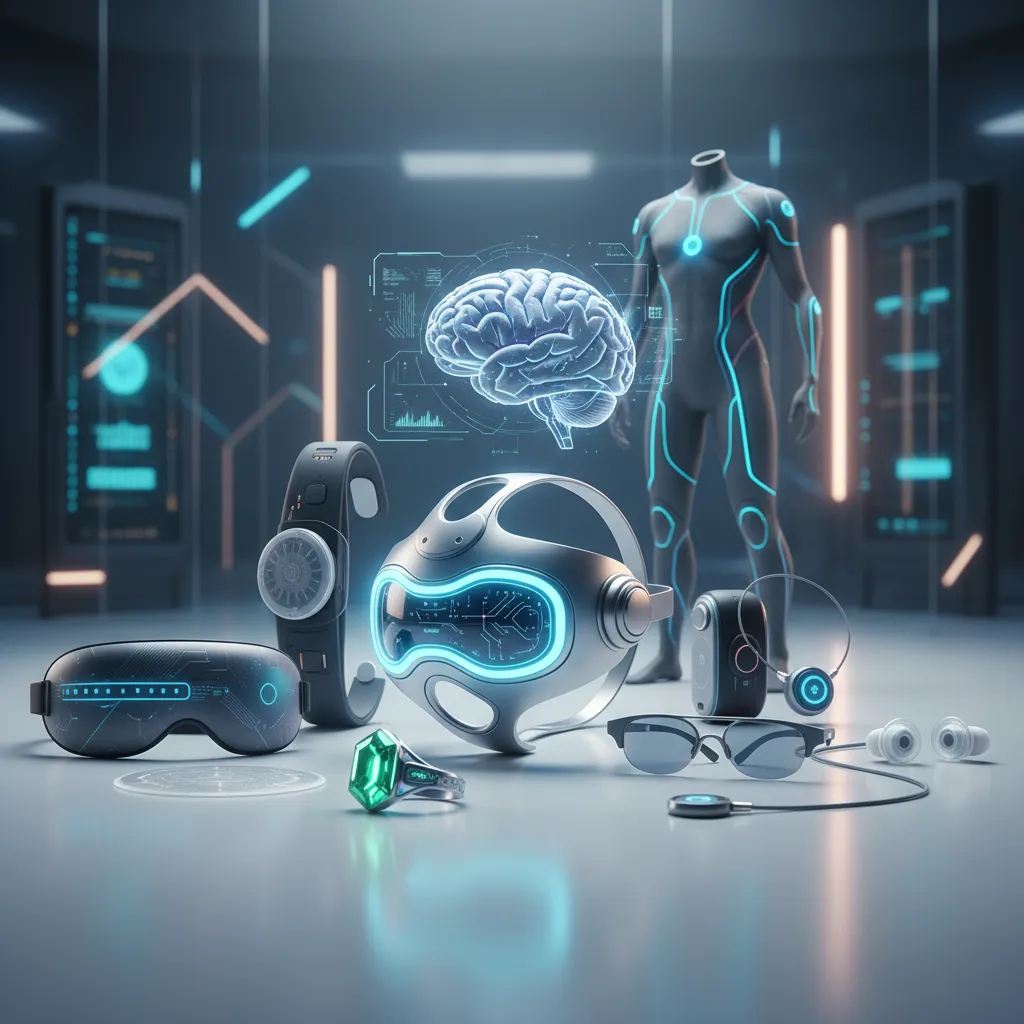
The small form factor of the BrainBit Callibri EMG sensors offers several advantages in terms of technology and usability. The compact size makes the sensors comfortable to wear and allows for discreet monitoring of muscle activity. This is particularly important in applications such as sports training and rehabilitation, where athletes and patients need to be able to move freely without being encumbered by bulky equipment.
Furthermore, the small size of the Callibri sensors makes them easy to integrate into various wearable devices, such as smartwatches, headbands, and clothing. This opens up a wide range of possibilities for new applications of EMG technology. Imagine a smartwatch that can monitor your muscle activity during exercise and provide personalized feedback to help you optimize your workout. Or a shirt that can detect muscle fatigue and alert you to take a break before you get injured.
The technological benefits extend to data processing as well. The compact design allows for efficient signal processing and data transmission, ensuring accurate and reliable measurements. As Wearable Wellness Gadgets become increasingly sophisticated, Callibri’s small size and powerful capabilities position it as a key component in the future of personal health monitoring.
Frequently Asked Questions
What is the Difference Between EEG (Brain) and EMG (Muscle) Callibri?
EEG measures brain electrical activity, typically through scalp electrodes, for monitoring brainwaves and diagnosing neurological conditions. EMG, conversely, measures electrical activity produced by skeletal muscles to assess muscle function and diagnose neuromuscular disorders. BrainBit Callibri integrates both, offering a comprehensive view of the neuromuscular system.
How Can Callibri Be Used for Movement Recovery in Rehabilitation?
Callibri EMG sensors provide objective, real-time data on muscle activity during rehabilitation exercises. This allows therapists to tailor treatment plans, address specific weaknesses, and help patients consciously activate correct muscles, thereby accelerating recovery and improving motor control.
Can Callibri Help Stop Teeth Grinding (Bruxism)?
Yes, Callibri EMG sensors can monitor jaw muscle activity during sleep, providing insights into the frequency and intensity of teeth grinding. This information facilitates personalized treatment plans, including biofeedback training to help patients relax their jaw muscles and reduce bruxism over time.