Neurofeedback therapy, a form of biofeedback using real-time EEG, offers profound benefits for brain optimization. It leverages neuroplasticity to teach self-regulation, improving cognitive function, emotional balance, and overall mental health. Key applications include ADHD, anxiety, sleep disorders, and peak performance enhancement for athletes and professionals. Sessions involve personalized training protocols based on qEEG brain maps, with various advanced types like LORETA and Z-score neurofeedback. The benefits are largely long-term and sustainable, supported by scientific evidence, leading to lasting improvements in focus, resilience, and well-being.
✅ Pros
Improves cognitive function including attention, focus, memory, and executive function.
Enhances emotional regulation, reducing symptoms of anxiety, depression, and stress.
Optimizes peak performance for athletes, professionals, and students.
Non-invasive and drug-free therapeutic approach.
Benefits are generally long-term and sustainable due to brain’s neuroplasticity.
Effective for a wide range of conditions from ADHD and sleep disorders to PTSD.
❌ Cons
Initial cost can be a significant consideration
Requires commitment to multiple sessions for optimal and lasting results
Neurofeedback Benefits: 3 Major Benefits of Therapy for Your Brain
Neurofeedback benefits individuals seeking enhanced well-being by optimizing brainwave patterns, offering a path to improved cognitive function, emotional regulation, and peak performance. As NeuroTech Insider explores, this innovative brain training benefits countless lives, providing a non-invasive solution for issues ranging from sleep disturbances to focus challenges.
What Are the Core Neurofeedback Benefits for Brain Optimization?
Quick Answer: Neurofeedback therapy offers significant benefits by teaching the brain to self-regulate, leading to improved cognitive function, enhanced emotional control, and optimized performance across various domains. It leverages real-time brainwave activity to promote healthier neural patterns.
The pursuit of cognitive enhancement and emotional balance has led many to explore advanced neuro-technologies. Among these, neurofeedback therapy stands out as a scientifically validated method for brain optimization. At its core, neurofeedback is a type of biofeedback that utilizes real-time displays of brain activity, most commonly electroencephalography (EEG), to teach individuals how to voluntarily alter their brainwave patterns. This process, often referred to as EEG biofeedback, allows the brain to learn self-regulation, moving towards more optimal states. For decades, researchers and clinicians have observed profound neurofeedback benefits across a wide spectrum of applications.
The underlying principle is neuroplasticity, the brain’s remarkable ability to reorganize itself by forming new neural connections throughout life. By providing direct feedback on brainwave activity, neurofeedback sessions empower individuals to consciously or unconsciously guide their brain towards desired states of arousal, focus, or relaxation. This non-invasive brain training devices approach cultivates a more balanced and efficient central nervous system, leading to sustained improvements in various aspects of mental and physical health.
For instance, if a person experiences excessive slow-wave activity associated with difficulty focusing, neurofeedback can train their brain to produce more fast-wave activity, improving attention and concentration. This personalized approach to neural training ensures that interventions are tailored to an individual’s unique brain profile, as revealed by a quantitative electroencephalography (qEEG) brain map. The results often include enhanced mental clarity, better emotional regulation, and a significant reduction in symptoms related to various neurological and psychological conditions.
What Conditions Can Neurofeedback Effectively Address?
Quick Answer: Neurofeedback is effective in treating a broad range of conditions including ADHD, anxiety, depression, sleep disorders, and chronic pain, by normalizing dysfunctional brainwave patterns.
3 Major Benefits of Neurofeedback Therapy for Your Brain – Neurofeedback Benefits – 1
The versatility of neurofeedback therapy is one of its most compelling attributes. It has shown efficacy across a diverse array of conditions, impacting both mental health and physical well-being. By targeting the root cause of many neurological dysregulations—imbalanced brainwave activity—neurofeedback offers a hopeful alternative or complementary treatment.
Condition
Primary Neurofeedback Benefit
Mechanisms of Action
ADHD
Improved attention, reduced impulsivity and hyperactivity
Regulates limbic system activity, enhances frontal lobe control
Peak Performance
Increased focus, improved reaction time, stress resilience
Optimizes Alpha-Theta training, SMR for sustained attention
Beyond these, neurofeedback is being explored for conditions such as migraines, chronic fatigue syndrome, fibromyalgia, and even mild traumatic brain injury recovery. The consistent theme is the brain’s capacity to learn and adapt when given precise information about its own functioning.
How Does Neurofeedback Enhance Mental Health and Cognitive Function?
Quick Answer: Neurofeedback enhances mental health and cognitive function by training the brain to produce healthier brainwave patterns, thereby reducing symptoms of disorders like ADHD and anxiety, improving focus, memory, and emotional regulation.
One of the most profound neurofeedback benefits lies in its ability to directly address the neurological underpinnings of mental health challenges and cognitive deficits. By normalizing brainwave activity, this therapy helps individuals achieve greater mental equilibrium and sharper cognitive abilities.
What is Neurofeedback’s Efficacy for ADHD and Attention Issues?
Quick Answer: Neurofeedback for ADHD is highly effective, often achieving results comparable to medication in improving attention, reducing impulsivity, and managing hyperactivity, according to extensive research.
3 Major Benefits of Neurofeedback Therapy for Your Brain – brain training therapy – 2
For individuals grappling with Attention-Deficit/Hyperactivity Disorder (ADHD), adhd neurofeedback has emerged as a cornerstone treatment. ADHD is often characterized by an excess of slow-wave activity (Theta waves) and a deficit of fast-wave activity (Beta waves) in specific brain regions. Neurofeedback protocols specifically train the brain to decrease Theta waves and increase Beta waves, thereby enhancing the brain’s ability to sustain attention and regulate impulses.
A meta-analysis published in the journal Clinical EEG and Neuroscience in 2009, and further supported by subsequent studies, concluded that neurofeedback for ADHD is an Efficacy Level 1—meaning it is efficacious and specific, equivalent to medication for some symptom categories. Children and adults undergoing adhd neurofeedback often experience improvements in:
• Sustained attention and focus
• Reduction in impulsive behaviors
• Decreased hyperactivity and restlessness
• Improved organizational skills and executive function
• Better academic and social performance
The positive outcomes can significantly reduce the risk of ADHD burnout, a common issue for those constantly striving to keep up. This method empowers the individual to develop self-regulatory skills, leading to lasting improvements. Moreover, for those with specific subtypes like Limbic ADD, neurofeedback can target the emotional regulation centers, addressing both attentional and mood components.
How Does Neurofeedback Alleviate Anxiety and Promote Emotional Balance?
Quick Answer: Neurofeedback helps alleviate anxiety by training the brain to reduce excessive high-frequency beta wave activity and increase calming alpha and theta waves, leading to greater relaxation and emotional resilience.
Anxiety disorders are characterized by chronic worry, tension, and a heightened state of arousal. Brain imaging often reveals an imbalance in brainwave activity, such as an overabundance of high Beta waves (associated with vigilance and rumination) or an asymmetry in Alpha waves between the hemispheres. Anxiety treatment with neurofeedback focuses on training the brain to decrease these overactive fast waves and increase slower, more relaxed Alpha and Theta waves. This process helps to quiet the overactive stress response system.
3 Major Benefits of Neurofeedback Therapy for Your Brain – cognitive enhancement – 3
Clinical studies have demonstrated that individuals undergoing neurofeedback therapy for anxiety often report significant reductions in generalized anxiety symptoms, panic attacks, and phobias. A study published in Applied Psychophysiology and Biofeedback found that patients receiving neurofeedback showed greater reductions in anxiety compared to control groups. The long-term impact is a more resilient emotional state, where individuals can better manage stress and maintain inner calm. This leads to a profound sense of well-being, enhancing their daily lives and interactions.
Can Neurofeedback Improve Sleep Quality and Address Sleep Disorders?
Quick Answer: Yes, neurofeedback significantly improves sleep quality by training the brain to produce brainwave patterns conducive to relaxation and deeper sleep, such as increasing Alpha and Theta waves and reducing disruptive high Beta activity.
Sleep is fundamental to overall health, and disruptions can severely impact cognitive function, mood, and physical well-being. Many sleep disorders, including insomnia, are linked to dysregulated brainwave patterns, often an inability to shift from waking Beta states to more relaxed Alpha and Theta states necessary for sleep onset and maintenance. Neurofeedback directly addresses these patterns, guiding the brain towards optimal sleep architecture.
By training individuals to enhance specific brainwave frequencies—such as increasing Alpha and Theta for relaxation, or Sensory Motor Rhythm (SMR) for improved sleep spindles—neurofeedback helps consolidate sleep and reduce awakenings. Research indicates that participants often report falling asleep faster, experiencing fewer nocturnal awakenings, and feeling more refreshed upon waking. For instance, a study published in Sleep and Hypnosis demonstrated improvements in sleep quality and efficiency after neurofeedback training. These brain training benefits contribute not just to better sleep, but to improved daytime alertness, mood stability, and cognitive performance, fostering a positive cycle of neuro-optimization.
Can Neurofeedback Boost Peak Performance in Athletes and Professionals?
Quick Answer: Yes, neurofeedback is increasingly utilized by athletes, executives, and artists to enhance focus, improve reaction time, manage stress under pressure, and achieve optimal states of mental clarity and performance.
3 Major Benefits of Neurofeedback Therapy for Your Brain – emotional regulation – 4
Beyond clinical applications, neurofeedback has garnered significant attention for its capacity to unlock peak performance in high-stakes environments. The brain training benefits extend to anyone seeking a competitive edge, whether in sports, business, or creative pursuits. By optimizing brainwave patterns, individuals can cultivate states of heightened focus, calm, and resilience.
How Does Neurofeedback Enhance Athletic Performance and Mental Toughness?
Quick Answer: Neurofeedback for sports enhances athletic performance by improving an athlete’s ability to focus, manage pre-competition anxiety, maintain composure under pressure, and accelerate learning of complex motor skills.
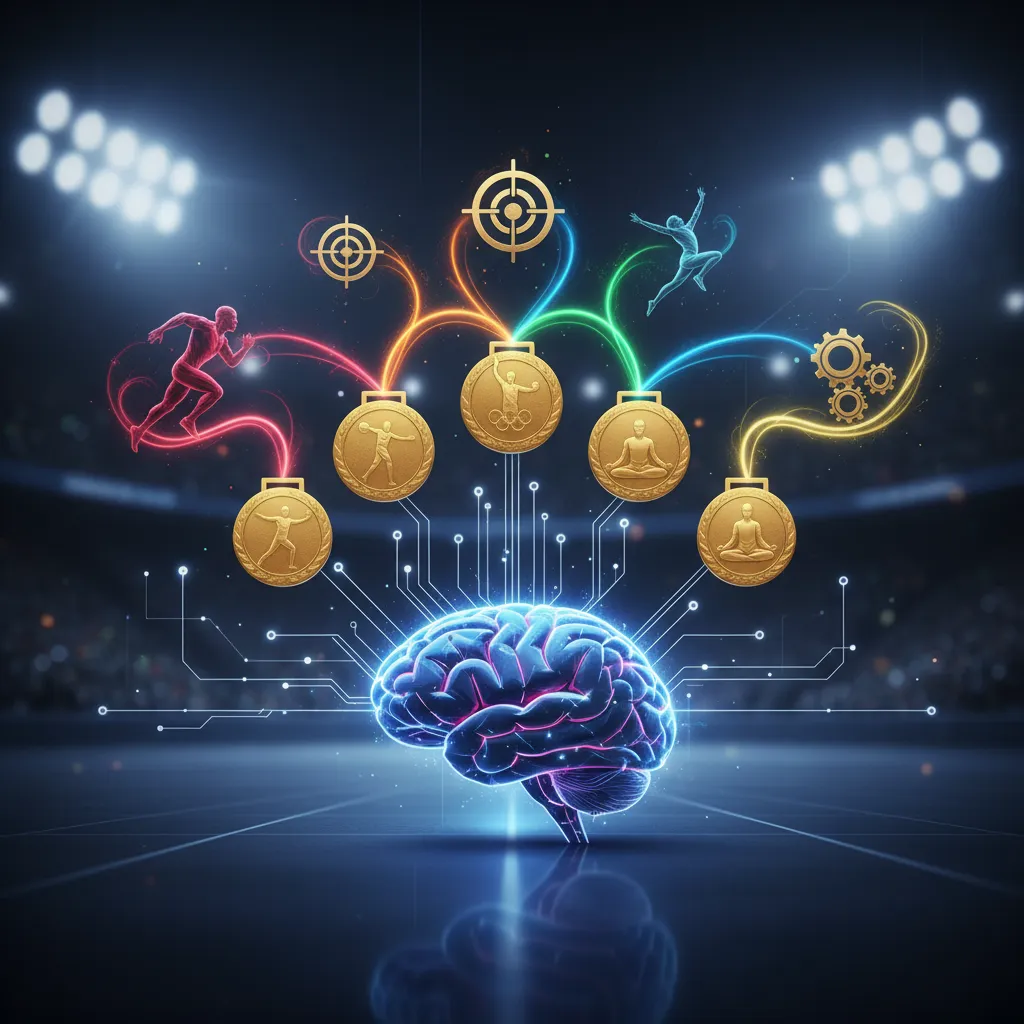
In the demanding world of sports, mental fortitude is as crucial as physical prowess. Neurofeedback for Sports has been adopted by professional athletes and Olympians to gain a psychological advantage. By training specific brainwave frequencies, athletes can achieve the optimal mental state known as “the zone” or flow state, characterized by effortless concentration and peak execution.
• Improved focus and concentration, especially during high-pressure moments.
• Enhanced reaction time and decision-making speed.
• Reduced pre-competition anxiety and performance stress.
• Greater emotional control and resilience in the face of setbacks.
• Accelerated motor learning and skill acquisition.
For example, training to increase Alpha waves in the parietal lobe can enhance visualization and relaxation, crucial for precision sports. Conversely, SMR training can improve sustained attention and motor control. A 2011 study in the Journal of Sport & Exercise Psychology demonstrated that neurofeedback training significantly improved elite athletes’ performance in a simulated competition. This form of neural training is a powerful tool for developing mental toughness, enabling athletes to perform consistently at their best.
3 Major Benefits of Neurofeedback Therapy for Your Brain – peak performance – 5
How Can Neurofeedback Improve Business and Academic Performance?
Quick Answer: Neurofeedback enhances business and academic performance by sharpening focus, boosting cognitive processing speed, improving memory retention, and fostering greater creativity and problem-solving abilities.
In the competitive landscapes of business and academia, cognitive edge is paramount. Professionals and students alike seek methods to optimize their mental faculties, reduce stress, and sustain high levels of productivity. Neurofeedback therapy provides a direct route to achieving these goals by cultivating optimal brainwave patterns.
• Enhanced executive function, leading to better planning and decision-making.
• Improved stress resilience, allowing for calmer responses to workplace pressures.
• Greater mental stamina, reducing fatigue during long workdays.
• Boosted creativity and problem-solving skills, fostering innovation.
In academic settings, students can leverage neurofeedback to improve study habits, reduce test anxiety, and optimize learning. For example, Alpha-Theta training can enhance access to subconscious material, fostering creativity and insight, while Beta training can sharpen focus for complex tasks. These neuro-optimization techniques offer a powerful competitive edge, ensuring sustained high performance without relying on stimulants or other external aids. It’s a sustainable path to achieving cognitive excellence.
What Does a Neurofeedback Session Involve, and How Does it Work?
Quick Answer: A neurofeedback session involves placing sensors on the scalp to monitor brainwave activity (EEG biofeedback), which is then displayed in real-time on a screen. The individual learns to modify these patterns through engaging feedback, such as a video game or sounds, to achieve desired mental states.
3 Major Benefits of Neurofeedback Therapy for Your Brain – Neurofeedback Benefits – 6
Understanding the practical aspects of neurofeedback therapy demystifies the process and highlights its non-invasive nature. It is essentially a learning process where the brain is rewarded for producing more desirable brainwave patterns.
What is the Step-by-Step Process of a Typical Neurofeedback Session?
Quick Answer: A neurofeedback session typically begins with a QEEG assessment, followed by placement of EEG sensors on the scalp. Brainwave activity is then processed and displayed as visual or auditory feedback, which the individual learns to control to achieve specific brainwave goals.
The journey into neurofeedback begins with a comprehensive assessment to understand an individual’s unique brainwave profile. This typically involves a quantitative electroencephalography (qEEG), or a brain map, which provides a detailed picture of brain activity. This initial step is crucial for developing a personalized training protocol.
Phase
Description
Objective
1. Initial Assessment
Detailed intake, symptom review, and qEEG brain mapping.
Identify specific brainwave dysregulations and create a personalized training plan.
2. Sensor Placement
Non-invasive EEG sensors are placed on the scalp to monitor brainwave activity.
Accurately measure real-time electrical activity in targeted brain regions.
3. Real-time Feedback
Brainwave data is translated into visual/auditory feedback (e.g., video game, movie, sounds).
Provide immediate information to the brain, enabling self-correction towards desired patterns.
4. Training & Practice
The individual actively engages with the feedback, learning to adjust their brain states.
Reinforce healthier brainwave patterns through operant conditioning over multiple sessions.
5. Progress Monitoring
Regular assessments and qEEG re-maps track changes and adjust protocols.
Ensure ongoing effectiveness and refine the training for optimal outcomes.
During the session, typically lasting 30-60 minutes, the client sits comfortably while sensors detect their brain’s electrical activity. This eeg biofeedback is then presented as a simple game or a movie that only plays when the brain is producing the desired brainwave patterns. For example, if the goal is to increase Alpha waves for relaxation, the video might play smoothly only when Alpha activity is optimal. The brain, seeking to continue the pleasant feedback, naturally learns to produce more of these beneficial waves. Over a series of sessions, typically 20-40, this learning becomes consolidated, leading to lasting changes. This sophisticated yet intuitive process underscores the power of neural training.
Are There Different Types of Neurofeedback Training?
Quick Answer: Yes, various types of neurofeedback exist, including amplitude, coherence, phase, LORETA, and Z-score training, each targeting different aspects of brainwave activity for specific therapeutic goals.
3 Major Benefits of Neurofeedback Therapy for Your Brain – brain training therapy – 7
The field of neurofeedback has evolved to include several sophisticated modalities, each designed to address specific brain dysregulations and optimize different aspects of cognitive and emotional function. Understanding these variations helps appreciate the depth of neurofeedback therapy.
•Amplitude Training: This is the most common type, focusing on increasing or decreasing the power (amplitude) of specific brainwave frequencies (e.g., training to increase SMR or Beta, or decrease Theta).
•Coherence Training: Addresses how well different brain regions communicate. Low coherence can lead to cognitive inflexibility, while high coherence can indicate over-connectivity. Training aims to normalize these connections.
•Phase Training: Similar to coherence, but focuses on the timing of brainwave communication between areas. Optimal phase relationships are crucial for efficient information processing.
•LORETA Neurofeedback (Low Resolution Electromagnetic Tomography): This advanced form uses 19 or more sensors to estimate brainwave activity in deeper brain structures (cortical and subcortical regions) in 3D. It allows for highly targeted training based on precise source localization, offering profound brain training benefits for complex conditions.
•Z-score Neurofeedback: Compares an individual’s real-time brainwave activity to a normative database of healthy brains. The goal is to bring the individual’s brain activity within the healthy range, normalizing patterns across multiple frequencies and locations simultaneously.
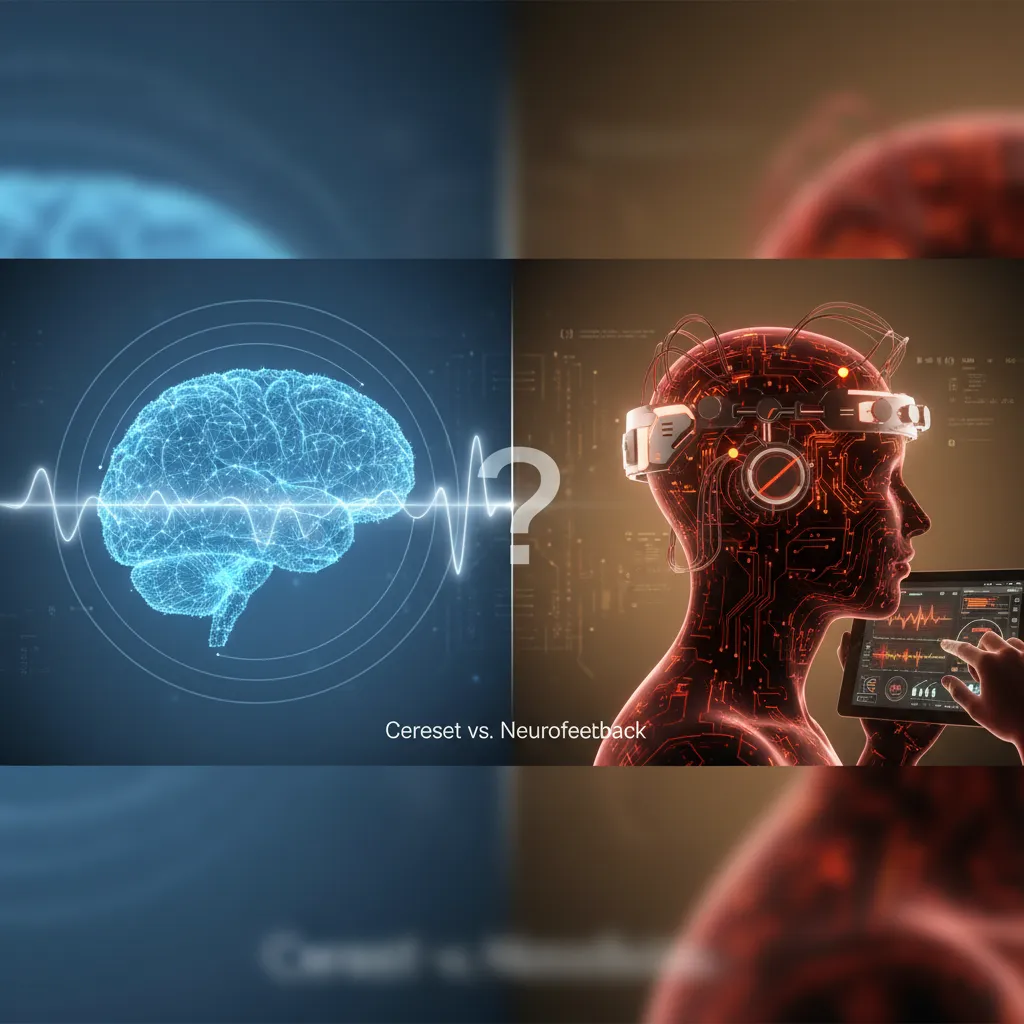
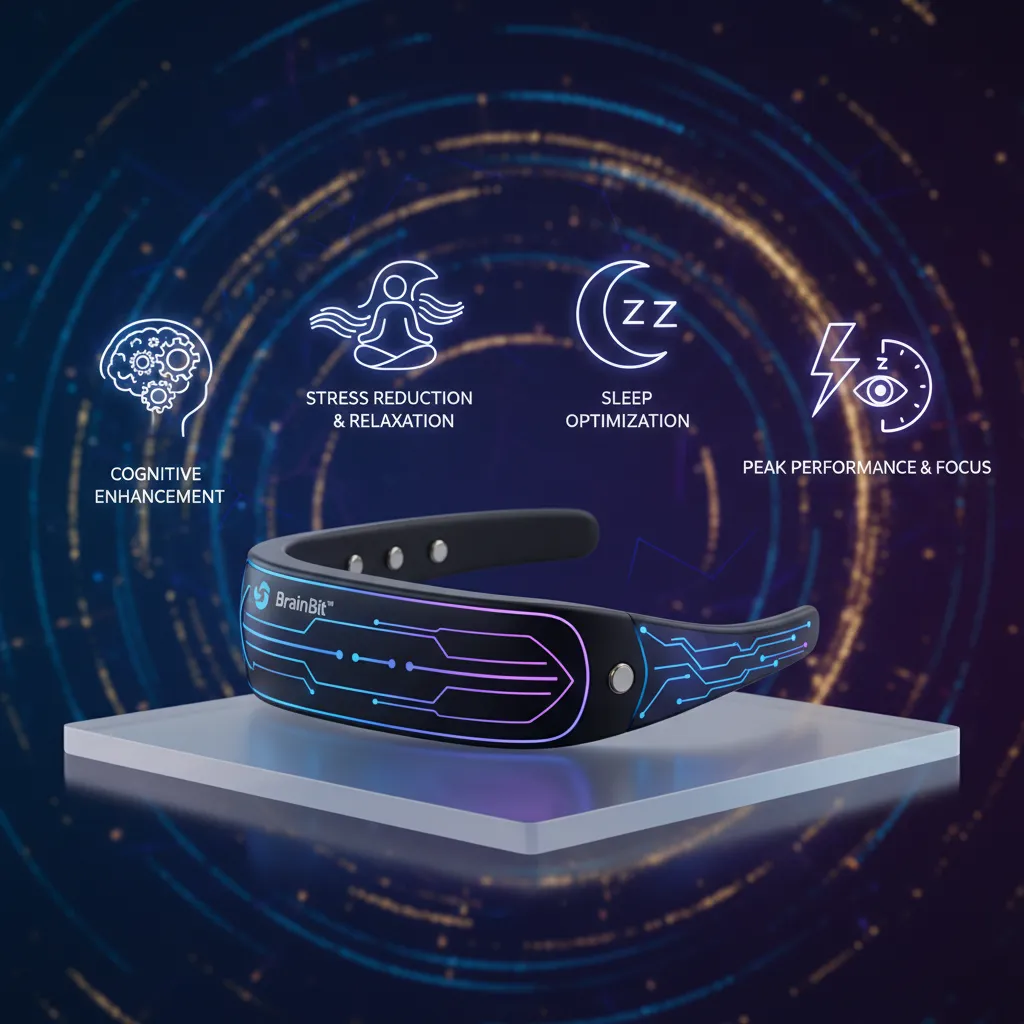
Other emerging technologies like the BrainBit Headband and devices like the Muse 2 Review offer accessible forms of brain training devices for home use, often focusing on relaxation and focus. While clinical settings usually offer more advanced and personalized protocols like LORETA, these consumer devices can provide valuable supplementary training. It is important to note that therapies like Cereset vs Neurofeedback have different methodologies, and choosing the right approach depends on individual needs and goals.
Are Neurofeedback Benefits Long-Term and Sustainable?
Quick Answer: Yes, neurofeedback benefits are generally long-term and sustainable because the brain learns new self-regulation skills, leading to lasting changes in brainwave patterns and improved functional outcomes.
A crucial consideration for any therapeutic intervention is the durability of its effects. One of the most compelling aspects of neurofeedback therapy is the long-term nature of its benefits. Unlike treatments that manage symptoms, neurofeedback teaches the brain a new way of functioning, a skill that, once learned, tends to persist.
What Scientific Evidence Supports the Permanence of Neurofeedback Outcomes?
Quick Answer: Numerous studies, particularly follow-up research on ADHD and anxiety, indicate that the brainwave changes and symptom improvements achieved through neurofeedback are sustained for years post-treatment, suggesting a permanent learning effect.
3 Major Benefits of Neurofeedback Therapy for Your Brain – cognitive enhancement – 8
The permanence of neurofeedback benefits is a well-documented aspect of the therapy. This is because neurofeedback facilitates a learning process within the brain, akin to learning to ride a bicycle or play a musical instrument. Once the brain learns to self-regulate more effectively, it retains that ability.
For example, a landmark study by Monastra et al. (2002) followed children with ADHD who received neurofeedback, demonstrating that 80% maintained improvements in attention and reduced impulsivity 10 years post-treatment, even after discontinuing medication. Similarly, research on anxiety treatment via neurofeedback has shown sustained reductions in anxiety symptoms over extended follow-up periods. These findings underscore the brain’s capacity for neuroplastic change and the lasting impact of targeted neural training.
The mechanism behind this long-term stability lies in the strengthening of neural pathways associated with healthier brainwave patterns. As the brain is repeatedly rewarded for producing desired frequencies, these pathways become more robust and efficient. This leads to a new, more optimal baseline for brain function, which the brain then maintains naturally.
What Factors Influence the Longevity of Neurofeedback Results?
Quick Answer: The longevity of neurofeedback results is influenced by factors such as the number of sessions completed, adherence to lifestyle recommendations, individual brain plasticity, and occasional booster sessions for maintenance.
3 Major Benefits of Neurofeedback Therapy for Your Brain – emotional regulation – 9
•Completion of Recommended Sessions: Achieving a sufficient number of sessions (often 20-40, depending on the individual and condition) ensures that the brain has adequately learned and consolidated the new patterns.
•Lifestyle and Environment: Maintaining a healthy lifestyle, including good nutrition, regular exercise, stress management, and sufficient sleep, supports the brain’s optimal function and reinforces the learned patterns.
•Individual Neuroplasticity: While brains are inherently plastic, individual differences in neuroplasticity can influence the speed and extent of learning.
•Booster Sessions: For some individuals, particularly those with chronic or severe conditions, occasional booster sessions (e.g., once or twice a year) may be beneficial to reinforce the learned patterns and maintain peak brain performance.
The initial Neurofeedback Cost can be a consideration, but the investment often yields long-term returns in improved quality of life and reduced reliance on ongoing symptomatic treatments. The goal is to empower individuals with self-regulation skills that serve them throughout their lives, making neurofeedback a truly transformative intervention.
Who Can Benefit from Neurofeedback Therapy?
Quick Answer: Neurofeedback therapy offers benefits to a wide demographic, including children with ADHD, adults managing anxiety or depression, athletes seeking peak performance, and anyone interested in enhancing cognitive function, improving sleep, or reducing stress.
The broad applicability of neurofeedback therapy makes it a valuable tool for individuals across all life stages and with diverse goals. From addressing specific clinical conditions to fostering general well-being and peak performance, the neurofeedback benefits are far-reaching.
For children and adolescents, neurofeedback can provide a non-pharmacological approach to managing conditions like ADHD, learning disabilities, and behavioral issues, promoting academic success and social development. For adults, it offers a pathway to reducing the impact of stress, anxiety, depression, and sleep disturbances that often accompany modern life, leading to greater resilience and emotional stability.
Furthermore, for those without specific diagnoses but seeking self-improvement, neurofeedback acts as a powerful tool for neuro-optimization. Professionals desiring sharper focus, artists aiming for enhanced creativity, and individuals simply wanting to improve their sleep hygiene or general cognitive function can all experience significant brain training benefits. The core principle remains consistent: by teaching the brain to function more efficiently and effectively, neurofeedback empowers individuals to unlock their full potential and live more fulfilling lives. NeuroTech Insider is dedicated to exploring and sharing these advancements.
In conclusion, the journey into neurofeedback reveals a powerful, non-invasive approach to brain health and optimization. The three major benefits—profound improvements in mental health and cognitive function, enhanced peak performance across various domains, and the promise of long-term, sustainable results—make it a compelling option for anyone seeking to improve their quality of life. By embracing the brain’s inherent capacity for learning and change, neurofeedback offers a path to greater focus, emotional balance, and sustained well-being.
💡 Verdict: Neurofeedback therapy stands as a scientifically validated, non-invasive method for brain optimization, offering lasting improvements in mental health, cognitive function, and peak performance. Its ability to teach self-regulation provides a sustainable path to enhanced well-being and a competitive edge across various life domains.
Frequently Asked Questions
What are the core Neurofeedback Benefits for Brain Optimization?
Neurofeedback therapy offers significant benefits by teaching the brain to self-regulate, leading to improved cognitive function, enhanced emotional control, and optimized performance across various domains. It leverages real-time brainwave activity to promote healthier neural patterns.
What Conditions Can Neurofeedback Effectively Address?
Neurofeedback is effective in treating a broad range of conditions including ADHD, anxiety, depression, sleep disorders, and chronic pain, by normalizing dysfunctional brainwave patterns.
How Does Neurofeedback Enhance Mental Health and Cognitive Function?
Neurofeedback enhances mental health and cognitive function by training the brain to produce healthier brainwave patterns, thereby reducing symptoms of disorders like ADHD and anxiety, improving focus, memory, and emotional regulation.