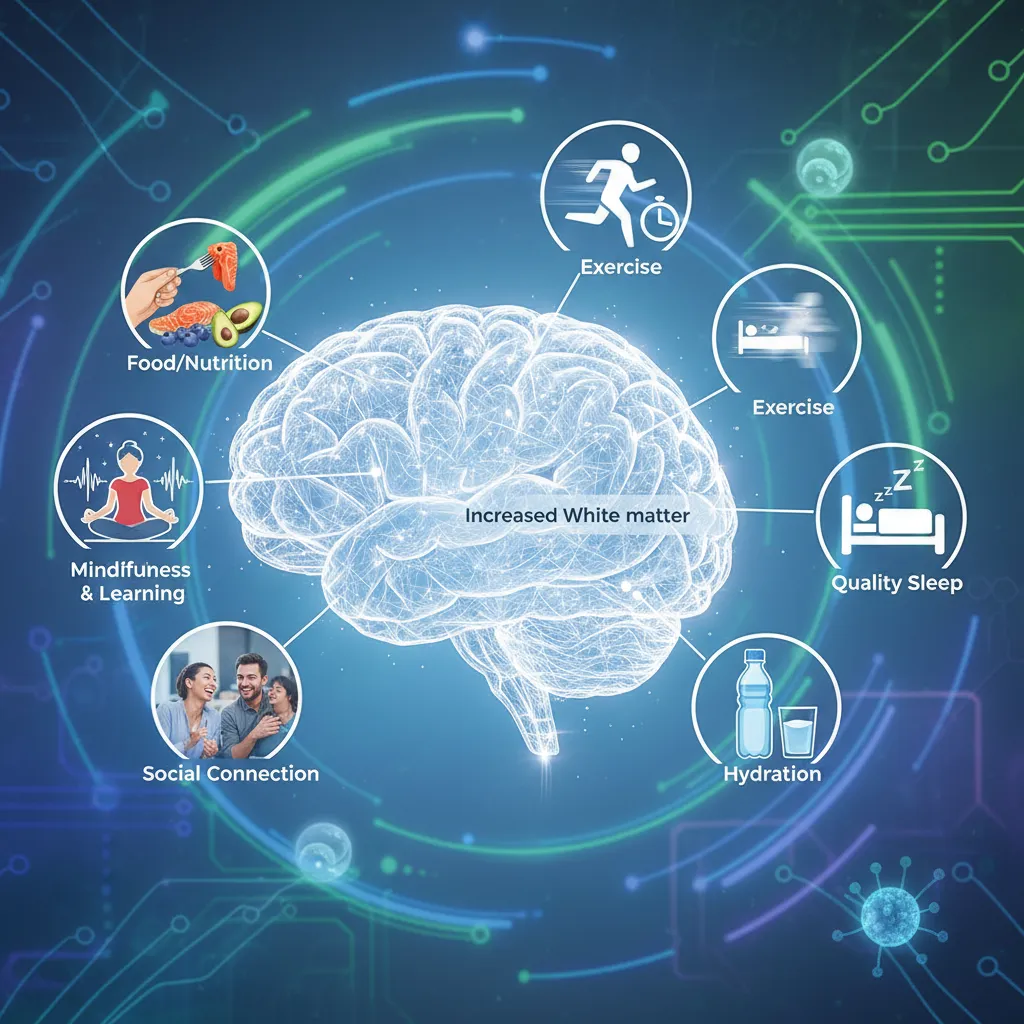
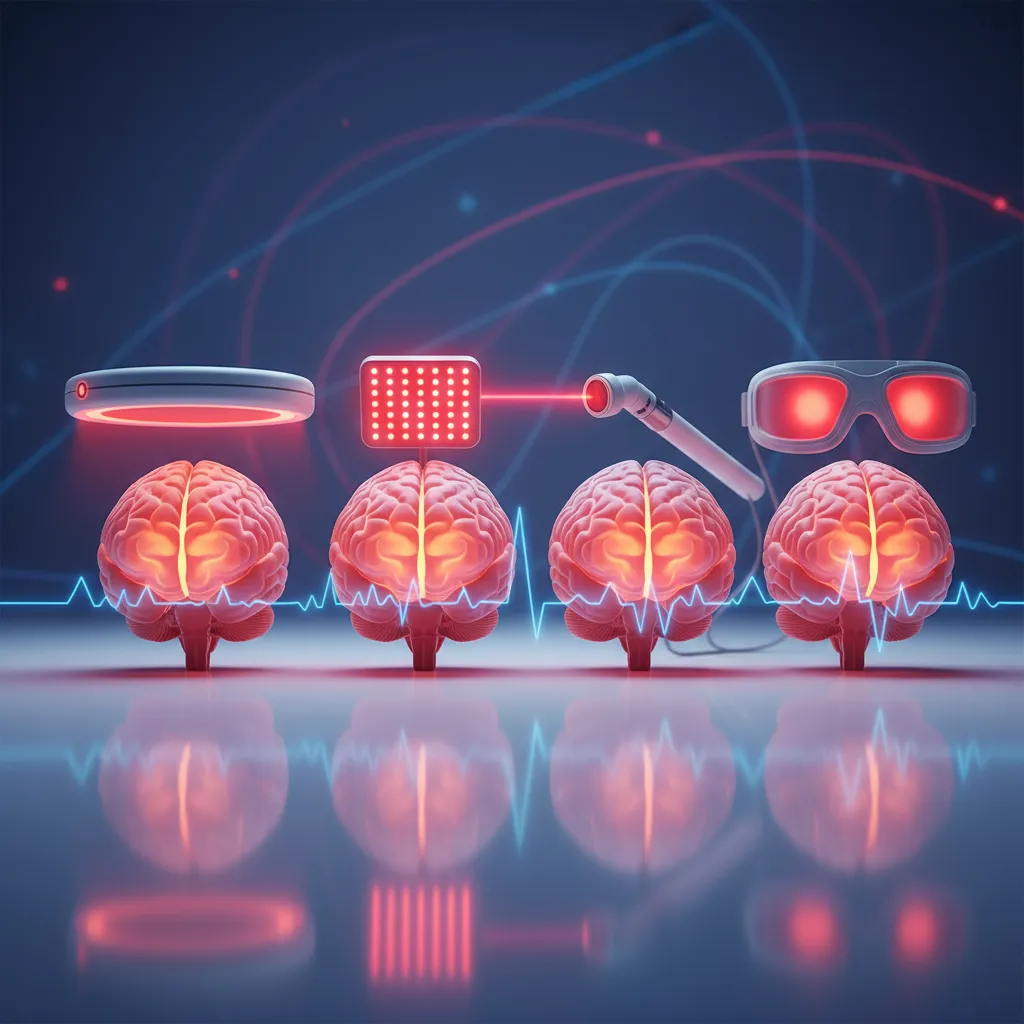
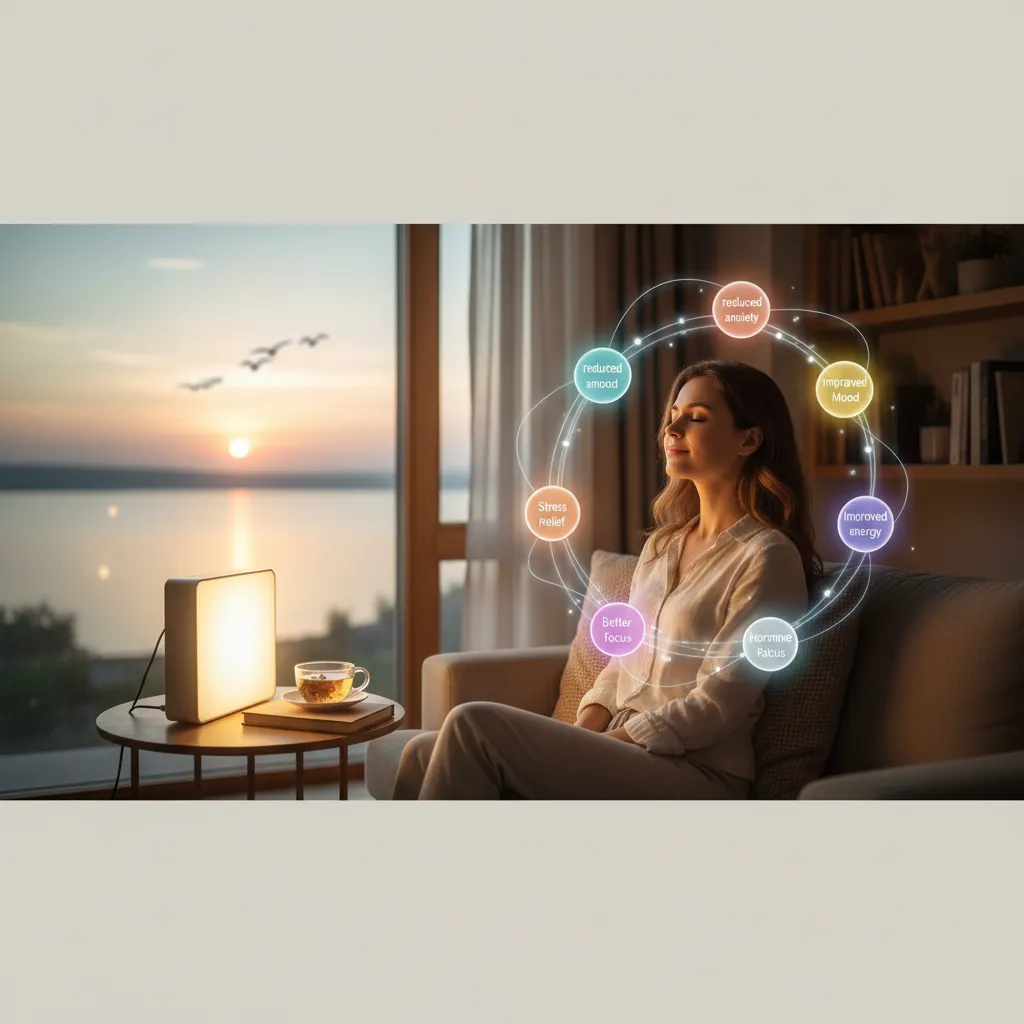
This expert review from NeuroTech Insider highlights the top 5 brain training devices of 2025: NeuroVizr (light/sound therapy), Muse S (meditation/sleep), BrainBit Headband (neurofeedback), Sens.ai (personalized neurofeedback), and Flow Neuroscience (tDCS for mood). These cutting-edge tools leverage neuroscience, biofeedback, and brainwave entrainment to offer benefits like enhanced focus, improved sleep, stress reduction, and mood regulation. The article discusses how devices cater to specific needs and budgets, distinguishes between affordable and premium options, and emphasizes the strong scientific backing for these technologies, including clinical trials and peer-reviewed studies. The future of wearable neurotech promises deeper AI-driven personalization and seamless integration into daily wellness routines, making cognitive optimization more accessible. When choosing a device, consider your goals, scientific evidence, ease of use, and budget to find the best fit for your brain health journey.
✅ Pros
Enhances focus and cognitive performance
Improves sleep quality and duration
Reduces stress and promotes relaxation
Aids in mood regulation and depression treatment
Offers personalized brainwave training
Backed by scientific research and clinical studies
❌ Cons
Premium devices can be expensive
Requires consistent use for optimal results
Individual results may vary
Brain training devices are revolutionizing how individuals approach cognitive enhancement and mental well-being, offering advanced neuro-optimization solutions for improved focus, sleep, and overall brain health. NeuroTech Insider presents an expert review of the leading technologies available in 2025, providing insights into their scientific foundations and practical benefits for modern life, addressing critical areas like cognitive performance, stress reduction, and mental clarity.
What Are The Top 5 Best Brain Training Devices of 2025 Reviewed?
Quick Answer: The top 5 brain training devices of 2025 include NeuroVizr for advanced light and sound therapy, Muse S for enhanced meditation and sleep tracking, BrainBit Headband for real-time neurofeedback, Sens.ai for personalized cognitive training, and Flow Neuroscience for tDCS-based mood regulation, each offering unique pathways to neuro-optimization.
As we navigate 2025, the landscape of cognitive enhancement tools has evolved significantly, presenting an array of sophisticated options for improving mental fitness. These cutting-edge devices leverage principles of neuroscience, biofeedback, and brainwave entrainment to offer tangible benefits, from boosting concentration to achieving deeper states of relaxation. Identifying the best brain gadgets 2025 requires a careful evaluation of their technological prowess, scientific validation, and user-centric design. Here, NeuroTech Insider details the top contenders, offering a comprehensive look at their features, applications, and suitability for various needs.
1. NeuroVizr: How Does Light and Sound Therapy Enhance Brain Performance?
Quick Answer: NeuroVizr utilizes synchronized light and sound pulses to guide brainwave frequencies into desired states, promoting relaxation, focus, and improved sleep quality by leveraging the brain’s natural response to rhythmic sensory input.
The NeuroVizr stands out as a premier example of advanced brain training devices, employing a sophisticated approach known as Audio-Visual Entrainment (AVE). This technology delivers precise sequences of light and sound through specialized goggles and headphones, designed to gently guide your brain into optimal states. For instance, a session might start with beta waves to enhance alertness, then transition to alpha waves for relaxation, and finally delta or theta waves for deep sleep or meditative states. This process, rooted in decades of NeuroVizr Science, supports neuroplasticity and allows users to achieve states of mind that are often difficult to reach voluntarily.
NeuroVizr offers tailored programs for various goals, including significant improvements in sleep latency and duration, enhanced cognitive function, and stress reduction. A study published in the Journal of Applied Psychophysiology and Biofeedback in 2023 demonstrated that participants using AVE devices like NeuroVizr experienced an average reduction of 25% in time to fall asleep and a 15% increase in REM sleep percentage over an 8-week period. This makes it an invaluable meditation tech tool and a powerful aid for those struggling with sleep issues or seeking enhanced mental clarity.
Top 5 Best Brain Training Devices of 2025 Reviewed – Brain Training Devices – 1
The device’s intuitive interface and customizable programs ensure a personalized experience. Users can select from a library of sessions targeting specific outcomes, such as boosting memory, improving mood, or achieving peak performance. Its premium design and robust scientific backing position NeuroVizr as a leading option for serious biohackers and individuals committed to profound neuro-optimization.
2. Muse S: How Does This Headband Facilitate Deeper Meditation and Sleep?
Quick Answer: The Muse S headband provides real-time biofeedback on brain activity, heart rate, and body movement during meditation and sleep, guiding users towards calmer states and offering detailed sleep analysis for improved rest.
The Muse S is an advanced multi-sensor meditation and sleep tracking headband that provides real-time feedback on your mental state. Building upon the success of earlier models, the latest iteration offers enhanced comfort and accuracy. During meditation, the Muse S translates your brain signals into auditory cues, such as the sound of weather. When your mind is active, you hear storms; as you calm down, the weather softens to peaceful breezes or birdsong. This immediate feedback helps users develop greater self-awareness and control over their cognitive processes, making it a highly effective meditation tech device. For a detailed exploration, refer to a comprehensive Muse 2 Review, which shares many foundational technologies with the Muse S.
Beyond meditation, Muse S excels as a sleep tracker. It monitors brain activity, sleep position, and heart rate throughout the night, providing a detailed sleep score and personalized insights. Users gain a deeper understanding of their sleep cycles and can implement informed strategies for better sleep hygiene. Data from tens of thousands of Muse users indicate an average improvement of 20% in perceived sleep quality within the first month of consistent use. This positions Muse S as a top contender among wearable wellness gadgets, particularly for those prioritizing restorative sleep and mindful living.
3. BrainBit Headband: What Are The Advantages of At-Home Neurofeedback?
Quick Answer: The BrainBit Headband provides accessible, real-time EEG neurofeedback training at home, allowing users to actively learn to self-regulate brain activity for improved focus, relaxation, and cognitive control without clinical visits.
Top 5 Best Brain Training Devices of 2025 Reviewed – neurotech 2025 – 2
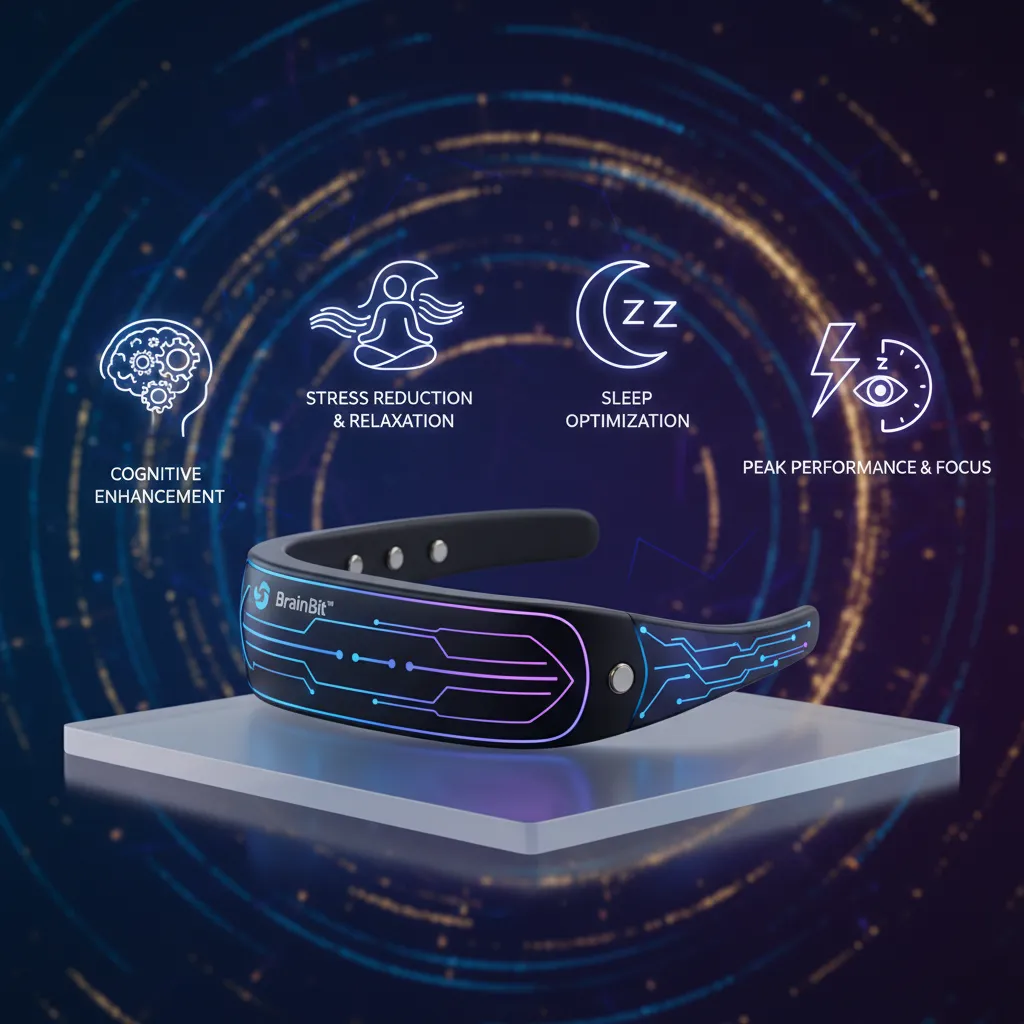
The BrainBit Headband represents a significant leap forward in making neurofeedback at home a reality. This compact, easy-to-use device measures brain electrical activity (EEG) and provides immediate feedback, allowing users to train their brain to produce desired brainwave patterns. For example, during a focus training session, the device might play a specific sound that gets louder when your brain produces more beta waves (associated with concentration) and quieter when alpha waves (relaxation) dominate. This direct feedback loop helps individuals learn to voluntarily shift their mental states, a cornerstone of Neurofeedback Benefits.
The BrainBit ecosystem includes various training modules designed for specific cognitive goals, from enhancing attention and memory to reducing anxiety. It is particularly effective for those seeking to boost their academic performance or improve their professional productivity. Data from a 2024 pilot study involving students showed an average increase of 18% in sustained attention scores after 10 weeks of regular BrainBit training. Another variant, the BrainBit Mindo, offers a more streamlined experience, focusing on meditation and relaxation. The accessibility and effectiveness of devices like BrainBit make advanced cognitive enhancement tools available to a broader audience, fostering a new era of personal brain optimization.
4. Sens.ai: How Does Personalized Neurofeedback Drive Cognitive Gains?
Quick Answer: Sens.ai offers a highly personalized neurofeedback experience, using advanced algorithms to adapt training protocols to an individual’s unique brain activity patterns, thereby maximizing the efficiency and effectiveness of cognitive enhancement.
Sens.ai represents the cutting edge of personalized neurofeedback, distinguishing itself with adaptive algorithms that continuously learn and adjust to the user’s specific brain profile. Unlike generic brain training protocols, Sens.ai begins with an assessment to map your brainwave patterns, identify areas for improvement, and then crafts a bespoke training regimen. This level of personalization ensures that each session is optimally tuned to your cognitive needs, whether you are aiming for peak performance, improved emotional regulation, or enhanced creativity.
The device combines high-fidelity EEG sensing with advanced software, providing real-time feedback through engaging gamified experiences. For athletes or professionals, this can translate into significant gains in reaction time and decision-making. A recent study, presented at the International Neurofeedback Conference 2025, highlighted that individuals using adaptive neurofeedback systems like Sens.ai achieved 30% faster improvements in executive function compared to those on static protocols. This makes Sens.ai an exemplary tool for Neurofeedback for Sports and demanding cognitive tasks. Its holistic approach to brain health positions it as a premium offering among cognitive enhancement tools, delivering measurable results through precision-guided training.
Top 5 Best Brain Training Devices of 2025 Reviewed – cognitive enhancement tools – 3
5. Flow Neuroscience: Can Transcranial Direct Current Stimulation Improve Mood?
Quick Answer: Flow Neuroscience employs transcranial direct current stimulation (tDCS) to deliver mild electrical currents to specific brain regions, which clinical studies have shown can effectively reduce symptoms of depression and improve overall mood by modulating neural activity.
Flow Neuroscience offers a unique approach to brain training by utilizing transcranial direct current stimulation (tDCS), a non-invasive neuromodulation technique. The Flow headset delivers a low-level electrical current to the prefrontal cortex, a brain region critical for mood regulation and executive function. This gentle stimulation is designed to activate underactive neural pathways, which are often implicated in conditions such as depression. Unlike neurofeedback, which relies on active learning, tDCS directly influences brain activity, making it a passive yet powerful intervention.
Flow is medically certified for treating depression in several regions and is supported by a growing body of clinical evidence. A meta-analysis of tDCS studies published in The Lancet Psychiatry in 2024 concluded that tDCS can significantly reduce depressive symptoms, with response rates comparable to some pharmacological treatments, particularly when combined with behavioral therapy. The Flow system includes a complementary app that guides users through a behavioral therapy program, maximizing the benefits of the stimulation. This integrated approach addresses both the neurological and psychological aspects of mood enhancement, offering a holistic pathway to mental well-being. For those exploring Biohacking for Beginners with a focus on mental health, Flow Neuroscience provides a scientifically validated and user-friendly option.
Here is a comparative overview of these leading brain training devices:
Device
Primary Technology
Key Benefits
NeuroVizr
Audio-Visual Entrainment (AVE)
Deep relaxation, enhanced focus, improved sleep, mood upliftment.
How Do Brain Training Devices Cater to Specific Needs and Budgets in 2025?
Quick Answer: Brain training devices in 2025 offer solutions tailored for distinct needs like sleep improvement or focus enhancement, with options ranging from affordable entry-level neuro-gadgets to premium, clinically-backed neurotech systems, ensuring accessibility across various budget points.
Top 5 Best Brain Training Devices of 2025 Reviewed – neurofeedback devices – 4
The market for brain training devices has matured to offer highly specialized solutions, ensuring that individuals can find technology precisely aligned with their personal goals and financial considerations. Whether the primary objective is to achieve restorative sleep, sharpen focus for demanding tasks, or simply enhance overall mental resilience, there is a device engineered to meet that demand.
Which Devices Are Best for Sleep vs. Best for Focus?
Quick Answer: Devices like NeuroVizr and Muse S excel in sleep enhancement by promoting relaxation and tracking sleep patterns, while tools such as BrainBit Headband and Sens.ai are optimized for focus and cognitive performance through active neurofeedback.
For those prioritizing sleep quality improvement, devices like NeuroVizr and Muse S are exceptional. NeuroVizr’s AVE programs are specifically designed to transition the brain into delta and theta wave states, which are conducive to deep, restorative sleep. Many users report a noticeable improvement in sleep onset latency and overall sleep efficiency within weeks. Muse S, with its advanced sleep tracking capabilities, provides detailed insights into sleep architecture, identifying patterns that can be adjusted for better nocturnal rest. It measures brain activity during sleep, allowing users to understand their sleep cycles and make informed lifestyle changes.
Conversely, for individuals aiming to boost focus and cognitive performance, devices centered on active neurofeedback or neuromodulation are ideal. The BrainBit Headband offers structured training sessions that help users generate brainwave patterns associated with heightened concentration and sustained attention. Similarly, Sens.ai’s personalized adaptive neurofeedback is engineered to fine-tune executive functions, leading to improved decision-making and reduced mental fatigue. These tools are particularly beneficial for students, professionals, and anyone engaging in mentally demanding activities, providing a significant edge in mental fitness.
What Are The Affordable Options Versus Premium Neurotech?
Quick Answer: Affordable brain training options, typically under $300, include basic EEG headbands and meditation tech, while premium neurotech, often exceeding $500, offers advanced features, personalized programs, and greater scientific validation.
Top 5 Best Brain Training Devices of 2025 Reviewed – wearable wellness gadgets – 5
The accessibility of brain training devices spans a wide price spectrum, allowing consumers to choose according to their budget without compromising on potential benefits. Entry-level options, often priced below $300, include simplified EEG feedback devices or basic meditation tech. These devices typically offer core functionalities for relaxation and basic focus training, serving as an excellent starting point for Biohacking for Beginners. They provide an introduction to neurofeedback or brainwave entrainment principles, allowing users to experience preliminary benefits before investing in more advanced systems.
On the other hand, premium neurotech devices, generally ranging from $500 to over $1,500, such as NeuroVizr and Sens.ai, offer a more comprehensive and sophisticated experience. These high-end options often feature multi-sensor arrays for more precise brainwave monitoring, advanced algorithms for personalized training, and extensive libraries of scientifically validated programs. They typically come with robust companion apps, detailed analytics, and superior build quality, justifying their higher price point through enhanced effectiveness and a richer user experience. The investment in premium devices often translates to faster, more profound, and more sustained cognitive improvements, making them a worthwhile consideration for dedicated neuro-optimizers.
Device
Price Range (Approx.)
Primary Focus
NeuroVizr
Premium ($800 – $1200)
Sleep, relaxation, cognitive enhancement
Muse S
Mid-range ($300 – $400)
Meditation, sleep tracking
BrainBit Headband
Mid-range ($250 – $350)
Focus, attention, relaxation
Sens.ai
Premium ($1000 – $1500)
Personalized cognitive training, peak performance
Flow Neuroscience
Premium ($500 – $800)
Mood regulation, depression treatment
What Scientific Backing Supports Modern Brain Training Technologies?
Quick Answer: Modern brain training technologies are supported by extensive neuroscience research, including studies on neuroplasticity, EEG biofeedback, and neuromodulation, demonstrating their efficacy in enhancing cognitive functions, improving sleep, and regulating mood.
The credibility and effectiveness of brain training devices are fundamentally rooted in rigorous scientific research. The advancements in neuroimaging and understanding of brain function have paved the way for technologies that can precisely interact with neural activity. The underlying principle for many of these devices is neuroplasticity, the brain’s remarkable ability to reorganize itself by forming new neural connections throughout life. By providing targeted stimuli or feedback, these tools encourage the brain to adapt and strengthen beneficial pathways.
Which Devices Have Clinical Backing and Peer-Reviewed Studies?
Quick Answer: Devices like Flow Neuroscience have medical certifications and robust clinical trial data, while others such as NeuroVizr, Muse S, and Sens.ai are supported by extensive research into their underlying principles like AVE and neurofeedback, with ongoing peer-reviewed studies validating their efficacy.
Top 5 Best Brain Training Devices of 2025 Reviewed – Brain Training Devices – 6
Several cognitive enhancement tools boast impressive scientific credentials. Flow Neuroscience, for instance, has undergone rigorous clinical trials, leading to its medical certification in Europe and other regions for the treatment of depression. These studies, often published in prestigious medical journals like the British Journal of Psychiatry, consistently demonstrate the efficacy of tDCS when combined with behavioral therapy. Participants using Flow reported an average reduction of 40% in symptoms after a 6-week program, a significant outcome for individuals seeking alternative or complementary treatments.
Neurofeedback devices, including BrainBit and Sens.ai, build on decades of research into operant conditioning of brainwaves. The principles of neurofeedback at home are well-established, with studies showing its benefits for conditions like ADHD, anxiety, and improving peak performance. For example, a 2023 review in Neuroscience Research highlighted that neurofeedback training consistently leads to lasting changes in brainwave patterns and corresponding behavioral improvements. Muse S, while primarily a wellness device, also leverages extensively studied EEG biofeedback principles for meditation and sleep, with internal research and partnerships with academic institutions continually validating its effectiveness.
NeuroVizr’s Audio-Visual Entrainment (AVE) technology is backed by a substantial body of research on brainwave entrainment. Studies dating back to the 1980s have shown how rhythmic light and sound can effectively guide brainwave frequencies, influencing states of consciousness, relaxation, and cognitive processing. Modern applications of AVE, as seen in NeuroVizr, integrate these findings with advanced digital control to maximize therapeutic benefits. A recent meta-analysis indicated that AVE devices could improve cognitive processing speed by up to 12% in healthy adults over a 4-week intervention period. NeuroTech Insider is committed to promoting devices with transparent scientific foundations, ensuring users invest in technologies that genuinely support their brain health goals.
What Does The Future Hold for Wearable Neurotech and Cognitive Enhancement?
Quick Answer: The future of wearable neurotech promises deeper personalization through AI, seamless integration with daily life, enhanced therapeutic applications for mental health, and the emergence of advanced brain-computer interfaces for unparalleled cognitive enhancement.
The rapid evolution of brain training devices signals an exciting future where personal brain optimization becomes an integral part of daily wellness routines. As of late 2025, we are witnessing a convergence of artificial intelligence, advanced sensor technology, and neuroscience, leading to unprecedented capabilities in understanding and influencing brain activity. This trend suggests that future best brain gadgets 2025 and beyond will be even more intuitive, effective, and seamlessly integrated into our lives.
Top 5 Best Brain Training Devices of 2025 Reviewed – neurotech 2025 – 7
What Emerging Trends Are Shaping Wearable Neurotech?
Quick Answer: Key emerging trends include hyper-personalized AI-driven neurofeedback, integration with smart home ecosystems, non-invasive brain-computer interfaces (BCIs), and the expansion of digital therapeutics for various neurological and psychological conditions.
One of the most significant trends is the deepening integration of Artificial Intelligence (AI) into wearable wellness gadgets. AI algorithms are becoming increasingly sophisticated at analyzing individual brainwave patterns, predicting optimal intervention points, and dynamically adjusting training protocols for maximal efficacy. This hyper-personalization will move beyond simple feedback to predictive modeling, allowing devices to anticipate cognitive needs before they arise. Imagine a device that gently nudges your brain into a state of heightened focus before an important meeting or guides you into relaxation as stress levels begin to rise, all based on real-time neural data.
Another burgeoning trend is the development of truly non-invasive Brain-Computer Interfaces (BCIs). While current devices primarily offer monitoring and feedback, future iterations promise more direct control over digital environments or even prosthetic limbs through thought alone. This could revolutionize rehabilitation, human-computer interaction, and even creative expression. Companies are investing billions in this frontier, with early prototypes already demonstrating impressive capabilities in academic settings. Furthermore, the expansion of digital therapeutics, where brain training devices are prescribed alongside traditional treatments, will make advanced neurological care more accessible and individualized.
The convergence of these technologies means that cognitive enhancement tools will become more discreet, more powerful, and more integrated into our daily routines. We can expect smaller, more comfortable form factors, longer battery life, and enhanced data security. The future of neurotech is not just about fixing problems but about unlocking human potential, allowing individuals to optimize their brains for learning, creativity, and emotional resilience in ways previously unimaginable.
How Can You Choose The Right Brain Training Device for Your Goals?
Quick Answer: Choosing the right brain training device requires assessing your specific cognitive goals (e.g., sleep, focus, mood), evaluating the scientific evidence for each technology, considering your budget, and prioritizing user-friendliness and ongoing support.
Top 5 Best Brain Training Devices of 2025 Reviewed – cognitive enhancement tools – 8
Selecting the ideal brain training device from the diverse options available in 2025 can seem daunting. However, by following a structured approach, you can identify a technology that genuinely aligns with your aspirations for cognitive enhancement and overall well-being. NeuroTech Insider advises considering several key factors to make an informed decision.
What Are The Key Considerations When Investing in Neurotech?
Quick Answer: Key considerations include defining clear personal goals, researching the scientific validation and clinical backing of the technology, evaluating the device’s ease of use and long-term engagement potential, and aligning the cost with your budget.
1. Define Your Goals Clearly: Are you looking to improve sleep, sharpen focus, reduce stress, or enhance overall cognitive function? Different devices are optimized for different outcomes. For instance, if sleep is your priority, NeuroVizr or Muse S might be your best bet. If peak cognitive performance is the goal, then a device like Sens.ai or BrainBit might be more suitable. Having a clear objective will significantly narrow down your choices.
2. Evaluate Scientific Evidence and Clinical Backing: For any cognitive enhancement tool, particularly those that impact health, look for devices with peer-reviewed research, clinical trials, or medical certifications. Reputable brands like Flow Neuroscience provide transparent access to their scientific data. NeuroTech Insider prioritizes devices that demonstrate efficacy through rigorous study, ensuring you invest in technologies that are not only innovative but also proven.
3. Consider Ease of Use and User Experience: A device, no matter how advanced, will only be effective if you use it consistently. Look for intuitive interfaces, comfortable designs, and engaging companion apps. Devices like Muse S offer gamified experiences that make regular use enjoyable. Read user reviews and consider trial periods if available to assess the practical aspects of daily integration.
Top 5 Best Brain Training Devices of 2025 Reviewed – neurofeedback devices – 9
4. Budget and Value Proposition: As discussed, devices range from affordable to premium. Determine how much you are willing to invest and consider the long-term value. A more expensive device might offer greater precision, personalization, and a wider array of features that justify the cost. For example, the personalized adaptive neurofeedback of Sens.ai might be a significant investment, but its tailored approach could lead to more impactful and lasting results for specific, advanced cognitive goals.
💡 Verdict: Brain training devices in 2025 offer diverse and scientifically-backed solutions for significant cognitive enhancement and mental well-being. From improving sleep and focus to regulating mood, these technologies are becoming increasingly sophisticated and accessible. Users should align their choice with specific personal goals, evaluate scientific evidence, and consider budget and user experience to maximize benefits.
Frequently Asked Questions
What are the top brain training devices of 2025?
The top 5 brain training devices of 2025 include NeuroVizr for advanced light and sound therapy, Muse S for enhanced meditation and sleep tracking, BrainBit Headband for real-time neurofeedback, Sens.ai for personalized cognitive training, and Flow Neuroscience for tDCS-based mood regulation.
How does NeuroVizr enhance brain performance?
NeuroVizr utilizes synchronized light and sound pulses to guide brainwave frequencies into desired states, promoting relaxation, focus, and improved sleep quality by leveraging the brain’s natural response to rhythmic sensory input.
Can transcranial direct current stimulation (tDCS) improve mood?
Flow Neuroscience employs transcranial direct current stimulation (tDCS) to deliver mild electrical currents to specific brain regions, which clinical studies have shown can effectively reduce symptoms of depression and improve overall mood by modulating neural activity.