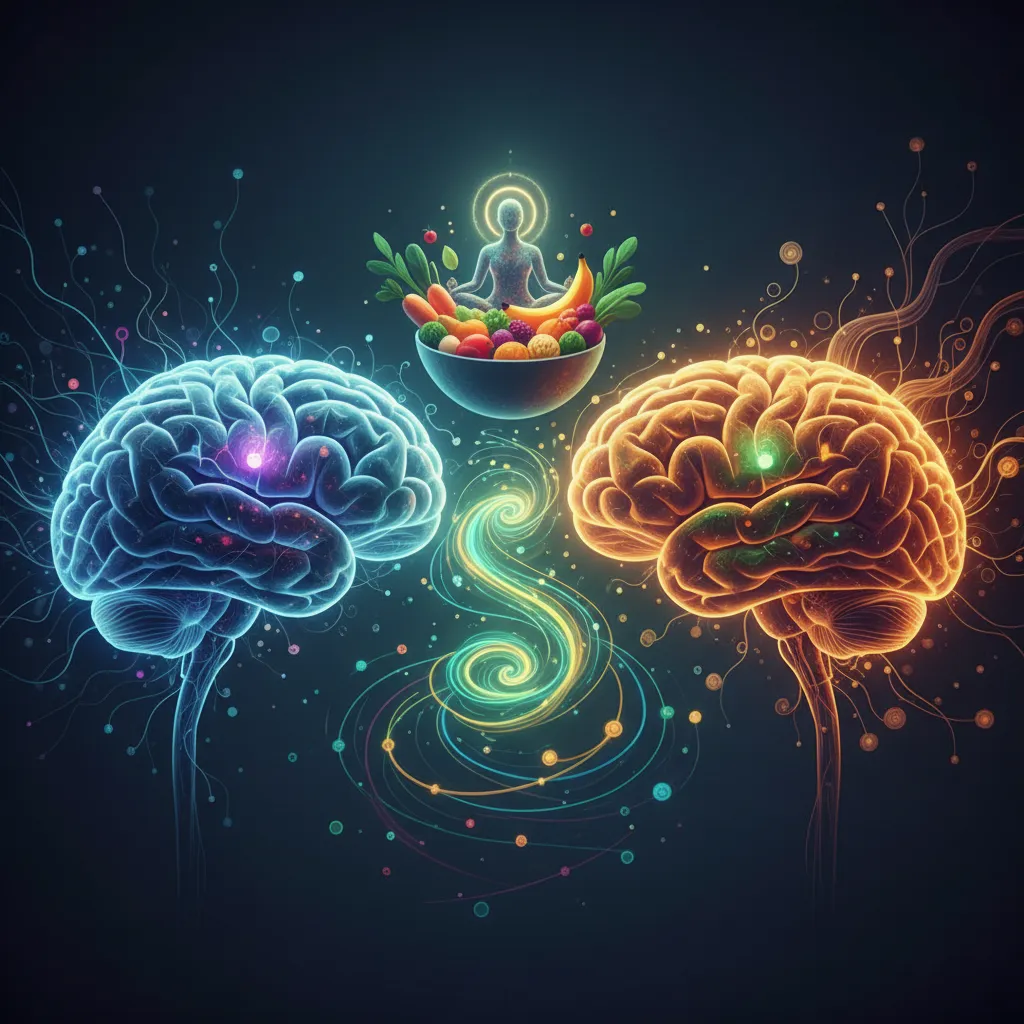
Limbic ADD, a distinct subtype of Attention Deficit Disorder identified by Dr. Daniel Amen, is characterized by an overactive deep limbic system, leading to symptoms like persistent sadness, low energy, negativity, irritability, social isolation, low motivation, and cyclic mood shifts. Unlike other ADD types, conventional stimulant medications are often ineffective or detrimental, potentially exacerbating mood disturbances. Effective management involves a holistic approach, including a brain-healthy diet rich in lean proteins, complex carbohydrates, and healthy fats; targeted supplements like GABA, 5-HTP, L-Theanine, Rhodiola Rosea, Omega-3s, Magnesium, and B Vitamins; calming physical activities such as yoga, walking, swimming, and tai chi; and advanced neuro-optimization techniques like neurofeedback, biofeedback, and light/sound therapies to enhance emotional regulation and cognitive function.
✅ Pros
Personalized treatment approach based on brain imaging improves outcomes significantly
Natural strategies offer holistic support without the side effects of traditional stimulants
Neuro-optimization techniques can retrain brain activity for lasting emotional and cognitive improvements
Diet, exercise, and supplements contribute directly to mood stability, energy levels, and focus
❌ Cons
Stimulant medications can worsen symptoms by overstimulating the limbic system
Misdiagnosis is common due to atypical presentation compared to Classic ADD
Persistent sadness, low energy, and negativity significantly impact daily life
Can lead to social isolation and apathy, hindering personal and professional growth
Limbic ADD, a distinct subtype of Attention Deficit Disorder identified by Dr. Daniel Amen, presents unique challenges with mood regulation and sustained focus, often manifesting as persistent sadness and low energy. Understanding its specific characteristics is key to unlocking effective, natural strategies for enhanced well-being and improved cognitive function, guiding individuals toward optimal brain health and emotional balance through informed choices, and empowering them with knowledge from NeuroTech Insider for neuro-optimization and limbic system health.
What is Limbic ADD and How Does Dr. Amen Define It Within His 7 Types?
Quick Answer: Limbic ADD is one of seven distinct types of Attention Deficit Disorder identified by Dr. Daniel Amen, characterized by an overactivity in the deep limbic system of the brain, leading to symptoms of sadness, negativity, low motivation, and mood instability.
In the realm of neurobehavioral health, the traditional understanding of Attention Deficit Disorder (ADD) has often been broad, focusing primarily on inattention and impulsivity. However, pioneering work by Dr. Daniel Amen and his colleagues, utilizing advanced brain imaging techniques such as SPECT scans, has illuminated a more nuanced landscape, categorizing ADD into seven distinct types. This diagnostic framework moves beyond a one-size-fits-all approach, recognizing that different brain patterns necessitate tailored treatment strategies.
Limbic ADD, also sometimes referred to as ‘moody ADHD’ or affective ADHD, stands out among these classifications due to its specific neurobiological signature. It is characterized by heightened activity in the deep limbic system, a critical brain region involved in mood regulation, bonding, and emotional processing. This overactivity, often observed in SPECT scans as increased blood flow and neuronal firing, can significantly impact an individual’s emotional state and cognitive function.
The limbic system includes structures such as the amygdala, hippocampus, and anterior cingulate gyrus, which collectively play a pivotal role in memory, motivation, and emotional responses. When this system is hyperactive, it can lead to a persistent state of emotional dysregulation, making individuals more susceptible to feelings of sadness, anxiety, and negativity. This distinct pattern explains why conventional stimulant treatments, which often target dopamine pathways in the prefrontal cortex, may not only be ineffective for Limbic ADD but can sometimes exacerbate symptoms, highlighting the need for a personalized approach to brain health. Understanding these Limbic System Disorders is fundamental to effective intervention.
7 Symptoms of Limbic ADD & How to Treat It Naturally – Limbic ADD – 1
How Does Limbic ADD Differ from Other ADD Types?
Quick Answer: Unlike Classic ADD, which primarily involves prefrontal cortex underactivity and core inattention, Limbic ADD uniquely features heightened deep limbic system activity, leading to prominent mood disturbances, negativity, and low energy alongside attention issues.
While all Dr Amen ADD types share a common thread of attentional challenges, Limbic ADD distinguishes itself through its pronounced emotional component. In Classic ADD, for instance, there is often reduced activity in the prefrontal cortex and cerebellum, leading to core symptoms of inattention, impulsivity, and disorganization. By contrast, Limbic ADD experiences normal to low activity in the prefrontal cortex but significant overactivity in the deep limbic system.
This fundamental difference means that individuals with Limbic ADD often grapple with pervasive feelings of pessimism, low self-esteem, and chronic dissatisfaction, which may overshadow or complicate their attentional difficulties. The emotional burden associated with this subtype can be substantial, making it crucial to address the underlying limbic system dysregulation for comprehensive treatment. The unique neurobiology of Limbic ADD underscores the importance of precise diagnosis for effective intervention, ensuring that therapies are aligned with specific brain needs rather than generic ADD protocols.
What Are the 7 Key Symptoms of Limbic ADD?
Quick Answer: The 7 key symptoms of Limbic ADD include persistent sadness, low energy, negativity, irritability, social isolation, low motivation, and cyclic mood shifts, all stemming from an overactive deep limbic system.
7 Symptoms of Limbic ADD & How to Treat It Naturally – Dr. Daniel Amen ADD types – 2
Recognizing the specific limbic add symptoms is the first step toward effective management and improving quality of life. These symptoms often present as a complex interplay of emotional and cognitive challenges, frequently leading to misdiagnosis or inadequate treatment if the underlying limbic system overactivity is not identified. Here are the seven primary indicators:
1. Persistent Sadness or Moodiness
Individuals with Limbic ADD often experience chronic feelings of sadness that are not necessarily tied to external circumstances. This can manifest as a pervasive sense of gloom, a lack of joy in previously pleasurable activities, or frequent bouts of melancholy. It is distinct from clinical depression in that it is intricately linked with attentional difficulties and a specific brain pattern. This persistent emotional state significantly impacts daily functioning and relationships, often leading to what is colloquially known as moody ADHD.
2. Low Energy and Chronic Fatigue
A hallmark of Limbic ADD is persistent low energy levels, regardless of adequate sleep. This isn’t just physical tiredness but a deep-seated mental fatigue that makes initiating tasks and maintaining focus incredibly challenging. It can contribute to a cycle where lack of activity further diminishes energy, creating a significant barrier to productivity and engagement. This chronic fatigue is a critical component of ADHD Burnout, affecting overall well-being.
3. Tendency Towards Negativity and Pessimism
A negative filter on experiences is common. Individuals may frequently expect the worst, dwell on past failures, or interpret neutral situations negatively. This pervasive pessimism can impact problem-solving, resilience, and overall outlook on life. It’s often an unconscious bias driven by the overactive limbic system, making it difficult to shift perspectives even with conscious effort.
7 Symptoms of Limbic ADD & How to Treat It Naturally – moody ADHD – 3
4. Irritability or Short Temper
The constant internal struggle with mood and energy can lead to heightened irritability. Minor frustrations can trigger disproportionate emotional responses, making it challenging to maintain stable relationships. This short temper often stems from a feeling of being overwhelmed and a reduced capacity for emotional regulation, contributing to the experience of Brain Fog Causes and an inability to process information smoothly.
5. Social Isolation or Withdrawal
Due to feelings of sadness, negativity, and low energy, individuals may find themselves withdrawing from social interactions. They might feel misunderstood, fear judgment, or simply lack the energy to engage with others. This social isolation can create a vicious cycle, further intensifying feelings of loneliness and exacerbating other symptoms. It’s a common outcome when depression and ADHD intertwine.
6. Low Motivation and Apathy
Despite having goals or aspirations, individuals with Limbic ADD often struggle with initiating and sustaining effort. A sense of apathy can set in, making even simple tasks feel overwhelming. This low motivation is not a character flaw but a neurological challenge related to the brain’s reward pathways and overall energy regulation, directly impacting productivity and personal fulfillment.
7. Cyclic Mood Shifts and Hypersensitivity
While not always as extreme as bipolar disorder, individuals may experience noticeable, though often subtle, shifts in mood throughout the day or week. They can also be hypersensitive to criticism or perceived slights, reacting with intense emotional pain. This emotional reactivity is a direct manifestation of the overactive limbic system, constantly modulating emotional responses and making stable emotional states difficult to maintain.
7 Symptoms of Limbic ADD & How to Treat It Naturally – limbic system health – 4
Why Are Stimulant Medications Often Ineffective or Detrimental for Limbic ADD?
Quick Answer: Stimulant medications, designed to increase dopamine and norepinephrine in the prefrontal cortex, can worsen Limbic ADD symptoms by overstimulating an already hyperactive deep limbic system, intensifying anxiety, sadness, and agitation.
The traditional pharmacological approach to ADHD often involves stimulant medications such as methylphenidate or amphetamines. These drugs primarily work by increasing the levels of dopamine and norepinephrine in the brain, particularly in the prefrontal cortex, to enhance focus, attention, and impulse control. While highly effective for many individuals with Classic ADD, their mechanism of action can be counterproductive for those with Limbic ADD.
The core issue in Limbic ADD is an overactive deep limbic system. Introducing stimulants can further amplify this overactivity, leading to an exacerbation of mood-related symptoms. Instead of experiencing improved focus and calm, individuals with Limbic ADD on stimulants might report increased anxiety, heightened irritability, intensified sadness, and even greater emotional lability. The very system that needs calming becomes more agitated, negating potential benefits and introducing new challenges.
Scientific studies using SPECT imaging have visually demonstrated this phenomenon. While a Classic ADD brain might show increased prefrontal activity and improved function on stimulants, a Limbic ADD brain often shows even more intense activity in the deep limbic structures, correlating with a worsening of mood and emotional distress. This highlights the critical importance of a precise diagnosis, as a treatment beneficial for one ADD subtype can be detrimental for another.
7 Symptoms of Limbic ADD & How to Treat It Naturally – ADD natural treatment – 5
What Are the Risks of Misguided Stimulant Treatment for Limbic ADD?
Quick Answer: Misguided stimulant treatment for Limbic ADD risks increasing anxiety, depression, agitation, sleep disturbances, and a general decline in mental well-being, potentially leading to treatment resistance and prolonged suffering.
The risks extend beyond mere ineffectiveness. Patients might experience:
• Increased anxiety and panic attacks.
• Worsening of depressive symptoms, sometimes leading to thoughts of hopelessness.
• Heightened irritability and anger outbursts.
• Significant sleep disturbances and insomnia.
• A feeling of internal restlessness or agitation, even if outwardly calm.
Such adverse reactions can lead to a sense of frustration and hopelessness, making individuals less likely to seek or adhere to other, more appropriate treatments. It underscores the importance of a comprehensive diagnostic process, including clinical evaluation and, where possible, functional brain imaging, to truly understand the underlying neurobiology of an individual’s condition. For those experiencing these challenges, exploring alternatives that support NeuroVizr Stress Relief might be beneficial.
What Dietary and Supplement Strategies Support Limbic ADD Management?
Quick Answer: Effective dietary strategies for Limbic ADD focus on nutrient-dense, anti-inflammatory foods, while targeted supplements like GABA, 5-HTP, and Omega-3 fatty acids can help calm the limbic system and balance neurotransmitters.
For individuals with Limbic ADD, a holistic approach that includes nutrition and specific supplementation can significantly contribute to stabilizing mood and enhancing cognitive function. The goal is to support limbic system health, reduce neuroinflammation, and promote balanced neurotransmitter activity without overstimulation. This aligns with the principles of a Neuroplasticity Diet, fostering an environment where brain cells can thrive.
7 Symptoms of Limbic ADD & How to Treat It Naturally – Limbic ADD – 6
What Dietary Recommendations Are Most Beneficial?
Quick Answer: A brain-healthy diet rich in lean proteins, complex carbohydrates, healthy fats, and abundant fruits and vegetables helps stabilize blood sugar, reduce inflammation, and provide essential nutrients for neurotransmitter synthesis.
A diet focused on whole, unprocessed foods is foundational. Key principles include:
•Balanced Protein Intake: Include lean proteins such as poultry, fish, eggs, and legumes with every meal. Protein provides amino acids, the building blocks for neurotransmitters like serotonin and dopamine, crucial for mood and focus.
•Complex Carbohydrates: Opt for whole grains, fruits, and vegetables over refined sugars and simple carbs. These provide a steady release of glucose, fueling the brain and preventing blood sugar spikes and crashes that can exacerbate mood swings and energy dips.
•Healthy Fats: Incorporate Omega-3 fatty acids found in fatty fish (salmon, mackerel), flaxseeds, chia seeds, and walnuts. These fats are vital for brain structure and function, reducing inflammation and supporting neuronal communication. Aim for at least 2-3 servings of fatty fish per week.
•Abundant Fruits and Vegetables: These provide antioxidants, vitamins, and minerals that protect brain cells from oxidative stress and support overall neurological health. Focus on a colorful variety to ensure a broad spectrum of nutrients.
•Hydration: Adequate water intake is crucial for optimal brain function, cognitive clarity, and mood stability. Dehydration can impair concentration and exacerbate fatigue.
Consider reducing or eliminating processed foods, artificial sweeteners, and excessive caffeine, as these can destabilize blood sugar and neurotransmitter balance, negatively impacting mood and focus.
What Supplements Are Specifically Recommended for Limbic ADD?
Quick Answer: Supplements such as GABA, 5-HTP, L-Theanine, Rhodiola Rosea, and broad-spectrum Omega-3s are often recommended for Limbic ADD to promote calm, stabilize mood, and support neurotransmitter balance.
7 Symptoms of Limbic ADD & How to Treat It Naturally – Dr. Daniel Amen ADD types – 7
Targeted supplementation can provide specific support to calm the deep limbic system and enhance overall brain function. Always consult with a healthcare professional before starting any new supplement regimen.
Adaptogenic herb; helps the body adapt to stress and balances neurotransmitters.
Boosts energy, improves mood, reduces fatigue and stress.
Omega-3 Fatty Acids (EPA/DHA)
Essential fats for brain cell membranes; anti-inflammatory properties.
Supports overall brain function, mood stability, and reduces neuroinflammation.
Magnesium
Plays a role in over 300 enzymatic reactions, including neurotransmitter function and stress response.
Promotes relaxation, improves sleep, reduces anxiety and muscle tension.
B Vitamins (especially B6, B9, B12)
Crucial cofactors in neurotransmitter synthesis and energy production.
Supports mood, energy levels, and cognitive processing.
These supplements, when used judiciously and under professional guidance, can offer significant support in rebalancing brain chemistry and calming the overactive limbic system, contributing to a more positive and stable emotional state.
Which Physical Activities Are Most Beneficial for Mood Regulation in Limbic ADD?
Quick Answer: Activities that promote relaxation, mindfulness, and sustained rhythmic movement, such as yoga, walking in nature, swimming, and tai chi, are highly beneficial for mood regulation in Limbic ADD by calming the nervous system and boosting feel-good neurotransmitters.
Exercise is a powerful natural intervention for managing Limbic ADD symptoms, particularly for mood regulation, energy levels, and focus. The key is to choose activities that soothe rather than overstimulate the nervous system, focusing on practices that promote mental calm and emotional balance. Regular physical activity has been shown to improve overall limbic system health.
7 Symptoms of Limbic ADD & How to Treat It Naturally – moody ADHD – 8
What Types of Exercise Promote Calm and Mood Stability?
Quick Answer: Mind-body practices and moderate rhythmic exercises, like yoga, walking, swimming, cycling, and martial arts, are excellent for Limbic ADD as they enhance neuroplasticity, reduce stress hormones, and increase calming neurotransmitters.
Here are some of the most beneficial physical activities:
•Yoga and Tai Chi: These ancient practices combine physical postures, breathing techniques, and meditation, making them exceptionally effective for calming the nervous system. They promote mindfulness, reduce cortisol (stress hormone), and increase GABA, leading to improved emotional regulation and reduced anxiety. A consistent practice of 30-60 minutes, 3-5 times a week, can yield significant improvements in mood and focus.
•Brisk Walking, Hiking, or Jogging: Rhythmic, moderate-intensity aerobic exercise has been shown to boost endorphins, serotonin, and dopamine, naturally elevating mood and energy. Engaging in these activities outdoors, especially in green spaces, further amplifies their mood-enhancing effects. Aim for at least 30 minutes, most days of the week.
•Swimming: The rhythmic nature of swimming, combined with the calming effect of water, makes it an excellent choice. It provides a full-body workout without high impact, reducing physical stress while promoting mental relaxation. The controlled breathing involved can also have a meditative effect, calming the overactive limbic system.
•Cycling (moderate intensity): Whether outdoors or on a stationary bike, cycling offers rhythmic movement that can be very grounding. It allows for sustained physical exertion that can help release pent-up energy and stress, contributing to improved emotional stability.
•Martial Arts (e.g., Aikido, gentle forms of Karate): Disciplines that emphasize fluid movements, concentration, and self-control can be particularly beneficial. They teach focus, body awareness, and emotional regulation in a structured environment, fostering a sense of accomplishment and calm.
The consistency of physical activity is more important than intensity. Even short, regular bursts of movement can accumulate significant benefits over time, gradually enhancing mood, energy, and overall cognitive resilience. These activities are critical components for managing ADHD Burnout and promoting long-term well-being.
How Can Neuro-Optimization Techniques Enhance Limbic System Function?
Quick Answer: Neuro-optimization techniques, such as neurofeedback, biofeedback, and light/sound therapies, can directly train the brain to regulate limbic system activity, promoting calmer mood states, improved focus, and enhanced emotional resilience.
7 Symptoms of Limbic ADD & How to Treat It Naturally – limbic system health – 9
Beyond diet, supplements, and exercise, advanced neuro-optimization techniques offer powerful avenues for directly addressing the dysregulation in the limbic system. These methods leverage the brain’s inherent neuroplasticity, its ability to reorganize itself by forming new neural connections, to foster healthier brainwave patterns and emotional responses. This proactive approach can lead to sustainable improvements in mood, attention, and overall well-being, providing a path to lasting change for individuals with Limbic ADD.
What Are Key Neuro-Optimization Strategies?
Quick Answer: Key neuro-optimization strategies for Limbic ADD include neurofeedback to train brainwave patterns, biofeedback for physiological self-regulation, and specialized light and sound therapies to promote relaxation and neural coherence.
Several cutting-edge techniques can be highly effective:
•Neurofeedback: This non-invasive brain training method uses real-time displays of brain activity to teach individuals how to self-regulate their brainwave patterns. For Limbic ADD, neurofeedback protocols can be designed to reduce excessive activity in the deep limbic system and enhance calmer alpha and theta waves, leading to significant improvements in mood, anxiety, and emotional control. Clinical studies have shown Neurofeedback Benefits for various neurological conditions, including ADHD.
•Biofeedback: Similar to neurofeedback but focusing on physiological responses like heart rate variability, skin temperature, and muscle tension. By learning to control these bodily functions, individuals can indirectly influence their nervous system, promoting a state of calm that directly impacts limbic system regulation.
•Light and Sound Therapy: Devices that deliver specific frequencies of light and sound can guide brainwave activity into desired states, such as alpha (relaxed alertness) or theta (deep relaxation). This can be particularly useful for calming an overactive limbic system, reducing anxiety, and improving sleep quality. Brain Training Devices, like those offered by NeuroTech Insider, utilize these principles.
•Mindfulness and Meditation: Regular practice of mindfulness meditation can train the brain to observe thoughts and emotions without judgment, gradually reducing the reactivity of the limbic system. Even 10-15 minutes daily can lead to measurable changes in brain structure and function, including increased grey matter in areas associated with emotional regulation.
💡 Verdict: Limbic ADD requires a precise diagnostic approach due to its unique neurobiological signature. A holistic management plan, integrating targeted diet, specific supplements, calming physical activities, and advanced neuro-optimization techniques, offers the most effective path to stability and enhanced well-being for individuals with this subtype.
Frequently Asked Questions
What is Limbic ADD and how is it defined by Dr. Daniel Amen?
Limbic ADD is one of seven distinct Attention Deficit Disorder subtypes identified by Dr. Daniel Amen, characterized by an overactivity in the deep limbic system of the brain, leading to symptoms of persistent sadness, negativity, low motivation, and mood instability.
Why are stimulant medications often ineffective or detrimental for Limbic ADD?
Stimulant medications, which primarily target dopamine in the prefrontal cortex, can worsen Limbic ADD symptoms by further overstimulating an already hyperactive deep limbic system, leading to increased anxiety, sadness, and agitation instead of improved focus.
What natural strategies can support Limbic ADD management?
Effective natural strategies for Limbic ADD include a nutrient-dense, anti-inflammatory diet, targeted supplements (such as GABA, 5-HTP, Omega-3s), calming physical activities (like yoga and walking), and neuro-optimization techniques such as neurofeedback and light/sound therapies.