7 Ways to Silence the World for Optimal Sleep: A Biohacker’s Guide to White Noise for Sleep

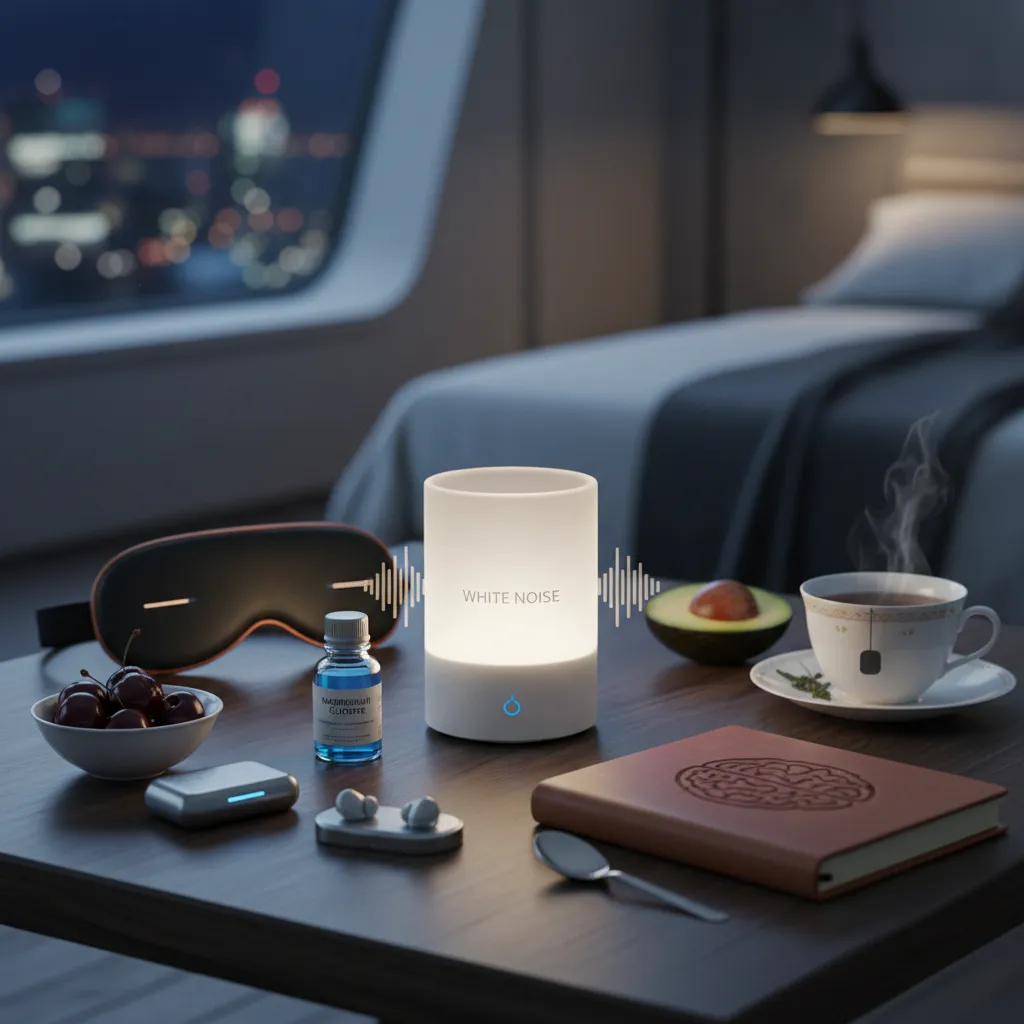
A peaceful bedroom scene with a white noise machine emitting gentle sound waves, symbolizing improved sleep and focus.
As a neuroscientist and biohacker, I often see individuals pushing the boundaries of their cognitive potential, optimizing diet, exercise, and mental training. Yet, a fundamental pillar of peak performance is frequently overlooked: sleep. Imagine your brain as a high-performance engine, capable of incredible feats. Now, imagine that engine constantly subjected to the jarring vibrations and discordant sounds of a poorly maintained vehicle. This is often the reality for many in our perpetually noisy world. Traffic outside your window, a neighbor’s late-night activities, the hum of appliances – these aren’t just minor irritations; they are subtle, yet persistent, assaults on your neural recovery processes, hindering deep sleep, impairing focus, and ultimately, diminishing your cognitive horsepower.
The quest for a truly restorative night, or an undistracted work session, often feels like an uphill battle against an invisible enemy: noise pollution. This isn’t just about comfort; it’s about neurobiology. Chronic exposure to unwanted sound fragments sleep architecture, elevates stress hormones, and can even impede neuroplasticity – your brain’s incredible ability to adapt and learn. But what if you could engineer your environment to mimic the serene, soundproofed cabin of a luxury sedan, creating an auditory sanctuary for your brain to thrive? This isn’t science fiction; it’s the application of cutting-edge understanding and practical techniques. In this in-depth guide, we’ll explore seven scientifically-backed strategies, from leveraging the subtle power of white noise for sleep to advanced soundproofing and neuro-acoustic technologies, empowering you to reclaim your quietude and unlock unprecedented levels of cognitive function and restorative rest.
Key Takeaways
- • Auditory Masking is Key: White, pink, and brown noise create a consistent soundscape that masks disruptive environmental noises, allowing your brain to enter and maintain deeper sleep states.
- • Beyond the Basics: Optimal noise blocking involves a multi-faceted approach, combining physical soundproofing, advanced sleep noise machines, and personal auditory aids like sleeping with earplugs or noise-canceling earmuffs.
- • Brainwave Entrainment: Techniques like Binaural Beats Sleep actively guide your brain into beneficial states for relaxation and sleep, representing a powerful frontier in neuro-acoustic optimization.
- • Holistic Sleep Architecture: Effective noise management is a critical component of comprehensive Sleep Hygiene, working in tandem with light control, temperature regulation, and consistent routines to support your Circadian Rhythm.
1. What is White Noise for Sleep and How Does it Optimize Brain Function?
At its core, white noise for sleep is more than just a monotonous hum; it’s a sophisticated auditory tool. Scientifically, white noise is defined as a random signal having equal intensity at different frequencies over a specified bandwidth. This means it contains all audible frequencies distributed equally, much like white light contains all colors. When your brain processes sound, it’s constantly monitoring for changes, spikes, or drops in auditory input. A sudden car horn, a dog barking, or even the subtle creak of a floorboard can trigger an auditory startle response, pulling you out of deep sleep or disrupting your focus.
The genius of white noise lies in its ability to create an auditory masking effect. By introducing a consistent, broadband sound, white noise effectively raises the “noise floor” of your environment. Instead of distinct, jarring sounds standing out against a backdrop of silence, they are absorbed into the continuous, uniform hum. Your brain, no longer detecting abrupt changes, is less likely to register these disturbances as threats, allowing it to maintain a state of relaxation or consolidate sleep cycles.
From a neuroscientific perspective, this is crucial for supporting the various stages of sleep. During deep sleep, your brain generates delta waves, which are associated with physical restoration and memory consolidation. Light sleep stages involve theta waves, important for learning and memory. White noise helps stabilize these delicate brainwave patterns by minimizing external interruptions. Studies have shown that a stable auditory environment can lead to increased total sleep time, reduced sleep latency (the time it takes to fall asleep), and fewer awakenings. This consistency is vital for maintaining your Circadian Rhythm, your body’s natural sleep-wake cycle, and promoting optimal neuroplasticity, which is the brain’s ability to reorganize itself by forming new neural connections throughout life.
2. Beyond White: Exploring the Spectrum of Sleep-Enhancing Sounds
While white noise is the most recognized, the sound spectrum offers a rich palette of ‘colors,’ each with unique properties that can influence your brain state and promote rest. Understanding these variations allows for a more personalized and effective approach to ambient noise sleep.
Pink Noise: A Deeper Dive into Nature’s Rhythm
Often described as sounding “flatter” or “deeper” than white noise, pink noise reduces intensity as frequency increases. This means it has more power in the lower frequencies and less in the higher ones. Think of sounds like rustling leaves, steady rainfall, or a gentle waterfall – these are natural examples of pink noise. Neuroscientifically, pink noise is particularly interesting because its frequency distribution closely mimics the patterns found in brain waves during deep, restorative sleep. Research suggests that listening to pink noise can enhance slow-wave sleep (N3 stage), which is critical for physical restoration and memory consolidation. By stabilizing the brain’s electrical activity, pink noise can lead to a more profound and uninterrupted rest, making it an excellent choice for those seeking to optimize their deep sleep cycles.
- • Characteristics: Deeper, less harsh than white noise, resembling natural environmental sounds.
- • Benefits: Shown to improve the quality of deep sleep, enhance memory consolidation, and provide a more soothing auditory backdrop.
Brown Noise: The Low-Frequency Powerhouse
Even deeper and richer than pink noise, brown noise (also known as red noise) has even more energy at lower frequencies and much less at higher frequencies. It sounds like a deep rumble, a powerful waterfall, heavy rain, or the lowest notes of a pipe organ. For some, this deep, resonant sound is incredibly calming and effective for blocking out low-frequency disturbances like the rumble of distant traffic or noisy pipes. Its profound bass tones can be particularly grounding, helping to quiet a racing mind and promote a sense of security. Many individuals find brown noise highly effective for improving focus during work and achieving profound states of relaxation before sleep, especially when using a dedicated brown noise machine.
- • Characteristics: Deep, powerful, resonant rumble, with significant energy in very low frequencies.
- • Benefits: Excellent for masking low-frequency noise, promoting deep relaxation, aiding focus, and soothing individuals who prefer a more profound sound.
Other Sonic Landscapes for Rest: Green, Blue, and Grey Noise
The auditory spectrum extends further: Green Noise is often associated with natural sounds at mid-range frequencies, like the ambient background of nature, helping to create a tranquil environment. Blue Noise has increasing power with increasing frequency, sounding like a high-pitched hiss, while Grey Noise is psychoacoustically balanced, meaning it sounds equally loud across all frequencies to the human ear. While less researched for direct sleep benefits compared to white, pink, and brown noise, these variations offer personalized options for individuals seeking specific auditory experiences for relaxation or focus. Experimentation is key to discovering which ‘color’ resonates best with your unique neural architecture.
3. Architecting Your Personal Quiet Cabin: Blocking Out Disruptive Sounds
To truly emulate the serene interior of a luxury sedan, we must address the physical environment. Preventing unwanted noise from entering your sleep or focus zone is the first, most fundamental step. This involves a combination of passive soundproofing and active sound management to effectively block out ‘traffic’ noise for better sleep and other common disturbances.
Physical Barriers: The First Line of Defense
Sound travels through air and solid structures. To create a quiet ‘cabin’ for sleeping, you need to address both. Think of your bedroom as a sealed chamber, identifying every potential sound leak:
- • Windows: These are often the weakest link. Consider installing double-glazed windows or adding a secondary window pane. For a more immediate solution, thick, heavy soundproof curtains or blinds can absorb a significant amount of external noise. Ensure seals are tight and free of gaps.
- • Doors: A hollow-core door offers little sound protection. Replace it with a solid-core door if possible. Add weather stripping around the frame and a door sweep at the bottom to seal gaps.
- • Walls and Ceilings: For serious soundproofing, consider adding a layer of mass loaded vinyl (MLV) behind drywall or installing acoustic panels. These panels are designed to absorb sound waves, reducing echo and external noise penetration.
- • Flooring: Carpeting or thick rugs can absorb impact noise and reduce sound reflections within the room, contributing to overall tranquility.
Every small improvement accumulates, creating a significantly quieter environment that supports optimal brain function and restorative sleep.
Strategic Sound Masking: Beyond Passive Blocking
While physical barriers stop noise from entering, strategic sound masking actively neutralizes any residual sounds. This is where white noise for sleep and its colored counterparts truly shine. Instead of aiming for absolute silence – which can sometimes make minor sounds more noticeable – you create a pleasant, consistent ambient noise sleep environment. Think of the rhythmic, predictable rumble of a distant train noise; for some, this consistent, low-frequency sound is inherently soothing and acts as a natural masker, buffering them from sudden, disruptive sounds. The goal is not to eliminate all sound, but to replace unpredictable, jarring noises with a stable, non-alarming soundscape that allows your brain to relax its vigilance.
4. The Best Sound Machines: Your Personal Sonic Architect
In the pursuit of an optimized sleep environment, dedicated sleep noise machines are indispensable tools. These devices are engineered to produce consistent, high-quality ambient noise sleep, far superior to what a phone app or a simple fan can offer. When looking to find the best sound machine, consider these neuro-optimized features.
Key Features to Look For in Sleep Noise Machines
- • Sound Variety: A superior machine offers more than just white noise. Look for options including pink noise, brown noise, and a selection of Nature Sounds (like rain, ocean waves, or gentle streams). This versatility allows you to fine-tune your auditory environment to your specific preference and neural response.
- • Volume Control & Range: Precise volume adjustment is critical. You need to be able to set the sound level just high enough to mask disturbances without being intrusive. Some premium models offer adaptive volume, adjusting based on ambient noise levels.
- • Timer Functions: While some prefer continuous noise, a timer allows you to program the machine to turn off after you’ve fallen asleep, which can be beneficial for some individuals’ sleep cycles.
- • Portability & Power: For biohackers on the go, a compact, battery-powered option is invaluable for maintaining consistent sleep conditions while traveling.
- • Connectivity & Smart Features: Modern sleep noise machines often integrate with smartphone apps, allowing for remote control, custom sound mixes, and even tracking of sleep patterns.
Types of Sleep Noise Machines
Beyond dedicated sound machines, other technologies can serve a similar purpose:
- • Analog vs. Digital: Analog machines often use a physical fan to generate sound, which some prefer for its natural, non-looping quality. Digital machines offer a wider variety of sounds and features.
- • Smart Home Integration: Some advanced devices can be integrated into your smart home ecosystem, allowing them to activate with your sleep routine, adjusting sound and light in tandem.
- • Specialized Apps: While not as robust as dedicated hardware, high-quality apps can serve as a starting point, offering various noise colors and Sleep Music or Relaxation Music options.
5. Advanced Auditory Solutions: Earplugs, Earmuffs, and Beyond
Sometimes, physical soundproofing isn’t enough, or you need portable, personal noise control. This is where individual auditory aids become paramount, offering a direct pathway to silence and enhanced focus. We’ll review noise-canceling ear muffs and delve into the science of earplugs.
The Science of Silence: Earplugs for Targeted Noise Reduction
Earplugs, when chosen and used correctly, are incredibly effective for isolating your auditory system. The key metric to look for is the Noise Reduction Rating (NRR), which indicates how many decibels the earplugs reduce noise by. A higher NRR means greater noise attenuation.
- • Foam Earplugs: Inexpensive and widely available, foam earplugs offer excellent noise reduction (NRR 30-33 dB) when properly inserted. The critical factor is achieving a complete seal in the ear canal, which requires rolling them into a tight cylinder before insertion and allowing them to expand.
- • Silicone/Wax Earplugs: These moldable options are great for those who find foam uncomfortable or want a reusable solution. They conform to the ear canal, providing a custom-like fit and good noise reduction, ideal for sleeping with earplugs.
- • Custom-Molded Earplugs: For the ultimate in comfort and noise blocking, custom-molded earplugs offer a perfect fit and superior attenuation. While an investment, they are invaluable for frequent travelers or those in consistently noisy environments.
Proper insertion technique is paramount for all earplugs. A poor seal renders them largely ineffective. Always pull your earlobe up and back to straighten the ear canal before inserting, ensuring maximum sound blockage.
Noise-Canceling Ear Muffs and Headphones: A High-Tech Solution
When you need a higher level of isolation or want to combine noise blocking with therapeutic sound, noise-canceling ear muffs and Sleep Headphones are excellent choices. These devices typically employ two main technologies:
- • Passive Noise Cancellation: Achieved through physical design – dense materials, thick padding, and a snug fit around the ears to physically block sound waves.
- • Active Noise Cancellation (ANC): This is the biohacker’s choice. ANC technology uses microphones to detect ambient noise frequencies and then generates an “anti-noise” sound wave that precisely cancels out the incoming noise. This is particularly effective for consistent, low-frequency sounds like airplane engines, traffic hum, or HVAC systems.
For optimal sleep, look for comfortable, lightweight Sleep Headphones that can play white noise for sleep, pink noise, or Binaural Beats Sleep tracks without causing discomfort, especially for side sleepers.
The Neuro-Acoustic Frontier: Binaural Beats and Isochronic Tones
Beyond simply masking noise, advanced auditory techniques can actively guide your brain into desired states. Binaural Beats Sleep and Isochronic Tones are forms of brainwave entrainment, a process where rhythmic auditory stimuli are used to synchronize your brainwaves with a specific frequency, nudging your brain into states associated with relaxation, focus, or deep sleep. For example, listening to binaural beats designed to elicit delta waves (0.5-4 Hz) can significantly enhance the onset and depth of sleep. This is a powerful biohacking tool, allowing you to directly influence your neural activity.
Combining these auditory entrainment methods with other sensory inputs can amplify their effects. For those looking to further enhance cognitive states and deep relaxation, exploring visual brain entrainment tools or advanced light therapy devices can offer synergistic benefits, guiding your brain into optimal patterns for rest and rejuvenation.
6. Integrating Sonic Strategies into Your Optimal Sleep Hygiene
Achieving truly optimal sleep isn’t about one magic bullet; it’s about a holistic, synergistic approach. Noise management, while critical, is a component of a broader strategy known as Sleep Hygiene. As a neuroscientist, I emphasize that all elements of your sleep environment and routine work together to support your brain’s restorative processes and maintain a healthy Circadian Rhythm.
The Holistic Approach: Beyond Just Noise
Consider the following elements in conjunction with your noise-blocking efforts:
- • Consistent Sleep Schedule: Going to bed and waking up at the same time daily, even on weekends, helps regulate your internal clock.
- • Light Exposure: Maximize bright light exposure during the day and minimize blue light exposure from screens in the evening. Darkness signals your body to produce melatonin, the sleep hormone.
- • Temperature Regulation: A slightly cool room (around 65°F or 18°C) is ideal for sleep. Your body’s core temperature naturally drops during sleep, and a cool environment facilitates this process.
- • Pre-Sleep Routine: Wind down with calming activities. This could include reading, a warm bath, gentle stretching, or listening to Relaxation Music or Sleep Music. Avoid stimulating activities like intense exercise or heavy meals close to bedtime.
By optimizing these factors alongside your noise-blocking strategies, you create a powerful synergy that promotes deep, restorative sleep and supports your brain’s remarkable capacity for self-repair and learning.
Specialized Tools for Enhanced Rest
For a truly biohacked sleep experience, consider integrating specialized tools:
- • Audio Sleep Masks: These combine light blocking with integrated headphones, offering a dual-sensory approach to creating an isolated sleep environment. Perfect for travel or partners with different sleep schedules.
- • Smart Mattresses & Wearables: These technologies monitor sleep metrics, heart rate, and even adjust temperature, providing data-driven insights to further optimize your sleep.
And for parents seeking to apply these principles to their little ones, understanding the role of consistent ambient noise sleep and structured routines is equally vital for Infant Sleep. Gentle Nature Sounds or a soft white noise can often mimic the womb environment, providing comfort and masking household noises that might startle a developing nervous system.
7. The Power of Personalized Soundscapes for Optimal Well-being
The journey to mastering your auditory environment is deeply personal. What one person finds soothing, another might find distracting. The true biohacker’s approach is one of continuous experimentation and data-driven optimization. From the gentle cascade of pink noise to the profound rumble of a brown noise machine, the spectrum of sound offers a personalized key to unlocking deeper rest and sharper focus. The goal is to move beyond merely tolerating environmental noise to actively engineering a sonic sanctuary that supports your unique neurophysiological needs.
By employing physical sound barriers, leveraging the strategic masking power of white noise for sleep and other sound colors, investing in high-quality sleep noise machines, and utilizing personal auditory aids like sleeping with earplugs or noise-canceling ear muffs, you are not just blocking noise; you are actively enhancing your brain’s ability to recover, learn, and perform. This multi-layered approach creates an environment where your brain can truly downshift, engaging in the vital processes of memory consolidation (supported by theta waves and delta waves during sleep) and metabolic waste clearance.
The benefits extend far beyond just sleep. A mind accustomed to quietude and focused attention during rest is better equipped to handle the demands of the waking world. You’ll experience enhanced cognitive function, improved mood, reduced stress, and an overall boost in your daily performance and well-being. Just as a luxury sedan insulates its occupants from the harsh realities of the road, these strategies insulate your brain, allowing its sophisticated engine to run smoothly, efficiently, and powerfully.
Expert Tip for Biohackers:
Don’t wait for perfect silence. Start small. Identify the single most disruptive noise in your environment – be it ‘traffic’ noise, a noisy neighbor, or the hum of your refrigerator. Choose one strategy from this guide, whether it’s investing in quality sleep noise machines or simply experimenting with sleeping with earplugs, and implement it consistently for a week. Observe the changes in your sleep quality, focus, and overall energy. Your brain is a responsive system; give it the quiet it deserves, and it will reward you with unparalleled performance.