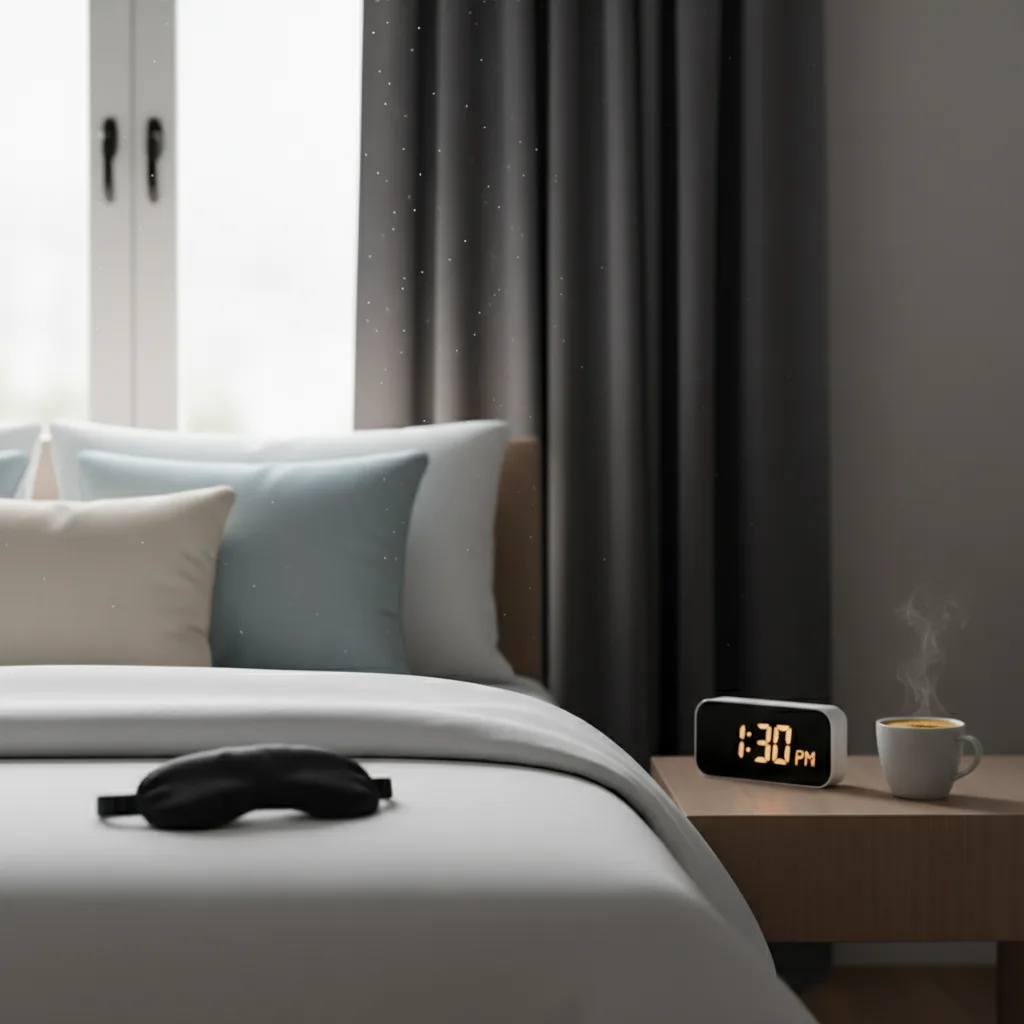
5 Sleep Positions to Align Your Body Chassis for Comfort and Cognitive Peak Performance
As a neuroscientist and biohacker, I understand that your body isn’t just a vehicle; it’s a meticulously engineered bio-machine, with your brain as its high-performance engine. Just as a race car requires precision alignment and optimal conditions to achieve peak velocity, your body—your “chassis”—demands precise positioning to facilitate the deep restorative processes that fuel cognitive function and overall well-being. Are you experiencing the frustrating drag of daytime fatigue, a persistent brain fog, or chronic discomfort that undermines your focus and productivity? These aren’t just minor inconveniences; they are critical warning lights on your internal dashboard, signaling that your sleep system is misaligned.
Many of us meticulously optimize our diets, exercise routines, and work environments, yet we often overlook the foundational component of human performance: sleep. Specifically, the seemingly simple act of choosing a sleep position. This isn’t merely about comfort; it’s about neuro-ergonomics, spinal health, and the intricate biochemical processes that occur only when your body is truly at rest. Poor sleep posture can lead to a cascade of issues, from persistent back and neck pain to compromised glymphatic system function, which is your brain’s crucial waste-clearance mechanism. When this system is inefficient, metabolic byproducts accumulate, dulling your cognitive edge and preventing true mental refreshment. This article will delve into the scientific rationale behind optimal sleep positions, offering data-driven strategies to realign your biological chassis, alleviate pain, and unlock your brain’s full potential. Prepare to shift your understanding of sleep from a passive necessity to an active strategy for bio-optimization.
Key Takeaways
- • Optimal Sleep Position is a Biohacking Imperative: Proper alignment during sleep is crucial for spinal health, pain prevention, and maximizing the brain’s restorative processes, including glymphatic clearance.
- • Stomach Sleeping is Generally Detrimental: While sometimes comfortable, stomach sleeping often leads to cervical spine strain and back pain, negatively impacting long-term neuro-musculoskeletal health.
- • Pillows are Precision Tools: Selecting the right pillow, especially for side sleepers and those concerned about arm positioning, is vital for maintaining neutral spinal alignment and preventing pressure points.
- • Ergonomics Extend Beyond the Waking Hours: A holistic approach to sleep ergonomics, encompassing mattress choice, temperature, and environment, is essential for truly restorative sleep and enhanced Sleep Efficiency.
What is the Scientific Mechanism Behind Optimal Sleep Position?
The concept of “optimal sleep position” transcends mere anecdotal comfort. From a neuroscientific perspective, our posture during sleep profoundly influences the quality and efficacy of restorative biological processes. During sleep, especially in the deeper stages characterized by Delta brain waves, your brain actively engages in critical maintenance. The glymphatic system, a highly efficient waste-clearance pathway unique to the brain, becomes significantly more active. It flushes out metabolic byproducts, including amyloid-beta proteins linked to neurodegenerative diseases. Research suggests that certain sleep postures, particularly side sleeping, can enhance the efficiency of this glymphatic flow, optimizing the brain’s ability to cleanse itself.
Furthermore, your sleep position directly impacts spinal alignment. The spine is the central pillar of your chassis, housing the delicate spinal cord, which transmits crucial signals between your brain and body. Misalignment can lead to nerve compression, muscle strain, and chronic pain, disrupting your sleep architecture and preventing you from reaching the deep, restorative phases of sleep. This, in turn, can impair Neuroplasticity—the brain’s ability to adapt and form new connections—which is vital for learning, memory consolidation, and cognitive flexibility. An optimal sleep position helps maintain a neutral spinal curve, minimizing stress on ligaments and discs, and allowing muscles to fully relax. This physiological harmony promotes the transition through various sleep stages, from light sleep with Alpha and Theta waves during onset, to the profound repair of Delta wave sleep, ensuring you Wake Up Refreshed and cognitively primed.
How Can You Align Your Body Chassis for Optimal Comfort and Performance?
Achieving optimal alignment isn’t about rigid adherence to a single posture but understanding the biomechanical principles that support your body’s natural curves. The goal is to minimize pressure points, keep your spine in a neutral position, and allow for unrestricted blood flow and nerve function. This holistic approach ensures not only physical comfort but also supports the intricate neurological processes that occur during sleep.
1. The Back Sleeper: The Royal Road to Spinal Alignment
Sleeping on your back is often considered the gold standard for spinal health, as it allows your head, neck, and spine to rest in a neutral alignment. This position evenly distributes your body weight, minimizing pressure points and supporting the natural curvature of your spine. For those looking to optimize their body’s chassis, this sleep position is often the first recommendation.
- • Pillow Choice: A medium-loft pillow is ideal to support the natural curve of your neck without elevating your head too much. Memory foam or contoured pillows can provide excellent cervical support.
- • Strategic Support: Placing a small pillow or rolled towel under your knees can further alleviate pressure on your lower back, enhancing lumbar support and comfort.
- • Benefits: Reduces neck and back pain, minimizes acid reflux, and can prevent facial wrinkles. It also promotes optimal breathing, which is crucial for deep sleep stages and oxygenating the brain.
2. The Side Sleeper: Glymphatic Drainage and Joint Harmony
Side sleeping is the most common sleep position, and for good reason. Recent neurological research suggests that side sleeping may be optimal for glymphatic system efficiency, aiding in the clearance of metabolic waste products from the brain. It’s also an excellent choice for individuals prone to snoring or sleep apnea, as it helps keep airways open. However, side sleepers must pay particular attention to proper alignment to avoid shoulder, hip, and neck discomfort.
- • Pillow for Head: This is critical for side sleepers. A firm, high-loft pillow that fills the gap between your ear and shoulder is essential to keep your head and neck aligned with your spine. This prevents the neck from craning downwards or upwards, which can lead to cervical strain. The right pillow is a non-negotiable component for this sleep position.
- • Pillow Between Knees: Placing a firm pillow between your knees prevents the upper leg from pulling the spine out of alignment and helps keep your hips stacked, reducing pressure on the lower back and hips.
- • Arm Positioning: Many side sleepers are also pillows for arm sleepers, often placing an arm under their pillow or head. This can compress nerves and restrict circulation. Try to keep your arms positioned in front of your body or alongside it, and consider a body pillow to hug, which can support your top arm and prevent it from collapsing.
- • Benefits: Optimal for glymphatic drainage, reduces snoring, beneficial for pregnancy, and can alleviate heartburn.
3. The Fetal Position: A Variation on Side Sleeping
The fetal position, curling up on your side with knees drawn towards your chest, is another common variation of side sleeping. While it offers similar benefits to a straight side sleep position (like improved glymphatic flow), it can also introduce specific challenges if not executed correctly.
- • Key Considerations: Avoid curling too tightly, as this can restrict diaphragmatic breathing and create excessive curvature in the spine, particularly the thoracic region.
- • Pillow Placement: As with standard side sleeping, a supportive pillow for your head and a pillow between your knees are crucial.
- • Benefits: Can be comforting, especially for those with spinal stenosis or herniated discs (as it opens up the spinal canal). Still beneficial for glymphatic drainage.
Addressing Specific Pain Points and Challenges: Stomach Sleeping & Back Pain
4. The Stomach Sleeper: Pros, Cons, and Damage Control
For a neurohacker, stomach sleeping is generally the least recommended sleep position due to its inherent biomechanical disadvantages. While some individuals find it comfortable, particularly those with upper back pain, the long-term consequences on spinal health and neurological function can be significant. It’s imperative to understand the stomach sleeping pros/cons.
- • The Cons:
- – Cervical Strain: You must turn your head to one side, keeping your neck rotated for hours. This compresses the cervical spine, restricts blood flow, and can lead to chronic neck pain, headaches, and nerve irritation.
- – Lumbar Stress: Sleeping on your stomach flattens the natural curve of your lower back, leading to hyperextension and increased pressure on the lumbar spine. This is a common cause of lower back pain.
- – Compromised Breathing: Pressure on the chest and abdomen can restrict full diaphragmatic breathing, potentially reducing oxygen intake and impacting sleep quality, which is often measured through Polysomnography studies.

Diagram showing the best sleep position for spinal alignment - • The Pros (Limited):
- – Can reduce snoring for some individuals by keeping airways more open than back sleeping.
How to Properly Sleep on Your Stomach (If You Must)
If you absolutely cannot transition to a back or side sleep position, here’s how to properly sleep on your stomach to minimize harm:
- • Use a Very Flat Pillow or No Pillow: This reduces the angle of your neck, lessening strain.
- • Place a Pillow Under Your Pelvis: A thin pillow under your hips and lower abdomen can help restore a more neutral curve to your lumbar spine, reducing pressure.
- • Gentle Stretching: Incorporate neck and back stretches into your morning routine to counteract the postural stress of stomach sleeping.
Best Way to Sleep with Upset Stomach
When dealing with an upset stomach, your primary goal is to alleviate pressure and minimize acid reflux. Sleeping on your stomach will likely exacerbate discomfort. The best way to sleep with upset stomach is:
- • Elevated Back Sleeping: Use a wedge pillow or elevate the head of your bed by 6-8 inches. This uses gravity to keep stomach acids down, alleviating heartburn and nausea.
- • Left Side Sleeping: Lying on your left side can also help prevent acid reflux, as it keeps the stomach below the esophagus. Curl slightly into a fetal position for added comfort, but avoid compressing your abdomen too much.
Beyond Position: The Ergonomics of Sleep for Enhanced Cognitive Function
Optimizing your sleep position is just one component of a comprehensive biohacking strategy. True ergonomics of sleep encompasses your entire sleep environment and habits, creating a sanctuary for your brain and body to recalibrate. This holistic approach ensures that every aspect of your sleep ritual contributes to deep, restorative rest and peak cognitive performance.
5. The Ergonomic Sleep Environment: Your Personal Bio-Recharge Station
Think of your bed as a high-tech charging station for your brain. Every element, from your mattress to the ambient light, influences your ability to achieve optimal sleep states. Optimizing these factors is critical for aligning your body’s Circadian Rhythm, which is your internal biological clock dictating sleep-wake cycles.
- • Mattress Matters: Your mattress is the foundation of your sleep position. It needs to provide adequate support to maintain spinal alignment while conforming to your body’s natural curves. A medium-firm mattress is generally recommended for most people, but personal preference and body type are key. Consider the materials – memory foam, latex, or hybrid – for their pressure-relieving and supportive properties. For insights on selecting the right tools, exploring resources on Buying Sleep Tech can be invaluable.
- • Pillow Precision: As discussed, the right pillow is paramount. Beyond height and firmness, consider hypoallergenic materials, cooling properties, and ergonomic designs that cradle your neck and head. If you’re a side sleeper, remember the importance of a pillow that fills the shoulder gap. For pillows for arm sleepers, look for designs that offer integrated arm rests or consider a body pillow to support the upper arm, preventing nerve compression and promoting better circulation.
- • Temperature Regulation: Your core body temperature naturally dips before and during sleep, facilitating the onset of sleep and deeper stages. A cool sleep environment (typically between 60-67°F or 15-19°C) is ideal. Consider smart thermostats, cooling mattresses, or specialized bedding to maintain optimal Sleep & Temperature for your body.
- • Light and Sound Discipline: Minimize light exposure, especially blue light from screens, in the hours leading up to bedtime. Total darkness is crucial for melatonin production. Similarly, a quiet environment or the use of white/pink noise can mask disruptive sounds, allowing your brain to enter and maintain deep sleep states. Implementing strict Sleep Hygiene practices is fundamental.
- • Mindset and Relaxation: Beyond physical alignment, mental alignment is key. Incorporate mindfulness, meditation, or deep breathing exercises into your pre-sleep routine. Techniques that promote deep relaxation can help shift your brain into beneficial Alpha and Theta wave states, preparing it for restorative sleep. For those seeking to further optimize these states and enhance cognitive resilience, advanced light therapy devices or visual brain entrainment tools can be powerful allies in achieving profound rest and mental clarity. Exploring various Biohacking Devices can open new avenues for personal optimization.
The Impact of Sleep Position on Long-Term Health and Cognitive Function
The seemingly minor choice of your sleep position has profound implications for your long-term health and cognitive vitality. Chronic misalignment doesn’t just result in morning aches; it contributes to degenerative conditions of the spine, exacerbates neurological discomforts, and can even influence the trajectory of neurocognitive decline. By consistently supporting your body’s natural architecture, you are not just alleviating immediate pain; you are investing in your future self.
Consider the cumulative effect: years of sleeping with a twisted neck or a hyperextended lower back can lead to irreversible structural changes. These changes can impair nerve function, reduce blood flow to critical areas, and disrupt the delicate balance of your autonomic nervous system. On a cognitive level, this chronic physiological stress prevents your brain from entering the deepest, most restorative sleep stages where memory consolidation, emotional regulation, and cellular repair take place. This translates to diminished focus, reduced problem-solving abilities, increased irritability, and a general erosion of your mental edge. Optimizing your sleep position is a proactive biohacking strategy to preserve both your physical framework and your neural network, ensuring that your “brain engine” runs efficiently for decades to come.
Conclusion: Realign Your Chassis, Unleash Your Potential
In the relentless pursuit of peak human performance, we often seek complex solutions, overlooking the foundational elements that dictate our biological output. Your sleep position is not a trivial detail; it is a critical variable in the equation of optimal health and cognitive function. By understanding the neuroscience and biomechanics at play, and consciously choosing to align your body’s chassis, you unlock a profound cascade of benefits:
- • Enhanced Physical Comfort: Alleviate chronic pain, reduce morning stiffness, and promote deeper muscle relaxation.
- • Optimized Brain Function: Facilitate glymphatic clearance, support Neuroplasticity, and improve memory consolidation during vital Delta wave sleep.
- • Improved Mood and Focus: Wake up truly refreshed, with heightened mental clarity, better emotional regulation, and sustained energy throughout your day.
- • Long-Term Health Resilience: Protect your spine, reduce the risk of degenerative conditions, and support your body’s natural healing capabilities.
Expert Tip: Start with Awareness
Don’t try to overhaul your sleep position overnight. Begin by observing your current habits without judgment. Notice how you naturally settle. Then, choose one small change—perhaps adding a pillow between your knees if you’re a side sleeper, or attempting to shift from stomach to back sleeping for a portion of the night. Consistency and iterative improvement are the hallmarks of successful biohacking. Your body is a marvel of engineering; give it the alignment it deserves, and watch your cognitive and physical performance soar.