10 Pre-Sleep Checks to Optimize Your Sleep Hygiene: Ensuring a Smooth Ride to Dreamland
As a leading neuroscientist and biohacker, I often encounter individuals who treat their most complex and vital biological machine – the brain – with less care than their car. They demand peak performance, razor-sharp focus, and unwavering energy, yet neglect the nightly maintenance crucial for such output. Are you struggling with persistent fatigue, a foggy mind, or the frustrating inability to fall asleep easily? You’re not alone. In our hyper-connected world, quality sleep has become a luxury rather than a fundamental necessity, leading to a cascade of cognitive and physical impairments.
Think of your brain as a finely tuned supercomputer, and sleep as its nightly, critical defragmentation, software update, and hardware check. Without proper sleep hygiene, this supercomputer accumulates digital debris, suffers from overheating, and eventually crashes, or at best, operates at a fraction of its potential. This isn’t merely about getting “enough” sleep; it’s about optimizing the conditions for restorative sleep, priming your brain for peak performance the next day. This article isn’t just a list; it’s a deep dive into the ‘why’ and ‘how’ of pre-sleep rituals, informed by the latest neuroscience and biohacking principles, designed to transform your nightly shutdown into a powerful launchpad for your waking hours. Get ready to perform pre-sleep ‘maintenance’ like a pro and elevate your cognitive game.
Key Takeaways
- • Sleep Hygiene is Brain Maintenance: Optimal sleep is not passive; it’s an active process of preparing your brain and body for profound restoration, impacting everything from neuroplasticity to mood regulation.
- • Circadian Rhythm is Key: Aligning your pre-sleep sleeping routine with your natural biological clock is paramount for efficient sleep onset and quality.
- • Environmental Control is Powerful: Mastering factors like light, temperature, and sound can significantly reduce sleep latency and enhance deep sleep stages.
- • Biohacking for Deeper Rest: Beyond traditional methods, advanced techniques and tools can fine-tune your brain’s transition into restorative states, optimizing neural recovery and cognitive consolidation.
What is Sleep Hygiene, and Why is it the Foundation of Cognitive Performance?
At its core, sleep hygiene refers to the set of practices and habits necessary to get good quality sleep on a regular basis. But as a neuroscientist, I view it through a more intricate lens: it’s the conscious cultivation of an environment and routine that optimizes your brain’s biological processes for nocturnal repair and consolidation. It’s about more than just feeling rested; it’s about enabling your brain to perform its essential maintenance tasks without interruption.
Our internal biological clock, the Circadian Rhythm, dictates our sleep-wake cycle. This rhythm is profoundly influenced by external cues, primarily light. When these cues are misaligned – say, from late-night screen exposure or an erratic schedule – our brain struggles to initiate the cascade of neurochemical changes needed for sleep. Melatonin production is suppressed, cortisol levels remain elevated, and our neural networks remain in a state of wakeful readiness, preventing the descent into restorative sleep stages.
During sleep, particularly slow-wave sleep (SWS) and REM sleep, our brain engages in critical processes:
- • Memory Consolidation: Recent experiences and learning are processed and transferred from short-term to long-term memory. This is where Neuroplasticity, the brain’s ability to reorganize itself by forming new neural connections, is significantly enhanced.
- • Waste Clearance: The glymphatic system, a network unique to the brain, becomes highly active during sleep, flushing out metabolic waste products like amyloid-beta proteins that accumulate during wakefulness. Think of it as your brain’s nightly detoxification cycle.
- • Emotional Regulation: Sleep helps reset our emotional circuits, enabling us to better cope with stress and regulate mood. A lack of quality sleep often correlates with increased irritability and anxiety.
- • Neural Repair and Restoration: Brain cells repair themselves, energy stores are replenished, and neural pathways are strengthened, preparing the brain for optimal function the next day.
Understanding these fundamental mechanisms underscores why proactive sleep hygiene is not just a suggestion, but a vital component of any serious biohacker’s or high-performer’s regimen. It’s the ultimate performance enhancer, enabling you to wake up refreshed and operating at your cognitive peak.
Pre-Sleep Maintenance: The 10 Essential Checks for Optimal Performance
Just as a pilot performs a rigorous pre-flight checklist, you should conduct a series of pre-sleep checks to ensure your brain is ready for its nightly journey into dreamland. These aren’t mere suggestions; they are data-driven protocols to optimize your sleeping routine and ensure you perform pre-sleep ‘maintenance’ effectively.
1. Master Your Light Environment: The Photon Protocol
Light is the most potent regulator of your Circadian Rhythm. Exposure to blue-spectrum light (emitted by screens, LEDs) in the evening suppresses melatonin production, signaling to your brain that it’s still daytime. This is a critical factor in why many struggle to fall asleep easily. To counteract this:
- • Dim the Lights: Two to three hours before bed, dim ambient lighting. Use warm, low-wattage bulbs or red-spectrum lights. Red light has minimal impact on melatonin.
- • Blue Light Blocking: If screen use is unavoidable, wear high-quality blue light blocking glasses that filter out 90%+ of blue and green light. Install software like f.lux or Night Shift on your devices.
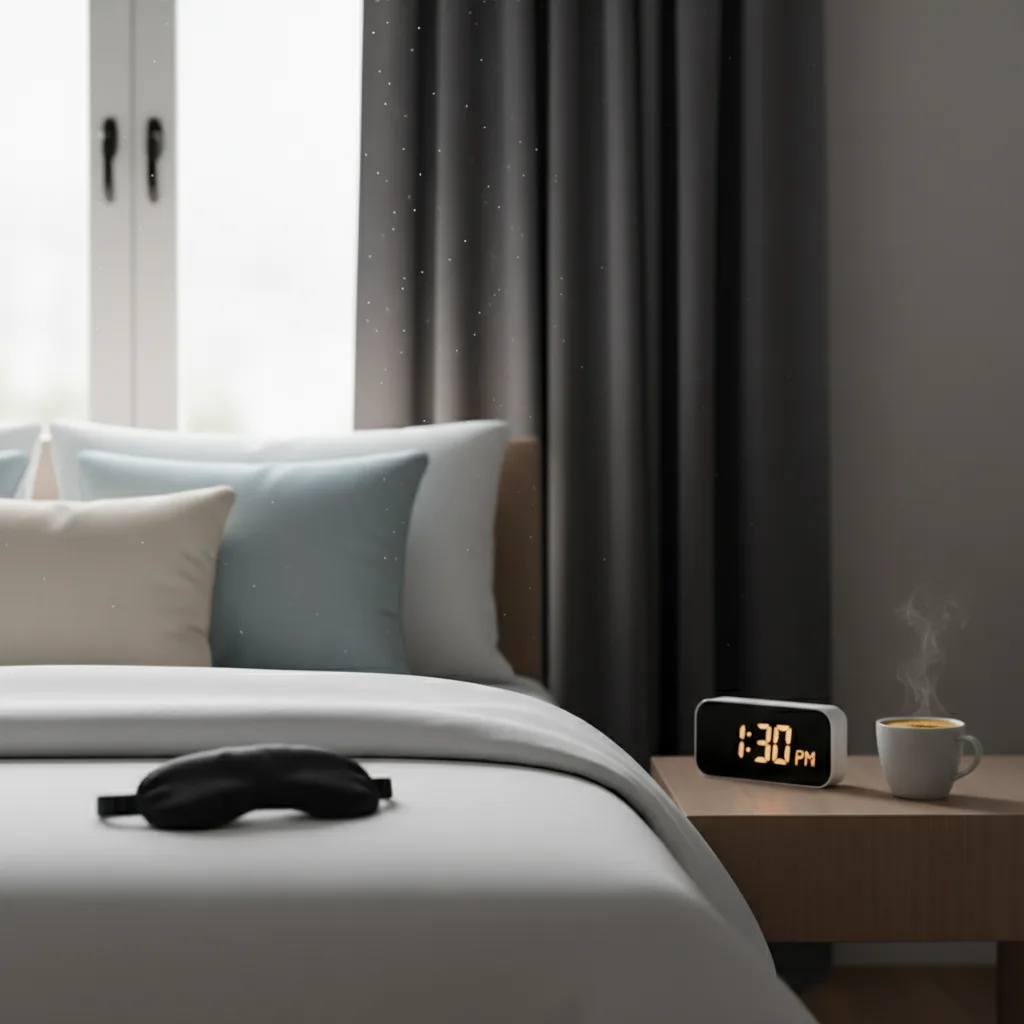
- • Blackout Curtains & Sleep Masks: Ensure your bedroom is as dark as possible. Even small amounts of light can disrupt sleep architecture, particularly deep sleep. A quality sleep mask can provide total darkness.
This is one of the “5 things to do before sleeping” that yields immediate, profound results.
2. Optimize Your Thermal Environment: The Cool-Down Protocol
Your body temperature naturally drops in the evening to initiate sleep. Replicating and supporting this physiological process is crucial. A warm environment hinders your body’s ability to shed heat, leading to disrupted sleep and increased awakenings. This addresses the “temperature for sleeping” search intent directly.
- • Ideal Room Temperature: The optimal bedroom temperature for most adults is between 60-67°F (15.6-19.4°C). Experiment to find your personal sweet spot within this range.
- • Pre-Sleep Cooling: A warm bath or shower 90 minutes before bed can paradoxically aid cooling. The initial warmth draws blood to the skin, and when you exit, the rapid cooling of your skin helps lower core body temperature.
- • Breathable Bedding: Invest in natural, breathable fabrics for sheets and sleepwear to facilitate thermoregulation throughout the night. For a deeper dive into controlling your sleep environment’s climate, explore the specifics of Sleep & Temperature.
3. Implement a Digital Sunset: The Screen-Free Zone
In the realm of modern sleep hygiene, the digital detox is non-negotiable. Beyond blue light, the cognitive stimulation from engaging with digital content (emails, social media, news) keeps your brain in an alert, problem-solving state, preventing the shift to the calmer Alpha and Theta brain waves associated with relaxation and sleep onset.
- • Two-Hour Buffer: Aim for at least two hours of no screen time before bed. This means no phones, tablets, computers, or even bright televisions.
- • Bedroom is a Sanctuary: Remove all electronic devices from your bedroom, or at least place them far from your bed and face-down. The temptation to check a notification can be a powerful sleep disruptor.
- • Analog Alternatives: Re-engage with pre-digital wind-down activities: reading a physical book, listening to calming music, or journaling. This is a crucial “5 things to do before sleeping”.
4. Cultivate a Mindful Wind-Down Ritual: The De-Stimulation Sequence
Building a nightly routine that signals to your brain it’s time to switch from “on” to “standby” is paramount. This isn’t just about avoiding stimulation; it’s about actively engaging in calming activities that promote relaxation and mental clarity, crucial tips for better sleep.
- • Consistent Routine: Engage in the same calming activities each night. This creates a powerful associative link in your brain, triggering the release of relaxation neurotransmitters.
- • Meditation & Breathwork: Even 10-15 minutes of guided meditation or deep diaphragmatic breathing can significantly lower heart rate variability, reduce cortisol, and shift brain activity towards calmer Alpha and Theta waves, making it easier to fall asleep easily.
- • Reading (Physical Books): Ditch the e-reader and pick up a physical book. The act of reading fiction can distract the mind from daily worries and promote imaginative, less analytical thought patterns.

5. Strategic Hydration & Nutrition: Fueling for Rest
What you consume, and when, profoundly impacts your ability to initiate and maintain sleep. This is a critical aspect of your sleeping routine and contributes significantly to sleep hygiene.
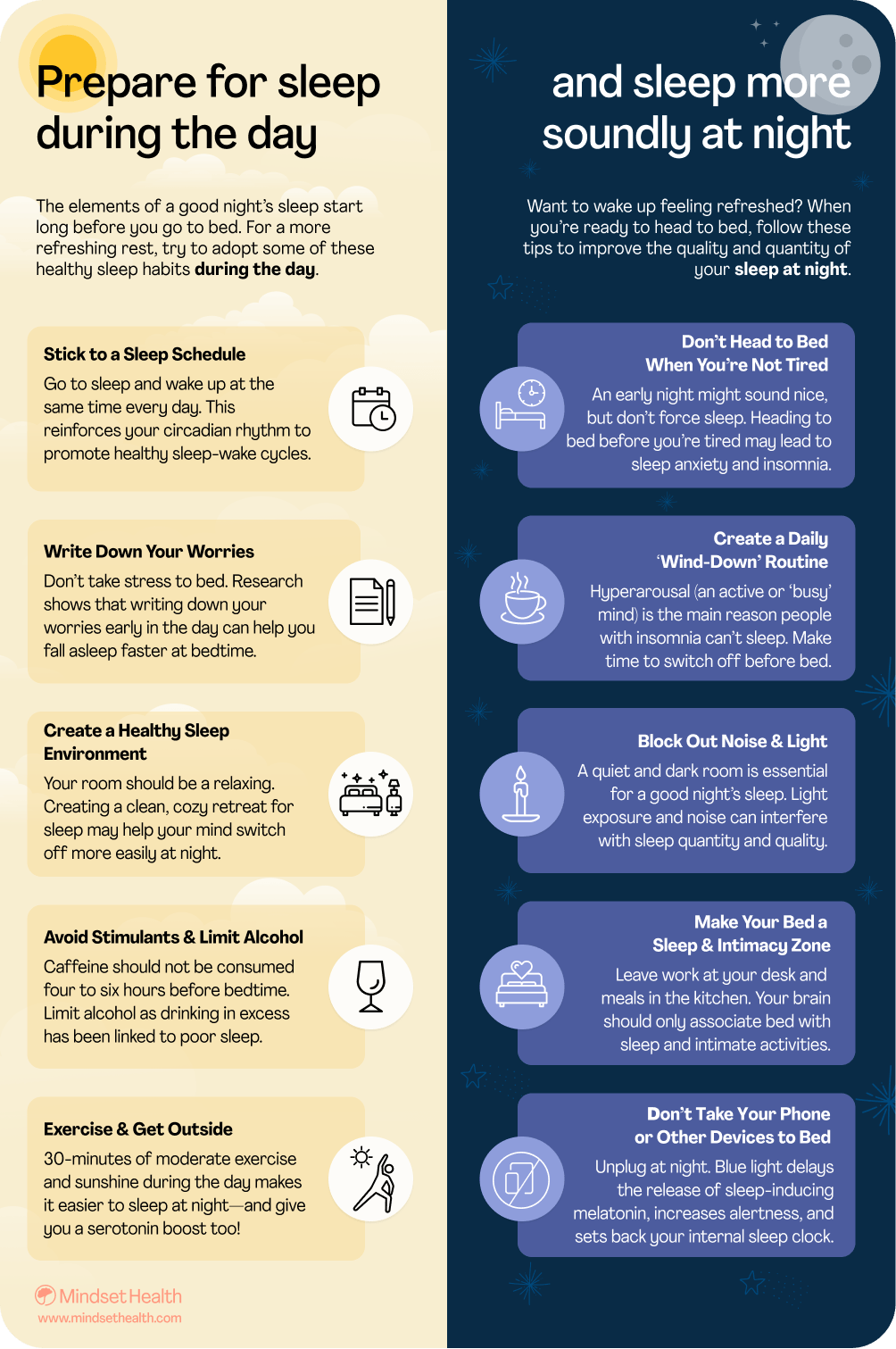
- • Caffeine Cut-off: The half-life of caffeine is approximately 5-6 hours, meaning it takes that long for half the dose to leave your system. Avoid caffeine at least 8-10 hours before your planned bedtime. For some, even earlier is necessary.
- • Alcohol Awareness: While alcohol might initially make you feel drowsy, it fragments sleep, particularly disrupting REM sleep in the latter half of the night. It also acts as a diuretic, leading to nighttime awakenings. Avoid alcohol 3-4 hours before sleep.
- • Timing Meals: Finish large meals at least 3 hours before bed. Digestion diverts blood flow and energy, elevates core body temperature, and can cause discomfort, making it harder to fall asleep easily. If you must snack, opt for light, easily digestible options.
6. Optimize Your Sleep Environment: The Sensory Sanctuary
Your bedroom should be a dedicated space for sleep and intimacy, free from distractions and optimized for sensory deprivation. This is a key part of your “hygiene checklist” for sleep.
- • Noise Control: Minimize external noise. Use earplugs, sound-blocking curtains, or a white noise machine to create a consistent, calming soundscape.
- • Aromatherapy: Certain scents, like lavender or chamomile, have been shown to promote relaxation. Diffusing essential oils can be a powerful addition to your pre-sleep ritual.
- • Mattress and Pillow: Invest in a high-quality mattress and pillows that support your preferred sleep position and alleviate pressure points. An uncomfortable sleep surface can lead to constant micro-arousals throughout the night.
7. Mind Your Physical Activity & Timing: The Movement Mandate
Regular exercise is undeniably beneficial for sleep hygiene, but its timing is crucial. Intense physical activity too close to bedtime can elevate core body temperature and stimulate the nervous system, making it difficult to wind down.
- • Morning or Afternoon Workouts: Aim to complete strenuous exercise at least 4-6 hours before your anticipated bedtime. This allows your body temperature to naturally cool down and stimulating hormones (like adrenaline) to dissipate.
- • Gentle Evening Movement: If you must exercise in the evening, opt for gentle activities like stretching, yoga, or a leisurely walk. These can promote relaxation without over-stimulating your system.
- • Sunlight Exposure: Early morning sunlight exposure helps reinforce your Circadian Rhythm, making it easier to fall asleep at night. Aim for 10-30 minutes of natural light shortly after waking.
8. Establish a Consistent Sleep-Wake Schedule: The Circadian Command
One of the most powerful, yet often overlooked, aspects of sleep hygiene is consistency. Your Circadian Rhythm thrives on regularity. Irregular sleep patterns confuse your internal clock, making it harder to initiate sleep and affecting the quality of rest. This is fundamental to building a nightly routine.
- • Fixed Bedtime & Wake-up Time: Go to bed and wake up at roughly the same time every day, even on weekends. This regular pattern strengthens your Circadian Rhythm, making it easier to wake up refreshed and fall asleep quickly.
- • Avoid Napping (Strategically): While short power naps can be beneficial, long or late-afternoon naps can interfere with nighttime sleep. If you must nap, keep it under 30 minutes and complete it before 3 PM.
- • Listen to Your Body: While consistency is key, also pay attention to your body’s natural signals. If you’re genuinely exhausted earlier than usual, allow yourself to adjust slightly, but try to maintain the wake-up time.
9. Address Mental Clutter: The Brain Defragmentation
One of the most common reasons individuals struggle to fall asleep easily is a racing mind. Stress, worries, and an endless to-do list can keep your brain in a hyper-aroused state, preventing the transition to sleep-promoting Alpha and Theta brain waves. This directly addresses sleep anxiety and offers crucial tips for better sleep.
- • Journaling: 1-2 hours before bed, spend 10-15 minutes writing down your thoughts, worries, and tasks for the next day. This “brain dump” externalizes mental clutter, allowing your mind to let go.
- • Mindfulness Practices: Engage in practices that bring you into the present moment. This could be a body scan meditation, focusing on sensory input, or simply observing your breath without judgment.
- • Cognitive Behavioral Therapy for Insomnia (CBT-I) Techniques: While a full CBT-I program requires a professional, many of its principles, like stimulus control and sleep restriction (under guidance), can be self-implemented to break negative associations with sleep.
10. The Biohacker’s Edge: Advanced Neuro-Optimization for Deeper Rest
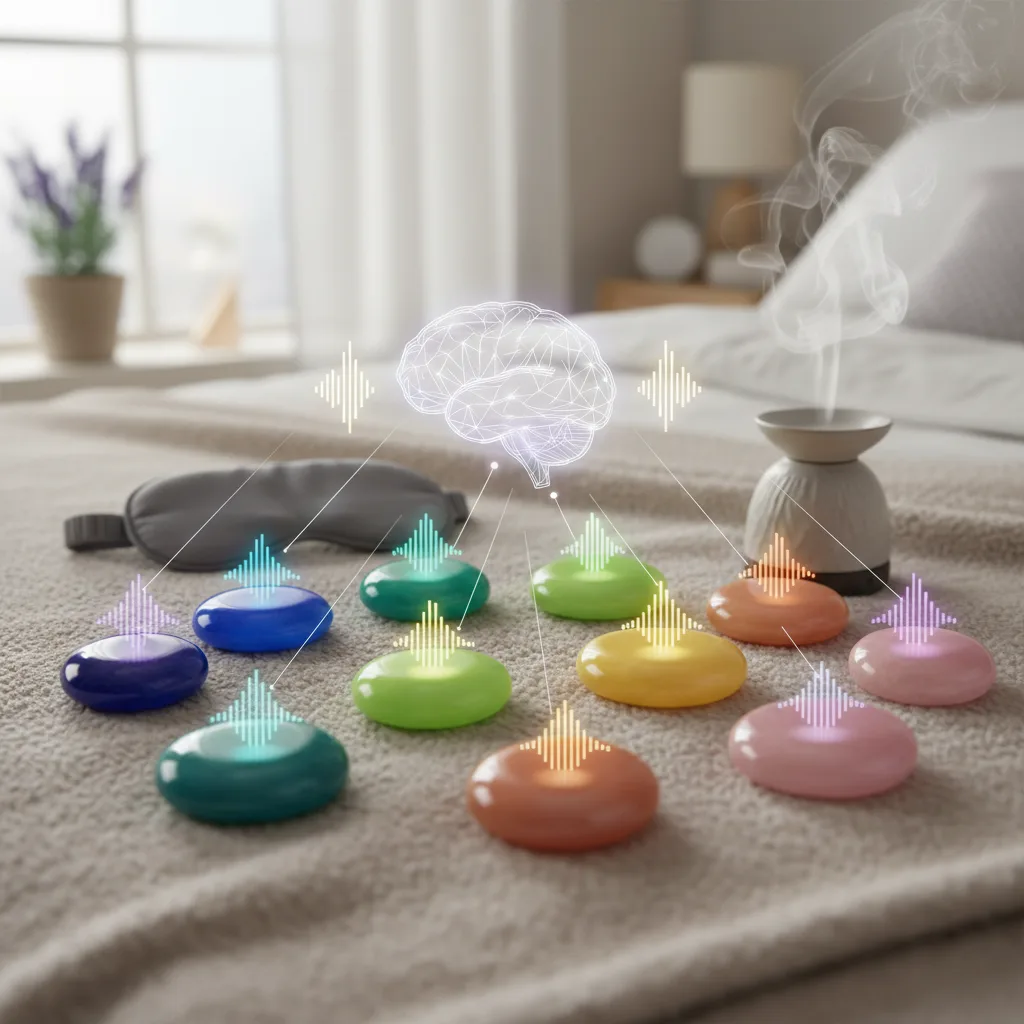
Beyond the foundational elements of sleep hygiene, modern neurotechnology offers advanced avenues for optimizing your pre-sleep state. As a biohacker, I’m always looking for ways to enhance the brain’s natural capabilities to achieve deeper, more restorative sleep, which contributes to overall sleep optimization.
- • Brainwave Entrainment: Audio-visual brain entrainment (AVBE) uses rhythmic light and sound pulses to guide your brain into specific frequency states, such as Alpha (relaxation) and Theta (deep relaxation, meditation). This can significantly reduce sleep latency and improve sleep quality.
- • Red Light Therapy: Low-level red light therapy (photobiomodulation) applied to the head can stimulate mitochondrial function, improve cellular energy, and potentially enhance melatonin production, contributing to a more restful night.
- • Deep Relaxation Techniques with Technology: Incorporating tools that provide biofeedback or guided relaxation can be incredibly effective. For those looking to explore cutting-edge methods for achieving profound pre-sleep states and enhancing Neuroplasticity, consider integrating visual brain entrainment tools into your nightly routine. These advanced light therapy devices can facilitate a quicker transition into deep relaxation, paving the way for restorative sleep.
Building Your Nightly Routine: A Blueprint for Consistent Success
The beauty of sleep hygiene lies in its systematic approach. It’s not about sporadic efforts but about establishing a predictable, powerful nightly routine. This blueprint addresses the “build a nightly routine” search intent head-on, providing actionable steps to integrate the 10 checks seamlessly into your life.
The Phased Approach to Your Evening:
-
• Phase 1 (3-4 Hours Before Bed): The Wind-Down Initiation.
- – Last Major Meal: Finish dinner, ensuring ample time for digestion.
- – Caffeine/Alcohol Cut-off: Strict adherence to avoid stimulants.
- – Physical Activity Wrap-Up: No strenuous exercise beyond this point.
-
• Phase 2 (1-2 Hours Before Bed): The Sensory Shift.
- – Digital Sunset: Power down all screens.
- – Dim Lighting: Switch to warm, low-intensity lights.
- – Warm Bath/Shower: Initiate body cooling.
- – Journaling/Light Reading: Address mental clutter.
-
• Phase 3 (30-60 Minutes Before Bed): The Pre-Sleep Power-Down.
- – Bedroom Prep: Ensure optimal sleep & temperature, darkness, and quiet.
- – Mindful Relaxation: Engage in meditation, breathwork, or listen to calming audio.
- – Final Hydration: Small sips of water if needed, but avoid excessive liquids to prevent nighttime bathroom trips.
Consistency is the bedrock of this routine. Your brain is a creature of habit. The more consistently you follow these tips for better sleep, the more effectively your internal clock will anticipate and prepare for sleep, reducing sleep latency and enhancing the depth of your sleep cycles. This dedicated effort is a direct investment in your cognitive function and long-term health, offering significant returns on your sleep optimization journey.
Beyond the Basics: Advanced Strategies for Rapid Sleep Onset
While the 10 pre-sleep checks form the bedrock of excellent sleep hygiene, some individuals, especially high-performers whose brains are perpetually active, may require additional strategies to achieve rapid sleep onset. These are advanced tips for better sleep, designed to quickly shift your brain into a relaxed state.
Targeted Physiological and Neurological Interventions:
-
• The 4-7-8 Breathing Technique: Developed by Dr. Andrew Weil, this technique is a powerful natural tranquilizer for the nervous system.
- – Inhale: Breathe in quietly through your nose for a count of 4.
- – Hold: Hold your breath for a count of 7.
- – Exhale: Exhale completely through your mouth, making a whoosh sound, for a count of 8.
- – Repeat this cycle for four breaths. This technique helps to slow the heart rate and promote a parasympathetic (rest and digest) state.
- • Progressive Muscle Relaxation (PMR): This involves tensing and then relaxing different muscle groups throughout your body. The contrast helps you become more aware of muscle tension and subsequently release it, which can be particularly effective if physical tension contributes to your inability to fall asleep easily.
- • Targeted Supplementation (Consult a Professional): While not a replacement for good sleep hygiene, certain supplements can support sleep in specific cases. Magnesium (involved in over 300 enzymatic reactions, including those related to neurotransmitter function) and L-Theanine (an amino acid found in green tea that promotes relaxation without drowsiness) are popular choices. Melatonin can be useful for acute circadian rhythm disruptions (like jet lag), but long-term reliance should be approached with caution and under medical guidance. Always consult with a healthcare professional before integrating new supplements, particularly if you are considering sleep pills or other sleep aids.
- • Acupressure/Self-Massage: Applying gentle pressure to specific points (e.g., between the eyebrows, wrist crease, or bottom of the foot) can stimulate the vagus nerve and promote relaxation.
These techniques are not quick fixes but powerful complements to a robust sleeping routine, designed to give you an edge in achieving not just sleep, but optimal sleep.
The Ultimate Sleep Hygiene Checklist: Your Pre-Flight Briefing
To ensure you’ve covered all your bases for a truly restorative night, here’s your comprehensive sleep hygiene checklist, a quick reference for your nightly pre-sleep ‘maintenance’. Use this as a final review before you embark on your journey to dreamland.
-
• Light Management:
- – Dimmed lights/red-spectrum bulbs 2-3 hours before bed.
- – Blue light blocking glasses or software.
- – Blackout curtains/eye mask for total darkness.

Sleep Hygiene 3 -
• Temperature Regulation:
- – Bedroom temperature set to 60-67°F (15.6-19.4°C).
- – Consider a warm bath/shower 90 min pre-bed.
-
• Digital Detox:
- – No screens 1-2 hours before bed.
- – Electronics removed or far from the bedroom.
-
• Mindful Wind-Down:
- – Consistent pre-sleep routine established.
- – Meditation/breathwork for 10-15 minutes.
-
• Strategic Hydration & Nutrition:
- – No caffeine 8-10 hours before bed.
- – No alcohol 3-4 hours before bed.
- – Large meals finished 3+ hours pre-bed.
-
• Optimized Sleep Environment:
- – Minimize noise (earplugs/white noise).
- – Consider calming aromatherapy.
- – Comfortable mattress and pillows.
-
• Physical Activity & Timing:
- – Strenuous exercise completed 4-6+ hours pre-bed.
- – Gentle movement only in the evening.
-
• Consistent Sleep-Wake Schedule:
- – Go to bed and wake up at consistent times daily.
- – Avoid long or late naps.
-
• Address Mental Clutter:
- – Journaling to clear thoughts.
- – Mindfulness/relaxation techniques.
-
• Advanced Neuro-Optimization:
- – Consider brainwave entrainment or light therapy tools.
- – Practice 4-7-8 breathing or PMR.
Conclusion: Invest in Your Sleep, Elevate Your Life
Implementing these 10 Pre-Sleep Checks is more than just adopting a new routine; it’s a strategic investment in your cognitive capital, emotional resilience, and physical vitality. By meticulously performing pre-sleep ‘maintenance’ and optimizing your sleep hygiene, you empower your brain to execute its essential nightly repairs, consolidate memories, clear metabolic waste, and reinforce neural pathways. This diligent preparation ensures that your brain, your ultimate supercomputer, is not merely functional, but primed for optimal performance, ready to tackle the complexities of the waking world with precision and clarity.
The benefits extend far beyond simply feeling rested. You’ll experience enhanced focus, improved problem-solving abilities, greater emotional stability, and a noticeable boost in overall energy and well-being. This is the essence of true sleep optimization – leveraging scientific understanding and biohacking principles to unlock your full potential.
Expert Tip: Start Small, Stay Consistent
Don’t feel overwhelmed by implementing all 10 checks at once. Pick one or two that resonate most with you or address your biggest sleep challenge, and integrate them consistently for a week. Once those become second nature, layer in more. The power of sleep hygiene lies in its cumulative effect. Begin your journey tonight, and transform your ride to dreamland into a smooth, deeply restorative experience.