
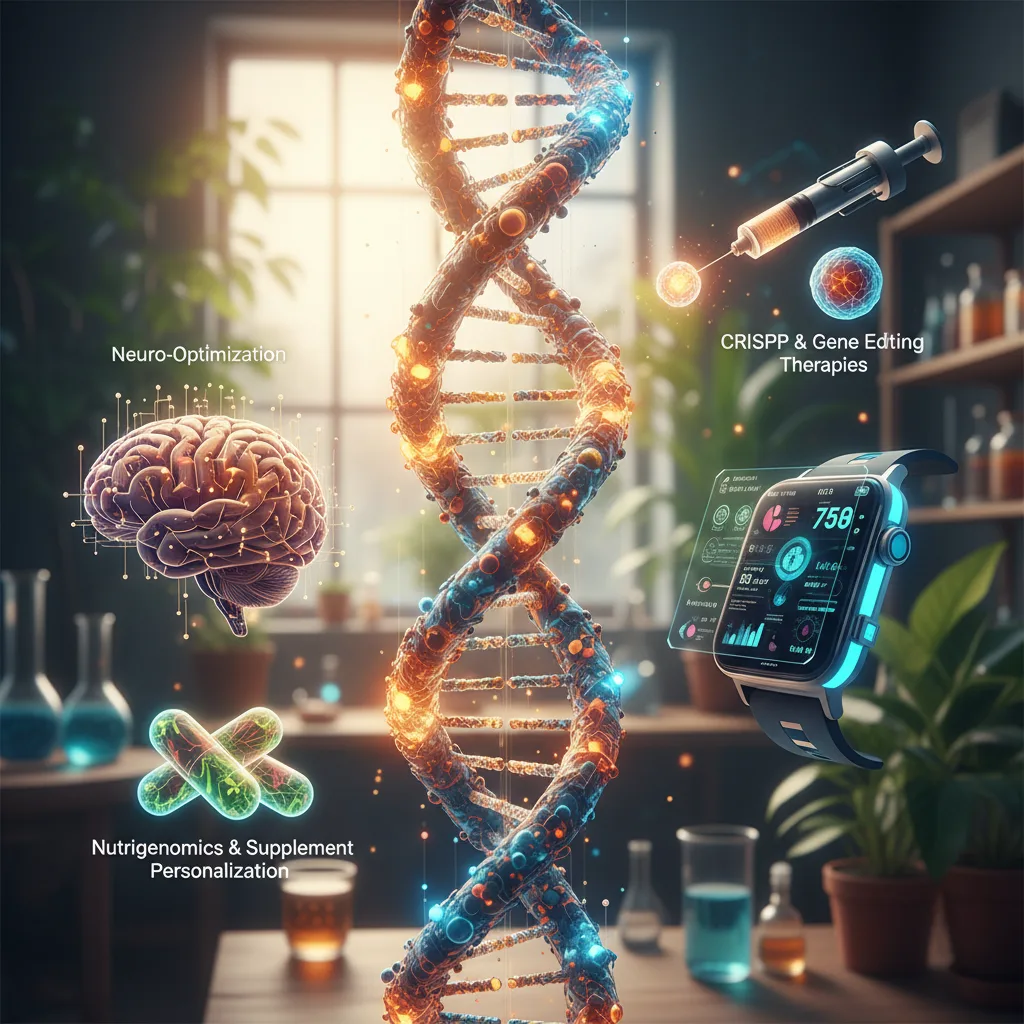
4 DNA Hacking Trends: Tuning Your Genetic Code for Peak Performance
Imagine your brain not just as an organ, but as a meticulously engineered, high-performance vehicle. For many of us, this incredible machine often sputters, struggles with inconsistent fuel economy, or simply fails to reach its full potential. Do you often find yourself grappling with persistent brain fog, the frustrating inability to focus when it matters most, or nights spent staring at the ceiling, longing for restorative sleep? Perhaps you feel an innate drive to upgrade, to fine-tune your internal engine for unparalleled cognitive horsepower and sustained endurance. You’re not alone. In a world demanding constant peak performance, the quest for optimal brain function has moved beyond simple lifestyle adjustments into the very blueprint of our being.
For too long, we’ve treated our genetic code as an unchangeable destiny, a fixed set of instructions dictating our predispositions and limitations. But what if we could access the very operating system of our biology? What if we could DNA hacking, not as a futuristic fantasy, but as an emerging reality, allowing us to proactively tune our genetic expression for enhanced cognitive function, resilience, and overall well-being? As a neuroscientist and biohacker at the forefront of this revolution, I can tell you that we are entering an era where the lines between biology and technology blur, offering unprecedented opportunities to optimize the human experience. This deep dive will explore the most impactful DNA hacking trends poised to redefine human potential, offering a glimpse into how we can become architects of our own biological destiny.
Key Takeaways
- • DNA Hacking is Evolving: Moving beyond theoretical, current trends leverage advanced science to influence genetic expression and function, impacting everything from cognitive acuity to disease prevention.
- • CRISPR and AI are Game-Changers: Precision gene editing combined with artificial intelligence DNA analysis is unlocking unprecedented capabilities for modifying the ‘blueprint’ of life and personalizing medicine.
- • Epigenetics Offers Accessible Biohacking: Lifestyle choices significantly influence gene expression, providing powerful, non-invasive pathways to optimize brain health, sleep, and overall vitality without altering DNA sequences.
- • Ethical Considerations are Paramount: As we gain the power to tune our genetic code, navigating the complex ethical landscape, ensuring equitable access, and promoting responsible innovation becomes crucial for the future of bioengineering.
What Exactly is DNA Hacking, and How Does it Influence Our Biology?
To truly understand DNA hacking, we must first dispel some common misconceptions. It’s not about creating designer babies or instantly rewriting your entire genome in a garage. At its core, DNA hacking refers to the intentional manipulation or optimization of genetic and epigenetic mechanisms to improve biological function, prevent disease, or enhance specific traits. This can range from highly advanced gene editing techniques to everyday lifestyle choices that subtly influence how your genes are expressed. Think of it as gaining access to your body’s source code and learning to write better programs, or in our vehicle metaphor, fine-tuning the engine’s software for optimal performance.
Our DNA, the helical molecule residing in nearly every cell, contains the instructions for building and operating our bodies. However, these instructions aren’t always read or executed perfectly. Genetic predispositions, single nucleotide polymorphisms (SNPs), and environmental factors all play a role in how our genes translate into proteins and, ultimately, into our physical and cognitive traits. For instance, variations in genes that code for neurotransmitters like dopamine or serotonin can significantly impact mood, focus, and even sleep patterns. By understanding these intricate mechanisms, we can begin to identify specific targets for a genetic hack.
The brain, as the ultimate command center, is profoundly influenced by our genetic makeup. Genes dictate the development of neural circuits, the efficiency of synaptic transmission, and the production of crucial brain chemicals. Concepts like Neuroplasticity – the brain’s remarkable ability to reorganize itself by forming new neural connections – are themselves influenced by genetic factors, though significantly shaped by experience and environment. DNA hacking, in its various forms, aims to leverage these biological levers to enhance cognitive functions, bolster resilience against neurodegenerative diseases, and optimize states of consciousness. It’s about moving from a reactive approach to health to a proactive, precision-driven strategy.
Trend 1: CRISPR and Precision Gene Editing – Modifying the ‘Blueprint’ of Life
The advent of CRISPR (Clustered Regularly Interspaced Short Palindromic Repeats) technology has irrevocably changed the landscape of genetic engineering. Often described as molecular scissors, CRISPR allows scientists to precisely cut and edit specific sections of DNA with unprecedented accuracy and relative ease. This revolutionary tool is at the heart of the first major DNA hacking trend: directly modifying the ‘blueprint’ of life to correct genetic errors or introduce beneficial traits.
How CRISPR Works: The Molecular Mechanics of Genetic Editing
- • Guide RNA: A synthetic RNA molecule is designed to match a specific DNA sequence that needs to be targeted. It acts like a GPS for the gene editor.
- • Cas9 Enzyme: This enzyme, often paired with the guide RNA, acts as the molecular scissors, making a precise cut in the DNA at the location specified by the guide RNA.
- • Repair Mechanisms: Once the DNA is cut, the cell’s natural repair machinery kicks in. Scientists can then either disable the gene (gene knockout) or insert a new, desired DNA sequence at the cut site (gene insertion), effectively rewriting the genetic code.
Applications in Neurological Health and Cognitive Enhancement
The potential applications of CRISPR in neuroscience are vast and transformative. For individuals suffering from genetically linked neurological disorders, CRISPR offers hope for curative therapies.
- • Treating Neurodegenerative Diseases: Researchers are exploring CRISPR to correct mutations responsible for conditions like Huntington’s disease, Alzheimer’s, and Parkinson’s. By fixing faulty genes, it may be possible to halt or even reverse disease progression.
- • Addressing Mental Health Disorders: Genetic factors play a role in susceptibility to depression, anxiety, and schizophrenia. CRISPR could theoretically target genes influencing neurotransmitters and neural pathways, offering new therapeutic avenues.
- • Cognitive Enhancement: While still largely in the realm of ethical debate, the potential for using CRISPR to enhance cognitive traits like memory, learning capacity, or processing speed is undeniable. This area of genetic hack holds immense promise, albeit with significant societal implications.
- • Optimizing Sleep Architecture: Genetic variations can influence everything from circadian rhythm genes (like CLOCK and PER) to the production of sleep-inducing substances. Precision gene editing could theoretically optimize these pathways for deeper, more restorative sleep, directly impacting factors like Sleep & Immunity.
The ability to directly modify the ‘blueprint’ of life represents the pinnacle of DNA hacking, offering a future where genetic vulnerabilities can be corrected before they manifest, and human potential can be unlocked at its most fundamental level.
Trend 2: AI-Powered Genomic Analysis and Personalized Medicine
The second major DNA hacking trend is the convergence of genomics and artificial intelligence. Our genetic code is an unimaginably vast dataset. A single human genome contains approximately 3 billion base pairs. Analyzing this colossal amount of information, identifying meaningful patterns, and translating them into actionable insights would be impossible without advanced computational power. This is where artificial intelligence DNA analysis becomes the indispensable engine for personalized medicine.
The Role of AI in Unlocking Genomic Secrets
- • Big Data Processing: AI algorithms can sift through petabytes of genomic data from millions of individuals, identifying subtle correlations between genetic markers and health outcomes that would be invisible to human analysis.
- • Predictive Modeling: Machine learning models can predict an individual’s susceptibility to diseases (e.g., specific cancers, autoimmune disorders, neurological conditions) based on their unique genetic profile. This allows for proactive intervention strategies.
- • Drug Discovery and Repurposing: AI accelerates the identification of novel drug targets and can even suggest existing drugs that might be effective for conditions based on genetic commonalities.
- • Personalized Lifestyle Recommendations: Beyond disease, AI can analyze your genes to suggest optimal dietary choices, exercise regimens, and even ideal sleep environments tailored to your unique biology. This is the ultimate form of personalized medicine in action.
From Genetic Data to Tailored Interventions
The power of artificial intelligence DNA analysis lies in its ability to translate complex genetic information into practical, individualized strategies.
- • Optimizing Nutrition and Supplementation: Your genes can influence how you metabolize fats, absorb vitamins, or respond to caffeine. AI can pinpoint these variations, recommending specific nutrients or supplements to enhance cognitive function, energy levels, and overall health.
- • Tailoring Exercise Regimens: Genetic markers can indicate your propensity for endurance versus strength, or your risk for certain exercise-related injuries. DNA hacking with AI can help craft an exercise plan that maximizes physical and mental benefits.
- • Precision Sleep Strategies: AI can analyze your genetic predispositions for sleep disorders, chronotype (early bird vs. night owl), and even how you respond to different sleep environments. This allows for hyper-personalized sleep optimization plans, moving beyond generic advice to data-driven solutions. Furthermore, advances in AI Sleep Tracking with sophisticated APIs are providing unprecedented insights into individual sleep architecture, allowing for even finer adjustments. Understanding optimal Sleep Hours by Age and individual needs is critical, and AI helps personalize this.
The synergy between DNA hacking and AI is making true personalized medicine a tangible reality, moving healthcare from a “one-size-fits-all” approach to highly individualized, predictive, and preventive care. This also highlights the broader impact of AI, as its capabilities extend beyond biology to areas like the AI Job Market Impact, transforming how we work and live.
Trend 3: Epigenetic Modulation and Lifestyle Biohacking – Influencing Gene Expression
While CRISPR offers the ability to change the genetic code itself, the third trend in DNA hacking focuses on a more accessible, yet profoundly powerful, layer of genetic control: epigenetics. Epigenetics refers to changes in gene expression that do not involve alterations to the underlying DNA sequence. Instead, these are modifications that turn genes “on” or “off,” or upregulate/downregulate their activity, much like software updates for your genetic hardware. This field forms the scientific backbone of lifestyle biohacking.
Your environment, diet, stress levels, and daily habits profoundly influence your epigenome, which in turn dictates how your genetic predispositions manifest. This is where the “Why” and “How” of optimizing brain function become immensely practical.
Understanding Epigenetic Mechanisms
- • DNA Methylation: The addition of methyl groups to DNA can silence genes. This is a critical process in development but can also be influenced by diet (e.g., folate intake).
-
• Histone Modification: DNA is wrapped around proteins called histones. Chemical modifications to histones can make DNA more or less accessible to transcription machinery, thereby controlling gene expression.

DNA Hacking and genetic sequence optimization - • Non-coding RNAs: These RNA molecules do not code for proteins but play crucial roles in regulating gene expression, often by interfering with mRNA translation or promoting mRNA degradation.
Practical Epigenetic Biohacking for Brain Optimization
The good news is that you don’t need a lab coat to engage in effective DNA hacking through epigenetics. Your daily choices are powerful epigenetic modifiers.
- • Nutrition: What you eat directly impacts your epigenome. For example, compounds in broccoli (sulforaphane) and green tea (EGCG) can influence histone modification. A diet rich in methyl donors (e.g., leafy greens, eggs) supports healthy DNA methylation. Optimizing your nutrient intake can enhance sleep optimization by ensuring your body has the raw materials for proper neurotransmitters production.
- • Exercise: Regular physical activity has a profound epigenetic impact, promoting the expression of genes involved in neuronal growth, mitochondrial function, and stress resilience. It’s a natural brain booster.
- • Sleep and Circadian Rhythm: One of the most critical aspects of brain health, sleep is heavily regulated by your internal biological clock. Disruptions to your Circadian Rhythm can epigenetically alter gene expression related to stress response, inflammation, and cognitive function. Prioritizing consistent, high-quality sleep not only boosts cognitive performance but also strengthens your Sleep & Immunity. Understanding individual needs, such as Sleep Hours by Age, is key to this personalized approach.
- • Stress Management: Chronic stress can induce epigenetic changes that negatively impact brain areas involved in memory and emotion regulation. Practices like mindfulness, meditation, and spending time in nature can reverse these detrimental epigenetic marks.
- • Environmental Toxins: Exposure to pollutants and certain chemicals can also induce adverse epigenetic modifications, underscoring the importance of a clean living environment. This extends to considering potential impacts from emerging technologies like 6G & Health, as our environment continues to evolve.
Epigenetic DNA hacking empowers individuals to actively shape their biological expression through conscious lifestyle choices. It’s a powerful reminder that while genetics loads the gun, environment pulls the trigger.
Trend 4: Neuro-Genomic Interfaces and Advanced Biofeedback – Bridging Brain and Genes
The fourth and arguably most futuristic DNA hacking trend explores the direct interface between our neurological activity and genetic expression. This involves leveraging advanced neurotechnology and sophisticated biofeedback mechanisms to influence brain states, which in turn can have downstream effects on gene activity and overall biological function. It’s about creating a two-way communication channel, where conscious effort and technological assistance meet to optimize our internal systems.
The Brain’s Electrical Symphony and Genetic Echoes
Our brains operate on an intricate symphony of electrical impulses, manifested as brain waves (Delta, Theta, Alpha, Beta, Gamma). Each frequency correlates with different states of consciousness and cognitive function:
- • Delta Waves (0.5-4 Hz): Deep, dreamless sleep. Essential for cellular repair and hormone release.
- • Theta Waves (4-8 Hz): Associated with deep relaxation, meditation, creativity, and REM sleep.
- • Alpha Waves (8-13 Hz): Relaxed alertness, often experienced during light meditation or when brainstorming. Promotes calm and focus.
- • Beta Waves (13-30 Hz): Active, alert, problem-solving, and concentrated thought.
- • Gamma Waves (30-100+ Hz): High-level information processing, peak concentration, and cognitive function.
Emerging research suggests that sustained changes in these brain wave patterns, often induced through focused mental training or neurofeedback, can influence epigenetic markers. For example, deep meditative states (associated with Alpha and Theta waves) have been linked to changes in gene expression related to immune function and stress response. This means that by intentionally shifting your brain state, you might be subtly engaging in a form of genetic hack.
Tools and Techniques for Neuro-Genomic Optimization
This is where cutting-edge Biohacking Devices come into play, allowing for precise control and measurement.
- • Neurofeedback and Biofeedback: These technologies train individuals to consciously control physiological processes (like heart rate, skin temperature, or brain waves) that are usually involuntary. By providing real-time feedback, users can learn to induce specific brain states, such as increased Alpha waves for deep relaxation or enhanced Gamma for focus.
- • Transcranial Electrical/Magnetic Stimulation (tES/TMS): Non-invasive brain stimulation techniques can modulate neural activity in targeted brain regions. While primarily used for therapeutic purposes (e.g., depression), research is exploring their potential for cognitive enhancement and influencing neuroplasticity-related gene expression.
- • Light and Sound Entrainment: Our brains naturally synchronize with external rhythms. Tools that deliver specific frequencies of light (e.g., pulsed light) or sound (e.g., binaural beats) can guide brain waves into desired states. This kind of sensory input, whether through advanced light therapy devices or visual brain entrainment tools, can facilitate deep relaxation, enhanced focus, or even support the brain’s natural repair processes. For those looking to explore these cutting-edge modalities, consider tools that leverage sensory resonance technology to optimize brain states.
By learning to consciously regulate our brain states through these neuro-genomic interfaces, we can potentially activate epigenetic pathways that promote brain health, enhance cognitive function, and foster a heightened sense of well-being. This represents a powerful synergy between mind and matter, offering a truly integrated approach to DNA hacking.
The Ethical Imperative: Navigating the Future of Bioengineering
As we delve deeper into the capabilities of DNA hacking, from precision gene editing to AI-driven personalized medicine, the ethical considerations become paramount. The power to modify the ‘blueprint’ of life comes with immense responsibility. Addressing the ethics of gene editing is not merely an academic exercise; it’s a critical discussion that will shape the future of bioengineering and human evolution.
Key Ethical Considerations in DNA Hacking
- • Safety and Unintended Consequences: While CRISPR is precise, off-target edits can occur, leading to unforeseen health issues. Long-term effects of genetic modifications, especially germline editing (changes passed to future generations), are not fully understood.
- • Equity and Access: Who will have access to these advanced DNA hacking technologies? There’s a significant risk of exacerbating existing health disparities, creating a “genetically privileged” class if these innovations are only available to the wealthy. This raises questions about global health equity.
- • The Slippery Slope of Enhancement: Where do we draw the line between treating disease and enhancing normal human traits? If we can prevent Alzheimer’s, should we also aim to boost IQ, improve athletic ability, or alter personality? This could lead to a redefinition of what it means to be human.
- • Informed Consent and Data Privacy: As personalized medicine becomes more prevalent, the handling of sensitive genomic data raises concerns about privacy, ownership, and the potential for discrimination.
- • Societal Impact and Diversity: Widespread genetic modifications could reduce human genetic diversity, potentially making our species more vulnerable to future pathogens or environmental changes. It also prompts philosophical questions about the value of human variation and imperfection.
Shaping the Future of Bioengineering Responsibly
The path forward requires robust public discourse, international collaboration, and clear regulatory frameworks. Scientists, ethicists, policymakers, and the public must work together to establish guidelines that foster responsible innovation while safeguarding human values. The promise of DNA hacking to eradicate disease and unlock human potential is immense, but it must be pursued with caution, foresight, and a deep commitment to ethical principles.
The future of bioengineering is not just about scientific breakthroughs; it’s about making wise choices that reflect our shared humanity and ensure these powerful tools benefit all, not just a select few. This includes anticipating how rapidly evolving technologies, such as the full integration of artificial intelligence DNA analysis with next-generation communication infrastructure, will shape our world.
Conclusion: Architecting Your Optimal Self in the Age of DNA Hacking
We stand at the precipice of a new biological frontier, where the concept of DNA hacking is transitioning from science fiction to scientific fact. The ability to tune our genetic code, whether through precise gene editing with CRISPR, AI-powered insights for personalized medicine, or the profound influence of epigenetic lifestyle choices, offers an unparalleled opportunity to optimize our health, enhance our cognitive capabilities, and fundamentally redefine what it means to live a vibrant, high-performing life.
The trends we’ve explored—from directly modifying the ‘blueprint’ of life to leveraging the power of CRISPR and AI, embracing the accessible power of epigenetics, and interfacing directly with our neuro-genomic systems—are converging to create a future where biological optimization is a choice, not just a matter of luck. Imagine a life where chronic fatigue is rare, focus is effortless, and restorative sleep is the norm, all supported by a deep understanding and proactive management of your unique genetic makeup.
This is not about chasing immortality or creating a superhuman race; it’s about empowering individuals to unlock their inherent potential, mitigate genetic vulnerabilities, and live healthier, more fulfilling lives. It’s about moving from a reactive approach to health to a proactive, precision-driven strategy, making informed choices grounded in deep scientific understanding.
Expert Tip: Start with the Foundation
While the allure of advanced DNA hacking technologies is strong, the most impactful place to begin your journey toward optimizing your genetic code is with the fundamentals. Prioritize consistent, high-quality sleep optimization, nutrient-dense whole foods, regular physical activity, and effective stress management. These lifestyle interventions are powerful epigenetic modifiers that lay the groundwork for any further biohacking endeavors. Understand your Circadian Rhythm, listen to your body, and build from there. The future of human potential starts with informed, intentional action today.