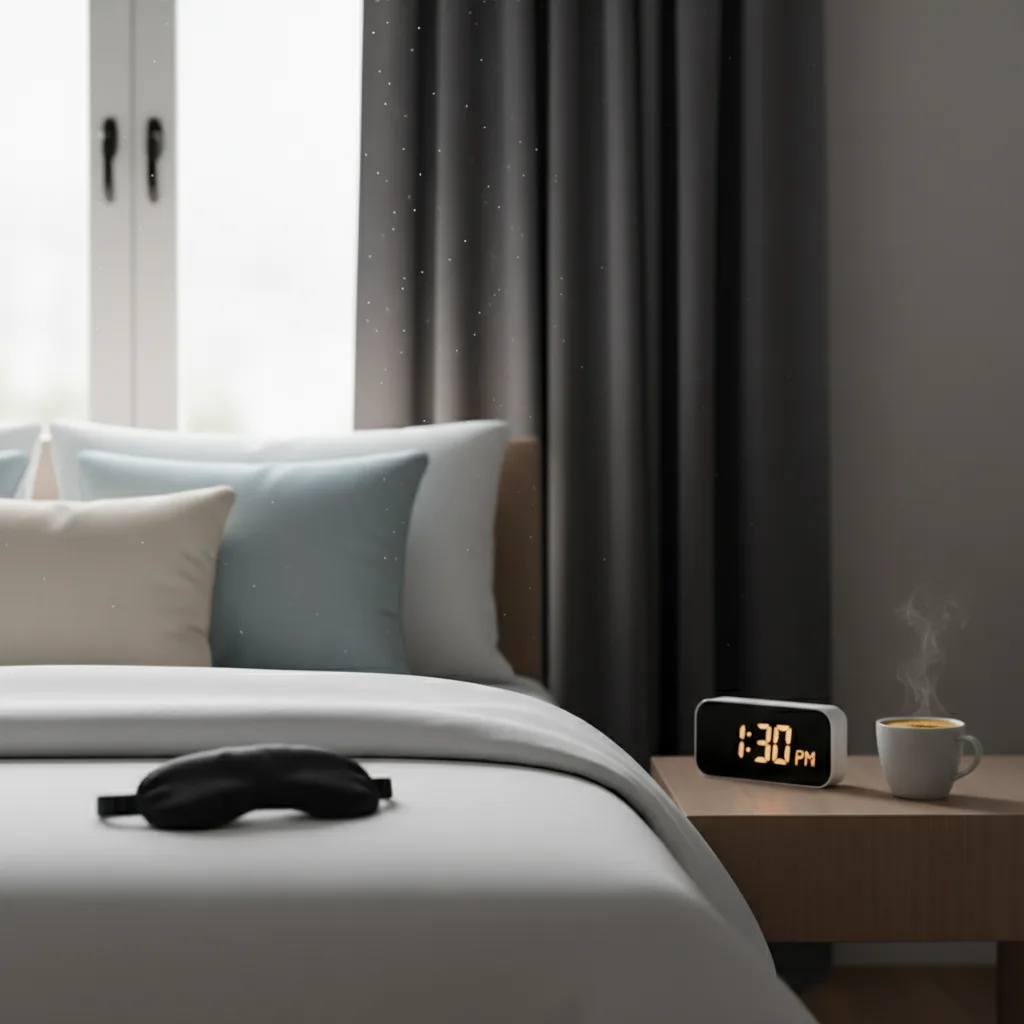
6 Ways to Cool Your Engine for the Perfect Night’s Sleep: Optimizing Sleep & Temperature for Peak Brain Performance
Imagine your brain as a high-performance engine, meticulously engineered for optimal output. Just like any sophisticated machine, it requires precise calibration and an ideal operating temperature to function at its peak. When your internal thermostat is off, whether it’s sweating in sleep or simply feeling too warm, the intricate processes of memory consolidation, emotional regulation, and cognitive restoration begin to falter. This isn’t just about comfort; it’s about safeguarding your neural architecture and maximizing your potential. For those of us dedicated to biohacking our way to superior cognitive function and sustained well-being, understanding the profound connection between sleep & temperature isn’t merely an advantage – it’s a fundamental requirement.
Are you waking up groggy, plagued by brain fog, or feeling that your focus isn’t as sharp as it could be? The culprits might not be as complex as you think. Often, the most significant hindrance to deep, restorative sleep – and by extension, peak brain performance – lies in an overlooked environmental factor: your sleeping temperature. This deep dive will explore the neuroscientific underpinnings of why a cool environment is crucial for optimal sleep, reveal the ideal sleeping temperature, and equip you with six data-driven strategies to regulate your internal ‘radiator’ and transform your nights into a powerful engine for daily excellence.
Key Takeaways: Optimizing Your Thermal Environment for Sleep
- • Your body temperature naturally drops before and during sleep, facilitating the transition into deeper sleep stages.
- • The ideal sleeping temperature for most adults is around 60-67°F (15.6-19.4°C), with 65°F often cited as optimal for deep rest.
- • Elevated ambient temperatures significantly disrupt REM sleep, impacting memory consolidation and emotional processing.
- • Employing strategies like environmental control, advanced cooling mattresses, and pre-sleep rituals can dramatically enhance your sleep efficiency and cognitive function.
Why Does Your Brain Need to Cool Down? The Neurobiology of Sleep & Temperature
To truly master the art of restorative sleep, we must first understand the intricate dance between our body temperature regulation and our Circadian Rhythm. Your brain, the ultimate control center, orchestrates a nightly thermal descent that is crucial for initiating and maintaining sleep. This isn’t a passive process; it’s a carefully synchronized biological imperative.
As evening approaches, your hypothalamus, often referred to as your body’s internal thermostat, signals for a gradual reduction in core body temperature. This pre-sleep cooling, typically a drop of 1-2°F (0.5-1°C), is a vital cue that tells your body it’s time to transition from wakefulness to sleep. This drop in temperature is associated with increased melatonin secretion and a shift in brainwave activity from alert Beta waves towards the more relaxed Alpha and then the deeper Theta and Delta waves characteristic of non-REM (NREM) sleep.
During NREM sleep, particularly slow-wave sleep (SWS) or deep sleep, your brain undergoes critical restorative processes. Metabolic activity decreases, allowing for the clearance of metabolic byproducts and the repair of cellular structures. A cooler brain temperature facilitates these processes, acting like an efficient cooling system for an overworked processor. When the ambient temperature is too high, your body struggles to achieve this necessary cooling, triggering physiological responses like vasodilation (widening of blood vessels to release heat) and sweating in sleep – all of which disrupt the delicate balance required for deep rest.
The impact extends beyond mere comfort. Research consistently demonstrates that a warmer environment impedes the brain’s ability to enter and sustain crucial sleep stages. This directly affects Neuroplasticity, the brain’s ability to reorganize itself by forming new neural connections. Without sufficient deep sleep facilitated by optimal temperatures, the brain’s capacity for learning, memory consolidation, and skill acquisition is severely compromised. This is why optimizing your sleep & temperature environment is not just a luxury, but a strategic investment in your cognitive capital.
What is the Optimal ‘Radiator’ Setting? Identifying the Ideal Sleeping Temperature
So, if cooling is so critical, what is the ideal sleeping temperature? While individual preferences can vary slightly, the scientific consensus points to a narrow range for optimal sleep: generally between 60-67°F (15.6-19.4°C). Many sleep experts and biohackers specifically highlight 65°F (18.3°C) as the sweet spot for achieving the deepest, most restorative sleep.
Why this specific range? Because it aligns perfectly with your body’s natural thermal regulation for sleep. Temperatures above this range force your body to work harder to cool itself, expending energy and disrupting sleep architecture. Temperatures significantly below this range can also be counterproductive, causing discomfort and potentially disrupting sleep as your body tries to warm up.
The implications for deep sleep tracking are clear: if your tracker consistently shows fragmented sleep or insufficient deep sleep, your bedroom temperature is one of the first variables to investigate. By consciously aiming for this optimal range, you are setting the stage for superior brain function, enhanced recovery, and a significant boost to your overall well-being and Sleep & Immunity.
The Impact of Heat on REM Sleep: A Critical Biohacking Insight
Beyond deep NREM sleep, the importance of temperature extends profoundly to Rapid Eye Movement (REM) sleep. REM sleep is a unique and vital stage where most dreaming occurs, crucial for emotional processing, creativity, and complex problem-solving. During REM, your body’s thermoregulation system actually becomes less efficient; you lose some ability to shiver or sweat in response to environmental changes. This makes REM sleep particularly vulnerable to thermal disturbances.
Studies have shown that even a slight elevation in ambient temperature can significantly reduce the amount and quality of REM sleep. When you’re too warm, your body struggles to maintain its internal temperature, pulling you out of this delicate sleep stage. The consequences are far-reaching:
- • Memory Consolidation: REM sleep is essential for integrating new information and consolidating memories. Reduced REM means less effective learning and recall.
- • Emotional Regulation: This stage helps process emotions and reduce their intensity. A lack of REM can lead to increased irritability, anxiety, and difficulty managing stress.
- • Cognitive Flexibility: Creative problem-solving and the ability to connect disparate ideas are enhanced by healthy REM sleep.
For the biohacker, understanding the impact of heat on REM is a crucial lever for optimizing cognitive performance. By proactively managing your sleep environment’s temperature, you are not just sleeping cool; you are actively nurturing your brain’s capacity for complex thought, emotional resilience, and overall vitality.
6 Ways to Cool Your Engine for the Perfect Night’s Sleep
Now that we’ve established the ‘why’, let’s delve into the ‘how’. As a neuroscientist and biohacker, I advocate for a multi-faceted approach, combining environmental control, strategic lifestyle choices, and cutting-edge technology to achieve the ultimate thermal sleep environment. Here are six actionable strategies to cool your engine and unlock truly restorative sleep:
1. Master Your Environmental Control: Regulating the ‘Radiator’
The most direct way to influence your sleep & temperature is by precisely controlling your bedroom environment. Think of your bedroom as a finely tuned climate chamber designed for optimal recovery. This involves more than just setting the thermostat; it’s about holistic thermal management.
- • Thermostat Precision: Aim for the scientifically validated 60-67°F range. Smart thermostats can learn your schedule and pre-cool your room.
- • Strategic Ventilation: Open windows in the evening if the outdoor temperature is cooler than indoors, creating a cross-breeze. Use fans to circulate air and create a wind-chill effect, which can make a 75°F room feel like 72°F or even cooler.
- • Blackout Curtains/Blinds: These aren’t just for blocking light; they prevent solar gain during the day, keeping your room naturally cooler.
- • Humidity Control: High humidity makes heat feel more oppressive and can lead to sweating in sleep. A dehumidifier can significantly improve perceived coolness, especially in warmer climates.
- • Minimize Heat Sources: Unplug electronics that generate heat, like chargers, laptops, and even certain nightlights. Ensure proper insulation in your bedroom.
- • Air Quality Monitoring: Beyond temperature, air quality impacts sleep. CO2 Monitors can alert you to stale air, which can contribute to a stuffy, warm feeling and impact cognitive function.
2. Invest in Advanced Sleep Surfaces: The Rise of Cooling Mattresses and Bedding
Your sleep surface plays a far more critical role in body temperature regulation than many realize. Traditional memory foam, while comfortable, can trap heat, leading to discomfort and sweating in sleep. Fortunately, advancements in sleep technology offer sophisticated solutions to help you sleep cool.
- • Cooling Mattresses: Modern mattresses are engineered with various cooling technologies:
- – Gel-Infused Foam: Disperses heat more effectively than traditional foam.
- – Open-Cell Structures: Allow for greater airflow within the mattress.
- – Phase Change Materials (PCMs): Absorb and release heat to maintain a stable temperature.
- – Hybrid Designs: Combine springs for breathability with foam layers for comfort.

Sleep & temperature optimization for a cool bedroom environment. - • Active Cooling Systems: These are the biohacker’s ultimate tool for temperature precision. Mattress pads with circulating water or air can actively heat or cool your sleep surface to your exact desired temperature, providing personalized thermal regulation throughout the night. This is key for achieving the best temp for deep rest (65°F) consistently.
- • Breathable Bedding: Opt for natural fibers like cotton, linen, bamboo, or specialized moisture-wicking fabrics. Avoid synthetic materials that trap heat. Choose lighter duvets or blankets, layering if necessary, to adapt to fluctuating night temperatures. Consider a pillow designed for cooling, often with gel inserts or breathable materials, as your head is a major heat dissipator.
When considering Buying Sleep Tech, prioritizing these cooling solutions can offer a significant return on investment in terms of sleep quality and cognitive gains.
3. Optimize Pre-Sleep Rituals & Habits: Preparing Your Internal Thermostat
Your actions in the hours leading up to bedtime profoundly influence your body’s ability to cool down and prepare for sleep. This is where Sleep Hygiene becomes a powerful tool for thermal regulation.
- • The Warm Bath/Shower Trick: Counterintuitively, a warm bath or shower 90 minutes before bed can aid cooling. As you step out, the rapid evaporation of water from your skin, combined with the dilation of blood vessels from the warm water, allows your body to shed heat more efficiently, initiating the core body temperature drop needed for sleep.
- • Mindful Hydration: Staying adequately hydrated throughout the day supports overall body temperature regulation. Avoid excessive fluids right before bed to prevent nighttime awakenings, but ensure you’re not dehydrated.
- • Light Exercise (Early Evening): While intense workouts too close to bedtime can elevate core temperature, light exercise (e.g., a gentle walk) a few hours before sleep can promote a more pronounced temperature drop later, enhancing your ability to sleep cool.
- • Dietary Considerations: Avoid heavy, spicy meals close to bedtime, as digestion itself generates metabolic heat. Opt for lighter, easily digestible foods.
4. Optimize Your Internal Thermostat: Harnessing Your Circadian Rhythm
Your Circadian Rhythm is your body’s master clock, governing not only sleep-wake cycles but also hormone release, metabolism, and crucially, body temperature regulation. Aligning with this natural rhythm is paramount for optimal sleep & temperature control.
- • Consistent Sleep Schedule: Going to bed and waking up at the same time each day, even on weekends, reinforces your Circadian Rhythm, making your body’s natural temperature drop more predictable and robust. This consistency is a cornerstone of effective biohacking for sleep.
- • Morning Light Exposure: Exposure to bright light early in the day helps set your Circadian Rhythm, signaling to your body when to be alert and when to prepare for sleep. This indirectly aids the nighttime cooling process.
- • Blue Light Blockage: In the evening, blue light from screens can suppress melatonin production and disrupt your Circadian Rhythm, delaying the natural temperature drop. Use blue light filtering glasses or software.
- • Strategic Napping: If naps are part of your routine, keep them short (20-30 minutes) and early in the afternoon to avoid interfering with nighttime sleep and your body’s natural cooling cycle.
5. Mind Your Sleep Posture and Attire: Direct Body Cooling
Sometimes, the simplest adjustments can yield significant results in helping you sleep cool and avoid sweating in sleep. Consider how your body is positioned and what you’re wearing (or not wearing).
- • Minimalist Sleepwear: Loose-fitting, breathable natural fibers (cotton, linen, bamboo) are ideal. In very warm conditions, sleeping nude can be the most effective way to allow your body to dissipate heat.
- • Expose Extremities: Your hands and feet have specialized vascular structures that are highly efficient at radiating heat. Keeping them uncovered can help lower your core body temperature.
- • Optimize Sleep Position: While not directly tied to temperature, certain positions can influence how your body disperses heat. Sleeping on your back or stomach might allow for more skin exposure to cooler air compared to being curled up on your side. However, prioritize comfort and spinal alignment first.
6. Leverage Biohacking Tools for Thermal Optimization: The Future of Sleep & Temperature
For the dedicated biohacker seeking to push the boundaries of cognitive and physical performance, leveraging cutting-edge Biohacking Devices is the next frontier in optimizing sleep & temperature. These tools offer precise control and data-driven insights.
- • Wearable Sleep Trackers with Temperature Sensors: Devices worn on the wrist or finger can provide real-time data on your skin temperature throughout the night, offering insights into your body’s thermal patterns and helping you identify when you might be sweating in sleep or struggling to cool down. This data is invaluable for fine-tuning your environment and achieving optimal Deep Sleep Tracking.
- • Smart Temperature-Regulating Beds/Pads: As mentioned, these systems offer unparalleled control, allowing you to program specific temperature curves throughout the night to match your body’s natural thermal fluctuations, ensuring you maintain the ideal sleeping temperature for each sleep stage.
- • Advanced Environmental Monitors: Beyond simple thermostats, comprehensive environmental monitors can track temperature, humidity, CO2 levels, and even volatile organic compounds (VOCs). Understanding these variables allows for a truly optimized sleep chamber.
- • Neurofeedback and Brain Entrainment Devices: While not directly cooling, these tools can train your brain to enter states conducive to deep relaxation and sleep, indirectly aiding the natural physiological processes that include temperature regulation. For example, by promoting Alpha and Theta brainwaves, these devices can enhance your ability to wind down, making the transition to sleep smoother. Advanced techniques like visual brain entrainment tools or sensory resonance technology can guide your brain into optimal states for restorative sleep, further enhancing your body’s natural cooling mechanisms by reducing pre-sleep hyperarousal.
Beyond Comfort: The Cognitive Edge of Optimal Sleep Temperature
The journey to mastering your sleep & temperature isn’t just about avoiding the discomfort of sweating in sleep or finding the ideal sleeping temperature. It’s about unlocking a profound cognitive advantage. When your brain operates in its optimal thermal range during sleep, its capacity for intricate operations is dramatically enhanced:
- • Enhanced Memory Consolidation: Proper temperature facilitates the “replay” of daily events and the transfer of memories from hippocampus to cortex, cementing learning.
- • Superior Problem-Solving: Uninterrupted REM sleep, protected by a cool environment, allows for divergent thinking and creative solutions to complex problems.
- • Emotional Resilience: The brain’s ability to process and reframe emotional experiences is optimized, leading to greater emotional stability and reduced stress responses.
- • Increased Neuroplasticity: A well-rested, optimally cooled brain is more adaptable, capable of forming new connections and learning at an accelerated rate.
- • Improved Sleep Efficiency: By minimizing thermal disruptions, you maximize the actual restorative time spent in deep and REM sleep, leading to higher quality rest in the same amount of time.
Conclusion: Ignite Your Potential by Cooling Your Engine
The intricate relationship between sleep & temperature is a cornerstone of advanced biohacking and neuro-optimization. By understanding the ‘why’ behind your body’s need to cool down for sleep and implementing the ‘how’ through these six powerful strategies, you are not just improving your comfort; you are actively enhancing your brain’s performance engine. From precisely regulating the ‘radiator’ of your bedroom environment to investing in advanced cooling mattresses and leveraging personal body temperature regulation techniques, every step contributes to more profound, restorative sleep.
Remember the critical impact of heat on REM sleep and the profound benefits of maintaining the best temp for deep rest (65°F). This isn’t about chasing a fleeting trend; it’s about applying rigorous scientific principles to achieve measurable improvements in your cognitive function, emotional well-being, and overall vitality. Your brain is your most valuable asset; give it the optimal conditions to thrive.