Sleep Latency: How Fast Can You Go From 0 to Asleep?
In the high-octane world of biohacking and cognitive optimization, where every second of peak performance is meticulously engineered, there’s one critical metric often overlooked yet profoundly impactful: sleep latency. Think of your brain as a finely tuned supercar. When you decide to power down for the night, how long does it take for that intricate engine to transition from roaring activity to a state of restorative, deep slumber? Are you experiencing a smooth, rapid deceleration, or is your neural machinery sputtering, stalling, or even crashing?
For many, the transition from wakefulness to sleep is far from seamless. The modern landscape, rife with digital distractions, chronic stress, and disrupted circadian rhythms, has turned the simple act of falling asleep into a nightly battle. This struggle isn’t just about feeling tired; it’s a direct assault on your cognitive functions, emotional regulation, and long-term neurological health. If you’re consistently battling sleep anxiety, experiencing diminished focus, or simply aspiring to unlock your brain’s full potential, understanding and optimizing your sleep latency is paramount. As a neuroscientist and biohacker, I view sleep latency not as a mere side effect of your day, but as a critical benchmark for your overall brain health and a powerful lever for achieving unparalleled cognitive prowess.
Key Takeaways
- • Sleep Latency is Your Brain’s Ignition Time: It’s the period it takes to transition from full wakefulness to the first stage of sleep, a critical indicator of sleep health and cognitive readiness.
- • The Optimal Window: An average sleep latency of 10-20 minutes is ideal, signaling a healthy balance between sleep drive and environmental readiness. Too fast (<5 min) suggests deprivation; too slow (>30 min) indicates potential issues like insomnia.
- • Biohacking for Faster Sleep: Optimize your environment (light, temperature, sound), practice robust sleep hygiene, engage in targeted relaxation techniques, and leverage neurotech tools to shorten your sleep onset time.
- • Beyond Sleep: Improving sleep latency isn’t just about rest; it’s about enhancing sleep efficiency, boosting cognitive function, fortifying mental resilience, and ultimately, upgrading your human operating system.
What Exactly is Sleep Latency, and Why Does it Matter for Your Brain?
At its core, sleep latency refers to the amount of time it takes an individual to fall asleep after putting their head on the pillow and intending to doze off. It’s the crucial transition phase, the physiological hand-off from active wakefulness to the initial stages of sleep. From a neuroscientific perspective, this isn’t a passive process but a highly orchestrated sequence of neural events, a symphony of shifting brainwave patterns and neurotransmitter activity that dictates the speed and quality of your entry into the restorative cycles of sleep.
Why does this metric hold such significance for a biohacker or anyone keen on optimizing their cognitive engine? Because a healthy sleep latency is a direct indicator of your sleep drive, your brain’s ability to downregulate, and the effectiveness of your pre-sleep routines. It’s the gatekeeper to the profound benefits of sleep, including memory consolidation, emotional processing, cellular repair, and the removal of metabolic waste products from the brain. If this gateway is compromised, the entire restorative process is delayed or diminished, impacting everything from your next day’s focus to your long-term neuroplasticity.
The Brain’s Orchestration: From Wakefulness to Slumber
The journey from 0 to asleep is a complex neurobiological dance. When you are awake, your brain is dominated by beta waves, indicative of active thought and alertness. As you prepare for sleep, a fascinating cascade of events unfolds:
- • Neurotransmitter Shift: The balance of neurotransmitters begins to tip. Excitatory neurotransmitters like acetylcholine and norepinephrine decrease, while inhibitory neurotransmitters like GABA (gamma-aminobutyric acid) increase, gently applying the brakes to neural activity.
- • Hypothalamic Influence: Key regions in the hypothalamus, particularly the ventrolateral preoptic nucleus (VLPO), become active, secreting sleep-promoting neurotransmitters like galanin and GABA. These act as the master switch, inhibiting wakefulness centers.
- • Reticular Activating System (RAS) Modulation: The RAS, a network of neurons in the brainstem responsible for arousal, reduces its activity, allowing the brain to disengage from external stimuli.
This intricate interplay ensures a smooth, efficient transition, setting the stage for the deeper, more restorative stages of sleep.
Decoding the Waveforms: Alpha, Theta, and the Hypnagogic State
As your brain approaches sleep, its electrical activity undergoes distinct changes, detectable as brainwaves:
- • Alpha Waves (8-12 Hz): As you close your eyes and relax, beta waves give way to alpha waves. These are characteristic of a calm, awake, yet relaxed state, often associated with meditation or daydreaming. A healthy transition to sleep typically involves a period of increasing alpha activity, signaling your brain is winding down.
- • Theta Waves (4-7 Hz): The appearance of theta waves marks the entry into Stage 1 (N1) sleep, the lightest stage. This is the hypnagogic state, where you might experience vivid imagery, sensations of falling, or sudden muscle jerks (hypnic jerks). This stage is brief, usually lasting only a few minutes, but it’s crucial for a smooth entry into deeper sleep.
- • Delta Waves (<4 Hz): These slow, high-amplitude waves dominate Stage 3 (N3) sleep, also known as deep or slow-wave sleep. This is the most restorative stage, vital for physical repair and memory consolidation.
A prolonged period of struggling to generate alpha and theta waves, often stuck in beta, is a hallmark of difficulty falling asleep.
The Circadian Rhythm and Homeostatic Drive: Your Internal Clocks
Two primary forces govern your sleep-wake cycle and, by extension, your sleep latency:
- • The Circadian Rhythm (Process C): This is your internal 24-hour biological clock, primarily regulated by the suprachiasmatic nucleus (SCN) in the hypothalamus. It dictates your natural propensity for sleep and wakefulness, largely influenced by light exposure. As evening approaches, the SCN signals the pineal gland to release melatonin, the “darkness hormone,” which promotes drowsiness and helps to lower your sleep latency.
- • Homeostatic Sleep Drive (Process S): This is the accumulation of “sleep debt.” The longer you’ve been awake, the stronger your homeostatic drive to sleep becomes, largely due to the buildup of adenosine in the brain. Adenosine acts as a natural sedative; its levels increase throughout the day and decrease during sleep.
Optimal sleep latency occurs when these two processes align: your circadian rhythm signals it’s time for sleep, and your homeostatic drive is sufficiently high. Disruptions to either, such as irregular schedules or excessive caffeine, can significantly prolong the time it takes to fall asleep.
What is the Average Sleep Latency: Your Brain’s Optimal “Ignition Time”?
So, if your brain is a high-performance vehicle, what’s the optimal time for it to “ignite” into sleep? The concept of average sleep latency is crucial for benchmarking your sleep health. While individual variations exist, scientific consensus points to a specific range that indicates a healthy and efficient transition into sleep. This is where the idea of a “speed test: 0 to asleep” becomes relevant, not as a competition, but as an assessment of your physiological readiness for rest.
The “Goldilocks Zone” of Falling Asleep
For most healthy adults, an average sleep latency falls within the sweet spot of 10 to 20 minutes. This duration suggests:
- • Sufficient Sleep Drive: You’ve been awake long enough to build up adequate sleep pressure (adenosine).
- • Effective Wind-Down: Your mind and body are able to relax and disengage from daily stressors.
- • Optimal Environment: Your sleep environment is conducive to rest, free from excessive light, noise, or uncomfortable temperatures.
This range is considered ideal because it indicates that you are tired enough to fall asleep quickly, but not so exhausted that your body is crashing from severe sleep deprivation. It represents a balanced system, primed for restorative rest.
Measuring Your Personal Sleep Latency
While simply noting how long does it take to fall asleep each night provides a rough estimate, more precise measurements are used in clinical and research settings:
- • Multiple Sleep Latency Test (MSLT): This is the gold standard, often used to diagnose narcolepsy or idiopathic hypersomnia. It measures how quickly you fall asleep during several scheduled daytime naps. An MSLT sleep latency of less than 8 minutes is considered pathological and indicative of excessive daytime sleepiness.
- • Polysomnography (PSG): During an overnight sleep study, electrodes monitor brainwaves, eye movements, and muscle activity, providing a precise measurement of when sleep onset occurs.
- • Wearable Devices and Sleep Trackers: Modern wearables, while not as clinically precise as PSG, can offer valuable insights into your nightly sleep latency trends. They use accelerometers and heart rate variability to estimate sleep onset. Integrating this data with a sleep calculator can help you identify patterns and optimize your bedtime.
The Pitfalls of Too Fast or Too Slow
Deviations from the 10-20 minute ideal range can signal underlying issues:
- • Very Short Sleep Latency (<5 minutes): While seemingly desirable, falling asleep almost instantly is a red flag. It typically indicates significant sleep deprivation. Your body is so exhausted that it’s bypassing the gentle transition and crashing into sleep. This often leads to fragmented sleep and an inability to achieve adequate deep and REM sleep, severely impacting cognitive function and overall health.
- • Prolonged Sleep Latency (>30 minutes): This is a common symptom of insomnia or other sleep disorders. It suggests that your brain is struggling to switch off, often due to heightened arousal, anxiety, poor sleep hygiene, or an imbalanced circadian rhythm. Chronically extended sleep latency can lead to frustration, increased stress, and a cascade of negative health consequences.
Are You Crashing? Signs of Sleep Deprivation and Its Impact on Your Cognitive Engine.
When your sleep latency is consistently too short – meaning you’re falling asleep almost immediately – it’s not a sign of a “good sleeper.” Instead, it’s a stark indicator that your cognitive engine is running on fumes, pushing itself to the brink of a crash. This state of chronic sleep deprivation has profound and often insidious effects on every aspect of your brain’s function, from your ability to focus to your long-term memory and emotional stability.
Beyond Just Feeling Tired: The Neurocognitive Fallout
The signs of sleep deprivation extend far beyond a simple lack of energy. They manifest as a systemic breakdown in cognitive processes:
- • Impaired Attention and Concentration: The prefrontal cortex, responsible for executive functions, is highly sensitive to sleep loss. This leads to difficulty sustaining focus, making mistakes, and reduced vigilance.
- • Reduced Problem-Solving and Creativity: Your ability to think flexibly, generate novel solutions, and make sound decisions plummets. The brain struggles to connect disparate pieces of information, a hallmark of creative thought.
- • Memory Deficits: Sleep, particularly deep and REM sleep, is crucial for memory consolidation. Lack of sleep hinders the transfer of short-term memories into long-term storage, making learning inefficient and recall difficult.
- • Emotional Dysregulation: The amygdala, your brain’s emotional center, becomes hyperactive without adequate sleep, leading to increased irritability, mood swings, and an exaggerated response to stress. Rational control from the prefrontal cortex is diminished.
- • Impaired Motor Skills and Reaction Time: Even subtle sleep loss can slow your reaction time to the same degree as alcohol intoxication, significantly increasing accident risk.
The Slippery Slope of Microsleeps and Impaired Performance
One of the most concerning manifestations of severe sleep deprivation is the onset of microsleeps. These are brief, involuntary episodes of sleep, lasting from a fraction of a second to several seconds, where your brain essentially “switches off” without your awareness. During a microsleep, you might stare blankly, your head might nod, and you become unresponsive to external stimuli. For someone driving, operating machinery, or performing surgery, the consequences can be catastrophic.
The cumulative effect of poor sleep latency and subsequent deprivation extends to:
- • Reduced Productivity: Tasks take longer, and the quality of work diminishes.
- • Burnout: The constant struggle to maintain performance leads to mental and physical exhaustion.
- • Compromised Immune Function: Sleep is essential for a robust immune system. Chronic deprivation makes you more susceptible to illness.
Long-Term Repercussions: Neuroplasticity Under Siege
Perhaps the most alarming long-term effect of chronic poor sleep latency and sleep deprivation is its impact on neuroplasticity. Neuroplasticity is your brain’s incredible ability to reorganize itself by forming new neural connections throughout life. It’s the biological foundation for learning, memory, and recovery from injury. Sleep plays a critical role in:
- • Synaptic Pruning: During sleep, unnecessary synaptic connections are weakened or eliminated, while important ones are strengthened. This process clears out neural “noise,” making learning more efficient.
- • Neurogenesis: There’s growing evidence that sleep, particularly REM sleep, is linked to the birth of new neurons in certain brain regions, such as the hippocampus, vital for memory.
- • Glymphatic System Activation: During deep sleep, the brain’s glymphatic system becomes highly active, flushing out metabolic waste products, including amyloid-beta proteins implicated in neurodegenerative diseases like Alzheimer’s.
When your sleep latency is a sign of perpetual sleep deprivation, you are actively undermining your brain’s capacity for growth, learning, and self-repair, potentially accelerating cognitive decline and increasing vulnerability to neurological disorders. It’s a critical reason why optimizing how long does it take to fall asleep is not just a comfort, but a necessity for long-term brain health.
Is Your Brain Stalling? Understanding Insomnia and Prolonged Sleep Latency.
On the other end of the spectrum, when your sleep latency is consistently prolonged—meaning you’re lying awake for 30 minutes or more, night after night—your brain isn’t just idling; it’s actively stalling. This is the hallmark of insomnia, a pervasive sleep disorder that affects millions and significantly impairs quality of life and cognitive function. Understanding why your brain struggles to initiate sleep is the first step toward reclaiming your nights and optimizing your days.
The Vicious Cycle of Sleep Anxiety and Arousal

One of the most insidious aspects of prolonged sleep latency is the development of sleep anxiety. The very act of trying to fall asleep becomes a source of stress. You climb into bed, determined to rest, but the clock ticks, your mind races, and a sense of dread or frustration builds. This anxiety triggers a physiological arousal response:
- • Increased Cortisol: The stress hormone cortisol rises, counteracting the sleep-promoting effects of melatonin.
- • Sympathetic Nervous System Activation: Your “fight or flight” system remains active, keeping your heart rate elevated, muscles tense, and brainwaves in a beta state, far from the relaxed alpha waves needed for sleep onset.
- • Cognitive Hyperarousal: Your mind becomes overactive, replaying the day’s events, worrying about tomorrow, or simply fixating on the inability to fall asleep. This mental chatter prevents the necessary shift to theta waves.
This creates a self-perpetuating loop: difficulty falling asleep leads to anxiety about sleep, which further prolongs sleep latency.
Common Culprits Behind Persistent Sleep Latency
Beyond anxiety, several factors contribute to a prolonged average sleep latency:
- • Poor Sleep Hygiene: Inconsistent sleep schedules, excessive screen time before bed, consuming caffeine or alcohol late in the day, and an uncomfortable sleep environment all disrupt your body’s natural sleep signals.
- • Circadian Rhythm Misalignment: Shift work, jet lag, or simply maintaining an irregular sleep schedule can throw your internal clock out of sync, making it difficult for your body to initiate sleep when desired.
- • Underlying Medical Conditions: Chronic pain, restless legs syndrome, sleep apnea, thyroid disorders, and certain neurological conditions can all interfere with sleep onset.
- • Medications: Some prescriptions (e.g., certain antidepressants, corticosteroids, decongestants) and over-the-counter drugs can have stimulating effects that prolong sleep latency.
- • Psychological Factors: Depression, generalized anxiety disorder, and other mental health challenges are often comorbid with insomnia and can significantly impact how long does it take to fall asleep.
When to Seek Expert Intervention
If you consistently experience a sleep latency of 30 minutes or more, or if your sleep difficulties are accompanied by significant daytime impairment, it’s crucial to consult a healthcare professional, ideally a sleep specialist. While biohacking strategies are powerful, persistent insomnia can be complex and may require medical diagnosis and treatment. Do not rely solely on self-help strategies, especially if considering sleep pills, without professional guidance.
How to Fall Asleep Faster: Biohacking Your Way to Optimal Sleep Latency.
Now that we’ve dissected the “why” and “what” of sleep latency, it’s time to shift our focus to the “how.” As biohackers and neuro-optimizers, our goal isn’t just to understand the mechanics, but to actively engineer our physiology and environment for peak performance—and that begins with mastering the art of falling asleep faster. By strategically implementing science-backed techniques, you can significantly reduce your average sleep latency, moving your brain from 0 to asleep with unparalleled efficiency.
Mastering Your Sleep Environment: The Sensory Reset
Your bedroom isn’t just a room; it’s a critical component of your sleep architecture. Optimizing it creates a powerful signal to your brain that it’s time to downregulate.
- • Light Management: The Melatonin Modulator: Light is the single most powerful synchronizer of your circadian rhythm.
- – Block Blue Light: Two to three hours before bed, minimize exposure to blue light emitted by screens. Blue light actively suppresses melatonin production. Use blue-light-blocking glasses or activate night shift modes on devices.
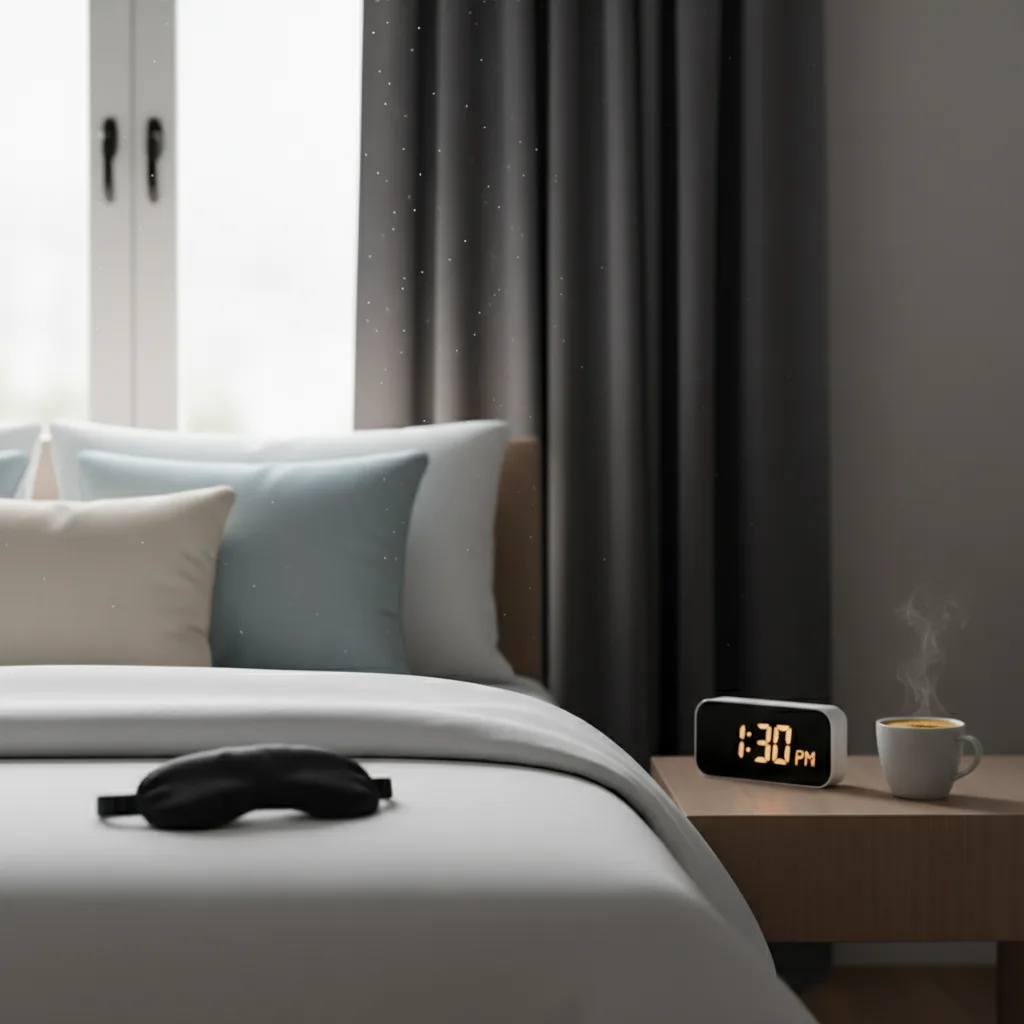
- – Embrace Darkness: Your bedroom should be as dark as possible. Blackout curtains, eye masks, and covering electronic lights are essential.
- – Red Light Therapy: Some research suggests that exposure to dim red light in the evening may promote relaxation and support melatonin production, potentially enhancing sleep quality and reducing sleep latency. When seeking cutting-edge solutions for brain stimulation and optimizing your visual environment for sleep, consider exploring advanced light therapy devices that leverage precise wavelengths and patterns.
- • Temperature Regulation: The Cool-Down Protocol: Your body’s core temperature naturally drops as you prepare for sleep. A cool bedroom (ideally 60-67°F or 15-19°C) facilitates this drop, signaling to your brain that it’s time to sleep.
- • Sound and Scentscapes: The Auditory and Olfactory Anchor:
- – White/Pink Noise: Masking disruptive sounds with consistent, low-level ambient noise can significantly aid sleep onset.
- – Calming Aromas: Essential oils like lavender or chamomile diffused in the bedroom can promote relaxation and reduce sleep latency through their influence on the limbic system.
Behavioral and Cognitive Strategies for Rapid Sleep Onset
Beyond the environment, your daily habits and mental state play a pivotal role in determining how long does it take to fall asleep.
- • The Power of Pre-Sleep Rituals: Strategic Sleep Hygiene: Consistent, calming routines signal to your brain that it’s time to transition. This could include a warm bath, reading a physical book, gentle stretching, or journaling. The key is consistency and avoiding stimulating activities.
- • Mindfulness and Relaxation Techniques: Activating the Vagus Nerve: Engaging the parasympathetic nervous system is critical for reducing arousal.
- – Deep Diaphragmatic Breathing: Slow, deep breaths stimulate the vagus nerve, lowering heart rate and promoting relaxation. Techniques like the 4-7-8 method (inhale 4, hold 7, exhale 8) are highly effective.
- – Progressive Muscle Relaxation: Tensing and then relaxing different muscle groups sequentially helps release physical tension.
- – Guided Meditation/Visualization: Focusing on calming imagery or a guided body scan can quiet a racing mind and foster the alpha wave state.
- • Cognitive Behavioral Therapy for Insomnia (CBTI) Principles: This evidence-based therapy focuses on changing negative thoughts and behaviors related to sleep. Key components include:
- – Stimulus Control: Only use your bed for sleep and sex. If you can’t fall asleep within 20 minutes, get out of bed and do something relaxing in another room until you feel drowsy.
- – Sleep Restriction: Temporarily limiting time in bed to increase sleep drive and improve sleep efficiency. This should be done under guidance.
- – Cognitive Restructuring: Challenging and reframing unhelpful thoughts about sleep.
Nutritional and Supplementation Approaches
What you consume (or avoid) can profoundly influence your sleep latency.
- • Dietary Considerations:
- – Avoid Stimulants: Cut off caffeine and nicotine several hours before bed. The exact timing varies by individual but generally 6-8 hours for caffeine.
- – Limit Alcohol: While alcohol can initially induce drowsiness, it fragments sleep later in the night and impairs REM sleep.
- – Mind Your Meals: Avoid heavy, spicy, or sugary meals close to bedtime, which can cause indigestion and disrupt sleep.
- • Targeted Supplements (Use with Caution): While not a replacement for good sleep hygiene, certain supplements can support healthy sleep latency for some individuals. It’s important to consult with a healthcare professional before starting any new supplement, especially to avoid interactions with other medications or the potential for dependence often associated with sleep pills.
- – Melatonin: A hormone that regulates the circadian rhythm. Low doses (0.5-3 mg) taken 30-60 minutes before bed can help reset the clock, particularly for jet lag or delayed sleep phase syndrome.
- – Magnesium: Involved in muscle relaxation and neurotransmitter function. Many people are deficient.
- – L-Theanine: An amino acid found in green tea that promotes relaxation and alpha wave activity without causing drowsiness.
Leveraging Technology for Sleep Optimization
The biohacker’s toolkit includes smart tech to monitor and influence sleep.
- • Sleep Trackers and Data Analysis: Wearable devices (rings, watches) provide data on your sleep latency, sleep stages, heart rate variability, and movement. Analyzing this data can reveal patterns and help you understand the impact of your interventions. Use a sleep calculator to plan your bedtime and wake-up times to align with sleep cycles for optimal alertness.
- • Soundscapes and Binaural Beats: Apps offering calming ambient sounds, nature sounds, or sleep music can facilitate the transition from beta to alpha and theta waves. Binaural beats, specifically those targeting theta wave frequencies, can help entrain your brain into a relaxed state conducive to sleep.
The Role of Physical Activity and Power Napping
Regular physical activity enhances sleep quality and reduces sleep latency. However, time your workouts strategically; intense exercise too close to bedtime can be stimulating. Aim for moderate to vigorous activity earlier in the day. A well-timed power nap (20-30 minutes) can also alleviate daytime sleepiness without significantly impacting your nighttime sleep latency, provided it’s taken early in the afternoon.
Conclusion: Ignite Your Brain’s Potential by Mastering Sleep Latency
The journey from 0 to asleep is more than just closing your eyes; it’s a critical launch sequence for your cognitive performance and overall well-being. By understanding the intricate neuroscience behind sleep latency—from the subtle shifts in alpha and theta waves to the powerful influence of your circadian rhythm and neuroplasticity—you gain the tools to biohack your way to superior rest.
Optimizing how long does it take to fall asleep isn’t about chasing an arbitrary number; it’s about achieving a state of balanced physiological readiness that allows your brain to efficiently enter its most restorative phases. Whether you’re aiming for enhanced focus, sharper memory, greater emotional resilience, or simply the profound satisfaction of waking up truly refreshed, mastering your average sleep latency is a foundational pillar.
Expert Tip: Start small but be consistent. Choose one or two strategies from this guide—like strict blue light avoidance in the evening, optimizing your bedroom temperature, or practicing 5 minutes of deep breathing before bed. Implement them religiously for two weeks. Track your sleep latency, even if it’s just a mental note. The compounding effect of consistent, science-backed interventions will progressively fine-tune your neural engine, allowing you to go from 0 to asleep faster and unlock a new dimension of cognitive performance.