
Brain Entrainment: Synchronizing Your Mental Gears for Peak Performance
In the relentless pursuit of optimal human performance, the brain stands as the ultimate frontier. Have you ever felt your mental engine sputtering, struggling with brain fog, the chronic hum of insomnia, or the frustrating inability to focus when it matters most? Perhaps you’re a high-achiever constantly seeking that next level of cognitive enhancement, yearning for a perfectly tuned mental machine. Just as a meticulously engineered vehicle requires precise timing and synchronized components to deliver its full potential, your brain – the most complex biological supercomputer known – thrives on harmony. Its myriad neural networks, like intricate gears, perform best when operating in unison, generating rhythmic electrical patterns known as brainwaves.
But what if these gears are misaligned? What if your brain is stuck in a low-power idle when you need it roaring to life, or racing uncontrollably when deep rest is paramount? This is where the profound science of brain entrainment enters the picture. As a neuroscientist and biohacker dedicated to unlocking human potential, I’ve seen firsthand how strategically guiding these brainwave patterns can transform mental states, elevate cognitive function, and dramatically improve overall well-being. This isn’t about mere relaxation; it’s about precision tuning, leveraging advanced neurotechnology to synchronize your mental gears and accelerate your journey towards peak performance, clarity, and restorative tranquility.
Key Takeaways
- • Brain Entrainment Fundamentals: It leverages the brain’s “frequency following response” to synchronize its electrical activity with external stimuli, shifting you into desired mental states like focus, relaxation, or deep sleep.
- • AVE & Binaural Beats: Audio-Visual Entrainment (AVE) uses light and sound for a powerful, multi-sensory experience, while binaural beats create a perceived third frequency in the brain through two distinct tones, both aiming to guide brainwave patterns.
- • Enhancing Cognitive Function & Sleep: By targeting specific brainwave frequencies (e.g., Alpha for relaxation, Theta for creativity, Beta for focus), brain entrainment can significantly improve concentration, memory, mood, and the quality of restorative sleep.
- • Safety and Application: While generally safe for most, understanding the mechanisms, following best practices, and being aware of contraindications (like photosensitive epilepsy) are crucial for effective and responsible use of brain entrainment devices.
What is Brain Entrainment? Decoding the Symphony of Your Neural Network
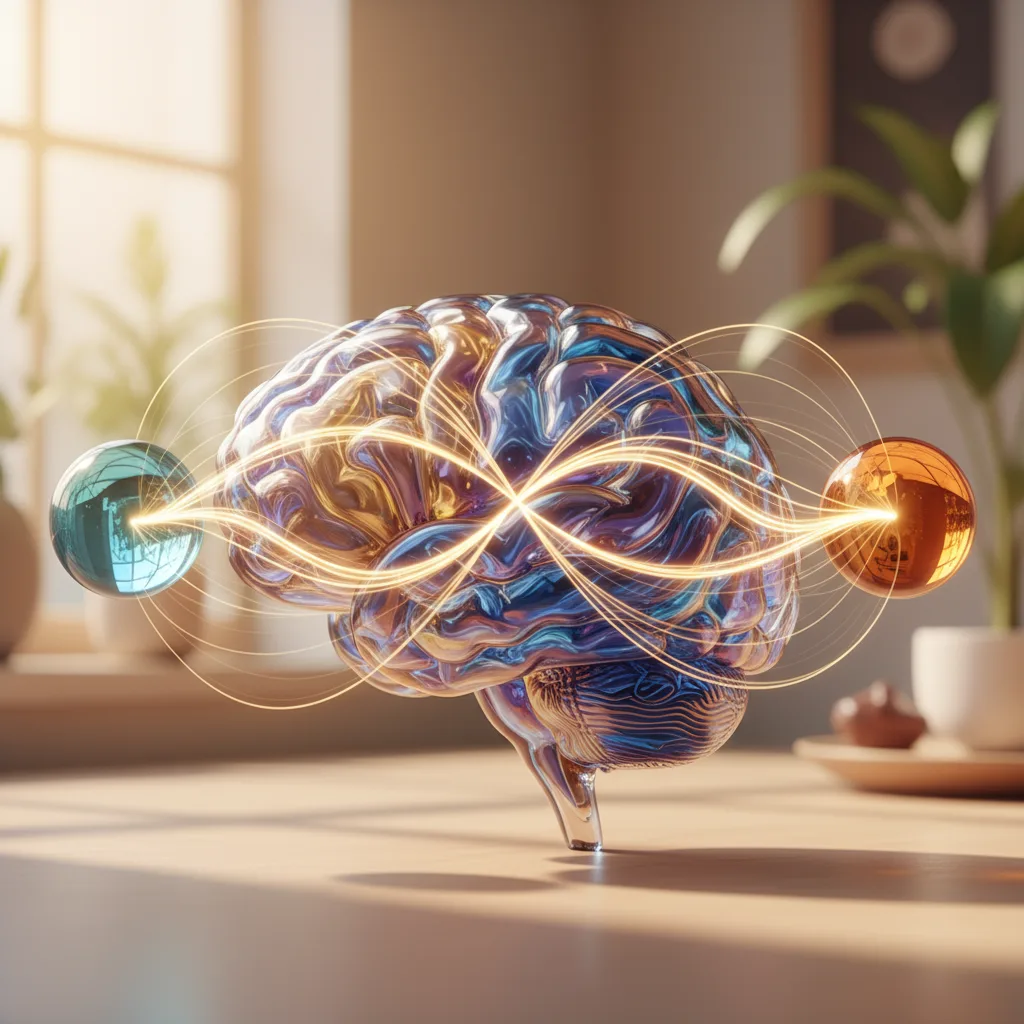
At its core, brain entrainment, also known as brainwave entrainment, is a fascinating neuroscientific phenomenon rooted in the brain’s innate tendency to synchronize its electrical activity with external rhythmic stimuli. Imagine your brain as an orchestra, with different sections (neural networks) playing at various tempos. Brain entrainment provides a conductor, a consistent rhythm that encourages the entire orchestra to fall into a desired, harmonious tempo. This process is formally called the “frequency following response” (FFR).
The brain’s electrical activity manifests as rhythmic oscillations, or brainwaves, which are measured in Hertz (Hz). Different frequencies correspond to distinct states of consciousness and cognitive function:
- • Delta Waves (0.5 – 4 Hz): The slowest frequency, dominant during deep, dreamless sleep and essential for physical restoration and healing.
- • Theta Waves (4 – 8 Hz): Associated with deep relaxation, meditation, creativity, intuition, and REM sleep. Often experienced during the twilight state between waking and sleeping.
- • Alpha Waves (8 – 12 Hz): A state of relaxed alertness, often found during light meditation, daydreaming, or when you close your eyes and feel calm. It bridges the gap between conscious and subconscious minds. Learning more about the benefits of Alpha Waves can be transformative for relaxation and sleep induction.
- • Beta Waves (12 – 30 Hz): The “waking consciousness” state, associated with active thinking, problem-solving, alertness, and concentration. High Beta can sometimes lead to anxiety or stress.
- • Gamma Waves (30 – 100+ Hz): The fastest brainwaves, linked to intense focus, peak performance, higher-level processing, and cognitive binding. Explore the potential of Gamma Waves for advanced cognitive states.
The ‘why’ behind brain entrainment lies in our ability to intentionally shift these brainwave states. If you’re struggling to focus, your brain might be dominated by Alpha waves when Beta is needed. If sleep eludes you, perhaps Beta activity is too high when Delta and Theta are essential. Brain entrainment offers a non-invasive, drug-free method to guide your brain from an undesirable state to a more optimal one, effectively “synchronizing your mental gears” for the task at hand. This isn’t just about feeling better; it’s about leveraging the brain’s inherent neuroplasticity – its remarkable capacity to reorganize itself by forming new neural connections – to build more resilient and efficient mental patterns over time.
Audio-Visual Entrainment (AVE): A Multi-Sensory Approach to Brain Optimization
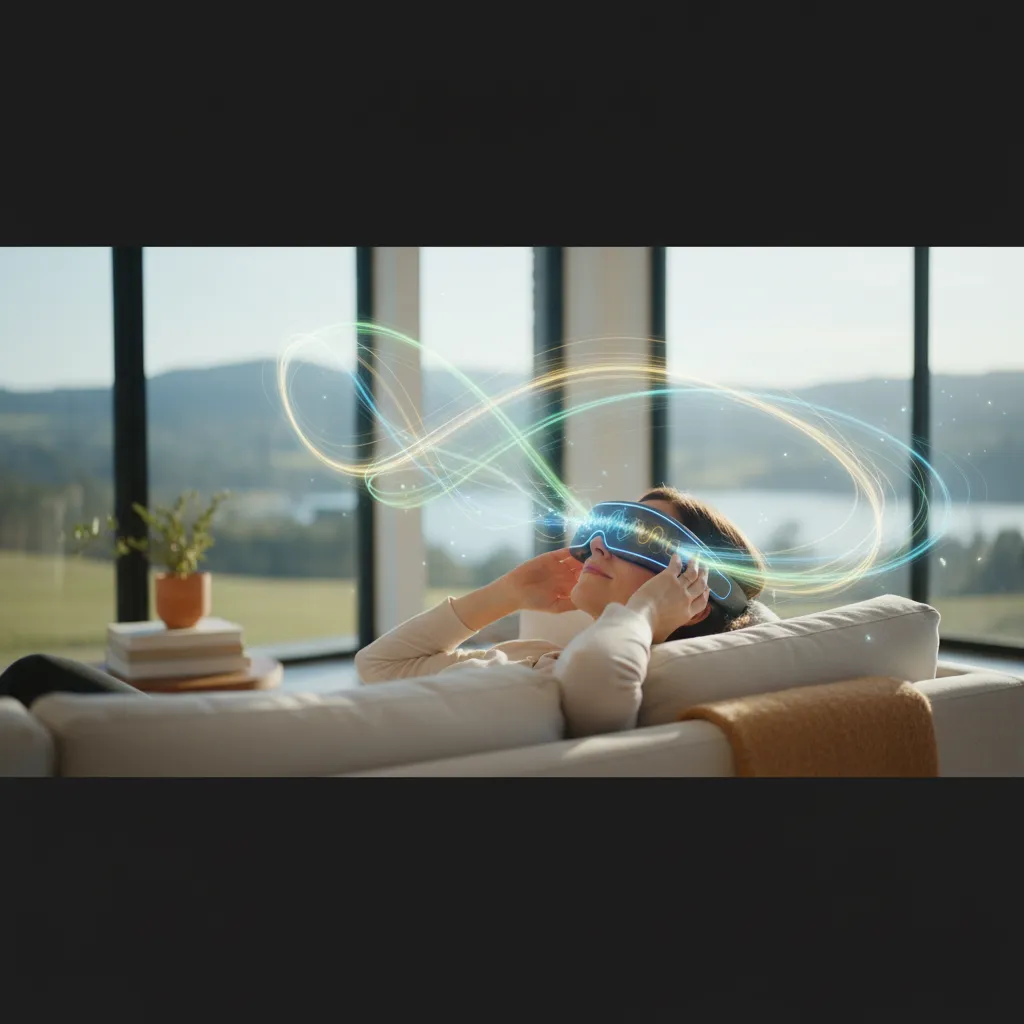
One of the most powerful and widely utilized forms of brain entrainment is Audio-Visual Entrainment (AVE). This sophisticated technology goes beyond simple auditory cues by engaging two primary sensory pathways simultaneously: sight and sound. AVE systems, often referred to as AVS devices (Audio-Visual Stimulation devices), typically consist of specialized glasses with embedded LEDs that flash at specific frequencies, synchronized with tones or sounds played through headphones. The combined effect creates a profound and immersive experience, guiding the brain into desired states more effectively than auditory or visual stimuli alone.
The ‘how’ of AVE is elegant. When light pulses enter the eyes, they stimulate the retina, sending electrical signals through the optic nerve to the visual cortex. Similarly, auditory tones travel through the auditory nerve to the auditory cortex. When these sensory inputs are presented at a specific, rhythmic frequency, the brain’s natural frequency following response kicks in. The dominant brainwave patterns begin to match the frequency of the external stimuli. For instance, if the lights and sounds pulse at an Alpha frequency (e.g., 10 Hz), the brain’s Alpha wave activity will naturally increase, leading to a state of relaxed alertness. If the frequency is set to Theta (e.g., 6 Hz), deeper relaxation and meditative states can be achieved.
The benefits of AVE extend across numerous domains of mental and emotional well-being:
- • Stress Reduction: By shifting brain activity towards Alpha and Theta states, AVE can effectively calm the nervous system, reducing cortisol levels and promoting a sense of tranquility.
- • Mood Enhancement: Regular use can help balance neurotransmitters, leading to improved mood and reduced symptoms of anxiety or low mood.
- • Cognitive Enhancement: Specific Beta and Gamma frequencies can sharpen focus, improve attention span, and boost creativity, making it a valuable tool for students, professionals, and anyone seeking a mental edge.
- • Improved Sleep Quality: Programs designed to guide the brain into Theta and Delta states can significantly aid in falling asleep faster and achieving deeper, more restorative sleep cycles.
- • Pain Management: Some studies suggest AVE can influence pain perception, particularly in chronic conditions like migraine devices, by promoting relaxation and altering brainwave patterns associated with discomfort.
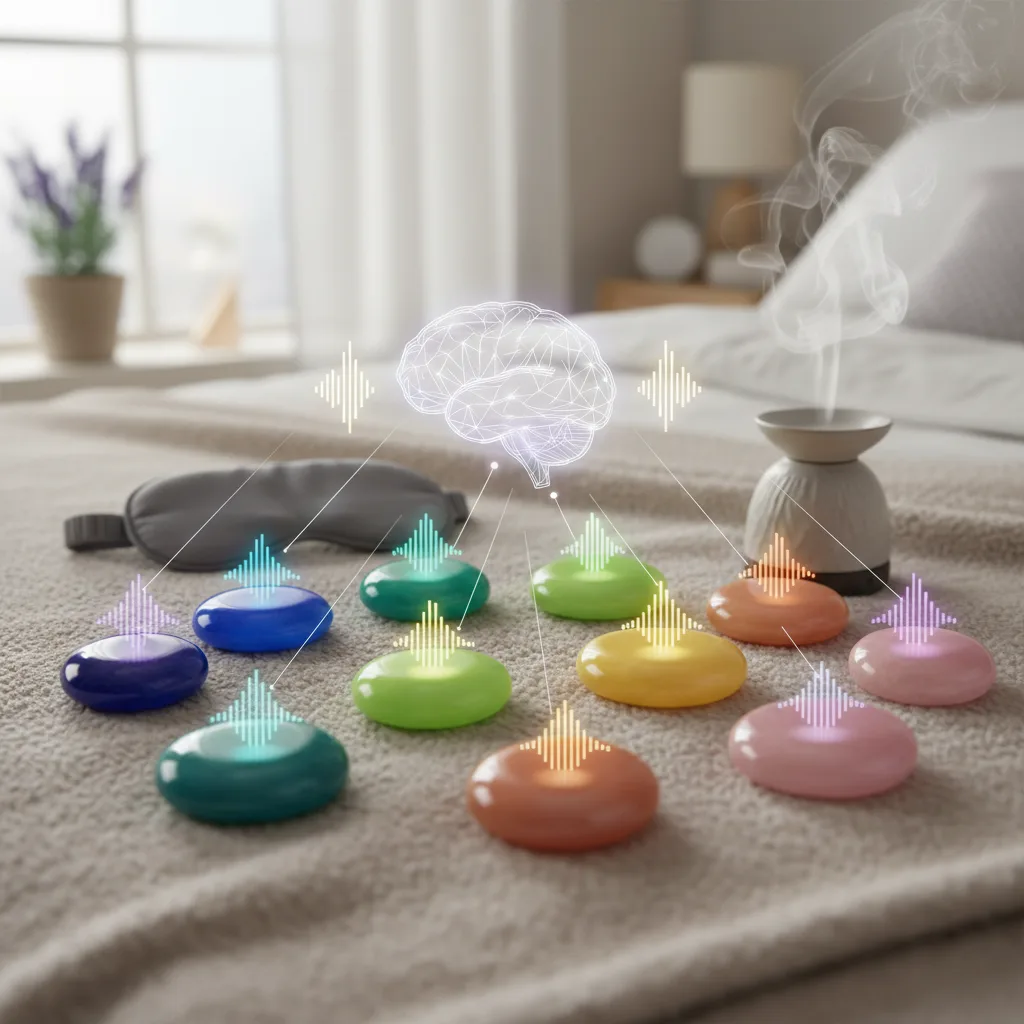
For those looking to explore cutting-edge solutions in this field, investing in advanced light therapy devices can provide a sophisticated and highly customizable experience. These tools leverage precise light patterns and frequencies to optimize brain function, making them powerful visual brain entrainment tools for enhancing mental states and well-being.
Enhancing Focus and Cognitive Performance with AVE
In a world demanding constant attention and rapid information processing, enhanced focus is a superpower. AVE can be precisely calibrated to generate brainwave patterns associated with heightened alertness and sustained concentration. By targeting the Beta and even Gamma frequencies, brain entrainment devices can help individuals enter a flow state, improving their ability to absorb information, solve complex problems, and maintain mental stamina. This isn’t about artificial stimulation; it’s about facilitating the brain’s natural capacity for optimal performance.
The consistent application of AVE for cognitive enhancement also taps into the brain’s neuroplasticity. Regular exposure to specific brainwave frequencies can help reinforce the neural pathways associated with those states. Over time, this can make it easier for your brain to naturally gravitate towards desired patterns, even without the device. Imagine training your brain to be more efficient, much like training a muscle. AVE acts as a powerful catalyst in this training process, helping to build a more resilient and responsive cognitive framework.
Harnessing AVE for Deep Relaxation and Restorative Sleep
For many, the modern world is a constant assault on their ability to relax and sleep soundly. AVE offers a scientifically grounded pathway to unwind and achieve truly restorative sleep. Programs designed for relaxation typically guide the brain into Alpha and Theta states, which are conducive to deep calm and pre-sleep drowsiness. The rhythmic stimuli help to quiet the ‘monkey mind,’ that incessant internal chatter that often keeps us awake.
Furthermore, AVE can positively influence your Circadian Rhythm, your body’s natural sleep-wake cycle. Exposure to specific light frequencies, particularly those mimicking the sunset or designed to promote Delta wave activity, can signal your brain to produce melatonin, the hormone essential for sleep. By gently coaxing your brain into these slower wave patterns, AVS devices can help reset your internal clock, alleviate jet lag, and improve the overall quality and duration of your sleep. This is a critical component of biohacking, as quality sleep is the foundation for all cognitive and physical performance.
The Science Behind Binaural Beats: Auditory Pathways to Mental States
While AVE employs both sight and sound, binaural beats represent a purely auditory form of brainwave entrainment that has garnered significant attention. The concept, first discovered by Heinrich Wilhelm Dove in 1839, relies on a unique auditory illusion created within the brain itself. Here’s how it works:
- • You listen to two slightly different pure-tone frequencies, one in each ear, through stereo headphones. For example, 400 Hz in the left ear and 410 Hz in the right ear.
- • Your brain doesn’t just process these as two separate tones. Instead, it perceives a third, phantom tone – the binaural beat – which is the mathematical difference between the two frequencies. In our example, 410 Hz – 400 Hz = 10 Hz.
- • This perceived 10 Hz beat falls squarely into the Alpha brainwave range. The brain, through the frequency following response, then tends to synchronize its own electrical activity to this 10 Hz rhythm, inducing an Alpha state.
The key distinction of binaural beats is that the ‘beat’ is not physically present in the sound waves; it’s a neurological artifact generated within the brainstem’s superior olivary complex. This makes it a powerful internal stimulus for entrainment. Unlike monaural beats (where two tones are mixed before reaching the ears) or isochronic tones (single tones pulsed on and off), binaural beats require stereo separation and are believed to engage deeper neural processing, leading to more profound entrainment effects.
The applications of binaural beats are vast and cater to various cognitive and emotional needs:
- • Improved Sleep: Binaural beats programmed for Delta or Theta frequencies can significantly aid in relaxation and sleep onset, helping users achieve deeper, more restful sleep. Many find specific Binaural Beats Sleep tracks to be a powerful aid.
- • Enhanced Focus and Concentration: Beta frequency binaural beats can help sharpen attention, making them useful for study, work, or any task requiring sustained mental effort.
- • Deep Relaxation and Stress Reduction: Alpha and Theta frequencies can induce states of profound calm, helping to alleviate anxiety and promote mental well-being. This can be a great alternative or complement to traditional mindfulness practices; understanding the nuances between Meditation vs Sleep is key.
- • Meditation and Mindfulness Support: Binaural beats can facilitate entry into deeper meditative states, making it easier for both beginners and experienced practitioners to achieve mental quietude. Platforms like Brain.fm Review demonstrate the efficacy of such structured audio programs.
- • Pain Management: Some individuals report reduced perception of chronic pain when listening to binaural beats, likely due to their ability to induce deep relaxation and distract from discomfort.
While binaural beats offer a convenient and accessible way to engage in brain entrainment, it’s crucial to use high-quality recordings and proper stereo headphones for optimal effect. The subtle nature of the perceived beat means that any interference can diminish its efficacy.
Navigating the Landscape of Brain Entrainment Devices
The market for brain entrainment devices has expanded dramatically, offering a range of technologies designed to help users achieve desired brainwave states. From sophisticated AVS devices to specialized audio programs, understanding the options is key to selecting the right tool for your personal biohacking journey.
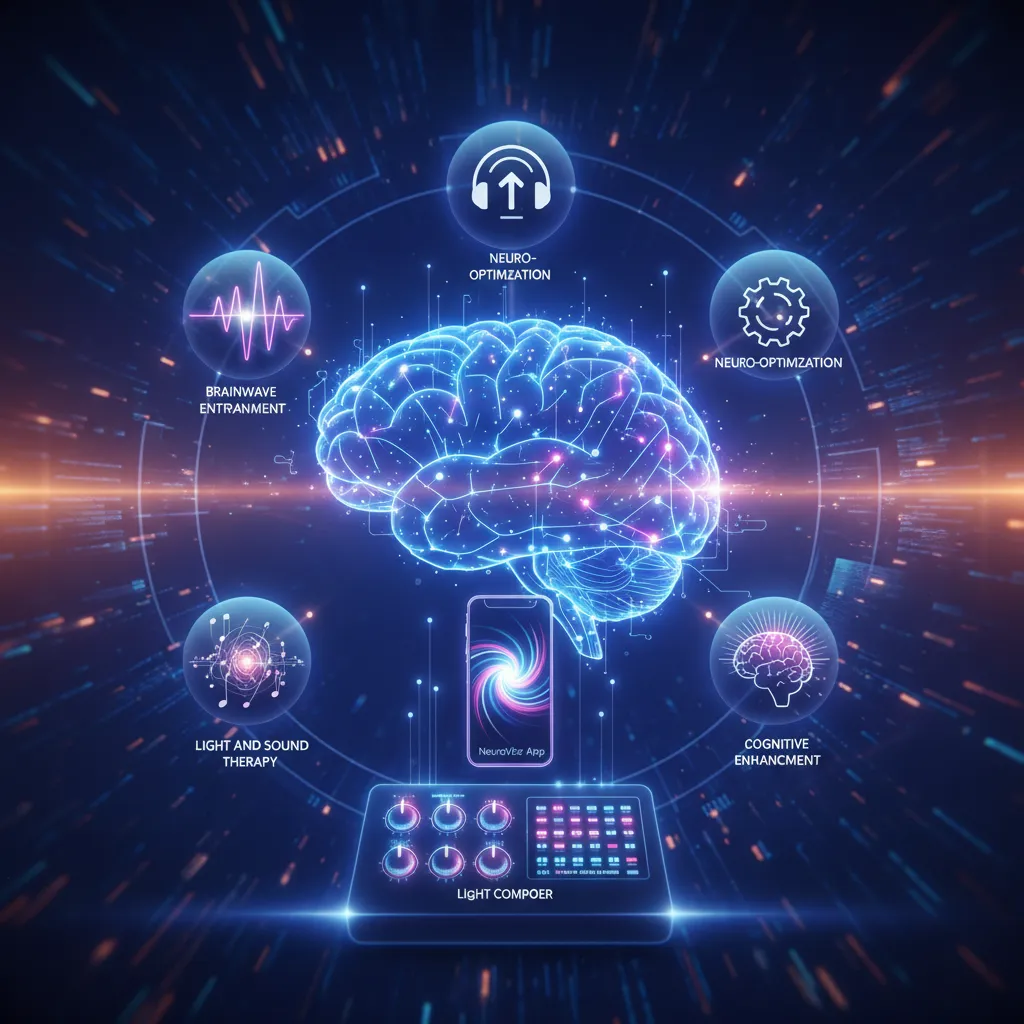
Beyond the core AVE and binaural beat technologies, other brain-stimulating modalities also intersect with the principles of brainwave entrainment:
- • Neurofeedback Devices: While distinct from passive entrainment, Neurofeedback Devices provide real-time feedback on your brainwave activity, allowing you to actively learn to self-regulate and guide your brain into desired states. This active learning process can lead to lasting changes in brain patterns.
- • Cranial Electrotherapy Stimulation (CES): CES devices use low-level electrical currents applied to the scalp to modulate brain activity, often used for anxiety, depression, and insomnia. While the mechanism differs, the goal of influencing brainwave patterns for therapeutic benefit aligns with entrainment principles.
- • Specialized Sleep Music and Soundscapes: Many apps and platforms offer curated audio experiences that incorporate elements of binaural beats, isochronic tones, or ambient sounds designed to promote relaxation and sleep.
When considering a brain entrainment device, several factors should guide your decision:
- • Your Goals: Are you seeking better sleep, enhanced focus, stress reduction, or improved meditation? Different devices and programs are optimized for different outcomes.
- • Technology Type: Do you prefer a purely auditory experience (binaural beats), a combined audio-visual approach (AVE/AVS devices), or something more interactive (neurofeedback)?
- • Quality and Reputation: Research the manufacturer, read reviews, and look for devices with scientific backing or clinical studies. The precision of frequencies and the quality of the stimuli are paramount for effective entrainment.
- • Customization: Advanced devices often allow for personalized programs and intensity adjustments, catering to individual sensitivity and preferences.
- • Ease of Use and Portability: Consider how easily the device integrates into your lifestyle.
Remember, the most effective brain entrainment device is one that you will use consistently and that aligns with your specific neuro-optimization goals. It’s an investment in your cognitive capital.
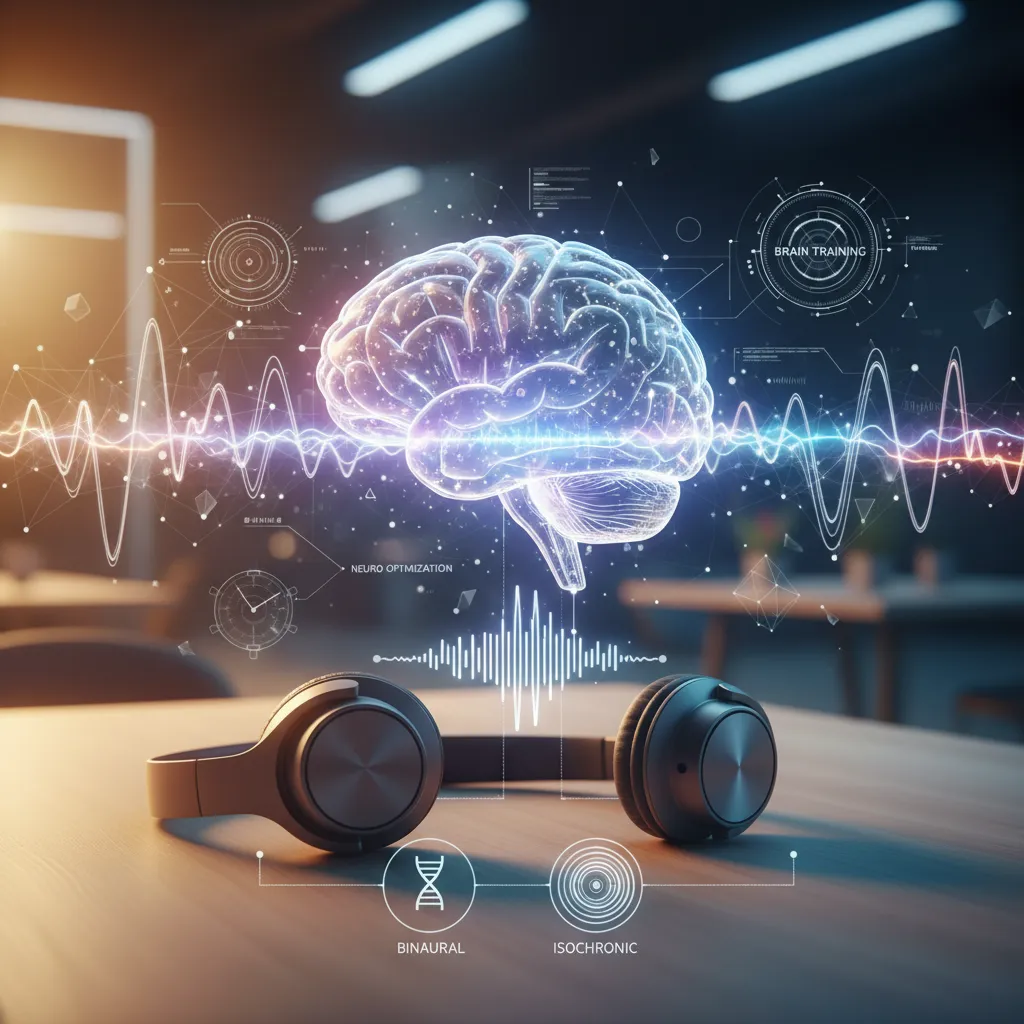
Safety and Best Practices: Demystifying Flashing Lights and Brain Entrainment
As with any technology that interacts with your brain, safety is paramount. While brain entrainment is generally considered safe for most healthy individuals, it’s crucial to understand potential concerns and adhere to best practices. One of the most common questions revolves around the safety of flashing lights, particularly in the context of AVS devices.
The primary concern with flashing lights is the potential to trigger photosensitive epilepsy. This is a rare form of epilepsy where seizures are induced by flickering or flashing light patterns. While modern brain entrainment devices are designed with safety in mind, and the frequencies used are generally well outside the typical seizure-triggering range (which is often around 15-25 Hz, particularly with high contrast and intensity), it is a consideration that cannot be overlooked.
Here are essential safety guidelines and best practices for engaging with brain entrainment technology:
- • Consult a Healthcare Professional: If you have a history of epilepsy, seizures, heart conditions, brain injuries, or are taking psychoactive medications, consult your doctor before using any brain entrainment device. This is the most important step.
- • Start Slowly: Begin with shorter sessions and lower intensity settings. Your brain needs time to adapt, and gradual introduction minimizes any potential discomfort or adverse reactions.
- • Listen to Your Body: If you experience any discomfort, dizziness, nausea, or other unusual sensations, stop the session immediately. Everyone’s brain is unique, and individual responses can vary.
- • Avoid While Operating Machinery or Driving: Never use brain entrainment devices in situations where you need to be fully alert and responsive.
- • Use as Directed: Follow the manufacturer’s instructions carefully. This includes recommended session lengths, frequency settings, and specific program guidelines.
- • Stay Hydrated and Well-Rested: Optimal brain function is supported by basic physiological needs. Ensure you’re well-hydrated and not excessively fatigued before sessions.
- • Check for Contraindications: Most reputable brain entrainment device manufacturers provide a list of contraindications. Familiarize yourself with these.
The ‘why’ behind these precautions is simple: the brain is a delicate and powerful organ. While brainwave entrainment offers incredible potential for self-improvement, responsible and informed use is crucial to ensure a positive and safe experience. By adhering to these guidelines, you can confidently explore the benefits of synchronizing your mental gears without unnecessary risk.
Integrating Brain Entrainment into Your Biohacking Regimen

As a neuroscientist and biohacker, I view brain entrainment not as a standalone magic bullet, but as a powerful lever within a holistic approach to optimizing human biology. Its true potential is unlocked when integrated thoughtfully into a comprehensive biohacking regimen that addresses nutrition, exercise, sleep hygiene, and mindfulness. Synchronizing your mental gears is most effective when the rest of your biological machinery is also running smoothly.
Here’s ‘how’ to seamlessly weave brain entrainment into your daily routine:
- • Morning Boost: Use a Beta or Gamma frequency program with your brain entrainment device to kickstart your day with enhanced focus and mental clarity, especially before demanding cognitive tasks. This can be a powerful alternative to caffeine without the jitters.
- • Midday Recharge: A short Alpha or Theta session (15-20 minutes) can act as a mental reset, combating afternoon slump and restoring creativity and calm. Think of it as a power nap for your brain.
- • Pre-Sleep Ritual: Incorporate Delta or Theta programs into your evening routine to wind down, reduce mental chatter, and prepare your brain for deep, restorative sleep. This helps reinforce a healthy Circadian Rhythm.
- • Creative Flow: Leverage Theta wave programs to tap into subconscious insights and boost divergent thinking, ideal for artists, writers, and innovators.
- • Mindfulness and Meditation Enhancement: Use Alpha or Theta entrainment to deepen your meditative practice, making it easier to reach states of profound tranquility and insight.
Personalization is key. What works for one person may not work for another. Experiment with different frequencies, durations, and types of brainwave entrainment – be it AVS devices or binaural beats – to discover what resonates best with your unique neurobiology. Track your progress, noting changes in mood, energy levels, focus, and sleep quality. This empirical approach, central to biohacking, allows you to continually refine your strategy for optimal brain performance. Remember, consistent, mindful application yields the most significant and lasting results, helping you to truly synchronize your mental gears for sustained excellence.
Conclusion: The Future is in Your Frequencies
The journey into brain entrainment is an exploration into the very operating system of your mind. Far from being a futuristic fantasy, it’s a scientifically validated method for actively guiding your brainwave patterns, offering tangible benefits for anyone seeking to optimize their cognitive performance, enhance emotional regulation, and achieve deeper states of rest and relaxation. We’ve delved into the fundamental ‘why’ of the frequency following response, the intricate ‘how’ of Audio-Visual Entrainment (AVE) and binaural beats, and the crucial considerations for safety and effective integration.
By understanding and harnessing the power of brainwave entrainment, you gain a profound tool to address common pain points like chronic fatigue, scattered focus, and restless nights. You can transition from a state of mental disarray to one of synchronized efficiency, unlocking greater creativity, sharper concentration, and more profound tranquility. This is the essence of true biohacking: taking an active, informed role in orchestrating your biology for a life of purpose and peak potential.
Expert Tip: Start Your Entrainment Journey Today
Don’t wait for your mental gears to grind to a halt. Begin experimenting with brain entrainment today. Start with accessible options like binaural beat apps for specific goals like Binaural Beats Sleep or focus. Pay attention to how different frequencies make you feel. Consistency is your most powerful ally in leveraging neuroplasticity. Even 15-20 minutes daily can begin to reshape your brain’s patterns, leading to lasting improvements in your cognitive landscape and overall well-being. Embrace this powerful technology, and take control of your mental state to forge a sharper, calmer, and more capable you.