Sleep Stories: A Gentle Drive Down Memory Lane
In the relentless pursuit of peak cognitive performance and holistic well-being, the modern mind often finds itself trapped in a high-octane race, perpetually revving against the redline. We push our neural engines to their limits, optimizing for productivity, focus, and innovation. Yet, amidst this ceaseless drive, one critical component often falters: the nightly recharge. The intricate machinery of our brain, much like a finely tuned supercar, demands not just fuel, but also meticulous downtime for maintenance, repair, and recalibration. When the crucial process of sleep is compromised, the entire system sputters, leading to diminished focus, impaired memory, heightened stress, and a pervasive sense of mental fatigue.
For those who navigate the cutting edge of biohacking and neuro-optimization, the quest for a perfect night’s sleep is not merely about rest; it’s about unlocking deeper states of cognitive renewal and mental resilience. We seek data-driven solutions, scientifically validated techniques, and innovative methodologies to calm the neural circuits and guide the brain into its restorative phases. This is where the seemingly simple concept of Sleep Stories emerges as a surprisingly potent neuro-tool, offering a gentle yet profound pathway to tranquility. Far from being mere children’s tales, these narrative journeys provide a sophisticated mechanism for disengaging the overactive mind, engaging specific brainwave states, and ultimately, steering our internal vehicle towards the serene landscapes of restorative sleep. Join us as we explore the neuroscientific underpinnings of adult sleep stories, revealing how they can become your personal biohack for a deeper, more profound nightly reset and a nostalgic journey back to mental calm.
Key Takeaways: Navigating the Neuro-Landscape of Sleep Stories
- • Neurophysiological Pathways: Sleep Stories engage the brain’s Default Mode Network (DMN), facilitating a shift from beta (active thinking) to alpha and theta (relaxed, pre-sleep) brainwave states, promoting a calm transition into slumber.
- • Cognitive Distraction & Emotional Regulation: By providing a focal point, calm sleep stories effectively interrupt rumination and anxiety, activating the parasympathetic nervous system and reducing physiological arousal.
- • Enhanced Visualization & Memory Consolidation: Guided imagery within sleep stories leverages neuroplasticity to strengthen neural pathways associated with relaxation and positive emotional states, potentially enhancing Sleep & Memory function.
- • The Power of Narrative & Nostalgia: Recalling pleasant, often simple scenarios taps into our innate human preference for storytelling, creating a sense of psychological safety and a return to the comforting, pre-cognitive states of childhood, much like a familiar sleep story stephen dalton might evoke.
What are Sleep Stories and How Do They Biologically Prepare Us for Rest?
Sleep Stories are a specialized form of guided meditation or audio narrative designed explicitly to facilitate the onset of sleep. Unlike traditional stories meant for active engagement, these narratives are crafted with specific neurophysiological goals in mind: to bore the conscious mind into submission while simultaneously calming the nervous system. From a biohacker’s perspective, they represent a sophisticated auditory entrainment tool, gently nudging our brainwave patterns from the alert, problem-solving beta state towards the more relaxed alpha and theta states conducive to sleep.
The primary mechanism involves the Default Mode Network (DMN), a network of interacting brain regions that is most active when an individual is not focused on the outside world and the brain is at wakeful rest, such as during daydreaming, recalling memories, or thinking about the future. While the DMN can contribute to racing thoughts and anxiety if overactive pre-sleep, sleep stories strategically engage it with a low-stakes, non-demanding narrative. This gentle engagement prevents the DMN from fixating on stressors or unfinished tasks, effectively diverting its energy into a benign, imaginative journey.
Simultaneously, the auditory input from adult sleep stories stimulates the vagal nerve, which is a key component of the parasympathetic nervous system. Activation of this system is crucial for the “rest and digest” response, counteracting the “fight or flight” sympathetic response that keeps us awake. The slow, rhythmic cadence of a skilled narrator, often combined with soothing soundscapes or Nature Sounds or Relaxation Music, can induce a physiological deceleration: heart rate slows, breathing deepens, and muscle tension releases. This biofeedback loop signals to the brain that it is safe to transition into sleep, aligning with our natural Circadian Rhythm.
The Neurobiology of Narrative Immersion: Why Stories Work
The human brain is hardwired for storytelling. From an evolutionary perspective, narratives served as vital tools for transmitting knowledge, culture, and survival strategies. This deep-seated affinity means our brains are naturally receptive to story structures. When we listen to a sleep story, our prefrontal cortex, responsible for executive functions and critical thinking, begins to de-emphasize its analytical role. Instead, areas associated with imagination, memory, and emotional processing become gently active, but without the demand for active problem-solving.
This shift in neural activity is key. Instead of trying to force sleep, which paradoxically activates the stress response, calm sleep stories offer a passive yet engaging alternative. They provide just enough stimulus to keep the mind from wandering into anxious rumination, but not so much that it becomes overstimulated. It’s a delicate balance, meticulously crafted to guide the brain into a hypnagogic state – the transitional phase between wakefulness and sleep characterized by vivid imagery and profound relaxation.
How Do Sleep Stories Facilitate a Gentle Drive Down Memory Lane?
One of the most compelling aspects of sleep stories, particularly for those seeking a sense of comfort and detachment from daily stressors, is their ability to evoke a gentle drive down memory lane. This isn’t about actively recalling personal memories, but rather triggering a profound sense of nostalgia, comfort, and psychological safety through universal themes and sensory details. The narratives often feature idyllic, timeless settings – a quiet train journey through the countryside, a gentle boat trip on a calm lake, or a stroll through an ancient forest. These archetypal scenarios tap into a collective unconscious, connecting us to primal feelings of peace and security.
The Science of Nostalgia and Comfort in Sleep
Nostalgia, far from being a mere sentimental indulgence, is a complex emotion with significant psychological benefits. Research shows that nostalgia can combat loneliness, boredom, and anxiety, and even make people feel warmer physically. When adult sleep stories employ themes that subtly evoke a sense of the past – perhaps a description of a crackling fire, the scent of fresh rain, or the sound of distant church bells – they activate regions of the brain associated with positive autobiographical memory and reward. This activation releases neurochemicals like dopamine and serotonin, which are crucial for mood regulation and promoting a sense of well-being.
The hippocampus, a key structure in the limbic system responsible for memory formation and spatial navigation, is gently stimulated by these narratives. It’s not about actively processing new information, but rather allowing the brain to drift through familiar, comforting landscapes. This gentle engagement allows the brain to relax its guard, releasing the tension often associated with the day’s demands. It’s akin to putting an old, beloved record on the turntable; the familiarity itself becomes a source of deep relaxation. This mechanism is particularly effective for soothing Sleep Anxiety.
How Do Sleep Stories Provide Distraction from Racing Thoughts?
One of the most common impediments to sleep for high-performers and analytical minds is the relentless barrage of racing thoughts. The brain, accustomed to solving problems and processing information, struggles to switch off. This cognitive hyperactivity can manifest as rumination over daily events, planning for the next day, or an inability to disengage from complex ideas. Sleep stories offer a highly effective and scientifically sound strategy for providing distraction from racing thoughts.
The Attentional Gateway: Redirecting Cognitive Resources
The brain has a limited capacity for conscious attention. By providing a structured, yet undemanding, narrative, sleep stories hijack this attentional gateway. Instead of actively trying to suppress intrusive thoughts – an effort that often backfires and intensifies them – the listener’s focus is gently redirected to the unfolding story. This is not about complex plots or thrilling twists; rather, it’s about simple, repetitive, and predictable narratives that give the conscious mind just enough to chew on, without sparking further mental activity.
- • Cognitive Offloading: The story acts as an external processor, taking on the burden of mental engagement that would otherwise be consumed by internal chatter. This allows the prefrontal cortex to gradually power down.
- • Breaking Rumination Loops: Anxious thoughts often cycle repetitively. The consistent, external input of a calm sleep story can effectively disrupt these loops, preventing the brain from getting stuck in negative thought patterns.
- • Mindfulness in Action: While not a formal mindfulness practice, listening to a sleep story encourages a present-moment focus on the narrative, drawing attention away from past worries or future anxieties, similar to a Sleep Meditation.
This cognitive redirection is a powerful biohack for managing the “monkey mind” that often plagues those striving for optimal brain function. It’s a passive form of mental discipline, allowing the brain to gently disengage without force.
How Do Sleep Stories Leverage Visualization Techniques for Deeper Relaxation?
Beyond mere distraction, sleep stories excel at employing visualization techniques. This isn’t just about imagining a scene; it’s about engaging the brain’s visual cortex and associated pathways in a controlled, calming manner. Guided imagery has long been recognized in clinical settings for its ability to reduce stress, manage pain, and promote relaxation. In the context of sleep, it becomes a potent tool for mental conditioning.
Neuroplasticity and the Power of Imagined Experience
Our brains exhibit remarkable Neuroplasticity – the ability to reorganize itself by forming new neural connections throughout life. When we engage in vivid visualization, the brain processes these imagined scenarios in ways remarkably similar to real experiences. Picturing a serene landscape, feeling a gentle breeze, or hearing the soft lapping of waves can activate the same neural networks as if we were physically present. This is why visualization is so powerful in adult sleep stories.
The narratives paint detailed, sensory-rich pictures: the soft glow of moonlight, the rustle of leaves, the warmth of a cozy blanket. As the listener conjures these images, the brain begins to respond physiologically. Muscle tension eases, breathing patterns regulate, and the release of stress hormones diminishes. This intentional mental imagery bypasses the critical, analytical mind, directly influencing the autonomic nervous system to shift towards a state of rest.
Visualization Techniques in Sleep Stories: Neural Impact
- • Pre-Sleep Conditioning: Consistent visualization trains the brain to associate specific imagery and narrative cues with the act of falling asleep, creating a powerful conditioned response.
- • Sensory Engagement: Beyond visual, calm sleep stories engage auditory (sounds), tactile (textures), and even olfactory (scents) imagination, creating a multi-sensory immersion that deepens relaxation.
- • Theta Wave Induction: Deep, immersive visualization can help facilitate the transition from alpha brainwaves (relaxed wakefulness) to theta brainwaves (light sleep, deep relaxation, creativity), which are critical for the initial stages of non-REM sleep.
For those keen on optimizing their cognitive environment, the deliberate use of visualization techniques found in sleep stories can be amplified by complementary neurotech. Technologies designed for visual brain entrainment or sensory resonance can further deepen these states of relaxation and prepare the brain for restorative sleep. Such advanced tools, like visual brain entrainment tools, work in synergy with guided imagery to optimize neural pathways for profound tranquility.
What Makes for the Best Narrators in Sleep Stories?
The effectiveness of a sleep story is profoundly influenced by its narrator. It’s not just about reading words; it’s about crafting an auditory experience that guides the listener into a hypnagogic state. For the discerning biohacker, understanding the nuances of vocal delivery is as important as the narrative content itself. The qualities that define the best narrators are rooted in psycholinguistics and auditory processing.
The Neuro-Acoustic Blueprint of a Perfect Sleep Voice

- • Pacing and Rhythm: The ideal narration features a slow, deliberate pace, often with prolonged pauses between phrases. This rhythm mimics the brain’s natural slowing during the transition to sleep, helping to entrain the listener’s own internal rhythms. A voice like that often attributed to sleep story stephen dalton, known for its calming cadence, exemplifies this.
- • Tone and Inflection: A monotonic yet soothing tone is crucial. While not completely flat, excessive vocal dynamism or sharp inflections can stimulate the brain, pulling it out of the desired relaxed state. A consistent, gentle rise and fall, without abrupt changes, is optimal.
- • Vocal Quality: A warm, deep, and resonant voice is generally more effective than a high-pitched or breathy one. Lower frequencies are often perceived as more grounding and comforting.
- • Clarity and Pronunciation: While the goal is to drift off, the narrative still needs to be clear enough to follow without effort. Mumbled or overly stylized speech can be distracting.
- • Absence of Distracting Sounds: Background noise, mouth clicks, or inconsistent audio quality can disrupt the immersive experience. Professional recording and editing are paramount for calm sleep stories.
The brain’s auditory cortex is highly sensitive to these acoustic cues. A perfectly calibrated narration can induce a state of auditory absorption, where the external world fades away, and the listener is enveloped in the sonic landscape of the story. This is a subtle but powerful form of sensory deprivation, guiding the mind away from environmental stimuli and towards internal calm. Many Sleep Apps invest heavily in finding and training these ideal narrators.
How Do Sleep Stories Foster Nostalgia for Sleep Itself?
The final, and perhaps most profound, impact of sleep stories is their capacity to foster a positive, almost nostalgic association with the act of falling asleep. For many adults, sleep becomes a battleground – a source of frustration, anxiety, and a constant reminder of unfulfilled rest. By reintroducing the comforting ritual of a bedtime story, these narratives help to reframe sleep from a chore into a cherished, anticipated experience.
Reactivating Childhood Comforts: A Neuro-Psychological Rewiring
Think back to childhood. For many, a bedtime story was a ritual of safety, comfort, and unconditional calm. It was a signal that the day’s adventures were over, and it was time to transition into a world of dreams, protected and secure. Adult sleep stories, by their very nature, tap into this deeply ingrained psychological blueprint. They reactivate those neural pathways associated with pre-sleep rituals and the positive emotional states linked to parental care and security.
This isn’t about regressing to childhood, but rather intelligently leveraging our brain’s capacity for emotional conditioning and associative learning. The consistent pairing of a soothing narrative with the act of going to bed creates a powerful positive feedback loop. Over time, the mere anticipation of a sleep story can begin to trigger the parasympathetic response, signaling to the body and mind that it’s time to wind down. This is particularly relevant for those seeking to optimize their sleep hygiene and establish robust Circadian Rhythm patterns.
- • Creating a Safe Mental Space: The narrative provides a consistent, predictable mental environment, free from the anxieties and uncertainties of daily life.
- • Ritual Reinforcement: Incorporating sleep stories into a nightly ritual reinforces positive sleep habits, signaling to the brain that the sleep phase is imminent. This is a form of behavioral biohacking.
- • Emotional Regulation: By invoking comfort and security, calm sleep stories help regulate emotions, reducing the cortisol levels often associated with pre-sleep stress.
This re-establishment of a positive emotional connection to sleep is a powerful neuroplastic intervention. It shifts the brain’s perception of sleep from a potential source of failure or struggle to a welcomed return to peace and restoration. For those exploring topics like Dream AI analysis, understanding the state of mind induced by these stories can offer richer insights into the quality and nature of nocturnal brain activity. While Infant Sleep might seem far removed, the fundamental principles of creating a secure, predictable environment for sleep are remarkably consistent across all age groups.
Beyond the Narrative: Optimizing Your Sleep Environment with Neuroscientific Precision
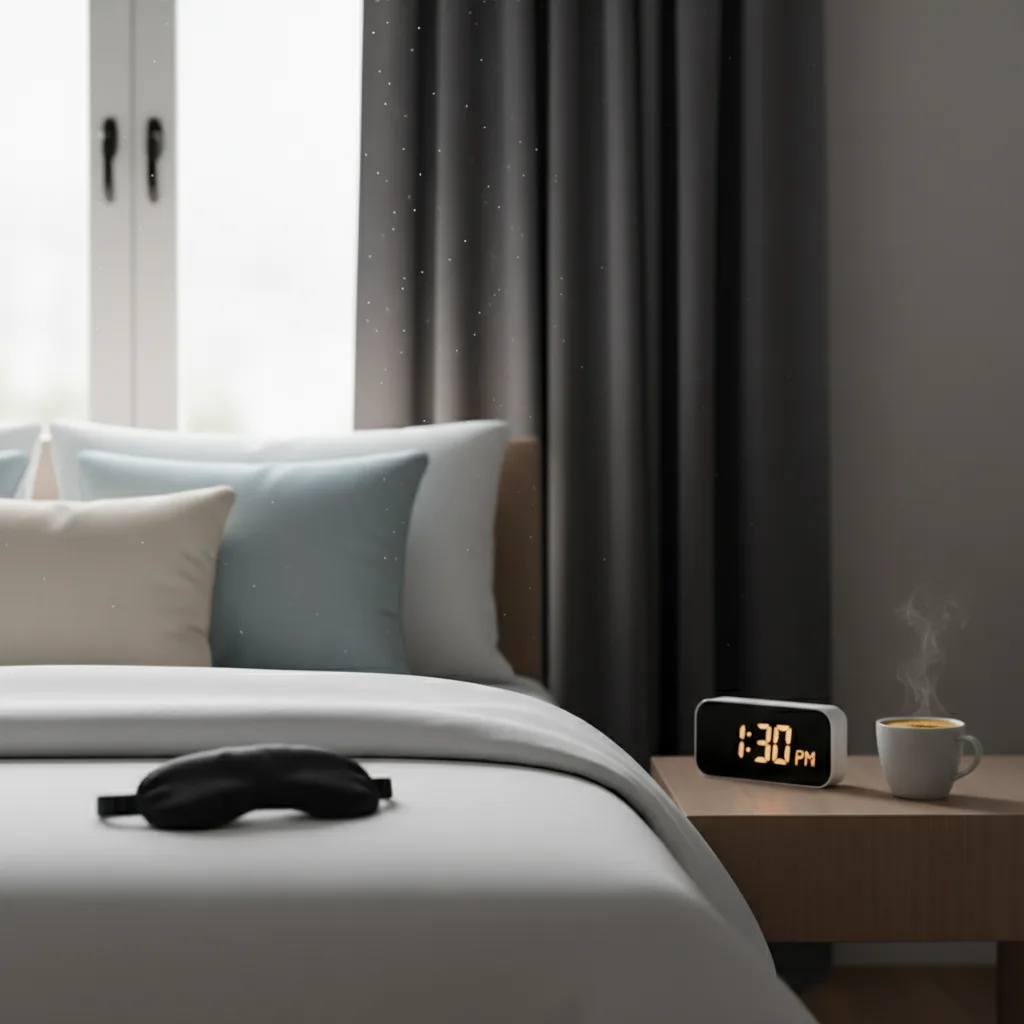
While sleep stories are a powerful tool, they are part of a broader ecosystem of neuro-optimization for sleep. As a biohacker, you understand that every variable matters. Integrating adult sleep stories into a meticulously crafted sleep environment can amplify their effects dramatically. Consider these supplementary strategies:
- • Light Management: Minimize blue light exposure from screens at least 2-3 hours before bed. Blue light suppresses melatonin production, disrupting your Circadian Rhythm. Instead, opt for dim, warm lighting.
- • Thermal Regulation: Your body temperature naturally drops as you prepare for sleep. Keep your bedroom cool, ideally between 60-67°F (15-19°C), to facilitate this physiological process.
- • Sound Environment: Complement sleep stories with white noise, pink noise, or specific Nature Sounds to mask disruptive noises and create a consistent auditory backdrop.
- • Mind-Body Connection: Incorporate gentle stretching, deep breathing exercises, or a short Sleep Meditation before your sleep story to further calm the nervous system.
- • Nutritional Timing: Avoid heavy meals, excessive caffeine, and alcohol close to bedtime, as these can disrupt sleep architecture and prevent deep restorative stages.
By meticulously managing these environmental and behavioral factors, you create a synergistic effect that amplifies the efficacy of calm sleep stories. It’s about engineering your personal sleep sanctuary, leveraging neuroscientific principles to optimize every facet of your nightly recharge cycle. This holistic approach ensures that your brain’s “engine” receives the premium maintenance it deserves, leading to enhanced performance and resilience during your waking hours.
Conclusion: Reclaiming Rest and Revitalizing Your Neural Pathways with Sleep Stories
In the high-stakes world of neuro-optimization and peak performance, the pursuit of superior sleep is not a luxury, but a fundamental pillar. Sleep Stories, far from being a simplistic solution, represent a sophisticated biohack, leveraging the brain’s innate affinity for narrative, the power of guided visualization, and the profound comfort of nostalgia to gently steer the mind into restorative slumber. They offer a data-driven path to disengage from racing thoughts, activate calming brainwave states (alpha and theta), and reinforce positive sleep associations through Neuroplasticity.
By understanding the “why” behind their efficacy – how they engage the DMN, stimulate the vagal nerve, and harness the power of expertly crafted narration (even from those like sleep story stephen dalton) – we can appreciate their role as a powerful tool in our neuro-toolkit. The “how” is equally compelling: a consistent ritual involving high-quality adult sleep stories, combined with an optimized sleep environment, can profoundly transform your nightly experience.
Reclaim your nights, not with struggle, but with a serene journey down memory lane, guided by the soothing power of story. This isn’t just about falling asleep faster; it’s about optimizing the quality of your rest, enhancing Sleep & Memory, and ultimately, unlocking a higher state of cognitive function and emotional resilience.
Expert Tip: Integrate and Iterate
- • To begin optimizing your sleep with sleep stories, start tonight. Choose an adult sleep story that resonates with you, ideally one with a calming, consistent narrator and a gentle, non-complex narrative. Pair it with a consistent bedtime ritual, dimming lights an hour before, and creating a cool, dark sleep space.
- • Monitor your sleep quality using a wearable or Sleep App, noting any improvements in sleep onset latency, duration, and subjective feelings of restfulness. Iterate on your choice of stories and environmental factors until you find your optimal neuro-sleep protocol. The journey to superior sleep is an ongoing experiment in bio-optimization.