
Relaxation Music: The Shock Absorbers for Daily Stress – A Biohacker’s Blueprint for Neurological Resilience
In the high-octane race of modern life, our brains are the ultimate high-performance engines, constantly processing information, driving decisions, and navigating a complex world. Yet, this relentless pace comes at a cost. Many of us find ourselves grappling with the neurological equivalent of driving on a perpetually bumpy road – persistent stress, fragmented sleep, and a frustrating inability to focus. Our internal systems, designed for both peak performance and restorative rest, often get stuck in overdrive, leading to chronic sleep anxiety and diminished cognitive function. If you’ve felt your mental chassis rattling from the impact of daily pressures, yearning for a smoother, more resilient ride, then you understand the critical need for an advanced suspension system for your mind. This is where the profound science and art of relaxation music steps in – not merely as background noise, but as a sophisticated biohacking tool, meticulously engineered to absorb the shock of stress and recalibrate your neural pathways for optimal well-being and peak brain performance.
As a neuroscientist and biohacker, I’ve delved deep into the fascinating interplay between sound and the human brain. The premise is simple yet profoundly impactful: specific auditory frequencies and patterns can directly influence our brainwave states, hormone production, and autonomic nervous system activity, effectively serving as powerful shock absorbers for the daily assaults on our mental and physical equilibrium. This article will unravel the intricate mechanisms through which relaxation music facilitates deep rest, mitigates stress, enhances focus, and even contributes to physiological benefits like lowering blood pressure. Prepare to explore the data-driven “why” and the actionable “how” of integrating this potent neuro-tool into your daily regimen, transforming your brain from a reactive engine to a resilient, high-efficiency machine.
Key Takeaways: Your Neuro-Resilience Blueprint
- • Relaxation music is a scientifically validated biohacking tool that modulates brainwave states (Alpha, Theta) and balances the autonomic nervous system to reduce stress and enhance cognitive function.
- • Specific sonic elements like piano and ambient pads, coupled with a slow tempo (around 60 BPM), are engineered to induce a state of profound calm, mimicking the brain’s natural pathways to relaxation and sleep.
- • Beyond mental tranquility, consistent engagement with relaxation music can lead to tangible physiological benefits, including measurable reductions in blood pressure and improved heart rate variability, optimizing overall cardiovascular health.
- • Integrating relaxation music into your daily routine is a powerful strategy for neuroplasticity, fostering a brain that is more resilient to stress, better equipped for focused work, and primed for restorative sleep music.
What is Relaxation Music, and How Does it Tune Your Brain for Resilience?
At its core, relaxation music is far more than just pleasant background sound. It is an auditory science, meticulously crafted with specific acoustic properties designed to interact directly with your brain and nervous system. From a neuroscientific perspective, it functions as a finely tuned instrument for brainwave entrainment, gently guiding your brain from states of high-frequency activity (Beta waves, associated with alertness and stress) towards lower-frequency states like Alpha Waves (associated with relaxed awareness) and Theta waves (linked to deep relaxation, meditation, and the onset of sleep).
The mechanism involves the auditory pathway: sound enters the ear, is converted into electrical signals, and travels to the auditory cortex. From there, these signals spread throughout the brain, influencing structures like the limbic system (our emotional center), the prefrontal cortex (responsible for executive functions), and the brainstem (regulating basic physiological processes). The rhythmic and harmonic structure of relaxation music can synchronize neuronal firing, leading to a cascade of neurochemical changes.
The Autonomic Nervous System: Your Internal Gearbox
Our autonomic nervous system (ANS) is the master controller of our involuntary bodily functions, operating in two primary modes: the sympathetic nervous system (SNS) and the parasympathetic nervous system (PNS). The SNS is our “fight or flight” response, revving up our engine with adrenaline and cortisol, increasing heart rate, and preparing us for action. Conversely, the PNS is the “rest and digest” system, slowing things down, promoting recovery, and conserving energy. Chronic stress keeps us locked in SNS dominance, draining our neural fuel tank.
Relaxation music acts as a powerful signal to shift this balance towards PNS dominance. By influencing the Vagus Nerve – the main nerve of the PNS – it can slow heart rate, reduce muscle tension, and decrease the production of stress hormones like cortisol. This physiological downshift is not merely subjective; it’s a measurable, data-driven response that primes your brain and body for healing and restoration.
How Relaxation Music Becomes the Ultimate Shock Absorber for Daily Stress
The metaphor of shock absorbers for daily stress is remarkably apt. Just as a vehicle’s suspension system cushions the impact of rough terrain, relaxation music provides a buffer against the relentless neurological and physiological jolts of modern life. When exposed to stressors, our brain’s amygdala (the fear center) goes into overdrive, triggering the stress response. Relaxation music intervenes in this process, offering a counter-stimulus that promotes calm.
The Cortisol Connection: Dampening the Stress Response
One of the most significant ways relaxation music sleep stress mitigation occurs is through its impact on cortisol levels. Cortisol, often dubbed the “stress hormone,” is essential for acute stress responses, but chronic elevation is detrimental to brain health, impairing memory, executive function, and even leading to neuronal atrophy. Studies have consistently shown that listening to calming music can significantly lower cortisol levels, both before and after stressful events. This isn’t just a feeling; it’s a measurable biochemical effect. By downregulating the hypothalamic-pituitary-adrenal (HPA) axis, relaxation music helps restore hormonal balance, allowing your body to exit the perpetual state of alarm.
Enhancing Neuroplasticity and Resilience
Beyond immediate stress reduction, regular engagement with relaxation music contributes to neuroplasticity – the brain’s incredible ability to reorganize itself by forming new neural connections. By consistently activating pathways associated with calm and positive emotional states, you are literally rewiring your brain to be more resilient to future stressors. This isn’t a quick fix but a long-term investment in your cognitive health, building a stronger, more adaptive neural network that can better absorb life’s shocks.
The Sonic Architecture: Why Piano and Ambient Pads are Your Brain’s Best Friends
When we talk about effective relaxation music, specific sonic characteristics are not accidental; they are deliberately chosen for their neurophysiological impact. The combination of piano and ambient pads is a classic and highly effective formulation, designed to create a rich, enveloping soundscape that minimizes cognitive load and maximizes relaxation.
The Psychology of Piano Tones
The piano, with its clear, resonant tones and expressive range, often evokes a sense of familiarity, comfort, and introspection. Its acoustic properties, particularly when played gently, can trigger a release of dopamine and serotonin, neurotransmitters associated with pleasure and well-being. The sustained decay of piano notes, often with a soft attack, prevents abrupt sonic changes that could startle the brain into an alert state. Instead, it offers a predictable, soothing auditory experience that facilitates a smooth transition into relaxation.
Ambient Pads: The Sonic Blanket
Ambient pads, characterized by their long, evolving, and often layered sonic textures, create a sense of spaciousness and immersion. They fill the auditory field without demanding specific attention, effectively masking distracting external noises and creating a consistent, gentle sonic backdrop. This lack of sharp transients or percussive elements is crucial. The sustained, non-rhythmic nature of ambient pads helps to prevent the brain from seeking patterns or interpreting complex information, allowing it to simply rest and absorb. Think of it as a soft, enveloping blanket for your auditory senses, quieting the constant chatter of the mind.
Furthermore, the harmonic richness of ambient pads can often incorporate frequencies that resonate with natural brainwave patterns, gently nudging the brain towards desired states. This effect is similar to how Nature Sounds or White Noise for Sleep create a calming auditory environment, but with the added emotional and melodic depth of musical composition.
The Physiological Dividend: How Relaxation Music Lowers Blood Pressure and Optimizes Cardiovascular Health
The benefits of relaxation music extend far beyond the psychological realm, yielding measurable physiological improvements, particularly in cardiovascular health. The intricate connection between our brain, nervous system, and heart means that influencing one invariably affects the other. Chronic stress is a known contributor to hypertension, or high blood pressure, which is a major risk factor for heart disease and stroke. Relaxation music offers a non-pharmacological intervention to counteract this.
Heart Rate Variability (HRV) and Vagal Tone
One key metric for assessing the health and balance of your autonomic nervous system is Heart Rate Variability (HRV). A higher HRV indicates a more adaptable and resilient nervous system, capable of shifting smoothly between sympathetic (stress) and parasympathetic (rest) states. Relaxation music has been shown to improve HRV, primarily by stimulating vagal tone – the activity of the Vagus Nerve. When the Vagus Nerve is activated, it signals the heart to slow down, promoting a more regular and efficient rhythm.
This direct impact on the ANS leads to a reduction in systemic vasoconstriction (narrowing of blood vessels) and a decrease in the force with which the heart pumps blood, both contributing to a measurable lowering of blood pressure. Regular exposure to calming auditory stimuli trains the cardiovascular system to operate in a more relaxed, efficient state.
Endothelial Function and Nitric Oxide Production
Emerging research also suggests that music can influence endothelial function – the health of the inner lining of your blood vessels. A healthy endothelium produces nitric oxide, a powerful vasodilator that helps blood vessels relax and expand, further contributing to lower blood pressure. While the exact mechanisms are still being explored, the reduction in stress hormones and activation of the PNS are believed to play a role in optimizing this crucial physiological process.
The Power of Pace: Why a Slow Tempo (Around 60 BPM) is Biologically Optimized for Calm
The tempo of relaxation music is not an arbitrary choice; it is a critical parameter, scientifically aligned with our natural biological rhythms. A tempo around 60 beats per minute (BPM) is particularly effective because it closely mirrors the resting heart rate of a healthy adult and resonates with the brain’s natural alpha and theta wave frequencies, creating a profound entrainment effect.
Brainwave Entrainment: Synchronizing with Serenity
Brainwave entrainment is the process by which brainwave frequencies synchronize with an external periodic stimulus, such as auditory beats or rhythmic light pulses. When music is played at a slow tempo, especially with a consistent, gentle rhythm, it encourages your brainwaves to slow down and synchronize with that rhythm. A 60 BPM tempo is ideal for promoting Alpha Waves (8-12 Hz) – the state of relaxed wakefulness, perfect for focused work or light meditation – and gently transitioning towards Theta waves (4-7 Hz), which are associated with deep relaxation, creativity, and the early stages of sleep meditation.
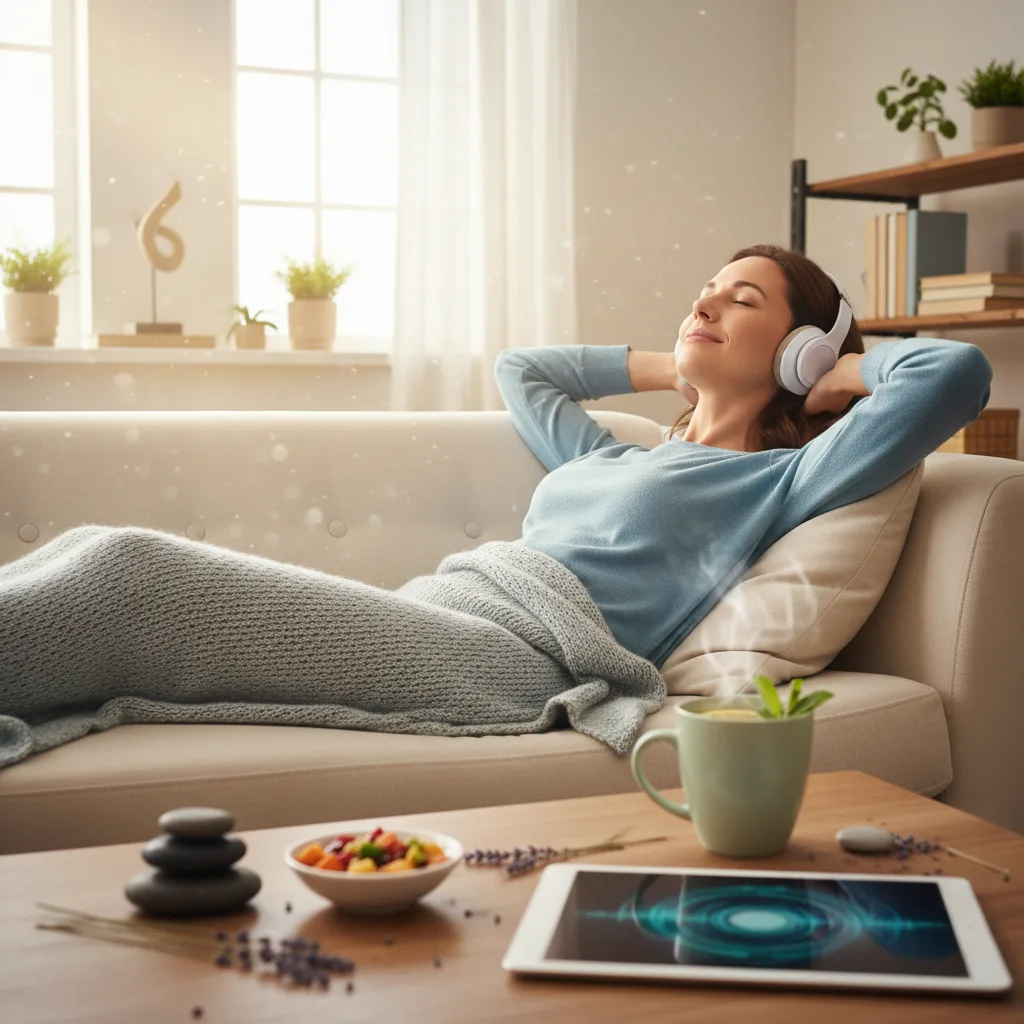
This synchronized slowing of brain activity reduces mental chatter, calms the nervous system, and creates an optimal environment for stress reduction and cognitive restoration. The effect is akin to a gentle hand guiding your internal clock to a slower, more harmonious rhythm, making it an excellent component of any sleep music playlist.
Heart-Brain Coherence: A Symphony of Calm
The 60 BPM tempo also promotes heart-brain coherence, a state where the heart’s rhythm and the brain’s activity become synchronized. When your heart rate settles into a slower, more consistent pattern, it sends signals to the brain that induce calm. This feedback loop amplifies the relaxation response, creating a holistic state of tranquility. This is particularly valuable for anyone seeking to optimize their meditation music for sleep practices, as it primes both mind and body for deep rest.
For individuals striving for deep relaxation and enhanced cognitive states, the principles of brainwave entrainment can be further amplified through advanced methodologies. Just as specific auditory frequencies guide our neural activity, targeted sensory input can optimize brain function. Tools employing visual brain entrainment tools and sensory resonance technology can deliver precise light and sound patterns designed to synchronize brainwaves, facilitate deeper meditative states, improve focus, and even enhance the brain’s natural restorative processes. These advanced devices offer a powerful complement to relaxation music, pushing the boundaries of self-optimization.
Beyond the Bath: Understanding the Holistic Spa Music Benefits for Your Bio-System
The term “spa music” often conjures images of tranquil environments and therapeutic treatments. While relaxation music is indeed a staple in such settings, understanding its full spectrum of spa music benefits reveals its potential as a powerful, everyday biohacking tool. It’s not just about creating an ambiance; it’s about leveraging auditory science for holistic well-being.
A Sanctuary for Your Senses: Reducing Sensory Overload
Modern life is a constant barrage of sensory input – notifications, traffic, conversations, visual clutter. This incessant stimulation can lead to cognitive overload and chronic stress. Spa-style relaxation music creates an auditory sanctuary, a consistent and gentle sound environment that effectively reduces sensory overload. By filtering out jarring noises and providing a harmonious backdrop, it allows your brain to shift from a state of constant vigilance to one of calm receptivity. This is why many find it an indispensable aid for focus during work or study, and a vital component for unwinding.
Enhancing Sleep Quality and Circadian Rhythm Regulation
One of the most profound meditation music for sleep benefits derived from relaxation music is its capacity to improve sleep quality. Our Circadian Rhythm, our natural sleep-wake cycle, is highly sensitive to environmental cues, including sound. Incorporating calming music into your evening routine signals to your brain that it’s time to wind down. This promotes the release of melatonin, the sleep hormone, and facilitates the transition into deeper, more restorative sleep stages. When paired with comfortable sleep headphones, the immersive experience can be truly transformative for those struggling with insomnia or restless nights.
Boosting Mood and Emotional Regulation
The impact of music on mood is well-documented. Relaxation music, with its gentle melodies and harmonies, can stimulate the release of endorphins and other feel-good neurotransmitters, uplifting spirits and reducing feelings of anxiety and depression. It provides an accessible and enjoyable way to practice emotional regulation, allowing individuals to consciously shift their mental state towards peace and contentment. This proactive approach to mental health is a cornerstone of effective biohacking.
Integrating Relaxation Music into Your Biohacking Protocol: Practical Applications
Now that we’ve delved into the “why” of relaxation music, let’s explore the “how.” Integrating this powerful tool into your daily life doesn’t require complex equipment or significant time investment. It’s about strategic application for maximum neurological and physiological benefit.
- • Pre-Sleep Ritual: Dedicate 20-30 minutes before bedtime to listen to sleep music. This helps to quiet the racing mind, lower heart rate, and prepare your brain for a smooth transition into sleep. Opt for tracks with a slow tempo (around 60 BPM) and minimal melodic complexity.
- • Focused Work Sessions: If you find yourself distracted or overwhelmed during intense work, a playlist of instrumental relaxation music or ambient pads can create an optimal auditory environment for concentration. It masks disruptive noises without being distracting itself, allowing your prefrontal cortex to remain engaged with the task at hand.
- • Stress Recovery Breaks: Throughout your day, schedule short “neuro-recharge” breaks. Even 10-15 minutes of immersive listening can significantly reduce cortisol levels, reset your nervous system, and prevent the accumulation of stress. This is particularly effective during peak stress periods or after demanding cognitive tasks.
- • Meditation and Mindfulness Enhancement: For those practicing sleep meditation or mindfulness, instrumental relaxation music can deepen the experience, helping to quiet the internal dialogue and facilitate entry into deeper states of awareness. Look for tracks specifically designed for meditation, often incorporating binaural beats or isochronic tones for enhanced brainwave entrainment.
- • Creative Flow States: The Alpha and Theta brainwave states fostered by relaxation music are also associated with enhanced creativity and problem-solving. Use it during brainstorming sessions or when engaging in creative pursuits to tap into these expansive mental states.
To maximize the benefits, consider the quality of your playback. High-fidelity audio, whether through good speakers or, ideally, comfortable sleep headphones, allows for a more immersive experience, ensuring that your brain fully receives the subtle acoustic cues designed to induce relaxation. Experiment with different styles – from pure ambient soundscapes to gentle piano compositions – to find what resonates best with your unique neurological profile.
Conclusion: Orchestrating Your Inner Calm and Cognitive Edge
In a world that constantly demands more from our cognitive engines, the ability to effectively manage stress and optimize brain performance is no longer a luxury – it is a necessity. Relaxation music, viewed through the lens of neuroscience and biohacking, emerges as far more than a pleasant diversion. It is a sophisticated, data-driven tool, a truly elegant solution for absorbing the shocks of daily stress, enhancing your mental resilience, and fostering a state of profound well-being.
We’ve explored how specific sonic architectures, such as the gentle embrace of piano and ambient pads, coupled with a biologically optimized slow tempo, can directly modulate your brainwave states, balance your autonomic nervous system, and even lead to tangible physiological improvements like lowered blood pressure. This isn’t just about feeling good; it’s about measurable impacts on your cortisol levels, heart rate variability, and overall cardiovascular health. By consciously integrating relaxation music sleep stress mitigation into your routine, you are actively engaging in neuroplasticity, sculpting a brain that is more adaptive, more focused, and better equipped to thrive.
As a biohacker, your goal is to understand and optimize your internal systems. The profound effects of sound on the human brain offer an accessible yet powerful pathway to achieving this. Whether you’re seeking to enhance your sleep music regimen, sharpen your focus, or simply find a moment of calm amidst the chaos, the science of relaxation music provides a robust framework.
Expert Tip for Today:
Don’t wait for stress to overwhelm you. Proactively integrate a 15-minute “sound bath” of slow-tempo, instrumental relaxation music into your mid-day routine. Use this time to close your eyes, focus on your breath, and allow the auditory landscape to gently recalibrate your nervous system. This small, consistent practice will act as a powerful preventative measure, building your neurological resilience day by day, and ensuring your brain’s engine runs smoothly, even on the roughest roads.