tranngocbao88.it@gmail.com

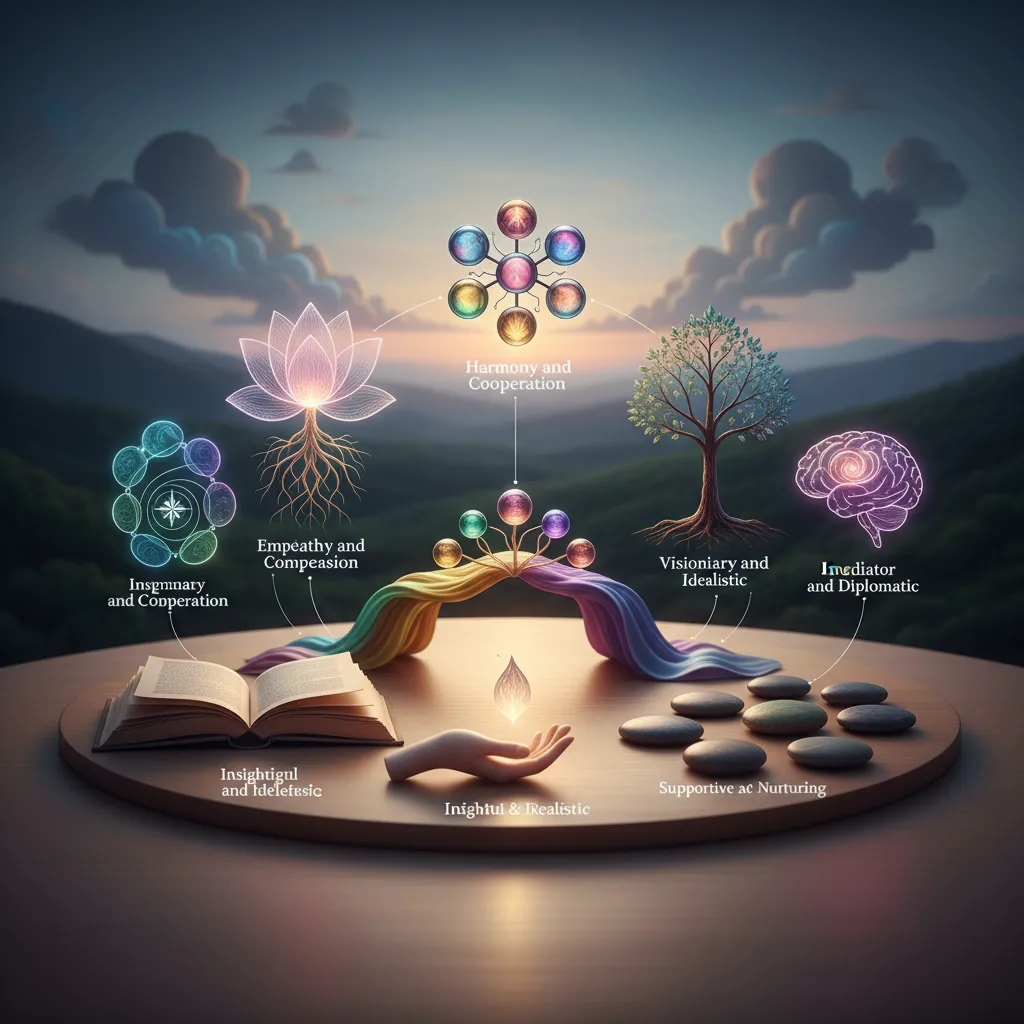
An illustration depicting four diverse individuals representing INFJ, INFP, ENFJ, and ENFP diplomat personality types, collaborating harmoniously in a bright, abstract setting, symbolizing their empathy, vision, and connection.

8 Strengths of the Diplomat Personality Type (MBTI)

Key Takeaways Diplomat personality types, encompassing INFJ, INFP, ENFJ, and ENFP, are characterized by profound idealism and an innate capacity for human connection. This comprehensive guide explores their 8 core strengths: deep empathy, visionary thinking, inspirational communication, natural peacemaking, exceptional intuition, altruism, ability to form deep connections, and adaptability. It also addresses potential challenges such […]

8 Strengths of the Diplomat Personality Type (MBTI) Read More »
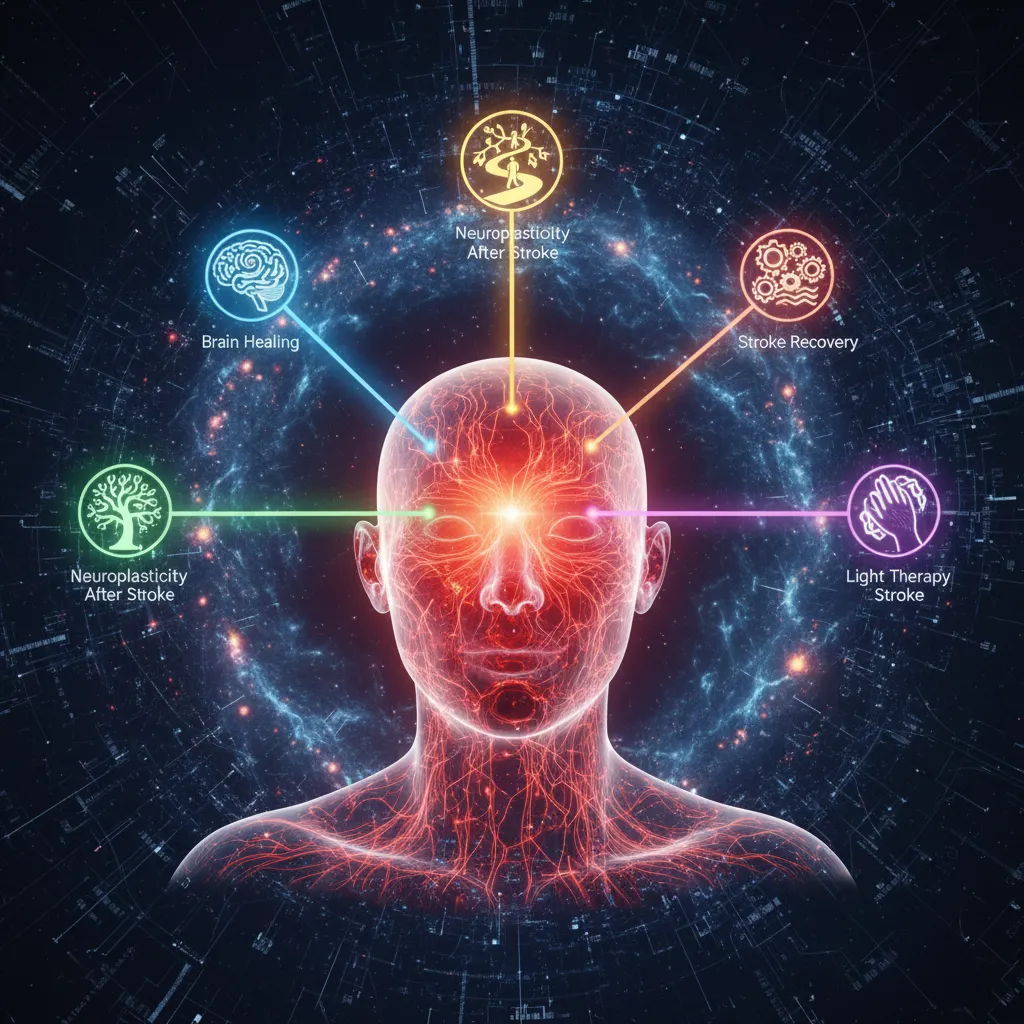
A scientific illustration depicting red and near-infrared light penetrating the brain, highlighting cellular stimulation, neuroplasticity, and improved blood flow for stroke recovery.

5 Things to Know About Ketamine & Neuroplasticity Duration

Key Takeaways Ketamine neuroplasticity represents a groundbreaking shift in understanding brain rewiring, offering rapid antidepressant effects and cognitive enhancement. It stimulates rapid synaptic growth and enhances neural flexibility for several days to weeks post-treatment. Long-term benefits are sustained through maintenance therapy, psychotherapy, and lifestyle factors like exercise, diet, sleep, and mindfulness. While ketamine therapy requires

5 Things to Know About Ketamine & Neuroplasticity Duration Read More »

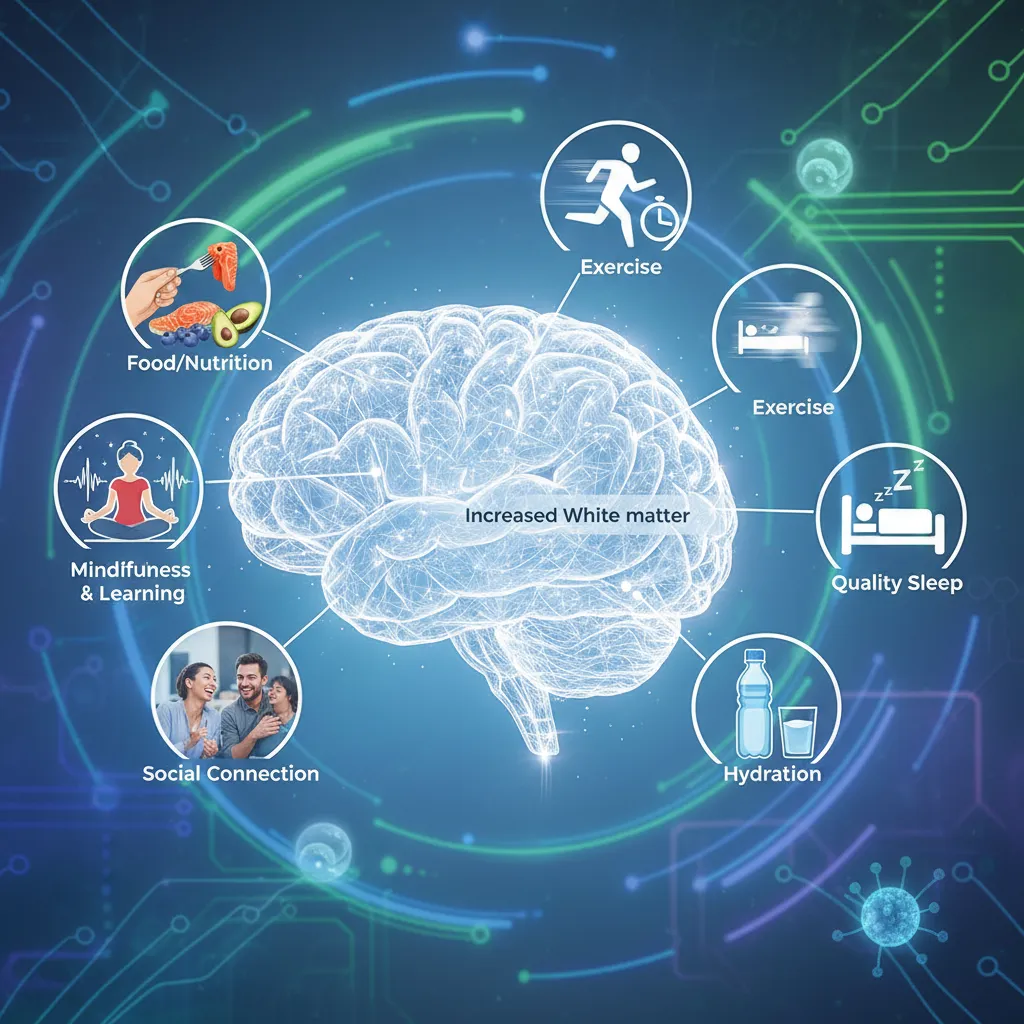
An intricate illustration of the human brain's white matter, depicted as a dense network of glowing neural pathways connecting different regions, symbolizing enhanced brain connectivity and high-speed information processing.

6 Ways to Increase White Matter & Boost Brain Speed

Key Takeaways White matter, the brain’s information highway, is crucial for rapid neural communication and cognitive function, consisting of myelinated axons. Unlike gray matter, it focuses on transmitting information, impacting cognitive speed, learning, and reaction times. This article explores six key strategies to enhance white matter integrity and boost brain speed: engaging in targeted cognitive

6 Ways to Increase White Matter & Boost Brain Speed Read More »

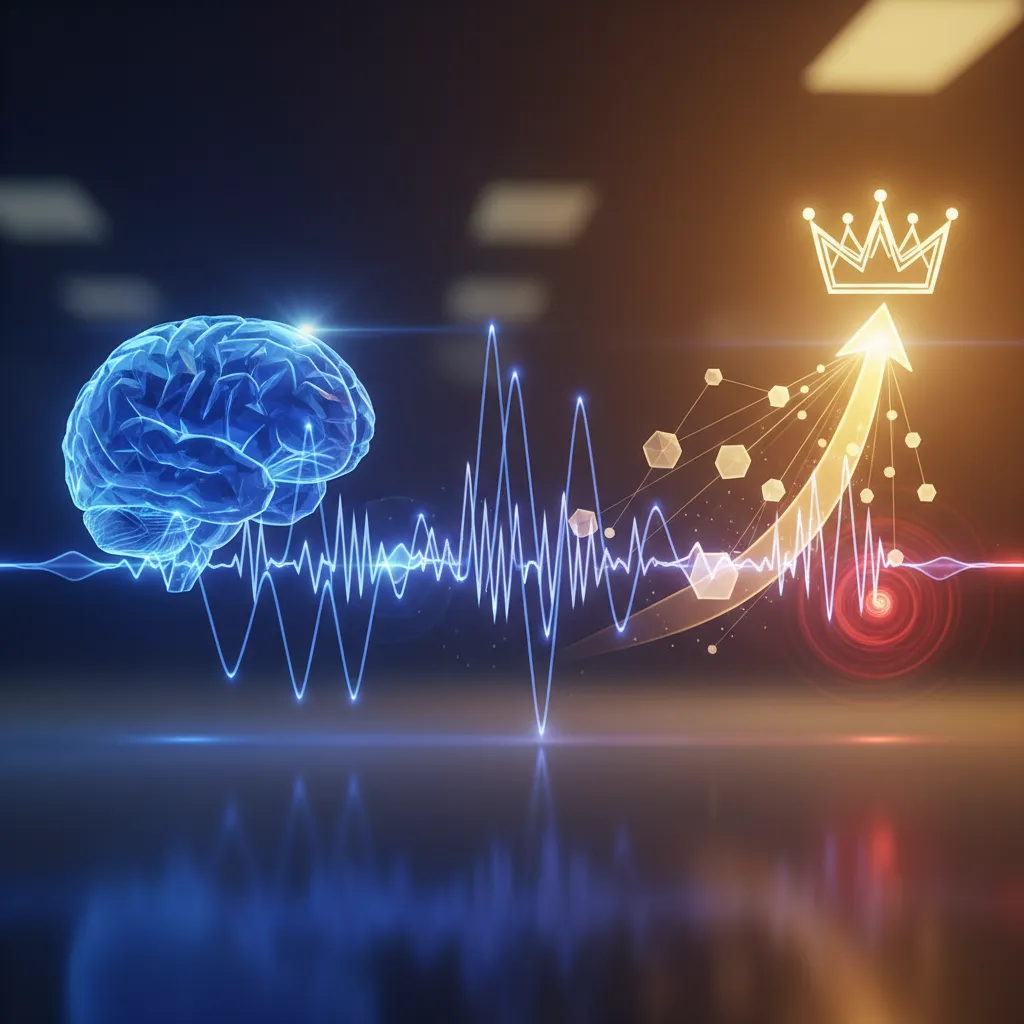
A visual representation of brainwaves on an EEG display, highlighting beta brain wave frequencies with an abstract depiction of focused human thought, emphasizing cognitive performance and mental clarity.

5 Key Facts About Beta Brain Waves & High Performance

Key Takeaways Beta brain waves are crucial for alertness, focus, and cognitive performance, operating in frequencies from 12-30 Hz (low, mid, high beta). While essential for daily tasks, excessive high beta can lead to stress and anxiety. This guide explores strategies to optimize beta waves for enhanced focus through neurofeedback (e.g., SMR training) and cognitive

5 Key Facts About Beta Brain Waves & High Performance Read More »

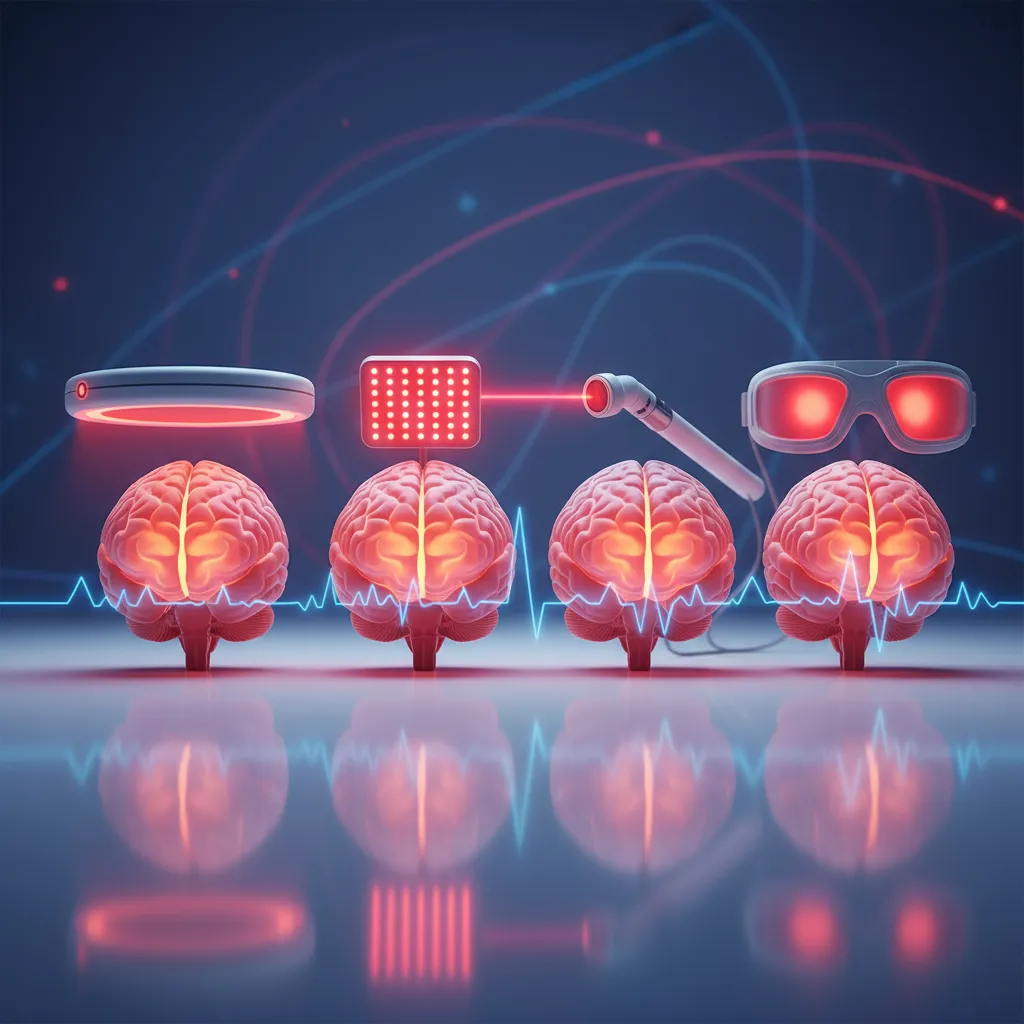
A brain light therapy helmet (photobiomodulation device) emitting red and near-infrared light, illustrating its use for neuro-optimization and symptom management in Parkinson's disease, with a blurred background suggesting brain activity.

4 Promising Studies on Light Therapy for Parkinson’s

Key Takeaways The article explores Parkinson’s Light Therapy (photobiomodulation, PBM) as a promising neuro-optimization strategy. It details four key research areas: PBM’s ability to improve mitochondrial function, reduce oxidative stress, mitigate neuroinflammation, and offer neuroprotection by enhancing ATP production and promoting neuronal survival. Clinical trials show significant improvements in motor symptoms (tremors, rigidity, gait) and

4 Promising Studies on Light Therapy for Parkinson’s Read More »

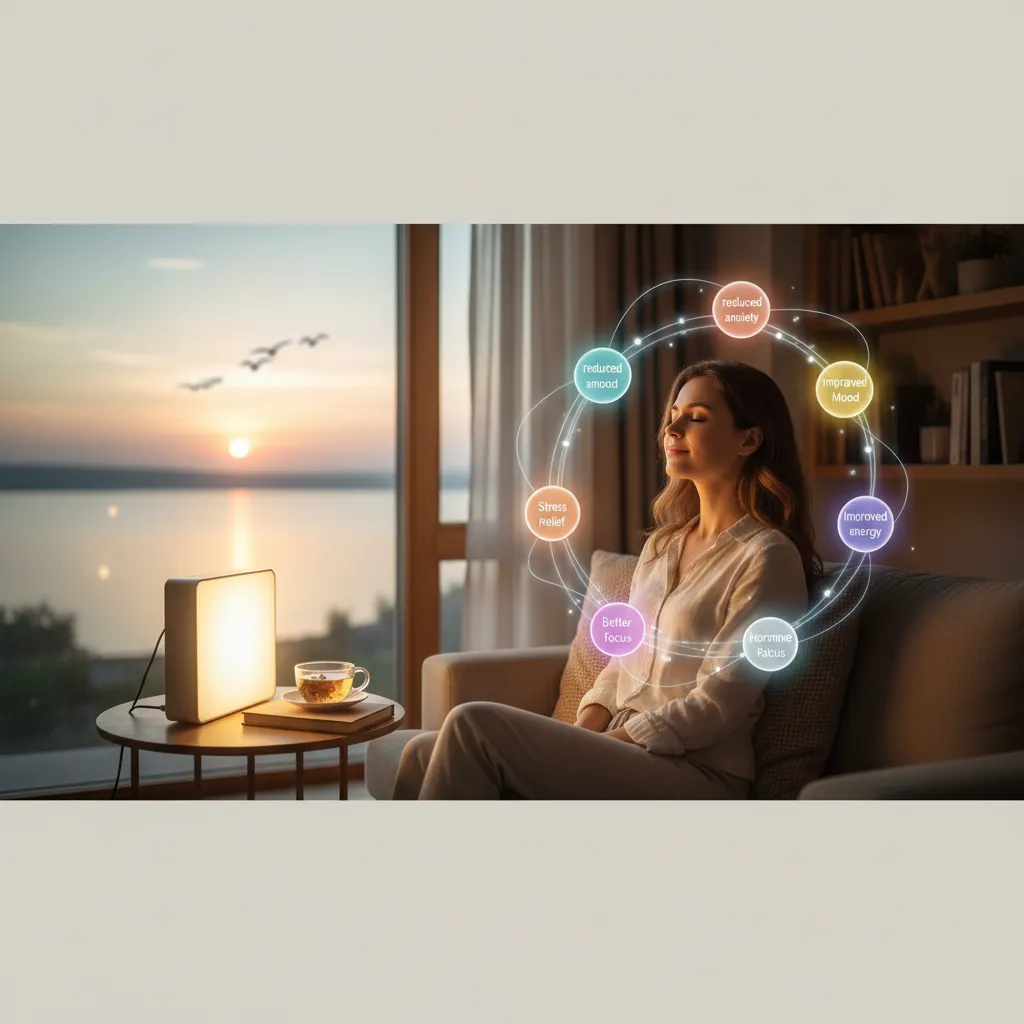
A person using a light therapy lamp, demonstrating a non-invasive method for anxiety relief and mood improvement, with a focus on brain health.

7 Benefits of Light Therapy for Anxiety & Mood Relief

Key Takeaways Anxiety light therapy is a powerful, non-invasive method to alleviate stress and enhance mental well-being by positively influencing brain chemistry and circadian rhythms. It helps regulate sleep, boost mood-stabilizing neurotransmitters like serotonin, reduce stress hormones (cortisol), and improve cognitive function. Optimal protocols typically involve 20-60 minutes of daily exposure to 10,000 lux bright

7 Benefits of Light Therapy for Anxiety & Mood Relief Read More »

A person's head with a glowing brain, surrounded by various elements representing memory improvement strategies: a sleep mask, a dumbbell, healthy food (berries, fish), a book, and a person meditating, symbolizing enhanced cognitive function and brain health.

10 Effective Strategies to Improve Your Memory Fast

Key Takeaways This comprehensive guide outlines 10 effective, scientifically-backed strategies to significantly improve memory and enhance overall cognitive function. Key takeaways include prioritizing 7-9 hours of quality sleep for memory consolidation, engaging in regular physical exercise to boost brain cell growth, and adopting a nutrient-rich diet with omega-3s, antioxidants, and B vitamins. The article emphasizes

10 Effective Strategies to Improve Your Memory Fast Read More »

A scientific illustration depicting red and near-infrared light penetrating the brain, highlighting cellular stimulation, neuroplasticity, and improved blood flow for stroke recovery.

5 Ways Light Therapy Aids Stroke Recovery & Brain Healing

Key Takeaways Stroke recovery light therapy, specifically photobiomodulation (PBM), offers a powerful and safe pathway to enhance brain healing after a stroke. It works through five key mechanisms: boosting cellular energy production, reducing inflammation and oxidative stress, promoting neuroplasticity, improving cerebral blood flow and angiogenesis, and providing crucial neuroprotection to damaged brain tissue. PBM devices,

5 Ways Light Therapy Aids Stroke Recovery & Brain Healing Read More »

A balanced conceptual image showing two hands, one giving and one receiving, symbolizing a healthy give and take relationship with mutual support and equitable exchange. Subtle brainwave patterns or neural network imagery could be integrated into the background to represent the neuro-optimization aspect discussed in the article, emphasizing harmonious connection and reciprocity.

5 Rules of ‘Give and Take’ for a Lasting Relationship

Key Takeaways Nurturing a lasting give and take relationship requires active participation and understanding of five core rules: understanding reciprocity, identifying and addressing imbalances, practicing healthy giving without codependency, mastering empathetic communication, and proactively ensuring long-term sustainability. These principles foster mutual respect, trust, and shared growth. Neuro-optimization, supported by tools like NeuroVizr, can enhance cognitive

5 Rules of ‘Give and Take’ for a Lasting Relationship Read More »

A person's head in profile, subtly illuminated by light patterns, representing brainwave activity during the hypnagogic state, with abstract creative thoughts flowing around it.

5 Ways to Use the Hypnagogic State for Creative Genius

Key Takeaways The hypnagogic state is a unique transition between wakefulness and sleep, characterized by distinct brainwave patterns (predominantly theta and alpha waves) that foster heightened creativity. This phase enables profound insights, divergent thinking, and novel associations by reducing the brain’s executive control. Key experiences include vivid visual and auditory hallucinations, as well as tactile

5 Ways to Use the Hypnagogic State for Creative Genius Read More »

Scroll to Top