tranngocbao88.it@gmail.com

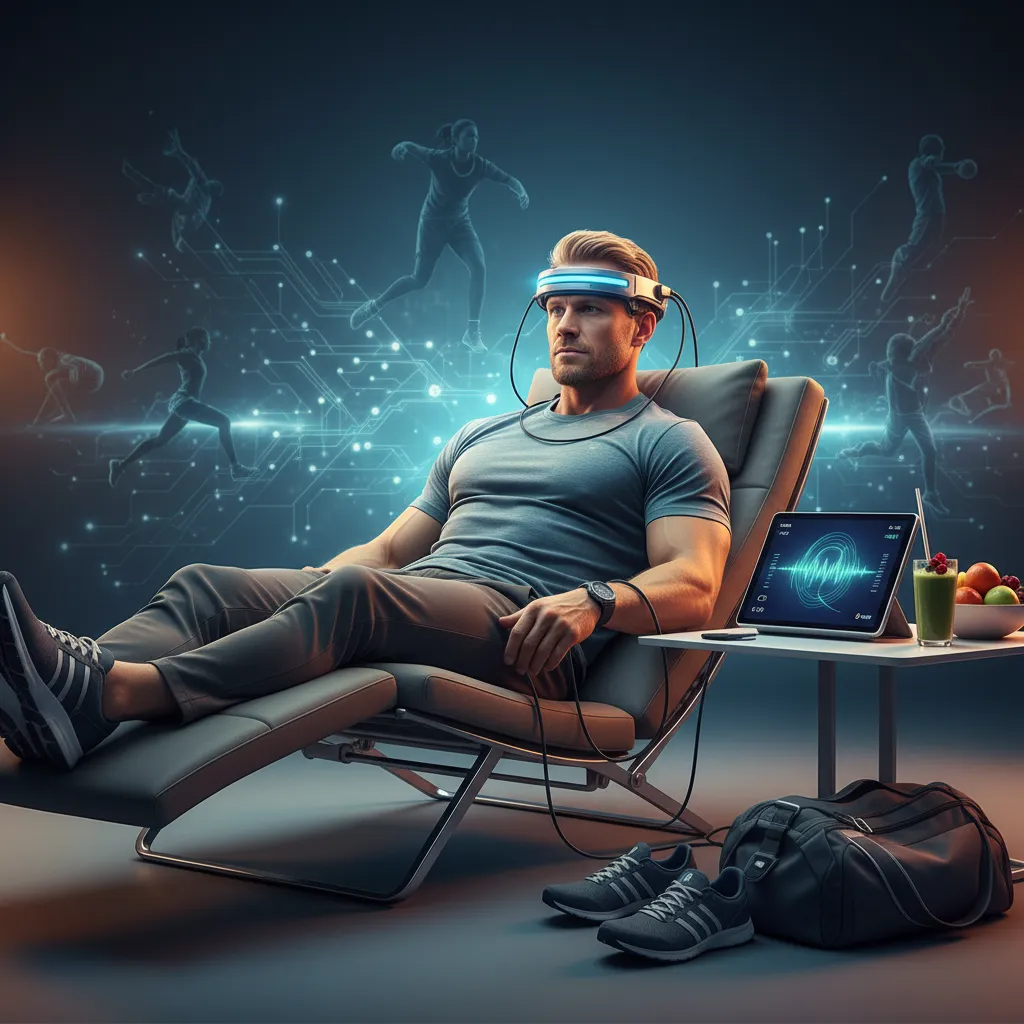
Olympic discus thrower Gerd Kanter using a NeuroVizr device for brain recovery and performance enhancement during his training routine.

Olympic Secrets: How Gerd Kanter Uses Brain Tech for Recovery

Key Takeaways Gerd Kanter, an Olympic champion, exemplifies how elite athletes are integrating advanced brain technology, specifically NeuroVizr, into their recovery routines. This approach focuses on optimizing sleep quality, significantly reducing stress, and enhancing cognitive functions like focus, which are crucial for maintaining peak performance and career longevity. The NeuroVizr device uses light and sound […]

Olympic Secrets: How Gerd Kanter Uses Brain Tech for Recovery Read More »
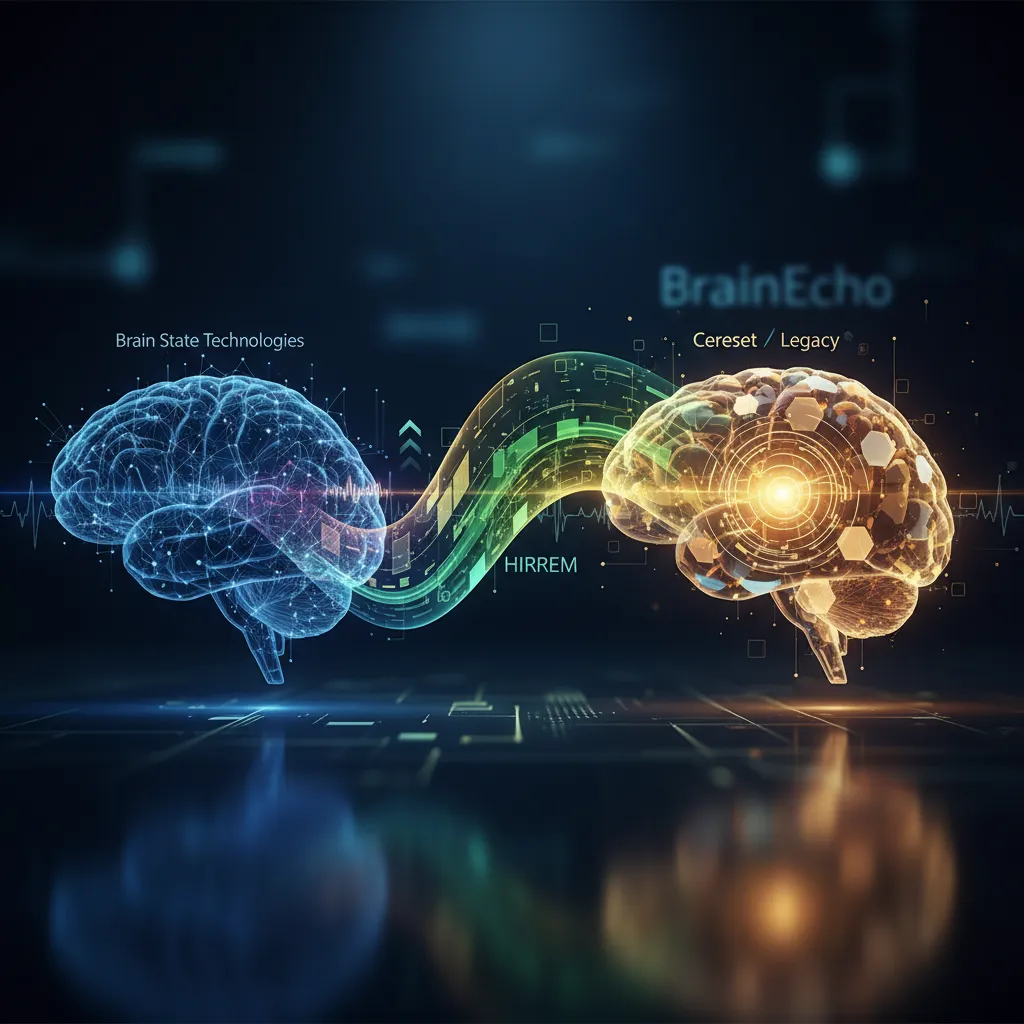
Illustration of the Cereset Legacy brain state technology, showing brainwave activity being mirrored to achieve neuro-optimization and enhance mental wellness, representing the evolution from HIRREM to BrainEcho.

From Brain State to Cereset: The Evolution of BrainEcho Tech

Key Takeaways Cereset Legacy represents a significant advancement in non-invasive brain state technologies, evolving from the foundational HIRREM to the more advanced BrainEcho. This technology, pioneered by Lee Gerdes and Brain State Technologies, aims to help the brain naturally self-correct for improved mental clarity, emotional balance, and overall well-being. BrainEcho offers enhanced speed, efficiency, and

From Brain State to Cereset: The Evolution of BrainEcho Tech Read More »

Illustration showing the multifarious impacts of stress, featuring a person overwhelmed by symbols of financial strain, health issues, and career setbacks.

The True Cost of Stress: 5 Ways It Drains Your Wallet & Health

Key Takeaways Stress carries significant hidden financial, health, and professional costs, impacting everything from healthcare expenses and productivity to mental well-being and career growth. Chronic stress can lead to increased medical bills, poor decision-making, and burnout. However, proactive stress management, including corporate wellness programs, mindfulness, and neuro-optimization techniques like the NeuroVizr, can mitigate these adverse

The True Cost of Stress: 5 Ways It Drains Your Wallet & Health Read More »

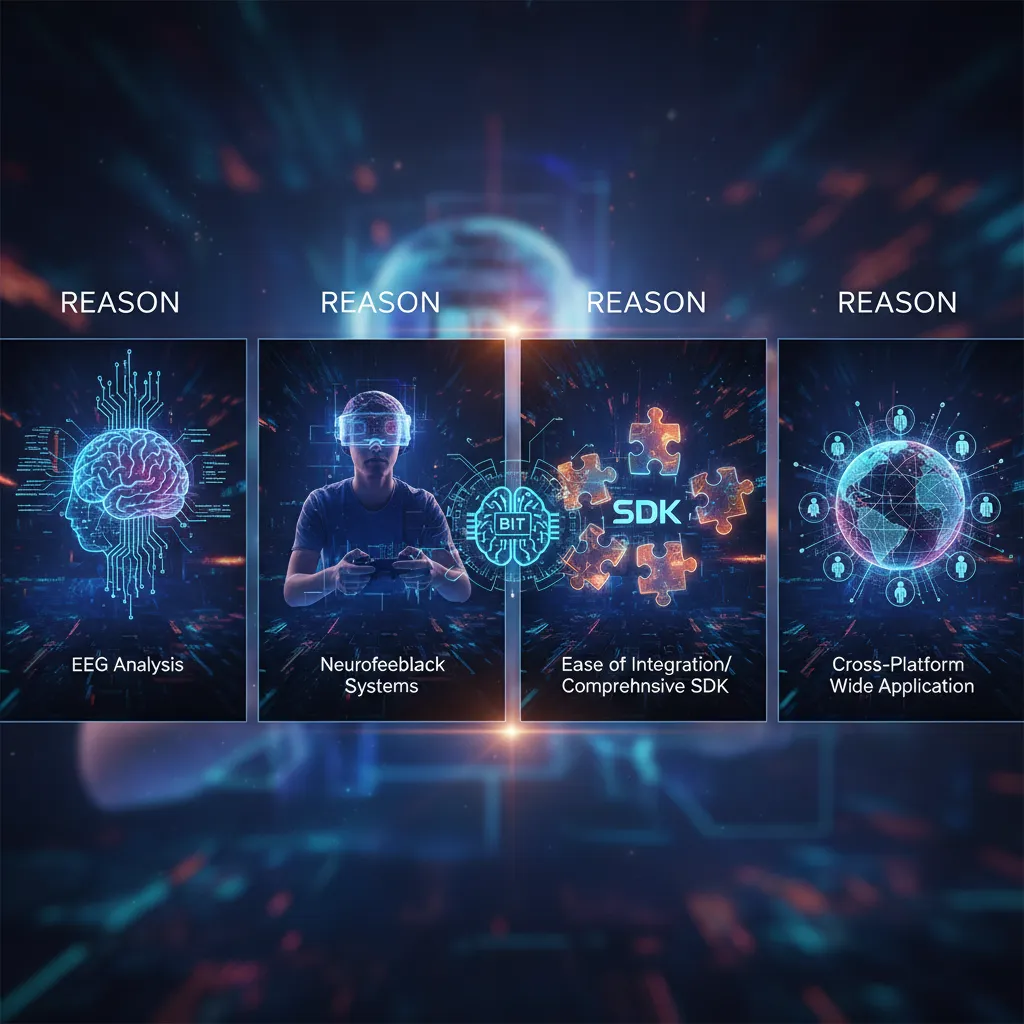
A developer using the BrainBit SDK to create a Brain-Computer Interface (BCI) application, displaying code on a screen and EEG brainwave data visualization, symbolizing ease of development and powerful features.

4 Reasons Developers Choose BrainBit SDK for BCI Apps

Key Takeaways The BrainBit SDK is a leading choice for developers creating Brain-Computer Interface (BCI) applications, enabling neuro-optimization solutions. Its popularity stems from its exceptional ease of use, supported by comprehensive documentation and intuitive APIs. The SDK offers broad compatibility across multiple programming languages, including Python, C++, and Unity, allowing developers to utilize their preferred

4 Reasons Developers Choose BrainBit SDK for BCI Apps Read More »

An illustrative diagram showing the five types of brain waves (Gamma, Beta, Alpha, Theta, Delta) with their respective frequency ranges and associated mental states, from high-focus to deep sleep.

From Gamma to Delta: 5 Brain Wave Types Explained Simply

Key Takeaways This article provides a comprehensive guide to the five primary brain wave types: Gamma, Beta, Alpha, Theta, and Delta, detailing their frequency ranges and the mental states they represent. It emphasizes the importance of balancing these brain waves for optimal cognitive function, emotional stability, and overall well-being. The text also explains how Electroencephalography

From Gamma to Delta: 5 Brain Wave Types Explained Simply Read More »

Alex Fergus reviewing the Neuronic Red Light Helmet, showcasing its design and red light wavelengths during a scientific evaluation.

Alex Fergus Review: Is the Neuronic Red Light Helmet Worth It?

Key Takeaways Alex Fergus, a renowned biohacker, conducted a comprehensive review of the Neuronic Red Light Helmet. His analysis, valued for its data-driven approach, scrutinizes key features like wavelength accuracy, power output, EMF levels, and design. Fergus compares the Neuronic Helmet to other red light therapy devices and provides scientific data interpretations, including potential EEG

Alex Fergus Review: Is the Neuronic Red Light Helmet Worth It? Read More »

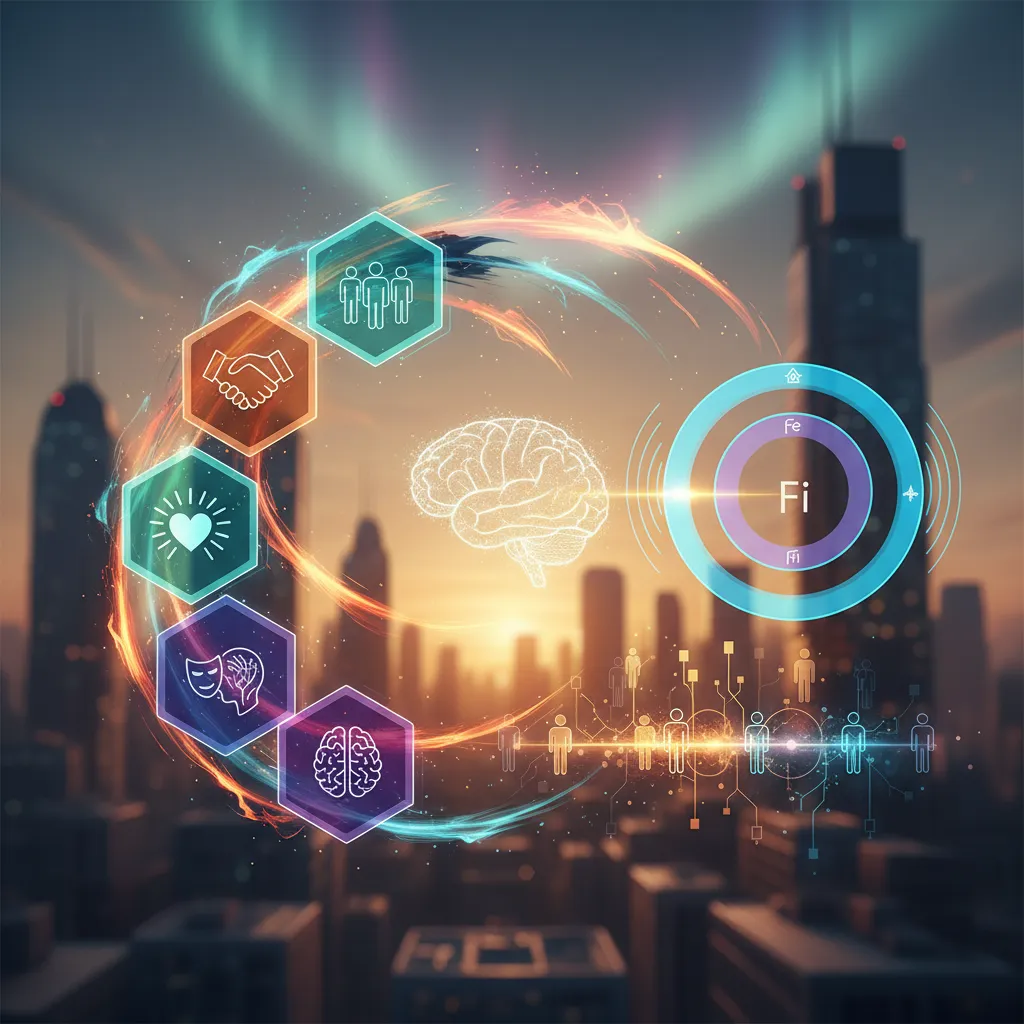
Illustration depicting the concept of Extraverted Feeling (Fe), showing interconnected individuals radiating empathy and understanding, symbolizing social harmony and emotional connection within a group setting, with subtle brain or neural network elements in the background to represent cognitive function.

5 Signs You Use Extraverted Feeling (Fe) & How to Master It

Key Takeaways Extraverted Feeling (Fe) is a cognitive function focused on external harmony and understanding others’ emotional needs. It differs significantly from Introverted Feeling (Fi), which prioritizes internal values. Key signs of Fe include prioritizing harmony, readily absorbing emotions, creating positive atmospheres, adapting to social norms, and finding fulfillment in helping others. Fe enhances empathy

5 Signs You Use Extraverted Feeling (Fe) & How to Master It Read More »

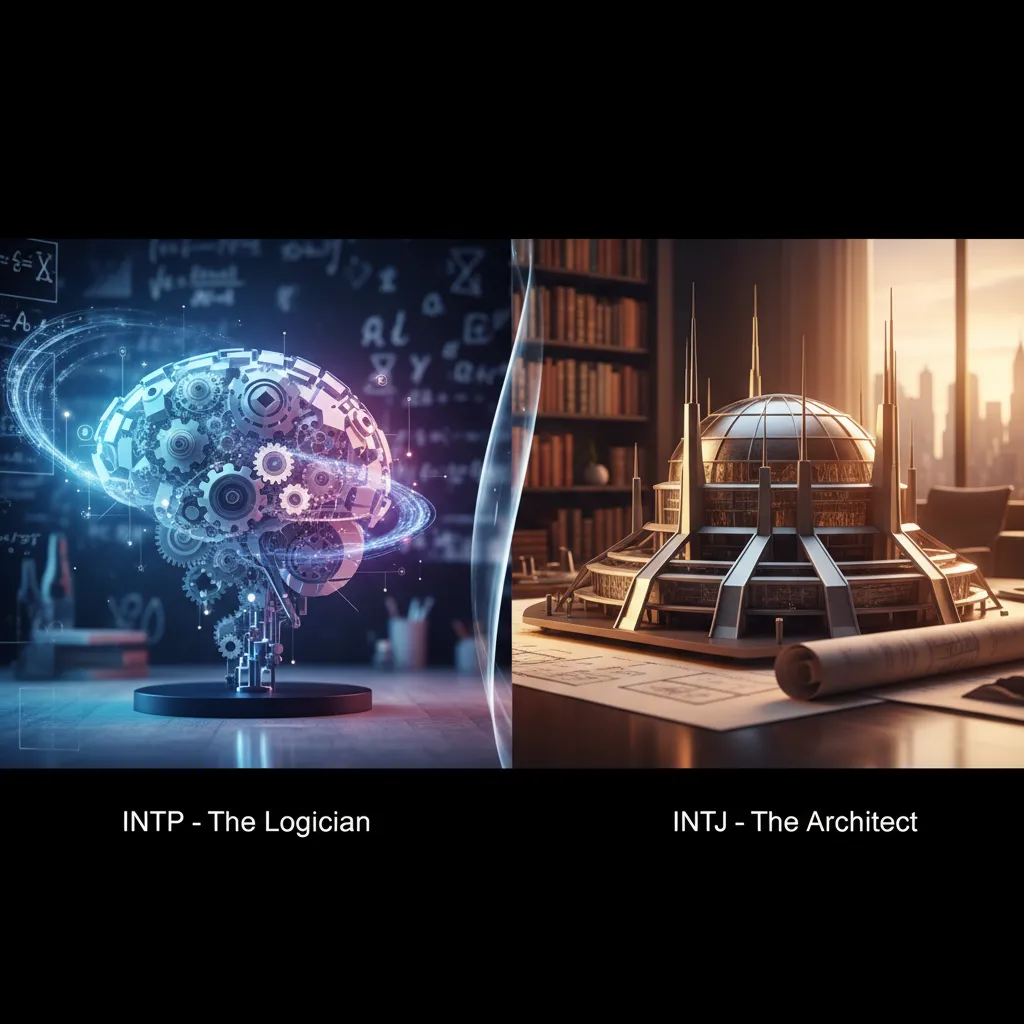
Infographic comparing INTP and INTJ personality types, highlighting differences in dominant function, external preference (Perceiving vs. Judging), work style, and problem-solving methodology.

INTP vs INTJ: 7 Key Differences Between the Architect & Logician

Key Takeaways INTPs (Logicians) and INTJs (Architects) are often confused due to shared introverted, intuitive, and thinking traits. However, their primary distinction lies in their Judging (J) vs. Perceiving (P) preference. INTJs prioritize structure, planning, and goal-oriented execution, leading with Introverted Intuition (Ni) and utilizing Extraverted Thinking (Te). They excel in strategic roles and adopt

INTP vs INTJ: 7 Key Differences Between the Architect & Logician Read More »

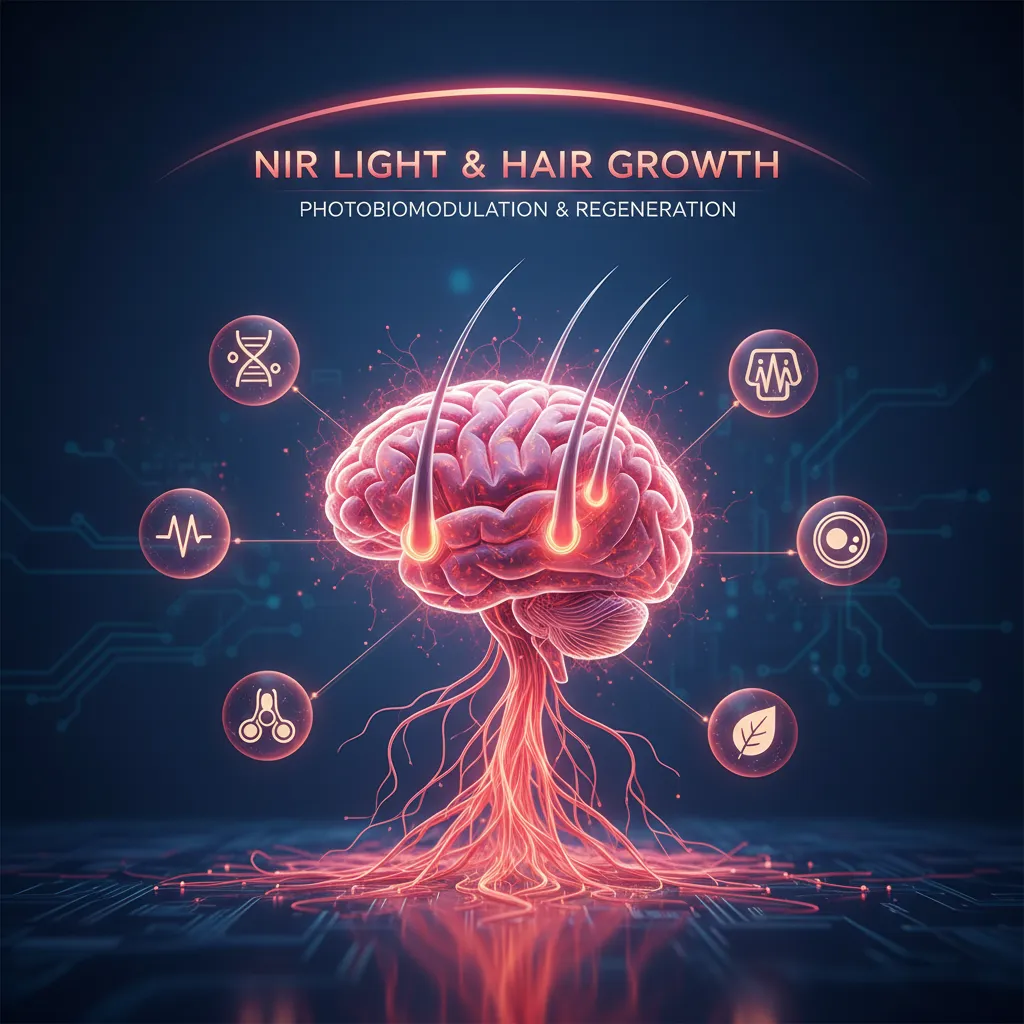
NIR light therapy device stimulating hair follicles on a scalp, illustrating the process of hair growth and regeneration with red and near-infrared light.

5 Scientific Facts About NIR Light & Hair Growth Regrowth

Key Takeaways NIR light therapy, or photobiomodulation (PBM), is an innovative, non-invasive solution for hair loss, stimulating follicle regeneration through increased blood flow, reduced inflammation, and enhanced cellular energy (ATP) production. Effective wavelengths for hair growth typically range from 630-670nm (red light) and 800-900nm (NIR light), with NIR penetrating deeper to target follicles directly. Scientific

5 Scientific Facts About NIR Light & Hair Growth Regrowth Read More »

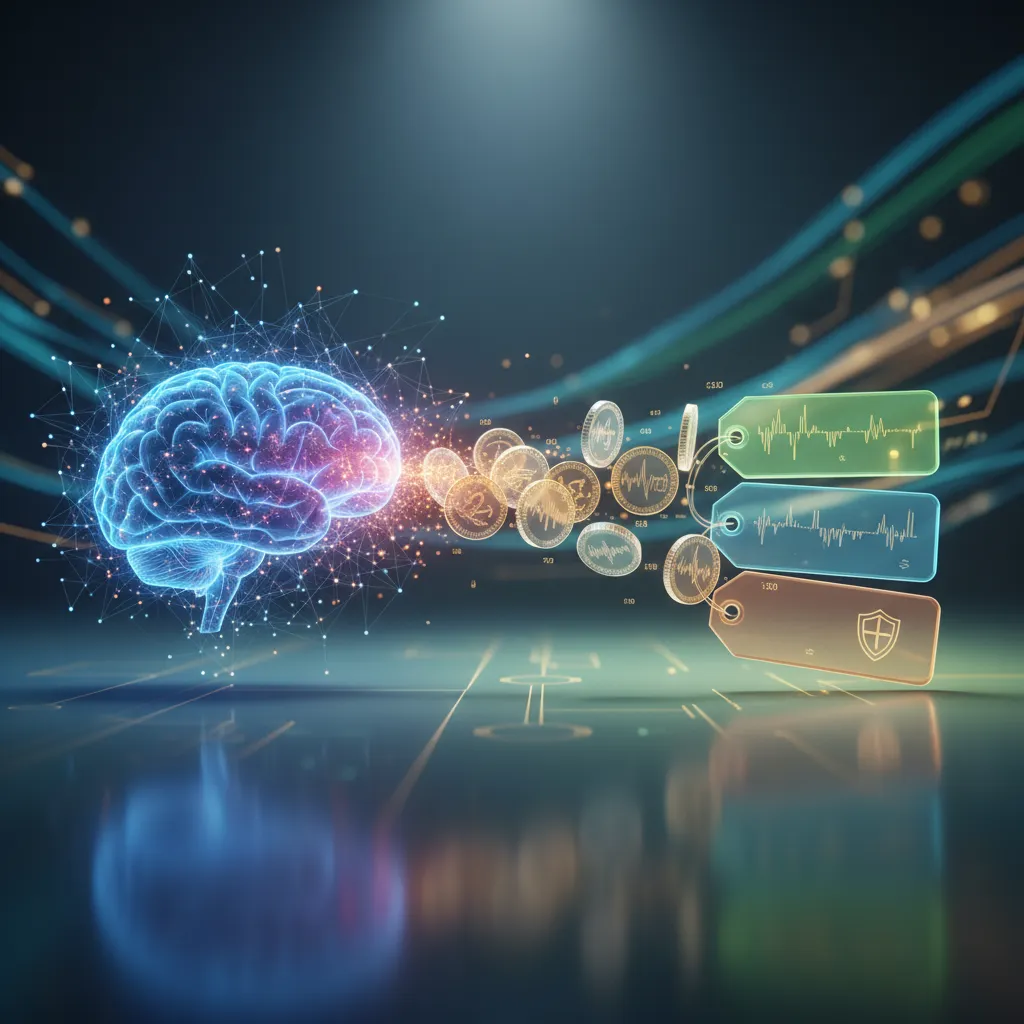
A brain diagram overlaid with financial data, illustrating the various costs associated with neurofeedback therapy in 2025, including session prices, insurance considerations, and home device expenses.

How Much Does Neurofeedback Cost in 2025? Full Price Guide

Key Takeaways Neurofeedback cost in 2025 typically ranges from $80 to $250 per session, influenced by location, practitioner experience, and technique. A full treatment plan usually requires 20 to 40 sessions. Insurance coverage varies, often depending on the condition and policy, making verification with your provider essential. While home neurofeedback devices offer a more affordable

How Much Does Neurofeedback Cost in 2025? Full Price Guide Read More »

Scroll to Top