tranngocbao88.it@gmail.com

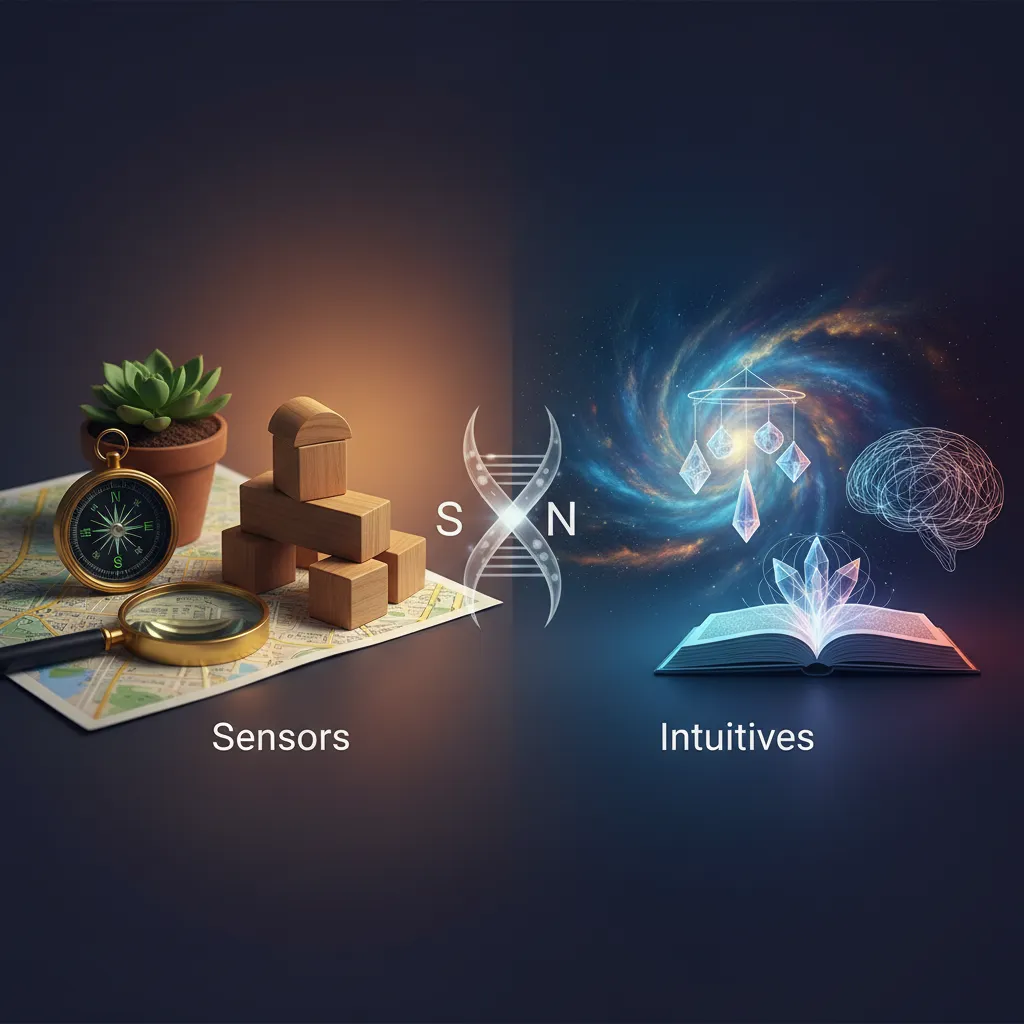
Pie chart illustrating the approximate distribution of Sensors (70%) and Intuitives (30%) in the general population, highlighting their prevalence difference in MBTI personality types.

Sensors vs Intuitives: 5 Key Differences You Need to Know

Key Takeaways The article “Sensors vs Intuitives” delves into 5 key differences between these two MBTI cognitive functions, crucial for self-awareness and improved interactions. Sensors focus on concrete details and present realities, while Intuitives prioritize abstract concepts and future possibilities, leading to distinct approaches in problem-solving. In the workplace, Sensors excel in precision and established […]

Sensors vs Intuitives: 5 Key Differences You Need to Know Read More »
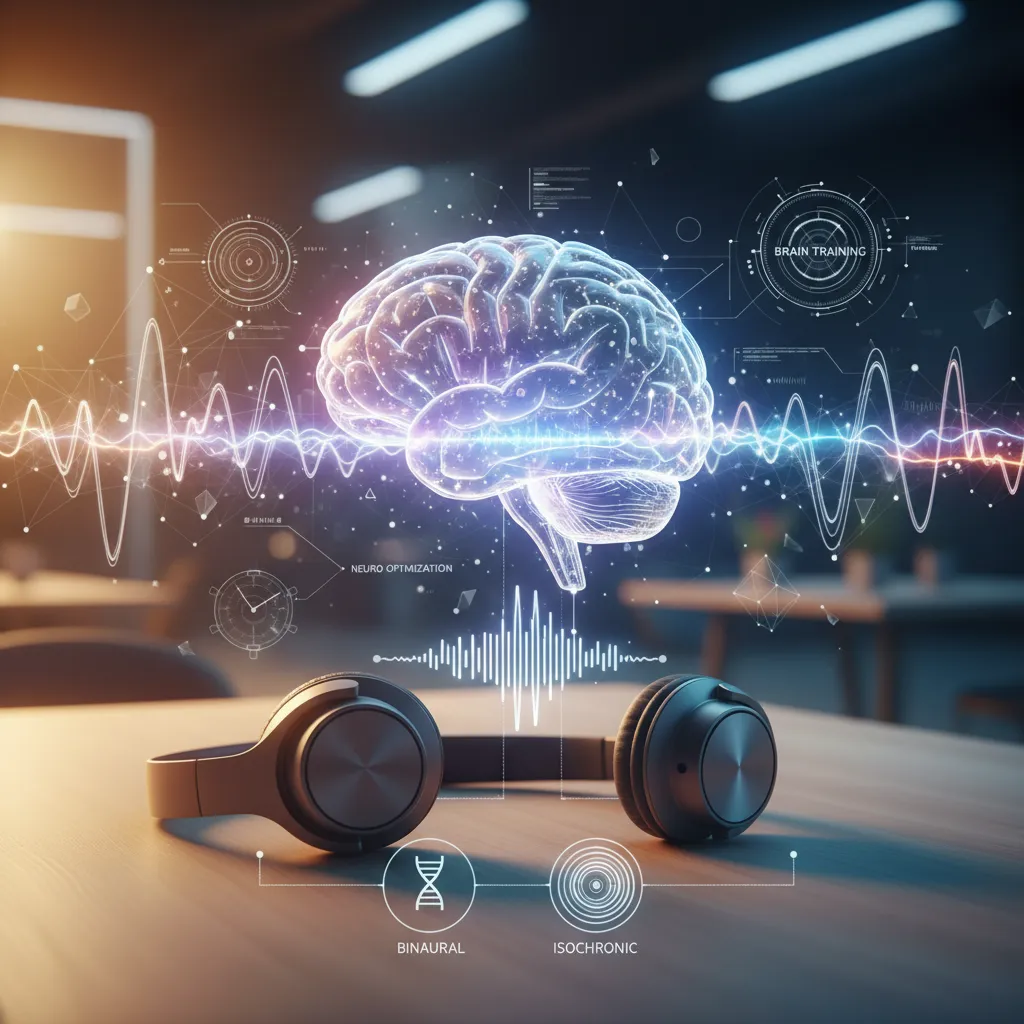
A visual representation of brainwaves synchronizing with external sound frequencies, illustrating the concept of brainwave entrainment with a person meditating or focusing.

5 Facts About Brainwave Entrainment & How to Use It Safely

Key Takeaways Brainwave entrainment is an audio brain training method using sounds like binaural beats and isochronic tones to shift mental states. It works on the principle of frequency following response, guiding brainwaves into desired states such as deep sleep (Delta), meditation (Theta), relaxation (Alpha), or focus (Beta). The article details the different types of

5 Facts About Brainwave Entrainment & How to Use It Safely Read More »

Detailed illustration of the human brain highlighting the limbic system, including the amygdala and hippocampus, with emphasis on areas related to emotion, memory, and behavior.

7 Signs Your Limbic System Needs Healing & How to Do It

Key Takeaways The limbic system, often called the “emotional brain,” significantly impacts emotions, memory, and behavior. Dysfunction can lead to chronic anxiety, negative thoughts, emotional reactivity, concentration issues, sleep problems, low motivation, and social withdrawal. Key structures like the amygdala (fear processing) and hippocampus (memory) are vital, and their imbalance can be caused by trauma,

7 Signs Your Limbic System Needs Healing & How to Do It Read More »

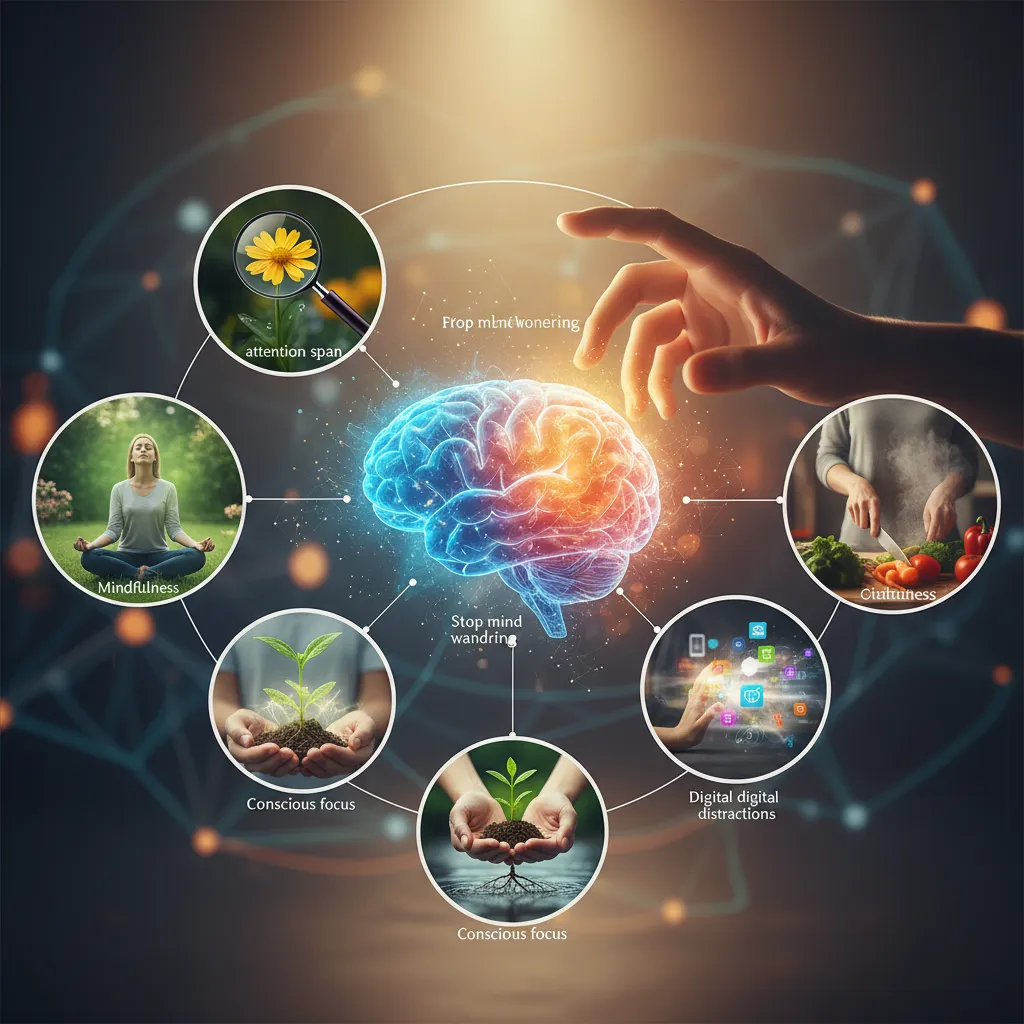
A person meditating calmly amidst a swirling background of digital distractions like social media icons and notification bubbles, representing the challenge of maintaining conscious focus in the digital age and the serenity achieved through mindfulness practices.

5 Ways to Stay Consciously Focused on the Present Moment

Key Takeaways Cultivating conscious focus is vital for daily mindfulness and overall well-being. This guide explores effective techniques to combat mind wandering, such as mindfulness meditation, the Pomodoro Technique, sensory grounding, cognitive defusion, and body scans. It details how present-moment awareness reduces stress by lowering cortisol and improving emotional regulation. Furthermore, the article addresses major

5 Ways to Stay Consciously Focused on the Present Moment Read More »

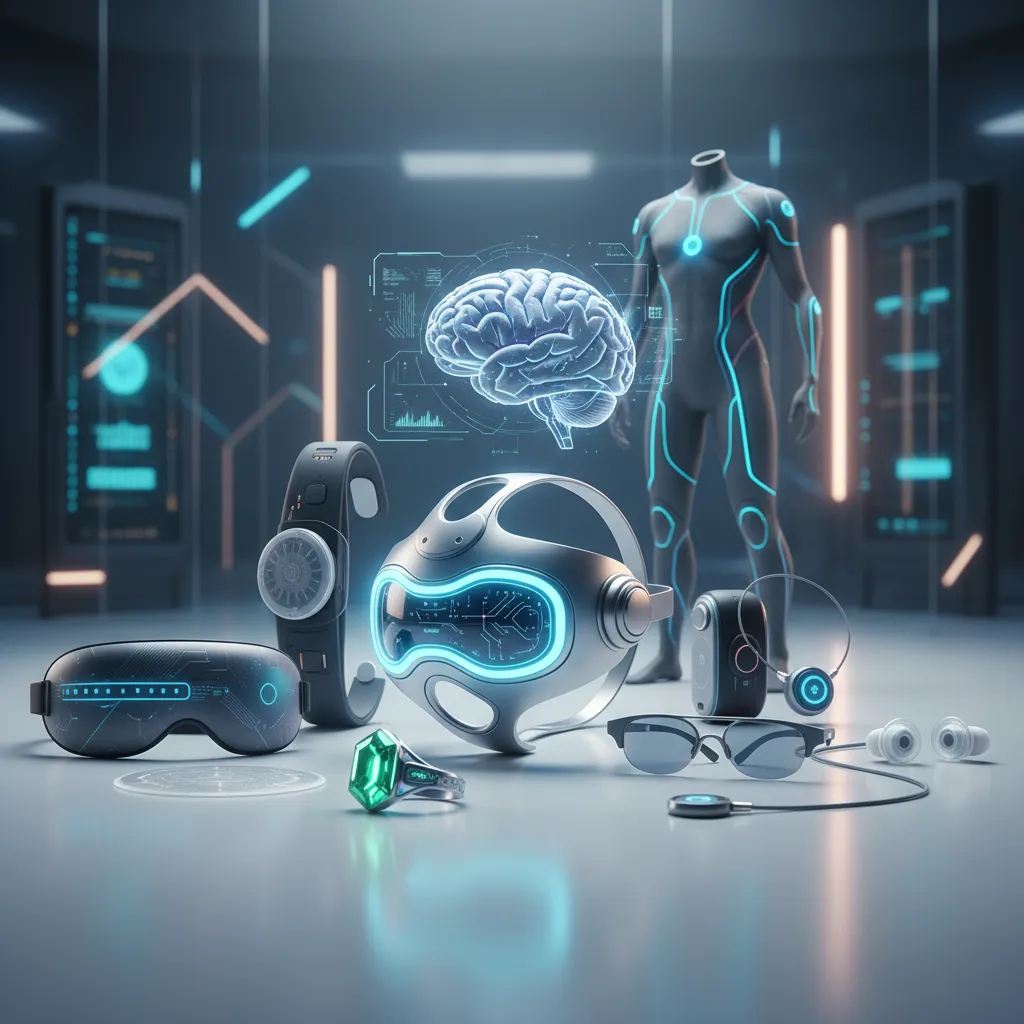
A diverse collection of modern wearable wellness gadgets, including a sleek smart ring, a headband for brain-computer interface, an advanced smartwatch, and a sleep tracking device, all laid out on a clean surface to represent cutting-edge health technology in 2025.

11 Top Wearable Wellness Gadgets to Try in 2025

Key Takeaways Wearable wellness gadgets are transforming personal health in 2025, offering advanced solutions for sleep optimization, stress reduction, and cognitive enhancement. This article explores the top 11 wearable wellness gadgets, the latest sleep tech trends, the role of biohacking tools, the rise of consumer brain interfaces and neurotech, and the best smart health devices

11 Top Wearable Wellness Gadgets to Try in 2025 Read More »

NeuroVizr device demonstrating light and sound brainwave entrainment technology, illustrating how it rewires the brain for focus and relaxation.

The Science Behind NeuroVizr: How Light & Sound Rewire Your Brain

Key Takeaways NeuroVizr Science delves into how advanced light and sound technology can guide your brain towards enhanced relaxation and focus. Leveraging brainwave entrainment and neuroplasticity, the device helps rewire neural pathways to improve sleep, reduce stress, and boost cognitive function. Its unique three-level system gradually deepens the entrainment effect, providing a tailored experience. Unlike

The Science Behind NeuroVizr: How Light & Sound Rewire Your Brain Read More »

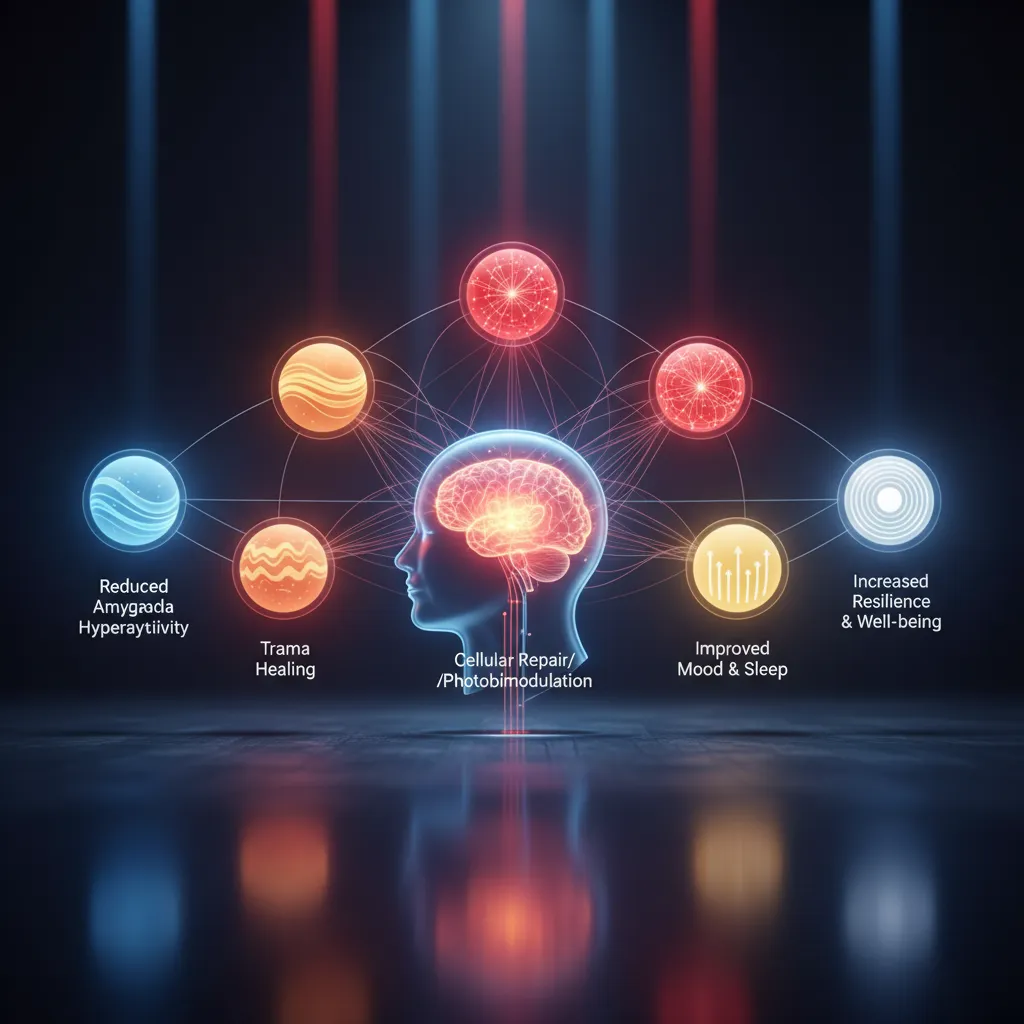
An individual undergoing light therapy for PTSD, with a device emitting red or near-infrared light around their head, symbolizing calming neural activity and the reduction of the fight-or-flight response.

5 Ways Light Therapy Helps Heal PTSD & Trauma

Key Takeaways PTSD light therapy, also known as photobiomodulation (PBM), offers a promising non-invasive approach to managing trauma symptoms by calming the hyperactive fight-or-flight response. It primarily works by reducing amygdala hyperactivity, the brain’s fear center, through modulating neuronal activity and boosting cellular energy (ATP). Light therapy also enhances neuroplasticity, helping to rebuild neural pathways

5 Ways Light Therapy Helps Heal PTSD & Trauma Read More »

A detailed illustration showing the electromagnetic spectrum, highlighting the distinct wavelengths of ultraviolet (UV) and infrared (IR) light. The IR section is emphasized with a gentle glow, representing its non-carcinogenic nature and therapeutic potential for conditions like mucositis, contrasting with the harmful effects of UV light in the context of cancer risk assessment.

3 Critical Safety Facts: Infrared Light & Cancer Risk

Key Takeaways Infrared light is generally considered safe and does not cause cancer, unlike UV radiation. While beneficial for cellular healing and reducing inflammation, caution is paramount for individuals with active, untreated tumors due to the light’s potential to stimulate cellular activity. Emerging research suggests photobiomodulation (PBM) using infrared light can help manage side effects

3 Critical Safety Facts: Infrared Light & Cancer Risk Read More »

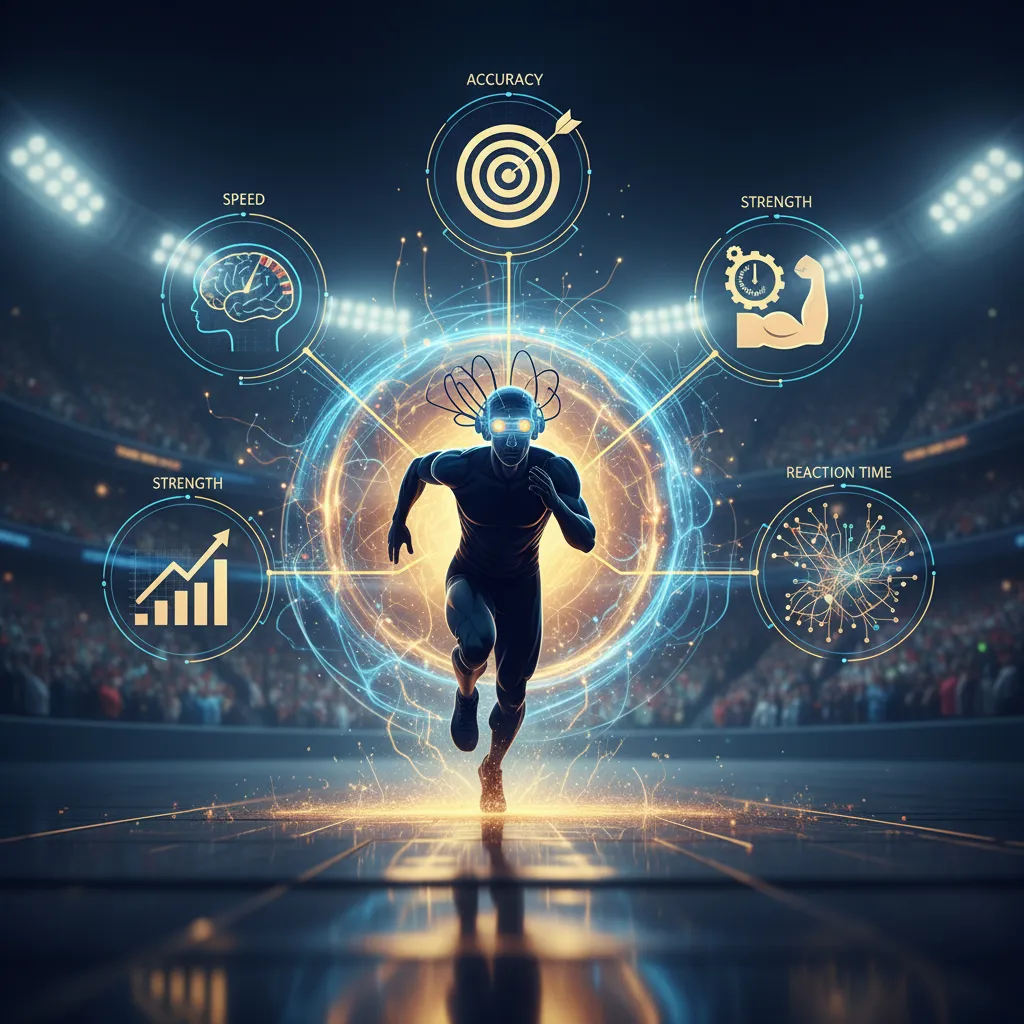
An athlete wearing a neurofeedback headset, eyes focused, demonstrating enhanced cognitive function and mental clarity during a training session for sports performance.

5 Ways Neurofeedback Boosts Sports Performance & Focus

Key Takeaways Neurofeedback for sports is a cutting-edge, non-invasive technique that trains athletes to regulate their brainwave activity, leading to significant enhancements in athletic performance. By optimizing brain function through operant conditioning, athletes can improve focus, sharpen concentration, reduce anxiety, and accelerate reaction times under pressure. This powerful tool is also proving beneficial for aiding

5 Ways Neurofeedback Boosts Sports Performance & Focus Read More »

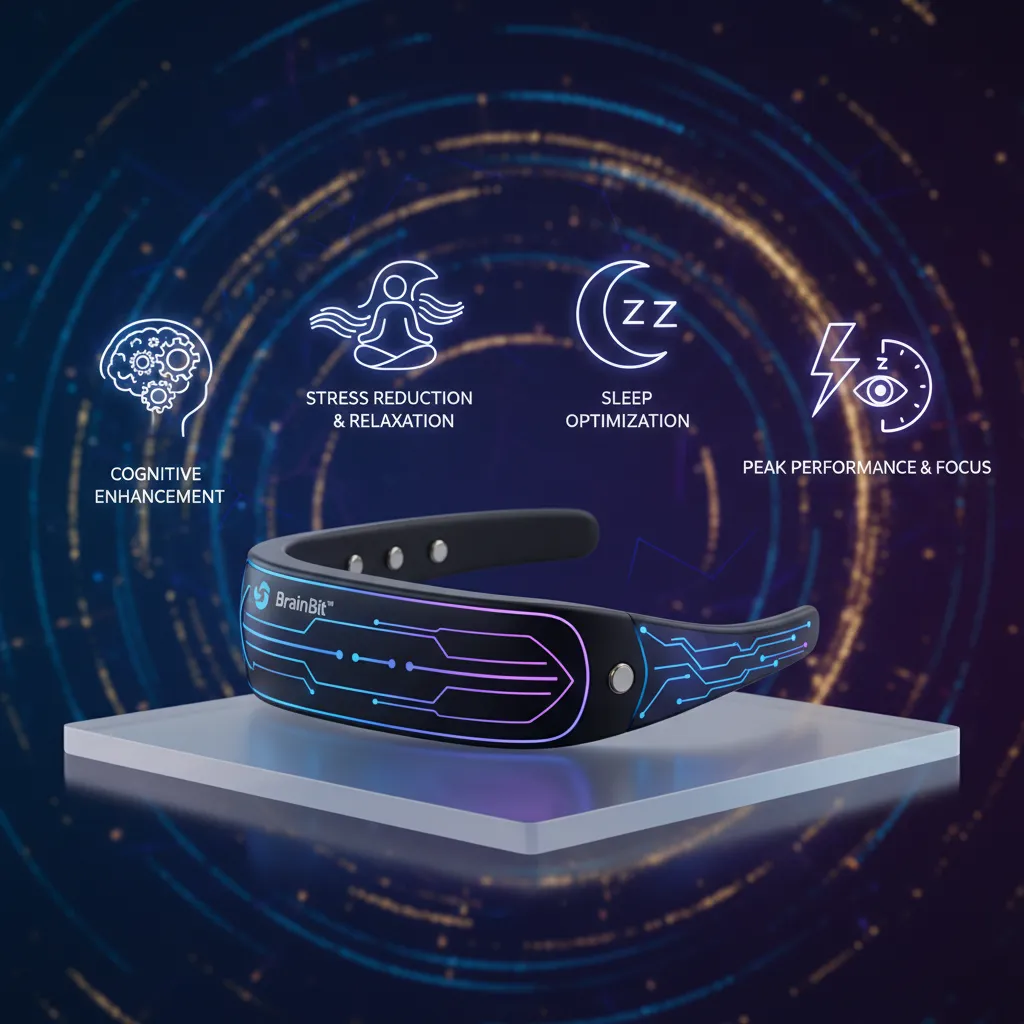
Close-up view of the BrainBit Headband showing its sleek design and dry EEG sensors, indicating advanced brainwave monitoring technology for neurofeedback and meditation.

4 Advanced Features of the BrainBit EEG Headband

Key Takeaways The BrainBit Headband is a pioneering EEG device designed for brainwave monitoring and neuro-optimization. It stands out with four core advanced features: dry EEG sensors for comfort and ease, real-time data streaming for immediate feedback, a versatile SDK empowering developers, and broad compatibility with neurofeedback and meditation apps. These features make it an

4 Advanced Features of the BrainBit EEG Headband Read More »

Scroll to Top