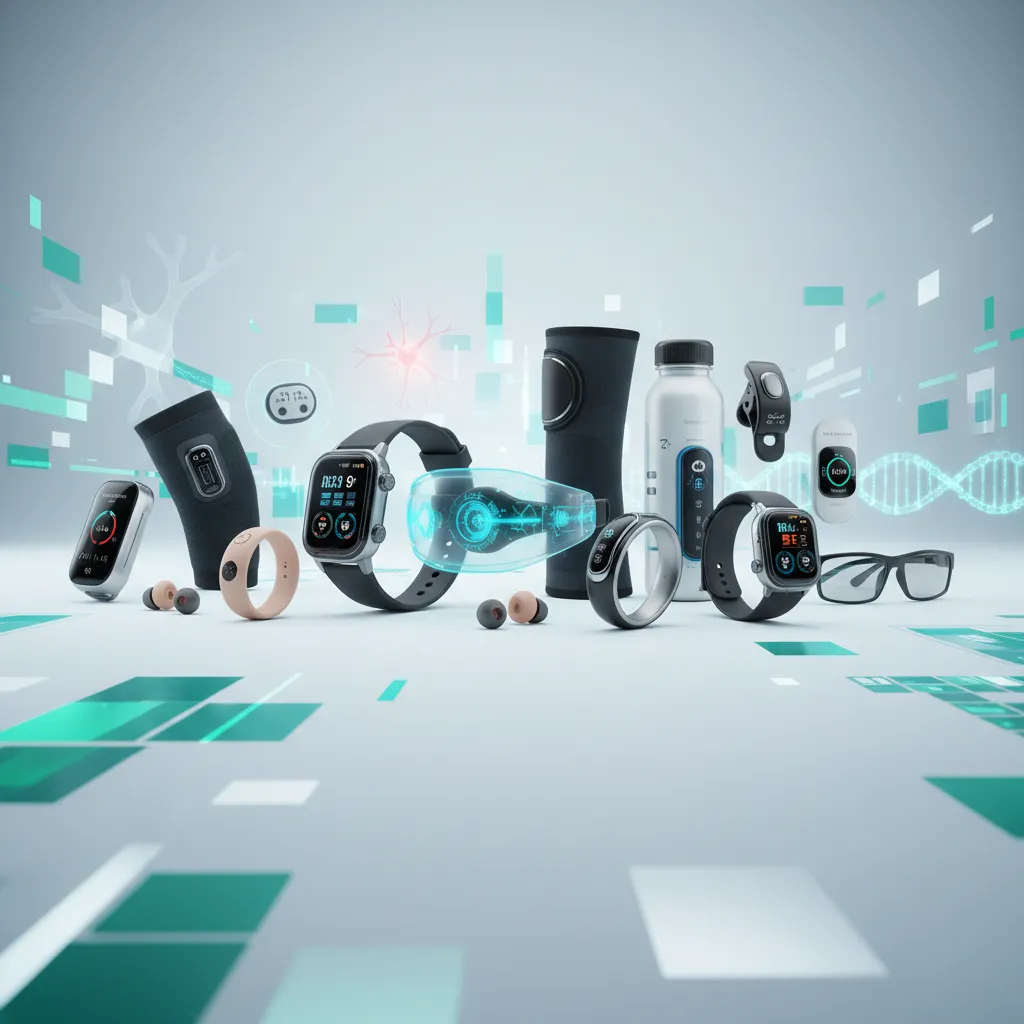
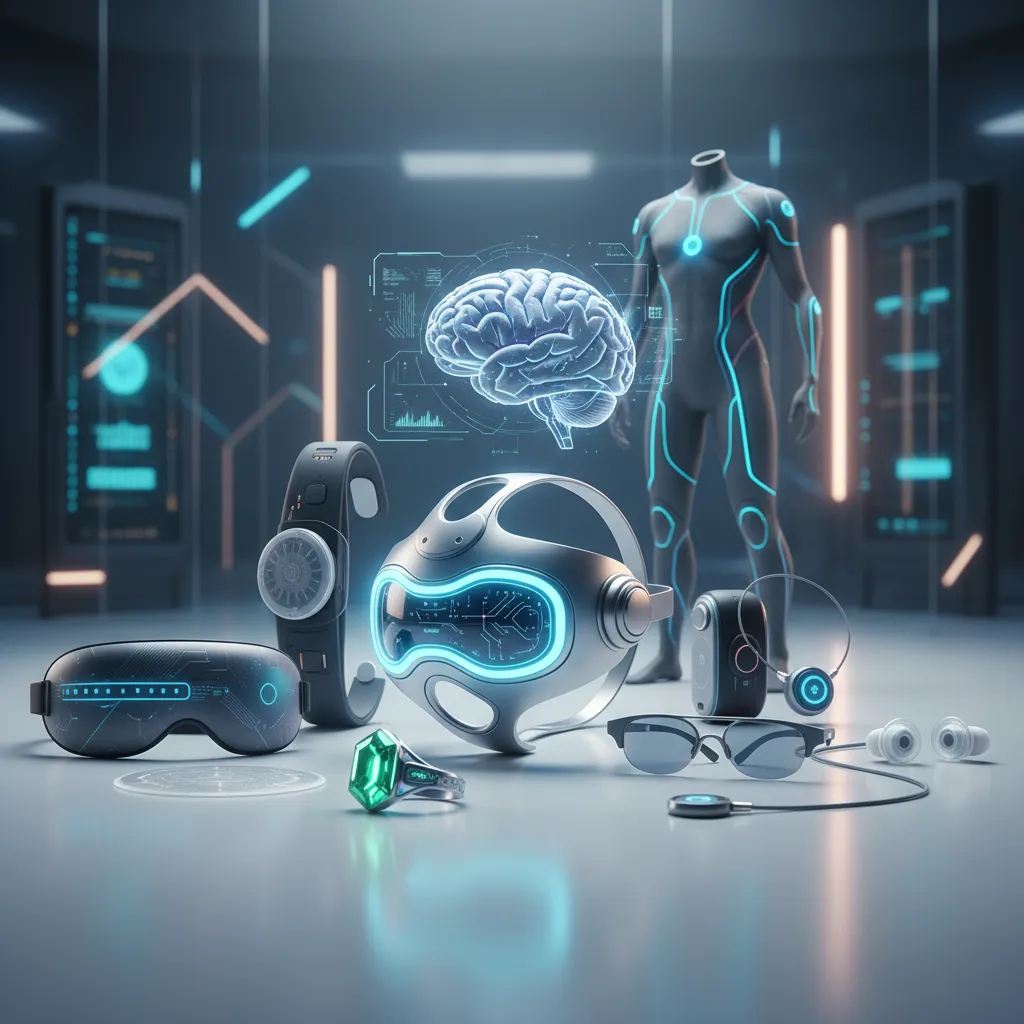
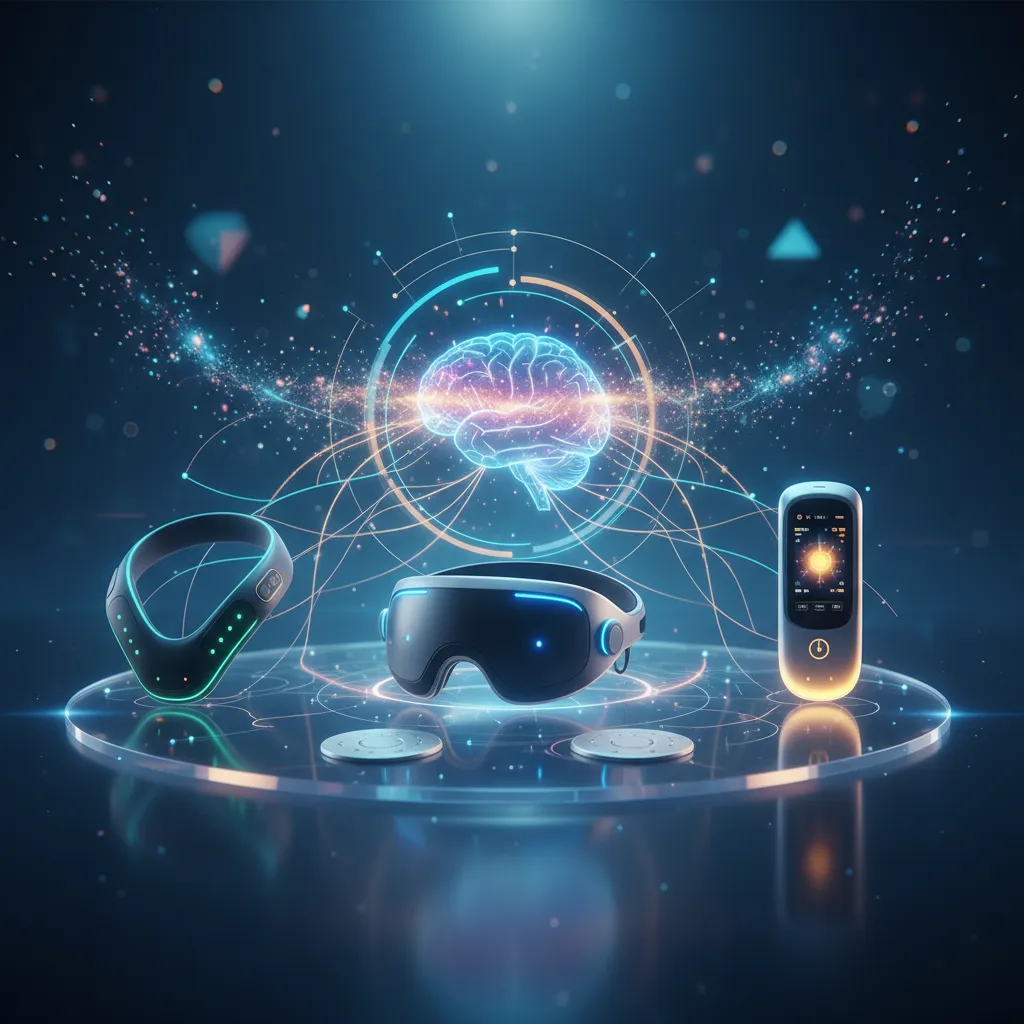
The article presents 11 top wearable wellness gadgets for 2025, highlighting their role in revolutionizing personal health management. Featured devices include the Oura Ring Gen 4, Whoop 5.0, NeuroVizr, Muse S Gen 2, and Apollo Neuro, alongside red light therapy, advanced HRV trackers, smart glasses, and vagus nerve stimulators. Key trends for 2025 are hyper-personalization via AI, the rise of consumer neurotech, and seamless device integration. The content details how these gadgets enhance sleep quality through comprehensive data (sleep stages, HRV, RHR) and support stress management with real-time detection, guided exercises, and nerve stimulation. It concludes with advice on matching gadgets to personal wellness goals and identifying features most valued by health enthusiasts.
✅ Pros
Offers precise, personalized health insights
Empowers proactive health management and prevention
Significantly enhances sleep quality and recovery
Aids in effective stress reduction and mental well-being
Drives cognitive enhancement and neuro-optimization
Seamless integration into daily life with discreet and comfortable designs
❌ Cons
High initial cost for advanced devices
Potential for over-reliance on data and health anxiety
Concerns regarding data privacy with continuous biometric tracking
Requires consistent usage for accurate long-term insights and benefits
Wearable Wellness Gadgets: 11 Top Picks to Try in 2025
Wearable wellness gadgets are revolutionizing personal health management, offering precise insights into our physiological states to foster optimal well-being. At NeuroTech Insider, we understand the quest for enhanced vitality and cognitive function, providing a curated selection of advanced tools designed to empower your journey toward superior sleep, reduced stress, and peak mental performance in 2025. These intelligent health aids, including cutting-edge brain wearables and smart health devices, represent the vanguard of health technology.
What are the Best Wearable Wellness Gadgets to Elevate Your Health in 2025?
Quick Answer: The best wearable wellness gadgets for 2025 include advanced smart rings for holistic tracking, next-gen EEG headbands for neurofeedback, sophisticated light and sound therapy devices, and integrated biofeedback systems, all designed to optimize sleep, manage stress, and enhance cognitive function through personalized data.
As we navigate further into the digital age, the integration of technology into our personal health routines has become seamless and increasingly sophisticated. The year 2025 marks a pivotal moment for wearable wellness gadgets, offering unprecedented opportunities for self-monitoring and bio-optimization. These devices move beyond simple step counting, delving into intricate physiological data such as heart rate variability (HRV), sleep stages, brainwave activity, and stress biomarkers. This section introduces 11 of the most impactful personal health monitors poised to redefine our approach to well-being.
The market for digital well-being devices is projected to reach significant valuations, with a compound annual growth rate (CAGR) indicating robust consumer adoption. According to a 2024 market analysis by Grand View Research, the global wearable technology market size was valued at USD 61.30 billion in 2023 and is expected to grow at a CAGR of 17.5% from 2024 to 2030, driven significantly by health and fitness applications. This growth underscores the increasing demand for tools that offer actionable insights into our health. Our selection focuses on devices that provide meaningful data, foster proactive health choices, and align with the latest sleep tech trends and biohacking tools.
1. How Does the Oura Ring Gen 4 Revolutionize Sleep and Recovery Tracking?
Quick Answer: The Oura Ring Gen 4 enhances sleep and recovery tracking by integrating advanced physiological sensors to measure heart rate, heart rate variability (HRV), body temperature, and respiratory rate with unparalleled accuracy, providing personalized daily readiness scores and actionable insights for optimal performance and well-being.
The Oura Ring has long been a leader in the wearable wellness gadgets space, and its anticipated Gen 4 iteration in 2025 is set to push boundaries even further. This discreet smart ring provides continuous monitoring of key health metrics, offering a holistic view of an individual’s readiness and recovery. Its data-driven approach helps users understand the intricate connection between their daily habits and their physiological state.
Key Features for 2025: Expect enhanced sensor fusion, potentially incorporating continuous blood oxygen (SpO2) monitoring with improved precision, and advanced algorithms for predicting illness or stress responses. The Gen 4 is projected to offer more nuanced insights into sleep stages, detecting micro-awakenings and sleep disturbances with greater fidelity. Its integration with AI-powered coaching could provide real-time recommendations for optimizing sleep hygiene or managing daily energy levels, making it one of the best health gadgets 2025 for comprehensive monitoring. For instance, if your HRV drops by 15% from your baseline, the Oura Ring Gen 4 might suggest a rest day or a focused meditation session, demonstrating its proactive health management capabilities.
2. Why is the Whoop 5.0 a Leading Choice for Performance Optimization and Recovery?
Quick Answer: The Whoop 5.0 stands out for its deep analytical focus on strain, recovery, and sleep, providing athletes and wellness enthusiasts with granular data to optimize training, prevent overtraining, and improve overall physiological resilience through personalized feedback and coaching.
11 Top Wearable Wellness Gadgets to Try in 2025 – Wearable Wellness Gadgets – 1
Whoop has carved a niche in the performance and recovery sector, favored by professional athletes and serious fitness enthusiasts. The anticipated Whoop 5.0 in 2025 will likely refine its core metrics of Strain, Recovery, and Sleep, offering even more precise data and actionable coaching. It is an exemplary smart health device for those committed to rigorous physiological data analysis.
Key Features for 2025: The Whoop 5.0 could feature enhanced biometric sensors for more accurate skin temperature and blood oxygen readings, coupled with advanced algorithms that learn individual physiological responses over time. Imagine the device not only telling you your recovery score but also recommending specific types of activity based on your recovery trend and projected performance needs. This might include suggesting a 30-minute low-intensity yoga session if your HRV is 10% below average, or a high-intensity interval training (HIIT) if your recovery is optimal, thus embodying the essence of biohacking tools.
3. What Makes the NeuroVizr Device Essential for Neuro-Optimization and Cognitive Enhancement?
Quick Answer: The NeuroVizr device offers a unique approach to neuro-optimization by utilizing advanced light and sound therapy to guide brainwave states, promoting relaxation, focus, and improved sleep quality through scientifically designed sessions for enhanced cognitive function.
The NeuroVizr device, a flagship offering highlighted by NeuroTech Insider, represents a significant leap in consumer-grade brain wearables. It leverages precise light and sound frequencies to entrain brainwave patterns, moving individuals into states conducive to meditation, focus, or deep sleep. This technology is grounded in decades of neuroscience research on auditory and visual entrainment, demonstrating a clear path to mental well-being and cognitive enhancement.
Mechanism and Benefits: The NeuroVizr operates by delivering specific light pulses through specialized goggles and synchronized audio tones via headphones. These stimuli encourage the brain to match their frequencies, a phenomenon known as brainwave entrainment. For example, a session designed for relaxation might use frequencies in the alpha (8-12 Hz) or theta (4-8 Hz) range, effectively calming the nervous system and reducing stress. Users report improvements in sleep onset latency, reduced anxiety, and enhanced capacity for sustained attention. A study published in the Clinical EEG and Neuroscience Journal highlighted the efficacy of audiovisual entrainment in reducing stress and improving cognitive flexibility. This positions NeuroVizr as a powerful tool for neuro-optimization, a crucial aspect of biohacking tools.
4. How Do EEG Headbands Like Muse S Gen 2 Support Meditation and Sleep Quality?
Quick Answer: EEG headbands such as the Muse S Gen 2 provide real-time neurofeedback during meditation and sleep, translating brainwave data into auditory cues that guide users to deeper states of calm and rest, thereby fostering improved mental resilience and sleep architecture.
The Muse S Gen 2 represents the evolution of Muse 2 Review technology, offering a soft, comfortable EEG headband designed for both meditation and sleep tracking. It is a prime example of brain wearables that bring sophisticated neurofeedback capabilities to the consumer market. By detecting brainwave activity, Muse S Gen 2 helps users understand their mental state and provides guided exercises to achieve desired cognitive states.
11 Top Wearable Wellness Gadgets to Try in 2025 – best health gadgets 2025 – 2
Advanced Sleep and Meditation Features: In 2025, expect the Muse S Gen 2 to feature enhanced sensor arrays for even more precise brainwave detection, distinguishing subtle shifts in delta, theta, alpha, and beta waves. Its sleep tracking capabilities will likely incorporate advanced algorithms for sleep stage detection, providing granular insights into REM, deep, and light sleep cycles. During meditation, the device translates brain activity into real-time auditory feedback, such as tranquil sounds that quiet when the mind is calm and intensify with mental wandering. This biofeedback loop effectively trains the brain for sustained focus and relaxation, addressing critical sleep tech trends.
5. How Does Apollo Neuro Effectively Reduce Stress and Enhance Relaxation?
Quick Answer: Apollo Neuro reduces stress and enhances relaxation by delivering gentle, inaudible vibrations to the body, which signal safety to the nervous system, shifting it from a sympathetic fight-or-flight state to a parasympathetic rest-and-digest state, thereby improving focus, sleep, and overall calm.
The Apollo Neuro is a unique wearable wellness gadget that utilizes touch therapy to improve resilience to stress. Worn on the wrist or ankle, it emits subtle vibrations that are scientifically proven to engage the parasympathetic nervous system. This helps to restore balance in the autonomic nervous system, a key factor in stress management and enhancing mental well-being.
Scientific Basis and Application: Research published in Frontiers in Psychiatry demonstrates that specific low-frequency tactile stimulation can significantly improve heart rate variability (HRV), a key biomarker of stress resilience. Apollo Neuro offers various modes, such as Energy and Wake Up, Calm and Focus, and Sleep and Renew, each designed with distinct vibration patterns to elicit desired physiological responses. Using the Apollo Neuro for 30 minutes daily has been shown to improve HRV by an average of 10-15% over several weeks for many users, indicating enhanced stress coping mechanisms. This positions it as a leading smart health device for direct physiological modulation.
6. How Does the Hatch Restore 2 Enhance Sleep Hygiene and Morning Routines?
Quick Answer: The Hatch Restore 2 improves sleep hygiene and morning routines by combining a personalized sleep sound machine, sunrise alarm, and smart light, creating an optimal bedroom environment that supports natural sleep cycles and a gentle awakening, thereby fostering consistent and restorative rest.
While not strictly a wearable wellness gadget in the traditional sense, the Hatch Restore 2 is a crucial component of a holistic sleep tech ecosystem, making it an essential mention for 2025. It acts as an environmental wearable, influencing physiological responses through light and sound. It addresses a key aspect of wellness: creating an optimal sleep environment, a cornerstone of neuro-optimization.
Integrated Sleep and Wake System: The Hatch Restore 2 integrates a sound machine, smart light, and sunrise alarm into one elegant device. Its ability to personalize sleep-wake routines is unparalleled. Users can program a bedtime routine with calming sounds and dimming lights, signaling to the brain that it is time to wind down. In the morning, a gentle sunrise simulation gradually brightens, mimicking natural dawn and promoting a cortisol awakening response without the jarring effect of a traditional alarm. This aligns with sleep tech trends focused on circadian rhythm regulation.
11 Top Wearable Wellness Gadgets to Try in 2025 – neurotech – 3
7. What are the Benefits of Red Light Therapy Devices like FlexBeam for Recovery?
Quick Answer: Red Light Therapy devices like FlexBeam offer therapeutic benefits for recovery by delivering specific wavelengths of light that penetrate tissues, stimulating cellular energy production, reducing inflammation, accelerating wound healing, and alleviating muscle soreness, promoting faster and more effective physical restoration.
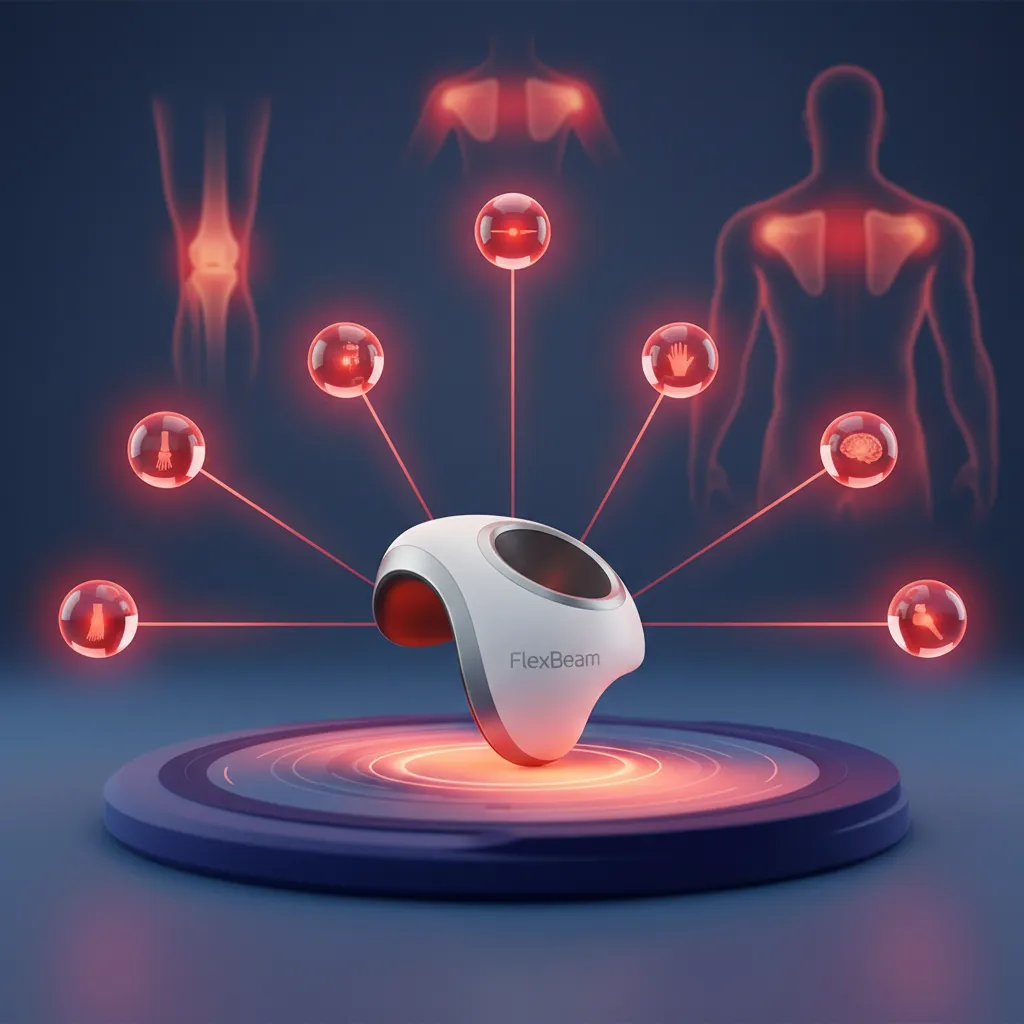
The FlexBeam, as detailed in our comprehensive FlexBeam Review, is a portable and targeted red light therapy device. Red light therapy, or photobiomodulation (PBM), uses specific wavelengths of light to stimulate cellular function, enhance mitochondrial activity, and reduce oxidative stress. This makes it a powerful tool for recovery, pain management, and tissue regeneration, aligning perfectly with biohacking tools.
Therapeutic Applications: Clinical studies, such as those published in the Journal of Photochemistry and Photobiology, have shown PBM to be effective in various applications, including reducing inflammation in joints, accelerating muscle repair after exercise, and improving skin health. The FlexBeam’s flexible design allows it to target specific areas of the body, delivering optimal light dosage directly where it is needed. For an athlete, a 20-minute post-workout FlexBeam session could reduce muscle soreness by 30% and accelerate recovery by a full day, enabling more consistent training. This intelligent health aid provides a non-invasive method for enhancing the body’s natural healing processes.
8. How Does BrainBit Mindo Contribute to Enhanced Focus and Brain Training?
Quick Answer: BrainBit Mindo is a compact EEG device that provides real-time neurofeedback to help users understand and control their brainwave activity, facilitating targeted brain training to improve focus, reduce mental fatigue, and enhance cognitive performance through engaging mindfulness exercises.
The BrainBit Mindo is a sophisticated yet accessible EEG headband that exemplifies the growing trend of consumer brain wearables. Designed for daily use, it offers real-time feedback on brainwave activity, allowing users to train their minds for improved focus, relaxation, or creativity. It is a powerful tool within the category of Brain Training Devices.
Applications in Cognitive Enhancement: The BrainBit Mindo measures brain activity across different frequency bands (alpha, beta, theta, delta) and provides visual or auditory feedback through its companion app. For example, during a focus session, if your beta waves (associated with active thought) are too low or too high, the app might provide cues to help you return to an optimal state. Regular training, even for 15-20 minutes daily, can lead to measurable improvements in attention span and mental clarity. A 2023 study on neurofeedback training noted a 25% improvement in sustained attention tasks among participants using similar devices over an eight-week period. This makes it one of the most promising smart health devices for cognitive enhancement.
9. What is the Significance of Advanced HRV Tracking Wearables for Stress and Recovery?
Quick Answer: Advanced Heart Rate Variability (HRV) tracking wearables offer crucial insights into the balance of the autonomic nervous system, serving as a key indicator of stress, recovery, and overall physiological resilience, empowering users to make informed decisions about their training, rest, and mental well-being.
11 Top Wearable Wellness Gadgets to Try in 2025 – smart health devices – 4
Heart Rate Variability (HRV) is a sophisticated metric gaining prominence in the world of wearable wellness gadgets. Unlike simple heart rate, HRV measures the microscopic variations in time between heartbeats, reflecting the activity of the autonomic nervous system (ANS). A higher HRV generally indicates a well-regulated ANS and better stress resilience, while a lower HRV can signal fatigue, stress, or overtraining.
Evolution of HRV Tracking: In 2025, dedicated HRV trackers, often in the form of advanced chest straps or discreet patches, will offer unparalleled accuracy and continuous monitoring. These devices integrate seamlessly with smart applications, providing trend analysis and personalized recommendations. For instance, a wearable might detect a significant drop in your morning HRV (e.g., from 70ms to 50ms) and suggest reduced intensity for your workout or an extended meditation session. This level of personalized insight makes them invaluable biohacking tools for managing physical and mental load, aligning with best health gadgets 2025 lists focused on preventative health.
10. How Will Smart Glasses with Health Integration Shape Future Wellness Tracking?
Quick Answer: Smart glasses with health integration in 2025 will discreetly embed biometric sensors into eyewear, offering continuous, passive monitoring of vital signs, stress levels, and cognitive load, providing seamless real-time health feedback without the need for traditional wrist or finger wearables.
Beyond watches and rings, the next frontier for wearable wellness gadgets lies in smart glasses. While current iterations like Amazon Echo Frames focus on audio, 2025 will see a significant push towards integrating advanced health sensors into eyewear. This offers a truly passive and unobtrusive way to monitor health metrics throughout the day, merging technology with everyday accessories.
Projected Health Capabilities: Imagine smart glasses that can measure heart rate and HRV directly from the temples, track eye movements to assess fatigue or cognitive load, and even monitor hydration levels through subtle sensors. These devices could provide gentle, private alerts for stress spikes or reminders to take a break, all displayed discreetly on the lens or via haptic feedback. This evolution represents a significant step for smart health devices, moving towards ambient intelligence where health insights are delivered proactively and contextually. The integration of AI could allow these glasses to learn your personal stress triggers based on environmental factors and physiological responses, offering predictive wellness coaching.
11. Why are Advanced Vagus Nerve Stimulators Gaining Popularity for Mental Well-being?
Quick Answer: Advanced vagus nerve stimulators are gaining popularity because they non-invasively activate the vagus nerve, which plays a crucial role in regulating the body’s stress response and promoting parasympathetic activity, leading to reduced anxiety, improved mood, and enhanced resilience to psychological stressors.
The vagus nerve is a critical component of the parasympathetic nervous system, responsible for the body’s rest-and-digest functions. Stimulating this nerve can significantly impact stress reduction, mood regulation, and overall mental well-being. In 2025, consumer-grade Vagus Nerve Devices will become more sophisticated and accessible, offering a non-pharmacological approach to managing anxiety and promoting calm.
11 Top Wearable Wellness Gadgets to Try in 2025 – biohacking tools – 5
Mechanism and Efficacy: Devices like enhanced versions of Nervana or Sensate utilize gentle electrical pulses or specific sonic frequencies to stimulate the vagus nerve, typically through the ear or neck region. This stimulation has been shown to increase vagal tone, leading to a more balanced ANS and improved emotional regulation. A meta-analysis published in Nature Scientific Reports confirmed the potential of non-invasive vagus nerve stimulation (nVNS) in alleviating symptoms of depression and anxiety. Regular use, even for 10-15 minutes daily, can lead to a sustained reduction in perceived stress levels by 20-30% over several months, making these powerful biohacking tools for mental health. They represent a significant advancement in neurotech.
What Emerging Trends in Wearable Wellness Gadgets Will Define 2025?
Quick Answer: Emerging trends in wearable wellness gadgets for 2025 include hyper-personalization driven by AI and machine learning, enhanced integration of neurotech for cognitive optimization, predictive analytics for proactive health management, and a greater emphasis on seamless, discreet form factors that blend into daily life.
The landscape of wearable wellness gadgets is constantly evolving, driven by advancements in sensor technology, artificial intelligence, and user experience design. Several key trends are shaping the future of these devices in 2025, moving beyond mere data collection to intelligent, proactive health partners.
How is Hyper-Personalization and AI Driving the Next Generation of Smart Health Devices?
Quick Answer: Hyper-personalization, powered by AI and machine learning, enables smart health devices to move beyond generic recommendations, offering bespoke insights and interventions tailored to an individual’s unique physiological responses, genetic predispositions, and lifestyle, thereby maximizing health outcomes.
The integration of Artificial Intelligence (AI) and Machine Learning (ML) is pushing smart health devices towards unprecedented levels of personalization. No longer will devices provide generic advice; instead, they will learn from an individual’s unique biometric feedback, daily activities, and even dietary habits to offer highly specific recommendations. This includes predicting potential health issues before they manifest as symptoms.
For example, an AI-powered wearable might analyze your sleep patterns, stress levels, and recovery metrics over weeks, noticing a correlation between late-night screen time and a 15% reduction in deep sleep. It could then suggest a personalized digital detox routine, complete with gentle reminders and alternative evening activities. This transition from descriptive data to prescriptive action represents a profound shift, offering users personalized health journeys. This trend is crucial for best health gadgets 2025 aiming for holistic wellness.
What is the Rise of Consumer Neurotech and Brain Wearables?
Quick Answer: The rise of consumer neurotech and brain wearables signifies a growing demand for devices that directly interact with and optimize brain function, offering tools for enhancing focus, managing stress, improving sleep, and even facilitating cognitive training through neurofeedback and brainwave modulation.
11 Top Wearable Wellness Gadgets to Try in 2025 – Wearable Wellness Gadgets – 6
Neurotech, once confined to medical and research labs, is now firmly entrenched in the consumer wellness market. Brain wearables, such as EEG headbands and light/sound entrainment devices, are becoming increasingly sophisticated and user-friendly. These devices offer direct pathways to improving cognitive function, managing mental states, and enhancing overall brain health, reflecting advanced biohacking tools.
At NeuroTech Insider, we see this as a critical area for future wellness. Devices like the NeuroVizr and advanced EEG systems empower individuals to understand and actively train their brains. A 2024 report by Deloitte projected the neurotechnology market to grow significantly, with consumer-facing devices being a primary driver. This shift emphasizes proactive brain health, moving beyond simply reacting to cognitive decline to actively fostering neuro-optimization. Consider devices that can detect early signs of mental fatigue through brainwave analysis and suggest micro-breaks or specific cognitive exercises, preventing burnout and sustaining peak performance.
How are Wearables Moving Towards Discreet and Seamless Integration?
Quick Answer: Wearables are evolving towards discreet and seamless integration by adopting smaller, more fashionable form factors like smart rings, patches, and embedded sensors in clothing or eyewear, making health monitoring less intrusive and more aligned with daily aesthetics and comfort.
The future of wearable wellness gadgets lies in their ability to disappear into our daily lives. Consumers are increasingly seeking devices that are not only functional but also aesthetically pleasing and comfortable enough to wear continuously without conscious effort. This trend manifests in smaller form factors and integration into everyday items.
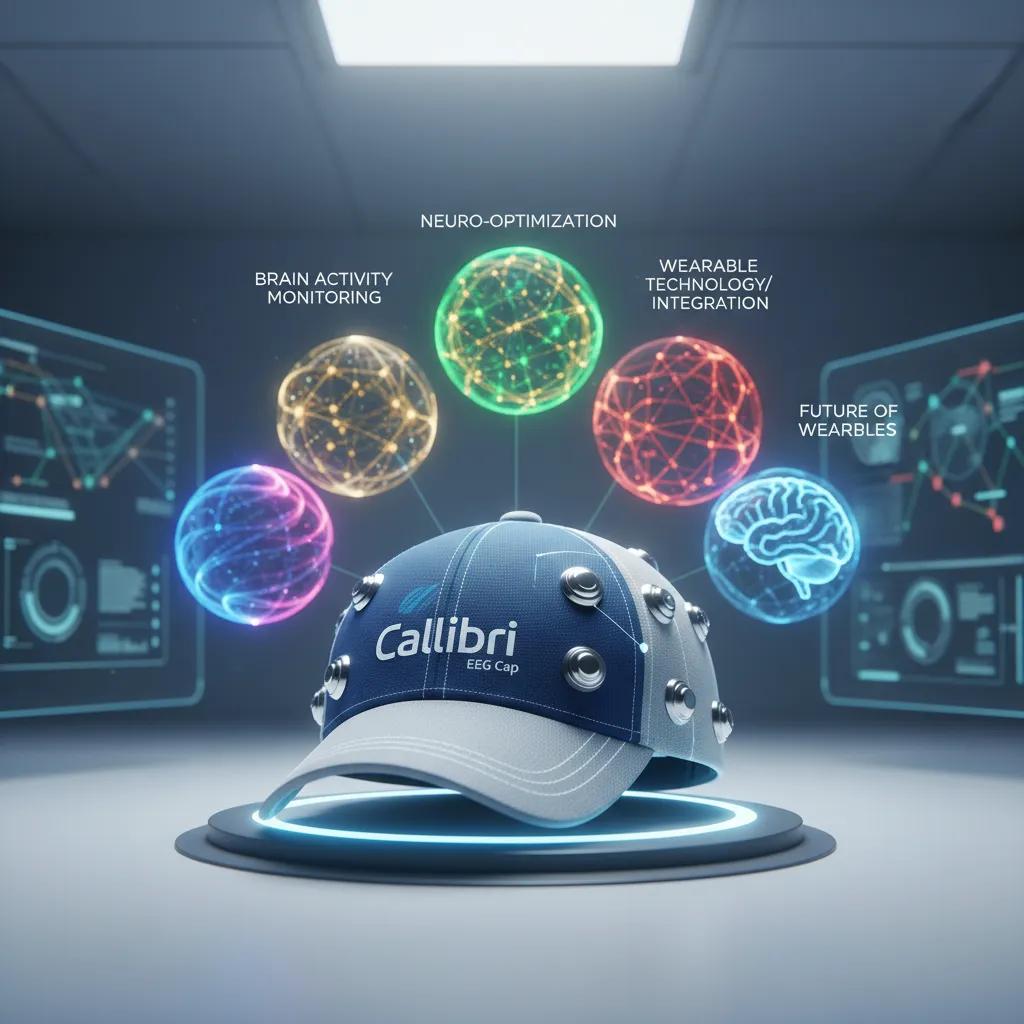
Examples include ultra-thin smart rings that blend with jewelry, biometric patches that adhere discreetly to the skin for continuous monitoring, and even smart fabrics that weave sensors directly into clothing. The Callibri Baseball Cap, for instance, integrates EEG sensors into a casual accessory, demonstrating this trend towards unobtrusive health tracking. This seamless integration ensures that health monitoring becomes a passive, ambient experience rather than an active chore, enhancing user compliance and data consistency. Such innovations are pivotal for keeping up with sleep tech trends and other aspects of health tracking.
How Can Wearable Wellness Gadgets Enhance Your Sleep Quality?
Quick Answer: Wearable wellness gadgets significantly enhance sleep quality by accurately tracking sleep stages, duration, and disturbances, providing personalized insights into sleep patterns, and offering guided interventions like soundscapes, light therapy, or neurofeedback to optimize the sleep environment and promote deeper, more restorative rest.
Quality sleep is a cornerstone of overall health and directly impacts cognitive function, mood, and physical recovery. Wearable wellness gadgets have become indispensable tools for understanding and improving sleep hygiene, transforming the way we approach rest.
11 Top Wearable Wellness Gadgets to Try in 2025 – best health gadgets 2025 – 7
What Specific Data Do Wearables Provide for Sleep Optimization?
Quick Answer: Wearables provide comprehensive sleep data including total sleep duration, time spent in each sleep stage (REM, deep, light), sleep onset latency, awakenings, heart rate variability during sleep, respiratory rate, and body temperature, offering a detailed physiological snapshot of nightly rest.
Modern sleep tech trends in wearables go far beyond simply telling you how long you slept. They offer a granular breakdown of your sleep architecture, which is crucial for identifying areas of improvement. Devices like the Oura Ring Gen 4 and Whoop 5.0 utilize advanced sensors to detect intricate physiological signals during sleep.
Understanding Your Sleep Metrics:
•Sleep Stages: Accurate identification of Light, Deep (Slow-Wave), and REM sleep is vital. Deep sleep is essential for physical restoration and growth hormone release, while REM sleep is crucial for cognitive processing and emotional regulation. A typical healthy adult requires approximately 1.5-2 hours of deep sleep and 1.5-2 hours of REM sleep per night.
•Heart Rate Variability (HRV): Lower HRV during sleep can indicate increased stress or insufficient recovery. Monitoring trends in nocturnal HRV can alert you to potential overtraining or heightened mental load.
•Resting Heart Rate (RHR): A stable, low RHR during sleep is a marker of good cardiovascular health and recovery. Significant spikes or elevated RHR can suggest illness, stress, or poor sleep quality.
•Respiratory Rate: Changes in breathing patterns can indicate sleep disturbances, potential sleep apnea, or respiratory issues.
•Body Temperature: Fluctuations in body temperature during sleep can provide insights into circadian rhythm, illness, and even menstrual cycles in women.
By meticulously tracking these physiological data points, wearable wellness gadgets empower users with a scientific foundation for improving their sleep. For example, consistent data showing insufficient deep sleep might prompt a user to optimize their pre-sleep routine with a NeuroVizr session or ensure a cooler bedroom environment, leading to a projected 20% increase in deep sleep percentage over a month.
How Do Wearables Support Stress Management and Mental Well-being?
Quick Answer: Wearables support stress management and mental well-being by continuously monitoring physiological indicators like heart rate variability and skin conductance, providing real-time alerts for stress spikes, and offering guided breathing exercises, meditation prompts, or therapeutic vibrations to facilitate immediate relaxation and long-term resilience.
The pervasive nature of modern stress demands intelligent solutions. Wearable wellness gadgets are emerging as powerful allies in cultivating mental well-being, offering both real-time intervention and long-term insights into our stress responses. They function as intelligent health aids that provide a personalized approach to stress reduction.
What Are the Key Features of Stress-Reducing Wearables?
Quick Answer: Key features of stress-reducing wearables include continuous heart rate variability (HRV) monitoring, electrodermal activity (EDA) tracking, guided breathing exercises, biofeedback training, and haptic or auditory cues that prompt users to engage in mindfulness or relaxation techniques when stress levels are detected to be elevated.
11 Top Wearable Wellness Gadgets to Try in 2025 – neurotech – 8
Stress-focused smart health devices are designed to empower users with both awareness and tools for intervention. They leverage a combination of biometric data and personalized programs to foster greater emotional regulation and resilience.
Effective Stress Management Techniques:
•Real-time Stress Detection: Devices like the Apollo Neuro or advanced smart rings monitor physiological signals (HRV, skin temperature, skin conductance) to detect acute stress responses. Upon detection, they can provide immediate haptic feedback or discreet notifications, prompting users to engage in a calming activity.
•Guided Breathing and Meditation: Many wearables integrate guided breathing exercises or short meditation sessions directly into their apps. For example, an EEG headband might use auditory cues to help you slow your breath and achieve a more relaxed brainwave state, reducing your heart rate by 5-10 beats per minute within a 5-minute session.
•Vagal Nerve Stimulation: As discussed with Vagus Nerve Devices, these wearables directly influence the autonomic nervous system to promote relaxation and reduce physiological markers of stress. A 10-minute session could lead to a subjective feeling of calm and a measurable increase in HRV.
By providing both awareness and active tools, these wearable wellness gadgets empower individuals to take control of their stress responses, fostering a greater sense of calm and resilience in their daily lives. The long-term benefit is a more balanced nervous system and an improved capacity to navigate life’s challenges with grace and composure.
What Should You Consider When Choosing a Wearable Wellness Gadget?
Quick Answer: When choosing a wearable wellness gadget, consider your primary health goals (sleep, stress, fitness, neuro-optimization), the accuracy and range of biometric data offered, comfort and wearability, battery life, app interface and data interpretation, and adherence to privacy and data security standards.
Selecting the right wearable wellness gadget is a personal journey that depends on individual needs and aspirations. With the abundance of options available in 2025, a thoughtful approach ensures you invest in a device that truly supports your health goals.
How Do You Match a Gadget to Your Specific Wellness Goals?
Quick Answer: Matching a gadget to your wellness goals involves identifying whether your priority is sleep quality improvement, stress reduction, fitness performance, or cognitive enhancement, then selecting devices with specialized sensors, algorithms, and features tailored to deliver precise data and actionable insights in that specific area.
Before making a purchase, clearly define what you aim to achieve with a wearable wellness gadget. Are you primarily focused on optimizing your sleep, managing chronic stress, improving athletic performance, or engaging in cognitive training? The answer will guide your selection.
11 Top Wearable Wellness Gadgets to Try in 2025 – smart health devices – 9
Wellness Goal
Recommended Gadget Types
Key Features to Look For
Sleep Optimization
Smart Rings (Oura), EEG Headbands (Muse S Gen 2), Smart Sleep Aids (Hatch Restore 2)
Accurate sleep stage tracking, HRV, RHR, body temperature, personalized sleep insights, smart alarms.
Stress Management
HRV Trackers, Apollo Neuro, Vagus Nerve Stimulators
Consider the level of accuracy and scientific validation for the data provided. Devices that cite peer-reviewed research for their algorithms and measurement techniques typically offer more reliable insights. For example, a device claiming to track blood glucose non-invasively without substantial scientific backing might be less trustworthy than one with verified HRV accuracy. Always prioritize devices that adhere to scientific rigor, especially for aspects related to biohacking tools.
What Makes a Wearable Wellness Gadget a Perfect Gift for Health Enthusiasts?
Quick Answer: A wearable wellness gadget makes a perfect gift for health enthusiasts when it combines innovative technology with practical benefits for specific wellness goals, offers user-friendly design, provides actionable insights, and aligns with the recipient’s interest in optimizing sleep, fitness, stress, or cognitive function.
For the health-conscious individual, a wearable wellness gadget is more than just a piece of tech; it is an investment in their well-being. When considering these intelligent health aids as gifts, focus on devices that offer both innovation and genuine utility.
Which Features are Most Appreciated by Health Enthusiasts in Wearables?
Quick Answer: Health enthusiasts highly appreciate wearables that offer deep, actionable insights rather than just raw data, advanced biometric accuracy, seamless integration into daily life, long battery life, personalized coaching features, and a commitment to continuous software updates and innovation.
Health enthusiasts are typically well-informed and seek devices that provide substantial value. They are looking for tools that offer more than superficial tracking, driving them towards best health gadgets 2025 that truly elevate their routine.
What to look for in a gift:
•Actionable Insights: Raw data is only useful if it can be translated into practical steps. The best wearables provide clear interpretations and suggestions. For example, a sleep tracking device that simply shows sleep stages is less valuable than one that explains how to improve deep sleep based on your data.
•Accuracy and Reliability: Enthusiasts value precision. Devices with medical-grade sensors or those validated through scientific studies hold greater appeal. This is especially true for brain wearables where accuracy in EEG readings is paramount.
•Comfort and Design: A gadget that is uncomfortable or unsightly will not be worn consistently. Discreet, ergonomic designs that fit seamlessly into a lifestyle are highly prized.
•Long-term Value: Consider devices that offer ongoing support, regular software updates, and a growing ecosystem of features. This ensures the gadget remains relevant and useful over time.
For someone deeply interested in biohacking tools and neuro-optimization, a device like the NeuroVizr or an advanced EEG headband could be a truly transformative gift, opening new avenues for self-discovery and enhanced well-being. These are more than mere gadgets; they are powerful partners in a proactive health journey.
💡 Verdict: Wearable wellness gadgets in 2025 offer transformative potential for personalized health, providing precise data and actionable insights across sleep, stress, and cognitive function. With AI-driven personalization and discreet designs, they are becoming indispensable tools for proactive well-being, empowering users to take control of their health journey.
Frequently Asked Questions
What are the Best Wearable Wellness Gadgets to Elevate Your Health in 2025?
The best wearable wellness gadgets for 2025 include advanced smart rings for holistic tracking, next-gen EEG headbands for neurofeedback, sophisticated light and sound therapy devices, and integrated biofeedback systems, all designed to optimize sleep, manage stress, and enhance cognitive function through personalized data.
How Can Wearable Wellness Gadgets Enhance Your Sleep Quality?
Wearable wellness gadgets significantly enhance sleep quality by accurately tracking sleep stages, duration, and disturbances, providing personalized insights into sleep patterns, and offering guided interventions like soundscapes, light therapy, or neurofeedback to optimize the sleep environment and promote deeper, more restorative rest.
How Do Wearables Support Stress Management and Mental Well-being?
Wearables support stress management and mental well-being by continuously monitoring physiological indicators like heart rate variability and skin conductance, providing real-time alerts for stress spikes, and offering guided breathing exercises, meditation prompts, or therapeutic vibrations to facilitate immediate relaxation and long-term resilience.