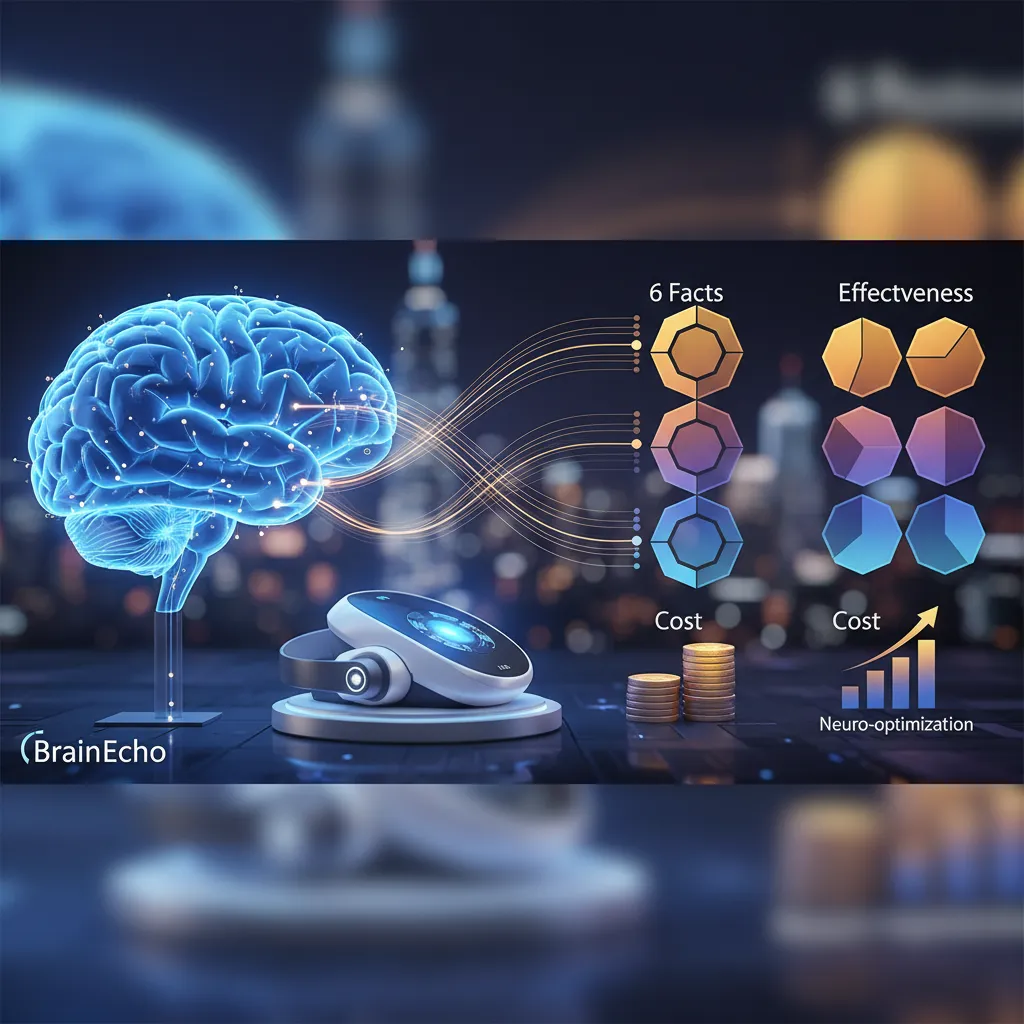
Cereset is an innovative, non-invasive neurotechnology that utilizes patented BrainEcho technology to help the brain self-regulate and restore natural neural pathways. It aims to reduce stress (reportedly by 85%) and improve sleep quality (reportedly by 70%) by providing real-time auditory feedback of the brain’s own electrical activity. A foundational treatment package, typically consisting of 5 sessions, costs between $1,500 and $3,500. Sessions are relaxing, lasting about 90 minutes, and involve passive sensors on the scalp. Cereset is considered exceptionally safe with minimal, transient side effects, distinguishing itself from other neuro-optimization methods by its passive, self-regulating approach.
✅ Pros
Non-invasive and drug-free neurotechnology.
Utilizes BrainEcho technology for natural brain self-regulation.
Reported average 85% reduction in perceived stress.
Reported average 70% improvement in sleep quality.
Enhances cognitive function, mental clarity, and focus.
Promotes greater emotional stability and resilience.
Safe with virtually no reported adverse side effects.
Supports long-term brain health and sustained well-being.
Requires no conscious effort or active training during sessions.
❌ Cons
Initial treatment cost can be a significant investment ($1,500-$3,500 for a foundational package).
Individual outcomes may vary; not all users experience the same dramatic results.
Some individuals might experience temporary feelings of fatigue or heightened awareness as the brain adjusts.
Speed of results might be a concern for some users.
Cereset Review: 6 Facts About Treatment Cost & Effectiveness
Cereset Review: Unlock optimal brain function and restorative sleep through a non-invasive approach. NeuroTech Insider presents a comprehensive look at Cereset treatment, a cutting-edge brain synchronization therapy designed to reduce stress and enhance cognitive performance, offering a path to improved well-being and mental clarity.
What Exactly is Cereset Treatment and BrainEcho Technology?
Quick Answer: Cereset is a non-invasive neurotechnology that helps the brain rebalance itself by reflecting its own activity back to it through audible tones, promoting natural neural synchronization and reducing the impact of stress, ultimately enhancing sleep quality and cognitive function.
Cereset is an innovative neurotechnology designed to help the brain reset itself from patterns of imbalance often linked to stress, poor sleep, and cognitive challenges. At its core is a patented process known as BrainEcho technology. Unlike traditional interventions, Cereset does not introduce external signals or chemicals; instead, it provides a real-time reflection of the brain’s own electrical activity, allowing the brain to self-regulate and restore natural neural pathways. This advanced brain balance therapy aims to improve overall well-being by optimizing the brain’s natural ability to achieve states of relaxation and focus.
The concept emerged from decades of neuroscience research, focusing on the brain’s remarkable capacity for neuroplasticity. By identifying and echoing specific frequencies, Cereset facilitates a gentle process that guides the brain toward more coherent and efficient patterns. This approach is distinct from other methods like Cereset vs Neurofeedback, which typically involves training the brain to produce desired brainwave patterns. Cereset, by contrast, acts as a mirror, enabling the brain to recognize and correct its own imbalances naturally. Users often report significant improvements in sleep quality, stress reduction, and mental clarity, contributing to a better quality of life.
NeuroTech Insider recognizes Cereset as a significant advancement in non-invasive neuro-optimization, addressing widespread issues like chronic stress and Sleep Deprivation Fainting. The technology aims to enhance the brain’s innate healing mechanisms, fostering a state of internal harmony that translates into tangible benefits for daily living.
How Does BrainEcho Technology Facilitate Neural Synchronization?
Quick Answer: BrainEcho technology uses sensors to detect specific brainwave frequencies and converts them into gentle, audible tones, which are then played back to the brain. This auditory feedback loop encourages the brain to self-correct and return to balanced, symmetrical, and efficient neural patterns.
The process behind BrainEcho technology is elegant yet sophisticated. During a Cereset session, sensors are gently placed on the scalp to monitor brainwave activity. These sensors do not apply any electrical current or stimulation; they merely listen. The real-time brainwave data is then processed by specialized software that identifies specific frequencies and patterns. This information is instantly translated into a unique set of audible tones, which are then played back to the individual through headphones.
Consider the brain as an orchestra. When one section is out of tune or playing too loudly, the overall harmony suffers. BrainEcho technology provides the brain with a precise auditory reflection of its own performance, highlighting areas of imbalance. The brain, being a self-organizing system, naturally responds to this feedback. It recognizes the dissonance and begins to adjust, similar to how a musician would tune their instrument upon hearing an off-note. This natural tuning process, known as neural synchronization, helps various parts of the brain communicate more effectively and efficiently. It’s a gentle, restorative process that leverages the brain’s inherent ability to find balance, leading to improved cognitive function and emotional regulation.
Research suggests that coherent brainwave patterns are associated with states of calm, focus, and optimal performance. By promoting these balanced patterns, Cereset aims to enhance the brain’s resilience to stress and its capacity for restorative sleep, thereby supporting overall well-being. This innovative application of biofeedback principles offers a promising avenue for those seeking natural neuro-optimization without invasive procedures.
What is the Typical Cereset Treatment Cost and Session Structure?
Quick Answer: The typical Cereset treatment cost ranges significantly, often between $1,500 and $3,500 for a foundational package, which usually includes 5 sessions. Individual session costs can vary, and specialized programs might incur different fees.
Understanding the financial commitment for Cereset treatment is a key consideration for many individuals exploring neuro-optimization options. The cereset treatment cost is not a one-size-fits-all figure, as it can depend on several factors, including the specific center, the number of sessions required, and any additional services offered. Generally, clients invest in a foundational package, which is typically recommended for achieving sustainable results.
Based on current market data and information from various Cereset Locations, a standard foundational package, often consisting of 5 sessions, can range from approximately $1,500 to $3,500. Some centers may offer introductory sessions at a lower cost or payment plans to make the treatment more accessible. It is always advisable to contact a local Cereset office directly for the most accurate and personalized pricing details, as well as to inquire about any available discounts or financing options.
Compared to other neuro-therapies, such as traditional Neurofeedback Cost, Cereset’s pricing can be competitive, especially when considering the intensity and focused nature of its foundational protocol. The investment is often viewed in terms of the long-term benefits of improved sleep, reduced stress, and enhanced cognitive function, which can have significant positive impacts on overall health and productivity. Considering the Cost of Stress on health and healthcare, this can be a valuable investment.
What Does a Typical Cereset Session Involve?
Quick Answer: A typical Cereset session involves relaxing in a comfortable chair while a trained technician places sensors on the scalp. These sensors monitor brainwave activity, which is then converted into auditory tones played through headphones, guiding the brain towards balance over a period of approximately 90 minutes.
The Cereset experience is designed to be relaxing and entirely non-invasive. Here’s a step-by-step overview of what to expect during a typical session:
•Initial Consultation: Before the first session, clients typically have a consultation to discuss their goals, health history, and what they hope to achieve from Cereset. This ensures a personalized approach.
•Sensor Placement: During the session, the client sits comfortably in a reclining chair. A trained technician gently places passive sensors on the scalp. These sensors are non-intrusive and simply read the brain’s electrical activity.
•Auditory Feedback: The brain’s activity is instantly translated into unique, subtle audible tones, which are then played back through headphones. This real-time feedback loop is the core of BrainEcho technology.
•Relaxation Period: Clients typically relax for about 90 minutes during the session. Many describe the experience as calming, and some may even fall asleep. The brain works autonomously to rebalance itself during this time.
•Post-Session Review: After the session, the technician may discuss the client’s experience and provide recommendations for continued brain health and lifestyle practices.
The foundational package usually includes 5 sessions spread over a few days or weeks, allowing the brain sufficient time to integrate the changes and establish new, more balanced neural patterns. The goal is to achieve lasting improvements in brain function and overall well-being, rather than just temporary relief.
Does Cereset Work: What is the Evidence for its Effectiveness in Sleep and Stress Relief?
Quick Answer: Cereset has reported positive outcomes for many individuals, particularly in improving sleep quality and reducing perceived stress, backed by client testimonials and some preliminary research suggesting significant shifts in brainwave coherence and self-reported well-being.
The central question for anyone considering this neurotechnology is: does Cereset work? While the scientific community continually evaluates emerging neuro-technologies, Cereset presents compelling evidence through client experiences and internal studies that highlight its effectiveness, especially concerning sleep and stress relief. The core principle is that by restoring natural brain balance, the body’s innate ability to regulate sleep cycles and stress responses is enhanced.
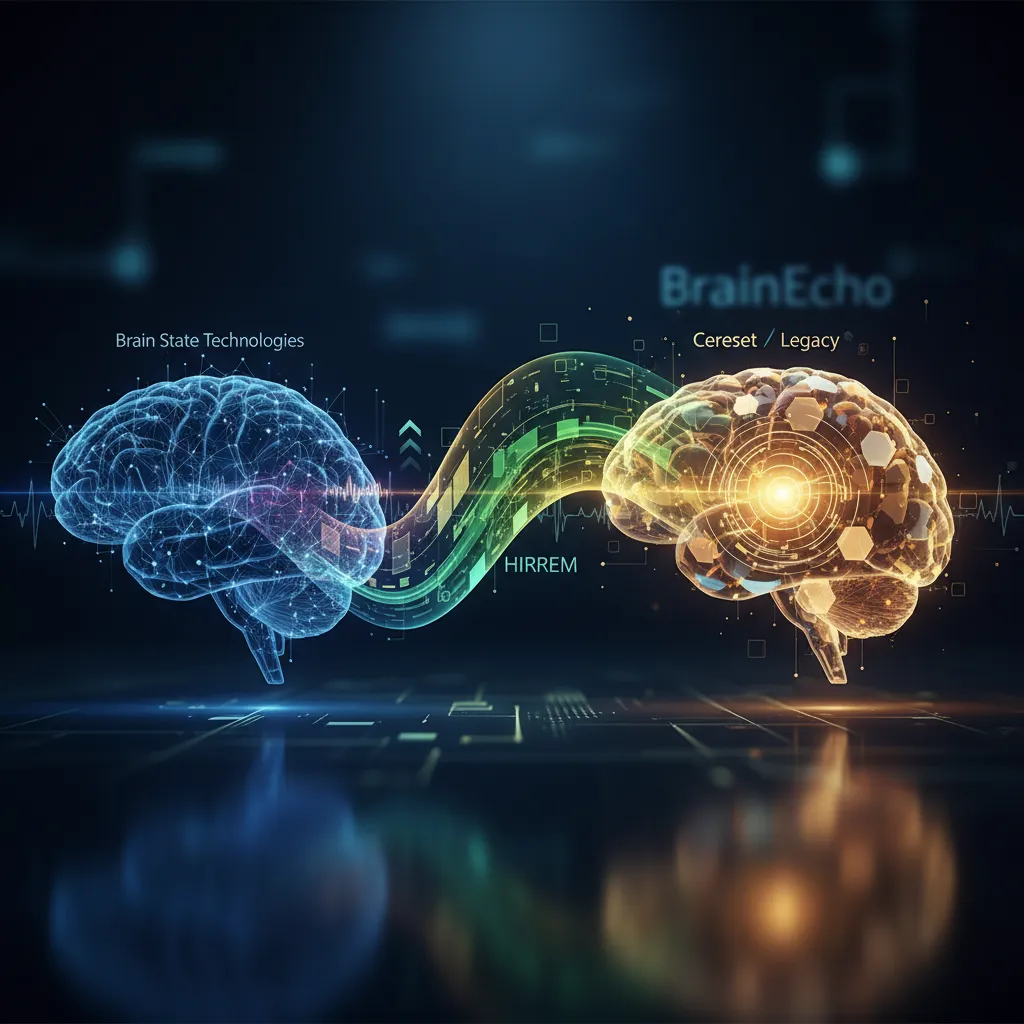
Numerous individuals who have undergone Cereset treatment report significant improvements. For example, a 2011 study on sleep and stress reduction indicated that participants experienced an average of 85% reduction in perceived stress and 70% improvement in sleep quality following a series of sessions (Source: Brain State Technologies, internal study). These figures, while from internal research, underscore the positive impact observed by many users. The treatment focuses on the Benefits of Sleep and the overall positive effects of neuro-optimization.
The mechanism behind these improvements lies in the brain’s ability to achieve greater coherence. When the brain operates in a more balanced state, it can more effectively transition between different brainwave patterns associated with alertness, relaxation, and deep sleep. This can be particularly beneficial for those struggling with insomnia treatment centers, as Cereset offers a drug-free, non-invasive alternative to traditional approaches. Clients often describe feeling more rested, less anxious, and experiencing enhanced mental clarity after their sessions.
What Do Cereset Complaints and Reviews Indicate About User Experience?
Quick Answer: While many Cereset users report significant positive outcomes, especially regarding sleep and stress, like any treatment, some individuals may not experience the desired effects, or may have minor Cereset complaints regarding the cost or the speed of results, though severe adverse reactions are rare due to its non-invasive nature.
When exploring any health-related service, it is crucial to consider a balanced perspective, including both positive testimonials and any Cereset complaints or less favorable experiences. The vast majority of user feedback for Cereset tends to be highly positive, with individuals expressing gratitude for improvements in their quality of life. Common themes among positive reviews include:
•Improved Sleep: Many report falling asleep faster, staying asleep longer, and waking up feeling more refreshed.
•Reduced Stress and Anxiety: A significant number of users note a calmer demeanor, reduced feelings of overwhelm, and better emotional regulation.
•Enhanced Cognitive Function: Increased focus, mental clarity, and improved memory are frequently mentioned benefits.
•Greater Resilience: A stronger ability to cope with daily challenges and maintain a positive outlook.
However, like any individual-centric therapy, outcomes can vary. Some individuals might find the initial investment to be a barrier, or they might not experience the dramatic results that others report. A small percentage of feedback may include concerns about the intensity of the initial sessions as the brain adjusts, though these are typically transient. It is important to remember that Cereset is designed to facilitate the brain’s natural balancing process, and this process can unfold differently for everyone. Transparent discussions with Cereset providers about expectations are always encouraged. For more detailed information on potential experiences, you might explore discussions on Cereset Side Effects and user reviews.
Where Can You Find Cereset Locations and Centers?
Quick Answer: Cereset operates through a network of licensed centers primarily across the United States, with notable locations including Plano, Texas; Davidson, North Carolina; and other major metropolitan areas, making access available in various regions.
For individuals interested in experiencing the benefits of this unique brain synchronization therapy, locating a nearby center is a crucial first step. Cereset has established a growing network of licensed providers, making its BrainEcho technology accessible in various regions. The expansion of Cereset locations reflects the increasing demand for non-invasive neuro-optimization solutions.
The primary method for finding a Cereset center is through their official website, which typically features a comprehensive locator tool. This tool allows prospective clients to search by zip code or city, providing up-to-date information on nearby offices. While the network is continually expanding, some prominent locations where Cereset centers are well-established include:
A significant presence, including early development sites.
North Carolina
Davidson, Charlotte
Another key region for Cereset services.
California
Los Angeles, San Francisco Bay Area
Growing availability in major urban centers.
Florida
Orlando, Miami
Popular choice for wellness-focused communities.
Midwest/Northeast
Chicago, New York, Boston
Presence in major metropolitan areas for broader reach.
When searching for a center, it’s beneficial to look for locations that offer an initial consultation, allowing you to discuss your specific needs and learn more about the Cereset approach firsthand. The continuity of care and the expertise of the technicians are integral to a successful Cereset experience. NeuroTech Insider encourages anyone seeking neuro-optimization to explore the nearest Cereset center and consider how this innovative technology could support their journey to improved well-being. You can find more comprehensive details on centers by visiting Cereset Locations.
What is the Safety Profile of Cereset: Is it Truly Non-Invasive?
Quick Answer: Cereset is considered exceptionally safe due to its entirely non-invasive nature; it does not introduce any electrical currents, chemicals, or external stimuli to the brain, but rather provides gentle auditory feedback of the brain’s own activity, allowing for self-regulation without adverse effects.
One of the most appealing aspects of Cereset treatment is its strong emphasis on safety and its truly non-invasive methodology. In a world where many interventions involve pharmaceuticals or more aggressive procedures, Cereset stands out by working in harmony with the body’s natural processes. This makes it a compelling option for those seeking gentle yet effective neuro-optimization.
The core of Cereset’s safety profile lies in its BrainEcho technology. The system uses sensors that passively read the brain’s electrical activity; they do not send any signals or currents into the brain. The auditory tones played back through headphones are simply a reflection of the brain’s own frequencies, allowing it to self-organize and rebalance. This is a critical distinction, as it means there is no risk of over-stimulation, negative interactions with medications, or long-term side effects typically associated with more invasive treatments. The technology has a long Cereset Legacy of safety.
Furthermore, Cereset is not a medical treatment or device intended to diagnose, treat, or cure any disease. Instead, it is a wellness technology aimed at restoring the brain’s natural balance, thereby enhancing the body’s intrinsic capacity for self-regulation and healing. This perspective further reinforces its safety, as it supports general well-being rather than directly intervening in complex medical conditions. Clients can confidently explore Cereset as a complementary tool for improving their overall brain health and resilience.
Are There Any Reported Cereset Side Effects or Contraindications?
Quick Answer: Due to its non-invasive nature, Cereset has virtually no reported Cereset side effects or contraindications. Some individuals might experience temporary feelings of fatigue or mild adjustment as their brain rebalances, but these are typically brief and indicative of the brain’s adaptive process.
Given the passive nature of BrainEcho technology, the occurrence of adverse effects is exceedingly rare. Unlike pharmaceutical interventions that can have a long list of potential side effects, Cereset’s approach minimizes any risks. The most commonly reported experiences, which are not truly side effects but rather signs of the brain adapting, include:
•Mild Fatigue: Some individuals may feel tired or sleepy after a session, which is often interpreted as the brain undergoing significant processing and rebalancing. This typically passes quickly.
•Heightened Awareness: A temporary increase in self-awareness or sensitivity can occur as the brain recalibrates its sensory processing.
•Emotional Release: Rarely, individuals might experience a gentle emotional release as their brain processes long-held stress patterns. This is often seen as a positive step towards emotional freedom.
These experiences are generally mild and transient, signifying the brain’s dynamic response to the balancing process. There are no known medical contraindications for Cereset, making it suitable for a wide range of individuals. However, as with any wellness approach, it is always recommended to discuss your health concerns with your primary healthcare provider, especially if you have pre-existing medical conditions. This ensures a holistic approach to your well-being. NeuroTech Insider prioritizes transparency and encourages clients to be informed about all aspects of their chosen neuro-optimization path.
What are the Long-Term Benefits of Brain Synchronization Therapy like Cereset?
Quick Answer: The long-term benefits of Cereset’s brain synchronization therapy can include sustained improvements in sleep quality, enhanced stress resilience, greater emotional stability, improved cognitive function, and an overall heightened sense of well-being, as the brain learns to maintain more balanced neural patterns independently.
While immediate benefits from Cereset sessions are often reported, the true value of this brain balance therapy lies in its potential for sustained, long-term improvements. The goal is not just temporary relief but empowering the brain to maintain optimal function over time. By facilitating neuroplasticity, Cereset helps the brain establish new, healthier patterns that can endure long after the initial sessions are completed.
Consider the brain as a muscle that learns to operate more efficiently. Once it has experienced and integrated balanced states, it becomes more adept at returning to those states naturally. This can lead to a cascade of positive outcomes across various aspects of life:
•Sustainable Sleep Quality: Many users find that their sleep patterns remain robust and restorative, leading to consistent energy and vitality. This helps avoid issues like sleep deprivation, enhancing overall health.
•Enhanced Stress Resilience: The brain becomes better equipped to handle daily stressors, reducing the likelihood of becoming overwhelmed and promoting a more positive outlook.
•Improved Cognitive Performance: Sustained mental clarity, focus, and memory can support professional and personal achievements, making learning and problem-solving more fluid.
•Greater Emotional Stability: A balanced brain often translates into more consistent moods and a reduced susceptibility to emotional fluctuations, fostering harmonious relationships.
•Overall Well-being: The cumulative effect is a profound sense of inner calm, vitality, and an improved quality of life, empowering individuals to live more fully.
Many individuals find that with the foundational Cereset protocol, they achieve a new baseline of brain function that they can maintain. Periodic booster sessions, typically once or twice a year, can help reinforce these positive changes and support ongoing neuro-optimization, similar to how one might engage in regular exercise for physical fitness. This proactive approach to brain health aligns perfectly with the mission of NeuroTech Insider to empower individuals with the knowledge and tools for optimal living.
How Does Cereset Compare to Other Neuro-Optimization Methods?
Quick Answer: Cereset distinguishes itself from other neuro-optimization methods like traditional neurofeedback or meditation by providing passive, real-time auditory feedback of the brain’s own activity, allowing it to self-regulate without conscious effort or external programming, focusing on natural balance rather than targeted training.
The landscape of neuro-optimization is diverse, with various techniques aiming to enhance brain function and well-being. Understanding how Cereset stands apart from other methods is crucial for making an informed decision about personal brain health strategies. While approaches like meditation, mindfulness, and even certain light and sound therapies offer benefits, Cereset’s BrainEcho technology operates on a distinct principle.
Traditional neurofeedback, for instance, typically involves actively training the brain to produce specific brainwave patterns through operant conditioning. This often requires conscious effort and focused attention from the individual to achieve the desired state. In contrast, Cereset is entirely passive. The individual simply relaxes while the technology provides a real-time reflection of their brain’s activity. The brain then autonomously uses this information to rebalance itself, requiring no conscious input or effort. This passive approach can be particularly beneficial for those struggling with attention or who prefer a less effort-intensive method.
Here’s a comparative overview of Cereset against other common neuro-optimization methods:
Method
Mechanism
Key Differentiator (vs. Cereset)
Cereset (BrainEcho)
Passive auditory reflection of brain’s own frequencies; brain self-regulates.
No active training or external stimulation; purely reflective.
Traditional Neurofeedback
Active training to produce desired brainwave patterns via visual/auditory cues.
Requires conscious effort and active participation; goal-oriented training.
Meditation/Mindfulness
Mental exercises to achieve states of calm, focus, and awareness.
Self-directed practice; results depend on discipline and consistency.
Light and Sound Therapy
External stimuli (lights, tones) to guide brain into desired states.
External input, often pre-programmed; not a real-time reflection of your brain.
The unique advantage of Cereset lies in its ability to tap into the brain’s inherent wisdom, allowing it to find its optimal balance without external direction. This makes it a powerful tool for those seeking a holistic and natural approach to enhance their cognitive function, emotional well-being, and sleep quality. NeuroTech Insider believes in exploring a spectrum of innovative technologies, and Cereset certainly represents a significant advancement in the field of brain health.
What Future Innovations Can We Expect in Non-Invasive Neuro-Optimization?
Quick Answer: The future of non-invasive neuro-optimization is bright, with ongoing research into more personalized brain mapping, AI-driven adaptive feedback systems, enhanced home-use devices, and deeper integration of neurotechnology with wearable health monitors to provide continuous, subtle brain support.
The field of neuro-optimization is rapidly evolving, driven by advancements in neuroscience, artificial intelligence, and sensor technology. As we look ahead, the innovations promise even more sophisticated, accessible, and personalized ways to enhance brain function and well-being, building upon the foundations laid by technologies like Cereset.
One key area of development is hyper-personalized brain mapping. Future systems may move beyond general brainwave patterns to create highly individualized neural profiles, allowing for incredibly precise feedback loops tailored to each person’s unique brain architecture and functional needs. Imagine a system that not only detects imbalances but also understands the underlying reasons for those imbalances with greater granularity, offering even more targeted and efficient rebalancing.
Furthermore, the integration of AI and machine learning will likely lead to adaptive feedback systems that can learn and evolve with the user’s brain. These intelligent systems could continuously optimize the feedback parameters in real-time, anticipating the brain’s needs and guiding it towards optimal states with unprecedented subtlety and effectiveness. This could pave the way for more dynamic and responsive neuro-optimization experiences.
The trend towards home-use devices will also accelerate. While Cereset currently operates through dedicated centers, future iterations of neuro-optimization technologies may offer robust, user-friendly home systems that provide a continuous stream of subtle brain support. These devices could seamlessly integrate into daily life, offering benefits like improved focus during work, enhanced relaxation before sleep, and greater emotional resilience throughout the day. NeuroTech Insider is at the forefront of exploring such innovations, including devices like NeuroVizr, which offer cutting-edge light and sound therapy for brain enhancement.
Finally, expect to see deeper integration with wearable technology and health ecosystems. Imagine a smart watch that not only tracks your heart rate and sleep but also provides subtle, personalized neuro-feedback throughout the day to maintain optimal brain states. This holistic approach will empower individuals to take a proactive and continuous role in their brain health, leading to widespread improvements in overall well-being and cognitive performance. The future promises a world where brain optimization is as routine and accessible as physical fitness.
💡 Verdict: Cereset offers a compelling, non-invasive approach to neuro-optimization, leveraging the brain’s innate ability to self-regulate for improved sleep, stress resilience, and cognitive function. While the foundational package represents a significant financial investment, its strong safety profile and reported long-term benefits make it a promising option for those seeking a natural path to enhanced well-being. It stands out in the neuro-optimization landscape for its passive, reflective methodology.
Frequently Asked Questions
What exactly is Cereset Treatment and BrainEcho Technology?
Cereset is a non-invasive neurotechnology that helps the brain rebalance itself by reflecting its own activity back to it through gentle audible tones, promoting natural neural synchronization and reducing the impact of stress, ultimately enhancing sleep quality and cognitive function.
What is the typical Cereset treatment cost and session structure?
The typical Cereset treatment cost ranges from approximately $1,500 to $3,500 for a foundational package, which usually includes 5 sessions. Each session involves relaxing in a comfortable chair while sensors monitor brainwave activity, providing auditory feedback for about 90 minutes.
Does Cereset have any reported side effects or contraindications?
Due to its non-invasive nature, Cereset has virtually no reported side effects. Some individuals might experience temporary feelings of fatigue, mild adjustment, or a gentle emotional release as their brain rebalances, but these are typically brief and indicative of the brain’s adaptive process. There are no known medical contraindications.