
6 Reasons Edge AI is the Turbocharger for Data Speed: Unleashing Your Cognitive Potential
As a neuroscientist and biohacker, I spend my days dissecting the intricate dance of neurons, the symphony of brainwaves, and the elusive quest for peak cognitive performance. We live in an era defined by data – an incessant, overwhelming torrent that challenges not only our digital infrastructure but also our very capacity to process, understand, and react. Ever felt that nagging brain fog, the frustrating lag in decision-making, or the elusive nature of deep focus? You’re not alone. Our brains, magnificent as they are, can sometimes feel like a high-performance engine running on low-octane fuel, struggling to keep up with the information superhighway. Just as a finely tuned vehicle needs a turbocharger to unlock its full power, our digital world, and by extension, our cognitive landscape, demands a similar paradigm shift: Edge AI. This isn’t just about faster computers; it’s about a fundamental rethinking of how intelligence operates, mirroring the very mechanisms our own brains employ to achieve real-time mastery over a complex world. Imagine if your brain could process information not just faster, but more efficiently, more securely, and with greater autonomy at the point of action – that’s the promise of Edge AI, and its implications for both technology and human optimization are profound.
Key Takeaways: Turbocharging Your Understanding of Edge AI
- • Edge AI Redefines Speed: By processing data locally, Edge AI drastically reduces latency, making real-time decision-making possible in critical applications from autonomous vehicles to bio-monitoring.
- • Enhanced Security and Privacy: Local processing minimizes data transfer to the cloud, inherently bolstering privacy and security, a critical factor for sensitive data and personal biofeedback.
- • Decentralized Intelligence for Resilience: Edge AI fosters robust, distributed networks, mirroring the brain’s parallel processing, which is vital for complex systems and exploring challenging environments like the deep ocean.
- • A Blueprint for Cognitive Optimization: The principles behind Edge AI offer profound insights into optimizing our own brain’s performance, from improving focus and sleep through real-time feedback to fostering neuroplasticity for continuous learning.
What Exactly is Edge AI, and Why Does it Matter for Our Digital (and Biological) Speed?
Before we delve into the six transformative reasons, let’s establish a foundational understanding of Edge AI. In essence, it’s the convergence of artificial intelligence and edge computing. Traditionally, data generated by devices (your smartphone, a sensor in a factory, a camera) is sent to a centralized cloud server for processing. This cloud-centric model is powerful but comes with inherent limitations: latency, bandwidth consumption, and potential security vulnerabilities. Edge computing, on the other hand, brings computation and data storage closer to the data source, or “the edge” of the network.
Now, inject Artificial Intelligence into that equation. Edge AI refers to AI algorithms running directly on local devices or edge servers, rather than relying solely on remote cloud infrastructure. Think of it as your brain’s localized processing units. When you touch a hot stove, your spinal cord initiates a reflex action before the sensation even fully registers in your brain’s cortex. This immediate, localized processing is analogous to Edge AI – critical decisions are made instantaneously at the point of action, bypassing the delay of sending data to a distant “cloud” (your full brain processing) and waiting for a response.
This fundamental shift matters immensely because it addresses the growing demands of our increasingly connected world. As the Internet of Things (IoT) expands, with billions of devices generating zettabytes of data, sending everything to the cloud becomes unsustainable. Edge AI offers a more efficient, responsive, and robust alternative, allowing for rapid insights and actions that are crucial for everything from autonomous systems to personalized health monitoring. It’s about optimizing the data flow, much like a well-regulated nervous system optimizes signal transmission.
The Six Turbochargers: Why Edge AI is Revolutionizing Data Speed
1. Unprecedented Speed and Ultra-Low Latency: Instantaneous Insights for Critical Action
The most obvious and perhaps most impactful benefit of Edge AI is its ability to dramatically improve computing speed and reduce latency. When data doesn’t have to travel hundreds or thousands of miles to a centralized data center and back, the time saved is immense. This reduction in latency is not just a marginal improvement; it’s a game-changer for applications where milliseconds matter.
- • Autonomous Systems: For self-driving cars, drones, or robotic surgery, real-time decision-making is non-negotiable. A delay of even a fraction of a second can have catastrophic consequences. Edge AI allows these systems to process sensor data locally, identify obstacles, predict movements, and react instantaneously.
- • Industrial IoT: In smart factories, Edge AI enables predictive maintenance by analyzing machine data right at the source, detecting anomalies before they lead to costly breakdowns. This immediate feedback loop keeps production lines running smoothly and safely.
- • Augmented Reality (AR) and Virtual Reality (VR): For immersive experiences, any perceptible lag breaks the illusion. Edge AI can process visual and spatial data locally, rendering seamless, responsive virtual environments.
From a neurological perspective, this mirrors our brain’s own rapid processing. Our subcortical structures and reflex arcs operate with minimal latency, allowing us to dodge a falling object or withdraw from pain before conscious thought fully engages. The speed of Edge AI is about creating digital systems that can respond with similar biological immediacy, reducing the ‘reaction time’ of technology.
2. Enhanced Data Privacy and Security at the Source: Protecting Sensitive Information
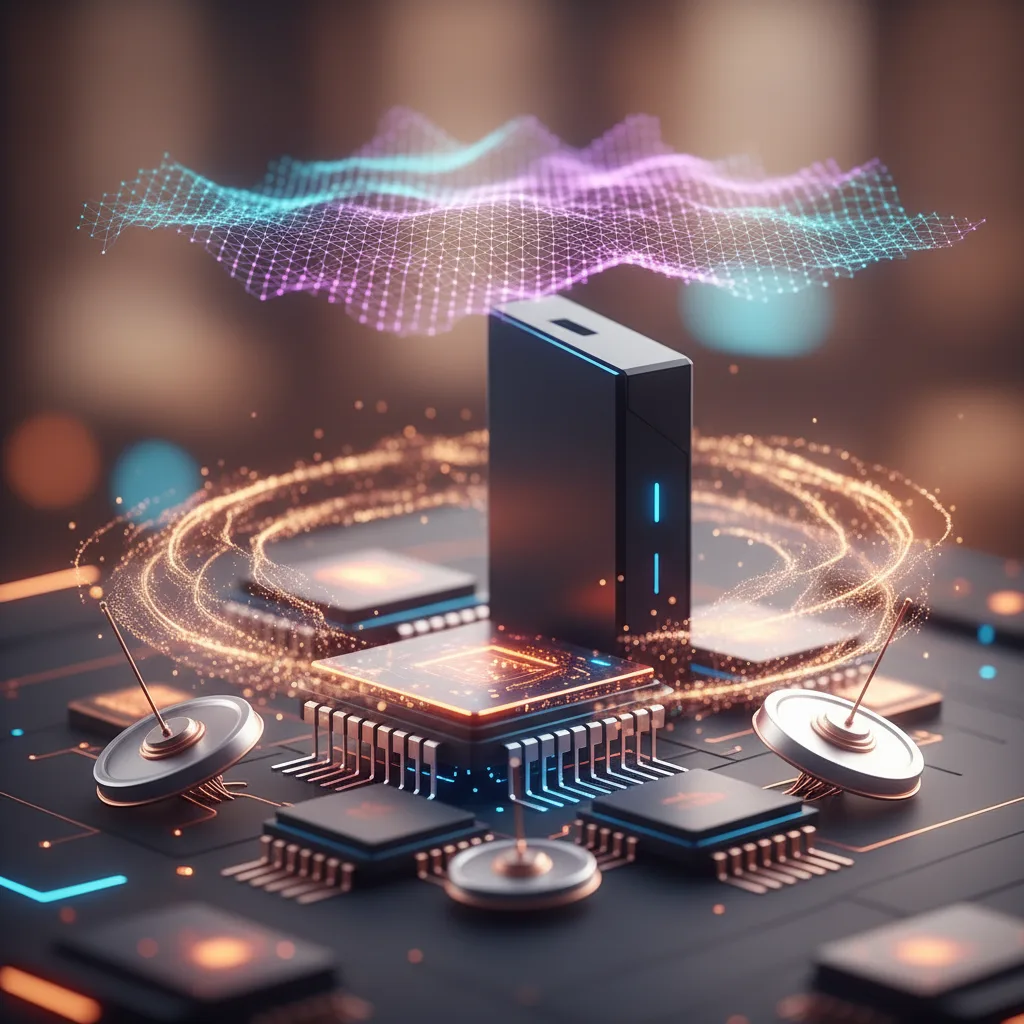
In an age where data breaches are rampant, the ability to process data on the ‘edge’ (locally) significantly enhances privacy and security. When sensitive information, whether it’s medical records, personal biometrics, or proprietary industrial data, doesn’t need to leave the local device or network, the risk of interception or unauthorized access during transmission is drastically reduced.
- • Healthcare Devices: Wearable health monitors or in-home diagnostic tools can process raw patient data locally, only sending anonymized insights or critical alerts to the cloud. This is paramount for patient confidentiality and compliance with regulations like HIPAA.
- • Smart Homes and Personal Devices: Voice assistants, smart cameras, and Portable Monitors that use AI Sleep Tracking can process commands or video feeds locally, ensuring that private conversations or images don’t leave your home network unless explicitly permitted.
- • Confidential Business Operations: In sensitive sectors, from finance to defense, keeping proprietary data within a secure local perimeter is critical. Edge AI allows for advanced analytics and decision-making without exposing raw data to external cloud providers.
Our brains operate on a similar principle of localized processing for sensitive information. While we interact with the external world, our deepest thoughts and memories remain largely internal, processed and filtered within our cranial confines. Edge AI extends this principle to the digital realm, creating more secure, private, and trustworthy intelligent systems.
3. Powering the Depths: AI Ocean and Deep Ocean AI for Unexplored Frontiers
One of the most exciting and demanding applications of Edge AI is in environments where connectivity is scarce or nonexistent. The vast, mysterious expanse of the ocean, particularly the deep sea, is a prime example. Here, traditional cloud computing is simply not feasible due to communication delays and bandwidth limitations. This is where AI ocean and deep ocean AI come into play, enabling unprecedented exploration and scientific discovery.
- • Autonomous Underwater Vehicles (AUVs): These submersibles, equipped with Edge AI, can navigate complex underwater terrains, identify marine life, detect anomalies, and collect vast amounts of data without constant human supervision or a connection to the surface. They process sonar, optical, and chemical sensor data locally to make real-time decisions about their path, mission objectives, and emergency protocols.
- • Marine Biology and Conservation: Deep ocean AI can analyze hydroacoustic data to classify whale calls, identify fish species from video feeds, or monitor changes in ocean ecosystems, all while operating in isolation. This allows researchers to gather critical environmental intelligence without the need to retrieve and upload massive datasets to shore for analysis.
- • Resource Exploration and Monitoring: For offshore energy or mineral exploration, Edge AI can process seismic data or sensor readings from drilling equipment, providing immediate insights into geological structures or potential hazards, optimizing operations and ensuring safety in remote, high-risk environments.
The ocean is a grand analogy for the unknown, much like the deep recesses of our own minds. Just as our brains are equipped to process novel sensory input and adapt to unfamiliar environments, Edge AI empowers machines to be truly autonomous and intelligent in the most challenging frontiers, extending the reach of human understanding.
4. The Rise of Decentralizing Intelligence Networks: Robustness and Resilience
Beyond speed and security, Edge AI is fundamentally transforming the architecture of intelligent systems by fostering decentralizing intelligence. Instead of a single, monolithic cloud brain controlling everything, we’re moving towards a distributed network of smaller, specialized AI units that communicate and collaborate. This paradigm shift offers significant advantages in terms of robustness, scalability, and resilience.
- • Eliminating Single Points of Failure: In a centralized system, if the main server goes down, the entire network can collapse. With decentralizing intelligence via Edge AI, if one edge device or node fails, others can continue to operate independently or take over its functions, ensuring continuous service and fault tolerance.
- • Scalability and Flexibility: As more devices come online, adding new edge nodes is far more efficient than continually expanding a centralized cloud infrastructure. This modularity allows for greater flexibility in deploying AI capabilities precisely where they are needed, from remote sensors to entire AI in Smart Cities initiatives.
- • Collaborative Intelligence: Edge devices can share insights and learn from each other without sending all raw data to a central hub, fostering a form of federated learning. This creates a more intelligent, adaptive network where collective knowledge is built from distributed experiences.
Consider the human brain itself: it’s not a single processing unit, but a vast network of highly specialized, yet interconnected, regions. If one area is damaged, other regions can often compensate, demonstrating the incredible resilience of a decentralizing intelligence model. Neuroplasticity allows for this kind of dynamic adaptation. Edge AI is building digital systems that mimic this profound biological architecture, leading to more robust and intelligent infrastructures, especially critical for complex urban environments and global challenges where Smart Cities & AI solutions are paramount.
5. The Future of Edge Computing: A New Frontier for Innovation and Human-Machine Symbiosis
The trajectory of Edge AI points towards a future where intelligence is ubiquitous, seamlessly integrated into our physical world and personal experience. The future of edge computing is not just about incremental improvements; it’s about enabling entirely new paradigms of interaction and functionality that were previously confined to science fiction. This convergence is setting the stage for truly intelligent environments and enhancing human capabilities.
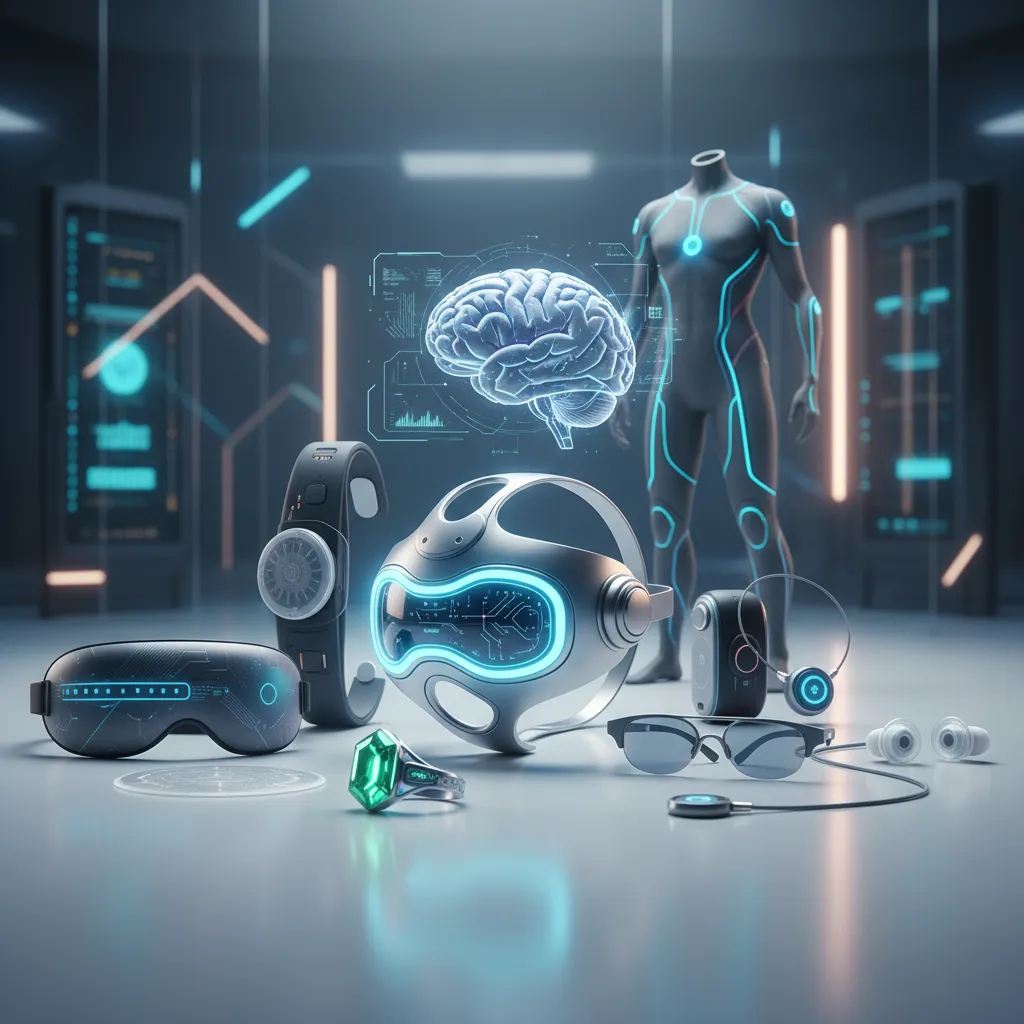
- • Hyper-Personalized Experiences: From adaptive retail environments to bespoke healthcare, Edge AI will allow devices to learn and predict individual preferences and needs in real-time, delivering truly personalized services without constant cloud communication. Imagine devices that understand your unique Circadian Rhythm and adjust your environment accordingly.
- • Seamless Human-Machine Interfaces: As Edge AI becomes more sophisticated, it will power intuitive interfaces, including advancements in Brain Computer Interface (BCI) technologies, allowing for natural communication and control. This could lead to a deeper symbiosis between human cognition and artificial intelligence.
- • The Era of 6G & Health: With the advent of 6G networks, Edge AI will be amplified, enabling ultra-fast, ultra-reliable communication and processing right at the network’s periphery. This will unlock groundbreaking applications in remote surgery, real-time health diagnostics, and truly immersive digital twins.
- • Self-Organizing and Self-Learning AI Systems: Future edge devices will not only execute AI models but also collaboratively train and evolve them, leading to highly adaptive and intelligent environments. Imagine systems that continually learn and improve without constant human intervention, akin to how our brains exhibit lifelong Neuroplasticity.
This future isn’t just about faster tech; it’s about creating an intelligent fabric that supports and enhances human endeavor. It’s about building a world where technology is an extension of our own cognitive abilities, capable of understanding context and making nuanced decisions with biological precision.
6. Optimizing Human Performance: Edge-Inspired Principles for Cognitive Enhancement
Perhaps the most compelling reason to understand Edge AI from a biohacker’s perspective is the profound parallels it draws to optimizing our own biological “processing units” – our brains. Just as Edge AI seeks to make intelligence more efficient, localized, and responsive, we can apply similar principles to enhance our cognitive speed, focus, and overall brain health.
- • Localized Processing for Focus: When we eliminate distractions and practice focused attention, we are essentially performing “edge processing” within our own minds. We’re reducing the “latency” caused by context switching and enabling deeper, more efficient cognitive work. Techniques like mindfulness and single-tasking train our brains to concentrate resources effectively, much like an Edge AI device dedicates its power to a specific, local task.
- • Real-time Feedback for Neuroplasticity: Just as Edge AI systems can learn and adapt in real-time, our brains exhibit incredible Neuroplasticity. Biofeedback and neurofeedback training provide real-time information about our brain states, allowing us to learn to regulate brainwaves (e.g., increasing Alpha waves for relaxation or Theta waves for creativity). This immediate feedback loop is crucial for rapid learning and self-optimization.
- • Optimizing the Circadian Rhythm: Our internal clock, the Circadian Rhythm, profoundly influences our cognitive performance. By aligning our sleep-wake cycles with natural light cues and maintaining consistent routines, we optimize our brain’s restorative processes and ensure peak daytime function. This is akin to providing an Edge AI device with optimal power and environmental conditions to perform at its best.
To truly harness this potential, we need tools that bridge the gap between our internal biology and external technology. For those interested in advanced brain stimulation, enhancing visual processing, or cultivating states of deep relaxation, consider exploring sophisticated technologies. Devices like visual brain entrainment tools, for instance, can utilize precisely timed light and sound patterns to guide brainwave states, similar to how Edge AI directs data flow for optimal performance. These advanced light therapy devices and sensory resonance technology offer a direct pathway to influencing neural networks and improving cognitive agility, much like Edge AI optimizes digital data processing. Understanding how these tools work, and applying them strategically, is a key component of modern biohacking.
Moreover, the principles behind Edge AI can inspire us to build more resilient and efficient personal systems. Imagine a future where your smart home, powered by Edge AI, proactively adjusts lighting to match your Circadian Rhythm, prepares stimulating environments for focused work, and transitions seamlessly to calming settings for deep sleep, all based on localized biofeedback. This vision of an intelligent, responsive environment, processing data at the edge of your personal space, is the ultimate extension of the biohacker’s quest for optimal living. Even in complex ethical areas like detecting deception, Edge AI could process nuanced physiological data for Lie Detector AI with greater speed and accuracy, albeit with significant ethical considerations.
Conclusion: The Edge AI Revolution – A Blueprint for a Faster, Smarter Future (and Brain)
The journey through the world of Edge AI reveals a technological paradigm shift that is as profound as it is pervasive. From turbocharging data speed and improving computing latency to fortifying data privacy and enabling the exploration of the deepest oceans, Edge AI is not merely an optimization; it’s a foundational change in how we conceive and deploy intelligence. It empowers devices to act autonomously, fosters decentralizing intelligence networks that are robust and resilient, and paves the way for a future where technology is intimately intertwined with our environments and even our biology, especially with advancements in areas like Brain Computer Interface.
As a neuroscientist and biohacker, I see in Edge AI a powerful metaphor and a practical blueprint for enhancing human cognitive performance. The principles of localized processing, real-time feedback, and adaptive learning are not just engineering marvels; they are reflections of our brain’s own sophisticated mechanisms. By understanding how Edge AI operates, we gain insights into how to better manage our own mental bandwidth, reduce cognitive load, and foster the Neuroplasticity necessary for lifelong learning and adaptation. Whether it’s through optimizing our Circadian Rhythm, training our brainwaves (Alpha, Theta), or leveraging cutting-edge neurotech, the goal remains the same: to unlock greater speed, efficiency, and intelligence, both in our machines and within ourselves.
Expert Tip: Start Your Own Edge Optimization Today
Don’t wait for the future of edge computing to arrive; begin optimizing your own “edge” today. Focus on creating an environment that minimizes distractions for deep work – your brain’s localized processing. Implement consistent sleep hygiene to support your Circadian Rhythm. Experiment with biofeedback or neurofeedback techniques to gain real-time insight into your mental states. Just as Edge AI thrives on efficient, local data management, your brain will flourish when given the optimal conditions to process, learn, and adapt. Embrace the principles of the turbocharger – not just for data, but for your mind.