neurovizr

Filter posts by category

Illustration of a mind being awakened, with light rays expanding from a brain, surrounded by subtle symbolic elements of ancient Zen Koans like a single hand, representing cognitive insight and mental flexibility.

7 Famous Zen Koans to Wake Up Your Mind Instantly

Key Takeaways Zen Koans are ancient enigmatic statements and riddles designed to bypass conventional logic, fostering profound cognitive restructuring. Engaging with these meditation puzzles enhances mental flexibility, boosts creativity, and improves emotional regulation by reducing cognitive rigidity and promoting intuitive insight. When combined with neuro-optimization techniques, Zen Koans offer a powerful pathway to sustained brain […]

7 Famous Zen Koans to Wake Up Your Mind Instantly Read More »

Red and near-infrared light therapy device emitting gentle light, illustrating its application for brain neuro-optimization in individuals with Autism Spectrum Disorder (ASD), improving cognitive functions, social engagement, and sleep.

5 Promising Findings on Red Light Therapy for Autism

Key Takeaways Autism Light Therapy, utilizing red and near-infrared light (photobiomodulation or PBM), offers a promising non-invasive approach for individuals with autism spectrum disorder (ASD). Key findings show it reduces brain inflammation by enhancing mitochondrial function and modulating immune responses. It significantly improves social interaction and communication by stimulating brain regions involved in social cognition

5 Promising Findings on Red Light Therapy for Autism Read More »

An artistic depiction of an INTJ personality type, represented by a thoughtful figure with a complex network of logical and emotional pathways. The image highlights areas for growth and self-optimization, possibly with subtle glow effects symbolizing neural enhancement or personal development, set against a backdrop of strategic thinking.

10 INTJ Personality Weaknesses & How to Overcome Them

Key Takeaways INTJ weaknesses stem from their dominant cognitive functions, manifesting as perceived arrogance, emotional detachment, social awkwardness, rigidity, perfectionism, dismissiveness of authority, overthinking, sensitivity to criticism, and struggles in romantic relationships and isolation. These traits, while sometimes perceived negatively, are opportunities for growth. Strategies include active listening, emotional vocabulary development, empathetic perspective-taking, structured flexibility,

10 INTJ Personality Weaknesses & How to Overcome Them Read More »

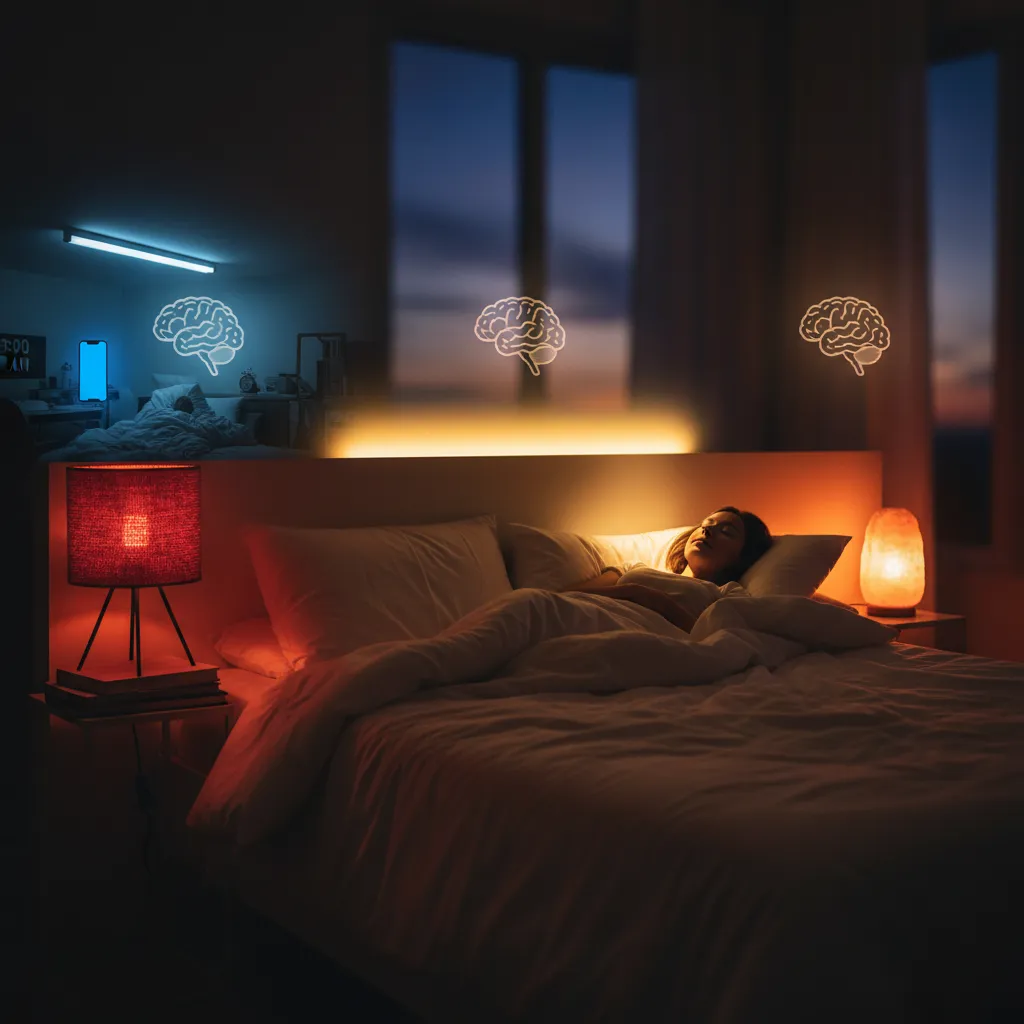
A bedroom bathed in soft, warm red light during the evening to promote sleep, with smart home devices like a red-emitting bedside lamp and a device like NeuroVizr subtly visible, illustrating an optimal light environment for sleep.

3 Best Light Colors for Sleep & Which Ones to Avoid

Key Takeaways Optimizing light exposure is crucial for sleep and neuro-optimization. Light color directly impacts the circadian rhythm and melatonin production, with blue and bright white lights suppressing the sleep hormone, while red, amber, and dim warm white lights are beneficial. The article details how different wavelengths affect physiological responses and recommends specific light colors

3 Best Light Colors for Sleep & Which Ones to Avoid Read More »

Person using a red light therapy panel at home, illustrating safe and effective use for well-being.

8 Steps to Use Light Therapy at Home Safely & Effectively

Key Takeaways This comprehensive guide outlines 8 essential steps for safely and effectively implementing light therapy at home. It covers understanding the science of photobiomodulation, selecting the right device based on wavelength and irradiance, creating an optimal therapy space, determining appropriate dosage and frequency, adhering to crucial safety guidelines and contraindications, enhancing sessions with mindfulness

8 Steps to Use Light Therapy at Home Safely & Effectively Read More »

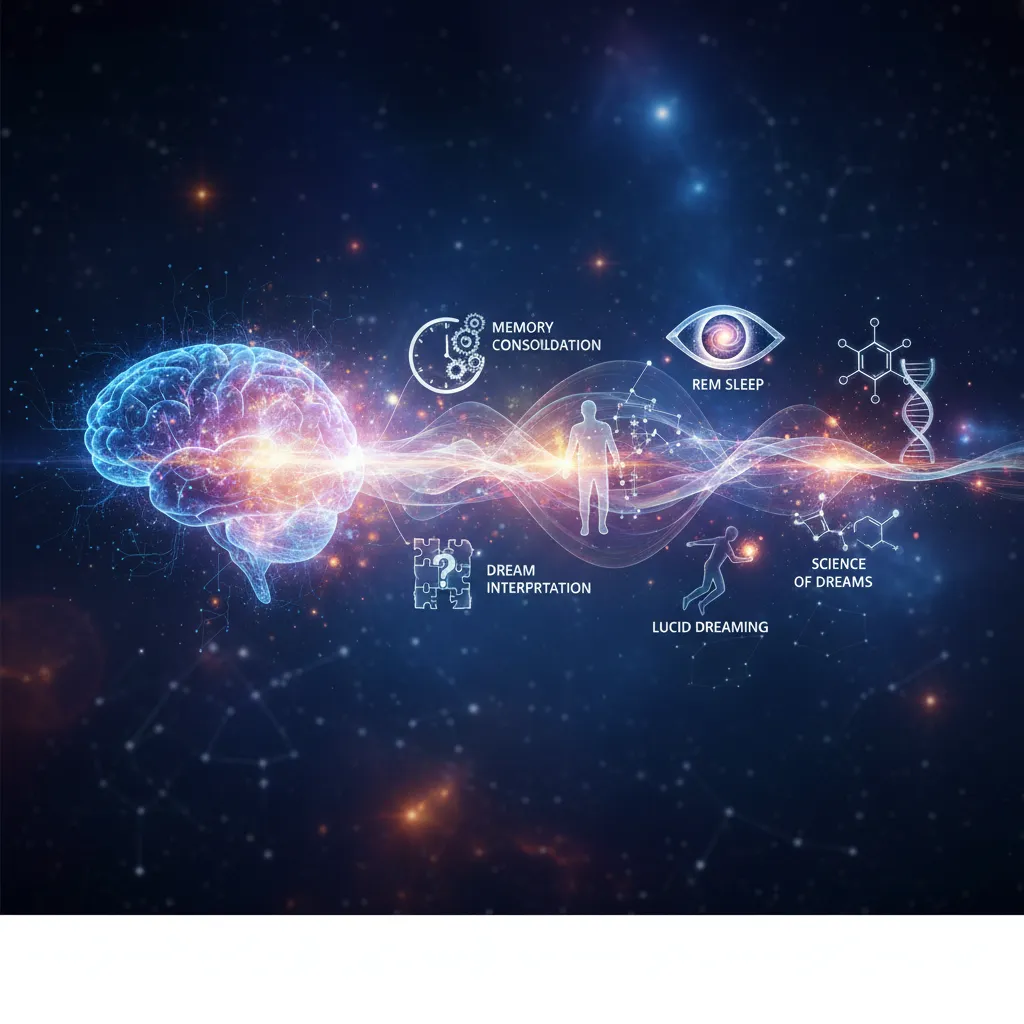
A human brain depicted with glowing neural pathways, symbolizing the complex and active processes occurring during REM sleep and the science of dreams.

5 Amazing Facts About the Science of Dreams & REM Sleep

Key Takeaways The science of dreams and REM sleep is crucial for understanding our cognitive function and emotional well-being. During REM sleep, the brain actively processes memories and emotions, showing intense neural activity. Leading theories suggest dreams serve multiple purposes, including memory consolidation, emotional regulation, problem-solving, and threat simulation. While dream interpretation is often personal,

5 Amazing Facts About the Science of Dreams & REM Sleep Read More »

A peaceful bedroom scene with a white noise machine emitting gentle sound waves, symbolizing improved sleep and focus.

6 Brain Benefits of White Noise for Sleep & Focus

Key Takeaways White noise creates a consistent auditory environment, masking disruptive sounds to significantly enhance sleep quality, cognitive focus, and overall brain health. It functions by distributing all audible frequencies equally, making intermittent noises less jarring. Key benefits include improved sleep onset and maintenance, enhanced concentration and productivity by minimizing distractions, reduced stress and anxiety,

6 Brain Benefits of White Noise for Sleep & Focus Read More »

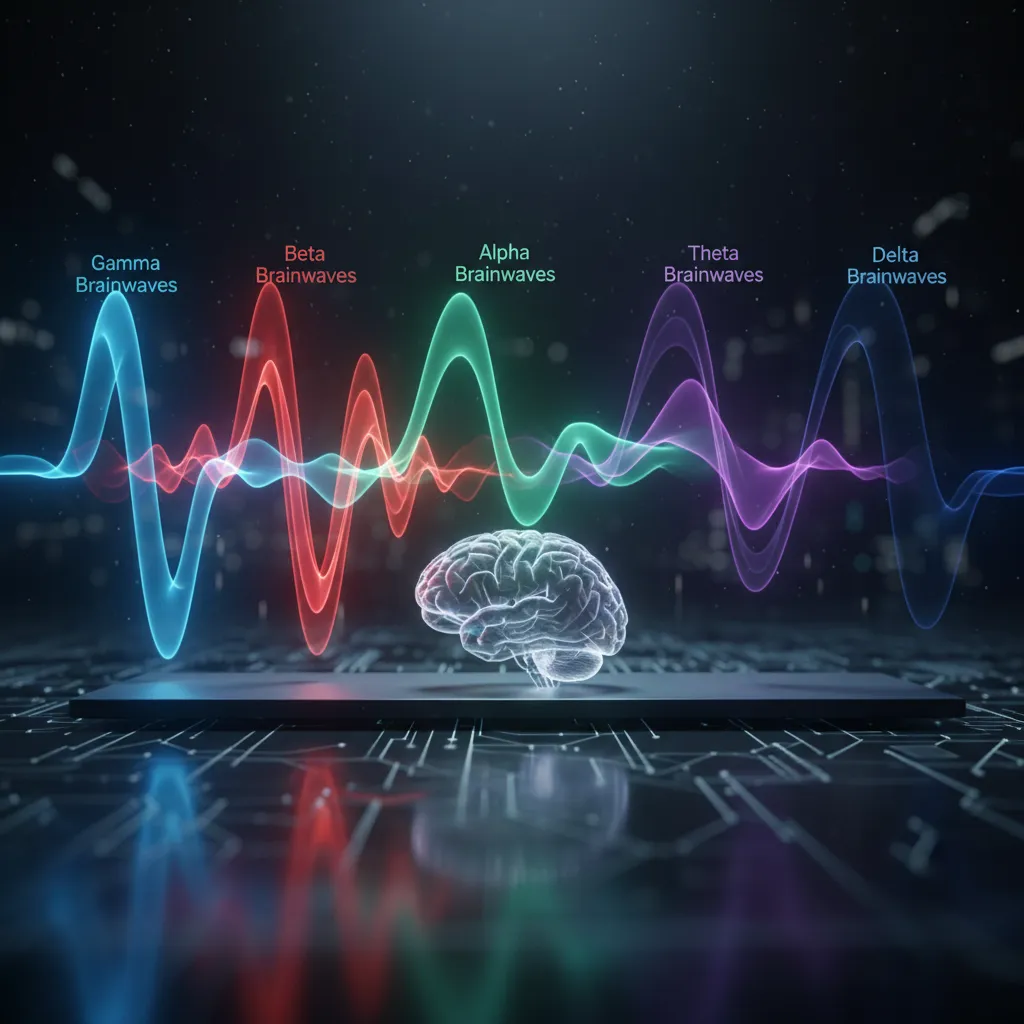
An illustrative diagram of human brainwave frequencies (Gamma, Beta, Alpha, Theta, Delta) displaying their typical Hz ranges and associated mental states like focus, relaxation, creativity, and deep sleep.

5 Main Brainwave Frequencies & How They Control Your Mind

Key Takeaways Brainwave frequencies are electrical impulses in the brain that govern our thoughts, emotions, and actions. There are five main types: Gamma (30-100+ Hz) for intense focus and high-level processing; Beta (12-30 Hz) for alertness and active thinking; Alpha (8-12 Hz) for relaxed awareness and creativity; Theta (4-8 Hz) for deep relaxation, memory, and

5 Main Brainwave Frequencies & How They Control Your Mind Read More »

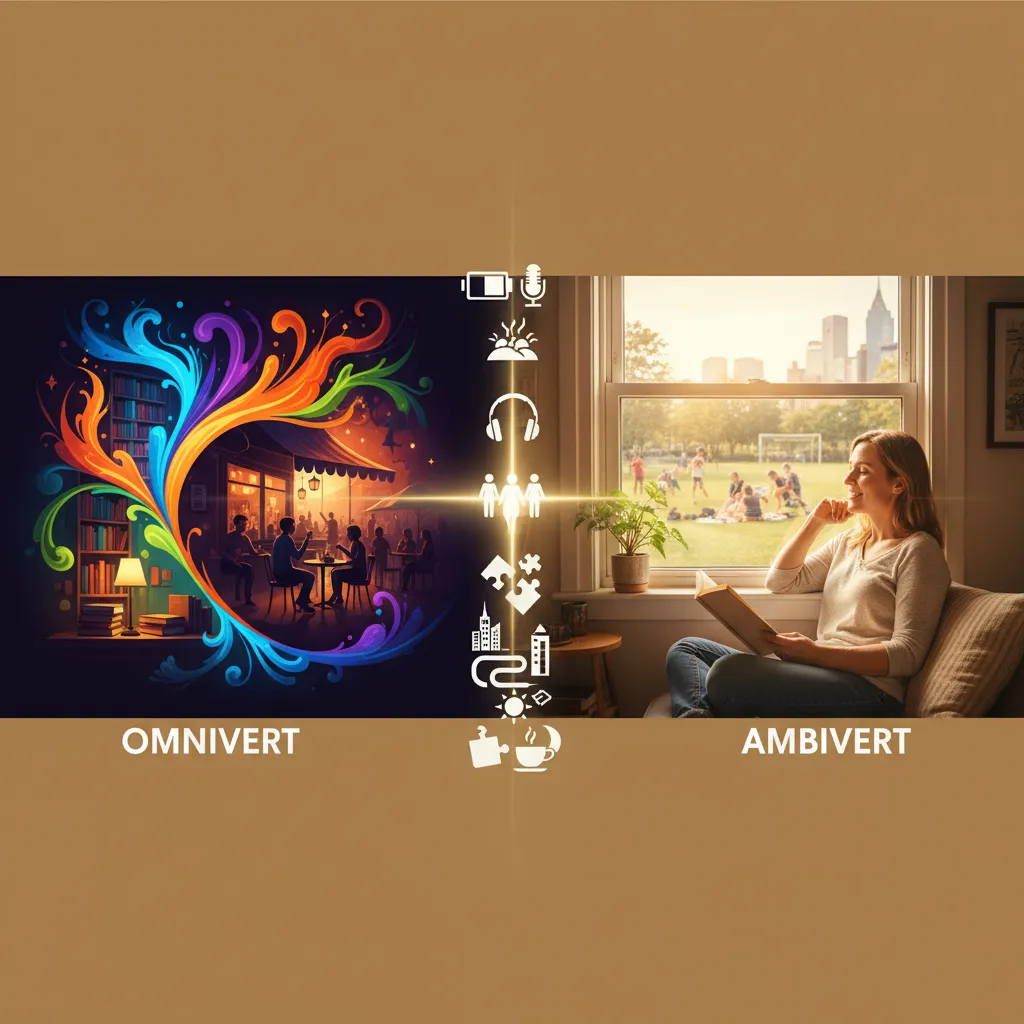
An illustration comparing Omnivert and Ambivert personality types with visual cues representing fluctuating vs. balanced social energy, respectively, set against a backdrop of diverse social and solitary settings.

7 Differences Between an Omnivert vs Ambivert Personality

Key Takeaways Omniverts and ambiverts both exist on the introvert-extrovert spectrum, but differ significantly in social energy management. Ambiverts maintain a stable balance, adapting smoothly to various situations, while omniverts experience dramatic, unpredictable shifts between intense extroversion and deep introversion. Key distinctions lie in social energy fluctuation, coping mechanisms, decision-making, comfort zones, communication, and emotional

7 Differences Between an Omnivert vs Ambivert Personality Read More »

A person practicing grounding techniques to stop dissociating, possibly using the 5-4-3-2-1 method, focusing on senses to reconnect with the present moment.

5 Grounding Techniques on How to Stop Dissociating Fast

Key Takeaways This article provides a comprehensive guide on how to stop dissociating, offering five immediate grounding techniques like the 5-4-3-2-1 Sensory Method, deep breathing, object focus, mindful movement, and temperature stimulation. It delves into the neurological basis of dissociation, highlighting altered brain activity in response to stress or trauma. For long-term prevention, the article

5 Grounding Techniques on How to Stop Dissociating Fast Read More »

Scroll to Top