neurovizr

Filter posts by category

A metaphoric image showing two stylized figures with contrasting expressions, one appearing sharp or spiky (representing abrasive behavior) and the other calm and composed, illustrating the challenge of navigating an abrasive personality in a professional or personal setting. The background subtly hints at cognitive processes or brain activity.

9 Signs of an Abrasive Personality & How to Deal With It

Key Takeaways The article provides a comprehensive guide to understanding and managing abrasive personality traits. It defines abrasive behavior, details nine key signs (e.g., excessive criticism, lack of empathy, need for control), and explores its psychological roots (insecurities, perfectionism, poor emotional regulation, neurobiological factors). The content also offers practical strategies for dealing with abrasive individuals, […]

9 Signs of an Abrasive Personality & How to Deal With It Read More »
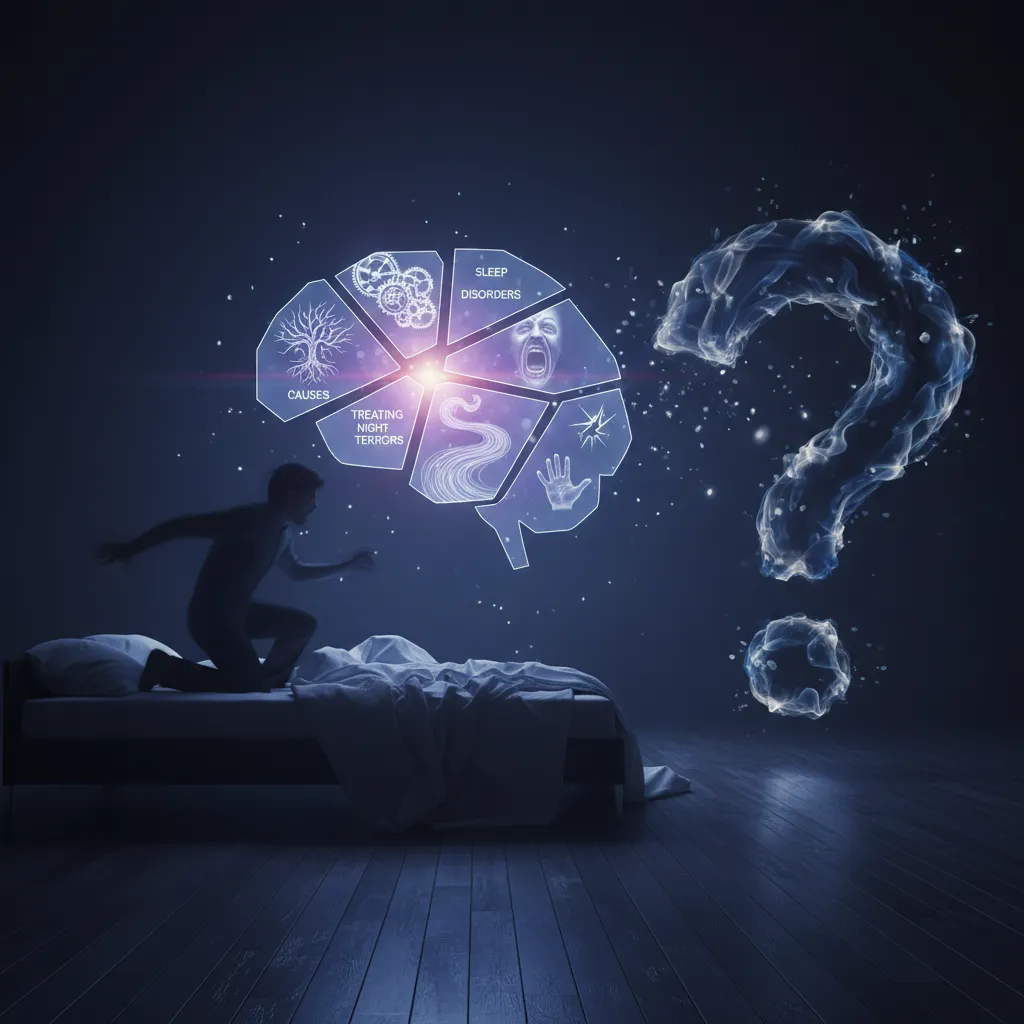
An adult waking up abruptly from sleep in a state of distress and fear, demonstrating the intense emotional and physical symptoms characteristic of a night terror.

6 Facts About Adult Night Terrors & How to Cure Them

Key Takeaways Adult night terrors are distinct NREM sleep parasomnias, often mistaken for nightmares, characterized by intense fear and physical agitation with little to no recall. While more common in children, adult night terrors are often linked to underlying factors like chronic stress, anxiety, trauma, sleep deprivation, alcohol use, certain medications, and co-existing sleep disorders

6 Facts About Adult Night Terrors & How to Cure Them Read More »

A person with their hand on their forehead, looking distressed, symbolizing stress-induced vertigo and dizziness.

7 Signs Stress Is Causing Your Vertigo & How to Stop It

Key Takeaways Stress-induced vertigo is a real physiological response to chronic psychological pressure, manifesting as disruptive dizziness and imbalance. This article outlines 7 key signs, including non-rotational dizziness, heightened anxiety, physical tension, and a clear link to stressful events. It delves into how stress physically affects the vestibular system through the HPA axis, neurotransmitter imbalances

7 Signs Stress Is Causing Your Vertigo & How to Stop It Read More »

A vibrant, abstract image of a brain with glowing neural pathways, representing enhanced mental acuity and cognitive sharpness. The intricate network symbolizes improved focus, memory, and problem-solving skills, set against a backdrop of blue and white tones.

5 Proven Ways to Boost Mental Acuity & Sharpen Your Mind

Key Takeaways Mental acuity, or cognitive sharpness, is vital for daily life, impacting focus, memory, and problem-solving. This guide from NeuroTech Insider explores factors contributing to cognitive decline such as aging, chronic stress, insufficient sleep, and poor nutrition. It provides scientifically-backed strategies to boost mental acuity, including optimized sleep, targeted cognitive exercises that leverage neuroplasticity,

5 Proven Ways to Boost Mental Acuity & Sharpen Your Mind Read More »

NeuroVizr device demonstrating light and sound brainwave entrainment technology, illustrating how it rewires the brain for focus and relaxation.

9 Simple Neuroplasticity Exercises to Rewire Your Brain Daily

Key Takeaways This article explains neuroplasticity, the brain’s remarkable ability to reorganize itself, and presents 9 simple daily exercises to enhance it. These include learning new languages, engaging in brain games, practicing musical instruments, physical activities like juggling, using your non-dominant hand, solving puzzles, mindfulness, intermittent fasting, and prioritizing sleep. The content emphasizes how novelty

9 Simple Neuroplasticity Exercises to Rewire Your Brain Daily Read More »

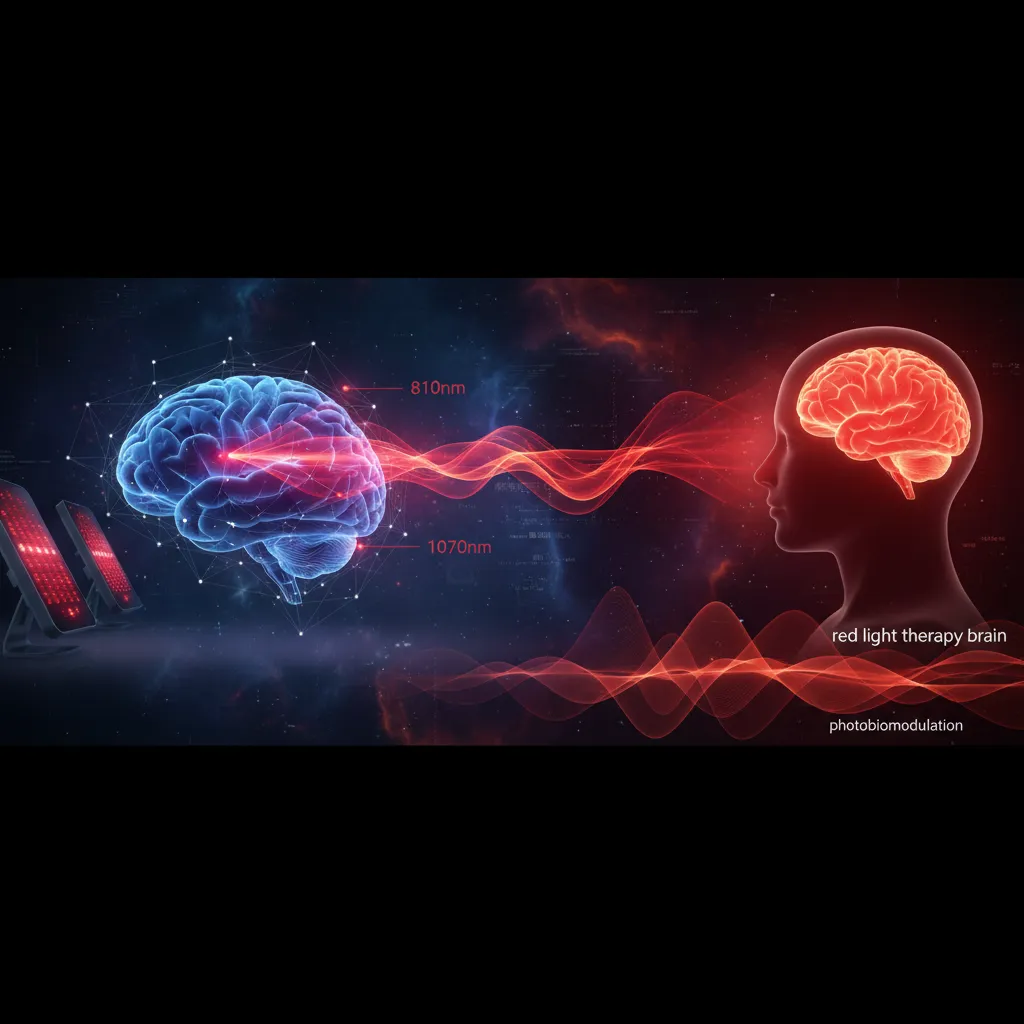
Comparison of 810nm and 1070nm red light wavelengths penetrating the human skull and brain, illustrating their different depths for photobiomodulation and neuro-optimization benefits.

810nm vs 1070nm: What is the Best Wavelength for Brain Health?

Key Takeaways This article explores the optimal red light wavelengths for brain health, focusing on 810nm and 1070nm. Both near-infrared wavelengths enhance mitochondrial function, increase cerebral blood flow, and reduce inflammation. While 810nm is extensively researched for its mitochondrial stimulation and balanced penetration, 1070nm offers superior depth for targeting deeper brain structures. The content differentiates

810nm vs 1070nm: What is the Best Wavelength for Brain Health? Read More »

A visual representation highlighting various light therapy contraindications, showing individuals with photosensitive skin, a pregnant woman, and people protecting their eyes. The image emphasizes medical safety symbols and the need for professional consultation before using light therapy devices.

7 Critical Contraindications for Light Therapy usage

Key Takeaways Light therapy offers benefits, but understanding its contraindications is vital for safe use. Key groups who should avoid or use caution include individuals with photosensitivity disorders, those on photosensitizing medications (e.g., certain antibiotics, NSAIDs), people with photosensitive epilepsy, pregnant individuals (due to limited research), those with active cancer (requires oncologist consultation), specific eye

7 Critical Contraindications for Light Therapy usage Read More »

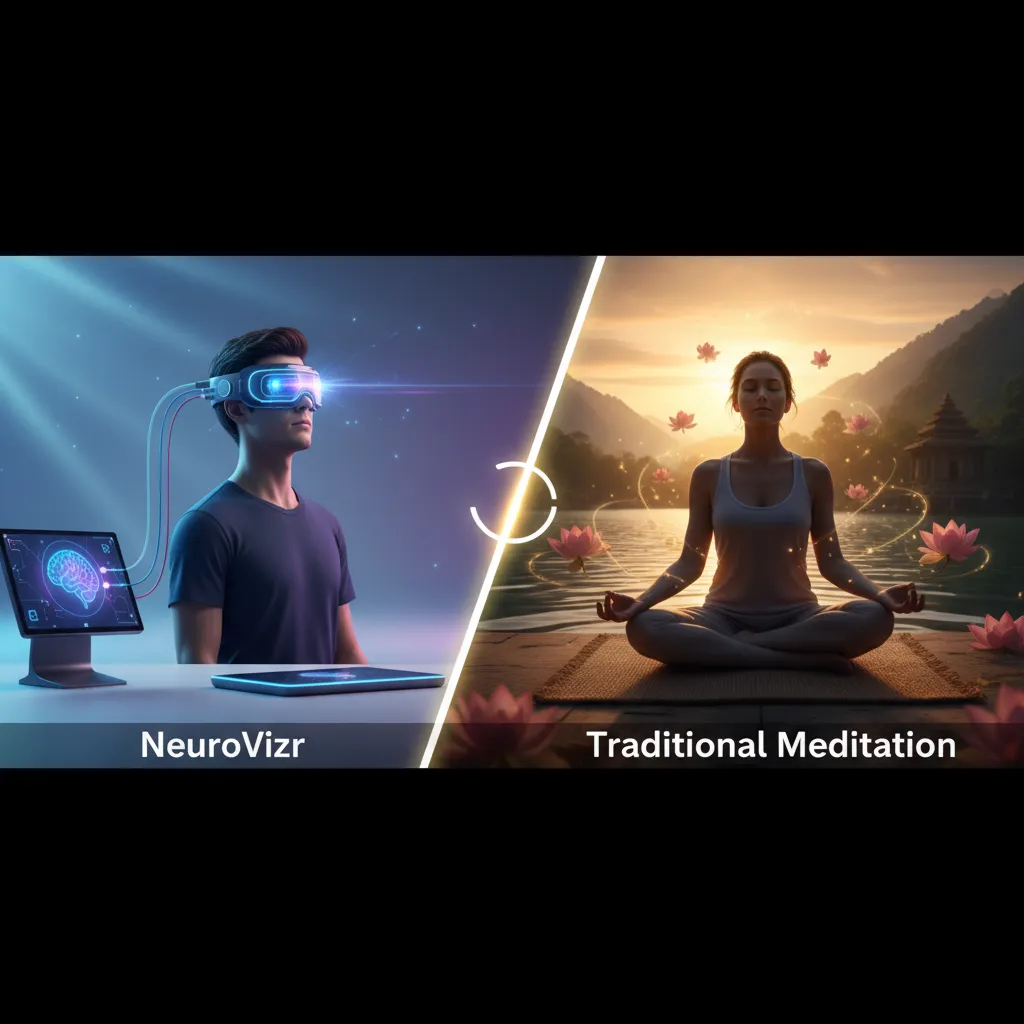
A split image showing a person meditating peacefully contrasted with someone using a NeuroVizr device, symbolizing the difference between traditional and tech-assisted meditation for stress relief and focus.

NeuroVizr vs. Traditional Meditation: Which is Better for Your Brain?

Key Takeaways This article provides a comprehensive comparison between NeuroVizr, a technology-assisted meditation device, and traditional meditation practices. NeuroVizr utilizes light and sound patterns to passively guide users into meditative states, offering a potentially faster and more beginner-friendly approach to stress relief and cognitive enhancement. In contrast, traditional meditation demands active mental effort, fostering deep

NeuroVizr vs. Traditional Meditation: Which is Better for Your Brain? Read More »

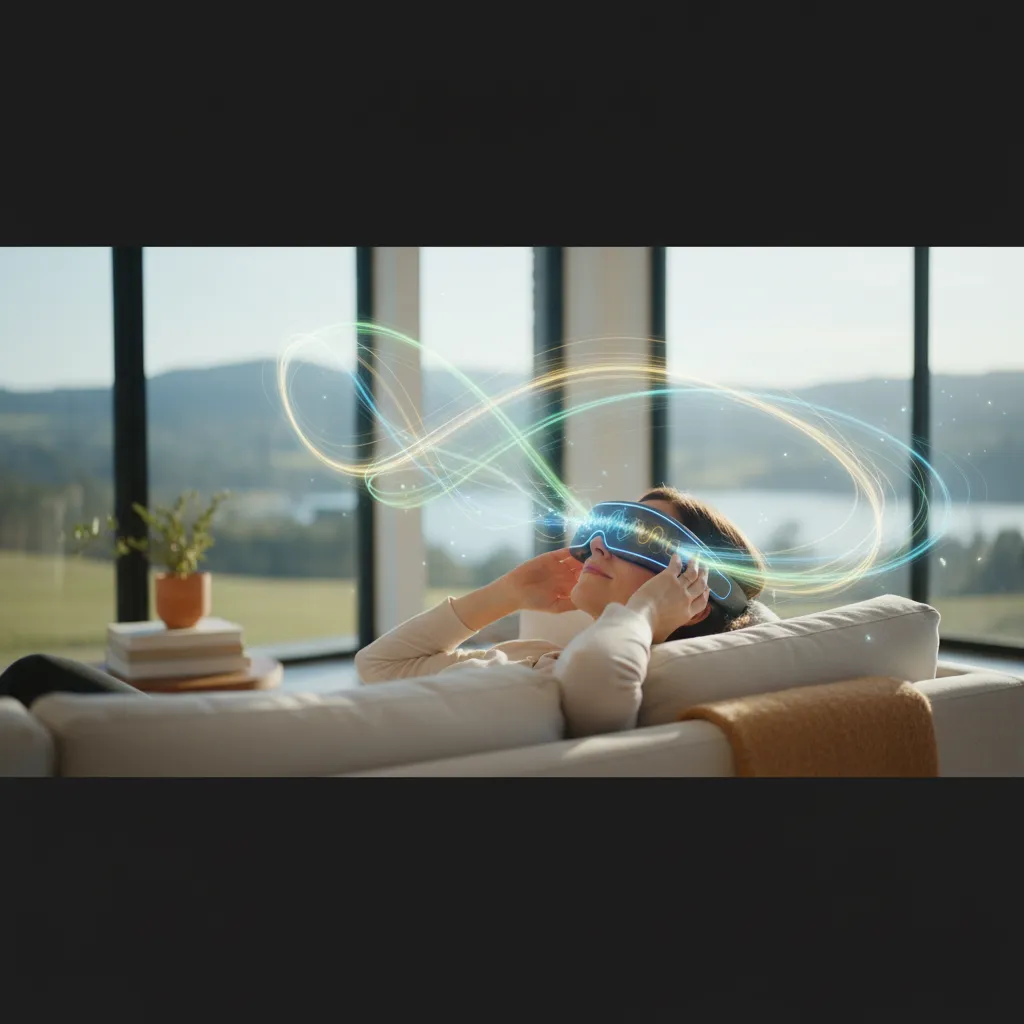
A person relaxing with a NeuroVizr device, showcasing light and sound therapy glasses, designed for stress relief, calm, brainwave entrainment, and vagus nerve stimulation.

How to Use NeuroVizr for Instant Stress Relief & Calm

Key Takeaways NeuroVizr Stress Relief offers a revolutionary approach to managing daily pressures through light and sound therapy. Developed by NeuroTech Insider, this device gently guides the mind into relaxation by stimulating the vagus nerve and promoting alpha wave activity. Users can choose from various pre-programmed sessions tailored for stress reduction, including alpha wave induction

How to Use NeuroVizr for Instant Stress Relief & Calm Read More »

An illustration depicting pulsed light waves interacting with a human brain, symbolizing neuro-optimization and cognitive enhancement through advanced light therapy technology, possibly featuring elements of a NeuroVizr device.

5 Surprising Benefits of Pulsed Light Therapy for the Brain

Key Takeaways Pulsed light therapy offers significant benefits for neuro-optimization, improving cognitive function, sleep quality, focus, attention, and mood. It also shows promise in supporting Alzheimer’s disease by potentially reducing amyloid plaques, particularly at 40Hz gamma frequency. Unlike static light, pulsed light effectively entrains brainwaves, enhances neural plasticity, and optimizes mitochondrial function. Devices like NeuroVizr

5 Surprising Benefits of Pulsed Light Therapy for the Brain Read More »

Scroll to Top