
Retargeting Ad Strategies to Boost Brain Training Academy Enrollments
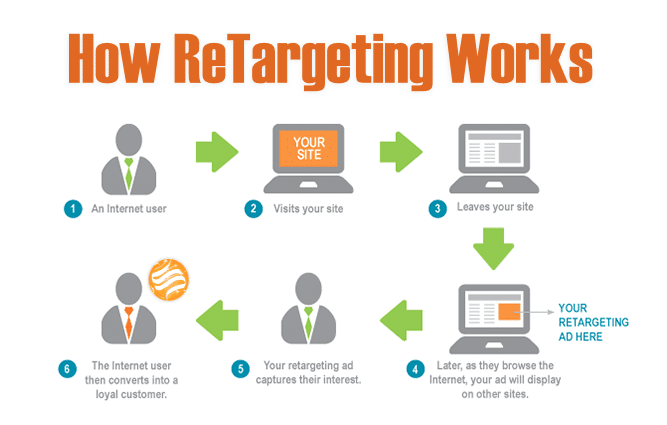
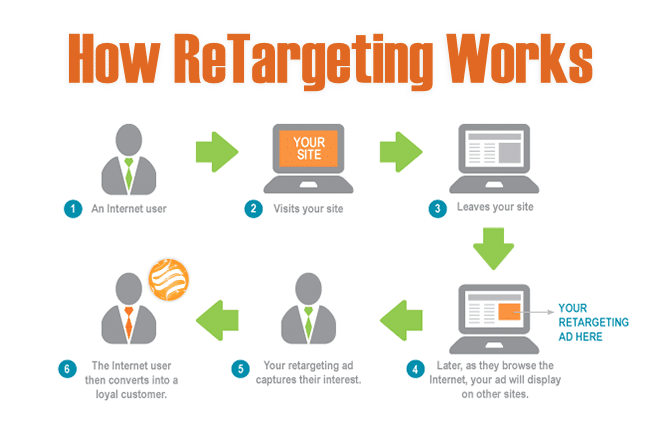
If you’re running a brain retraining academy—whether focused on neuroplasticity, cognitive performance, or emotional resilience—you already know this: most of your website visitors don’t enroll on their first visit. In fact, studies show that only 2% of users convert without follow-up. That’s where retargeting ad strategies become essential. With smart, segmented remarketing campaigns, you can turn curiosity into commitment—without being pushy.
At NeuroTechInsider.com, we live at the intersection of neuroscience and tech. We know how deeply behavior and cognitive friction affect decisions. So let’s break down the most powerful, proven ways to retarget the right users—at the right time—to fill your virtual classrooms with eager, ready-to-learn minds.

Why Retargeting Is Crucial for Online Brain Training Programs
Here’s the honest truth: your visitors aren’t always ready to commit the first time. They may be interested in brain retraining, but they’re often stuck in research mode. Or distracted. Or just overwhelmed by choices. Retargeting helps you gently remind them of what they wanted in the first place—a proven system to retrain their brains and improve their lives.
“The goal of retargeting isn’t to pester—it’s to offer value, timed perfectly for where someone is in their decision journey.”
- Brand recall: You stay top-of-mind as users bounce between options.
- Trust-building: By showing testimonials and results, you build confidence over time.
- Smart spend: Retargeting focuses your ad dollars on people who already showed interest.
And in a niche like brain training technology, where trust and science matter more than hype, this gradual nurturing is a superpower.
The Buyer Journey: Why People Don’t Convert the First Time
Every prospective student goes through a mental checklist before they enroll:
- “Is this legit?” — They need validation from social proof or expert reviews.
- “Is this for me?” — They want to see themselves in your student success stories.
- “Is now the right time?” — Sometimes, they’re just waiting for a nudge.
That’s why your ad strategy must be personalized, not generic. Retargeting gives you a second (and third) chance to address doubts and build clarity.
Segmentation: Targeting the Right Audience at the Right Time
Not all visitors are the same, so why retarget them with one-size-fits-all ads? Using segmentation, you can design ultra-relevant ads for specific intent signals. Here’s how:
1. Cart Abandoners: Capture the Low-Hanging Fruit
These are your warmest leads. They started registration but didn’t finish. Maybe their kid cried. Maybe their dog barked. Life interrupted. But their intent is clear—and you can bring them back.
- Use limited-time offers or exclusive discounts.
- Highlight urgency with a countdown timer.
- Send personalized emails like: “Still interested? Let’s finish your journey.”
2. Content Browsers: Build Trust with High-Intent Visitors
These visitors checked out multiple pages—your blog, FAQs, or testimonials. They’re curious but cautious. Show them:
- Success stories and video testimonials.
- Course highlights and instructor intros.
- FAQs that answer lingering doubts like “How long until I see results?”
3. Freebie Downloaders: Nurture Leads with Value
If someone downloaded your eBook or joined your webinar, they’re officially a warm lead. But don’t stop there. Follow up with:
- Retargeting ads on Facebook and Instagram showing course previews.
- Educational content like brain training myths, research breakdowns, or demos.
- HubSpot-style nurturing sequences that build interest over time.
Pro tip: Use video. It’s sticky, emotional, and 88% of users say it convinced them to buy a course.
Multi-Channel Retargeting for Maximum Visibility
Retargeting doesn’t live in one channel. Smart marketers orchestrate campaigns across multiple touchpoints so users feel like your program is everywhere (without being annoying).
Facebook & Instagram: Leverage Visual Power and Pixels
Install Meta’s tracking pixel and boom—you’ve unlocked retargeting to everyone who visits your site. Use these formats:
- Stories: Quick testimonials or instructor intros
- Carousel: Showcase key course modules or benefits
- Reels: Before/after student case studies, success visuals
Google Display Network: Stay Top-of-Mind on the Web
Reach users as they browse YouTube, blogs, and forums. GDN ads are cheap and scalable. Best practices include:
- Minimalist design with bold CTAs like “Rewire Your Brain in 21 Days”
- Use AI-driven performance display ad templates
- Retarget based on page type (e.g. blogs vs checkout vs lead magnet)
Email Retargeting: Personal Follow-Ups that Convert
If someone opted into your newsletter or downloaded a lead magnet, email is your most direct, intimate channel. Create automated flows that:
- Remind them of unfinished registration
- Answer objections they may have had (“Is it too expensive?” “Will this work for my condition?”)
- Offer timely value: “3 brain hacks for faster neuroplasticity”
Done right, retargeting isn’t about being loud—it’s about being timely. In the next half of this article, we’ll break down:
- Dynamic and personalized creatives
- Advanced AI-powered retargeting tools
- Optimization, A/B testing, and ROI measurement
Stay with us. You’re one step away from unlocking your full ad potential.
Dynamic & Personalized Ad Creatives That Drive Action
If you’re still running generic retargeting ads like “Hey, come back!”—you’re leaving conversions on the table. In 2025, personalization isn’t optional; it’s the currency of attention. And in a high-trust industry like brain health, relevance builds results.
Use Dynamic Retargeting to Show Specific Courses
Dynamic ads pull directly from your course catalog or product feed. That means the ad shows exactly what a user viewed—whether it’s your “21-Day Brain Reset” or “Neuroplasticity for Anxiety Recovery” course. It’s like saying, “We remember you. This is for you.”
- Use Facebook Dynamic Product Ads or Google Dynamic Display Ads
- Sync with your course page metadata (title, description, image)
- Track abandoned module views to tailor your messaging
Tailor Messaging to Funnel Stage: Awareness → Decision
One-size ads do not fit all. A person who’s just learning about neuroplasticity needs something different than someone who’s 90% ready to enroll.
- Top-of-funnel (TOFU): Run “Did You Know?” style ads explaining benefits of brain training
- Mid-funnel (MOFU): Use testimonials, before/after stories, and video snippets
- Bottom-of-funnel (BOFU): Trigger urgency with time-sensitive discounts or bonus content
“Ad fatigue isn’t from repetition—it’s from irrelevance.”
A/B Testing Messaging for Emotional & Rational Hooks
Run structured tests. Try one ad focusing on emotional payoff (“Feel focused again”), and another leaning into data-driven ROI (“92% completion rate among ADHD students”). Use Neil Patel’s retargeting matrix to pair your ad variant with user mindset.

Creative Ad Best Practices for Brain-Based Programs
Let’s be real—people are scrolling fast, and attention is rare. Your ads need to stop thumbs and spark curiosity. Here’s how to design ads for both brains and eyeballs:
Mobile-First Design: Catch Your Audience on the Move
- Use 4:5 or 1:1 aspect ratios optimized for Instagram and Facebook feeds
- Include bold CTAs like “Train Smarter. Sleep Deeper. Enroll Now.”
- Compress image sizes for fast load and low CPMs
Eye-Catching Visuals: Use Neuroscience to Your Advantage
Warm tones, human faces, calm imagery—these visuals resonate especially in the brain wellness and neurotech niche. Consider animated GIFs showing EEG progress charts or course dashboard walkthroughs.
Social Proof: Use Testimonials, Reviews & Success Metrics
Nothing sells like proof. In fact, 84% of people trust online reviews as much as a friend’s recommendation. Embed in your ads:
- Video clips of student testimonials
- Review quotes with names and photos
- Badges: “1000+ Enrolled,” “95% Completion Rate,” “Science-Backed”
Use Urgency and FOMO: Countdown Timers & Limited-Time Offers
You’re not pressuring—you’re nudging. Time-limited incentives can turn a “maybe” into a “yes.” Try:
- “Enroll by Friday & Get a Free 1-on-1 Coaching Session”
- “Only 12 spots left in this cohort” (create real scarcity)
- “Save $50 when you enroll in the next 24 hours”
Advanced Techniques: Get Ahead with Smart Automation
Predictive Retargeting with AI & Machine Learning
Platforms like AdRoll or Criteo let you leverage predictive models to identify who’s most likely to convert. It’s not just who visited—it’s who engaged deeply.
- Time on site > 3 minutes
- Scrolled to testimonials or pricing page
- Returned to your site more than once
Stage-Based Retargeting for Precision Messaging
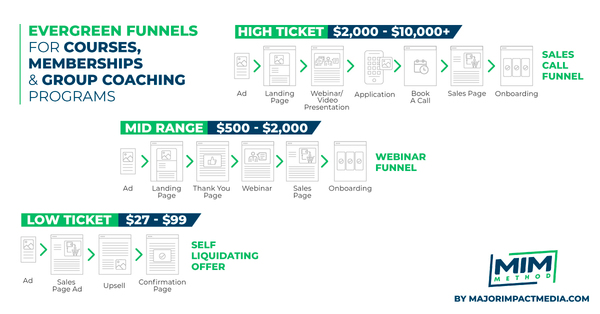
Map your ad creatives to your actual sales funnel. This lets you run sophisticated, layered campaigns without confusion. Example:
- TOFU: Awareness via educational blog content on brain retraining
- MOFU: Webinars, free trial previews, case studies
- BOFU: Direct conversion offers with urgency, pricing, and clear CTAs
Cross-Device Retargeting: Stay Consistent Across Platforms
Don’t lose your prospect just because they switched devices. Use unified platforms like Meta’s cross-device tracking to serve consistent messaging from desktop to mobile to tablet.
Measurement and Optimization for High ROI
A/B Test Creatives and Messaging Weekly
Don’t just set it and forget it. Run weekly tests on:
- Headlines (“Sleep Better” vs. “End Insomnia in 3 Weeks”)
- Visuals (stock vs real students)
- CTAs (“Join Now” vs “Explore the Curriculum”)
Exclude Converters to Reduce Wasted Ad Spend
This one’s basic, but often skipped. Add your enrolled students to a suppression list. They don’t need to see more ads—they need your onboarding email.
Monitor KPIs: CTR, Conversions, ROAS & Retargeting Funnel
Here’s your starter dashboard:
- CTR: Healthy = 1–2%+
- Conversion Rate: Aim for 5–10% on retargeting
- ROAS: Break-even at 1x, scale at 3x+
“Great campaigns are built in the data, not the guesswork.”
Conclusion: Launch Smarter Retargeting Ads for More Enrollments
Building a brain training academy is about more than great content—it’s about reaching the right people with the right message at the right time. With these retargeting ad strategies, you don’t just get traffic. You get trust. You build credibility. You turn browsers into believers.
At NeuroTechInsider.com, we believe in data-backed decisions—whether it’s choosing a CES wearable or launching a high-ROI ad campaign. You’ve got the science. Now bring the strategy.
Need help crafting ad copy, selecting platforms, or integrating with your LMS? We’ve got a few favorite tools and partners. Let’s talk.
FAQs
What is retargeting in online education marketing?
Retargeting is a digital advertising strategy that shows ads to users who previously visited your website but didn’t convert. It’s a powerful way to increase enrollments by re-engaging interested visitors.
Which platform is best for retargeting brain training programs?
Facebook and Google Display Network are top choices, offering deep segmentation and visual ad options. Email and LinkedIn also work well for high-trust B2C education niches.
How soon should I start retargeting ads after launch?
Start as soon as you’ve got at least 100–200 website visitors. The sooner you collect intent signals, the sooner you can refine your messaging and increase your ROI.
Is retargeting creepy or annoying to users?
Only if it’s done wrong. Effective retargeting feels helpful—not spammy. The key is personalization, timing, and frequency control.
Do I need a big budget to run retargeting campaigns?
Nope. Retargeting is one of the most cost-effective ad strategies out there. You’re targeting warm leads—so your cost per conversion is typically lower than cold ads.