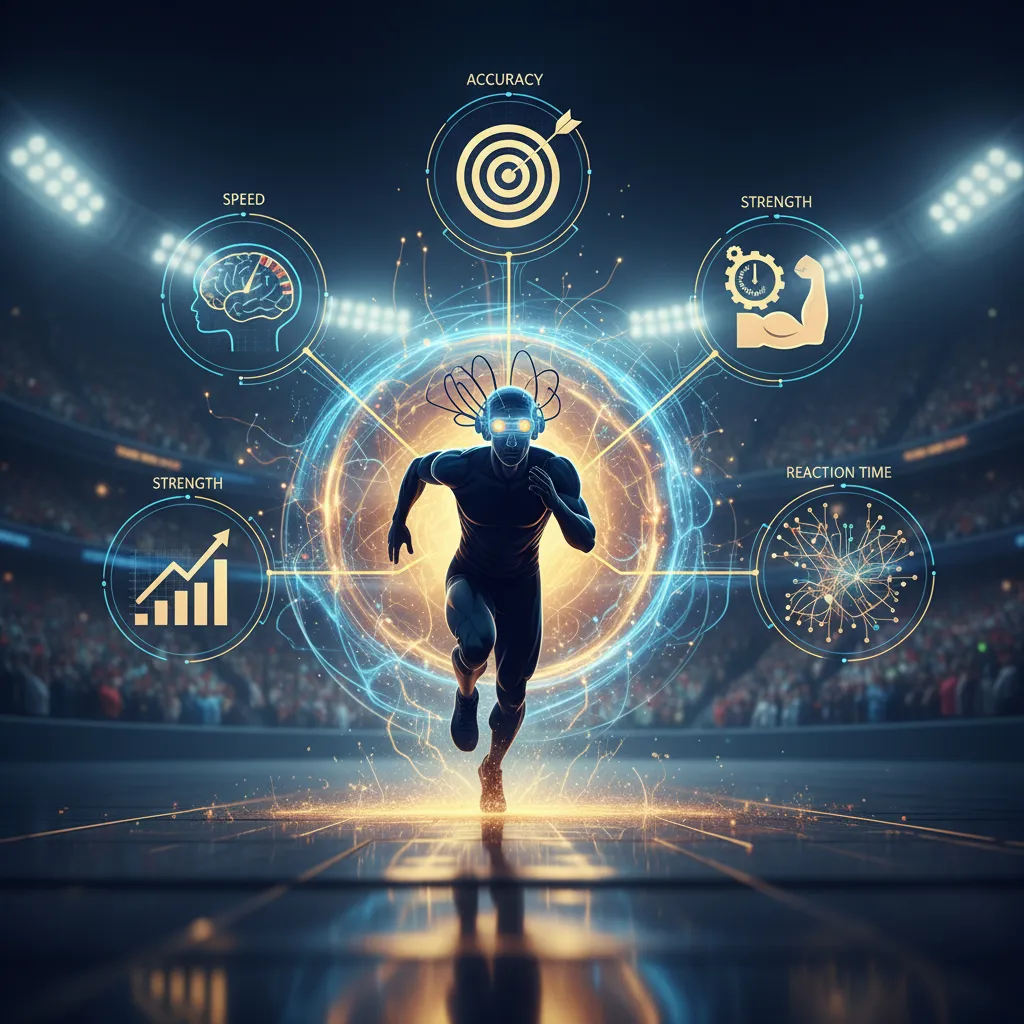
Neurofeedback for sports is a cutting-edge, non-invasive technique that trains athletes to regulate their brainwave activity, leading to significant enhancements in athletic performance. By optimizing brain function through operant conditioning, athletes can improve focus, sharpen concentration, reduce anxiety, and accelerate reaction times under pressure. This powerful tool is also proving beneficial for aiding recovery from concussions and head injuries by helping to normalize dysregulated brainwave patterns. Many elite athletes quietly integrate neurofeedback into their training routines to gain a competitive edge. The process involves a personalized assessment, a customized training protocol targeting specific brainwave frequencies, and consistent sessions for optimal results.
✅ Pros
Significantly enhances focus and concentration in sports
Improves reaction time and mental resilience under pressure
Aids in faster and more effective recovery from concussions and head injuries
Reduces anxiety and stress during competition
Non-invasive technique with lasting brain self-regulation benefits
❌ Cons
Requires professional guidance and a personalized assessment
Involves a significant time commitment with multiple training sessions
Can be a costly investment, depending on the provider and program length
Neurofeedback for sports is rapidly gaining recognition as a powerful tool for athletes seeking to enhance their performance, improve focus, and accelerate recovery. NeuroTech Insider is at the forefront of this revolution, providing innovative solutions to optimize brain function for peak athletic achievement. Discover how neurofeedback, including techniques for Beta Brain Waves stimulation, can unlock your athletic potential, boost Mental Acuity and foster lasting Neurofeedback Benefits.
How Does Neurofeedback Enhance Peak Athletic Performance?
Quick Answer: Neurofeedback optimizes brainwave activity, leading to improved focus, reaction time, and mental resilience, crucial for peak athletic performance.
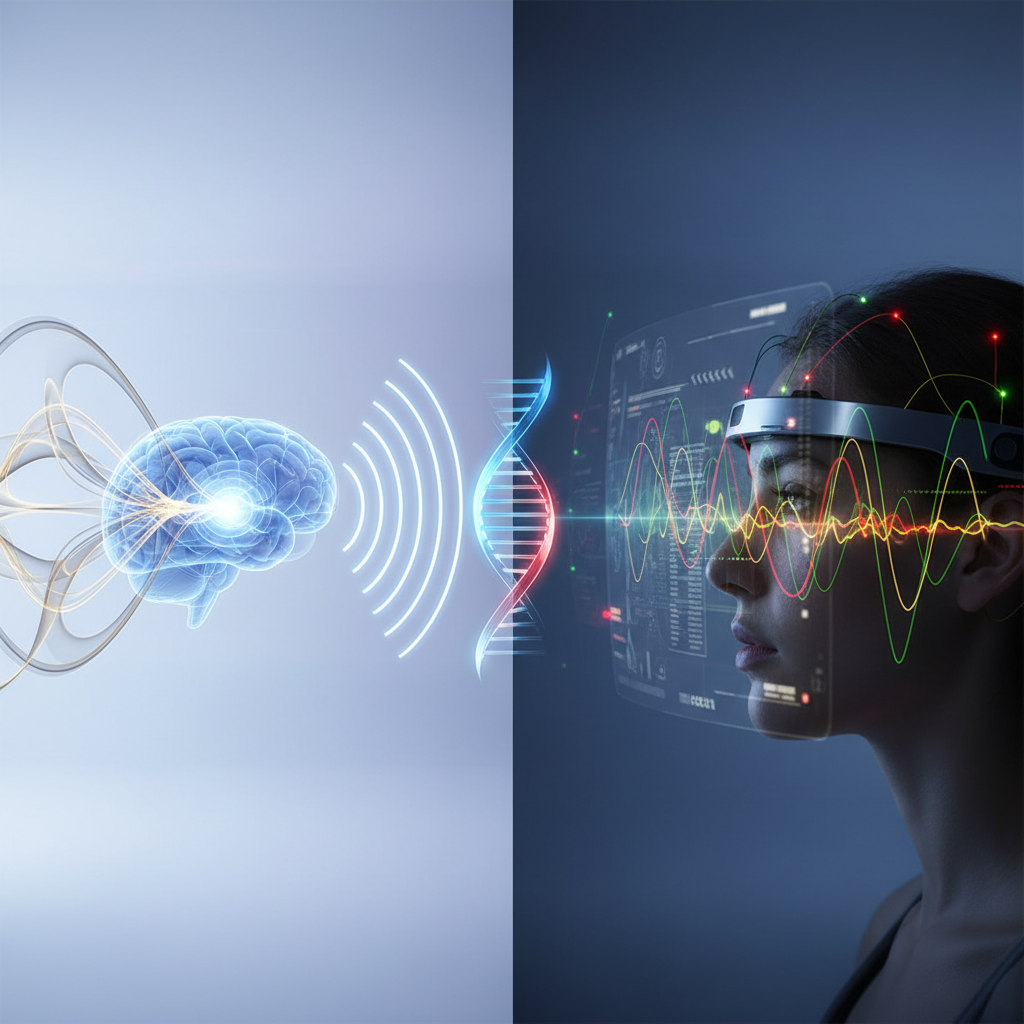
Neurofeedback, also known as EEG biofeedback, is a non-invasive technique that trains individuals to regulate their brainwave activity. In the context of sports, this translates to athletes gaining better control over their mental state, allowing them to perform at their best under pressure. By monitoring brainwave patterns in real-time and providing feedback, neurofeedback helps athletes develop the ability to consciously influence their brain activity. This is particularly relevant for enhancing focus, reducing anxiety, and improving overall cognitive function during competitions and training sessions.
The core principle behind neurofeedback is operant conditioning. Athletes receive immediate feedback, typically through visual or auditory cues, when their brainwaves move towards a desired state. Over time, the brain learns to associate these cues with the desired mental state, enabling athletes to reproduce this state more consistently. This process leads to improved self-regulation of brain function, which is essential for achieving peak performance in sports.
Consider a basketball player struggling with free throws under pressure. Neurofeedback training can help them learn to maintain a calm and focused mental state, characterized by specific brainwave patterns like alpha and theta waves, which are associated with relaxation and concentration. By practicing this mental state during training, the player can then transfer this ability to high-pressure game situations, improving their free throw percentage. The potential benefits are significant, making neurofeedback a valuable tool for athletes across various disciplines.
How Does Neurofeedback Improve Focus and Concentration in Sports?
Quick Answer: By training athletes to regulate their brainwaves, neurofeedback enhances their ability to maintain focus, filter distractions, and improve reaction time, leading to better concentration during crucial moments.
Focus and concentration are critical for success in virtually every sport. The ability to maintain attention, filter out distractions, and react quickly to changing situations can be the difference between victory and defeat. Neurofeedback directly addresses these cognitive functions by training athletes to optimize their brainwave patterns associated with focus and attention.
Typically, athletes undergoing neurofeedback training for focus will work on increasing the amplitude of beta brainwaves, which are associated with alertness and concentration, while simultaneously decreasing the amplitude of theta brainwaves, which are linked to drowsiness and mind-wandering. This balance is crucial for maintaining optimal focus during prolonged periods of activity. A study published in the Journal of Applied Sport Psychology found that neurofeedback training significantly improved attention and focus in a group of competitive golfers, leading to improved performance on the course.
Imagine a tennis player preparing to serve during a championship match. The crowd is roaring, and the pressure is immense. With neurofeedback training, this player can learn to consciously activate the brainwave patterns associated with focus, allowing them to block out the distractions and execute their serve with precision. This ability to regulate brain function on demand provides a significant competitive advantage.
Can Neurofeedback Aid in Recovery from Concussions and Head Injuries?
Quick Answer: Yes, neurofeedback can help athletes recover from concussions and head injuries by promoting brainwave normalization and improving cognitive functions often impaired by such injuries.
Concussions and head injuries are a significant concern in contact sports, often resulting in a range of cognitive and emotional symptoms that can sideline athletes for extended periods. Neurofeedback has emerged as a promising tool for aiding in the recovery process, by helping to restore normal brainwave activity and improve cognitive functions affected by the injury.
Following a concussion, brainwave patterns can become dysregulated, leading to symptoms such as headaches, dizziness, difficulty concentrating, and emotional instability. Neurofeedback can help to re-establish healthy brainwave patterns by providing targeted training to normalize brain activity. For example, if an athlete exhibits an excess of slow-wave activity (theta and delta waves) after a concussion, neurofeedback can be used to train the brain to increase faster-wave activity (alpha and beta waves), promoting alertness and cognitive clarity.
A study published in the journal Clinical EEG and Neuroscience demonstrated that neurofeedback training significantly improved cognitive function and reduced symptoms in athletes with post-concussion syndrome. The study found that neurofeedback helped to improve attention, memory, and processing speed, allowing athletes to return to their sport more quickly and safely. Even Gerd Kanter Recovery involved optimizing brain function.
Which Famous Athletes Have Utilized Neurofeedback?
Quick Answer: While specific names are often kept confidential, numerous elite athletes across various sports have incorporated neurofeedback into their training regimens to enhance performance and improve mental resilience.
Although specific athlete endorsements are often confidential due to privacy agreements, it is widely known that many elite athletes across a variety of sports, including football, basketball, baseball, and golf, have quietly integrated neurofeedback into their training programs. These athletes recognize the significant benefits that neurofeedback can provide in terms of enhancing focus, improving reaction time, and promoting mental resilience.
One notable example is the growing use of neurofeedback among professional golfers. The sport demands extreme precision and mental focus, making it an ideal candidate for neurofeedback training. Golfers have reported improvements in their ability to maintain concentration under pressure, leading to more consistent performance on the course. Other athletes, such as race car drivers, also benefit from the ability to maintain focus over long periods. Even the use of Callibri Baseball Cap technology highlights the growing trend.
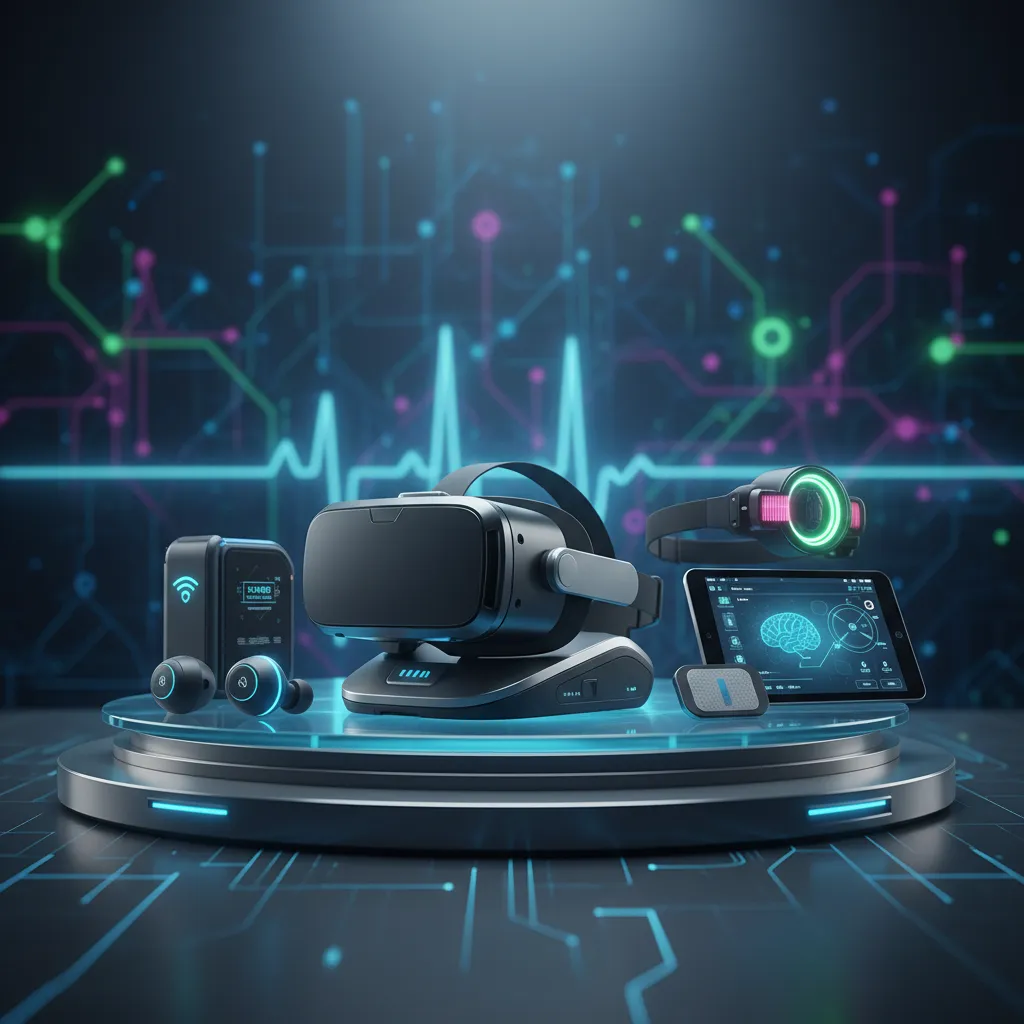
The increasing adoption of neurofeedback by elite athletes underscores its effectiveness as a performance-enhancing tool. As more athletes experience the benefits of neurofeedback, it is likely to become an increasingly common component of training programs at all levels of competition. Consider exploring Brain Training Devices to learn more.
How Can Neurofeedback Be Integrated Into an Athlete’s Training Routine?
Quick Answer: Neurofeedback can be seamlessly integrated into an athlete’s training routine through personalized sessions, regular assessments, and ongoing monitoring to optimize brain function and enhance performance.
Integrating neurofeedback into an athlete’s training routine requires a personalized approach that takes into account the athlete’s specific needs, goals, and sport. The process typically begins with a comprehensive assessment of the athlete’s brainwave activity using quantitative EEG (qEEG). This assessment provides a detailed map of the athlete’s brainwave patterns, identifying areas of dysregulation that may be affecting performance.
Based on the results of the qEEG assessment, a customized neurofeedback training protocol is developed. The protocol will target specific brainwave frequencies and locations to improve focus, reduce anxiety, enhance reaction time, or address other performance-related issues. The training sessions typically involve the athlete wearing sensors on their scalp while engaging in various mental tasks or exercises. Real-time feedback is provided to the athlete, allowing them to learn how to consciously regulate their brainwave activity.
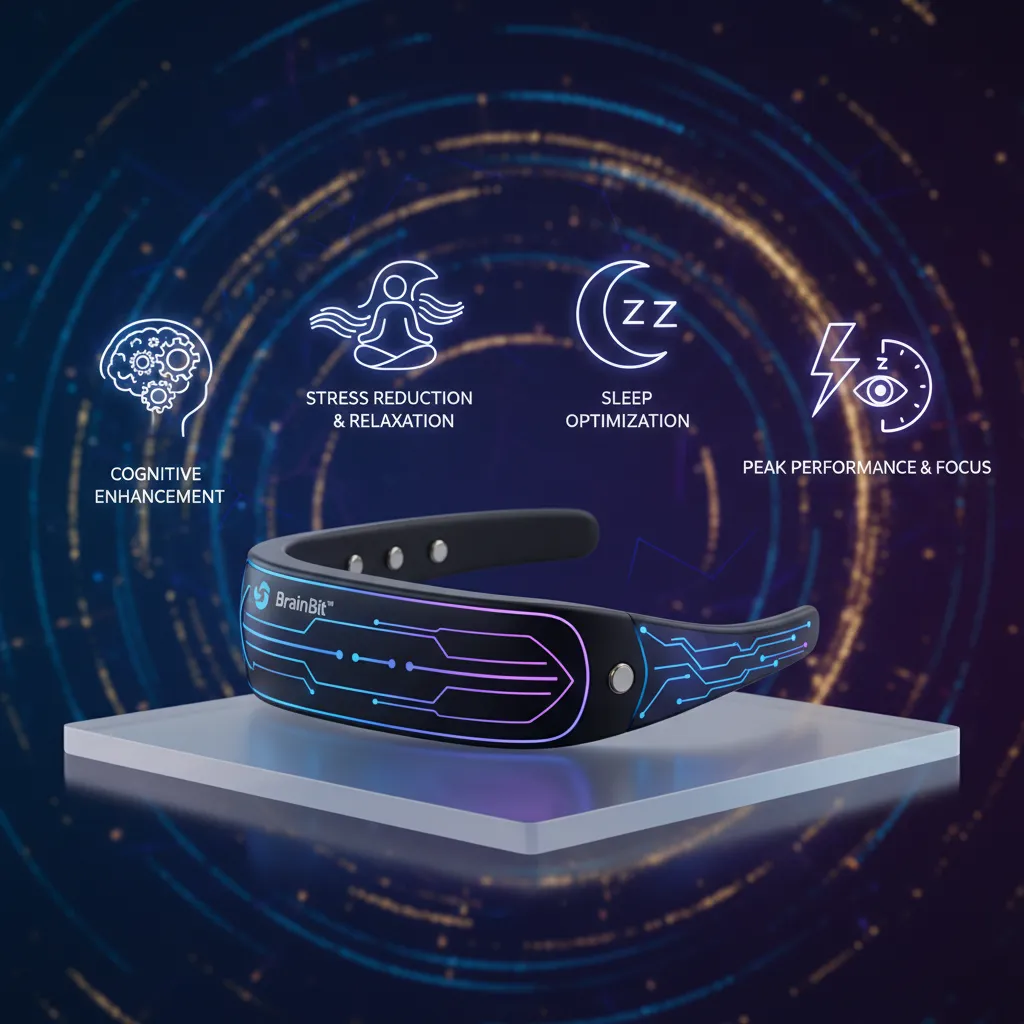
The frequency and duration of neurofeedback training sessions will vary depending on the athlete’s individual needs and goals. However, a typical training program may involve 2-3 sessions per week for several months. It’s also crucial to continually assess progress and make adjustments to the training protocol as needed. For example, BrainBit Callibri can be used for ongoing monitoring.
Neurofeedback for sports is a powerful tool for athletes seeking to enhance their performance, improve focus, and accelerate recovery. By training athletes to regulate their brainwave activity, neurofeedback can help them achieve peak performance under pressure, improve concentration, and recover more quickly from concussions and head injuries. As more athletes experience the benefits of neurofeedback, it is likely to become an increasingly common component of training programs at all levels of competition. Remember, consistency is key for “focus in sports” and achieving “neurofeedback peak performance”. Consider how integrating “brain training for athletes” could benefit you.
💡 Verdict: Neurofeedback for sports is a highly effective, non-invasive method for athletes at all levels to achieve peak mental and physical performance. By enabling conscious control over brainwave activity, it offers a significant competitive advantage, improving focus, resilience, and even aiding in recovery from head injuries. It is a valuable investment for any athlete serious about optimizing their potential.
Frequently Asked Questions
How Does Neurofeedback Enhance Peak Athletic Performance?
Neurofeedback optimizes brainwave activity, leading to improved focus, reaction time, and mental resilience, all crucial for peak athletic performance. Athletes learn to consciously influence their brain activity, allowing them to perform better under pressure.
How Does Neurofeedback Improve Focus and Concentration in Sports?
By training athletes to regulate their brainwaves, neurofeedback enhances their ability to maintain focus, filter distractions, and improve reaction time, leading to better concentration during crucial moments. This often involves increasing beta waves (alertness) and decreasing theta waves (mind-wandering).
Can Neurofeedback Aid in Recovery from Concussions and Head Injuries?
Yes, neurofeedback can help athletes recover from concussions and head injuries by promoting brainwave normalization and improving cognitive functions often impaired by such injuries, such as attention, memory, and processing speed.