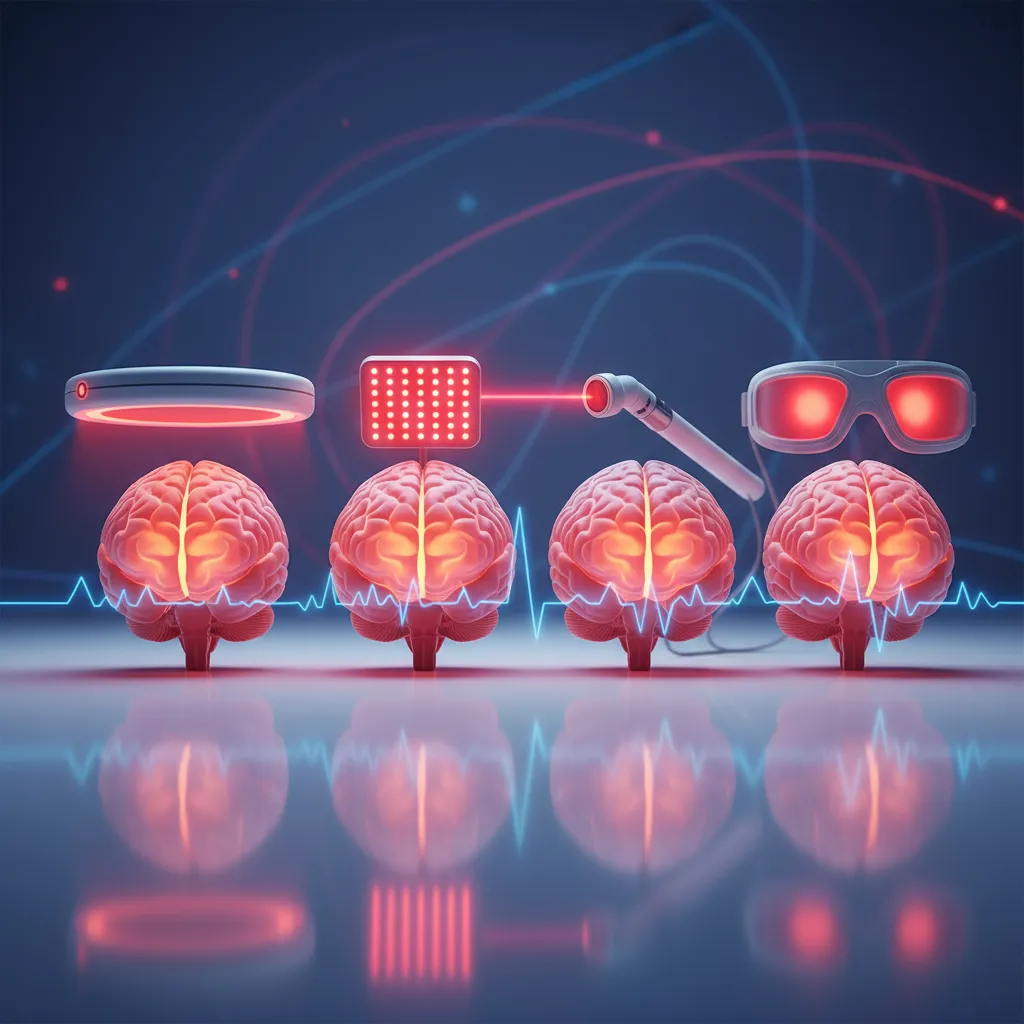
Beta brain waves are crucial for alertness, focus, and cognitive performance, operating in frequencies from 12-30 Hz (low, mid, high beta). While essential for daily tasks, excessive high beta can lead to stress and anxiety. This guide explores strategies to optimize beta waves for enhanced focus through neurofeedback (e.g., SMR training) and cognitive exercises, and techniques to reduce overactive beta using mindfulness, deep breathing, and lifestyle adjustments. It emphasizes the importance of balancing beta with alpha and theta waves for holistic brain function and introduces EEG as the primary method for real-time brainwave measurement, including portable devices for personal neuro-optimization. Mastering beta waves ultimately leads to improved productivity, emotional regulation, and overall well-being.
✅ Pros
Enhances active focus and concentration.
Boosts problem-solving and critical thinking.
Improves cognitive performance and learning ability.
Supports alertness and responsiveness.
Neurofeedback can specifically train beneficial beta states.
❌ Cons
Excessive high beta can lead to stress, anxiety, and racing thoughts.
Sustained high beta can cause over-arousal and mental fatigue.
Imbalance with alpha and theta waves can impair cognitive flexibility.
Can contribute to conditions like ADHD burnout if unregulated.
Beta brain waves are the fascinating electrical rhythms of the brain associated with active, alert states, providing the foundation for peak cognitive performance and focused attention when balanced appropriately. Understanding and optimizing these powerful brainwave frequencies is crucial for anyone seeking to enhance productivity and mental clarity, a core mission at NeuroTech Insider, offering pathways to neuro-optimization and improved well-being. This comprehensive guide will illuminate the intricate dynamics of beta waves, from their role in alertness to strategies for managing high beta anxiety.
What Are Beta Brain Waves and How Do They Influence High Performance?
Quick Answer: Beta brain waves are rapid neural oscillations (12-30 Hz) linked to active concentration, problem-solving, and alertness, essential for high performance, though excessive high beta can manifest as stress and anxiety.
Beta brain waves represent a state of active consciousness, serving as the neural engine for our daily interactions with the world. Ranging typically from 12 to 30 Hertz (Hz), these fast-moving electrical impulses are most prominent when we are awake, alert, and engaged in mental activities. Imagine moments of intense focus during a demanding task, critical thinking during a meeting, or even the simple act of planning your day—these are all moments where beta activity is heightened. They are fundamental to our alertness brain state, enabling us to process information efficiently and react swiftly to our environment.
The spectrum of beta waves is not monolithic; it is often subdivided into categories that reflect varying intensities of mental engagement:
5 Key Facts About Beta Brain Waves & High Performance – Beta Brain Waves – 1
•Low Beta (12-15 Hz): This range is associated with a relaxed yet focused mental state. It is often seen when someone is calmly concentrating, perhaps reading a book or engaging in light cognitive work. It represents a state of gentle alertness without significant mental strain.
•Mid Beta (15-20 Hz): As we move into mid-beta, the brain is more actively engaged. This is the frequency range often observed during problem-solving, decision-making, and conscious mental effort. It signifies a state of focused attention and active processing.
•High Beta (20-30 Hz): This is the highest frequency range within the beta spectrum, indicating intense mental activity. While beneficial for critical situations requiring rapid processing and vigilance, sustained high beta can lead to over-arousal, stress, and what is commonly known as high beta anxiety. It is often linked to feeling overwhelmed, agitated, or experiencing racing thoughts.
Research from institutions like the National Institute of Mental Health consistently highlights the correlation between optimal beta activity and superior cognitive functions. For instance, a study published in Neuroscience & Biobehavioral Reviews in 2014 demonstrated that individuals with well-regulated beta power exhibit better working memory and sustained attention. This makes understanding beta brain waves facts crucial for anyone pursuing peak cognitive function.
The key distinction lies in the balance. Productive beta activity fuels our ability to learn, innovate, and achieve. It enables the brainwave frequencies for focus necessary for complex tasks. However, when beta activity becomes excessive or chronic, particularly in the high beta range, it can shift from a state of productive alertness to one of tension and apprehension. This is why distinguishing between beneficial beta brain waves benefits and the detrimental effects of high beta anxiety is paramount for neuro-optimization.
NeuroTech Insider emphasizes that achieving a balanced beta state is not about eliminating these waves, but rather about cultivating the optimal range for desired cognitive outcomes, ensuring that our brains are energized and focused without succumbing to overstimulation.
5 Key Facts About Beta Brain Waves & High Performance – Brainwave frequencies – 2
How Can We Optimize Beta Brain Waves for Enhanced Work Focus and Cognitive Performance?
Quick Answer: Optimizing beta brain waves for focus involves structured cognitive tasks, targeted neurofeedback training, and engaging in activities that demand concentrated attention, thereby enhancing mental acuity and sustained productivity.
Harnessing the power of beta waves for enhanced work focus and cognitive performance is a cornerstone of neuro-optimization. The goal is to encourage the healthy, productive beta frequencies that support active thinking and problem-solving, without tipping into the counterproductive high beta anxiety. Here are several evidence-based strategies to cultivate optimal brainwave frequencies for focus:
What Neurofeedback Techniques Can Boost Productive Beta Activity?
Neurofeedback training is a highly effective method for learning to self-regulate brain activity. By providing real-time feedback on brainwave patterns, individuals can consciously learn to increase desirable beta frequencies. A typical session might involve wearing an EEG sensor, like the BrainBit Headband, while playing a game or watching a video that only progresses when the desired beta wave activity is detected.
5 Key Facts About Beta Brain Waves & High Performance – Neuro-optimization – 3
•SMR (Sensorimotor Rhythm) Training (12-15 Hz): This specific type of neurofeedback targets low beta, often referred to as Sensorimotor Rhythm. Training to increase SMR has been shown to improve attention, reduce impulsivity, and enhance overall cognitive control. For example, a 2016 meta-analysis in Clinical EEG and Neuroscience highlighted significant improvements in attention for individuals with ADHD after SMR training, with effect sizes ranging from 0.5 to 0.8.
•Mid-Beta Training (15-20 Hz): For tasks requiring intense mental effort, training to enhance mid-beta can be beneficial. Athletes, for instance, often use neurofeedback for sports to improve focus and reaction time under pressure. A study involving marksmen showed a 15% improvement in target accuracy after a 10-week mid-beta neurofeedback protocol, attributed to enhanced sustained attention and reduced distractibility.
What Cognitive and Behavioral Strategies Enhance Alertness and Focus?
Beyond technological interventions, several everyday practices can naturally foster a productive alertness brain state:
•Focused Work Blocks: Dedicate specific time slots (e.g., 25-50 minutes) to a single task without interruptions. This trains the brain to sustain beta activity for longer periods. The Pomodoro Technique is an excellent example, often resulting in a 20-30% increase in perceived productivity.
•Cognitive Exercises: Engage in activities that challenge your mental faculties, such as puzzles, learning a new language, or playing strategic games. These activities stimulate neural pathways associated with beta waves, sharpening cognitive function.
•Environmental Optimization: A quiet, organized workspace with minimal distractions can significantly support sustained beta activity. Adequate lighting and comfortable seating also play a role in maintaining an optimal beta brain waves facts environment.
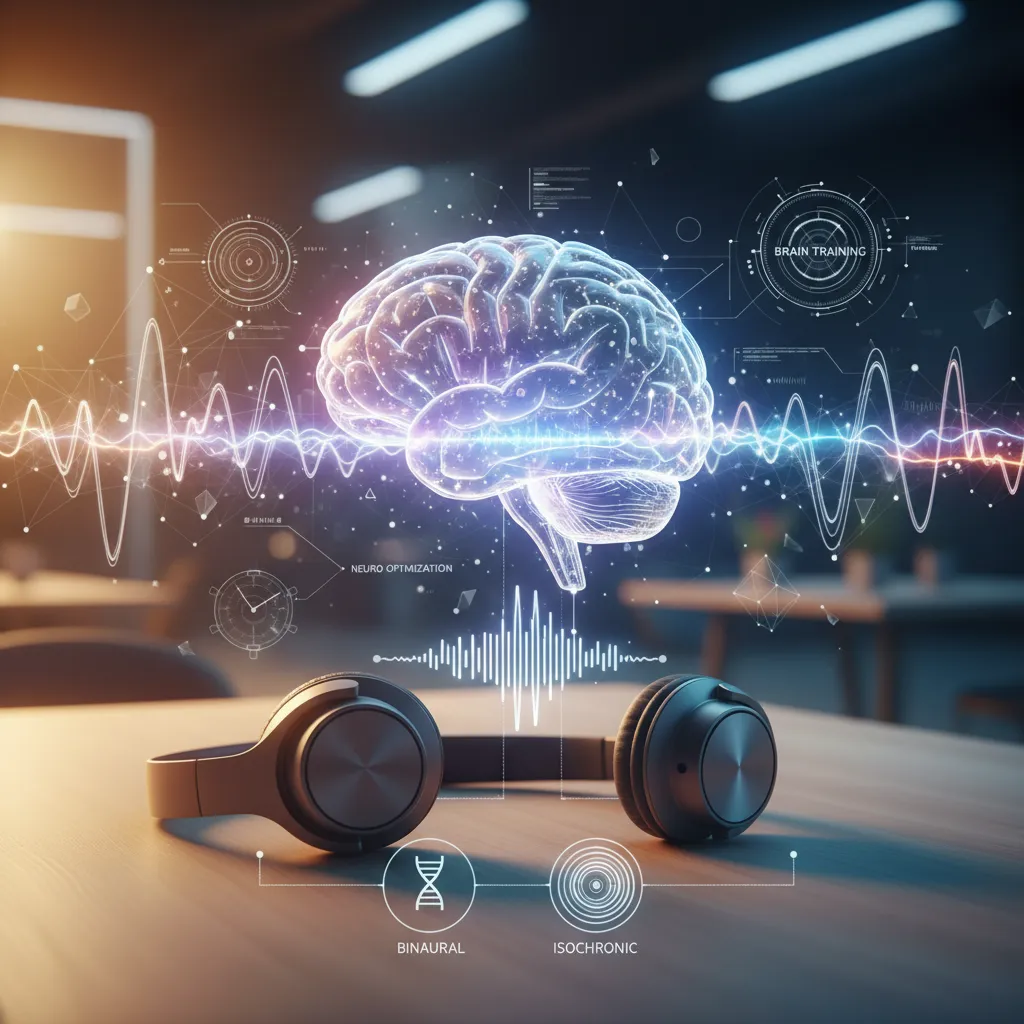
•Binaural Beats: Listening to binaural beats focus tracks, specifically those designed for beta frequencies, can help entrain your brain into a more alert and focused state. While not a direct brainwave measurement, this auditory stimulation can guide brain activity.
By integrating these strategies, individuals can proactively enhance their beta brain waves benefits, leading to improved concentration, faster information processing, and an overall boost in high performance across professional and personal domains.
What Strategies Effectively Reduce High Beta Brain Waves to Mitigate Stress and Anxiety?
Quick Answer: To effectively reduce high beta brain waves and alleviate associated stress and anxiety, practices like mindfulness meditation, deep diaphragmatic breathing, biofeedback, and controlled relaxation techniques are highly beneficial for promoting a calmer mental state.
5 Key Facts About Beta Brain Waves & High Performance – Cognitive performance – 4
While optimal beta activity is crucial for performance, persistent or excessive high beta can lead to states of high beta anxiety, stress, and mental fatigue. The ability to reduce beta waves when they become overactive is as important as increasing them for focus. This regulation is key to maintaining mental well-being and preventing conditions like ADHD burnout.
Which Mindfulness and Relaxation Techniques Are Most Effective?
Mindfulness and deep relaxation practices are powerful tools for shifting brainwave patterns away from high beta. These techniques encourage the brain to produce more alpha and theta waves, which are associated with relaxation and calm.
•Mindfulness Meditation: Regular meditation practice, even for 10-15 minutes daily, has been shown to decrease high beta activity and increase alpha and theta waves. A study published in Frontiers in Human Neuroscience (2010) reported that experienced meditators exhibit higher theta and alpha power during meditation compared to non-meditators, suggesting a shift away from anxious beta states.
•Deep Diaphragmatic Breathing: Slow, deep breaths activate the parasympathetic nervous system, counteracting the fight-or-flight response associated with high beta. A simple exercise: Inhale slowly for 4 seconds, hold for 7 seconds, exhale slowly for 8 seconds. Repeat for 5-10 minutes. This significantly reduces heart rate variability and self-reported stress levels within minutes.
•Progressive Muscle Relaxation (PMR): Systematically tensing and then relaxing different muscle groups helps release physical tension, which in turn signals the brain to reduce high beta activity. This technique can reduce generalized anxiety by up to 30% over several weeks.
How Can Lifestyle Adjustments Contribute to Lowering High Beta?
Daily habits play a significant role in regulating brainwave patterns. Modifying certain lifestyle factors can create a more balanced neural environment.
5 Key Facts About Beta Brain Waves & High Performance – High beta anxiety – 5
•Consistent Sleep Schedule: Poor sleep exacerbates high beta activity and anxiety. Establishing a regular sleep-wake cycle helps regulate the brain’s natural rhythms. Aim for 7-9 hours of quality sleep per night.
•Regular Physical Activity: Exercise is a potent stress reducer. Moderate aerobic exercise (e.g., 30 minutes, 3-5 times a week) has been shown to reduce generalized anxiety symptoms by up to 25%, indirectly leading to a reduction in high beta.
•Dietary Considerations: Reducing caffeine and sugar intake, especially in the afternoon and evening, can help prevent overstimulation that promotes high beta. Incorporating omega-3 fatty acids and magnesium-rich foods supports overall brain health and regulation.
•Mindful Technology Use: Limiting screen time, especially before bed, can prevent the brain from staying in an overly alert beta state. Blue light from screens can suppress melatonin, impacting sleep and perpetuating high beta.
By consciously implementing these strategies, individuals can effectively reduce beta waves when they become counterproductive, fostering a sense of calm and promoting mental resilience against stress and anxiety.
How Do We Accurately Measure Beta Brain Wave Activity in Real-Time?
Quick Answer: Beta brain wave activity is precisely measured using Electroencephalography (EEG), a non-invasive technology that records and analyzes electrical signals generated by the brain, providing real-time insights into cognitive states and neural patterns.
To understand and optimize beta brain waves, it is essential to have accurate methods for measuring their activity. The primary, gold-standard technology for this is Electroencephalography (EEG). EEG non-invasively detects and records the electrical impulses generated by large groups of neurons firing synchronously in the brain. This allows researchers and practitioners to visualize brainwave frequencies and patterns, including beta waves, in real-time.
5 Key Facts About Beta Brain Waves & High Performance – Beta Brain Waves – 6
What Is Electroencephalography (EEG) and How Does It Work?
EEG involves placing small electrodes on the scalp, which are connected to an amplifier and a recording device. These electrodes pick up the minuscule voltage fluctuations resulting from synaptic activity in the brain. The signals are then amplified and displayed as wave patterns, allowing specialists to identify different brain waves types, including beta, based on their characteristic frequency and amplitude.
The process of how to measure brain waves using EEG typically involves:
1.Electrode Placement: A cap or individual electrodes are precisely placed on the scalp according to a standardized system (e.g., 10-20 system) to capture activity from specific brain regions.
2.Signal Acquisition: The electrodes detect electrical potentials, which are then filtered to remove artifacts (e.g., muscle movements, eye blinks) and amplified.
3.Data Analysis: Specialized software analyzes the raw EEG data, breaking it down into different frequency bands (delta, theta, alpha, beta, gamma). This analysis quantifies the power or amplitude of beta waves in various brain regions.
4.Interpretation: Clinicians and neuroscientists interpret these patterns to understand an individual’s cognitive state, identify imbalances, or assess neurological conditions. For example, a high prevalence of fast beta activity in frontal lobes during rest might indicate high beta anxiety.
What Are Modern Advancements in Brainwave Measurement?
While traditional EEG is a clinical tool, advancements in technology have led to more accessible and portable options for monitoring brain activity, making neuro-optimization more attainable for the general public.
5 Key Facts About Beta Brain Waves & High Performance – Brainwave frequencies – 7
Measurement Method
Key Features
Applications for Beta Waves
Clinical EEG
High channel count (19-256 electrodes), high precision, used in hospitals and research.
Diagnostic tool for epilepsy, sleep disorders, research on cognitive function.
Quantitative EEG (QEEG)
Digital analysis of raw EEG data, compares individual patterns to normative databases.
Fewer electrodes (1-14 channels), user-friendly, often connect to apps. Example: BrainBit Headband.
Personal neurofeedback, meditation tracking, focus enhancement, mental fitness monitoring.
These portable devices, such as those reviewed by NeuroTech Insider, make the benefits of brainwave monitoring accessible for personal use, allowing individuals to gain insights into their own beta brain waves facts and apply biofeedback techniques to optimize their mental states for focus or relaxation. The ability to visualize your brain’s activity can be incredibly empowering for self-improvement.
Why Is Balancing Beta Waves with Theta and Alpha Activity Essential for Optimal Brain Function?
Quick Answer: Achieving a harmonious balance between beta waves (alertness), alpha waves (relaxed focus), and theta waves (creativity, deep relaxation) is crucial for cognitive flexibility, emotional resilience, and preventing states like ADHD burnout, ensuring holistic optimal brain function.
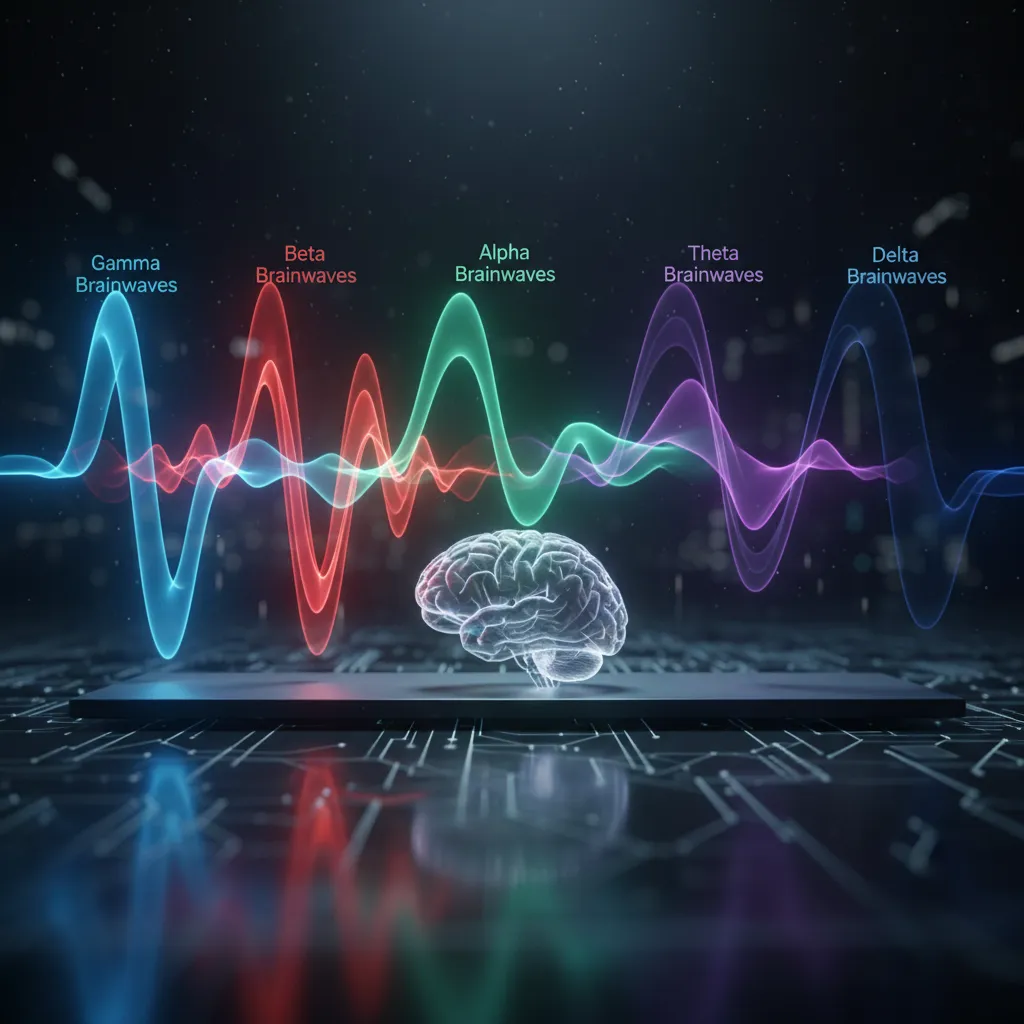
The brain is a symphony of electrical activity, with various brain waves types working in concert. While beta waves are vital for active engagement, optimal brain function is not solely about maximizing beta. A healthy brain exhibits dynamic flexibility, shifting between different brainwave states as needed. Maintaining a balanced ratio between beta and slower frequencies like alpha (8-12 Hz) and theta (4-8 Hz) is profoundly important for overall cognitive health, emotional regulation, and avoiding conditions such as ADHD burnout.
5 Key Facts About Beta Brain Waves & High Performance – Neuro-optimization – 8
What Roles Do Alpha and Theta Waves Play in Brain Balance?
Each brainwave frequency contributes unique benefits to our mental landscape:
•Alpha Waves: The Bridge to Calm Focus (8-12 Hz): Alpha waves emerge when we are in a relaxed, yet alert state. Think of meditating with open eyes, brainstorming, or engaging in light, creative work. Alpha bridges the gap between our conscious beta state and subconscious theta state. It fosters creativity, reduces anxiety, and facilitates learning. A good balance of alpha helps prevent high beta anxiety from taking over.
•Theta Waves: The Realm of Insight and Relaxation (4-8 Hz): Theta waves are prominent during deep meditation, REM sleep, and moments of profound insight or creativity. They are associated with intuition, memory consolidation, and emotional processing. Exploring Theta Wave Benefits reveals their critical role in learning and emotional healing. An adequate presence of theta allows for mental rest and rejuvenation, which is crucial for overall brain health.
Why Is the Beta-to-Theta/Alpha Ratio Important?
Neuroscientific research consistently points to the significance of the beta-to-theta and beta-to-alpha ratios in assessing brain health and cognitive function. For instance, an elevated beta-to-theta ratio is frequently observed in individuals with Attention-Deficit/Hyperactivity Disorder (ADHD), indicating an imbalance where the brain struggles to shift from an overactive beta state to a more relaxed, internally focused theta state.
Ratio
Meaning of Imbalance
Benefit of Balance
Beta/Theta Ratio
High ratio: Difficulty focusing, impulsivity, often seen in ADHD.
High ratio: Anxiety, stress, hyper-vigilance, overthinking.
Calm alertness, creativity, emotional regulation.
Balancing these brainwave frequencies allows for greater cognitive flexibility—the ability to smoothly transition between different mental states, from intense focus (beta) to creative problem-solving (alpha) and deep introspection (theta). This dynamic adaptability prevents the brain from getting stuck in an overactive, anxious state or an under-aroused, sluggish one.
5 Key Facts About Beta Brain Waves & High Performance – Cognitive performance – 9
Achieving this balance is a core principle of neuro-optimization. By consciously training the brain to produce appropriate levels of each brainwave, individuals can enhance their overall well-being, improve cognitive function, and achieve a state of relaxed readiness that supports sustained high performance without the cost of high beta anxiety. Tools and techniques discussed by NeuroTech Insider, from neurofeedback to mindfulness, are designed to facilitate this crucial balance. These beta brain waves facts underscore the importance of comprehensive brain health.
How Can Neuro-Optimization Enhance Your Life Through Beta Wave Mastery?
Quick Answer: Mastering beta brain waves through neuro-optimization empowers individuals to achieve heightened focus, mitigate stress, enhance cognitive agility, and cultivate a balanced mental state essential for thriving in demanding environments and improving overall quality of life.
Understanding and proactively managing your beta brain waves is a profound step towards achieving a state of sustained high performance and mental well-being. As NeuroTech Insider consistently advocates, neuro-optimization is not merely about boosting one aspect of brain function, but rather about cultivating a dynamic, resilient, and harmonized brain state. The insights into beta brain waves facts presented here highlight that these fast oscillations are double-edged: essential for focus and engagement, yet capable of inducing stress if unregulated.
By learning to modulate your beta activity—increasing beneficial beta for focused tasks and reducing excessive high beta to alleviate high beta anxiety—you gain greater control over your cognitive and emotional states. This mastery translates into tangible benefits across various aspects of life:
•Enhanced Productivity and Learning: Optimally tuned brainwave frequencies for focus mean you can absorb information faster, concentrate for longer periods, and execute tasks with greater precision.
•Reduced Stress and Improved Emotional Regulation: The ability to reduce beta waves when they lead to overstimulation helps cultivate calmness, preventing the mental fatigue and emotional burnout often associated with chronic stress.
•Greater Mental Clarity and Creativity: A balanced brain, capable of fluidly transitioning between beta (alertness), alpha (relaxed focus), and theta (Theta Wave Benefits include creativity and insight), fosters not just efficiency but also innovative thinking and problem-solving.
•Improved Sleep Quality: By learning to downregulate beta activity towards the end of the day, you prepare your brain for restful sleep, enhancing overall recovery and rejuvenation.
The journey to mastering your brainwaves is an investment in your cognitive longevity and overall quality of life. Embracing the principles of neuro-optimization, supported by advancements in technology and scientific understanding, offers a clear path to unlocking your brain’s full potential. NeuroTech Insider is dedicated to providing cutting-edge information and tools, such as the NeuroVizr device, to empower you on this transformative journey.
💡 Verdict: Optimizing beta brain waves is fundamental for peak cognitive function and mental well-being. By strategically enhancing productive beta activity for focus and employing techniques to reduce detrimental high beta, individuals can achieve a harmonious brain state, leading to improved performance, reduced anxiety, and greater overall mental resilience.
Frequently Asked Questions
What are Beta Brain Waves and how do they influence high performance?
Beta brain waves are rapid neural oscillations (12-30 Hz) linked to active concentration, problem-solving, and alertness, essential for high performance, though excessive high beta can manifest as stress and anxiety.
How can we optimize Beta Brain Waves for enhanced work focus and cognitive performance?
Optimizing beta brain waves for focus involves structured cognitive tasks, targeted neurofeedback training, and engaging in activities that demand concentrated attention, thereby enhancing mental acuity and sustained productivity.
What strategies effectively reduce high Beta Brain Waves to mitigate stress and anxiety?
To effectively reduce high beta brain waves and alleviate associated stress and anxiety, practices like mindfulness meditation, deep diaphragmatic breathing, biofeedback, and controlled relaxation techniques are highly beneficial for promoting a calmer mental state.