
Key Takeaways
✅ Pros
- Enhances mitochondrial function and ATP production
- Improves neuronal function and protects against oxidative stress
- Promotes neuroplasticity and increases cerebral blood flow
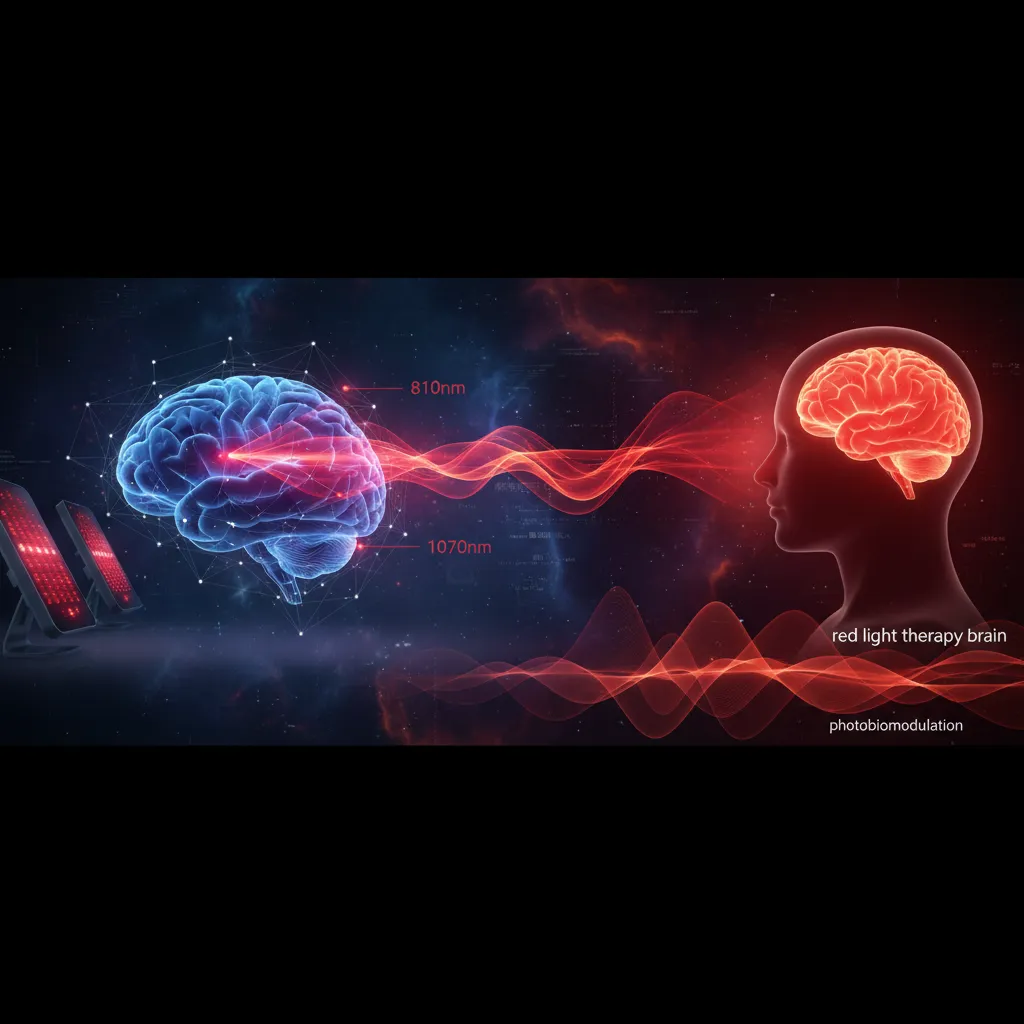
- Near-infrared wavelengths (810nm, 1070nm) offer deep tissue penetration into the brain
- 1070nm offers excellent penetration for deeper brain structures
- Dual-chip devices allow for synergistic effects and comprehensive multi-layer treatment
- Can be used non-invasively for brain stimulation
❌ Cons
- 1070nm has less extensive research compared to 810nm
- Penetration depth can vary based on skull thickness and tissue density
- Potential side effects include mild skin redness, eye strain, or headaches
- Risk of overstimulation (anxiety, insomnia, seizures in rare cases) if settings are too high or used improperly
- Not recommended for individuals with photosensitivity or a history of seizures without professional consultation
810nm vs 1070nm: The Best Wavelength for Brain Health?
Best red light wavelengths, particularly 810nm and 1070nm, are emerging as powerful tools for neuro-optimization and enhancing overall brain function. At NeuroTech Insider, we’re dedicated to exploring these advancements, offering solutions like the NeuroVizr device designed to leverage these wavelengths. Delve into the science behind near-infrared light, neural stimulation, and cognitive enhancement.
What Makes 810nm and 1070nm the Best Wavelengths for Brain Health?
Quick Answer: Both 810nm and 1070nm wavelengths exhibit unique properties that promote brain health by enhancing mitochondrial function, increasing cerebral blood flow, and reducing inflammation. The 1070nm wavelength offers deeper penetration, while 810nm provides a balance between penetration and absorption.
The quest for optimizing brain health has led to significant interest in photobiomodulation (PBM), a process that uses light to stimulate cellular function. Among the various wavelengths studied, 810nm and 1070nm have emerged as particularly promising for their potential to enhance cognitive function, promote healing, and protect against neurodegenerative diseases. Understanding why these wavelengths are so effective requires delving into the technical aspects of light absorption, tissue penetration, and their specific interactions with brain cells.
The effectiveness of a particular wavelength for brain health depends on several factors, including its ability to penetrate the skull and brain tissue, its absorption by specific molecules within cells, and its subsequent effects on cellular function. Both 810nm and 1070nm fall within the near-infrared (NIR) spectrum, which is known for its ability to penetrate deeper into tissues compared to visible light. This is because NIR light is less likely to be scattered or absorbed by water and other molecules in the skin and skull.
The 810nm wavelength has been extensively studied for its effects on brain health. Research suggests that it can enhance mitochondrial function, the powerhouses of cells, by increasing the production of ATP (adenosine triphosphate), the primary energy currency of the cell. This enhanced energy production can improve neuronal function, protect against oxidative stress, and promote neuroplasticity, the brain’s ability to reorganize itself by forming new neural connections throughout life. Studies have also shown that 810nm light can increase cerebral blood flow, delivering more oxygen and nutrients to brain cells.
The 1070nm wavelength, while less studied than 810nm, offers the advantage of even deeper tissue penetration. This is particularly important for targeting deeper brain structures that may be involved in cognitive function, mood regulation, and other neurological processes. The deeper penetration of 1070nm light may also be beneficial for individuals with thicker skulls or those seeking to target specific regions of the brain.
Here’s a table summarizing the key differences between 810nm and 1070nm wavelengths:
| Feature | 810nm | 1070nm |
|---|---|---|
| Penetration Depth | Good | Excellent |
| Mitochondrial Stimulation | High | Moderate |
| Research Availability | Extensive | Limited |
How Deeply Do These Wavelengths Penetrate the Skull and Brain Tissue?
Quick Answer: Both 810nm and 1070nm wavelengths can penetrate several centimeters into the brain tissue. 1070nm typically penetrates deeper than 810nm, allowing it to reach deeper brain structures. Factors such as skull thickness and tissue density can affect the actual penetration depth.
The ability of light to penetrate the skull and reach brain tissue is crucial for effective photobiomodulation. The skull, composed of dense bone, presents a significant barrier to light transmission. However, near-infrared light, including 810nm and 1070nm, can penetrate through the skull to a certain extent.
Several studies have investigated the penetration depth of NIR light through the skull. These studies have used various methods, including in vitro measurements on cadaver skulls and in vivo measurements using optical imaging techniques. The results of these studies suggest that NIR light can penetrate several centimeters into the brain tissue. One study published in the journal “Photomedicine and Laser Surgery” found that 810nm light could penetrate up to 2-3 cm into the brain tissue, while another study found that 1070nm light could penetrate even deeper, reaching depths of 3-4 cm.
It’s important to note that the actual penetration depth can vary depending on several factors, including skull thickness, tissue density, and the specific wavelength and power of the light source. Individuals with thicker skulls may experience less light penetration compared to those with thinner skulls. Similarly, denser brain tissue may absorb more light, reducing the amount that reaches deeper structures.
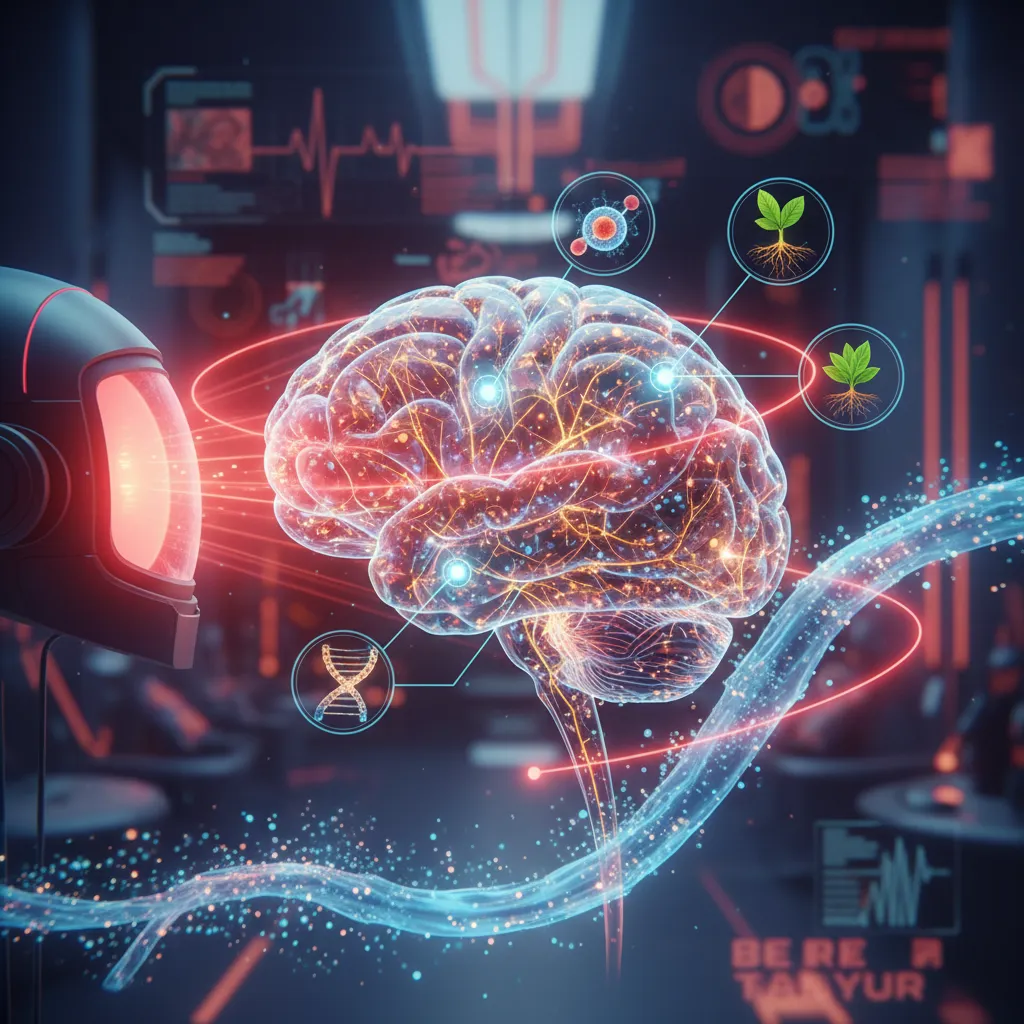
Despite these limitations, the ability of 810nm and 1070nm light to penetrate the skull and reach brain tissue makes them promising candidates for non-invasive brain stimulation. By delivering light directly to the brain, these wavelengths can potentially enhance cognitive function, promote healing, and protect against neurodegenerative diseases.
What are the Differences Between Wavelengths for Skin vs. Brain Stimulation (630nm vs. 810nm+)?
Quick Answer: 630nm red light is primarily used for skin treatments due to its shallow penetration depth, benefiting surface-level issues like wrinkles and acne. 810nm and higher wavelengths (near-infrared) are used for brain stimulation because they penetrate deeper into the skull and brain tissue, targeting neurons and deeper structures.
The choice of wavelength in light therapy is heavily dependent on the target tissue. Different wavelengths of light have different penetration depths, meaning they affect different layers of tissue. For skin treatments, shallower penetration is often desired, while brain stimulation requires deeper penetration.
630nm (Red Light): This wavelength is highly effective for skin rejuvenation and treating surface-level skin conditions. Its shorter wavelength means it is absorbed more readily by the superficial layers of the skin, such as the epidermis. This makes it ideal for stimulating collagen production, reducing wrinkles, improving skin tone, and treating acne. The 630nm wavelength is less effective for reaching deeper tissues like the brain because it is largely absorbed or scattered before it can penetrate the skull.
810nm and Higher (Near-Infrared Light): These wavelengths are part of the near-infrared spectrum and are characterized by their ability to penetrate deeper into tissues. The longer wavelength allows them to pass through the skin, skull, and reach the brain tissue. Once in the brain, these wavelengths can interact with neurons and other brain cells, promoting various beneficial effects such as increased ATP production, improved blood flow, and reduced inflammation. This makes them suitable for conditions like traumatic brain injury, stroke, and neurodegenerative diseases.
Here is a table summarizing the differences:
| Wavelength | Primary Application | Penetration Depth |
|---|---|---|
| 630nm | Skin Rejuvenation | Shallow |
| 810nm+ | Brain Stimulation | Deep |
Why Are Dual-Chip Devices with Multiple Wavelengths Often Considered Better?
Quick Answer: Dual-chip devices offer the advantage of combining different wavelengths, allowing for synergistic effects and targeting multiple layers of tissue simultaneously. This can lead to more comprehensive and effective treatment outcomes.
Dual-chip devices, which incorporate multiple wavelengths of light, are gaining popularity in photobiomodulation due to their potential for enhanced therapeutic effects. These devices allow for the simultaneous delivery of different wavelengths, each with its unique properties and mechanisms of action. This can lead to synergistic effects and more comprehensive treatment outcomes.
One of the primary advantages of dual-chip devices is their ability to target multiple layers of tissue simultaneously. For example, a device might combine 630nm red light for skin rejuvenation with 810nm near-infrared light for deeper tissue penetration and brain stimulation. This allows for a more comprehensive approach to treatment, addressing both superficial and deep tissue concerns.
Another advantage of dual-chip devices is their potential for synergistic effects. Different wavelengths of light can interact with each other to enhance their individual effects. For example, one wavelength might increase blood flow to the target tissue, while another wavelength might stimulate cellular metabolism. The combination of these effects can lead to greater overall therapeutic benefits.

Consider the NeuroVizr device from NeuroTech Insider. While it may not be a dual-chip device in the traditional sense, it combines light and sound therapy to achieve synergistic effects. The specific wavelengths used in the NeuroVizr are carefully selected to optimize brain function and promote relaxation. By combining these therapies, the NeuroVizr offers a comprehensive approach to neuro-optimization and stress relief. You can learn more about NeuroVizr Stress Relief on our website.
How Can I Optimize My Red Light Therapy Settings for Brain Health?
Quick Answer: To optimize red light therapy for brain health, consider factors like wavelength (810nm or 1070nm), power density, treatment duration, and frequency. It’s crucial to start with lower settings and gradually increase to avoid overstimulation. Also, consider consulting with a healthcare professional for personalized recommendations.
Optimizing red light therapy settings for brain health involves carefully considering several factors to ensure safety and effectiveness. These factors include wavelength, power density, treatment duration, and frequency.
Wavelength: As discussed earlier, 810nm and 1070nm are the most commonly used wavelengths for brain stimulation. While both wavelengths have shown promise, 1070nm may offer deeper penetration, while 810nm has more extensive research backing. Consider your specific needs and consult with a healthcare professional to determine the best wavelength for you.
Power Density: Power density refers to the amount of light energy delivered per unit area, typically measured in milliwatts per square centimeter (mW/cm²). Higher power densities can deliver more energy to the target tissue, but they can also increase the risk of side effects. It’s generally recommended to start with lower power densities and gradually increase as tolerated. A typical starting point might be 5-10 mW/cm².
Treatment Duration: The duration of each treatment session can also affect the outcome. Longer treatment sessions can deliver more energy to the target tissue, but they can also increase the risk of side effects. A typical treatment session might last 10-20 minutes. It is important to monitor your body’s response to the treatment and adjust the duration accordingly.
Frequency: The frequency of treatment sessions refers to how often you receive red light therapy. Daily treatment sessions may be beneficial for some conditions, while others may only require treatment a few times per week. It’s generally recommended to start with less frequent treatments and gradually increase as tolerated. Monitoring your body’s response is essential to avoid overstimulation.
Example Optimization Strategy:
- • Start with 810nm wavelength.
- • Use a power density of 5 mW/cm².
- • Treat for 10 minutes per session.
- • Treat three times per week.
After a few weeks, assess your response. If you are not experiencing any side effects and feel you could benefit from more intense treatment, gradually increase the power density or treatment duration. Always listen to your body and adjust the settings accordingly.
Furthermore, remember the importance of addressing stress and anxiety. Consider exploring Anxiety Light Therapy options available, as well as techniques like Vagus Nerve Stimulation to promote relaxation. If you experience Stress Induced Vertigo, managing stress is even more critical. For those new to the field, resources on Biohacking for Beginners can provide a foundation for optimizing your health.

Don’t miss the chance to revolutionize your sleep and cognitive performance with the latest neuro-technology. Unlock your potential today! Visit NeuroTech Insider to explore cutting-edge resources.
Special Offer: Get an exclusive discount on the NeuroVizr device. Experience the power of light and sound therapy. Get Your Discount Code Here
What Wearable Wellness Gadgets Use These Wavelengths?
Quick Answer: Many wearable wellness gadgets use red and near-infrared light, including devices designed for brain stimulation and skin rejuvenation. The NeuroVizr, while not exclusively a light therapy device, incorporates light and sound for neuro-optimization.
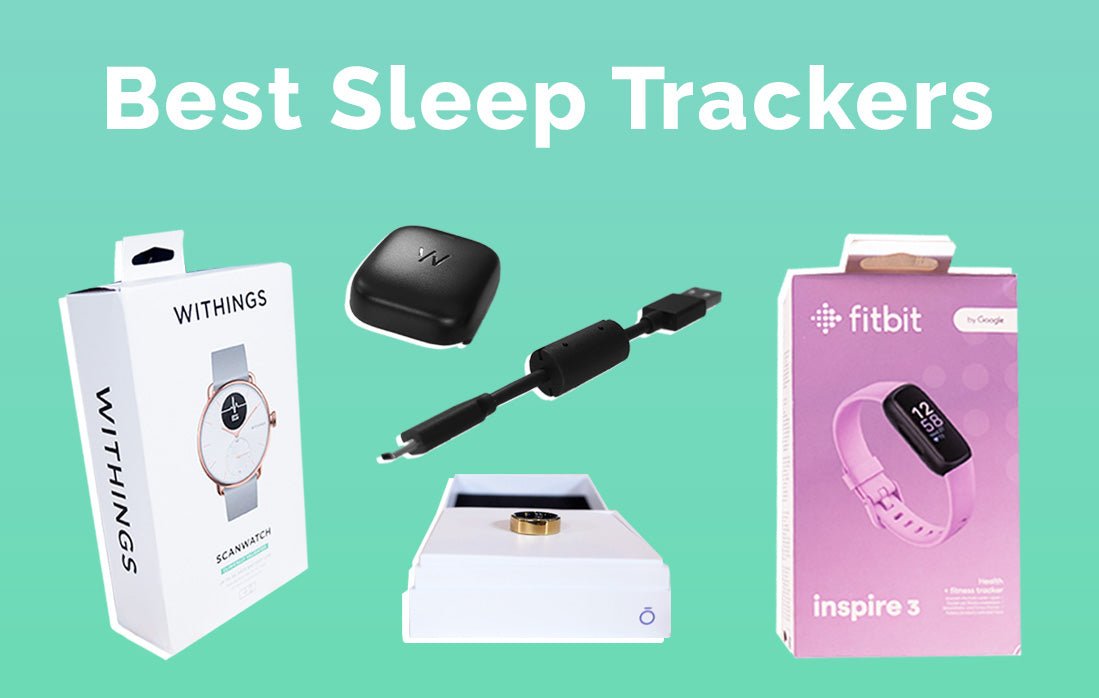
The market for Wearable Wellness Gadgets is rapidly expanding, with an increasing number of devices incorporating red and near-infrared light for various health benefits. These gadgets range from headbands designed for brain stimulation to masks for skin rejuvenation.
While specific brand names and models may change frequently, it’s important to look for devices that clearly state the wavelengths they use (810nm or 1070nm for brain health) and have some form of scientific backing or user testimonials. Be wary of devices making exaggerated claims without evidence.
The NeuroTech Insider NeuroVizr device, while not solely a light therapy device, integrates carefully selected light frequencies with sound to promote relaxation and neuro-optimization. Always consult with a healthcare professional before using any new wellness gadget, especially if you have pre-existing health conditions.
Are There Any Potential Side Effects or Risks Associated with Red Light Therapy for the Brain?
Quick Answer: Red light therapy is generally considered safe, but potential side effects can include mild skin redness, eye strain, or, in rare cases, overstimulation. Starting with low settings and gradually increasing is recommended.
While red light therapy is generally considered safe, it’s essential to be aware of potential side effects and risks, especially when used for brain stimulation. Although rare, some individuals may experience mild side effects such as skin redness, eye strain, or headaches. These side effects are typically temporary and resolve on their own.
One potential risk of red light therapy for the brain is overstimulation. While light can enhance neuronal function, excessive stimulation can lead to adverse effects such as anxiety, insomnia, or even seizures in individuals with a history of epilepsy. It’s crucial to start with low power densities and treatment durations and gradually increase as tolerated to minimize the risk of overstimulation.
Individuals with certain medical conditions, such as photosensitivity or a history of seizures, should exercise caution when using red light therapy. It’s always recommended to consult with a healthcare professional before starting red light therapy, especially if you have any pre-existing health conditions or are taking medications.

The BrainBit Callibri and similar devices provide some insight into brain activity and responses, but should not be used as a sole determinant for treatment. Responsible use and professional guidance are key.
By understanding the potential side effects and risks associated with red light therapy for the brain and taking appropriate precautions, you can maximize the benefits while minimizing the risks. Always prioritize safety and consult with a healthcare professional to ensure that red light therapy is right for you.
In conclusion, both 810nm and 1070nm wavelengths offer unique benefits for brain health. While 810nm has more research backing and stimulates mitochondrial function effectively, 1070nm provides deeper penetration, potentially reaching deeper brain structures. Dual-chip devices combining different wavelengths may offer synergistic effects for more comprehensive treatment. Optimizing settings and consulting with healthcare professionals are crucial for safe and effective use. Explore resources from NeuroTech Insider to learn more about neuro-optimization and cutting-edge technologies like the NeuroVizr.
Don’t miss the chance to revolutionize your sleep and cognitive performance with the latest neuro-technology. Unlock your potential today! Visit NeuroTech Insider to explore cutting-edge resources.
Special Offer: Get an exclusive discount on the NeuroVizr device. Experience the power of light and sound therapy. Get Your Discount Code Here
What are the Key Takeaways and Future Directions for Red Light Therapy in Brain Health?
<blockquote style="border-left: 4px solid #2c5d87; background-color: #f0f8ff; padding: 15px; margin: 20px 0; font-style: italic; color: #555555; border-radius
Frequently Asked Questions
What Makes 810nm and 1070nm the Best Wavelengths for Brain Health?
Both 810nm and 1070nm wavelengths promote brain health by enhancing mitochondrial function, increasing cerebral blood flow, and reducing inflammation. 1070nm offers deeper penetration, while 810nm provides a balance between penetration and absorption.
How Deeply Do These Wavelengths Penetrate the Skull and Brain Tissue?
Both 810nm and 1070nm wavelengths can penetrate several centimeters into the brain tissue. 1070nm typically penetrates deeper (3-4 cm) than 810nm (2-3 cm), but actual depth can be affected by factors like skull thickness and tissue density.
Are There Any Potential Side Effects or Risks Associated with Red Light Therapy for the Brain?
Red light therapy is generally considered safe, but potential side effects can include mild skin redness, eye strain, or, in rare cases, overstimulation leading to anxiety or insomnia. It is crucial to start with low settings and gradually increase, and consult with a healthcare professional.