
Key Takeaways
✅ Pros
- Identifies a clear link between stress and dizziness, offering a non-vestibular explanation for symptoms.
- Provides actionable immediate relief techniques that can be performed during an episode.
- Offers comprehensive long-term prevention strategies, including lifestyle changes and advanced neuro-optimization technologies.
- Emphasizes the importance of professional medical consultation to ensure serious conditions are ruled out.
❌ Cons
- Requires professional medical evaluation to rule out serious underlying conditions.
- Consistent effort is needed for long-term stress management strategies to be effective.
- Immediate relief techniques may not be universally effective for all individuals or severe episodes.
Stress Induced Vertigo: 7 Signs & How to Stop It
Stress induced vertigo is a genuine physiological response, where persistent psychological pressure can manifest as disruptive dizziness and a sense of imbalance, signaling an urgent need for neuro-optimization. Understanding these connections is crucial for regaining stability and enhancing overall well-being. NeuroTech Insider provides insights and solutions for navigating these complex challenges, fostering improved brain function, and promoting inner ear health.
What Are the 7 Signs Stress Is Causing Your Vertigo?
Quick Answer: Stress-induced vertigo typically manifests as non-rotational dizziness, heightened anxiety, and physical tension, often triggered by stressful events. It is distinguishable from other medical conditions by the absence of clear inner ear pathology and its responsiveness to stress management techniques.
Recognizing that stress can physically cause dizziness is the first step toward effective management. While vertigo is commonly associated with inner ear disorders like BPPV or Meniere’s disease, a significant percentage of individuals experience dizziness and imbalance without a clear organic cause. This phenomenon is often termed psychogenic vertigo or anxiety dizziness, directly linking mental and emotional strain to physical symptoms. Identifying these specific signs can empower individuals to seek appropriate interventions and achieve vertigo relief.
How Does Non-Rotational Dizziness Differ from True Vertigo?
Quick Answer: Non-rotational dizziness, or disequilibrium, is characterized by a sensation of swaying, lightheadedness, or feeling faint, rather than the distinct spinning sensation typical of true vertigo often linked to vestibular system dysfunction.
The primary difference lies in the quality of the sensation. True vertigo typically involves a clear perception of spinning, either of oneself or of the surroundings. This is often due to an issue within the vestibular system, the sensory system that contributes to balance and spatial orientation. Stress-induced vertigo, however, frequently manifests as a feeling of unsteadiness, lightheadedness, floating, or a general sense of imbalance without the rotational component. Patients might describe it as feeling ‘off-kilter’ or ‘walking on clouds’. This type of dizziness is often linked to hypervigilance and autonomic nervous system dysregulation, where the brain misinterprets normal sensory inputs as threats, leading to a feeling of instability.

Is Heightened Anxiety a Consistent Companion to Your Dizziness?
Quick Answer: A strong correlation between episodes of dizziness and increased levels of anxiety, panic attacks, or general unease is a key indicator that stress is a primary factor.
Individuals experiencing stress-induced dizziness frequently report concurrent symptoms of anxiety. This can range from generalized anxiety disorder to specific panic attacks. The feeling of dizziness itself can trigger anxiety, creating a vicious cycle. Research indicates that approximately 15-50% of patients with chronic dizziness also suffer from anxiety disorders. This reciprocal relationship highlights how the brain’s fear circuits, particularly in the limbic system, can profoundly influence balance perception. For those who frequently experience anxiety dizziness alongside feelings of unease, this connection is a significant diagnostic clue.
Do Physical Manifestations of Stress Co-occur with Vertigo Episodes?
Quick Answer: Stress-induced vertigo often presents alongside other somatic symptoms such as muscle tension, headaches, digestive issues, fatigue, or heart palpitations, indicating a systemic stress response.
Stress is a whole-body phenomenon. When the body is under chronic stress, it activates the fight-or-flight response, leading to a cascade of physiological changes. These can include increased muscle tension, particularly in the neck and shoulders, which can directly affect proprioception and balance. Other common somatic symptoms include tension headaches, jaw clenching, gastrointestinal disturbances (e.g., irritable bowel syndrome symptoms), chronic fatigue, and even cardiovascular symptoms like a racing heart. The presence of these co-occurring physical complaints strongly suggests that the dizziness is part of a broader stress response, rather than an isolated vestibular issue. Understanding the Cost of Stress on the body helps illuminate these connections.

Are Your Vertigo Episodes Triggered by Stressful Events?
Quick Answer: A clear pattern where vertigo symptoms worsen or are initiated during periods of high stress, emotional distress, or after specific anxiety-provoking events is a strong indicator of its stress-induced nature.
Observing a temporal relationship between stress and vertigo episodes is a powerful diagnostic tool. Patients often report that their dizziness starts or intensifies during periods of high work pressure, personal crises, or after experiencing panic attacks. For example, a study published in the journal Frontiers in Neurology highlights the prevalence of psychological factors in chronic dizziness. If you can identify specific stressors that precede or exacerbate your symptoms, it provides compelling evidence that you can stress cause vertigo in your experience. Keeping a symptom diary can be highly effective in identifying these patterns.
Is There an Absence of Clear Inner Ear Pathology?
Quick Answer: When comprehensive medical evaluations, including audiological and vestibular tests, rule out definitive inner ear or neurological conditions, it strengthens the likelihood of stress or anxiety as the underlying cause of vertigo.
A thorough medical workup is essential for any dizziness complaint. This typically involves evaluations by an ENT specialist, audiologist, and possibly a neurologist. If these examinations, including caloric tests, VNG/ENG, and MRI scans, return normal results or show findings insufficient to explain the severity of your symptoms, then a psychogenic origin becomes more probable. This diagnostic process of exclusion is critical for correctly identifying psychogenic vertigo and avoiding unnecessary or ineffective treatments. It is important to rule out all other potential causes before attributing vertigo solely to stress.

Do You Experience Persistent Postural Instability?
Quick Answer: Chronic, low-level unsteadiness or a feeling of being off-balance, especially in busy environments or when fatigued, without discrete spinning episodes, can indicate stress-related vestibular system stress.
Unlike the sudden, intense spinning of classic vertigo, stress-induced balance issues often present as persistent postural instability. This means a continuous feeling of unsteadiness, difficulty walking in a straight line, or feeling wobbly. These symptoms can be particularly pronounced in visually complex environments like supermarkets or crowded places, or when the individual is tired or overwhelmed. The brain’s ability to integrate sensory information from the eyes, inner ears, and proprioceptors is taxed under stress, leading to a diminished sense of spatial awareness and balance. This chronic disequilibrium can be incredibly debilitating, impacting daily activities and quality of life.
Is Your Dizziness Accompanied by Brain Fog or Cognitive Impairment?
Quick Answer: If your dizziness is coupled with difficulties in concentration, memory issues, mental fatigue, or a general sense of brain fog, it suggests a broader neurological impact of stress.
Stress, particularly chronic stress, has a profound impact on cognitive function. The constant activation of the stress response can impair executive functions, leading to symptoms like brain fog, difficulty focusing, impaired decision-making, and memory lapses. When dizziness co-occurs with these cognitive symptoms, it indicates that the underlying issue is likely systemic stress affecting multiple brain functions, including those responsible for balance and spatial processing. This holistic presentation points towards a deeper neurobiological link between mental distress and physical disorientation, often seen in conditions like anxiety-related cognitive dysfunction. Managing this requires a comprehensive approach to neuro-optimization.
How Does Stress Physically Affect the Vestibular System and Balance?
Quick Answer: Chronic stress activates the sympathetic nervous system, releasing hormones like cortisol that can disrupt neurotransmitter balance, increase muscle tension, and directly impact the brain’s vestibular processing centers, leading to perceived imbalance and dizziness.
The intricate connection between our mental state and physical balance is well-established in neuroscience. When we experience stress, our body initiates a complex physiological response mediated primarily by the hypothalamic-pituitary-adrenal (HPA) axis and the autonomic nervous system. This response, while vital for survival in acute situations, can become detrimental when sustained over time, leading to conditions like stress induced vertigo. Understanding this mechanism is key to effective intervention.
What Role Does the HPA Axis Play in Stress-Induced Dizziness?
Quick Answer: The HPA axis, when chronically activated by stress, releases excessive cortisol, which can alter brain function, impact neuroplasticity, and heighten sensitivity to vestibular inputs, leading to symptoms of dizziness and disequilibrium.
The HPA axis is our central stress response system. Upon perceiving a threat, the hypothalamus releases corticotropin-releasing hormone (CRH), stimulating the pituitary gland to secrete adrenocorticotropic hormone (ACTH), which then prompts the adrenal glands to produce cortisol. Cortisol, a glucocorticoid, prepares the body for fight or flight by increasing glucose in the bloodstream, suppressing non-essential functions, and altering brain activity. Prolonged exposure to elevated cortisol levels can lead to neuroinflammation, impair the function of the hippocampus (critical for memory and spatial navigation), and increase activity in the amygdala (the brain’s fear center). This can make the brain more susceptible to interpreting normal sensory information from the vestibular system stress signals as threats, contributing to feelings of instability and dizziness.

How Do Neurotransmitter Imbalances Contribute to Vertigo?
Quick Answer: Stress can deplete inhibitory neurotransmitters like GABA and serotonin while elevating excitatory ones, leading to an overactive nervous system that misinterprets sensory signals, resulting in anxiety dizziness and impaired balance.
Neurotransmitters are chemical messengers that regulate brain function. Stress significantly impacts their balance. Specifically, chronic stress can lead to decreased levels of gamma-aminobutyric acid (GABA), the primary inhibitory neurotransmitter, which helps calm neural activity. A reduction in GABA can result in heightened neuronal excitability, making the brain more sensitive to stimuli and potentially exaggerating normal vestibular inputs into sensations of dizziness. Serotonin, another crucial neurotransmitter involved in mood and anxiety regulation, also plays a role in vestibular compensation. Disruptions in serotonin pathways due to stress can impair the brain’s ability to adapt to vestibular changes, exacerbating symptoms of imbalance. The Limbic System Disorders can significantly amplify these imbalances.
How Does Muscle Tension and Proprioception Affect Balance?
Quick Answer: Chronic stress causes increased muscle tension, particularly in the neck and jaw, which can send aberrant signals to the brain regarding head and body position, interfering with proprioception and leading to perceived instability.
Proprioception is our body’s sense of its position in space, derived from sensory receptors in muscles, tendons, and joints. Stress often leads to sustained muscle contraction, especially in the cervical spine (neck) and jaw. This chronic tension can interfere with the accurate feedback loop between these muscles and the brain. For instance, tight neck muscles can misinform the brain about head movement and position, creating a mismatch with visual and vestibular inputs. This sensory conflict can manifest as dizziness, unsteadiness, or a feeling of being disconnected from one’s body. The body’s fight-or-flight response primes muscles for action, and without appropriate release, this sustained tension can directly impair balance and coordination. Techniques like Vagus Nerve Stimulation can help regulate this response.

What Immediate Exercises and Techniques Can Help Stop a Vertigo Episode?
Quick Answer: Immediate relief from stress-induced vertigo often involves grounding techniques, controlled breathing, and gentle vestibular exercises like gaze stabilization to reorient spatial awareness and calm the nervous system.
When a stress-induced vertigo episode strikes, the immediate priority is to regain a sense of stability and calm the nervous system. These techniques aim to interrupt the anxiety-dizziness cycle and re-establish a stable sensory framework. It is important to perform these gently and only if they do not exacerbate symptoms. If symptoms persist or worsen, medical consultation is advised. These strategies contribute to effective vertigo relief.
How Can Gaze Stabilization Exercises Provide Rapid Relief?
Quick Answer: Gaze stabilization involves focusing on a stationary object while slowly moving the head, helping the brain recalibrate vestibular-ocular reflexes and reduce the sensation of spinning or unsteadiness.
Gaze stabilization exercises are a cornerstone of vestibular rehabilitation and can be particularly helpful for stress-induced dizziness. They work by improving the coordination between your eyes and your inner ear balance system. One simple method is to sit or stand in a safe place, focus your eyes on a fixed point directly in front of you (e.g., a spot on the wall). While maintaining your gaze on that point, slowly turn your head from side to side, then up and down. Start with small, slow movements, gradually increasing speed and range of motion as tolerated. Perform this for 30 seconds to 1 minute, pausing if dizziness becomes too intense. This helps the brain learn to stabilize vision despite head movement, reducing sensory conflict that contributes to vertigo.

What Role Does Controlled Breathing Play in Calming Vertigo?
Quick Answer: Diaphragmatic breathing, or deep belly breathing, activates the parasympathetic nervous system, counteracting the stress response, reducing hyperventilation, and thereby alleviating anxiety dizziness and associated physical symptoms.
During an anxiety-induced vertigo episode, breathing often becomes shallow and rapid, leading to hyperventilation. This can decrease carbon dioxide levels in the blood, constricting blood vessels to the brain and exacerbating dizziness. Diaphragmatic breathing, also known as belly breathing, is a powerful tool for activating the parasympathetic nervous system, promoting relaxation. To practice, lie down or sit comfortably. Place one hand on your chest and the other on your belly. Inhale slowly through your nose for a count of four, feeling your belly rise. Hold for a count of one, then exhale slowly through pursed lips for a count of six, feeling your belly fall. Repeat for 5-10 minutes. This technique helps regulate oxygen and carbon dioxide levels, calms the nervous system, and can significantly reduce the intensity of dizziness and panic. NeuroTech Insider recognizes the power of such practices for overall neuro-optimization.
What Grounding Techniques Can Instantly Reduce Disorientation?
Quick Answer: Grounding techniques, such as the 5-4-3-2-1 method, redirect mental focus to sensory experiences in the present moment, helping to interrupt dissociative feelings and re-establish a sense of safety and stability.
When experiencing intense dizziness or panic, the mind can feel disconnected from reality, a state often referred to as dissociation. Grounding techniques bring attention back to the present moment and physical sensations. The 5-4-3-2-1 method is a popular and effective approach:
- • Name 5 things you can see.
- • Name 4 things you can feel (e.g., the chair against your back, your feet on the floor, the texture of your clothes).
- • Name 3 things you can hear.
- • Name 2 things you can smell.
- • Name 1 thing you can taste.
This exercise helps to anchor you in the present, reducing the overwhelming sensations of dizziness and panic. Learning to Stop Dissociating is a valuable skill in managing such episodes.

What Long-Term Strategies Can Prevent Stress-Induced Vertigo?
Quick Answer: Long-term prevention of stress-induced vertigo centers on comprehensive stress management, including regular mindfulness practices, optimized sleep hygiene, consistent physical activity, balanced nutrition, and, when beneficial, neuro-optimization techniques.
Preventing stress induced vertigo requires a proactive and holistic approach to managing stress and enhancing overall well-being. This involves cultivating resilience, optimizing physiological functions, and adopting lifestyle changes that support a balanced nervous system. By integrating these strategies, individuals can reduce their susceptibility to dizziness and improve their quality of life, effectively promoting vertigo relief over time.
How Do Mindfulness and Meditation Contribute to Stability?
Quick Answer: Regular mindfulness and meditation practices reduce chronic stress, decrease activity in the amygdala, improve emotional regulation, and enhance the brain’s ability to process sensory information, thereby stabilizing balance and reducing anxiety-related dizziness.
Mindfulness-based stress reduction (MBSR) programs have been shown to significantly reduce symptoms of anxiety and depression, which are frequently linked to dizziness. By training the mind to observe thoughts and sensations without judgment, mindfulness helps to break the cycle of fear and hypervigilance that often accompanies stress-induced vertigo. Daily meditation, even for just 10-15 minutes, can lead to structural changes in the brain, increasing gray matter in areas associated with attention and emotional regulation, while decreasing amygdala volume. This neuroplasticity helps to calm the nervous system, lower cortisol levels, and foster a greater sense of inner peace. NeuroTech Insider encourages practices that help individuals Find Inner Peace and enhance mental clarity. Considering Affirmations for Anxiety can also complement these practices.

Why Is Optimized Sleep Hygiene Essential for Preventing Dizziness?
Quick Answer: Adequate and restorative sleep allows the brain to repair and consolidate memories, regulate neurotransmitters, and manage stress hormones, directly contributing to stable neurological function and reducing susceptibility to stress induced vertigo.
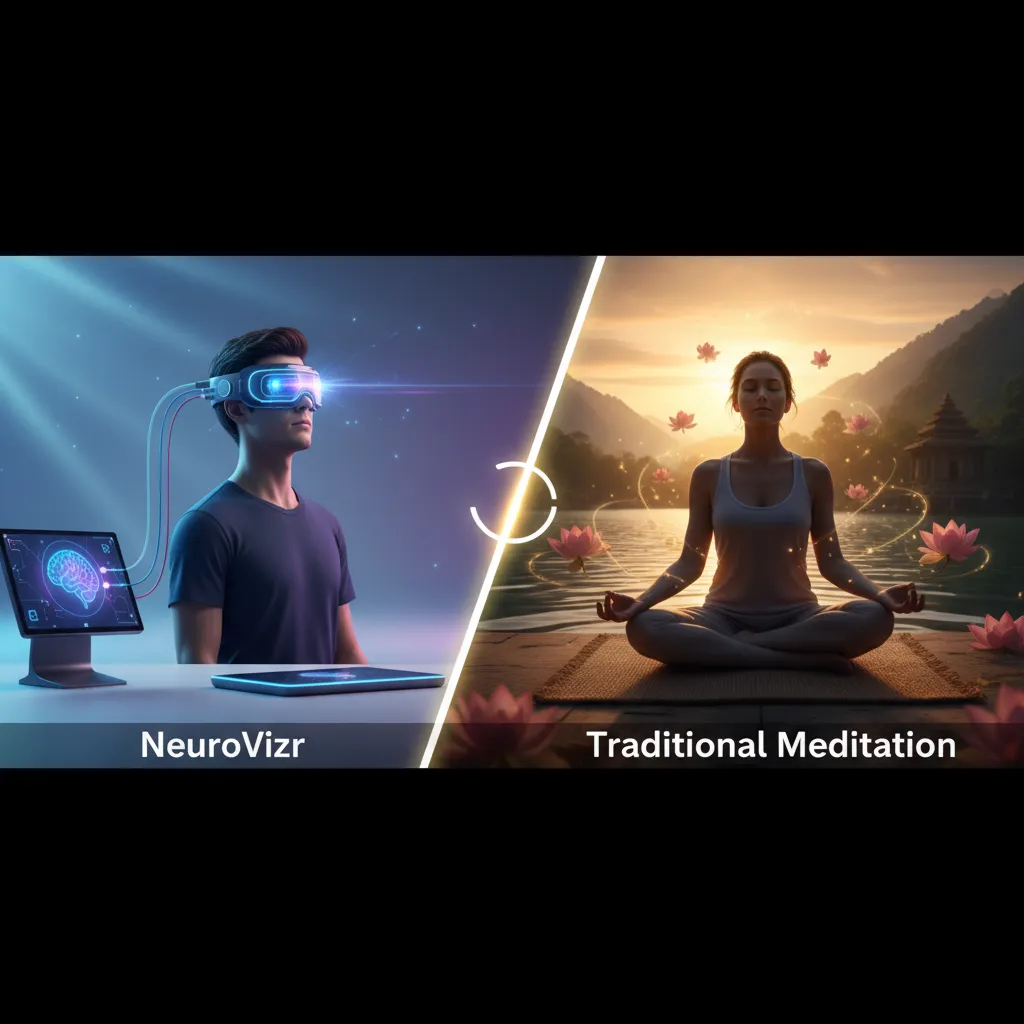
Sleep is a crucial restorative process for both the body and the brain. Chronic sleep deprivation elevates stress hormones, impairs cognitive function, and can exacerbate anxiety, all of which contribute to dizziness. Optimizing sleep hygiene involves establishing a consistent sleep schedule, creating a dark and cool sleep environment, avoiding screens before bed, and limiting caffeine and alcohol intake. Aim for 7-9 hours of quality sleep per night. NeuroTech Insider advocates for superior sleep quality as a cornerstone of neuro-optimization. Advanced technologies, such as NeuroVizr, can provide light and sound therapy to support healthy sleep cycles and reduce the impact of stress, offering significant NeuroVizr Stress Relief.
Can Regular Physical Activity Reduce Vertigo Episodes?
Quick Answer: Consistent physical activity acts as a natural anxiolytic, reduces stress hormones, improves cardiovascular health, and enhances overall balance and proprioception, thereby decreasing the frequency and intensity of stress-induced dizziness.
Exercise is a powerful stress reducer and a natural mood elevator. It releases endorphins, improves blood circulation to the brain, and helps regulate the HPA axis. Regular physical activity, such as brisk walking, jogging, swimming, or yoga, can significantly lower chronic stress levels. For individuals with stress-induced dizziness, exercises that incorporate balance training, like tai chi or specific vestibular rehabilitation exercises, can be particularly beneficial. Aim for at least 150 minutes of moderate-intensity aerobic activity or 75 minutes of vigorous-intensity activity per week, coupled with strength training. This not only strengthens the body but also calms the mind, making it less reactive to stressors that can trigger dizziness.

What Neuro-Optimization Technologies Offer Long-Term Support?
Quick Answer: Advanced neuro-optimization technologies, such as specific light and sound therapies, can modulate brainwave activity, enhance relaxation, and improve cognitive resilience, offering a modern approach to managing chronic stress and its physiological manifestations like vertigo.
Beyond traditional stress management, cutting-edge neuro-optimization technologies offer promising avenues for long-term prevention of stress-induced vertigo. Devices like NeuroVizr by NeuroTech Insider utilize precise light and sound patterns to guide brainwave activity into states conducive to relaxation, focus, and restorative sleep. For instance, specific frequency entrainment can enhance alpha and theta brainwaves, associated with deep relaxation and reduced anxiety. This directly addresses the neurological underpinnings of psychogenic vertigo by calming an overactive nervous system and promoting neural balance. Furthermore, targeted Anxiety Light Therapy can regulate circadian rhythms and improve mood, reducing overall stress load. Integrating such devices into a daily routine can provide consistent support for brain health and resilience against stress-related symptoms.
When Should You Seek Professional Medical Advice for Vertigo?
Quick Answer: While stress can cause vertigo, it is crucial to seek professional medical advice if vertigo is severe, persistent, accompanied by neurological symptoms like weakness or vision changes, or if self-management techniques prove ineffective, to rule out serious underlying conditions.
Distinguishing between stress-induced vertigo and other more serious medical conditions is paramount. While the signs outlined above can strongly suggest a psychological component, self-diagnosis is never a substitute for a comprehensive medical evaluation. Certain symptoms warrant immediate medical attention to rule out severe neurological or cardiovascular issues. These include:
- • Sudden, Severe Vertigo: Especially if it develops abruptly and is debilitating.
- • Neurological Symptoms: Weakness or numbness on one side of the body, difficulty speaking, double vision, or difficulty walking.
- • Headache or Neck Pain: A sudden, severe headache, particularly if it’s different from typical headaches, or stiff neck.
- • Hearing Loss or Tinnitus: New or worsening hearing loss, or ringing in the ears, especially in one ear.
- • Loss of Consciousness: Any episode of fainting or losing awareness.
A medical professional can conduct a thorough examination, including neurological assessments, balance tests, and imaging if necessary, to accurately diagnose the cause of your dizziness. This ensures that any serious underlying conditions are identified and treated promptly, providing peace of mind and guiding appropriate management strategies for your stress induced vertigo.
Frequently Asked Questions
What are the 7 signs stress is causing your vertigo?
Stress-induced vertigo typically manifests as non-rotational dizziness, heightened anxiety, and physical tension, often triggered by stressful events. It is distinguishable from other medical conditions by the absence of clear inner ear pathology and its responsiveness to stress management techniques.
How does stress physically affect the vestibular system and balance?
Chronic stress activates the sympathetic nervous system, releasing hormones like cortisol that can disrupt neurotransmitter balance, increase muscle tension, and directly impact the brain’s vestibular processing centers, leading to perceived imbalance and dizziness.
What immediate exercises and techniques can help stop a vertigo episode?
Immediate relief from stress-induced vertigo often involves grounding techniques, controlled breathing, and gentle vestibular exercises like gaze stabilization to reorient spatial awareness and calm the nervous system.