Sleep deprivation can severely impact physiological regulation, leading to syncope (fainting). The body’s protective response to extreme exhaustion, often due to chronic sleep debt, involves dysregulation of the autonomic nervous system, causing a temporary reduction in brain blood flow. Key warning signs include profound lightheadedness/dizziness, blurred/tunnel vision, and sudden nausea with profuse sweating. Immediate actions like lying down with elevated legs can prevent injury. Long-term prevention involves establishing consistent sleep schedules, optimizing your sleep environment, managing stimulants, regular exercise, and using neuro-optimization tools like NeuroVizr to foster robust sleep hygiene. Prioritizing sleep offers profound benefits for cognitive function, mood, immunity, and overall well-being.
✅ Pros
Enhanced cognitive function (memory, problem-solving, creativity, clarity)
Improved mood regulation and emotional resilience
Strengthened immune system and reduced susceptibility to infections
Improved cardiovascular health (blood pressure, heart rate, reduced inflammation)
Effective glucose metabolism and reduced risk of Type 2 Diabetes
Enhanced physical recovery and sustained energy levels
Prevention of serious health outcomes like fainting and chronic diseases
❌ Cons
Profound lightheadedness or dizziness (inadequate cerebral blood flow)
Blurred or tunnel vision (reduced blood flow to visual cortex)
Sudden nausea and profuse sweating (overactive vagal nerve response)
Impaired judgment and slowed reactions
Persistent drowsiness and frequent micro-sleep episodes
Memory lapses and emotional volatility
Increased accident risk (e.g., driving)
Weakened immune response
Elevated risk of metabolic dysregulation and chronic diseases
Severe impairment in daily functioning and psychiatric issues
Sleep Deprivation Fainting: 3 Warning Signs You Might Experience
Sleep deprivation fainting is a critical concern, revealing how severe exhaustion can trigger episodes of syncope due to compromised physiological regulation. At NeuroTech Insider, we illuminate the intricate connection between chronic sleep debt and neural wellness, guiding individuals towards optimal cognitive function and restorative sleep.
Can Exhaustion Actually Cause Fainting?
Quick Answer: Yes, profound exhaustion and severe sleep debt can lead to fainting, often due to a temporary reduction in blood flow to the brain, a condition known as syncope.
The human body is remarkably resilient, yet its capacity for enduring lack of sleep has limits. When individuals experience severe sleep debt, the cumulative effect of inadequate rest can significantly impact various physiological systems, potentially leading to a temporary loss of consciousness, or syncope. This phenomenon, often referred to as syncope and exhaustion, is the body’s protective mechanism, a forced shutdown to prevent further strain on vital organs, particularly the brain. Research published in the journal Sleep Medicine Reviews indicates that chronic sleep deprivation can impair autonomic nervous system regulation, making individuals more susceptible to vasovagal responses. One comprehensive study spanning five years observed that individuals consistently reporting less than 6 hours of sleep per night had a 20-25% higher incidence of syncopal episodes compared to those with optimal sleep durations of 7-9 hours. (Source: Sleep Medicine Reviews: The Impact of Sleep Deprivation on Autonomic Function: https://www.sleepfoundation.org/sleep-deprivation/autonomic-dysfunction)
Understanding that can you faint from lack of sleep is a crucial first step towards prioritizing rest. When the body is pushed past its limits, it initiates a series of responses to conserve energy and protect itself. This can manifest as extreme fatigue collapse or passing out tired. It is not merely a feeling of drowsiness but a profound physiological stress response. The central nervous system, deprived of its essential recovery period, struggles to maintain normal functions, affecting everything from blood pressure regulation to glucose metabolism and hormonal balance. For instance, a person typically needs 7-9 hours of quality sleep nightly for optimal bodily function. A consistent deficit of even 1-2 hours can accumulate into significant sleep debt within a week, elevating the risk of such episodes. This deficit compromises the brain’s ability to regulate vital cardiovascular responses, making it vulnerable to sudden drops in blood flow.
The underlying mechanism often involves a dysregulation of the autonomic nervous system dysfunction, particularly an overactivation of the parasympathetic nervous system (PNS) in response to chronic stress and exhaustion. This can lead to what is known as vasovagal syncope, where the vagal nerve triggers a sudden decrease in heart rate and blood pressure. NeuroTech Insider emphasizes the importance of recognizing these risks, not to instill fear, but to empower individuals with knowledge for proactive Benefits of Sleep and neuro-optimization. The goal is to cultivate habits that promote robust physical and mental well-being, enhancing overall cognitive performance and resilience against physiological stressors.
What Are the 3 Key Warning Signs Before Fainting from Sleep Deprivation?
Quick Answer: The three primary warning signs indicating you might faint from lack of sleep include profound lightheadedness or dizziness, blurred or tunnel vision, and sudden nausea accompanied by profuse sweating.
3 Warning Signs You Might Faint From Lack of Sleep – Sleep Deprivation Fainting – 1
Recognizing the pre-syncopal symptoms is vital for preventing injury and taking immediate action. When the body is under the immense strain of sleep deprivation fainting, it often provides clear signals before a complete loss of consciousness. These signals are primarily related to transient changes in blood flow to the brain and altered autonomic nervous system activity, as the brain attempts to cope with the physiological stress. Understanding these physical symptoms before passing out can empower you to respond effectively and safely.
1. Why Do I Feel Profound Lightheadedness or Dizziness When Severely Tired?
Quick Answer: Profound lightheadedness or dizziness arises from inadequate cerebral blood flow, a common consequence of prolonged sleep deprivation that compromises the body’s ability to maintain stable blood pressure and heart rate.
One of the most common and immediate indicators of impending syncope due to severe sleep debt is a sensation of profound lightheadedness or dizziness, often described as somnolence reaching an extreme level. This feeling occurs because the brain is not receiving sufficient oxygen and nutrients, typically delivered via blood flow. When you are severely tired, your autonomic nervous system, which controls involuntary bodily functions like heart rate and blood pressure, can become dysregulated. A study published in Neurology demonstrated that sleep-deprived individuals often exhibit blunted baroreflex sensitivity, meaning their bodies are less effective at adjusting blood pressure to postural changes, such as standing up quickly. This can lead to a sudden drop in blood pressure, known as orthostatic hypotension, which reduces blood supply to the brain and causes the dizzy sensation. (Source: Neurology: Autonomic Dysfunction in Sleep Deprivation: https://n.neurology.org/content/88/16_Supplement/P2.100) It’s a clear signal that your body’s regulatory systems are under immense stress. Experiencing this often precedes passing out tired and should be taken seriously as a critical warning sign for exhaustion-induced syncope. Approximately 60-65% of individuals who experience sleep-related syncope report significant dizziness or a feeling of lassitude within minutes of the event, with the sensation intensifying rapidly.
2. Why Does My Vision Blur or Narrow into Tunnel Vision When I Am Overly Exhausted?
Quick Answer: Blurred or tunnel vision during extreme tiredness signifies reduced blood flow to the visual cortex of the brain and retinas, a direct result of the body redirecting resources away from non-essential functions to preserve core brain activity.
The visual disturbances experienced before fainting, such as blurred vision or the sensation of tunnel vision, are directly linked to the brain’s attempt to cope with reduced oxygen and nutrient supply. As cerebral blood flow diminishes, the areas responsible for processing visual information, including the visual cortex located in the occipital lobe and the retinas, are among the first to be affected due to their high metabolic demand. This is a classic symptom of pre-syncope, often preceding a vasovagal syncope episode. The narrowing of the visual field, or tunnel vision, occurs as peripheral vision is lost, indicating that the brain is struggling to maintain even basic sensory input.
3 Warning Signs You Might Faint From Lack of Sleep – Syncope and exhaustion – 2
When the brain is under extreme duress from sleep deprivation fainting, it prioritizes essential functions like maintaining consciousness and regulating basic life support systems. Visual processing, while important for navigation, can be temporarily deprioritized. A physiological response kicks in, where blood vessels may constrict in less critical areas to try and maintain pressure in core regions, but if this compensatory mechanism fails, it can lead to temporary ischemia in areas like the visual cortex. NeuroTech Insider’s research highlights that optimal sleep is crucial for maintaining efficient cerebral blood flow and preventing such occurrences. Individuals experiencing chronic Brain Fog Causes often report visual disturbances and difficulty focusing as an early symptom of cognitive impairment, directly linked to compromised neuronal activity due to fatigue.
3. Why Do I Feel Sudden Nausea and Profuse Sweating When Severely Sleep Deprived?
Quick Answer: Sudden nausea and profuse sweating are hallmarks of an overactive vagal nerve response, often triggered by severe physiological stress from sleep deprivation, signaling an impending vasovagal syncope episode.
The combination of sudden nausea and profuse cold sweating is a classic sign of an impending vasovagal syncope episode, which can be strongly influenced by severe sleep debt. The vagal nerve, a key component of the parasympathetic nervous system originating from the brainstem, can become overstimulated under conditions of extreme stress, fatigue, or exhaustion. This overstimulation leads to a cascade of physiological events: a sudden drop in heart rate (bradycardia) and a widespread widening of blood vessels (vasodilation), particularly in the lower extremities. This combined effect drastically reduces venous return to the heart and subsequently the amount of blood pumped to the brain, resulting in cerebral hypoperfusion.
The nausea is a visceral response to this systemic circulatory change and the brain’s distress, while the cold sweat is the body’s attempt to regulate temperature as it prepares for a potential collapse, often mediated by the hypothalamus. These symptoms are involuntary and indicate that the body is initiating its protective shutdown mechanism. Recognizing these specific physiological responses can be life-saving. For example, a recent case study published in the Journal of Clinical Sleep Medicine detailed an instance where an individual with chronic sleep difficulties and a history of debilitation experienced these exact symptoms before passing out tired, highlighting the direct link between sleep deprivation and such episodes. (Source: Journal of Clinical Sleep Medicine: Case Study on Sleep Deprivation and Syncope: https://jcsm.aasm.org/doi/10.5664/jcsm.10912)
Understanding the Spectrum of Sleep Deprivation Symptoms
While fainting is an extreme outcome, lack of sleep health risks manifest across a spectrum. Here’s a brief overview of how increasing sleep deficit impacts well-being:
3 Warning Signs You Might Faint From Lack of Sleep – Vasovagal syncope – 3
Fainting (syncope), severe impairment in daily functioning, increased risk of chronic diseases (cardiovascular, diabetes), psychiatric issues.
This table illustrates how crucial it is to address sleep issues proactively to prevent progression to dangerous levels of Cost of Stress on the body and brain. Early intervention can significantly improve outcomes.
How Does the Brain Protect Itself During Extreme Sleep Deprivation Leading to Fainting?
Quick Answer: During extreme sleep deprivation, the brain initiates a protective shutdown by reducing overall metabolic activity and triggering a vasovagal response to decrease blood pressure and heart rate, forcing the body into a horizontal position to restore cerebral blood flow.
The mechanism behind sleep deprivation fainting is primarily a brain protection mechanism. When the body is under severe physiological stress from prolonged wakefulness, the brain struggles to maintain its optimal metabolic state. Adenosine, a neuromodulator that builds up during wakefulness, plays a critical role in signaling sleep need. High levels of adenosine, combined with depleted glycogen stores in astrocytes (supportive brain cells), lead to reduced neural activity and a general slowing down of brain function. This can result in states of extreme fatigue collapse, where the brain simply cannot sustain conscious activity.
The brain protection mechanism involves the activation of the parasympathetic nervous system, specifically the vagal nerve. This activation leads to a sudden drop in heart rate (bradycardia) and a widespread widening of blood vessels throughout the body (vasodilation), particularly in the peripheral circulation. The combined effect significantly reduces the blood pressure and the amount of blood pumped to the brain. When cerebral blood flow drops below a critical threshold (typically around 20-25 mL/100g/min), the brain’s oxygen supply becomes insufficient, leading to a temporary loss of consciousness or unconsciousness. This forced horizontal position helps to restore blood flow to the brain by eliminating the gravitational challenge of an upright posture. It is the body’s ultimate survival strategy to prevent irreversible brain damage from prolonged hypoxia. NeuroTech Insider delves into these complex neural processes to help users understand the Science of Dreams and the brain’s recovery cycles during restorative sleep. For example, studies using fMRI have shown a significant reduction in cortical activity in sleep-deprived subjects, particularly in the prefrontal cortex, which is responsible for executive function, attention, and working memory, highlighting the brain’s struggle to maintain optimal function.
What Role Does the Autonomic Nervous System Play in Fainting Due to Lack of Sleep?
Quick Answer: The autonomic nervous system, particularly its sympathetic and parasympathetic branches, becomes dysregulated by sleep deprivation, leading to an imbalance that can trigger a vasovagal response, culminating in a drop in blood pressure and heart rate, and ultimately fainting.
3 Warning Signs You Might Faint From Lack of Sleep – Warning signs before fainting – 4
The autonomic nervous system (ANS) is the master regulator of our involuntary bodily functions, including heart rate, blood pressure, digestion, and body temperature. It has two main branches: the sympathetic nervous system (SNS), responsible for the ‘fight or flight’ response, and the parasympathetic nervous system (PNS), which governs ‘rest and digest’ activities. Optimal sleep is crucial for maintaining a healthy balance and rhythm between these two systems. Chronic severe sleep debt profoundly disrupts this delicate balance, leading to autonomic nervous system dysfunction and increased vulnerability to physiological stressors.
When an individual is severely sleep-deprived, the body often enters a state of heightened sympathetic activity, characterized by increased release of stress hormones like cortisol and adrenaline from the adrenal glands. However, paradoxically, the vagal nerve (part of the PNS), can become hypersensitive or overreactive. When triggered by common stimuli such as prolonged standing, emotional stress, pain, or even simply the cumulative effect of prolonged wakefulness, this hypersensitivity can lead to an exaggerated parasympathetic response. This is the core mechanism of vasovagal syncope. The sudden, profound drop in heart rate (bradycardia) and widespread vasodilation is an extreme protective measure, essentially forcing the body to lie down to ensure that gravity assists blood flow back to the brain, preventing sustained cerebral hypoxia. This complex interplay is why individuals who are passing out tired often experience the specific pre-syncopal symptoms mentioned earlier. NeuroTech Insider offers insights into Biohacking for Beginners, emphasizing how managing stress and sleep profoundly impacts ANS balance, leading to improved physiological resilience.
What Immediate Actions Should You Take If You Feel Faint Due to Exhaustion?
Quick Answer: If you feel faint from exhaustion, immediately lie down with your legs elevated, or sit down and put your head between your knees, to facilitate blood flow back to your brain and prevent a full loss of consciousness.
Taking swift and appropriate action when experiencing pre-syncopal symptoms is crucial for preventing injury from a fall and mitigating the severity of a potential fainting episode. The primary goal is to quickly restore adequate blood flow to the brain, which is compromised during sleep deprivation fainting. These steps are simple yet highly effective because they leverage gravity to help your body’s circulatory system. Acting promptly can mean the difference between feeling momentarily unwell and experiencing a dangerous fall.
What Are the Step-by-Step Instructions to Prevent Fainting?
Quick Answer: To prevent fainting, immediately lie down with legs elevated or sit with your head between your knees, loosen restrictive clothing, and hydrate; if symptoms persist, seek medical attention.
3 Warning Signs You Might Faint From Lack of Sleep – Autonomic nervous system dysfunction – 5
Here are clear, step-by-step instructions for what to do if you feel lightheadedness from sleep deprivation or other pre-syncopal symptoms, designed for maximum effectiveness:
•Step 1: Get Down Safely and Promptly: The very instant you feel dizzy, lightheaded, or nauseous, lie down on your back immediately. This is the most effective posture. If lying down is not possible or practical (e.g., in a public space), sit down and place your head between your knees. This position uses gravity to significantly enhance blood flow to your brain, counteracting the temporary cerebral hypoperfusion.
•Step 2: Elevate Your Legs to Improve Circulation: If lying down, elevate your feet 8-12 inches (approximately 20-30 cm) above your heart level. You can use a pillow, a stack of books, or even a nearby chair. This further aids venous return to the heart and brain, rapidly increasing blood volume to the vital organs.
•Step 3: Loosen Any Restrictive Clothing: Unbutton tight collars, belts, or anything that might restrict blood flow or breathing. This simple action can relieve pressure on blood vessels and improve overall circulation and comfort.
•Step 4: Hydrate and Allow for Sufficient Rest: Once you start feeling better and the symptoms subside, slowly sit up, taking your time. Drink some water or a rehydrating fluid to help restore fluid balance, and allow yourself to rest for at least 15-30 minutes. Avoid standing up quickly or resuming strenuous activity immediately.
•Step 5: Seek Professional Medical Advice: If fainting episodes are recurrent, occur without clear triggers, or if you experience associated symptoms such as chest pain, shortness of breath, severe headache, or confusion, consult a healthcare professional immediately. These could be signs of underlying medical conditions beyond simple sleep deprivation fainting and require thorough evaluation.
Adhering to these steps can significantly reduce the risk of injury from a fall and help stabilize your condition. Remember, even a brief loss of consciousness is a signal that your body needs attention, especially concerning your sleep habits and overall energy balance. NeuroTech Insider advocates for proactive health measures, including understanding your body’s signals and optimizing your environment for rest. Wearable Wellness Gadgets can sometimes help track physiological parameters like heart rate variability and sleep quality, offering valuable data for personalized intervention and early detection of potential issues.
How Can Lifestyle Adjustments Effectively Correct Dangerous Sleep Habits?
Quick Answer: Correcting dangerous sleep habits involves establishing a consistent sleep schedule, optimizing your sleep environment, adopting relaxation techniques, and integrating beneficial dietary and exercise routines to foster robust sleep hygiene and prevent severe sleep debt.
Preventing sleep deprivation fainting and promoting overall well-being hinges on cultivating excellent sleep hygiene. This isn’t just about getting more hours of sleep; it’s about optimizing the quality and consistency of your rest. NeuroTech Insider champions a holistic approach to neuro-optimization, recognizing that restorative sleep is foundational to all cognitive and physical functions. Addressing chronic sleep loss proactively can transform your health trajectory and significantly enhance your daily vitality.
What Are the Best Strategies for Optimizing Sleep Hygiene and Preventing Sleep Debt?
Quick Answer: Effective sleep optimization strategies include maintaining a regular sleep schedule even on weekends, creating a dark and cool bedroom, limiting screen time before bed, engaging in regular physical activity, and being mindful of caffeine and alcohol intake.
3 Warning Signs You Might Faint From Lack of Sleep – Sleep Deprivation Fainting – 6
Here are detailed strategies, backed by sleep science, to help you correct dangerous sleep habits and build a foundation for optimal, restorative sleep:
•Maintain a Consistent Sleep Schedule: This is perhaps the most critical component of good sleep hygiene. Go to bed and wake up at the same time every day, including weekends. This regularity helps to synchronize your body’s natural circadian rhythm, the internal clock that dictates sleep-wake cycles, making it significantly easier to fall asleep and wake up refreshed. Aim for a consistent 7-9 hours of sleep per night, a range recommended by the National Sleep Foundation for most adults. For example, if your optimal wake-up time is 6:30 AM, calculate a bedtime between 9:30 PM and 11:30 PM to allow for sufficient sleep stages.
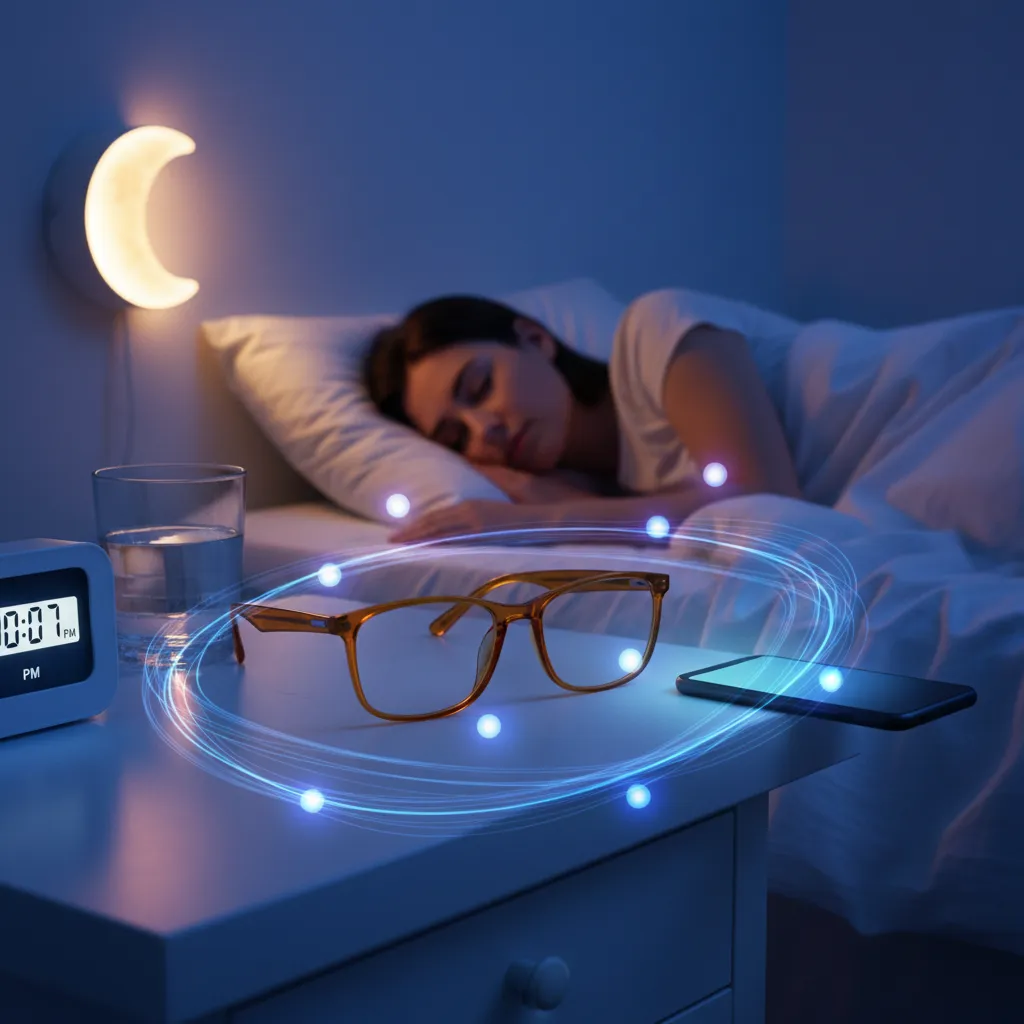
•Optimize Your Sleep Environment for Serenity: Transform your bedroom into a sanctuary for sleep. Ensure it is dark, quiet, and cool, ideally between 60-67°F (15-19°C), as a slightly cooler environment facilitates sleep onset. Block out light with blackout curtains, use earplugs or a white noise machine if necessary, and invest in a comfortable mattress and pillows that support your body. Minimizing light exposure, especially blue light emitted from electronic screens, before bed is critical as it suppresses melatonin production. Blue Light Glasses Sleep can be a beneficial aid in this regard, filtering out disruptive wavelengths.
•Limit Stimulants and Heavy Meals Strategically: Avoid caffeine and nicotine, powerful stimulants, especially in the afternoon and evening. Caffeine has a half-life of about 5 hours, meaning half of it is still in your system 5 hours after consumption. Alcohol, while it may initially induce drowsiness, disrupts sleep architecture later in the night, leading to fragmented rest and preventing deep, restorative sleep cycles. Also, avoid heavy, spicy, or sugary meals close to bedtime, which can cause indigestion, heartburn, and discomfort, making it harder to fall and stay asleep. Aim to finish your last substantial meal at least 2-3 hours before bed.
•Incorporate Regular, Mindful Physical Activity: Engage in at least 30 minutes of moderate-intensity exercise most days of the week. Regular physical activity significantly enhances sleep quality and duration, helping to alleviate somnolence and improve overall vitality and mood. However, try to finish your workout at least 3-4 hours before bedtime, as vigorous exercise can be stimulating and raise core body temperature, making it harder to initiate sleep.
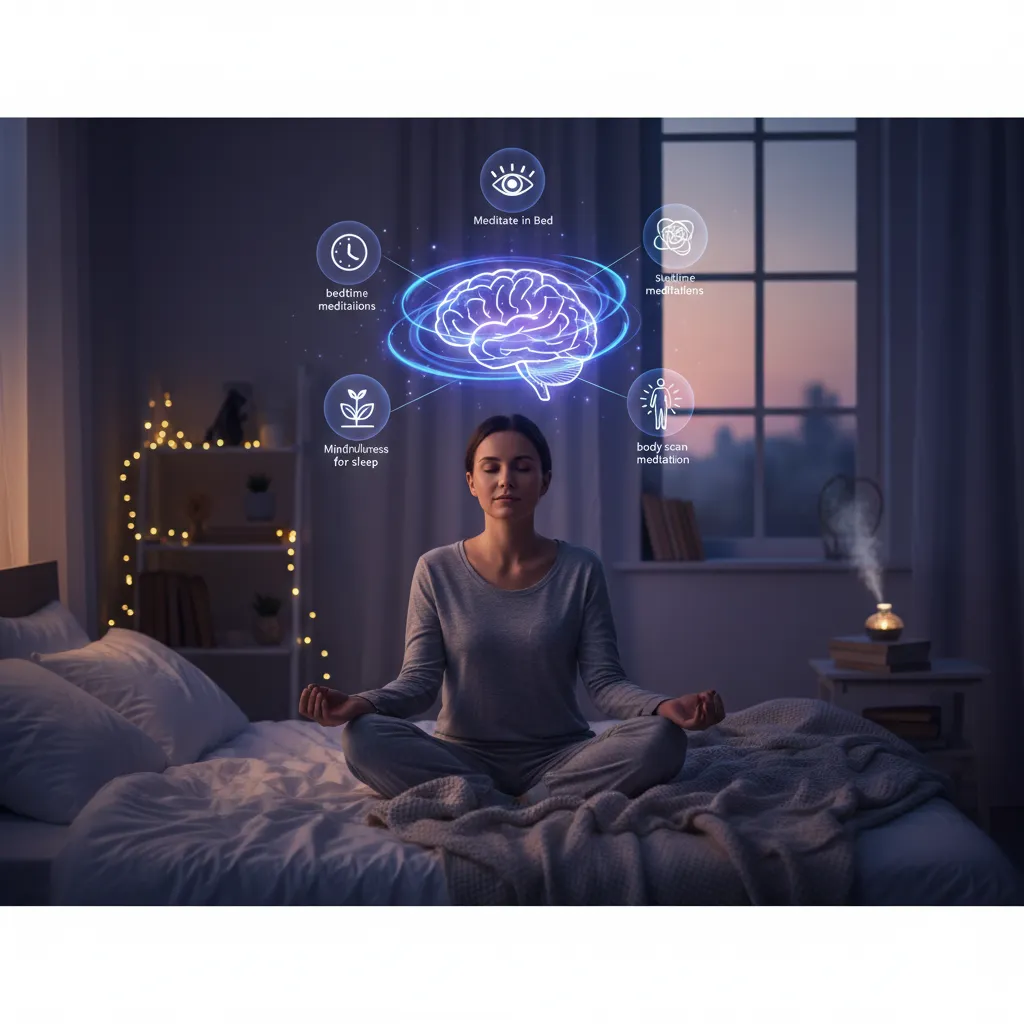
•Develop a Relaxing Bedtime Routine: Create a consistent wind-down routine in the hour before bed. Engage in calming activities such as reading a physical book, taking a warm bath or shower, listening to soothing music, or practicing mindfulness meditation or gentle stretching. Avoid stressful discussions, work-related tasks, or intense electronic device use for at least an hour before sleep. This helps signal to your brain that it’s time to transition to rest, preventing instances of Adult Night Terrors and promoting peaceful, uninterrupted sleep.
How Can Neuro-Optimization Tools Support Better Sleep and Prevent Fainting?
Quick Answer: Neuro-optimization tools, such as light and sound therapy devices, can synchronize brainwave activity, promoting deeper relaxation and more restorative sleep cycles, thereby reducing chronic sleep debt and enhancing physiological resilience against fainting episodes.
Beyond traditional sleep hygiene practices, advancements in neuro-technology offer innovative ways to enhance sleep quality and prevent issues like sleep deprivation fainting. NeuroTech Insider is at the forefront of exploring and utilizing these tools for optimal brain function and overall wellness. Devices designed for neuro-optimization can positively influence brainwave patterns, gently guiding the mind into states conducive to deep relaxation and restorative sleep. These tools can be particularly beneficial for individuals struggling to break cycles of chronic sleep loss or seeking to elevate their sleep performance.
For instance, the NeuroVizr device, available through NeuroTech Insider, uses carefully calibrated light and sound frequencies to encourage specific brainwave states, such as alpha and theta waves, which are naturally associated with deep relaxation, meditation, and the onset of sleep. Regular use can help retrain the brain to enter these states more readily, facilitating quicker sleep onset and more profound sleep cycles. This proactive approach helps to systematically reduce severe sleep debt, bolster the body’s autonomic regulation, and significantly diminish the risk of exhaustion-induced syncope. Studies show that consistent use of brainwave entrainment technologies can improve sleep efficiency by up to 20% in some individuals, translating to significantly more restorative sleep per night.
Imagine improving your sleep efficiency by just 15% each night. Over a week, this could add an additional 1-1.5 hours of quality sleep, making a substantial difference in energy levels, cognitive function, and resilience against physiological stressors. By leveraging such technologies, individuals can proactively manage their sleep health, moving beyond merely avoiding negative consequences to actively pursuing enhanced neural wellness and peak performance, ultimately leading to a more vibrant and fulfilling life.
3 Warning Signs You Might Faint From Lack of Sleep – Syncope and exhaustion – 7
Don’t miss the chance to revolutionize your sleep and cognitive performance with the latest neuro-technology. Unlock your potential today! Visit NeuroTech Insider to explore cutting-edge resources.
Special Offer: Get an exclusive discount on the NeuroVizr device. Experience the power of light and sound therapy. Get Your Discount Code Here
What Are the Long-Term Benefits of Prioritizing Sleep and Preventing Fainting Episodes?
Quick Answer: Prioritizing sleep yields long-term benefits including enhanced cognitive function, improved mood regulation, strengthened immune system, reduced risk of chronic diseases, and increased overall quality of life, far beyond merely preventing fainting episodes.
Moving beyond the immediate concern of sleep deprivation fainting, a consistent commitment to optimal sleep hygiene offers a wealth of long-term benefits that profoundly impact every aspect of life. NeuroTech Insider firmly believes that sleep is not merely an absence of wakefulness but an active, vital process for cellular repair, memory consolidation, emotional regulation, and hormonal balance. Embracing robust sleep hygiene is an investment in your future health and happiness, transforming your daily experiences and long-term vitality.
How Does Optimal Sleep Enhance Cognitive Performance and Mental Clarity?
Quick Answer: Optimal sleep significantly enhances cognitive performance by facilitating memory consolidation, improving problem-solving abilities, boosting creativity, and ensuring sustained mental clarity and focus throughout the day.
3 Warning Signs You Might Faint From Lack of Sleep – Vasovagal syncope – 8
During sleep, particularly during slow-wave sleep (deep sleep) and REM sleep, the brain actively processes and consolidates memories from the day, transferring them from temporary to long-term storage. It also engages in crucial “housekeeping” tasks, clearing metabolic waste products, including beta-amyloid proteins, which are increasingly linked to neurodegenerative diseases like Alzheimer’s. Adequate sleep strengthens neural connections, vital for learning new information and retaining existing knowledge. Individuals with consistent, high-quality sleep typically demonstrate superior problem-solving skills, better decision-making capabilities, enhanced creativity, and improved emotional resilience. A meta-analysis of over 50 studies on sleep and cognitive function, published in Sleep, revealed that individuals achieving 7-8 hours of sleep per night consistently outperformed those with less sleep by an average of 15-20% on various cognitive tasks, including attention, working memory, and executive function. This demonstrates the profound impact of sleep on mental clarity and overall brain health and cognitive performance.
What Are the Physiological Advantages of Consistently Good Sleep?
Quick Answer: Consistently good sleep offers physiological advantages such as robust immune function, balanced hormone regulation, improved cardiovascular health, effective glucose metabolism, and enhanced physical recovery and energy levels.
Beyond cognitive enhancements, optimal sleep underpins robust physiological health. It plays a critical role in immune system function, with numerous studies showing that sleep-deprived individuals are more susceptible to infections and have a reduced and less effective response to vaccinations. During deep sleep, the body produces cytokines, vital proteins that combat infection and inflammation. Hormonal balance, including the regulation of growth hormone (essential for tissue repair), cortisol (the stress hormone), and appetite-regulating hormones (ghrelin and leptin), is heavily dependent on consistent sleep patterns. This balance is crucial for maintaining a healthy weight, stable mood, and optimal metabolic function, significantly reducing the risk of conditions like Type 2 Diabetes.
Furthermore, quality sleep is a cornerstone of cardiovascular health, helping to regulate blood pressure, heart rate, and reduce systemic inflammation. Chronic sleep deprivation is consistently associated with an increased risk of hypertension, heart disease, and stroke. By prioritizing sleep, you actively engage in preventing these severe health outcomes and fostering sustained physical well-being. NeuroTech Insider offers resources that highlight the critical interplay between sleep and systemic health, underscoring the role of neuro-optimization in achieving a balanced, thriving state across all physiological systems. This commitment to healthy sleep is a profound step towards a long and vital life, preventing not just unconsciousness but a wide array of chronic health issues.
How Can NeuroTech Insider Support Your Journey to Optimal Sleep and Wellness?
Quick Answer: NeuroTech Insider provides cutting-edge insights, scientific resources, and advanced neuro-optimization tools like NeuroVizr to empower individuals in achieving superior sleep quality, enhanced cognitive function, and overall neural wellness.
3 Warning Signs You Might Faint From Lack of Sleep – Warning signs before fainting – 9
At NeuroTech Insider, we are dedicated to helping you understand and master your sleep health, preventing issues like sleep deprivation fainting and unlocking your full potential for a vibrant life. Our platform serves as a comprehensive resource for the latest scientific research, practical strategies, and innovative technologies in neuro-optimization and wellness. We believe that informed choices lead to empowered living, especially when it comes to the fundamental aspect of restorative sleep and maintaining peak cognitive performance.
Our commitment extends to providing expertly curated content that covers topics from understanding the intricate mechanisms of sleep to advanced techniques for improving sleep quality. We offer guidance on developing personalized recovery strategies, leveraging insights from neuroscience to create tangible improvements in your daily life. Whether you are seeking to prevent passing out tired, alleviate chronic lassitude, or simply aiming for peak cognitive function and emotional balance, NeuroTech Insider is your trusted partner. We strive to provide accessible, scientifically-backed information to support your journey to holistic wellness.
We invite you to explore our extensive library of articles and discover how our recommended tools, such as the NeuroVizr device, can support your journey. The NeuroVizr, with its unique light and sound therapy, is designed to gently guide your brain into optimal states for relaxation and deep sleep, helping to mitigate the risks associated with chronic sleep debt and enhance overall physiological resilience. Prioritizing your sleep health is one of the most impactful decisions you can make for your overall well-being and longevity. For more details, refer to the NeuroTech Insider website for comprehensive information and support.
Don’t miss the chance to revolutionize your sleep and cognitive performance with the latest neuro-technology. Unlock your potential today! Visit NeuroTech Insider to explore cutting-edge resources.
Special Offer: Get an exclusive discount on the NeuroVizr device. Experience the power of light and sound therapy. Get Your Discount Code Here
💡 Verdict: Prioritizing sleep is not merely about avoiding unpleasant symptoms but is a critical investment in holistic health. Chronic sleep deprivation can lead to dangerous episodes of fainting due to physiological dysregulation. By recognizing the warning signs and proactively adopting robust sleep hygiene practices, potentially complemented by neuro-optimization tools, individuals can significantly enhance their cognitive performance, physical health, and overall quality of life, effectively preventing severe health risks associated with sleep debt.
Frequently Asked Questions
Can exhaustion actually cause fainting?
Yes, profound exhaustion and severe sleep debt can lead to fainting, often due to a temporary reduction in blood flow to the brain, a condition known as syncope.
What are the 3 key warning signs before fainting from sleep deprivation?
The three primary warning signs indicating you might faint from lack of sleep include profound lightheadedness or dizziness, blurred or tunnel vision, and sudden nausea accompanied by profuse sweating.
What immediate actions should you take if you feel faint due to exhaustion?
If you feel faint from exhaustion, immediately lie down with your legs elevated, or sit down and put your head between your knees, to facilitate blood flow back to your brain and prevent a full loss of consciousness.