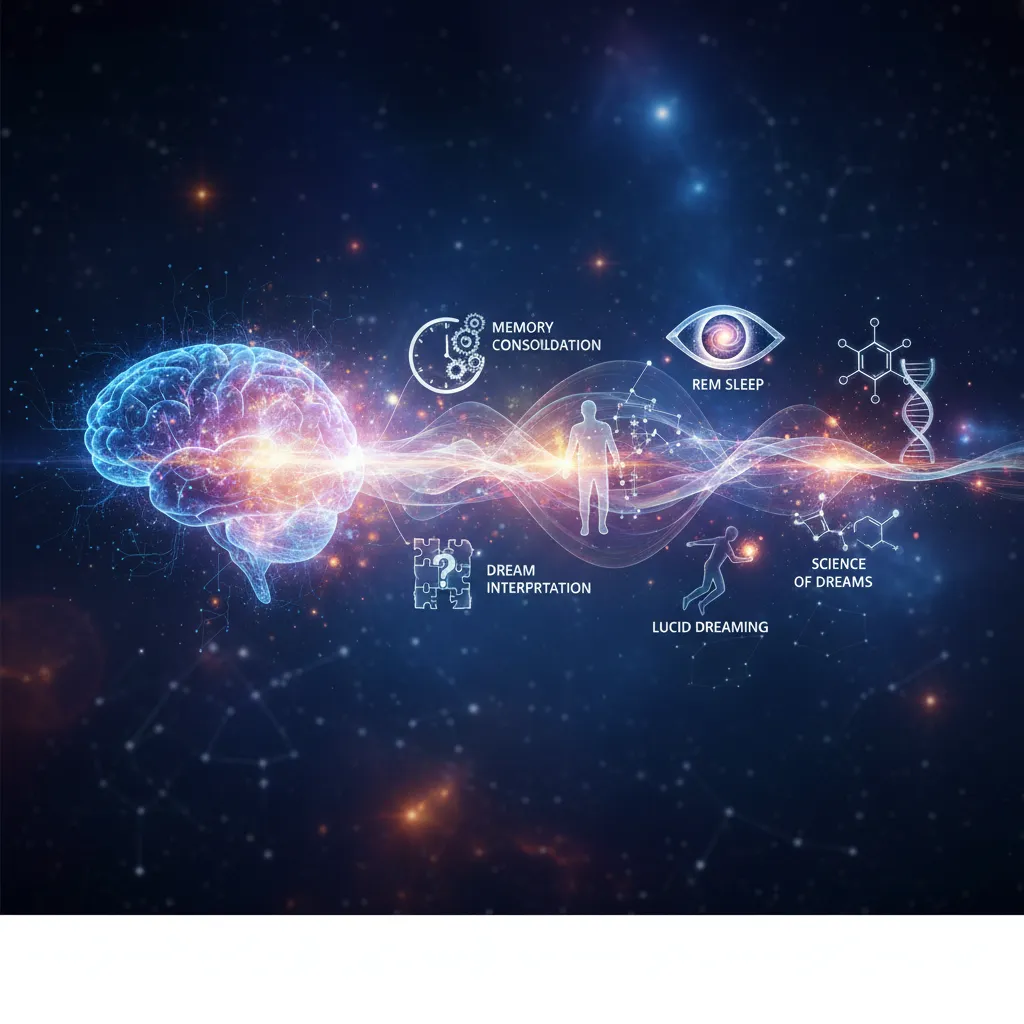
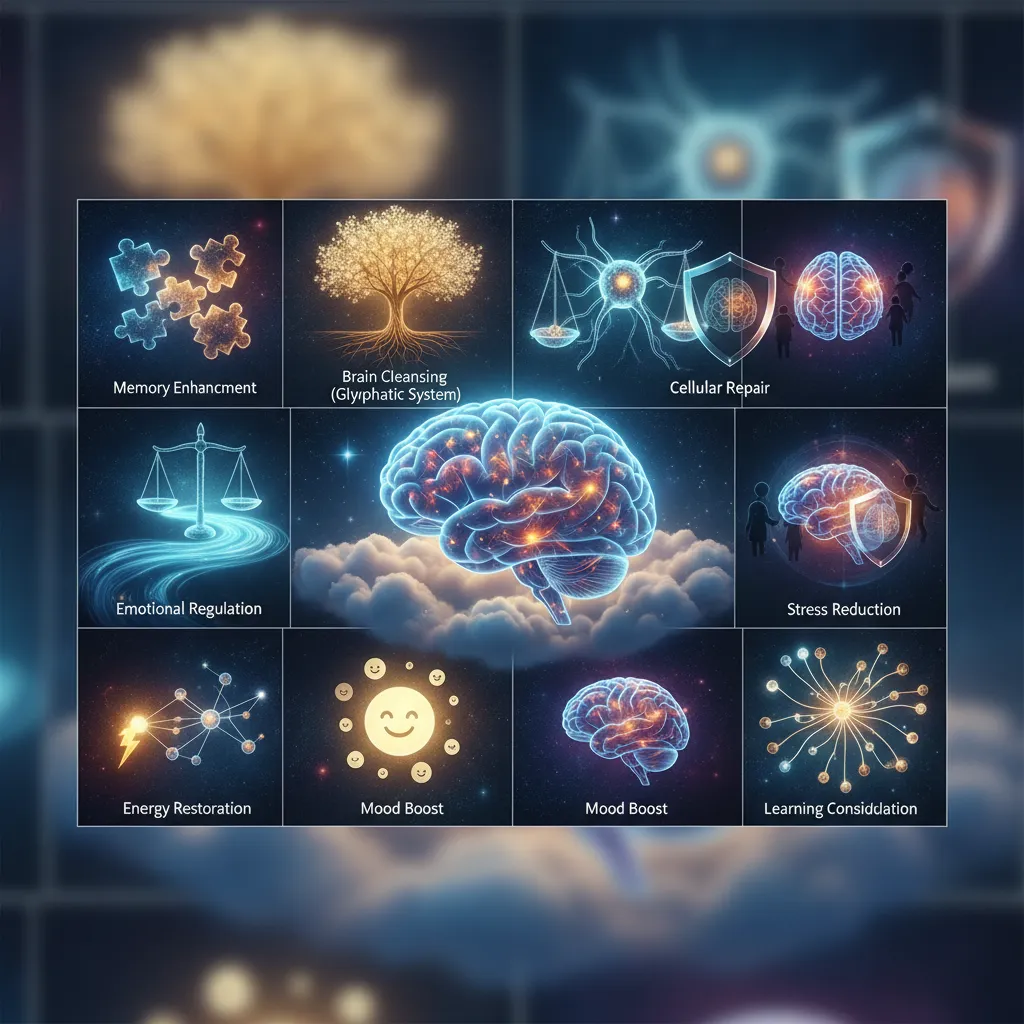
The science of dreams and REM sleep is crucial for understanding our cognitive function and emotional well-being. During REM sleep, the brain actively processes memories and emotions, showing intense neural activity. Leading theories suggest dreams serve multiple purposes, including memory consolidation, emotional regulation, problem-solving, and threat simulation. While dream interpretation is often personal, reflecting waking life experiences, lucid dreaming offers a unique opportunity for conscious control, enhancing creativity and therapeutic outcomes. Ultimately, prioritizing healthy sleep patterns and engaging with dream science through practices like dream journaling and neuro-optimization tools can significantly improve mental health, cognitive performance, and overall quality of life.
✅ Pros
Enhanced memory consolidation and learning through nocturnal processing.
Improved emotional regulation and stress reduction from dream work.
Boosted creativity and problem-solving abilities via novel dream associations.
Opportunity for personal growth, skill practice, and overcoming fears through lucid dreaming.
Greater psychological resilience and adaptability for waking life challenges.
Overall neuro-optimization and sustained cognitive vitality.
❌ Cons
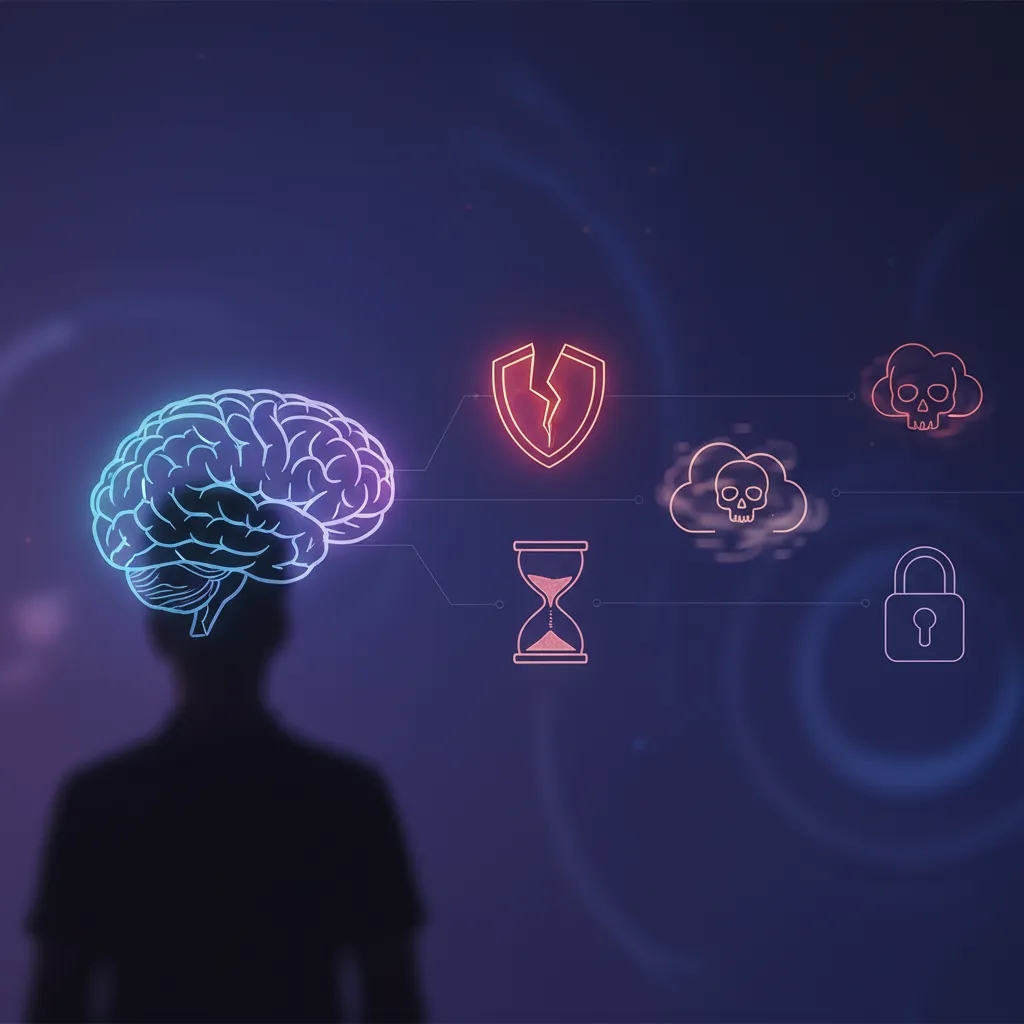
Chronic sleep disruption can lead to impaired learning, reduced cognitive flexibility, and memory deficits.
Disturbing dreams or night terrors can impact emotional well-being and require attention.
The often bizarre and illogical nature of dreams can make interpretation challenging without scientific context.
The science of dreams and rapid eye movement (REM) sleep is a fascinating realm, unlocking profound insights into our nightly mental journeys and their vital role in cognitive function and emotional well-being. At NeuroTech Insider, we believe understanding these nocturnal narratives can empower you towards enhanced neuro-optimization and restorative rest, fostering clarity and creativity.
What Are The 5 Amazing Facts About The Science Of Dreams And REM Sleep?
Quick Answer: The five amazing facts about the science of dreams and REM sleep encompass the intricate brain activity during REM, the diverse theories explaining why humans dream, the scientific approaches to dream interpretation, the fascinating potential of lucid dreaming, and the critical importance of dreaming for overall mental health and cognitive vitality. These elements collectively highlight the profound impact of our nocturnal experiences on waking life and well-being.
Our nightly excursions into the dream world are far from passive experiences. They represent a dynamic interplay of neural processes crucial for our waking lives, influencing everything from our emotional stability to our creative problem-solving abilities. From the vivid narratives spun during rapid eye movement (REM) sleep to the profound impact dreams have on our emotional regulation and cognitive function, the science of dreams offers a compelling window into the complexities of the human mind. Understanding these fundamental aspects can enhance our appreciation for sleep’s restorative power and guide us toward better sleep hygiene and neuro-optimization strategies. Let us explore five key facts that illuminate this intriguing scientific frontier, providing clarity on the intricate mechanisms and vital purposes of dreaming.
Fact 1: How Does REM Sleep Orchestrate Brain Activity For Vivid Dreams?
Quick Answer: During REM sleep, the brain exhibits high levels of brain activity, mirroring wakefulness, characterized by fast, desynchronized beta and theta wave benefits, increased cerebral blood flow, and intense neuronal firing, particularly in areas associated with emotion, memory, and sensory processing, leading to the vivid, narrative-rich dreams we often recall.
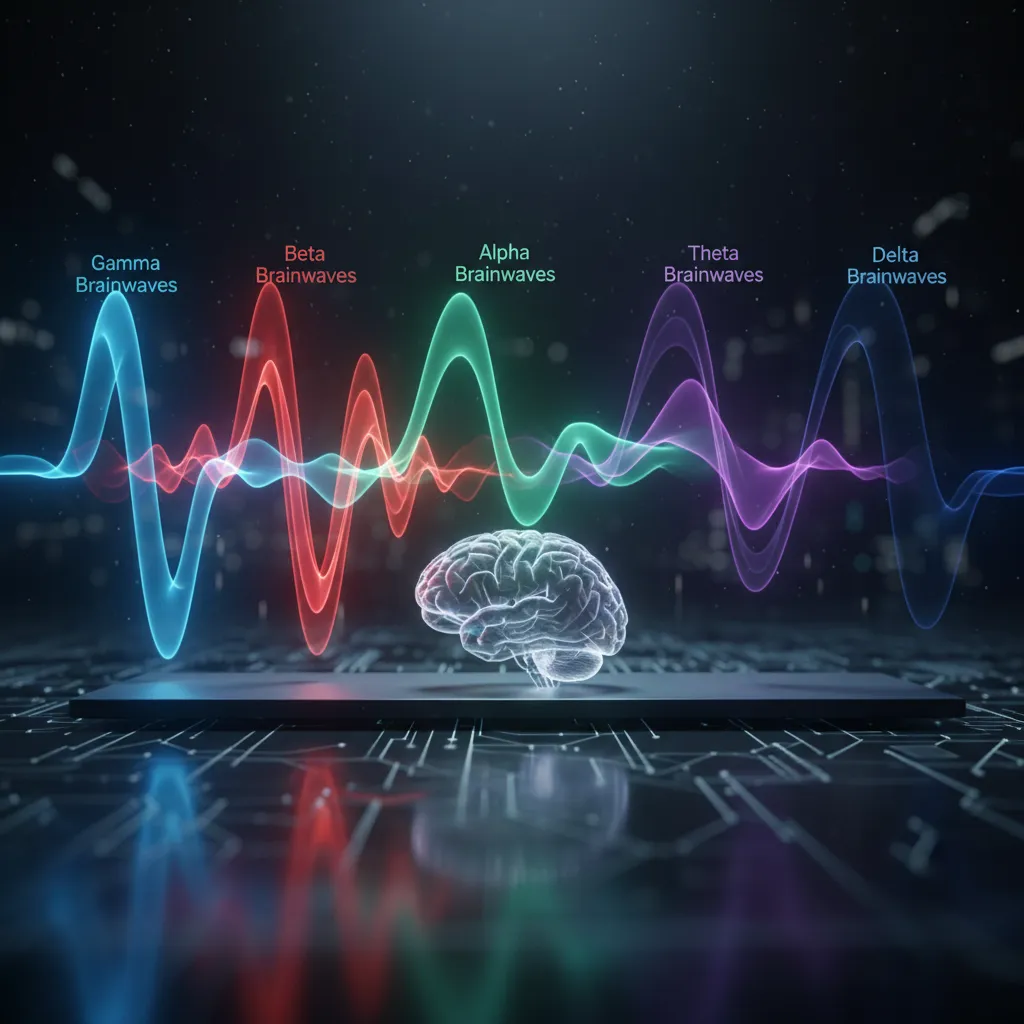
Rapid eye movement (REM) sleep is a distinct and crucial stage of our sleep cycle, accounting for approximately 20-25% of an adult’s total sleep time, typically occurring in 90-minute intervals throughout the night. Discovered by Aserinsky and Kleitman in the 1950s, this stage is characterized by rapid, darting movements of the eyes, temporary paralysis of most voluntary muscles (atonia), and a unique pattern of rem sleep brain activity that closely resembles an awake state. Electroencephalography (EEG) scans during REM reveal low-amplitude, mixed-frequency brainwaves, including prominent theta waves (4-7 Hz) associated with memory and creativity, and bursts of beta waves (13-30 Hz) indicative of active processing, signaling a highly active brain despite the body’s stillness.
5 Amazing Facts About the Science of Dreams & REM Sleep – Science of Dreams – 1
Neuroscientists have pinpointed several key brain regions that become particularly active during REM sleep. The limbic system, which governs emotions, including the amygdala (fear and emotional processing) and the hippocampus (memory formation and retrieval), shows heightened engagement. This explains why dreams are often emotionally charged and rich in autobiographical content, as the brain actively reviews and integrates recent experiences. Conversely, the prefrontal cortex, responsible for logical reasoning, decision-making, and executive functions, demonstrates significantly reduced activity. This suppression is thought to contribute to the often bizarre, illogical, and uninhibited nature of dreams, where ordinary rules of reality are frequently suspended, allowing for novel connections and creative thought.
Neurotransmitters also play a pivotal role in orchestrating REM sleep. Acetylcholine levels surge during REM, promoting cortical activation and facilitating dream vividness, while simultaneously inhibiting motor neurons to produce muscle atonia, preventing us from acting out our dreams. Meanwhile, monoamines like serotonin, norepinephrine, and histamine, which are crucial for maintaining wakefulness and modulating mood, are significantly suppressed. This unique neurochemical environment creates the perfect conditions for complex dream narratives to unfold. Dr. Allan Hobson’s Activation-Synthesis Theory, for example, posits that dreams are the brain’s attempt to make sense of random neural signals generated during REM sleep, weaving them into coherent, albeit sometimes nonsensical, stories, which are deeply influenced by our personal memories and emotional states.
The robust neural networks in dreams are not merely generating random images; they are actively processing information, consolidating memories, and regulating emotions. The average adult experiences 3-5 REM cycles per night, with each cycle lengthening as the night progresses, leading to the longest and most vivid dreams occurring in the hours just before waking. This intricate orchestration of brain activity is a testament to the sophistication of our sleep architecture and its profound impact on our cognitive vitality and mental well-being.
Fact 2: Why Do Humans Dream, According To Leading Theories?
Quick Answer: Humans dream for multifaceted reasons, primarily involving memory consolidation, emotional processing, problem-solving, and threat simulation, as proposed by various scientific theories that highlight dreams’ adaptive and cognitive functions essential for learning and psychological balance.
5 Amazing Facts About the Science of Dreams & REM Sleep – REM Sleep – 2
The question of why do we dream has puzzled humanity for centuries, evolving from ancient spiritual interpretations to modern neuroscience. While no single theory fully explains the phenomenon, contemporary research points to several compelling purposes. One of the most widely accepted theories centers on memory consolidation and learning. During REM sleep, the brain actively replays and processes information acquired during wakefulness, strengthening neural connections and integrating new memories into existing knowledge structures. Studies, such as those by renowned sleep researcher Dr. Robert Stickgold, demonstrate that dream content often reflects recent experiences and learning tasks, suggesting an active role in skill acquisition, academic performance, and even the formation of long-term memories. This process is vital for daily cognitive function and overall intellectual health.
Another significant role of dreams is emotional regulation. Dreams provide a safe, often symbolic, arena for processing complex emotions, reducing the intensity of traumatic experiences, and alleviating daily stress. Research indicates that REM sleep helps to dampen the emotional charge of memories, allowing individuals to cope more effectively with challenging situations. For example, studies on post-traumatic stress disorder (PTSD) suggest that healthy REM sleep patterns can contribute to the gradual reduction of emotional distress associated with traumatic memories. This emotional processing contributes significantly to mental well-being and resilience, offering a nightly therapeutic session for the mind’s emotional landscape.
Dreams may also serve as a cognitive playground for problem-solving and creativity. Unconstrained by waking logic, the dreaming mind can make novel associations and explore unconventional solutions to waking life problems. Many artists, scientists, and innovators, from Salvador Dalí to Albert Einstein, have reported gaining insights or breakthroughs directly from their dreams. This creative aspect of dreaming is a powerful tool for cognitive enhancement, fostering innovative thinking and original thought processes, demonstrating the brain’s capacity for complex cognitive processing even during sleep.
Furthermore, the threat simulation theory, an evolutionary perspective, suggests that dreams act as a virtual reality simulator, allowing us to practice responses to dangerous or challenging situations without real-world consequences. This rehearsal enhances our survival instincts and prepares us for potential threats by refining our fight-or-flight responses in a safe environment. From the perspective of dream psychology, these theories collectively highlight dreams not as random events, but as purposeful, adaptive mechanisms that support our psychological and cognitive health, contributing to a more balanced and resilient individual.
5 Amazing Facts About the Science of Dreams & REM Sleep – Dream Interpretation – 3
Table 1: Leading Theories on Why We Dream
Theory
Primary Function
Key Benefit
Memory Consolidation
Processing and strengthening memories from the day.
Brain’s attempt to make sense of random neural signals.
A byproduct of brain activity, contributing to cognitive maintenance.
Fact 3: Do Dreams Hold Meaning, And How Is Dream Interpretation Approached Scientifically?
Quick Answer: While traditional perspectives like Freudian and Jungian dream psychology propose symbolic meaning in dreams, contemporary neuroscience suggests that dream content often reflects waking life experiences, emotional states, and cognitive processing, offering profound insights into one’s subconscious mind without necessarily adhering to universal symbolic interpretations.
The quest to understand if dreams hold inherent meaning has captivated thinkers for millennia. Historically, many cultures viewed dreams as messages from deities, omens, or prophecies of the future, often assigning fixed symbolic interpretations to common dream imagery. In the realm of dream psychology, Sigmund Freud famously proposed that dreams are the royal road to the unconscious, filled with repressed desires, unresolved conflicts, and hidden motives expressed through complex symbolism. He distinguished between the manifest content (the dream as remembered) and the latent content (its hidden, symbolic meaning, often sexual or aggressive). Carl Jung, a contemporary of Freud, expanded on this, introducing the concept of the collective unconscious and archetypes, universal symbols that appear in dreams across cultures, representing fundamental human experiences and patterns.
Modern scientific approaches, however, tend to view dream interpretation differently, moving away from universal symbol dictionaries. While acknowledging that dream content is often personally significant and can reflect waking concerns, emotions, and memories, neuroscience largely focuses on the cognitive and biological underpinnings rather than fixed symbolic meanings. Cognitive dream theories, for instance, suggest that dreams are a continuation of waking thought, a process of consolidating recent experiences, solving problems, or even simulating social interactions. The themes and emotions in dreams are often directly tied to an individual’s current life circumstances, emotional state, and recent sensory inputs.
For example, if someone is experiencing significant stress at work, their dreams might be filled with anxiety-provoking scenarios related to their job, such as being unprepared for a presentation or missing a deadline. If they are learning a new musical instrument, their dreams might involve practicing it or performing for an audience. This perspective emphasizes that the meaning of a dream is highly subjective and best understood in the context of the dreamer’s personal life experiences, psychological makeup, and current challenges. Instead of relying on universal symbols, a scientific approach to dream interpretation encourages introspection and self-reflection. Tools like consistent dream journaling can help individuals identify recurring themes, emotional patterns, and connections between their dream world and their waking reality, fostering a deeper understanding of their inner self.
5 Amazing Facts About the Science of Dreams & REM Sleep – Lucid Dreaming – 4
At NeuroTech Insider, we advocate for a balanced view: while dreams may not possess universal, fixed meanings, their content is undoubtedly rich with personal significance. Exploring these nocturnal narratives can be a powerful avenue for self-discovery, emotional processing, and mental clarity, contributing to overall neuro-optimization and a more integrated sense of self. It is a journey of understanding how our subconscious mind processes the world, offering unique insights into our deepest thoughts and feelings.
Fact 4: How Can Lucid Dreaming Empower Your Dream Experiences?
Quick Answer: Lucid dreaming, the state of being aware that you are dreaming while the dream is happening, offers a unique opportunity for conscious control over dream narratives, empowering individuals to explore creativity, practice skills, confront fears, and enhance self-awareness, transforming passive dream experiences into active, insightful journeys with therapeutic and personal growth potentials.
Lucid dreaming is a fascinating phenomenon where the dreamer gains conscious awareness that they are in a dream state, often described as a moment of profound realization within the nocturnal landscape. This awareness often allows for a degree of control over the dream environment, characters, and narrative, transforming a typically passive experience into an active, immersive adventure. Scientific research into lucid dreaming has confirmed its existence through electroencephalography (EEG) studies and functional magnetic resonance imaging (fMRI), which show unique brainwave patterns during lucid episodes, combining features of both REM sleep and wakefulness, particularly heightened activity in the prefrontal cortex, the brain region associated with self-awareness and executive control.
The benefits of cultivating lucid dreaming are vast and extend beyond mere entertainment. Many individuals use it for creative exploration, practicing skills (e.g., public speaking, musical performance, sports movements) in a risk-free environment, which can enhance real-world performance through a form of mental rehearsal and neuroplasticity exercises. It can also be a powerful tool for personal growth and therapy, allowing individuals to confront and overcome phobias, anxieties, or even repetitive nightmares in a controlled setting, leading to enhanced confidence, emotional resilience, and a deeper understanding of their subconscious fears. Some even find it a profound avenue for self-discovery, spiritual exploration, and a deeper connection with their inner self.
5 Amazing Facts About the Science of Dreams & REM Sleep – Memory Consolidation – 5
Techniques for inducing lucid dreams include reality testing (regularly questioning whether one is dreaming by performing a small, consistent action like checking a clock or pushing a finger through a palm), keeping a detailed dream journal to improve dream recall and identify recurring dream signs, and Mnemonic Induction of Lucid Dreams (MILD), where one sets the intention to become lucid before falling asleep and upon waking from a dream. The Wake-Induced Lucid Dream (WILD) technique involves transitioning directly from wakefulness to a dream state, often by focusing intently on the Hypnagogic State and hypnagogic imagery. Advanced neuro-optimization tools, like those offered by NeuroTech Insider, can also support the brain’s readiness for such states by promoting optimal brainwave patterns conducive to enhanced cognitive control and self-awareness during sleep. It is important to approach these techniques with patience, consistency, and a positive mindset, as regular practice significantly increases the likelihood of achieving lucidity.
Table 2: Common Lucid Dreaming Induction Techniques
Technique
Description
Primary Benefit
Reality Testing (RT)
Regularly checking if you are dreaming by performing a small action (e.g., checking a clock, pushing finger through palm).
Increases likelihood of performing checks within a dream, triggering lucidity.
Mnemonic Induction of Lucid Dreams (MILD)
Waking up after about 5 hours of sleep, recalling a dream, and repeating the intention to remember you are dreaming.
Leverages increased REM sleep in later sleep cycles; strengthens intention.
Wake-Induced Lucid Dream (WILD)
Attempting to enter a dream state directly from wakefulness, often by focusing on hypnagogic imagery.
Offers a direct transition into lucidity, often leading to very vivid experiences.
Dream Journaling
Regularly recording dreams immediately upon waking, including details, emotions, and themes.
Fact 5: What Is The Importance Of Dreaming For Optimal Mental Health And Well-Being?
Quick Answer: Dreaming, particularly during REM sleep, is critically important for optimal mental health and well-being, facilitating emotional processing, stress reduction, memory consolidation, and creative problem-solving, all of which contribute to enhanced cognitive function, psychological resilience, and a positive outlook on life.
The profound impact of dreaming on our mental and emotional landscapes cannot be overstated. Far from being a mere byproduct of sleep, dreaming is an active, vital process contributing significantly to our overall health and cognitive capabilities. One of its primary roles is in emotional processing and regulation. Dreams allow the brain to re-process emotionally charged memories in a less intense, de-contextualized state, helping to integrate challenging experiences and reduce their emotional impact. This nightly therapy can lead to significant stress reduction, mitigate symptoms of anxiety, and foster greater emotional stability and resilience in waking life. By simulating various scenarios, dreams help us prepare for and adapt to real-world emotional challenges.
Beyond emotional regulation, dreams play a crucial role in cognitive functions, particularly memory consolidation and learning. During REM sleep, the brain actively strengthens neural connections related to newly acquired information, transferring memories from short-term to long-term storage. This process is essential for learning new skills, retaining facts, enhancing problem-solving abilities, and improving overall cognitive performance. Deprivation of REM sleep has been consistently linked to impaired learning, reduced cognitive flexibility, and memory deficits, underscoring its indispensable role in maintaining a sharp and adaptable mind. This highlights the immense Benefits of Sleep for comprehensive brain health and optimal functioning.
5 Amazing Facts About the Science of Dreams & REM Sleep – Science of Dreams – 6
Dreams also serve as a wellspring of creativity and insight. By allowing the mind to operate without the strictures of waking logic, dreams can foster novel associations, generate innovative ideas, and provide fresh perspectives on challenges. Many creative breakthroughs and scientific solutions across history have been attributed to inspirations gleaned from dreams. This imaginative exploration is a testament to the brain’s capacity for neuroplasticity exercises and continuous growth, enabling us to transcend conventional thinking and unlock new potentials.
Moreover, sufficient dreaming contributes to psychological resilience and adaptability. It allows us to process anxieties, rehearse coping mechanisms in a safe environment, and integrate complex experiences, leading to a more stable and balanced mental state. Chronic sleep disruption and reduced dreaming can exacerbate conditions like anxiety and depression, making it clear that a healthy dream life is intrinsically linked to mental wellness. Therefore, prioritizing healthy sleep patterns and nurturing our dream life is a proactive and positive step toward maintaining robust mental health, achieving neuro-optimization, and fostering a fulfilling existence. Techniques like learning to meditate in bed can also enhance the quality of your sleep and dream experiences, promoting deeper relaxation and more vivid, beneficial dreams.
How Can Understanding Dream Science Improve Your Sleep And Cognitive Performance?
Quick Answer: Understanding the science of dreams empowers individuals to optimize their sleep hygiene, enhance sleep quality, engage in lucid dreaming for personal growth, and leverage the brain’s nocturnal processing for improved cognitive function, emotional balance, and overall neuro-optimization, leading to a more vibrant and productive waking life.
Diving into the intricacies of dream science offers more than just fascinating insights; it provides practical pathways to significantly enhance both the quality of your sleep and your waking cognitive performance. By recognizing the critical functions of REM sleep and dreaming, we can adopt informed strategies that actively support these vital nocturnal processes. For instance, ensuring you get adequate, uninterrupted sleep, typically 7-9 hours for adults, allows your brain to complete its full complement of sleep cycles, maximizing opportunities for robust memory consolidation and comprehensive emotional regulation during dreams. A consistent sleep schedule, even on weekends, and a calming bedtime routine are foundational steps that align with our natural circadian rhythms and promote optimal brain health.
5 Amazing Facts About the Science of Dreams & REM Sleep – REM Sleep – 7
Awareness of the emotional processing role of dreams can help individuals approach their daily challenges with greater equanimity and resilience. Understanding that your brain is diligently working to process stress, integrate complex experiences, and resolve emotional conflicts during the night can significantly alleviate daytime anxieties and improve mood. If you find yourself experiencing frequent intense or disturbing dreams, exploring their themes through a dream journal can be a proactive step, potentially revealing underlying stressors or unresolved issues in your waking life that can then be addressed constructively. For those who experience more distressing sleep phenomena, such as Adult Night Terrors, understanding the different stages of sleep and seeking professional guidance can be particularly beneficial for managing and potentially overcoming these challenges.
Furthermore, embracing the creative and problem-solving aspects of dreams can unlock entirely new potentials for personal and professional growth. By setting clear intentions before sleep, such as contemplating a specific problem, a creative challenge, or a skill you wish to develop, you may find that your dreaming mind offers novel solutions, innovative ideas, or even practical insights upon waking. This mindful engagement with your sleep experience fosters improved conscious focus, enhanced cognitive flexibility, and a richer internal life. NeuroTech Insider’s innovative tools are specifically designed to complement these practices by creating an optimal environment for brainwave entrainment, gently guiding your brain into states conducive to deeper, more restorative sleep and enhanced dream experiences, thereby improving overall cognitive performance and well-being. This proactive approach to sleep and dreaming transforms a passive biological need into an active opportunity for growth and optimization.
What Are The Practical Steps For Enhancing Your Dream Experience And Brain Health?
Quick Answer: Enhancing your dream experience and brain health involves establishing consistent sleep hygiene, practicing stress reduction techniques, engaging in dream journaling, exploring lucid dreaming methods, and considering advanced neuro-optimization tools that support healthy sleep architecture and cognitive function for a more vibrant life.
Optimizing your dream experience and, by extension, your overall brain health, is an achievable goal through a combination of thoughtful lifestyle adjustments and mindful practices. These steps are rooted in the science of dreams and designed to promote a more restorative and enriching nocturnal life:
5 Amazing Facts About the Science of Dreams & REM Sleep – Dream Interpretation – 8
•Prioritize Consistent Sleep: Aim for a consistent 7-9 hours of quality sleep each night. Establish a regular sleep-wake schedule, even on weekends, to powerfully regulate your circadian rhythm. This consistency is paramount for optimizing all sleep cycles, especially those rich in REM sleep, which is critical for dreaming and its associated benefits.
•Create an Optimal Sleep Environment: Ensure your bedroom is a sanctuary for sleep: dark, quiet, and cool (ideally between 60-67°F or 15-19°C). Minimize exposure to stimulating blue light from screens (phones, tablets, computers, TVs) for at least an hour before bedtime, as it can significantly interfere with natural melatonin production and disrupt sleep architecture.
•Practice Stress Reduction Techniques: Incorporate mindfulness, meditation, or deep breathing exercises into your daily routine. Reducing daytime stress and anxiety can lead to more pleasant, coherent, and less disruptive dream content, enhancing the therapeutic value of your sleep. Learning to meditate in bed before falling asleep can be an excellent way to calm your mind and prepare for restful, dream-rich sleep.
•Maintain a Dream Journal: Upon waking, immediately record any dreams you remember, no matter how fragmented. Include details, emotions, colors, and themes. This consistent practice significantly improves dream recall over time and helps you identify recurring patterns, symbols, or emotional states, providing valuable insights into your subconscious mind and personal growth.
•Explore Lucid Dreaming Techniques: If you are interested in actively shaping your dream experiences, gently experiment with reality testing or MILD techniques. This can lead to profound self-discovery, creative inspiration, and even the ability to practice skills or confront fears in a safe, controlled environment, turning your dreams into a powerful personal development tool.
•Consider Neuro-optimization Tools: Innovative devices like the NeuroVizr from NeuroTech Insider utilize advanced light and sound technology to gently guide your brain into optimal states for relaxation, focus, and enhanced sleep. By supporting healthy brainwave patterns, these tools can potentially deepen your dream experiences, improve sleep quality, and support overall brain health, contributing to a more optimized and resilient mind.
By proactively engaging with these scientifically informed strategies, you can cultivate a richer, more beneficial dream life and harness the full potential of your nocturnal mind for improved waking performance, enhanced emotional well-being, and sustained cognitive vitality.
What Is The Latest Research And Future Outlook In Dream Science?
Quick Answer: Latest research in dream science is advancing through neuroimaging, AI analysis of dream reports, and targeted brain stimulation, focusing on understanding the precise neural mechanisms of dream generation, their role in memory and emotion, and even developing methods for real-time dream communication and manipulation, promising profound insights into consciousness itself and novel therapeutic applications.
The field of dream research is experiencing a renaissance, driven by advanced neuroimaging techniques, sophisticated computational models, and a renewed scientific interest in the adaptive functions of sleep and dreaming. Researchers are now extensively utilizing fMRI, high-density EEG, and magnetoencephalography (MEG) to map the neural correlates of dreaming with unprecedented precision. This allows them to move beyond general rem sleep brain activity to identify specific brain networks and individual neuronal firing patterns involved in different aspects of dream content, such as visual imagery, emotional intensity (e.g., amygdala activation), and narrative coherence (e.g., hippocampal and prefrontal cortex interactions). This intricate mapping provides a deeper understanding of how the brain constructs the complex simulated realities we experience each night.
One particularly exciting and groundbreaking area is the exploration of real-time communication with dreamers. Recent studies, notably from institutions like Northwestern University, have shown that individuals in lucid dreaming states can successfully respond to external stimuli (like light flashes, auditory cues, or even verbal questions) by moving their eyes in predefined patterns or by subtly contracting facial muscles. This breakthrough opens unprecedented avenues for interactive dream experiments, allowing scientists to pose questions to dreamers and receive answers in real-time. This direct access to subjective dream experiences could provide invaluable data for understanding the nature of consciousness during sleep and potentially unlock new therapeutic applications for trauma processing or skill acquisition within the dream state.
5 Amazing Facts About the Science of Dreams & REM Sleep – Lucid Dreaming – 9
Artificial intelligence (AI) and machine learning are also transforming dream science. Researchers are employing natural language processing (NLP) to analyze vast databases of dream reports, identifying recurring patterns, themes, emotional landscapes, and semantic entities that might be imperceptible to human analysis. This computational dream interpretation is helping to build a more objective and statistically robust understanding of dream content and its relationship to waking life experiences, psychological states, and even potential health indicators. Furthermore, advancements in targeted brain stimulation techniques, such as transcranial alternating current stimulation (tACS) or focused ultrasound, are being explored to potentially induce or enhance lucid dreaming, or even to influence dream content for therapeutic purposes.
Looking ahead, the future of dream science promises further integration with neurotechnology. Devices that accurately monitor brain activity and provide precisely targeted stimulation during sleep could not only enhance lucid dreaming but also potentially guide dreams towards specific therapeutic outcomes, such as processing trauma, fostering creative solutions, or improving motor skill learning. NeuroTech Insider is at the forefront of this innovation, developing technologies like the NeuroVizr that gently optimize brain states for restorative sleep and enriched dream experiences. This pioneering work is paving the way for a future where we can harness our nocturnal minds for unprecedented personal growth, cognitive enhancement, and a deeper understanding of the fundamental nature of consciousness itself. The exploration of dreams continues to be a dynamic frontier, offering boundless possibilities for human well-being and discovery.
💡 Verdict: Understanding the science of dreams is essential for optimizing sleep, mental health, and cognitive performance. By adopting informed strategies like consistent sleep hygiene, dream journaling, and leveraging neuro-optimization tools, individuals can unlock their nocturnal mind’s full potential for a more vibrant waking life and enhanced well-being.
Frequently Asked Questions
What Are The 5 Amazing Facts About The Science Of Dreams And REM Sleep?
The five amazing facts about the science of dreams and REM sleep encompass the intricate brain activity during REM, the diverse theories explaining why humans dream, the scientific approaches to dream interpretation, the fascinating potential of lucid dreaming, and the critical importance of dreaming for overall mental health and cognitive vitality.
Why Do Humans Dream, According To Leading Theories?
Humans dream for multifaceted reasons, primarily involving memory consolidation, emotional processing, problem-solving, and threat simulation, as proposed by various scientific theories that highlight dreams’ adaptive and cognitive functions essential for learning and psychological balance.
How Can Lucid Dreaming Empower Your Dream Experiences?
Lucid dreaming, the state of being aware that you are dreaming while the dream is happening, offers a unique opportunity for conscious control over dream narratives, empowering individuals to explore creativity, practice skills, confront fears, and enhance self-awareness, transforming passive dream experiences into active, insightful journeys with therapeutic and personal growth potentials.