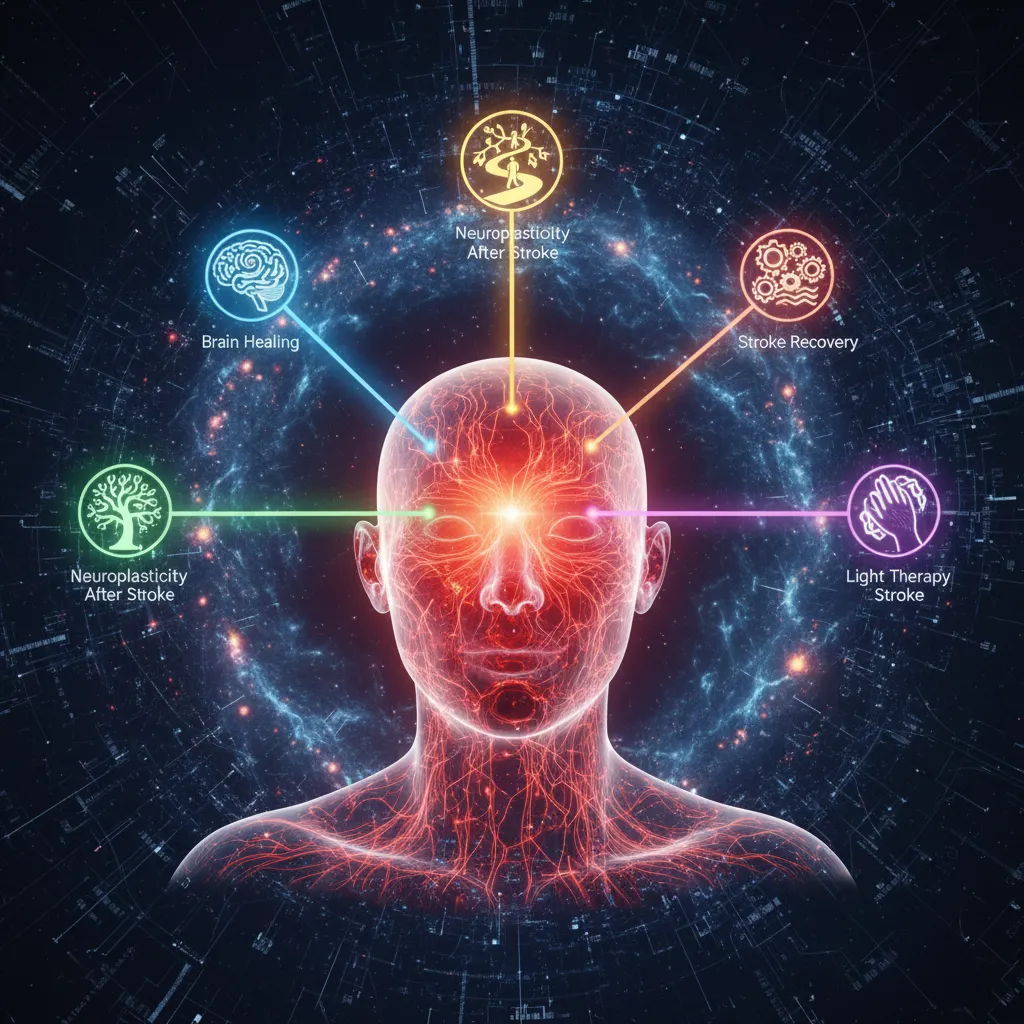
Stroke recovery light therapy, specifically photobiomodulation (PBM), offers a powerful and safe pathway to enhance brain healing after a stroke. It works through five key mechanisms: boosting cellular energy production, reducing inflammation and oxidative stress, promoting neuroplasticity, improving cerebral blood flow and angiogenesis, and providing crucial neuroprotection to damaged brain tissue. PBM devices, such as neuronic helmets, are generally considered safe and non-invasive. Integrating light therapy into a comprehensive brain rehabilitation plan, alongside traditional therapies, a neuroplasticity diet, adequate sleep, and stress management, can significantly improve functional outcomes and overall quality of life for stroke survivors.
✅ Pros
Enhances cellular energy production (ATP synthesis).
Reduces inflammation and oxidative stress in brain tissue.
Promotes neuroplasticity and the formation of new neural connections.
Improves cerebral blood flow and stimulates angiogenesis (new blood vessel growth).
Provides neuroprotection, safeguarding vulnerable neurons from further damage.
Non-invasive and generally considered safe with a favorable safety profile.
Can be effectively integrated as an adjunctive therapy with traditional rehabilitation.
Offers a pathway for ongoing improvement even in the chronic phase of stroke recovery.
❌ Cons
Individual results and recovery timelines can vary greatly.
Requires consistent application for sustained benefits.
Initial mild and transient side effects like scalp warmth or headache may occur.
Requires professional consultation to ensure suitability for specific medical conditions.
Stroke Recovery Light: 5 Ways Light Therapy Aids Brain Healing
Stroke recovery light therapy offers a promising frontier for individuals seeking advanced treatments to restore neurological function. At NeuroTech Insider, we explore how targeted light applications, specifically transcranial photobiomodulation, can significantly enhance brain healing and promote neuroplasticity after stroke, offering renewed hope for comprehensive rehabilitation and improved quality of life.
Quick Answer: Photobiomodulation (PBM) therapy utilizes specific wavelengths of red and near-infrared (NIR) light to stimulate cellular function, reduce inflammation, and promote tissue repair in the brain, thereby accelerating recovery after a stroke by enhancing the natural healing processes.
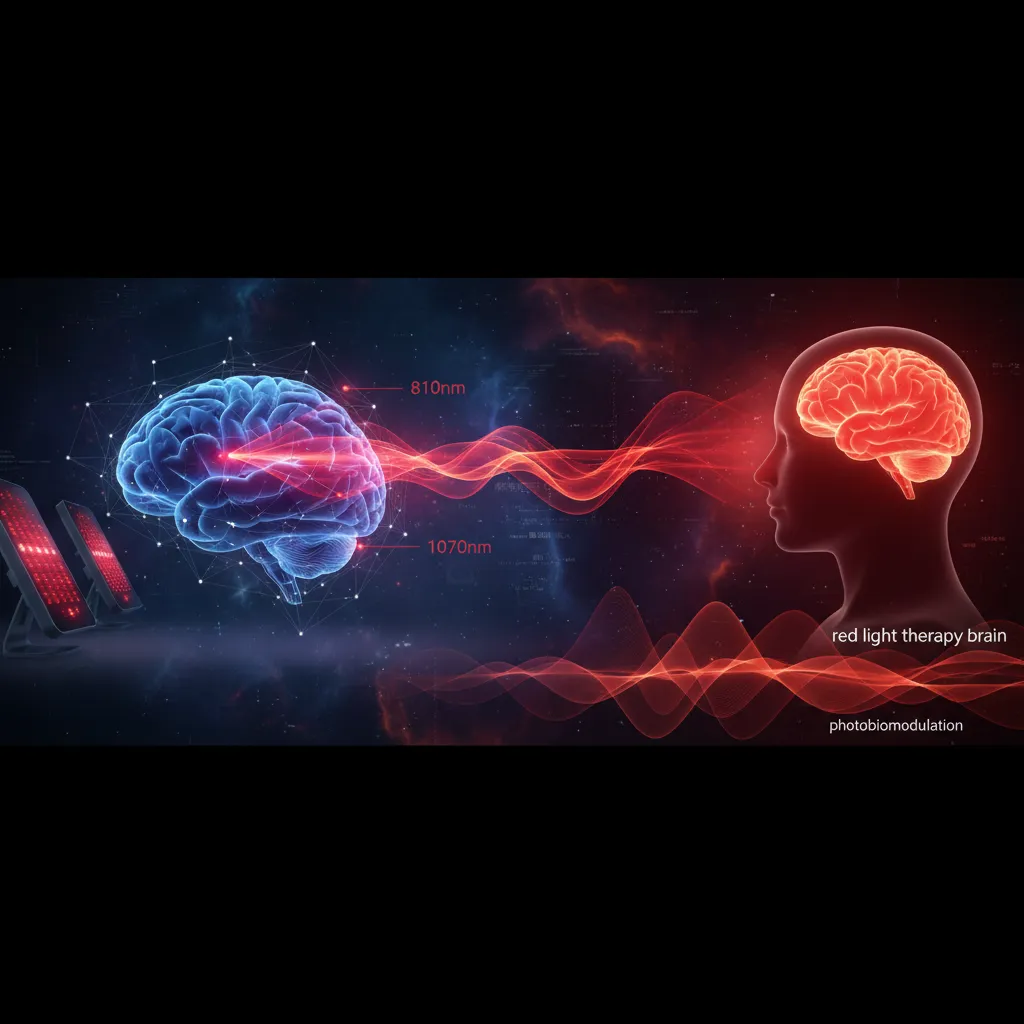
Photobiomodulation (PBM), often referred to as red light therapy brain injury, involves applying low-level laser or LED light to the head to stimulate cellular activity within the brain. This non-invasive approach has garnered significant attention in the field of brain rehabilitation due to its potential to mitigate neurological damage and foster regeneration post-stroke. The light, typically in the 600-1100 nm range, penetrates the scalp and skull, reaching brain tissue where it interacts with chromophores, primarily cytochrome c oxidase (CCO) in the mitochondria. This interaction triggers a cascade of intracellular events crucial for cellular health and repair.
Research indicates that PBM can increase adenosine triphosphate (ATP) production, improve cerebral blood flow, and activate various signaling pathways that support neuronal survival and regeneration. For instance, a study published in Lasers in Medical Science highlighted PBM’s ability to enhance neurological recovery in animal models of stroke, demonstrating improvements in motor function and reduced infarct volume. The efficacy of PBM lies in its capacity to address multiple pathophysiological mechanisms involved in stroke-induced brain damage, moving beyond symptomatic treatment to target underlying cellular dysfunction. This multimodal action makes photobiomodulation stroke recovery a compelling area of ongoing investigation and clinical application.
What Are the 5 Key Ways Light Therapy Aids Stroke Recovery and Brain Healing?
Quick Answer: Light therapy aids stroke recovery by enhancing cellular energy production, reducing inflammation and oxidative stress, promoting neuroplasticity, improving cerebral blood flow and angiogenesis, and providing crucial neuroprotection to damaged brain tissue.
The therapeutic potential of light therapy for brain repair after a stroke is multifaceted, leveraging several biological mechanisms to foster recovery. These five key pathways work synergistically to support neurological healing and improve functional outcomes for stroke survivors.
How Does Light Therapy Enhance Cellular Repair and Energy Production Post-Stroke?
Quick Answer: Light therapy, particularly near-infrared light, enhances cellular repair and energy production by stimulating mitochondrial cytochrome c oxidase, increasing ATP synthesis, and optimizing cellular metabolism, which is critical for damaged brain cells to recover and function.
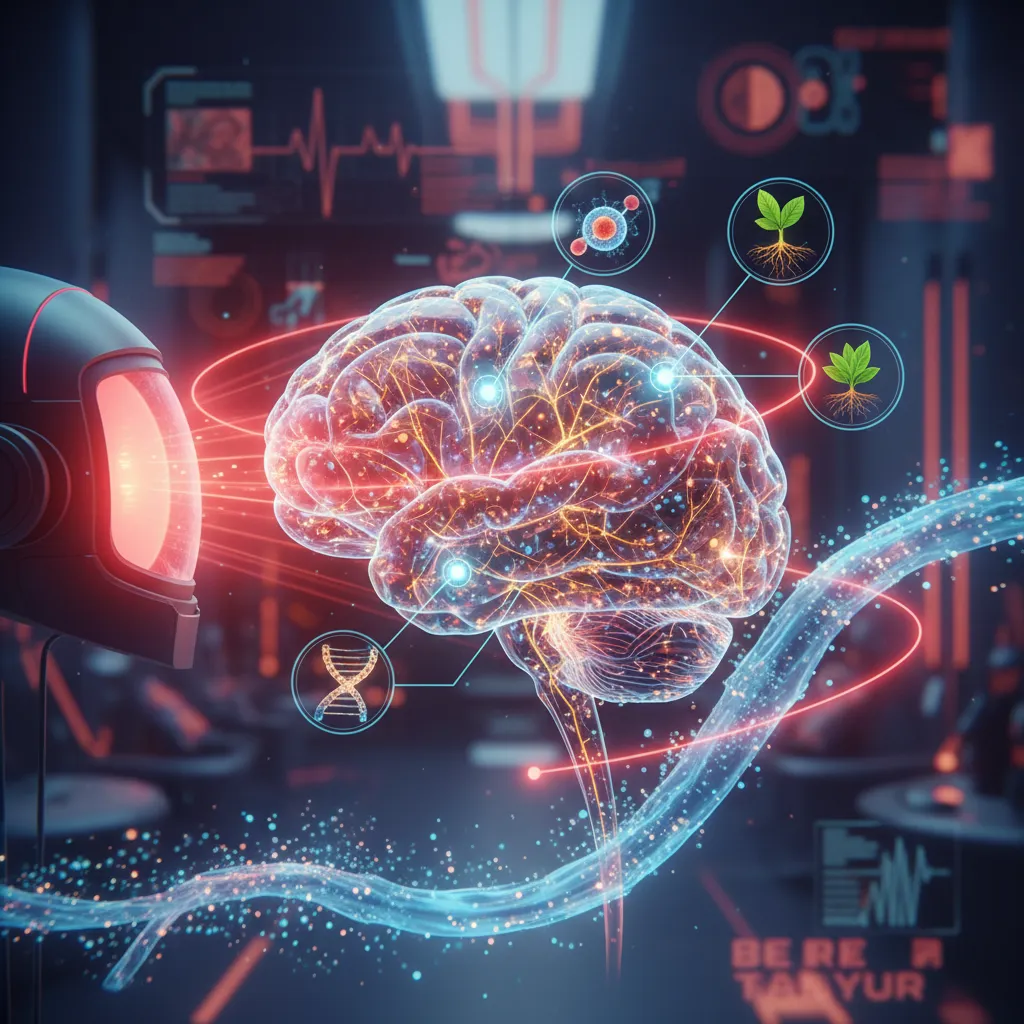
One of the primary mechanisms through which stroke recovery light works is by boosting cellular energy. Stroke often leads to mitochondrial dysfunction, impairing the brain’s ability to produce ATP, the fundamental energy currency of cells. PBM delivers photons that are absorbed by CCO within neuronal mitochondria. This absorption leads to increased mitochondrial activity, enhancing ATP production and improving overall cellular respiration. Elevated ATP levels provide the necessary energy for cellular repair processes, neurotransmitter synthesis, and maintaining neuronal membrane potential, all vital for brain cell survival and function after ischemic injury.
A study published in Neural Regeneration Research demonstrated that transcranial NIR Light Therapy significantly improved mitochondrial function and reduced neuronal apoptosis in stroke models. This enhanced energy metabolism directly supports the restoration of damaged neurons and glial cells, facilitating a more robust recovery. Patients undergoing PBM may experience improved cognitive function and reduced fatigue, attributed to the brain’s enhanced energy reserves.
Can Light Therapy Reduce Inflammation and Oxidative Stress in the Brain?
Quick Answer: Yes, light therapy effectively reduces inflammation and oxidative stress in the brain by modulating inflammatory cytokines, suppressing reactive oxygen species (ROS) production, and activating endogenous antioxidant defenses, thereby minimizing secondary damage after a stroke.
Following a stroke, the brain experiences a significant inflammatory response and increased oxidative stress, which can lead to secondary brain damage and hinder recovery. PBM has potent anti-inflammatory and antioxidant effects. It can modulate the release of pro-inflammatory cytokines such as TNF-α and IL-6, while also promoting the production of anti-inflammatory mediators. Furthermore, light therapy helps to neutralize harmful reactive oxygen species (ROS) and activate endogenous antioxidant enzymes, protecting brain cells from oxidative damage.
Studies, including those cited in the Journal of Neuroinflammation, have shown that PBM can significantly reduce infarct volume and improve neurological outcomes by suppressing harmful inflammatory pathways. This reduction in inflammation and oxidative stress creates a more favorable environment for healing and regeneration, preventing further tissue degradation and supporting the brain’s natural repair mechanisms. This aspect of red light therapy brain injury is crucial for long-term recovery and minimizing neurological deficits.
Quick Answer: Photobiomodulation promotes neuroplasticity by stimulating brain-derived neurotrophic factor (BDNF), enhancing synaptogenesis, and facilitating the growth of new neural connections, which are essential for the brain to reorganize and compensate for damaged areas post-stroke.
Neuroplasticity, the brain’s ability to reorganize itself by forming new neural connections, is fundamental to neuroplasticity after stroke. PBM therapy has been shown to significantly enhance this process. It increases the expression of neurotrophic factors, such as brain-derived neurotrophic factor (BDNF), which are critical for neuronal growth, survival, and differentiation. BDNF plays a vital role in synaptic plasticity, promoting the formation of new synapses and strengthening existing ones.
By fostering synaptogenesis and promoting neural network reorganization, PBM helps the brain compensate for lost function in damaged areas. A review in Frontiers in Neuroscience explored PBM’s potential to improve cognitive and motor recovery by facilitating these plastic changes. This makes photobiomodulation stroke recovery a powerful adjunct to traditional rehabilitation, empowering the brain to rebuild and regain function more effectively. Combining PBM with Neuroplasticity Exercises can yield even greater benefits.
Does Light Therapy Improve Blood Flow and Angiogenesis in Damaged Brain Regions?
Quick Answer: Yes, light therapy improves cerebral blood flow by promoting vasodilation and enhancing microcirculation, and it stimulates angiogenesis, the formation of new blood vessels, which are crucial for delivering oxygen and nutrients to damaged brain areas and facilitating repair.
Restoring adequate blood flow to ischemic areas and facilitating the growth of new blood vessels (angiogenesis) are critical for recovery after a stroke. PBM has been shown to improve cerebral hemodynamics by inducing vasodilation, increasing nitric oxide (NO) release from endothelial cells, which relaxes blood vessels and improves microcirculation. This enhanced blood flow delivers more oxygen and nutrients to brain cells, helping them recover from metabolic stress.
Furthermore, PBM stimulates angiogenesis, fostering the formation of new capillaries that can bypass damaged vessels and re-perfuse ischemic brain tissue. A study published in Photomedicine and Laser Surgery reported significant improvements in cerebral blood flow and functional recovery in stroke patients treated with transcranial PBM. This dual action of improving existing circulation and generating new vascular networks is vital for supporting long-term brain rehabilitation and recovery. Optimal blood supply also contributes to the health of White Matter Brain integrity.
How Does Light Therapy Protect Brain Tissue and Support Neural Survival?
Quick Answer: Light therapy provides neuroprotection by reducing excitotoxicity, inhibiting apoptosis (programmed cell death), and preserving the integrity of the blood-brain barrier, thereby safeguarding vulnerable neurons and promoting their survival in the penumbra region after a stroke.
Beyond promoting repair, PBM offers crucial neuroprotective benefits that help limit the extent of brain damage after a stroke. It can reduce excitotoxicity, a process where excessive neurotransmitter release, particularly glutamate, leads to neuronal damage. PBM helps stabilize neuronal membranes and prevent calcium overload, which are key events in excitotoxic cell death. Moreover, light therapy inhibits apoptosis, or programmed cell death, preserving more brain tissue in the penumbra – the area surrounding the infarct that is at risk but potentially salvageable.
By preserving neuronal viability and integrity, PBM minimizes the overall neurological deficit and maximizes the potential for functional recovery. Research in Lasers in Surgery and Medicine supports PBM’s role in neuroprotection, showing its ability to reduce neuronal loss and improve behavioral outcomes in various models of brain injury. This protective effect is a cornerstone of photobiomodulation stroke recovery, offering a proactive strategy to save brain cells and enhance long-term health.
Quick Answer: The timeline for light therapy stroke recovery varies greatly depending on individual factors, stroke severity, and treatment protocol, but initial positive changes in mood or cognitive clarity may be observed within weeks, with more significant functional gains potentially appearing over several months of consistent application.
The recovery journey after a stroke, even with advanced therapies like PBM, is highly individual. While light therapy offers a hopeful path, predicting an exact timeline for results is challenging due to variables such as the stroke’s severity, location, the patient’s overall health, and adherence to the treatment protocol. However, existing research and clinical observations provide general expectations for when improvements might be noticed.
Many individuals report subtle positive changes within the first few weeks of consistent red light therapy brain injury. These early improvements often include enhanced mood, reduced fatigue, better sleep quality, and a general sense of improved cognitive clarity. These initial benefits are thought to stem from PBM’s immediate effects on mitochondrial function and inflammation reduction.
More substantial functional gains, such as improvements in motor skills, speech, or more complex cognitive functions, typically emerge over a longer period, ranging from 3 to 6 months or even longer with continued therapy. This extended timeline aligns with the biological processes of neuroplasticity after stroke, which requires time for new neural connections to form and strengthen. For example, a clinical trial might involve daily or thrice-weekly sessions for 12 weeks, with follow-up assessments at 6 months to evaluate sustained improvements.
It is important to emphasize that PBM is generally used as an adjunctive therapy, complementing traditional brain rehabilitation programs. The combination of light therapy with physical, occupational, and speech therapy can create a synergistic effect, potentially accelerating recovery beyond what either therapy could achieve alone. Consistent application and adherence to a prescribed protocol are key factors influencing the speed and extent of recovery.
What Research Supports the Timeline of Stroke Recovery with PBM?
Quick Answer: Clinical studies and ongoing trials, such as those investigating transcranial PBM for acute and chronic stroke, demonstrate that improvements can be observed across various neurological function scales within weeks to months, with long-term benefits related to consistent therapy and enhanced neuroplasticity.
Several studies support the efficacy of PBM over varying recovery timelines. For instance, the NEST-1 and NEST-2 trials, though primarily focused on acute stroke, provided foundational data on the safety and potential benefits of transcranial laser therapy. While these trials had mixed primary endpoints, subgroup analyses showed positive trends in functional outcomes, particularly when treatment was initiated within 24 hours of stroke onset.
For chronic stroke patients, studies have shown promising results over several months. A pilot study published in Photomedicine and Laser Surgery involved patients with chronic ischemic stroke receiving 10-20 PBM sessions. Participants demonstrated significant improvements in neurological deficit scores and cognitive function after 1-3 months of treatment. Another study focusing on photobiomodulation stroke recovery in chronic stages found that patients receiving neuronic helmet stroke therapy experienced sustained improvements in motor function over a 6-month period, indicating the long-term benefits of promoting neuroplasticity after stroke.
These findings suggest that while early intervention can be critical, PBM still holds considerable promise for individuals in the chronic phase of stroke recovery, offering a pathway for ongoing improvement and functional restoration. It is generally recommended to consult with a healthcare professional to determine the most suitable treatment plan and expected timeline based on individual circumstances.
Quick Answer: Yes, neuronic helmet stroke devices, utilizing transcranial photobiomodulation, are generally considered safe for fragile brain states post-stroke, as they are non-invasive, operate at low power levels, and have demonstrated a favorable safety profile in numerous clinical studies with minimal reported adverse effects.
5 Ways Light Therapy Aids Stroke Recovery & Brain Healing – Neuroplasticity After Stroke – 5
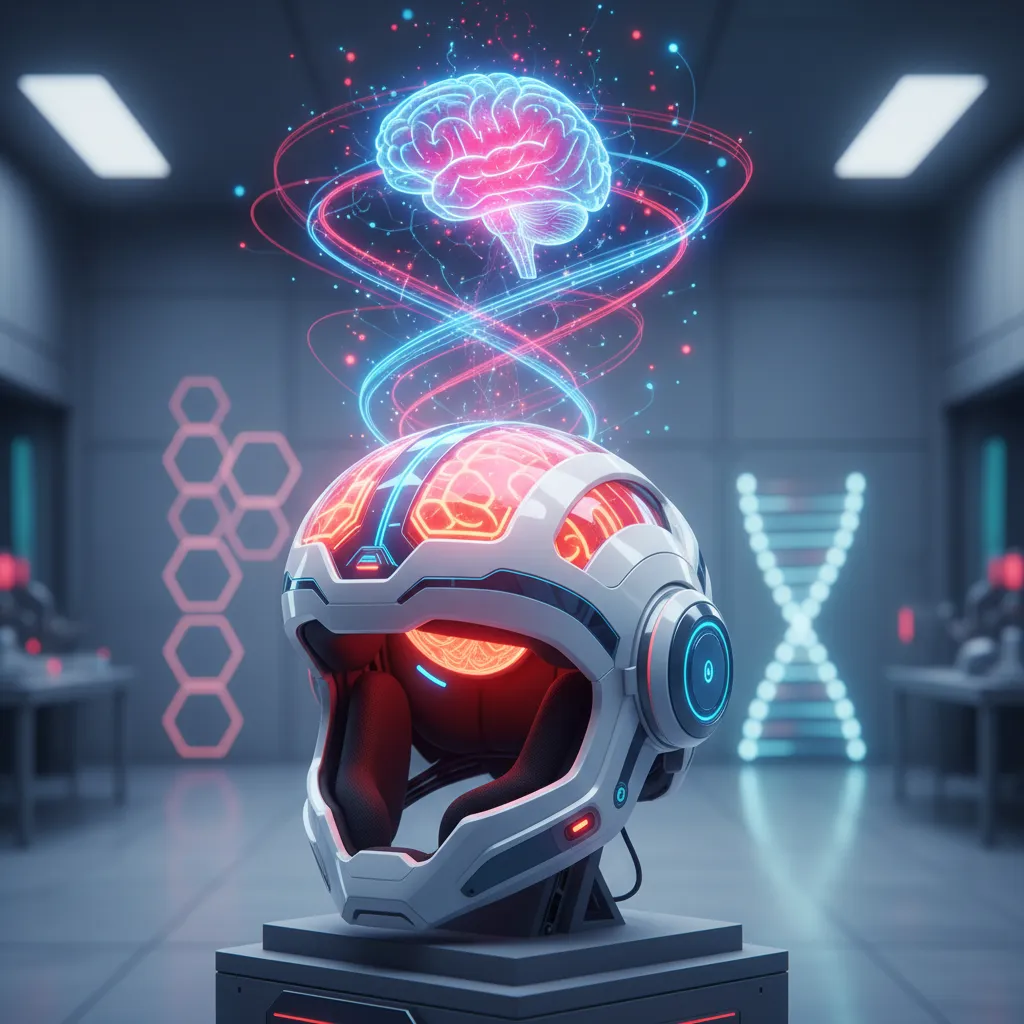
The safety of any therapeutic intervention, especially for individuals with compromised neurological conditions, is paramount. Neuronic helmet stroke devices, which deliver transcranial PBM, are designed with safety as a core principle. Unlike invasive procedures, these devices are non-ablative and operate at low power densities, meaning they do not generate significant heat or cause tissue damage. The light used is within specific therapeutic windows, primarily red and NIR Light Therapy wavelengths, which are known for their beneficial biological interactions without harmful side effects.
Numerous clinical trials and research studies on photobiomodulation stroke recovery have consistently reported a favorable safety profile for these devices. Adverse events, when reported, are typically mild and transient, such as temporary scalp warmth or mild headache, which usually resolve quickly. Serious adverse events directly attributable to PBM devices are rare. This makes them a viable option for individuals recovering from stroke, who may have delicate brain tissue and require gentle, yet effective, therapeutic approaches.
For patients with fragile brain states, such as those in the acute or subacute phases post-stroke, the non-invasive nature and low-risk profile of PBM are particularly advantageous. However, it is always crucial to consult with a neurologist or rehabilitation specialist before initiating any new treatment, including light therapy, to ensure it is appropriate for the individual’s specific medical condition and to receive guidance on proper use.
Quick Answer: Key safety considerations for red light therapy brain injury include ensuring appropriate wavelength and power density, avoiding direct eye exposure, consulting with a healthcare professional for contraindications (e.g., active bleeding, photosensitivity medications), and strictly following device instructions.
While red light therapy brain injury is generally safe, certain considerations help ensure optimal safety and efficacy. These include:
•Wavelength and Power Density: Using devices with clinically validated wavelengths (typically 600-1100 nm for brain applications) and appropriate power densities is crucial. Over-exposure to very high power can potentially cause thermal effects, though modern neuronic helmet stroke devices are designed to prevent this.
•Eye Protection: Direct exposure of the eyes to powerful LED or laser light should be avoided. Many PBM helmets incorporate design features to protect the eyes, or users are advised to wear protective eyewear during sessions.
•Medical Consultation: Always consult with a healthcare provider, especially for individuals with conditions like active intracranial bleeding, epilepsy, or those taking photosensitizing medications. While PBM is generally safe, professional guidance ensures it is appropriate for the individual’s specific health status.
•Adherence to Instructions: Following the manufacturer’s guidelines for treatment duration, frequency, and device maintenance is essential for safe and effective use.
By adhering to these safety practices, individuals can maximize the therapeutic benefits of stroke recovery light while minimizing any potential risks. NeuroTech Insider prioritizes the dissemination of accurate and safe usage information for all neuro-optimization technologies.
Quick Answer: When choosing devices for post-stroke care, prioritize those utilizing best red light wavelengths (typically 670 nm, 810 nm, 940 nm, 1070 nm NIR) and consider factors like power output, coverage area, ease of use, and clinical validation, ensuring they are designed for transcranial application and meet safety standards.
Selecting the appropriate PBM device for stroke recovery light involves understanding key technical specifications and matching them to therapeutic needs. The best red light wavelengths for brain applications typically fall within the near-infrared (NIR) spectrum, ranging from 810 nm to 1070 nm. Wavelengths around 810 nm are well-studied for their penetration depth and efficacy in stimulating CCO. Longer wavelengths like 940 nm and 1070 nm offer even deeper penetration, potentially reaching more profound brain structures, which can be beneficial for white matter brain recovery.
When evaluating neuronic helmet stroke devices, consider the following:
•Wavelengths: Look for devices that utilize a combination of red (e.g., 670 nm) and NIR (e.g., 810 nm, 940 nm, 1070 nm) for synergistic effects and optimal penetration.
•Power Output and Irradiance: Adequate power is needed for photons to reach brain tissue. Reputable devices will specify irradiance (mW/cm²) and total power (mW).
•Coverage: Helmets offer broad coverage, ensuring treatment of multiple brain regions, including those affected by stroke.
•Pulsing vs. Continuous Wave: Some research suggests pulsed light delivery may enhance therapeutic effects by allowing tissues to recover between pulses, potentially increasing penetration depth or optimizing cellular responses.
•Clinical Evidence and Certifications: Prioritize devices backed by scientific research and appropriate regulatory certifications (e.g., FDA clearance for specific indications, CE marking).
•Ease of Use and Comfort: For daily application, a comfortable and user-friendly device is essential for consistent adherence.
NeuroTech Insider provides detailed reviews and information on various devices, helping individuals make informed decisions about their brain rehabilitation journey. For example, a thorough Neuradiant 1070 Review might be beneficial for those considering specific high-wavelength devices.
What Role Does the NeuroVizr Device Play in Photobiomodulation Stroke Recovery?
Quick Answer: The NeuroVizr device represents a cutting-edge approach in photobiomodulation stroke recovery, combining specific light and sound frequencies to optimize brain health, promote neuroplasticity, and support overall cognitive function, making it a valuable tool for comprehensive brain healing regimens.
The NeuroVizr device, available through NeuroTech Insider, stands out as an innovative solution in the realm of photobiomodulation stroke recovery. It is designed to deliver precisely calibrated light and sound patterns to optimize brain performance and aid in neurological recovery. By leveraging advanced PBM technology, NeuroVizr targets key brain regions with therapeutic wavelengths, supporting the cellular and neurological processes vital for healing after a stroke.
The device’s integrated light and sound programs are developed to enhance brainwave entrainment and promote states conducive to neuroplasticity and cognitive restoration. This holistic approach helps improve various aspects of brain function, from memory and focus to emotional regulation, which are often affected by stroke. For individuals committed to comprehensive brain rehabilitation, the NeuroVizr device offers a sophisticated, user-friendly option to augment their recovery efforts. Its design and functionality are specifically tailored to support neuro-optimization and encourage a positive trajectory in post-stroke healing, making it a key component for those exploring advanced stroke recovery light solutions.
Quick Answer: Patients can integrate light therapy into a comprehensive brain rehabilitation plan by coordinating PBM sessions with traditional therapies, maintaining consistent use, adopting a Neuroplasticity Diet, incorporating Neuroplasticity Exercises, and consulting with their medical team to create a personalized, holistic recovery strategy.
Integrating stroke recovery light therapy effectively into a comprehensive brain rehabilitation plan is key to maximizing its benefits. PBM is not a standalone cure but a powerful adjunctive tool that can amplify the effects of other therapies. The goal is to create a synergistic environment where all recovery efforts complement each other, fostering optimal neurological repair and functional restoration.
A holistic approach often involves combining photobiomodulation stroke recovery with conventional stroke rehabilitation methods such as physical therapy, occupational therapy, and speech therapy. For instance, PBM sessions could be scheduled shortly before or after physical therapy to enhance motor learning and reduce post-exercise fatigue. The improved cellular energy and neuroplasticity induced by light therapy can make the brain more receptive to the demands of rehabilitation exercises, potentially leading to faster and more significant gains.
Consistency is crucial. Regular application of a neuronic helmet stroke device, as recommended by a healthcare professional or device manufacturer, ensures continuous cellular stimulation and sustained neurobiological benefits. Establishing a routine, perhaps daily or several times a week, can help maintain the therapeutic momentum and support the ongoing processes of brain healing and adaptation. Furthermore, adopting a Neuroplasticity Diet rich in antioxidants and omega-3 fatty acids can provide foundational support for brain health, working hand-in-hand with light therapy.
What Complementary Strategies Enhance White Matter Brain Recovery Alongside Light Therapy?
Quick Answer: Complementary strategies that enhance white matter brain recovery alongside light therapy include targeted Neuroplasticity Exercises, a nutrient-dense Neuroplasticity Diet, adequate sleep, stress management, and pharmaceutical interventions where appropriate, all contributing to a rich environment for neural repair and growth.
Optimizing white matter brain recovery, which involves the myelinated axons that form critical communication pathways, is crucial for restoring integrated brain function. While red light therapy brain injury can support this by reducing inflammation and improving cellular health, several other strategies can further enhance the process:
•Targeted Neuroplasticity Exercises: Engaging in specific physical and cognitive exercises tailored to the individual’s deficits helps stimulate new neural pathways and strengthen existing ones. Activities that challenge coordination, memory, and problem-solving can be particularly effective.
•Nutrient-Dense Neuroplasticity Diet: A diet rich in brain-supporting nutrients, including omega-3 fatty acids, antioxidants (found in fruits and vegetables), and B vitamins, provides the building blocks for myelin repair and neuronal health. Reducing processed foods and sugars is also beneficial.
•Adequate Sleep: Quality sleep is essential for brain repair and consolidation of new learning. Optimizing sleep hygiene can significantly support neuroplastic processes.
•Stress Management: Chronic stress can impair neuroplasticity. Techniques such as mindfulness, meditation, and controlled breathing can help mitigate stress and create a more conducive environment for healing.
•Pharmaceutical Support: In some cases, specific medications prescribed by a neurologist may support neuroprotection or enhance recovery, working in conjunction with PBM.
By integrating these strategies, individuals can create a robust and supportive environment for brain rehabilitation, maximizing the potential for recovery and improving overall neurological health. NeuroTech Insider advocates for a comprehensive approach to neuro-optimization, recognizing the interconnectedness of various factors in achieving peak brain function and recovery.
Quick Answer: Stroke recovery light therapy, specifically photobiomodulation, offers a powerful, safe, and non-invasive pathway to enhance brain healing by stimulating cellular repair, reducing inflammation, promoting neuroplasticity, improving blood flow, and providing neuroprotection, thereby offering significant hope for improved functional outcomes.
The journey of stroke recovery is often challenging, yet advancements in neuro-technology like photobiomodulation stroke recovery are continually expanding the horizon of possibilities. As explored throughout this article, stroke recovery light therapy offers five distinct yet interconnected mechanisms to aid in brain healing: boosting cellular energy, mitigating inflammation and oxidative stress, fostering profound neuroplasticity after stroke, optimizing cerebral blood flow, and providing vital neuroprotection. These actions collectively create an optimal environment for the brain to repair, reorganize, and regain function.
From the scientific basis of how red light therapy brain injury interacts with mitochondria, to the practical considerations of selecting neuronic helmet stroke devices and understanding recovery timelines, the evidence points towards a hopeful future. The safety profile of transcranial PBM devices makes them a compelling option for even fragile brain states, and their integration into holistic brain rehabilitation plans, alongside diet, exercise, and other therapies, promises enhanced outcomes.
At NeuroTech Insider, we believe in empowering individuals with the latest knowledge and tools for neuro-optimization and recovery. The potential of light therapy to unlock the brain’s innate healing capacity is immense, offering a pathway toward improved quality of life for stroke survivors and their families. As research continues to evolve, our understanding and application of these sophisticated technologies will only grow, paving the way for even more effective and personalized recovery strategies.
💡 Verdict: Stroke recovery light therapy, particularly photobiomodulation, is a highly promising and safe adjunctive treatment for stroke survivors. Its multifaceted benefits, from cellular energy enhancement to neuroprotection, make it a valuable tool for comprehensive brain rehabilitation, offering significant potential for improved functional recovery when integrated into a holistic care plan.
Frequently Asked Questions
What is Photobiomodulation (PBM) and how does it aid stroke recovery light therapy?
Photobiomodulation (PBM) therapy utilizes specific wavelengths of red and near-infrared (NIR) light to stimulate cellular function, reduce inflammation, and promote tissue repair in the brain, thereby accelerating recovery after a stroke by enhancing the natural healing processes.
What are the 5 key ways light therapy aids stroke recovery and brain healing?
Light therapy aids stroke recovery by enhancing cellular energy production, reducing inflammation and oxidative stress, promoting neuroplasticity, improving cerebral blood flow and angiogenesis, and providing crucial neuroprotection to damaged brain tissue.
Are Neuronic Helmet Stroke Devices safe for fragile brain states?
Yes, neuronic helmet stroke devices, utilizing transcranial photobiomodulation, are generally considered safe for fragile brain states post-stroke, as they are non-invasive, operate at low power levels, and have demonstrated a favorable safety profile in numerous clinical studies with minimal reported adverse effects.