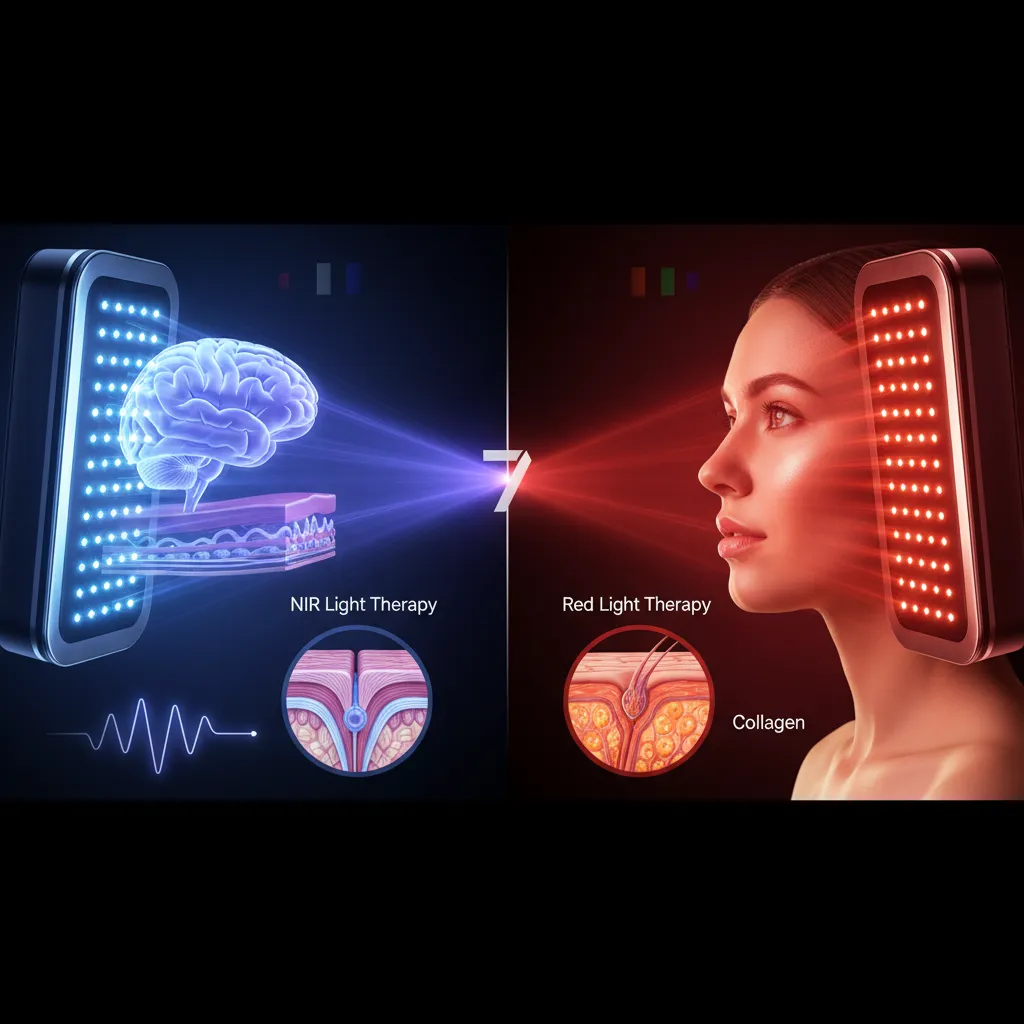
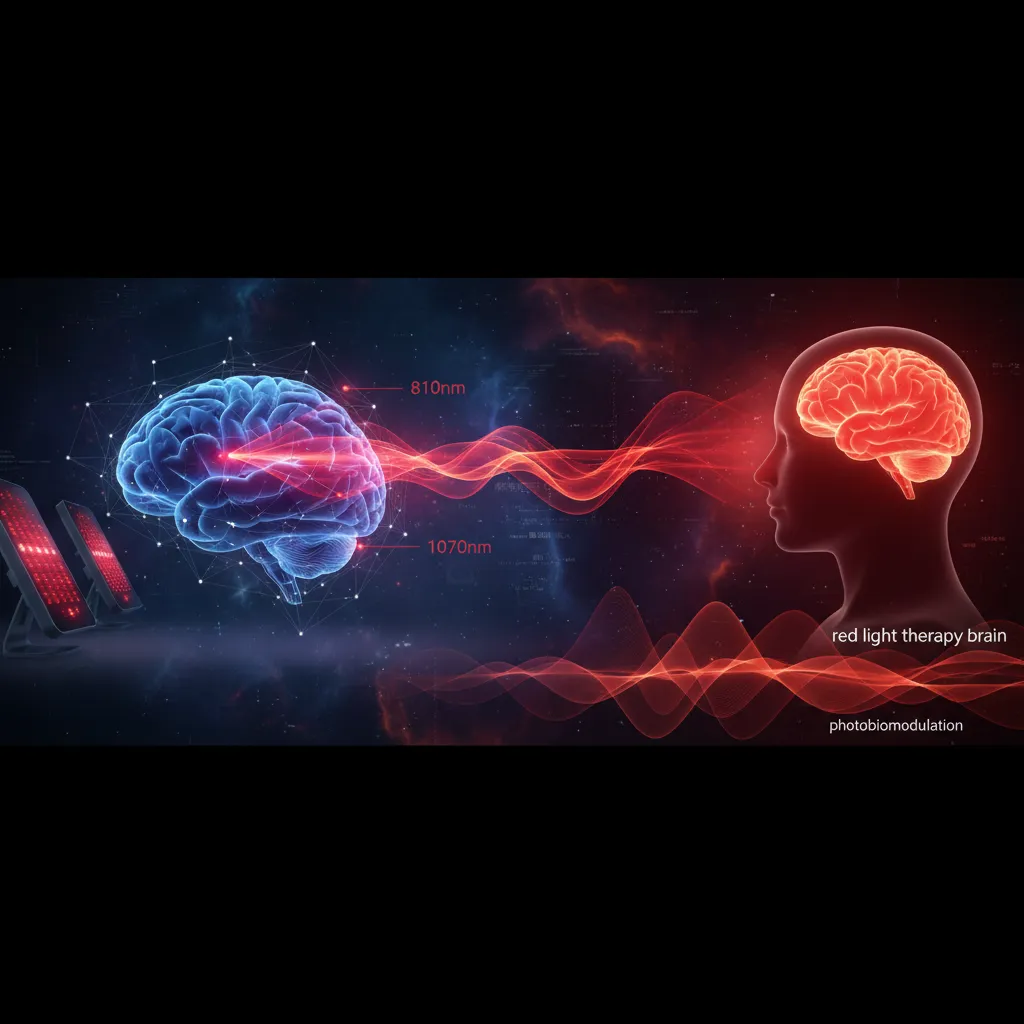
NIR Light Therapy and Red Light Therapy, both forms of photobiomodulation, differ significantly in wavelength, penetration depth, and therapeutic application. Red light (630-700 nm) targets superficial skin issues, enhancing rejuvenation and surface wound healing. In contrast, NIR light (700-1100 nm) penetrates much deeper (2-10 cm), reaching muscles, bones, joints, and even brain tissue. This makes NIR ideal for deep tissue healing, chronic pain relief, athletic recovery, and crucial for neuro-optimization, cognitive enhancement, and bone health. While both stimulate cellular ATP production, their distinct reach dictates their efficacy for various conditions. Users must employ eye protection with high-intensity NIR devices and understand proper dosage and device selection for effective home use. Advanced NIR applications are revolutionizing neuro-rehabilitation and sports medicine.
✅ Pros
Deeper tissue penetration for internal healing and systemic effects.
Highly effective for musculoskeletal pain, chronic inflammation, and joint health.
Enhances cognitive function, neuroprotection, and cerebral blood flow (brain health).
Promotes bone density and accelerates fracture healing.
Accelerates muscle recovery and reduces delayed onset muscle soreness (DOMS) for athletes.
Supports cellular regeneration and mitochondrial function in deeper tissues.
Offers targeted solutions for complex neurological conditions and sports injuries.
❌ Cons
Potential risk of retinal damage from direct, prolonged exposure to high-intensity NIR light if appropriate eye protection is not used.
Invisible nature of NIR light means no natural protective reflex for the eyes, requiring strict adherence to safety guidelines.
NIR Light Therapy: 7 Key Differences From Red Light Explained
NIR Light Therapy, a revolutionary approach to wellness, often sparks curiosity regarding its distinction from red light therapy, both pivotal in photobiomodulation science. NeuroTech Insider clarifies these differences, guiding you toward optimal deep tissue healing and neuro-optimization strategies.
What Are the 7 Key Differences Between NIR Light and Red Light Therapy?
Quick Answer: The primary differences between Near-Infrared (NIR) Light Therapy and Red Light Therapy lie in their wavelength ranges, penetration depths, and specific biological applications. NIR light penetrates deeper into tissues, making it ideal for internal healing, while red light excels at surface-level benefits.
Understanding the distinct characteristics of NIR light therapy and red light therapy is fundamental for anyone considering these advanced wellness modalities. While both fall under the umbrella of photobiomodulation, their unique spectral properties dictate their therapeutic reach and effectiveness. NeuroTech Insider emphasizes that selecting the appropriate light spectrum is crucial for achieving desired health outcomes, from cellular regeneration to enhanced cognitive function.
Let us explore the seven essential distinctions that define near infrared light vs red light, offering clarity for informed decisions in your health journey.
What are the specific wavelength ranges for NIR and Red Light?
Quick Answer: Red light typically ranges from 630 nm to 700 nm, making it visible to the human eye, whereas NIR light spans 700 nm to 1100 nm, rendering it invisible but capable of deeper tissue penetration.
The most foundational difference lies in their electromagnetic spectrum positions. Red light occupies the visible portion of the spectrum, usually between 630 and 700 nanometers (nm). This visible light is readily absorbed by chromophores in the superficial layers of the skin, initiating biological responses. In contrast, NIR light, also known as infrared light treatment, falls into the invisible part of the spectrum, typically from 700 nm to 1100 nm. This longer wavelength is key to its unique therapeutic properties, as it interacts differently with biological tissues.
How does penetration depth differ between Red Light and NIR Light?
Quick Answer: Red light penetrates tissues up to a few millimeters, targeting skin and superficial layers, while NIR light can reach several centimeters deep, affecting muscles, bones, joints, and even the brain.
7 Key Differences Between NIR Light & Red Light Therapy – NIR Light Therapy – 1
This is perhaps the most significant functional distinction. Red light, with its shorter wavelengths, is primarily absorbed by the epidermis and dermis. Its penetration depth is generally limited to 1-10 millimeters. This makes it highly effective for skin rejuvenation, wound healing, and treating superficial conditions. NIR light, however, possesses superior tissue penetration capabilities. Its longer wavelengths scatter less and are absorbed less by water and hemoglobin in the upper layers, allowing it to delve much deeper, often reaching 2-10 centimeters into muscles, tendons, ligaments, bones, and even the brain. This characteristic is what makes benefits of NIR so compelling for systemic and deep-seated issues.
What are the primary cellular targets and mechanisms of action for each?
Quick Answer: Both red and NIR light primarily target cytochrome c oxidase in the mitochondria to stimulate ATP production, but their differing penetration depths mean they activate these processes in different tissue layers.
At a cellular level, both forms of light therapy operate through similar photobiomodulation science principles. The primary chromophore, or light-absorbing molecule, is cytochrome c oxidase (CCO) found within the mitochondria. When CCO absorbs photons from red or NIR light therapy, it triggers a cascade of beneficial cellular events. This includes increased adenosine triphosphate (ATP) production, enhanced cellular metabolism, release of nitric oxide, and reduction of oxidative stress. The distinction is where these effects primarily occur. Red light stimulates these processes in skin cells, fibroblasts, and capillaries near the surface. NIR light extends these benefits to deeper cellular structures, affecting neurons, osteocytes, and muscle fibers, facilitating comprehensive cellular regeneration and mitochondrial function.
What are the main therapeutic applications and benefits of each type of light?
Quick Answer: Red light therapy is widely used for dermatological concerns like skin rejuvenation, collagen production, and superficial wound healing, while NIR light therapy targets musculoskeletal pain, inflammation, neurological conditions, and internal tissue repair.
Due to their differing penetration capabilities, red light and NIR light therapy have distinct primary applications. Red light is often preferred for cosmetic benefits, such as reducing wrinkles, improving skin tone, treating acne, and accelerating the healing of surface wounds. It enhances skin rejuvenation and tissue repair in the epidermis. NIR light, conversely, is a powerful tool for addressing deeper issues. Its benefits of NIR include significant relief for chronic pain, muscle recovery, joint health, and neurological support. It is highly effective in athletic recovery and for conditions requiring deep tissue healing, such as tendonitis or arthritis.
How do their therapeutic effects differ regarding inflammation and pain?
Quick Answer: Both lights offer anti-inflammatory effects and pain relief, but red light targets superficial inflammation, while NIR light’s deeper penetration makes it superior for addressing inflammation and pain in muscles, joints, and internal organs.
7 Key Differences Between NIR Light & Red Light Therapy – red light therapy – 2
While both red and NIR light therapy are recognized for their anti-inflammatory effects and capacity for pain reduction, their efficacy varies with the depth of the condition. Red light can help soothe superficial skin inflammation and pain from conditions like sunburn or minor cuts. However, for significant musculoskeletal pain, joint stiffness, or conditions involving deeper inflammation, NIR light therapy is considerably more effective due to its ability to reach the affected areas. Studies show that NIR light significantly reduces markers of inflammation and nerve pain by improving blood flow and supporting nerve regeneration, making it a powerful tool for chronic pain relief.
Are Red Light and NIR Light visible to the human eye?
Quick Answer: Red light is clearly visible as a vibrant red glow, allowing users to see its application, whereas NIR light is invisible, though a faint red glow might be seen from LED devices due to a small amount of red light emission.
This difference is immediately apparent to users. Red light devices emit a distinct, bright red glow. This visibility can be advantageous for targeting specific areas and provides immediate feedback that the device is active. Conversely, NIR light therapy is invisible to the naked eye. While some devices might emit a faint red light, this is usually a small portion of the spectrum or an indicator light, not the primary therapeutic NIR output. The invisibility of NIR light highlights the importance of trusting the device’s specifications and scientific backing, as its benefits are experienced, not seen. NeuroTech Insider ensures all its devices meet rigorous standards for invisible light therapies.
What are the device design and usage considerations for each light type?
Quick Answer: Red light devices often focus on broad surface coverage for skin benefits, while NIR light devices are designed for targeted, higher-intensity delivery to facilitate deeper penetration, sometimes incorporating specialized optics or specific wavelengths like 810 nm or 1070 nm.
Device design often reflects the intended application of each light type. Red light panels or masks are commonly designed for widespread coverage of the face or body, optimizing dermatological applications. For NIR light therapy, devices may feature higher power output or specific lens configurations to concentrate the light for deeper penetration. For brain health light applications, specialized devices like Brain Helmet systems are developed to deliver precise dosages to the scalp and underlying brain tissue. These differences in design are critical for maximizing the therapeutic potential of each wavelength. When considering Light Therapy at Home, understanding these design nuances is essential for effective usage.
How Do Different Wavelengths Penetrate the Skull and Skin?
Quick Answer: Light penetration is governed by its wavelength; longer wavelengths like NIR light therapy (700-1100 nm) experience less scattering and absorption by superficial chromophores, allowing them to traverse skin, fat, muscle, and even the skull to reach deeper biological targets, including brain tissue.
7 Key Differences Between NIR Light & Red Light Therapy – photobiomodulation – 3
The journey of light through biological tissue is a complex interplay of absorption and scattering. The optimal light therapy wavelengths for pain and healing are specifically chosen to minimize these interactions in superficial layers and maximize penetration to target areas. When photons from light therapy devices strike the skin, they can either be absorbed by chromophores or scattered. Chromophores are molecules that absorb specific wavelengths of light. In the skin, major chromophores include melanin, hemoglobin, and water.
What role do chromophores play in light absorption and penetration?
Quick Answer: Chromophores, such as cytochrome c oxidase in mitochondria, absorb specific light wavelengths, initiating cellular responses; their distribution and absorption characteristics determine how deeply light can penetrate.
Red light (630-700 nm) is strongly absorbed by melanin and hemoglobin near the skin’s surface. This absorption, while beneficial for superficial conditions, limits its ability to reach deeper tissues. For instance, approximately 50% of 660 nm red light may be absorbed within the first few millimeters of skin. This is why Best Red Light Wavelengths are often cited for their efficacy in dermatological applications.
NIR Light Therapy (700-1100 nm), however, falls within the ‘therapeutic window’ or ‘optical window’ where absorption by melanin, hemoglobin, and water is significantly reduced. This allows NIR photons to travel further with less attenuation. For example, 810 nm NIR light can penetrate up to several centimeters, with studies showing measurable light reaching the brain through the skull. The skull, while dense, is not entirely opaque to these longer wavelengths, facilitating transcranial photobiomodulation.
The table below illustrates the relative penetration depths and primary targets:
Muscles, Joints, Ligaments, Tendons, Nerves, Brain Tissue, Bone Marrow
This difference in penetration is critical for therapeutic outcomes. For example, to influence brain health light applications, such as improving cognitive function or supporting recovery from neurological events, NIR wavelengths are indispensable. The ability of NIR light to reach deeper structures underpins its efficacy in treating conditions like traumatic brain injury, depression, and neurodegenerative diseases.
7 Key Differences Between NIR Light & Red Light Therapy – deep tissue healing – 4
What Specific Benefits Does NIR Light Therapy Offer for Brain and Bone Health?
Quick Answer: NIR Light Therapy provides significant benefits for brain health by enhancing cerebral blood flow, stimulating neurogenesis, and protecting neurons, while also promoting bone density, accelerating fracture healing, and reducing inflammation in bone tissue.
The profound penetration capabilities of NIR light therapy open up unique therapeutic avenues, particularly for organs and tissues traditionally hard to reach with non-invasive methods. Its role in brain health light and bone regeneration is increasingly supported by robust scientific research, positioning it as a powerful tool for neuro-optimization and musculoskeletal wellness.
How does NIR Light Therapy enhance cognitive function and neuroprotection?
Quick Answer: NIR light improves brain function by increasing ATP production in neurons, enhancing cerebral blood flow, reducing inflammation, and stimulating neurogenesis, leading to improved memory, focus, and protection against neurological decline.
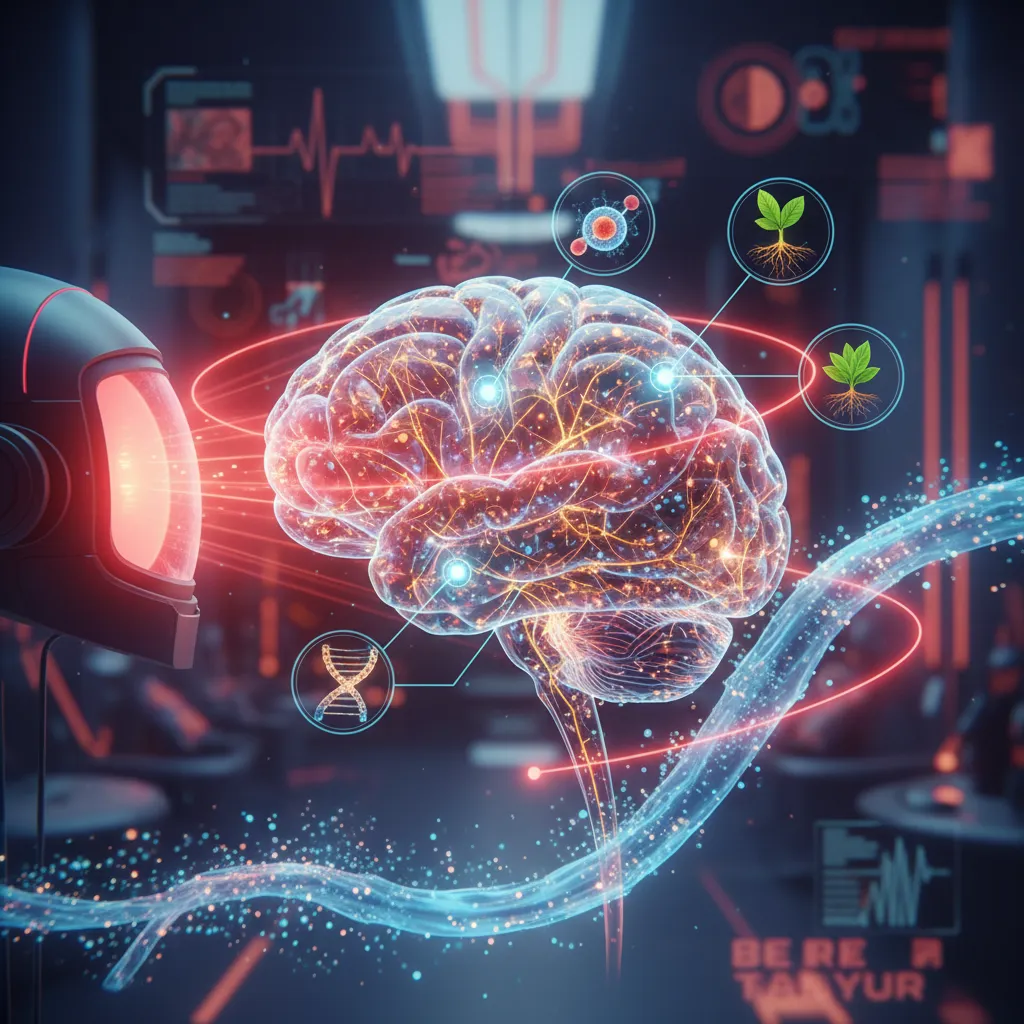
For the brain, NIR light therapy, often delivered via devices like a Brain Helmet, stimulates mitochondrial activity within neurons. This leads to increased ATP synthesis, providing the energy needed for optimal neuronal function. Furthermore, NIR light promotes vasodilation, improving cerebral blood flow and oxygen delivery to brain cells. It also has potent anti-inflammatory effects, which are crucial for mitigating neuroinflammation implicated in various neurological disorders. Research suggests it can stimulate neurogenesis (the creation of new neurons) and synaptogenesis (formation of new synapses), contributing to enhanced memory, focus, and overall cognitive resilience. Conditions like depression, anxiety, and even the early stages of neurodegenerative diseases have shown promising responses to transcranial photobiomodulation.
For instance, a study published in Photomedicine and Laser Surgery demonstrated that NIR light therapy applied transcranially improved executive function and memory in healthy adults, with noticeable cognitive enhancement after just a few weeks of consistent use. In cases of traumatic brain injury (TBI) or Stroke Recovery Light, NIR light has been shown to reduce neuronal damage and accelerate functional recovery by boosting cellular repair mechanisms.
How does NIR Light Therapy contribute to bone density and fracture healing?
Quick Answer: NIR light stimulates osteoblasts, the cells responsible for bone formation, and improves circulation to bone tissue, leading to enhanced bone density, faster fracture healing, and reduced recovery times for bone-related injuries.
7 Key Differences Between NIR Light & Red Light Therapy – brain health light – 5
Beyond the brain, the deep penetration of NIR light therapy also makes it highly effective for bone health. It can reach osteoblasts and osteoclasts, the cells involved in bone remodeling. By stimulating osteoblasts, NIR light promotes new bone formation and enhances existing bone density. This is particularly beneficial for individuals at risk of osteoporosis or those recovering from bone fractures.
Clinical observations and animal studies indicate that NIR light therapy can significantly accelerate fracture healing rates. For example, a bone fracture that might typically take 6-8 weeks to heal could see accelerated repair, potentially reducing healing time by 15-20% when regularly exposed to optimal NIR wavelengths. The improved local circulation and reduction in inflammation further support the bone repair process. This makes light-based healing a promising adjunct therapy in sports medicine and orthopedics.
Is NIR Light Therapy Safe for the Eyes?
Quick Answer: While NIR light therapy is generally safe, direct and prolonged exposure to high-intensity NIR light can pose a risk to the eyes, particularly the retina. It is advisable to use appropriate eye protection, especially with powerful devices, and follow manufacturer guidelines.
Safety is paramount when engaging in any form of light therapy. While both red and NIR light therapy are considered very safe for most applications, specific precautions regarding eye exposure are important, particularly with higher-intensity devices. Understanding these guidelines ensures a positive and secure therapeutic experience.
What are the risks of eye exposure to NIR light and how can they be mitigated?
Quick Answer: The primary risk involves potential retinal damage from intense, direct exposure. Mitigation strategies include wearing specialized protective eyewear, avoiding direct gazing into light sources, and adhering strictly to device-specific safety instructions.
The human eye is remarkably sensitive to light. While red light is visible and causes a natural aversion response (squinting, looking away), NIR light therapy is invisible. This invisibility means there is no natural protective reflex, making it easier to sustain prolonged exposure without realizing it. High-intensity NIR light therapy, especially from powerful light-emitting diode therapy panels or lasers, can potentially heat the retina or cause photochemical damage over time if proper precautions are not taken. The threshold for damage varies with intensity, duration, and specific wavelengths.
7 Key Differences Between NIR Light & Red Light Therapy – NIR Light Therapy – 6
To ensure safety, NeuroTech Insider strongly recommends the following:
•Use Protective Eyewear: Always wear the provided protective eyewear or specialized light therapy contraindications goggles when using high-power red or NIR light devices, especially when the light source is close to the face or eyes.
•Avoid Direct Gazing: Never stare directly into the light source. Even with protective eyewear, direct, prolonged exposure should be minimized.
•Follow Manufacturer Guidelines: Adhere strictly to the usage instructions and safety warnings provided by the device manufacturer. Different devices have varying power outputs and recommended distances.
•Consult a Professional: If you have pre-existing eye conditions or concerns, consult with an ophthalmologist or healthcare provider before starting light therapy at home.
It is worth noting that some research explores the potential benefits of specific NIR wavelengths for ocular health, particularly for conditions like age-related macular degeneration. However, these are highly controlled clinical applications, and self-treatment without expert guidance is not recommended.
What Are the Guidelines for Effective Light Therapy at Home with NIR and Red Light?
Quick Answer: Effective Light Therapy at Home requires selecting the right device (considering wavelengths and power), understanding optimal dosage and treatment frequency, maintaining appropriate distance from the device, and ensuring consistent application for desired results.
Harnessing the full potential of red and NIR light therapy in a home setting requires more than simply turning on a device. Optimal results stem from informed usage, adherence to best practices, and a clear understanding of your specific wellness goals. NeuroTech Insider provides guidance to empower your light-based healing journey.
How do you select the right device for your needs?
Quick Answer: Device selection depends on your target area and desired depth of penetration; choose red light for skin surface issues and NIR light therapy for deeper concerns like muscle pain, joint health, or brain optimization, ensuring the device has adequate power and appropriate wavelengths.
When choosing a device for Light Therapy at Home, consider your primary goals. For skin rejuvenation and superficial wound healing, a device primarily emitting red light (e.g., 660 nm) would be suitable. For deeper issues like muscle recovery, joint pain, or brain health light, a device with strong NIR light therapy output (e.g., 810 nm, 830 nm, 850 nm, or even 1070 nm) is essential. Many high-quality devices combine both red and NIR wavelengths to offer a broad spectrum of benefits. For detailed reviews on advanced devices, consider checking the Neuradiant 1070 Review or insights from experts like the Alex Fergus Review, which often highlight the efficacy of specific wavelengths and device features.
7 Key Differences Between NIR Light & Red Light Therapy – red light therapy – 7
What are the optimal dosage and frequency for light therapy?
Quick Answer: Optimal dosage typically ranges from 10-200 Joules/cm² per session, depending on the target tissue and condition, with frequency often being 3-5 times per week for 10-20 minutes, though specific needs may vary.
The ‘dosage’ in light therapy refers to the amount of light energy delivered to the tissue, measured in Joules per square centimeter (J/cm²). This is influenced by the device’s irradiance (power output in mW/cm²), treatment distance, and session duration. For most Light Therapy at Home applications, a dose between 10-200 J/cm² per treatment area is generally effective. However, very deep brain applications might require higher cumulative doses. Typical session durations range from 10 to 20 minutes, applied 3 to 5 times per week. Consistency is more important than intensity or duration in a single session.
What is the significance of pulsed light therapy?
Quick Answer: Pulsed Light Benefits involve delivering light in short bursts rather than continuously, which can enhance therapeutic outcomes, especially for neurological conditions, by potentially improving cellular signaling and preventing tissue habituation.
While continuous wave (CW) light therapy is effective, Pulsed Light Benefits are gaining significant attention. Pulsing the light at specific frequencies can potentially enhance the biological response by creating a ‘cellular resonance’ or preventing cellular habituation to the light. Certain pulse frequencies are hypothesized to be particularly effective for brain health light applications, such as those targeting gamma brain waves for cognitive enhancement or promoting relaxation for sleep quality improvement. Some advanced devices, like the NeuroVizr, incorporate specific pulsed light protocols to optimize therapeutic effects, offering a sophisticated approach to neuro-optimization.
What Are the Advanced Applications and Future Directions for NIR Light Therapy?
Quick Answer: Advanced applications of NIR light therapy are expanding into areas like targeted neuro-rehabilitation for conditions such as stroke recovery light, managing neurodegenerative diseases, and enhancing athletic performance, with ongoing research continually uncovering new therapeutic potentials.
As our understanding of photobiomodulation science deepens, the scope of NIR light therapy continues to broaden, moving beyond general wellness into highly specialized medical and performance-enhancing fields. The unique capability of NIR light to penetrate deeply and modulate cellular activity makes it an invaluable tool for addressing complex physiological challenges.
7 Key Differences Between NIR Light & Red Light Therapy – photobiomodulation – 8
How is NIR light being used in neuro-rehabilitation and neurodegenerative disease management?
Quick Answer: In neuro-rehabilitation, NIR light therapy assists in recovery from injuries like stroke and traumatic brain injury by promoting neural repair and reducing inflammation. For neurodegenerative diseases, it aims to slow disease progression and improve cognitive function by protecting neurons and enhancing mitochondrial health.
The potential of NIR light therapy in neurology is particularly exciting. For stroke recovery light and traumatic brain injury (TBI) patients, transcranial NIR application has demonstrated the ability to reduce inflammation, improve neuronal viability, and promote angiogenesis (formation of new blood vessels), aiding in the brain’s natural healing processes. A meta-analysis of studies on TBI showed that patients receiving NIR light therapy experienced significant improvements in cognitive function and reduced post-concussion symptoms compared to control groups. This represents a non-pharmacological, non-invasive intervention with profound positive outcomes.
For neurodegenerative diseases such as Alzheimer’s and Parkinson’s, NIR light therapy is being investigated for its neuroprotective effects. By enhancing mitochondrial function and reducing oxidative stress, it may help to preserve neuronal health and slow the progression of these debilitating conditions. While still largely experimental in these areas, the initial findings offer immense hope for future therapeutic strategies in mental wellness.
How is NIR light therapy being utilized for athletic performance and recovery?
Quick Answer: In sports, NIR light therapy is used to accelerate muscle recovery, reduce delayed onset muscle soreness (DOMS), enhance endurance by optimizing mitochondrial efficiency, and speed up healing of injuries, giving athletes a competitive edge.
In the realm of sports medicine and performance, NIR light therapy has become a valuable asset. Its ability to penetrate deep into muscle tissue helps to:
•Accelerate Muscle Recovery: By increasing ATP production and blood flow, NIR light helps clear metabolic waste and deliver essential nutrients, significantly reducing recovery time between training sessions.
•Reduce DOMS: Delayed Onset Muscle Soreness is mitigated through reduced inflammation and enhanced cellular repair.
•Enhance Endurance: Pre-exercise application of NIR light can prime muscles, improving performance and delaying fatigue.
•Speed Injury Healing: For soft tissue injuries like sprains and strains, NIR light promotes collagen synthesis and reduces healing time, allowing athletes to return to activity sooner.
This blend of preventative and restorative benefits of NIR makes it an integral part of modern athletic training and rehabilitation protocols, contributing to both physical resilience and peak performance.
What is the overall impact of understanding NIR and Red Light differences on well-being?
Quick Answer: Grasping the distinctions between NIR light therapy and red light therapy empowers individuals to make informed choices, selecting the most effective treatment for their specific health goals, thereby optimizing outcomes for skin health, deep tissue repair, neurological enhancement, and overall holistic wellness.
7 Key Differences Between NIR Light & Red Light Therapy – deep tissue healing – 9
The journey into photobiomodulation science reveals a fascinating world where light interacts with biology to foster healing and enhance function. Distinguishing between NIR light therapy and red light therapy is not merely an academic exercise; it is a practical necessity for anyone seeking to leverage these powerful tools for their health. By understanding the seven key differences, you are better equipped to tailor your light therapy regimen to your unique needs.
Whether your goal is vibrant skin, expedited recovery from injury, relief from chronic pain relief, or enhanced cognitive performance, NeuroTech Insider is committed to providing the knowledge and resources to guide you. The precision offered by understanding specific wavelengths means you can target cellular processes with greater accuracy, leading to more profound and satisfying results. Embrace the science, explore the possibilities, and optimize your well-being with confidence.
Don’t miss the chance to revolutionize your sleep and cognitive performance with the latest neuro-technology. Unlock your potential today! Visit NeuroTech Insider to explore cutting-cutting-edge resources.
Special Offer: Get an exclusive discount on the NeuroVizr device. Experience the power of light and sound therapy. Get Your Discount Code Here
💡 Verdict: Understanding the distinct properties of NIR and red light therapy is crucial for optimizing health outcomes. NIR light’s deep penetration makes it superior for neurological, bone, and deep tissue issues, while red light excels at superficial skin benefits. Informed selection, proper dosage, and safety precautions are key to harnessing their full therapeutic potential.
Frequently Asked Questions
What are the 7 Key Differences Between NIR Light and Red Light Therapy?
The primary differences between Near-Infrared (NIR) Light Therapy and Red Light Therapy lie in their wavelength ranges, penetration depths, and specific biological applications. NIR light penetrates deeper into tissues, making it ideal for internal healing, while red light excels at surface-level benefits.
What Specific Benefits Does NIR Light Therapy Offer for Brain and Bone Health?
NIR Light Therapy provides significant benefits for brain health by enhancing cerebral blood flow, stimulating neurogenesis, and protecting neurons, while also promoting bone density, accelerating fracture healing, and reducing inflammation in bone tissue.
Is NIR Light Therapy Safe for the Eyes?
While NIR light therapy is generally safe, direct and prolonged exposure to high-intensity NIR light can pose a risk to the eyes, particularly the retina. It is advisable to use appropriate eye protection, especially with powerful devices, and follow manufacturer guidelines.