Diplomat personality types, encompassing INFJ, INFP, ENFJ, and ENFP, are characterized by profound idealism and an innate capacity for human connection. This comprehensive guide explores their 8 core strengths: deep empathy, visionary thinking, inspirational communication, natural peacemaking, exceptional intuition, altruism, ability to form deep connections, and adaptability. It also addresses potential challenges such as burnout and sensitivity, suggests ideal career paths in fields like counseling and advocacy, and examines their approach to relationships. The article highlights how neuro-optimization can enhance Diplomats’ well-being, allowing them to fully leverage their strengths and maintain their vital role as compassionate forces for change in the world.
✅ Pros
Profound Empathy and Compassion
Visionary and Future-Oriented Thinking
Inspirational Communication Skills
Natural Peacemakers and Harmony Seekers
Exceptional Intuition and Insight
Strong Altruism and Dedication to Causes
Capacity for Deep, Meaningful Connections
Adaptable and Highly Growth-Oriented
❌ Cons
Potential for burnout from over-giving and neglecting personal needs.
Heightened sensitivity to criticism, conflict, and negative emotions.
Difficulty setting healthy boundaries, leading to emotional overwhelm.
Idealism can lead to disappointment when reality falls short of expectations.
May struggle to assert themselves in confrontational situations, preferring to avoid discord.
Diplomat Personality: 8 Strengths of This MBTI Type
Diplomat personality types, encompassing INFJ, INFP, ENFJ, and ENFP, are often recognized for their profound idealism and innate capacity for human connection, fostering environments of growth and understanding. At NeuroTech Insider, we explore how understanding these core diplomat personality traits can enhance personal and professional harmony, driving neuro-optimization and psychological well-being.
What Defines the Diplomat Personality Type in MBTI?
Quick Answer: The Diplomat personality type in the Myers-Briggs Type Indicator (MBTI) refers to individuals who share the common trait of ‘Intuition’ (N) and ‘Feeling’ (F), characterized by their focus on human potential, empathy, and a drive for harmony and personal growth, including INFJ, INFP, ENFJ, and ENFP types.
The MBTI framework classifies individuals into 16 distinct personality types, grouped into four main temperaments: Analysts, Diplomats, Sentinels, and Explorers. Among these, the Diplomat personality group stands out for its profound connection to human emotion, ethical considerations, and a persistent drive towards understanding and improving the world. These diplomat MBTI types—INFJ (Advocate), INFP (Mediator), ENFJ (Protagonist), and ENFP (Campaigner)—share the core cognitive functions of Intuition (N) and Feeling (F), making them inherently visionary and empathetic. They are often described as idealist personality types, driven by their values and a desire to make a positive impact.
These types collectively represent approximately 15-20% of the population, with INFJs being one of the rarest types, making up roughly 1-2%. Regardless of their introverted or extraverted leanings, all Diplomats possess a deep concern for others and a capacity to envision a better future. Their intuitive nature allows them to perceive underlying patterns and possibilities, while their feeling preference guides them in making decisions based on personal values and the well-being of others. This combination fosters a unique blend of idealism, compassion, and strategic thinking, often leading to roles in empathetic leadership and social advocacy. Understanding the nuances between Thinking vs Feeling preferences is crucial to grasping the Diplomat’s core drive.
What are the 8 Core Strengths of the Diplomat Personality?
Quick Answer: Diplomat personalities possess eight profound strengths, including deep empathy, visionary thinking, inspirational communication, peacemaking abilities, exceptional intuition, altruism, capacity for deep connections, and adaptability, making them powerful agents for positive change and understanding.
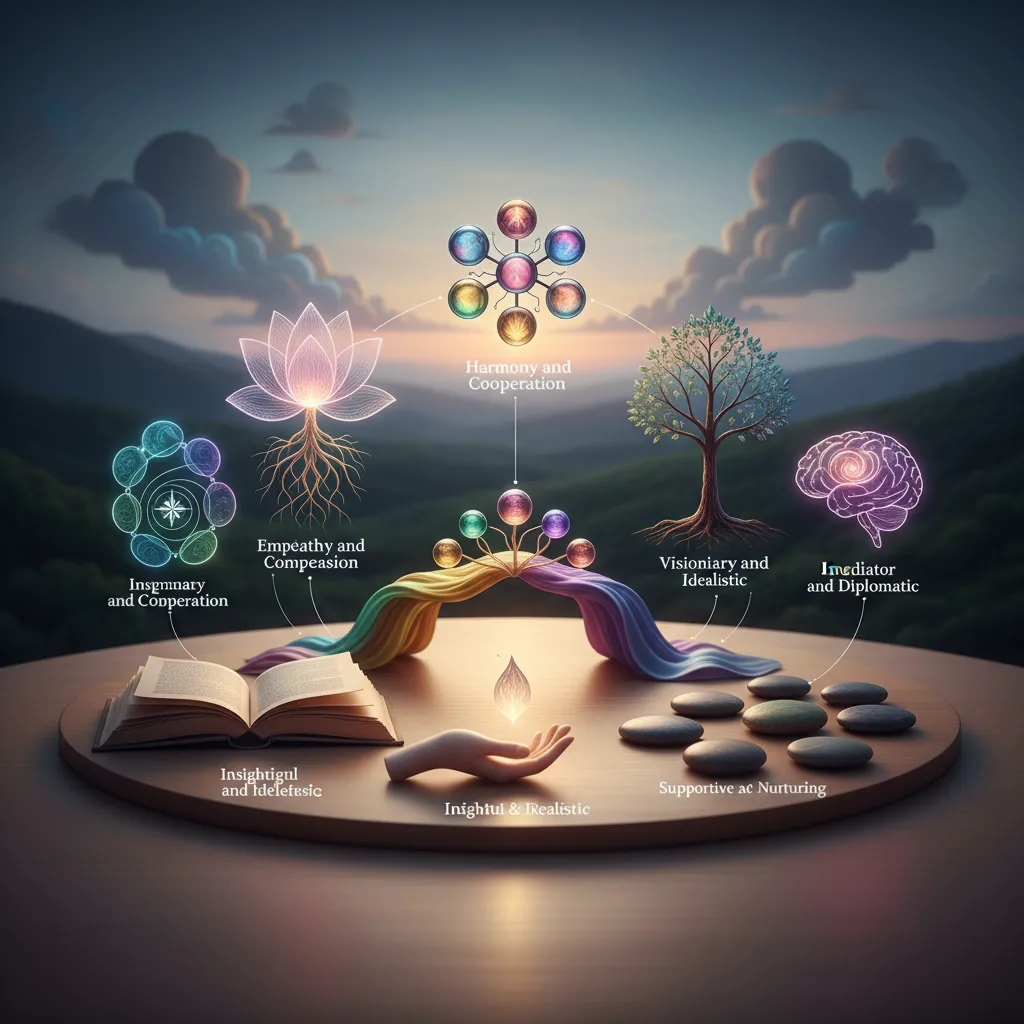
8 Strengths of the Diplomat Personality Type (MBTI) – Diplomat Personality – 1
The Diplomat personality is characterized by a rich tapestry of strengths that allow them to navigate complex social landscapes and inspire meaningful progress. These strengths are rooted in their shared intuitive and feeling cognitive functions, enabling them to connect deeply with others and pursue their ideals with conviction. From fostering social harmony traits to driving innovation through compassionate leadership, Diplomats offer invaluable contributions to any community or organization.
How do Diplomats exhibit profound Empathy and Compassion?
Quick Answer: Diplomats possess an exceptional ability to understand and share the feelings of others, driven by their dominant feeling functions, which enables them to connect on a deeply emotional level and respond with genuine care and support.
At the heart of the diplomat personality lies an extraordinary capacity for empathy. Types like INFJ, INFP, ENFJ, and ENFP naturally tune into the emotional states of those around them, often perceiving unspoken feelings and underlying motivations. This isn’t merely sympathy; it is a profound cognitive and emotional empathy that allows them to truly walk in another’s shoes. For ENFJ ENFP individuals, this is often expressed through their dominant Extraverted Feeling (Fe) function, which drives them to actively connect with and support community well-being. Research in social neuroscience indicates that individuals with high levels of affective empathy, often seen in Diplomats, exhibit greater activity in brain regions associated with emotional processing, such as the anterior insula and anterior cingulate cortex, when observing others in distress (Decety & Jackson, 2004). This neurological predisposition makes them natural caregivers and advocates, consistently seeking to alleviate suffering and promote understanding.
What makes Diplomat types Visionary and Future-Oriented?
Quick Answer: Diplomat types are inherently visionary due to their dominant intuitive functions, allowing them to perceive abstract possibilities, future implications, and underlying patterns, driving them to pursue ideals and inspire collective progress.
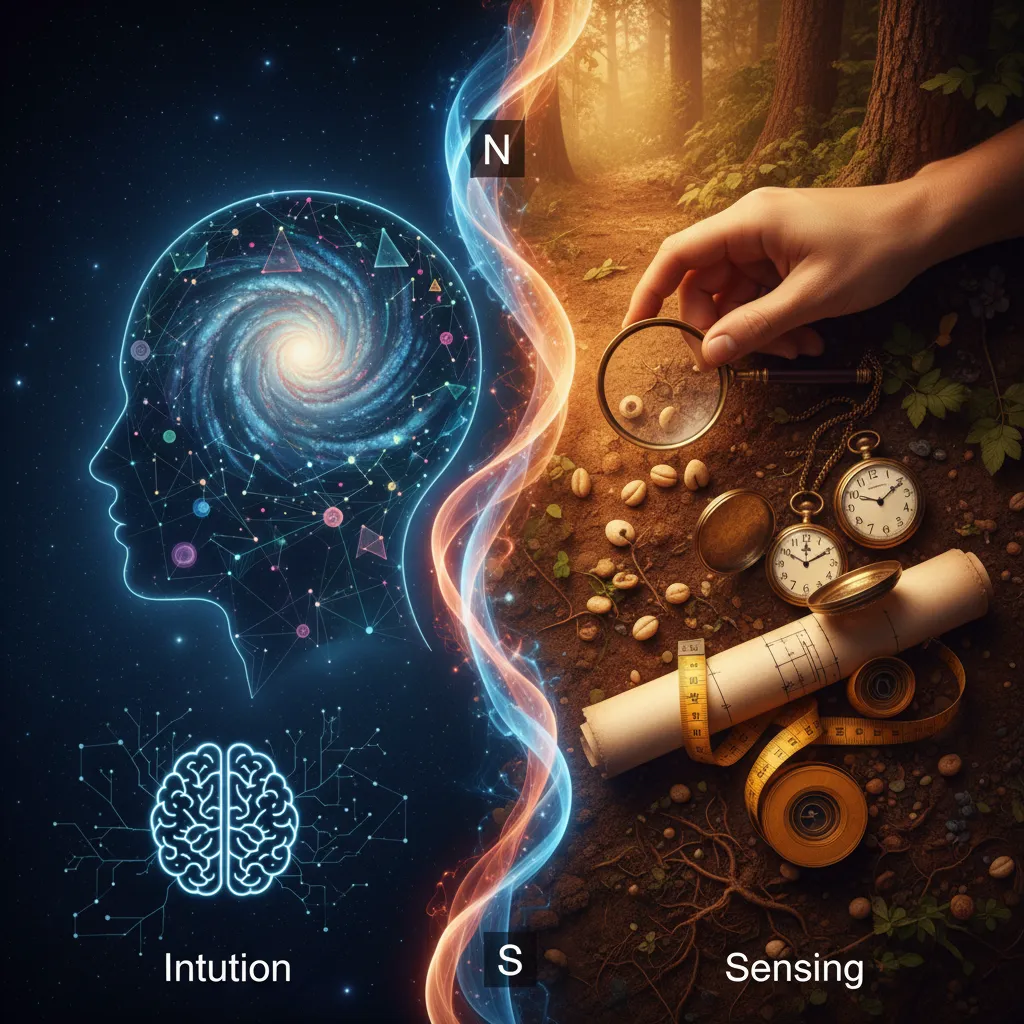
8 Strengths of the Diplomat Personality Type (MBTI) – MBTI Diplomat – 2
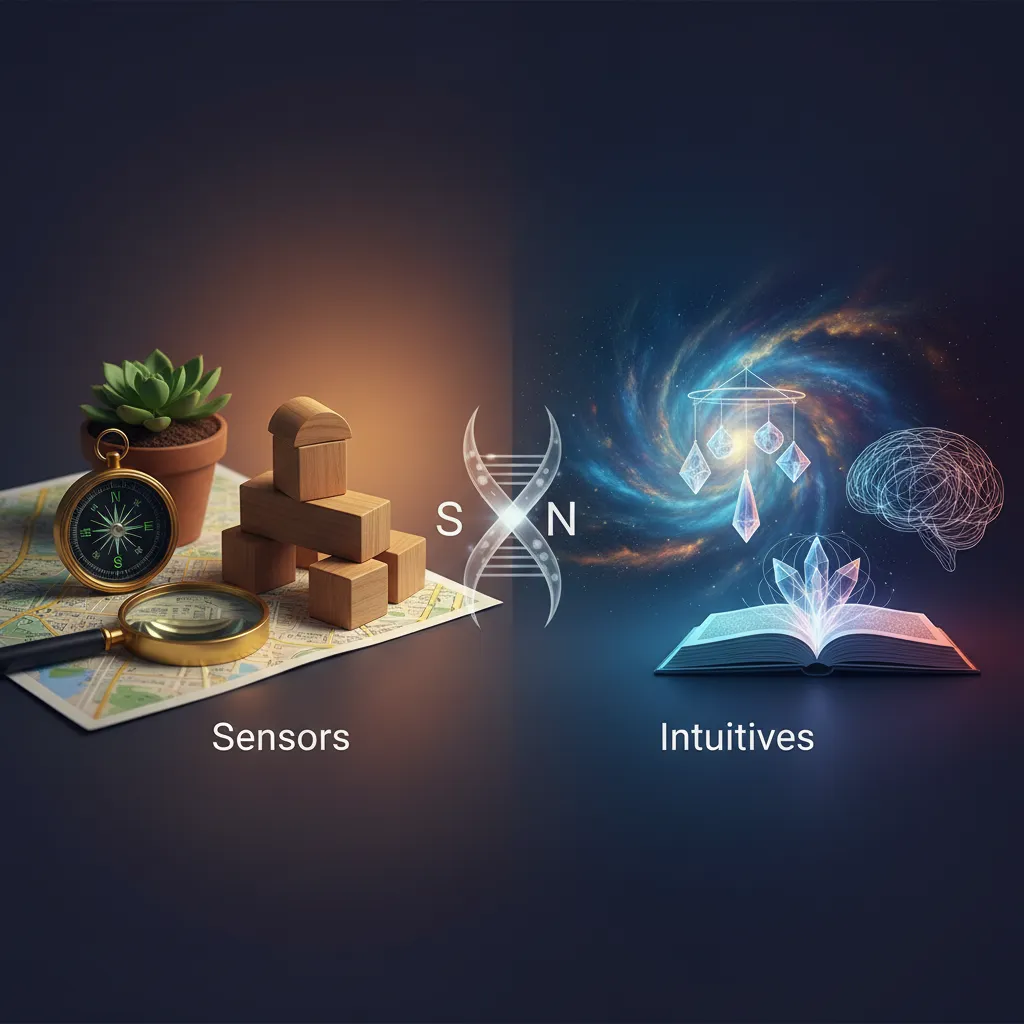
The ‘N’ in INFJ INFP ENFJ ENFP signifies Intuition, a core strength that makes Diplomats profoundly visionary. Unlike Sensing types who focus on concrete realities, Diplomats are drawn to abstract concepts, future possibilities, and the deeper meanings behind events. This Intuitive vs Observant preference grants them an ability to see beyond the immediate, envisioning grander potentials for individuals and society. For instance, an INFJ might foresee the long-term societal impact of a current trend, while an ENFP might rapidly generate innovative solutions to complex problems. Their capacity for big-picture thinking is invaluable in strategic planning, artistic creation, and social movements. This future orientation often fuels their pursuit of ideals, making them powerful advocates for change rather than mere observers.
How do Diplomats excel in Inspirational Communication?
Quick Answer: Diplomats are masterful communicators, capable of articulating complex ideas and emotions with clarity and passion, inspiring others through their genuine enthusiasm and ability to connect with universal human values.
The combination of intuition and feeling equips Diplomats with exceptional communication skills, particularly in inspiring and motivating others. They possess a natural eloquence, often able to articulate profound insights and emotional truths in a way that resonates deeply. ENFJ individuals, in particular, are renowned for their charisma and ability to rally groups towards a common cause, serving as true empathetic leadership figures. Their communication style is often characterized by warmth, sincerity, and a focus on shared values, making them highly persuasive without being manipulative. This strength is evident in their capacity to bridge divides, explain complex ethical dilemmas, and paint vivid pictures of a desired future, making them effective teachers, speakers, and writers. Neuro-linguistic programming studies suggest that positive, values-driven language, a hallmark of Diplomat communication, can significantly influence listener engagement and motivation (Bandler & Grinder, 1975). This makes their messages particularly sticky and impactful.
Why are Diplomats natural Peacemakers and Harmony Seekers?
Quick Answer: Driven by their strong feeling functions and a desire for collective well-being, Diplomats naturally seek to resolve conflicts, mediate disagreements, and foster environments of understanding and cooperation, making them adept at promoting peace and social harmony traits.
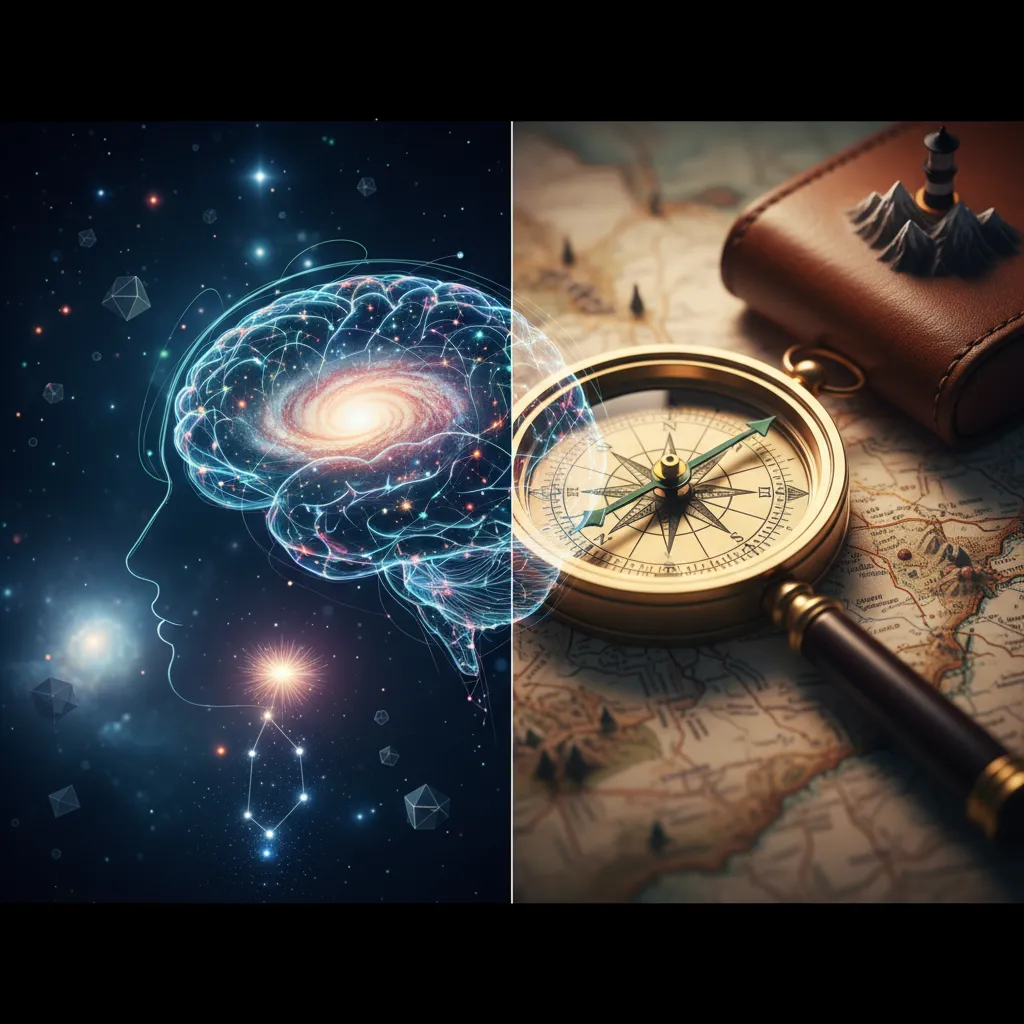
8 Strengths of the Diplomat Personality Type (MBTI) – INFJ strengths – 3
The Diplomat’s intrinsic desire for harmony makes them exceptional peacemakers. They are acutely aware of interpersonal dynamics and sensitive to discord, often taking on the role of mediator to resolve conflicts and restore balance. Their empathetic understanding allows them to see multiple perspectives, facilitating fair and compassionate solutions. This commitment to social harmony traits extends beyond personal interactions to broader societal issues, where they advocate for justice and equality. For instance, an INFP might dedicate their efforts to advocating for marginalized communities, driven by a deep sense of personal integrity and a desire to see all individuals treated with dignity. Their aversion to conflict, coupled with their strong ethical compass, positions them as natural facilitators of reconciliation and mutual respect.
How do Diplomats demonstrate Exceptional Intuition?
Quick Answer: Diplomats possess highly developed intuition, enabling them to grasp complex situations, foresee implications, and understand abstract concepts and human motivations without explicit data, often leading to profound insights and innovative solutions.
Intuition is the bedrock of the Diplomat personality. This cognitive function allows them to process information holistically, connecting disparate pieces of data to form a comprehensive understanding. They often have a strong “gut feeling” or a sudden flash of insight that guides their decisions, which can be remarkably accurate. For INFJ and ENFJ types, this often manifests as Introverted or Extraverted Intuition, respectively, enabling them to perceive the deeper meaning and potential of situations. This intuitive prowess is not mystical but rather a highly sophisticated form of pattern recognition and subconscious processing, as suggested by cognitive psychology research (Gigerenzer, 2007). It empowers Diplomats to innovate, solve complex problems that lack clear data, and understand human behavior at a profound level. Their ability to perceive the intangible makes them excellent strategists in fields requiring foresight and understanding of human motivation.
What drives the Altruism and Dedication in Diplomats?
Quick Answer: Diplomats are deeply altruistic, driven by a strong inner moral compass and a genuine desire to serve a greater good, often dedicating themselves tirelessly to causes that align with their core values and benefit humanity.
8 Strengths of the Diplomat Personality Type (MBTI) – INFP traits – 4
A defining characteristic of the idealist personality is their profound sense of altruism and dedication to causes greater than themselves. This stems from their strong internal value systems and their empathetic connection to humanity. They are not content with superficial solutions but seek to address root causes of problems, often pouring immense energy into their chosen endeavors. Whether it’s an INFP advocating for environmental protection or an ENFJ leading a non-profit organization, their commitment is unwavering once their values are engaged. This dedication is fueled by a belief in human potential and a vision of a more just and compassionate world. Such sustained engagement is often associated with a strong sense of purpose, which has been linked to increased psychological resilience and well-being in studies on positive psychology (Ryff & Singer, 2008).
How do Diplomats foster Deep, Meaningful Connections?
Quick Answer: Diplomats inherently seek depth and authenticity in their relationships, leveraging their empathy and intuition to forge genuine bonds built on mutual understanding, trust, and shared values, moving beyond superficial interactions.
For diplomat personality types, relationships are not casual affairs but profound opportunities for growth and connection. They crave authenticity and depth, often feeling unfulfilled by superficial interactions. Their empathy allows them to understand others’ needs, while their intuition helps them perceive unspoken desires and potential for connection. This leads them to form strong, lasting bonds built on mutual respect and shared values. They are excellent listeners and supportive partners, always willing to invest time and energy into nurturing their relationships. This approach to connection makes them highly valued friends, partners, and colleagues, capable of fostering environments where everyone feels seen and understood. The concept of a Give and Take Relationship is fundamental to their relational philosophy, striving for balance and reciprocal care.
Why are Diplomats Adaptable and Growth-Oriented?
Quick Answer: Despite their strong values, Diplomats are surprisingly adaptable and highly committed to personal growth, continuously seeking new insights and ways to improve themselves and the world around them, embracing change as an opportunity for evolution.
8 Strengths of the Diplomat Personality Type (MBTI) – ENFJ personality – 5
While Diplomats hold firm to their ideals, they are far from rigid. Their intuitive nature makes them open to new information and perspectives, fostering a deep commitment to personal and collective growth. They are often introspective, constantly reflecting on their experiences and seeking ways to evolve. This adaptability allows them to navigate complex challenges, learning from setbacks and adjusting their approach as needed. They see change not as a threat but as an opportunity for development and refinement of their visions. This growth mindset is crucial for long-term well-being and success, enabling them to bounce back from adversity and continually strive for betterment. Their journey of self-discovery and improvement often mirrors the dynamic nature of a Wheel of Fortune Feelings, embracing the ebb and flow of emotional and intellectual evolution.
What are the Potential Challenges for Diplomat Personalities?
Quick Answer: Diplomat personalities can face challenges such as burnout from over-giving, heightened sensitivity to criticism, difficulty setting boundaries, and occasional idealism that leads to disappointment when reality falls short of their high expectations.
While Diplomats possess many admirable strengths, their deeply empathetic and idealistic nature can also present unique challenges. One significant concern is the potential for burnout. Their unwavering dedication to others and their causes can lead them to neglect their own needs, resulting in emotional and physical exhaustion. This is particularly true for types like ENFJ Strengths Weaknesses, who actively pour energy into guiding and supporting others. Additionally, their profound empathy makes them highly sensitive to criticism, conflict, and negative emotions, whether their own or others’. This over-sensitivity can make them vulnerable to stress and emotional overwhelm, especially when confronted with the harsh realities of the world that clash with their ideals. Establishing healthy boundaries is a crucial developmental task for all diplomat personality types to protect their well-being and sustain their impactful work.
Their idealism, while a powerful motivator, can also lead to disappointment. When reality falls short of their envisioned perfect world, Diplomats may experience disillusionment or despair. They might struggle with feelings of inadequacy if they perceive they are not making a sufficient impact, or become overwhelmed by the vastness of global problems. Furthermore, some Diplomats, particularly the introverted types like INFJ and INFP, may find it challenging to express their deeply held beliefs or to assert themselves in confrontational situations, preferring to avoid discord. Learning effective strategies for emotional regulation and resilience is vital for Diplomats to harness their strengths without succumbing to their vulnerabilities. For instance, understanding how to navigate interactions with an Abrasive Personality can be a significant learning curve.
8 Strengths of the Diplomat Personality Type (MBTI) – Diplomat Personality – 6
What are the Best Career Paths for Diplomat Personality Types?
Quick Answer: Diplomat personality types thrive in careers that allow them to utilize their empathy, communication skills, and passion for making a positive impact, often excelling in fields such as counseling, education, arts, social work, healthcare, and advocacy.
The strengths of diplomat MBTI types naturally align with professions that involve human interaction, creative expression, and social contribution. They seek meaning and purpose in their work, valuing roles where they can help others, foster understanding, and contribute to a greater good. Their empathetic leadership potential makes them excellent managers and team leaders who prioritize the well-being and growth of their subordinates. Here are some ideal career paths:
•Counseling and Therapy: Roles like psychologist, therapist, or life coach allow Diplomats (especially INFJs and INFPs) to apply their deep empathy and intuitive understanding to help individuals navigate personal challenges and achieve self-actualization. Their ability to create a safe, non-judgmental space is invaluable.
•Education and Academia: Teachers, professors, and educational administrators (often ENFJs and INFJs) can inspire students, foster critical thinking, and create engaging learning environments. Their passion for knowledge and growth makes them effective mentors.
•Arts and Creative Fields: Writers, artists, musicians, and designers (frequently INFPs and ENFPs) channel their rich inner world and visionary thinking into creating meaningful works that resonate emotionally and inspire thought. Their creativity is often driven by a desire to express universal truths.
•Social Work and Advocacy: Social workers, human rights advocates, and non-profit leaders (all diplomat mbti types) are drawn to roles that directly address societal injustices and support vulnerable populations. Their altruism and dedication make them powerful agents for social change.
•Healthcare and Wellness: Nurses, doctors, holistic health practitioners, and public health officials (often INFJs and ENFJs) apply their compassion and desire to heal, focusing on patient well-being and preventive care. Their ability to connect with patients on a human level is paramount.
•Human Resources and Organizational Development: HR specialists, trainers, and consultants (especially ENFJs) excel at fostering positive workplace cultures, resolving conflicts, and supporting employee growth. They help organizations align their values with their practices.
•Spiritual and Religious Leadership: Ministers, priests, and spiritual counselors (often INFJs) guide individuals and communities in their search for meaning and purpose, leveraging their intuition and moral compass.
•Journalism and Communications: Reporters, editors, and public relations specialists (ENFPs often) can use their communication skills to inform, inspire, and advocate for important issues, shaping public discourse.
The key for Diplomats is finding a career that provides intrinsic satisfaction and a sense of contribution, rather than solely focusing on external rewards. A study by the Journal of Career Assessment found that individuals whose career choices align with their personality type report higher job satisfaction and lower turnover rates (Holland, 1997).
How do Diplomat Personalities Navigate Relationships and Love?
Quick Answer: Diplomats approach relationships with profound depth, seeking authentic connections, mutual growth, and emotional intimacy, valuing shared values, empathy, and open communication above all else.
8 Strengths of the Diplomat Personality Type (MBTI) – MBTI Diplomat – 7
In the realm of relationships, diplomat personality types are profoundly committed and seek deep, meaningful connections. Superficiality holds little appeal for them; they yearn for partners who understand their complex inner world and share their values. Their natural empathy allows them to be incredibly supportive and understanding partners, often anticipating the needs of their loved ones. They are driven by a desire to create harmony and mutual growth within their relationships, applying their social harmony traits to foster strong bonds.
For INFJ INFP ENFJ ENFP individuals, communication is key. They value open, honest dialogue and are willing to delve into uncomfortable topics if it leads to greater understanding and intimacy. They expect the same level of emotional investment from their partners and can become disheartened if they perceive a lack of depth or reciprocity. A balanced Give and Take Relationship is essential for their fulfillment. While highly loving, their sensitivity can sometimes make them vulnerable to emotional hurt, and they may withdraw if they feel misunderstood or unappreciated. Therefore, partners who can offer consistent emotional validation and intellectual stimulation are often the best match for a Diplomat.
Excitement, intellectual stimulation, emotional depth, freedom to explore.
How Can Neuro-Optimization Enhance Diplomat Well-being?
Quick Answer: Neuro-optimization techniques can significantly enhance Diplomat well-being by improving emotional regulation, reducing stress, fostering mental clarity, and boosting resilience, thereby allowing them to fully harness their natural strengths without succumbing to potential vulnerabilities like burnout or over-sensitivity.
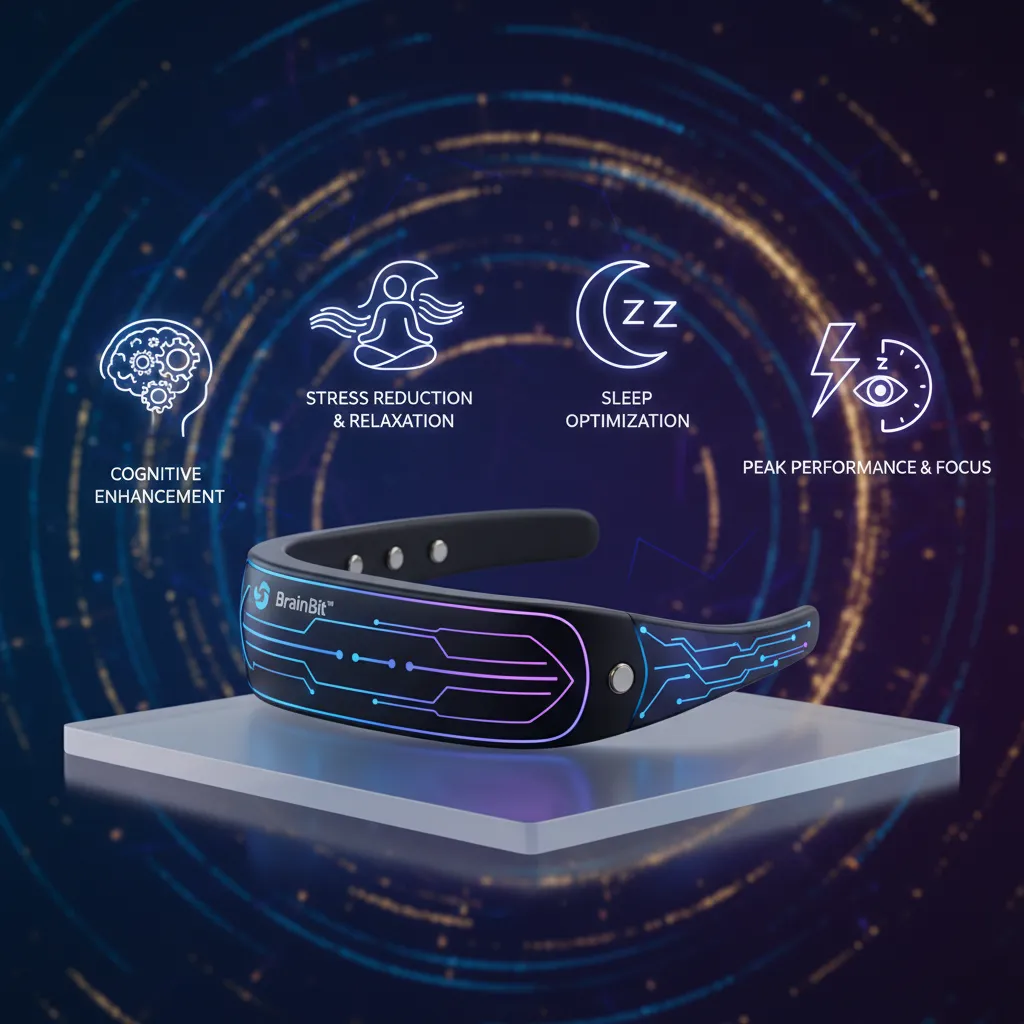
For diplomat personality types, whose strengths are deeply intertwined with their emotional and intuitive faculties, optimizing brain function is paramount for sustained well-being and impact. Neuro-optimization, encompassing practices and technologies that enhance cognitive performance and emotional balance, can help Diplomats manage their inherent sensitivities and prevent burnout. For instance, advanced neurofeedback and light-sound therapy devices can gently guide brainwave patterns towards states conducive to relaxation, focus, and emotional resilience. This can be particularly beneficial for an Most Extroverted Introvert type like the INFJ, who might experience high levels of internal processing while maintaining an outwardly supportive demeanor.
8 Strengths of the Diplomat Personality Type (MBTI) – INFJ strengths – 8
At NeuroTech Insider, we recognize that a balanced and optimized mind allows Diplomats to sustain their empathetic leadership and visionary pursuits without succumbing to the emotional toll. Techniques that promote coherent brainwave activity can enhance their natural intuition, sharpen their communication skills, and strengthen their emotional regulation, allowing them to navigate complex social situations with greater ease and reduced stress. By nurturing their mental and emotional health, Diplomats can continue to be the powerful, compassionate forces for change they are meant to be, ensuring their dedication to social harmony traits remains vibrant and effective.
What is the Enduring Impact of the Diplomat Personality?
Quick Answer: The Diplomat personality types leave an indelible mark on the world through their unique blend of empathy, vision, and dedication, inspiring positive change, fostering deep connections, and advocating for a more harmonious and understanding society.
The Diplomat personality, encompassing the INFJ INFP ENFJ ENFP types, represents a powerful force for good in the world. Their eight core strengths—profound empathy, visionary thinking, inspirational communication, peacemaking abilities, exceptional intuition, altruism, capacity for deep connections, and adaptability—enable them to transcend superficial interactions and address the deeper needs of humanity. They are the dreamers and the doers, the quiet advocates and the charismatic leaders, all united by a shared commitment to a better future.
Understanding and appreciating these strengths is not just about self-awareness; it is about recognizing the immense value Diplomats bring to families, communities, and global initiatives. By fostering environments where their sensitivities are acknowledged and their contributions are celebrated, we empower them to continue their vital work of inspiring, connecting, and creating a more compassionate world. NeuroTech Insider is dedicated to supporting the well-being of all personality types, helping individuals unlock their full cognitive and emotional potential for a fulfilling life.
Don’t miss the chance to revolutionize your sleep and cognitive performance with the latest neuro-technology. Unlock your potential today! Visit NeuroTech Insider to explore cutting-edge resources.
💡 Verdict: Diplomat personalities are invaluable contributors to society, embodying empathy, vision, and a relentless drive for positive change. By understanding and nurturing their unique strengths, while actively managing their sensitivities, Diplomats can sustain their impactful work and achieve profound personal and collective well-being. Embracing self-care and neuro-optimization strategies is key to their long-term effectiveness.
Frequently Asked Questions
What defines the Diplomat personality type in MBTI?
The Diplomat personality type (INFJ, INFP, ENFJ, ENFP) in MBTI refers to individuals with ‘Intuition’ (N) and ‘Feeling’ (F) traits, characterized by their focus on human potential, empathy, and a drive for harmony and personal growth.
What are the 8 core strengths of the Diplomat personality?
Diplomat personalities possess deep empathy, visionary thinking, inspirational communication, peacemaking abilities, exceptional intuition, altruism, capacity for deep connections, and adaptability, making them powerful agents for positive change and understanding.
What career paths are best suited for Diplomat personality types?
Diplomats thrive in careers that leverage their empathy, communication skills, and passion for making a positive impact, often excelling in fields such as counseling, education, arts, social work, healthcare, and advocacy.