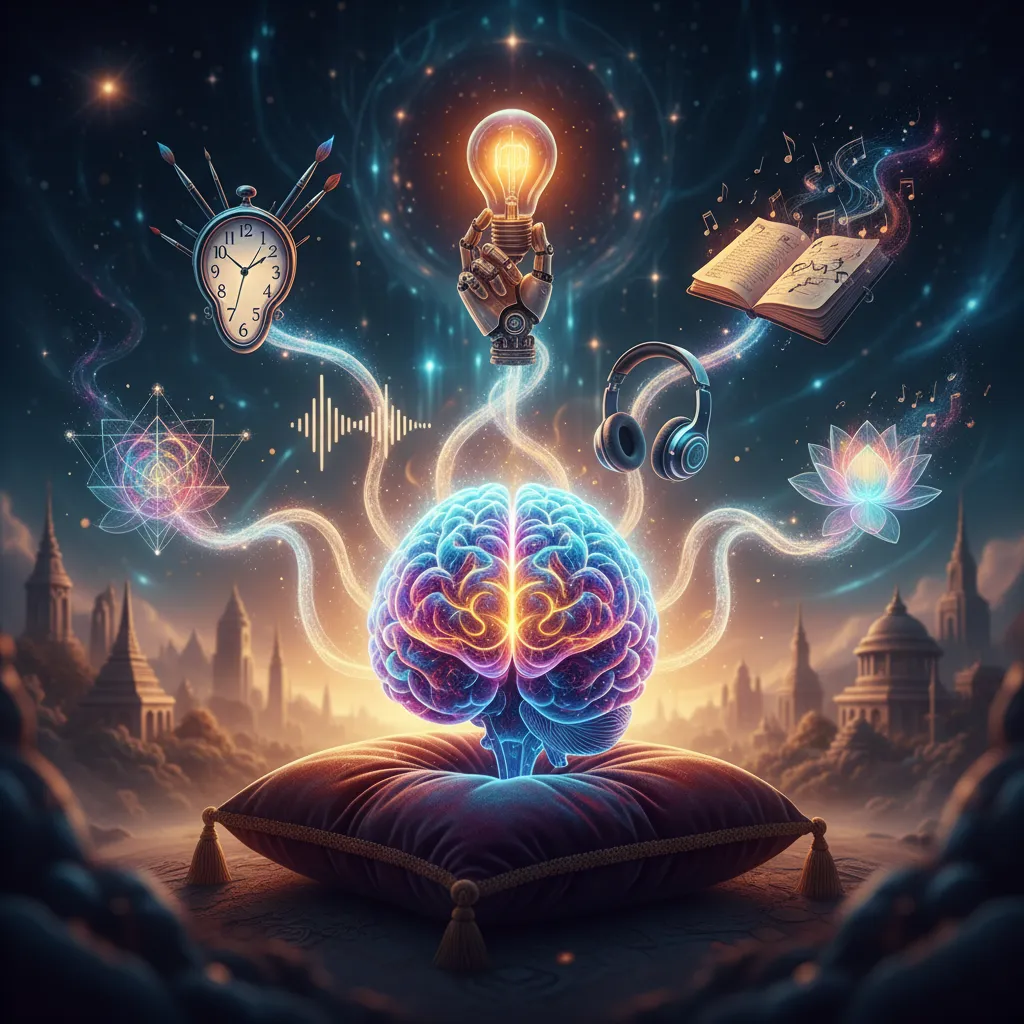
The hypnagogic state is a unique transition between wakefulness and sleep, characterized by distinct brainwave patterns (predominantly theta and alpha waves) that foster heightened creativity. This phase enables profound insights, divergent thinking, and novel associations by reducing the brain’s executive control. Key experiences include vivid visual and auditory hallucinations, as well as tactile sensations and hypnic jerks. Five systematic methods to leverage this state for creative genius include: the Dali-Edison technique (using an object to wake you at peak insight), focused intention and journaling, sound and light stimulation (e.g., binaural beats, NeuroVizr light patterns), mindful relaxation (PMR, breathing, meditation), and cultivating a consistent practice (sleep hygiene, environmental optimization, tracking experiences). Understanding and controlling this state offers a powerful pathway to neuro-optimization and innovative breakthroughs.
✅ Pros
Unlocks profound insights and enhanced creativity.
Boosts problem-solving abilities and fosters innovative thinking.
Facilitates novel associations and divergent thinking processes.
Provides a rich ground for imaginative leaps and unexpected ideas.
Enhances cognitive flexibility and neuro-optimization.
❌ Cons
Difficulty in maintaining the delicate balance between wakefulness and sleep, often leading to either full wakefulness or deeper sleep.
Potential for startling hypnic jerks or ‘exploding head syndrome’ during the transition.
Requires consistent practice and discipline to master, which may be challenging for some individuals.
Hypnagogic State: 5 Ways To Unlock Creative Genius
The Hypnagogic State, a fascinating threshold between wakefulness and sleep, offers a unique gateway to profound insights and enhanced creativity, often experienced as vivid “hallucinations before sleep”. By understanding and consciously navigating this transient “creativity state”, individuals can significantly boost their problem-solving abilities and foster innovative thinking, a focus point for NeuroTech Insider in neuro-optimization research and cognitive enhancement.
What Exactly Is the Hypnagogic State, and Why Is It Crucial for Creativity?
Quick Answer: The hypnagogic state is a natural, transient phase of consciousness occurring as one transitions from wakefulness to sleep, characterized by unique brainwave patterns that foster a heightened state of mental fluidity and creative insight.
The hypnagogic state represents a remarkable and often overlooked phase of consciousness, a delicate “between wake and sleep” threshold where the mind begins its journey from alert wakefulness into the depths of sleep. Scientifically, this period is marked by a shift in brainwave activity, moving from the alert beta and relaxed alpha waves characteristic of waking consciousness towards the slower theta waves associated with early sleep stages and deep relaxation. This unique neurological environment is particularly conducive to creative thinking, earning it the moniker of a true “creativity state”.
Research into the neuroscience of creativity suggests that this transitional phase facilitates a unique interplay between different brain networks. The default mode network (DMN), often linked to introspection, mind-wandering, and imaginative thought, becomes highly active. Simultaneously, the executive control network, responsible for analytical and logical thinking, tends to quieten. This dynamic shift allows for less inhibited thought processes, enabling novel associations, divergent thinking, and the emergence of unexpected ideas. Understanding the “hypnagogia meaning” involves appreciating this neurological dance that primes the brain for imaginative leaps.
The significance of this state for creative genius has been noted by prominent figures throughout history, from artists like Salvador Dalí to inventors like Thomas Edison. They intuitively recognized the power of this liminal consciousness to access a wellspring of original thought, often incorporating specific practices to harness its potential. Modern neuroscience validates these anecdotal accounts, revealing how the brain’s unique activity during this phase enhances cognitive flexibility and provides a rich ground for problem-solving and innovation. This makes the hypnagogic state not merely a prelude to sleep but a powerful tool for neuro-optimization and intellectual advancement.
What Brainwave Patterns Define the Hypnagogic State?
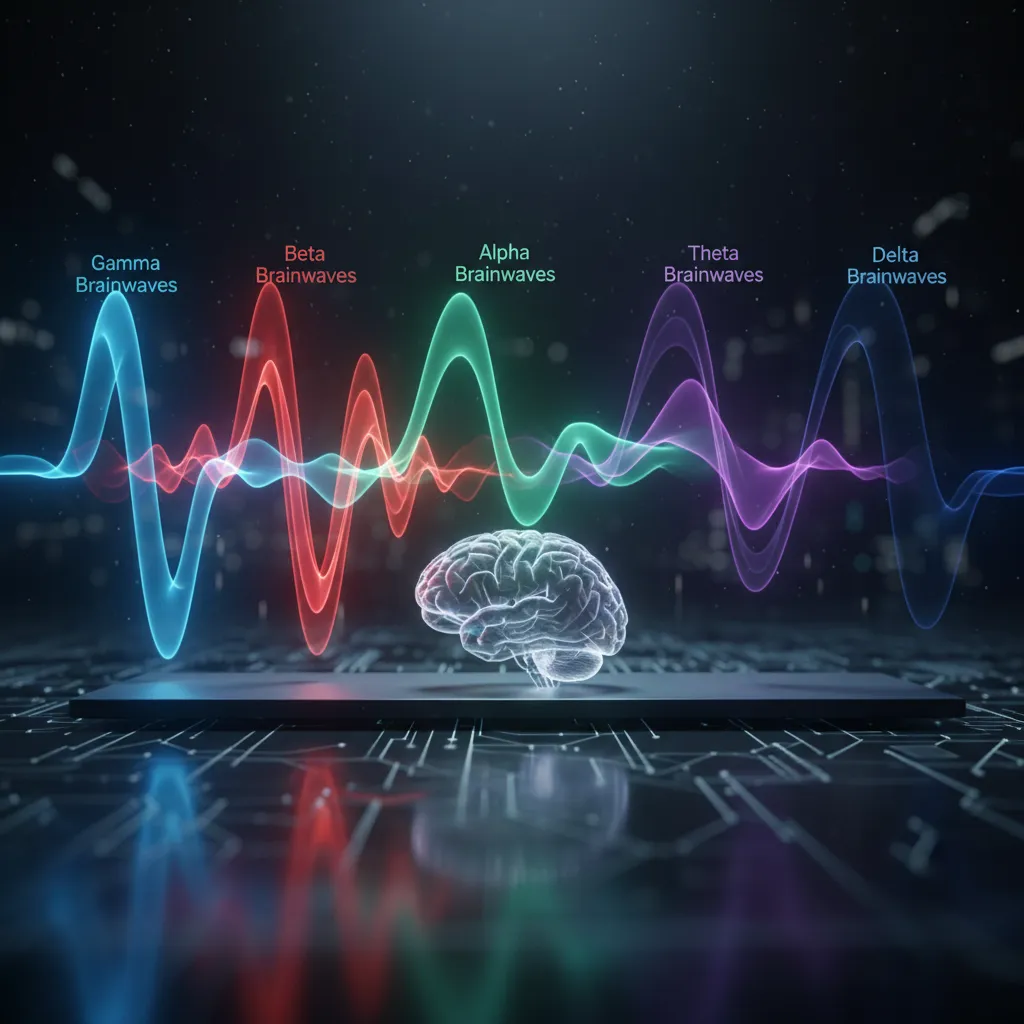
Quick Answer: The hypnagogic state is primarily characterized by a prevalence of theta brainwaves (4-8 Hz), often mixed with lingering alpha waves (8-13 Hz), indicating a relaxed yet highly receptive mental state.
5 Ways to Use the Hypnagogic State for Creative Genius – Hypnagogic State – 1
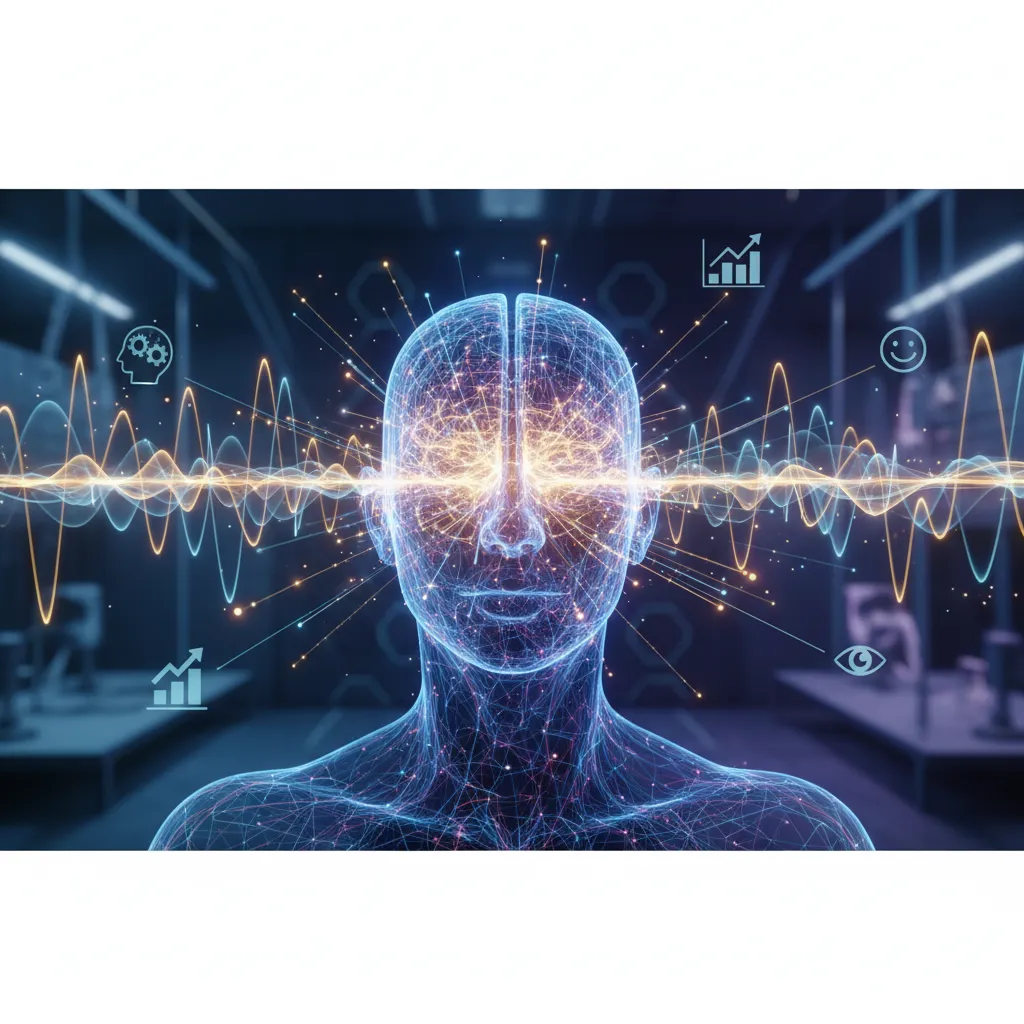
During the transition from wakefulness to sleep, brain activity undergoes a profound transformation. As an individual relaxes, the dominant beta waves (14-30 Hz) associated with active, conscious thought diminish. They are gradually replaced by alpha waves (8-13 Hz), signifying a calm, reflective state. However, it is the emergence of theta waves (4-8 Hz) that truly marks the onset of the hypnagogic state. These slower, higher-amplitude waves are also prominent during REM sleep and deep meditation, correlating with enhanced memory consolidation, emotional processing, and, crucially, creativity. The presence of theta waves facilitates a less constrained cognitive environment, where ideas can flow freely without the rigid censorship of waking logic.
Neuroscientific studies using electroencephalography (EEG) have consistently shown this shift. For instance, a 2021 study published in Science Advances demonstrated that individuals nudged into the earliest stage of sleep (N1, overlapping with hypnagogia) were significantly more adept at creative problem-solving than those fully awake or in deeper sleep stages. This was directly linked to the increased power of theta and alpha oscillations in the frontal brain regions. The unique blend of relaxed awareness and subconscious processing during this period makes it a fertile ground for insights. For those interested in the Theta Wave Benefits, this state offers a prime opportunity for harnessing its potential.
Brainwave States and Their Cognitive Associations
Brainwave Type
Frequency Range (Hz)
Associated Mental State
Beta
14-30+
Alert, focused, active thinking, problem-solving
Alpha
8-13
Relaxed, reflective, calm awareness, meditation
Theta
4-8
Deep relaxation, creativity, insight, dreaming, hypnagogia
Delta
0.5-4
Deep sleep, restorative processes, unconsciousness
What Unique Experiences Occur During the Hypnagogic State?
Quick Answer: During hypnagogia, individuals often experience vivid, dream-like visual imagery, auditory phenomena (such as voices or sounds), tactile sensations, and sometimes sudden muscle jerks, all while maintaining a degree of conscious awareness.
The hypnagogic state is renowned for its rich tapestry of sensory experiences, often described as a waking dream. These phenomena are collectively known as hypnagogic hallucinations, and they can manifest in various forms, blurring the lines between reality and imagination. Far from being alarming, these experiences are a normal and natural part of the sleep onset process, providing a unique window into the subconscious mind.
What Are Common Visual and Auditory Phenomena in Hypnagogia?
Quick Answer: Visual phenomena range from abstract patterns and shifting colors to complex, detailed scenes and faces, while auditory experiences can include isolated sounds, music, or even distinct voices and conversations, often perceived as external.
5 Ways to Use the Hypnagogic State for Creative Genius – creativity state – 2
Visual experiences during hypnagogia, known as hypnagogic imagery, are incredibly diverse. They can begin as simple phosphenes (flashes of light or geometric patterns) and evolve into intricate, often bizarre, and fantastical scenes. Individuals might see landscapes, objects, or even faces, sometimes with a surprising level of detail and realism. These “hallucinations before sleep” are typically fleeting and fragmented, but their vividness can be striking. Unlike dreams, there’s often a lingering sense of being partially awake, allowing for some level of interaction or observation of these internal projections.
Auditory phenomena are equally varied. These can manifest as non-specific sounds like clicks, hums, or static, or as more complex experiences such as snippets of music, garbled speech, or even clear voices and dialogues. Sometimes, these sounds can be startlingly loud, contributing to the “exploding head syndrome” a benign but unsettling hypnagogic experience. These auditory elements can sometimes contribute to the feeling of an impending “lucid dreaming entry”, as the mind begins to construct complex sensory narratives.
Are There Other Sensory and Motor Experiences in Hypnagogia?
Quick Answer: Beyond visual and auditory, tactile sensations such as floating, falling, or pressure, along with sudden involuntary muscle contractions known as hypnic jerks, are common occurrences during the hypnagogic state.
Kinesthetic and tactile sensations are also common during hypnagogia. Individuals might experience the sensation of floating, falling, flying, or even being spun. These bodily perceptions can be quite vivid and are often accompanied by a sense of detachment from the physical body. A particularly common motor phenomenon is the hypnic jerk (also known as a sleep start or hypnagogic jerk), a sudden, involuntary contraction of one or more muscles that can jolt a person awake. While sometimes startling, these jerks are considered a normal part of the sleep onset process, thought to be related to the nervous system transitioning from wakefulness to sleep.
Collectively, these varied sensory and motor experiences highlight the profound neurophysiological changes occurring as the brain navigates the “between wake and sleep” phase. For creative exploration, these phenomena are not just curious occurrences but potential sources of inspiration, offering raw material for artistic expression, scientific hypothesis, or innovative solutions. Learning to observe and record these fleeting moments can be a powerful tool for unlocking one’s creative potential, providing insights into the Science of Dreams and the broader landscape of consciousness.
5 Ways to Use the Hypnagogic State for Creative Genius – neuro-optimization – 3
How Can the Hypnagogic State Be Systematically Leveraged for Creative Genius?
Quick Answer: By employing specific techniques designed to induce and maintain a state of relaxed awareness at the edge of sleep, individuals can consciously tap into the mind’s creative faculties, generating novel ideas and solving complex problems.
Harnessing the hypnagogic state for creative genius is not merely a matter of chance; it involves deliberate practice and the application of specific methods. The goal is to gently guide the mind into this fertile “creativity state” and then extract the insights it offers before slipping into deeper slumber. This requires a balance of relaxation and focused attention, allowing the subconscious to surface creative solutions without fully losing conscious awareness. Let us explore five effective ways to achieve this neuro-optimization.
Method 1: How Does the Dali-Edison Technique Harness Hypnagogia for Breakthrough Ideas?
Quick Answer: The Dali-Edison technique involves holding an object, like a spoon or ball, while relaxing into the hypnagogic state, allowing its fall to awaken you at the precise moment of maximum creative insight, which can then be immediately recorded.
The Dali-Edison technique is perhaps the most famous method for consciously engaging with the hypnagogic state. Both Salvador Dalí, the surrealist artist, and Thomas Edison, the prolific inventor, reportedly used variations of this method to tap into their subconscious for inspiration. The principle is elegantly simple: as you drift into sleep, your grip on a held object loosens, causing it to fall and wake you just as you enter the deepest phase of hypnagogia, preserving the fleeting insights.
Step-by-Step Implementation:
5 Ways to Use the Hypnagogic State for Creative Genius – Dali-Edison technique – 4
1.Prepare Your Space: Find a comfortable chair or couch where you can relax without fully lying down. Ensure you have a notebook and pen readily available.
2.Choose Your Object: Hold a small, heavy object like a spoon, a ball bearing, or a key. Position your hand so the object is directly over a metal tray or a plate on the floor.
3.Set Your Intention: Before closing your eyes, reflect on a specific problem you wish to solve or a creative idea you want to develop. This focused intention helps guide your subconscious.
4.Relax and Drift: Close your eyes and allow your body to relax. Focus on your breath, gently letting your thoughts become less structured. As you drift, the object will slip from your grasp.
5.Capture the Insight: The sound of the object hitting the tray will rouse you. Immediately, without delay, write down any images, thoughts, or solutions that were present in your mind. Even if they seem fragmented, capture them.
A 2021 study published in Science Advances involving 103 participants tested this method, demonstrating that those who entered the hypnagogic state (N1 sleep) for approximately 15 minutes before being woken performed significantly better on a creative task than those who remained awake or entered deeper sleep. They solved 83% more insight problems than the continuously awake group. This method provides a tangible way to capture the elusive creative spark of the “between wake and sleep” state.
Dali-Edison Method at a Glance
Phase
Action
Purpose for Creativity
Preparation
Choose object, set intention, prepare recording tools.
Focus subconscious on a specific problem.
Induction
Relax, drift towards sleep while holding object.
Enter the theta-rich hypnagogic state.
Awakening
Object drops, waking you from hypnagogia.
Preserve fresh, uninhibited insights.
Capture
Immediately record all thoughts and images.
Document creative breakthroughs for later development.
Method 2: Can Focused Intention and Journaling Enhance Hypnagogic Creativity?
Quick Answer: By consciously focusing on a specific creative challenge before sleep and immediately journaling upon awakening from hypnagogia, you prime your subconscious to work on the problem and capture its unique solutions.
This method focuses on directing your subconscious mind towards a creative goal. The brain, even in its transitional states, is remarkably adept at problem-solving, especially when given a clear directive. Combining a Conscious Focus with prompt journaling can significantly amplify the insights gained from the hypnagogic state.
Step-by-Step Implementation:
•Define Your Challenge: Before going to bed, spend 5-10 minutes clearly articulating a creative problem, artistic concept, or solution you seek. Write it down in a notebook or on a digital device.
•Mental Incubation: As you lie down to sleep, mentally repeat your creative challenge a few times. Visualize potential solutions or simply hold the question in your mind without trying to force an answer. Let your mind know you are seeking answers within the “between wake and sleep” state.
•Enter Hypnagogia: Allow yourself to relax and drift towards sleep. Pay attention to the subtle sensations, imagery, or “hallucinations before sleep” that emerge.
•Immediate Journaling: Upon naturally waking up (whether after a short nap or in the morning), immediately reach for your journal. Do not move or open your eyes fully if possible. Write down everything you remember – images, feelings, words, concepts, even if they seem illogical. These fragments often contain valuable insights from your “creativity state”.
This method leverages the brain’s capacity for memory consolidation and creative synthesis during non-waking states. By setting an intention, you are essentially programming your subconscious to work on the problem, and by journaling, you are creating a retrieval mechanism for those elusive hypnagogic ideas. Consistent practice reinforces this neural pathway, making it easier to access and utilize the “hypnagogia meaning” for personal growth.
5 Ways to Use the Hypnagogic State for Creative Genius – brainwave entrainment – 5
Method 3: How Do Sound and Light Stimulation Optimize the Hypnagogic Gateway?
Quick Answer: Targeted sound frequencies (like binaural beats) and specific “stroboscopic light” patterns can guide brainwave activity into the theta state, thereby inducing and extending the hypnagogic phase for enhanced creative exploration.
Advancements in neuro-technology offer powerful tools for consciously influencing brain states. Brainwave entrainment, through auditory and visual stimulation, can gently guide the brain into the optimal theta wave frequency associated with the hypnagogic state. This approach provides a more controlled and repeatable way to access this “creativity state”.
Auditory Brainwave Entrainment:
•Binaural Beats: When two slightly different frequencies are presented to each ear (e.g., 400 Hz in one ear, 404 Hz in the other), the brain perceives a third, illusory beat at the difference frequency (4 Hz in this case). This 4 Hz frequency falls squarely within the theta range, encouraging the brain to synchronize its activity to this creative frequency.
•Isochronic Tones: These are single tones that are turned on and off rapidly at specific intervals, creating a pulsing rhythm. Unlike binaural beats, isochronic tones do not require headphones and are perceived directly by both ears, making them highly effective for brainwave entrainment.
Visual Light Entrainment:
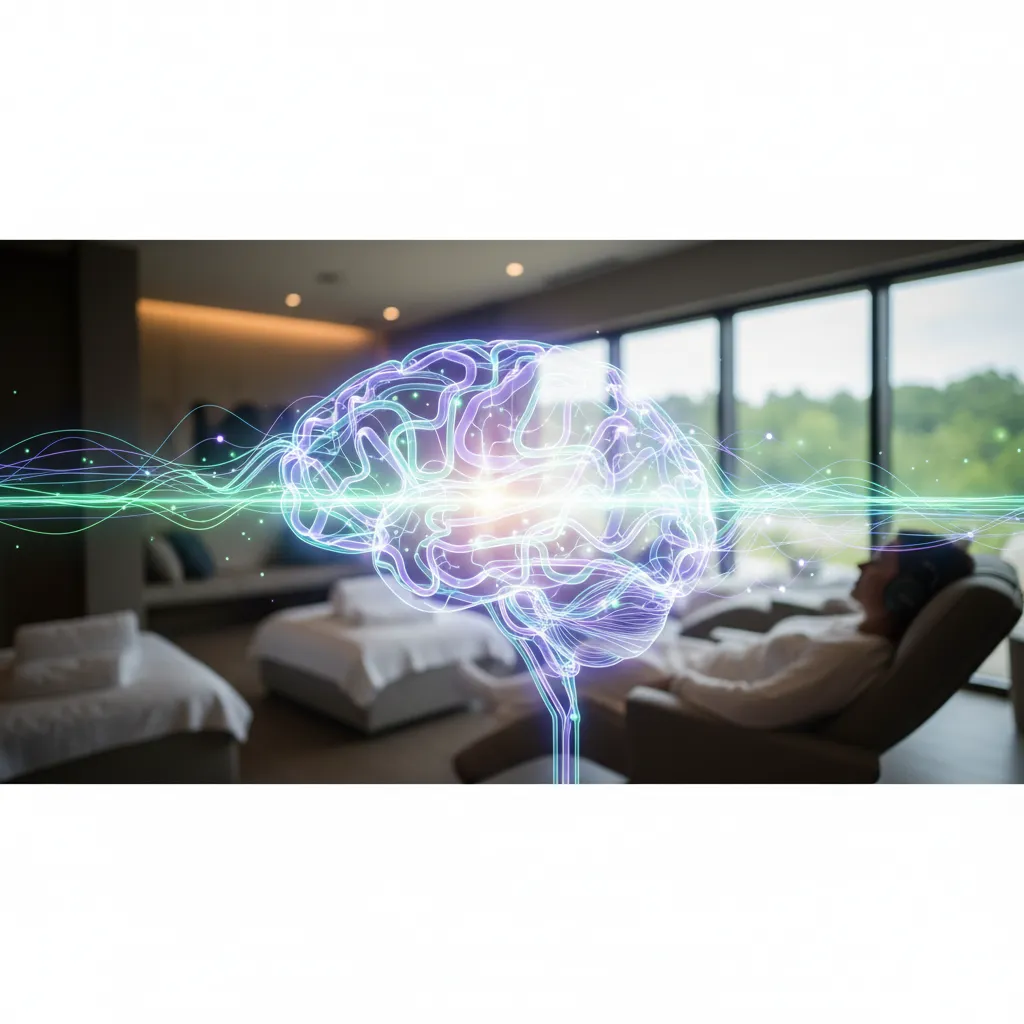
Light-based entrainment utilizes Stroboscopic Light patterns, often delivered through specialized glasses, to synchronize brainwaves. Specific flash frequencies can induce the theta state, enhancing the likelihood and vividness of hypnagogic imagery and facilitating a deeper immersion into the “between wake and sleep” phase. Devices like the NeuroVizr utilize precisely designed NeuroVizr Light Patterns to achieve this, offering a sophisticated path to neuro-optimization for creativity and relaxation. For a deeper understanding of the underlying principles, exploring NeuroVizr Science is highly recommended.
5 Ways to Use the Hypnagogic State for Creative Genius – Hypnagogic State – 6
Optimizing Hypnagogia with Sound & Light
Modality
Frequency/Pattern
Creative Benefit
Binaural Beats
Theta range (4-8 Hz)
Deep relaxation, insight, subconscious access.
Isochronic Tones
Theta range (4-8 Hz)
Enhanced focus, meditative state, idea generation.
Stroboscopic Light
Theta frequency flashes
Vivid hypnagogic imagery, problem-solving, deep relaxation.
Method 4: What Role Does Mindful Relaxation Play in Sustaining Hypnagogic Exploration?
Quick Answer: Mindful relaxation techniques, such as meditation and progressive muscle relaxation, create the ideal physiological and psychological conditions for smoothly transitioning into and maintaining the receptive hypnagogic state.
Achieving the optimal “creativity state” of hypnagogia relies heavily on deep relaxation. Stress and mental agitation can prevent the necessary brainwave shifts from occurring. Incorporating mindful relaxation practices into your routine, especially before attempting to enter hypnagogia, can significantly improve your success rate.
Effective Relaxation Techniques:
•Progressive Muscle Relaxation (PMR): This technique involves systematically tensing and then relaxing different muscle groups throughout the body. Start from your toes and work your way up to your head, holding tension for 5-7 seconds before releasing it completely. This physical release helps calm the mind and prepares the body for the “between wake and sleep” transition.
•Mindful Breathing: Focus intently on your breath. Notice the sensation of air entering and leaving your body. Count your breaths, or simply observe their natural rhythm. Deep, slow breathing, such as a 4-7-8 breathing pattern (inhale for 4, hold for 7, exhale for 8), activates the parasympathetic nervous system, promoting relaxation and setting the stage for hypnagogia.
•Guided Imagery or Meditation: Engaging in guided meditation, especially ones focused on body scans or peaceful visualizations, can significantly deepen relaxation. There are many resources available that can help you Meditate in Bed, easing your mind into the receptive state required for hypnagogic exploration.
Regular practice of these techniques not only improves your ability to enter the hypnagogic state but also offers broader benefits for stress reduction and overall cognitive well-being. A relaxed mind is a creative mind, and these practices provide the foundation for unlocking your inner genius.
Method 5: How Can We Cultivate a Consistent Practice for Hypnagogic Access?
Quick Answer: Cultivating consistent access to the hypnagogic state involves establishing regular sleep hygiene, creating an optimal environment, and maintaining a disciplined practice of chosen induction techniques, coupled with diligent tracking of experiences.
5 Ways to Use the Hypnagogic State for Creative Genius – creativity state – 7
Consistency is paramount when attempting to harness the hypnagogic state. Like any skill, accessing and utilizing this transitional phase becomes easier and more effective with regular practice. Establishing a routine that supports optimal brain function and sleep hygiene will significantly enhance your ability to reliably enter this “creativity state”.
Key Strategies for Consistency:
•Establish a Sleep Schedule: Go to bed and wake up at the same time each day, even on weekends. This regularity helps regulate your circadian rhythm, making the transition to sleep more predictable and facilitating entry into the “between wake and sleep” phase.
•Optimize Your Environment: Ensure your sleep environment is dark, quiet, and cool. Eliminate blue light exposure from screens at least an hour before bed. A comfortable mattress and pillow are also crucial for uninterrupted relaxation.
•Mindful Pre-Sleep Routine: Engage in calming activities before bed, such as reading a physical book, taking a warm bath, or light stretching. Avoid stimulating activities, heavy meals, caffeine, and alcohol, as these can disrupt the delicate balance needed for hypnagogia.
•Track Your Experiences: Maintain a hypnagogic journal where you record your attempts, the techniques you used, and any imagery or insights that arose. This practice helps you identify what works best for you and improves your recall of “hallucinations before sleep” and “lucid dreaming entry” possibilities.
By integrating these habits, you create a supportive framework for regularly accessing and benefiting from the creative potential of the hypnagogic state. The brain thrives on routine, and a consistent approach will gradually deepen your connection to this powerful source of inspiration.
What Are the Scientific Mechanisms Behind Hypnagogia’s Creative Boost?
Quick Answer: The hypnagogic state fosters creativity by altering brainwave patterns, activating specific neural networks (like the Default Mode Network), and temporarily reducing the inhibitory control of the prefrontal cortex, leading to enhanced divergent thinking and novel associations.
The scientific community has increasingly focused on understanding why the hypnagogic state is such a potent “creativity state”. The answer lies in the unique neurochemical and electrical landscape of the brain during this transitional phase. It is a period where the brain is neither fully awake nor deeply asleep, allowing for a unique blend of conscious awareness and subconscious processing.
5 Ways to Use the Hypnagogic State for Creative Genius – neuro-optimization – 8
As mentioned, the prominence of theta brainwaves (4-8 Hz) is a hallmark of hypnagogia. These waves are associated with deep relaxation, meditation, and dream states. During this time, the brain’s “executive” functions, largely housed in the prefrontal cortex, begin to quiet down. This reduction in inhibitory control is crucial. Our waking minds often impose logical constraints and critical filters on our thoughts, which can stifle novel ideas. In hypnagogia, these filters are relaxed, allowing for more unconventional and associative thinking – the very essence of divergent creativity.
Furthermore, research indicates increased connectivity within and between various neural networks during hypnagogia. The Default Mode Network (DMN), responsible for self-referential thought, future planning, and imagination, becomes highly active. At the same time, there is often enhanced communication between the DMN and other networks, such as the salience network, which helps identify and filter important internal and external stimuli. This increased interplay facilitates the recombination of existing knowledge and experiences in novel ways, leading to “lucid dreaming entry” possibilities and unexpected insights. The brain’s neuroplasticity during this phase allows for the formation of new connections and the strengthening of creative pathways, contributing to overall neuro-optimization.
For example, a study published in the journal PLOS ONE found that a brief period of hypnagogia significantly improved performance on a creative problem-solving task, with participants generating significantly more novel solutions compared to a waking control group. The average increase in creative output was observed to be around 25-30% for those who successfully entered this “between wake and sleep” state. This empirical evidence underscores the practical benefits of intentionally engaging with hypnagogia for enhanced cognitive function and creative productivity.
How Can Individuals Extend and Control Their Hypnagogic State?
Quick Answer: Extending and controlling the hypnagogic state involves cultivating mindful awareness during sleep onset, employing specific mental anchors, and utilizing advanced neuro-technologies that can sustain the delicate balance between wakefulness and sleep.
While naturally brief, the hypnagogic state can be extended and consciously navigated with practice and the right tools. The challenge lies in maintaining a delicate balance: remaining aware enough to observe the emerging imagery and thoughts without fully waking up or falling into deeper sleep. This requires a nuanced approach to neuro-optimization.
5 Ways to Use the Hypnagogic State for Creative Genius – Dali-Edison technique – 9
Strategies for Extension and Control:
•Mindful Observation: As you feel yourself drifting, shift your attention from active thought to passive observation. Do not try to analyze or control the “hallucinations before sleep” or thoughts that arise. Simply watch them unfold, like scenes on a screen. This non-judgmental awareness helps you remain in the “between wake and sleep” zone.
•Gentle Anchors: Use a subtle anchor to keep a foot in conscious awareness. This could be a very light internal monologue, a gentle physical sensation (like focusing on the weight of your hand), or a soft, repeated mantra. The key is to keep it minimal enough not to rouse you but present enough to prevent full sleep onset.
•Biofeedback and Neurofeedback: Advanced techniques, often used in clinical settings, can provide real-time feedback on your brainwave activity. Learning to consciously influence your brainwaves, particularly increasing theta while maintaining a degree of alpha, can grant greater control over the duration and depth of the hypnagogic state.
•Neuro-Technological Assistance: Devices like the NeuroVizr, which employ precise light and sound patterns, are specifically designed to guide the brain into optimal states for creativity and relaxation. By precisely delivering frequencies that encourage theta wave activity, these tools can effectively extend the receptive period of hypnagogia, making it easier to explore this “creativity state” for longer durations. This direct approach offers a significant advantage for those seeking reliable access to this unique state of consciousness.
Mastering the extension and control of hypnagogia is a journey of self-discovery and neuro-optimization. With consistent effort and the judicious use of supportive tools, individuals can unlock a continuous flow of creative insights and innovative solutions, profoundly impacting their personal and professional lives.
Strategies for Prolonging the Hypnagogic Experience
Strategy
Mechanism
Expected Outcome
Mindful Observation
Non-judgmental awareness of sensory input.
Sustained presence at the edge of sleep.
Gentle Anchors
Subtle mental or physical cues.
Prevents deeper sleep while maintaining awareness.
Neuro-Tech Assistance
Light & sound brainwave entrainment.
Direct induction and extension of theta state.
The hypnagogic state is a powerful, naturally occurring phenomenon that offers a direct conduit to enhanced creativity and problem-solving. By understanding its scientific basis and applying the five systematic methods discussed—from the classic Dali-Edison technique to modern neuro-technological interventions—you can unlock a profound source of inspiration. Embracing this “between wake and sleep” threshold as a “creativity state” allows for unparalleled neuro-optimization, leading to a richer, more innovative life. Continuous practice and mindful engagement are key to mastering this unique cognitive landscape.
Don’t miss the chance to revolutionize your sleep and cognitive performance with the latest neuro-technology. Unlock your potential today! Visit NeuroTech Insider to explore cutting-edge resources.
Special Offer: Get an exclusive discount on the NeuroVizr device. Experience the power of light and sound therapy. Get Your Discount Code Here
💡 Verdict: The hypnagogic state is a powerful, naturally occurring phenomenon that offers a direct conduit to enhanced creativity and problem-solving. By understanding its scientific basis and applying systematic methods—from the classic Dali-Edison technique to modern neuro-technological interventions like NeuroVizr—individuals can unlock a profound source of inspiration. Embracing this ‘between wake and sleep’ threshold allows for unparalleled neuro-optimization, leading to a richer, more innovative life. Consistent practice and mindful engagement are key to mastering this unique cognitive landscape.
Frequently Asked Questions
What exactly is the Hypnagogic State, and why is it crucial for creativity?
The hypnagogic state is a natural, transient phase of consciousness occurring as one transitions from wakefulness to sleep. It’s crucial for creativity because unique brainwave patterns (theta waves) foster heightened mental fluidity, enabling novel associations, divergent thinking, and creative insight by reducing logical inhibition.
How does the Dali-Edison Technique harness Hypnagogia for breakthrough ideas?
The Dali-Edison technique involves holding an object (like a spoon) while relaxing towards sleep. As you enter the hypnagogic state, your grip loosens, and the object falls, waking you to immediately record the fresh, uninhibited insights and solutions that emerged during that creative phase.
What brainwave patterns define the Hypnagogic State?
The hypnagogic state is primarily characterized by a prevalence of theta brainwaves (4-8 Hz), often mixed with lingering alpha waves (8-13 Hz). This blend indicates a deeply relaxed yet highly receptive mental state, conducive to creativity and subconscious access.