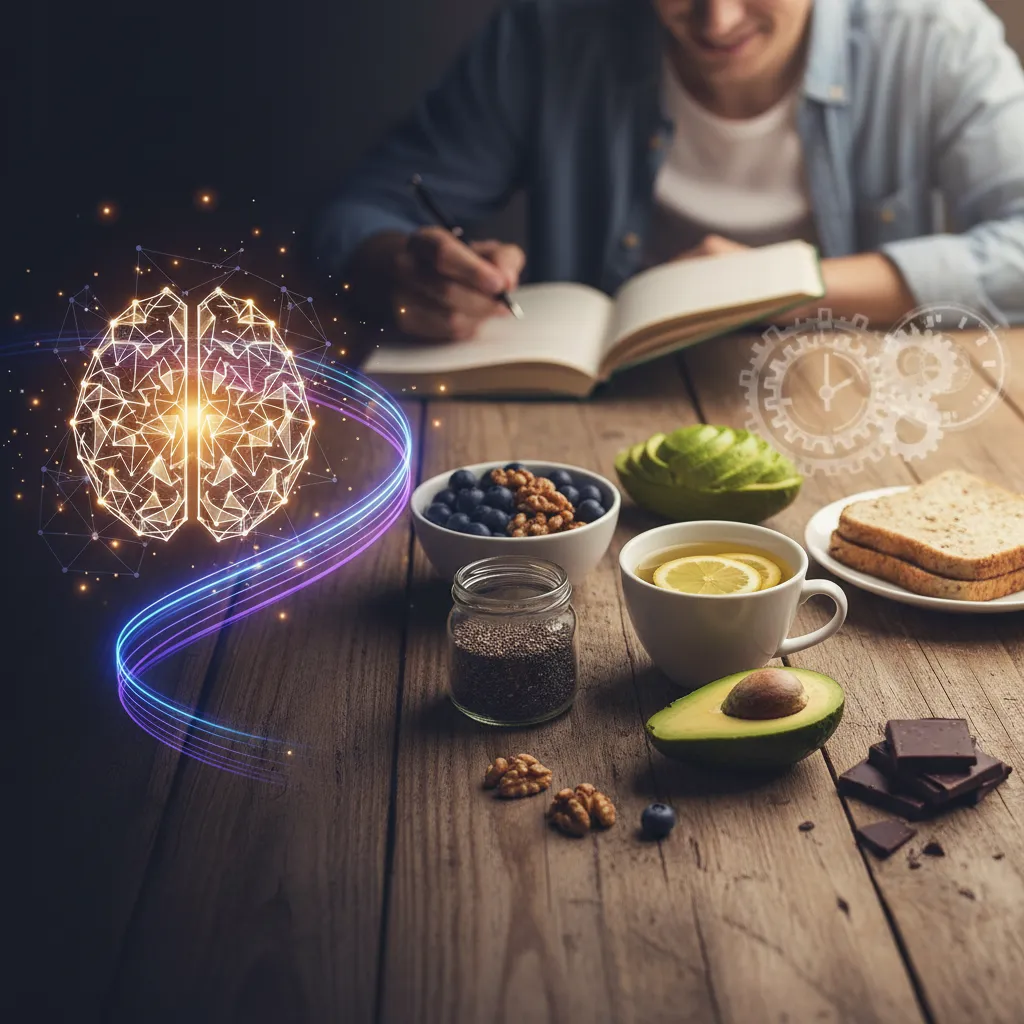
This comprehensive guide outlines 10 effective, scientifically-backed strategies to significantly improve memory and enhance overall cognitive function. Key takeaways include prioritizing 7-9 hours of quality sleep for memory consolidation, engaging in regular physical exercise to boost brain cell growth, and adopting a nutrient-rich diet with omega-3s, antioxidants, and B vitamins. The article emphasizes the importance of mental stimulation through brain exercises, stress management, active social engagement, and powerful memory techniques like the Method of Loci. It also explores the potential benefits of certain memory supplements and cutting-edge neuro-optimization technologies. Ultimately, consistent application of these holistic approaches is presented as crucial for building cognitive resilience and protecting against age-related decline, empowering individuals to unlock their full mental potential.
✅ Pros
Scientifically-backed methods for tangible memory improvement
Holistic approach addressing various aspects of brain health
Reduces the risk of age-related cognitive decline and neurodegenerative diseases
Enhances daily recall, learning capacity, and mental sharpness
Integrates both traditional wisdom and modern neuro-optimization technologies
❌ Cons
Requires consistent effort and lifestyle changes for lasting benefits
Efficacy of memory supplements varies; consultation with a healthcare professional is advised
No single miraculous quick fix; a holistic and sustained approach is essential
Improve Memory Fast: 10 Effective Strategies for Cognitive Boost
Improve memory and enhance cognitive function by adopting scientifically-backed strategies that address daily forgetfulness and promote long-term brain health. NeuroTech Insider provides cutting-edge insights and tools for neuro-optimization, helping you unlock your full mental potential and achieve superior recall ability and mental sharpness.
What Are the 10 Effective Strategies to Improve Your Memory Fast?
Quick Answer: The most effective strategies for better memory involve a holistic approach combining lifestyle adjustments, specific cognitive techniques, and nutritional support, all aimed at fostering neuroplasticity and protecting brain health.
Enhancing your memory is not merely about quick fixes but a journey toward sustained cognitive vitality. Modern neuroscience reveals that our brains possess remarkable mental acuity and the capacity for neuroplasticity, allowing us to actively improve memory functions at any age. From preventing the onset of age-related cognitive decline to boosting daily recall, these ten strategies are grounded in scientific research and designed for practical application.
1. How Does Prioritizing Quality Sleep Boost Your Memory?
Quick Answer: Quality sleep, particularly deep non-REM and REM sleep, is crucial for memory consolidation, allowing the brain to process and store new information effectively, which significantly enhances recall.
Sleep is far from a passive state; it is an active period of intense neurological activity vital for memory. During deep sleep, the brain actively consolidates memories, transferring them from temporary to more permanent storage areas. Research published in the journal Nature Reviews Neuroscience in 2017 highlights that adequate sleep enhances synaptic plasticity, the brain’s ability to form new connections, directly impacting learning and memory. Aim for 7-9 hours of uninterrupted sleep nightly. Establishing a consistent sleep schedule and optimizing your sleep environment can lead to a measurable improvement in memory recall within weeks.
2. Why Is Regular Physical Exercise Essential for Brain Health?
Quick Answer: Regular physical exercise increases blood flow to the brain, stimulates the growth of new brain cells in the hippocampus (a key memory region), and reduces inflammation, collectively boosting memory function and cognitive resilience.
10 Effective Strategies to Improve Your Memory Fast – Improve Memory – 1
Engaging in physical activity is a powerful strategy to improve memory and protect against brain fog causes. Aerobic exercise, in particular, has been shown to increase the size of the hippocampus, a brain area critical for verbal memory and learning. A 2014 study in British Journal of Sports Medicine demonstrated that moderate exercise, like brisk walking for 30 minutes most days of the week, can lead to a 2% increase in hippocampal volume annually. This translates to enhanced long-term memory formation and improved cognitive processing speed. Incorporate a mix of cardio and strength training for optimal benefits, fostering a robust and adaptive brain.
3. What Specific Dietary Choices Can Optimize Memory Recall?
Quick Answer: A neuroplasticity diet rich in omega-3 fatty acids, antioxidants, and B vitamins supports optimal memory recall by protecting brain cells, reducing oxidative stress, and facilitating neurotransmitter production.
Your diet plays a critical role in brain health and memory function. Foods rich in omega-3 fatty acids, such as salmon, walnuts, and flaxseeds, are vital for building and repairing brain cells. Antioxidants found in berries, dark leafy greens, and dark chocolate combat oxidative stress, which can damage brain cells. B vitamins, particularly B6, B9 (folate), and B12, are essential for reducing homocysteine levels, a compound linked to cognitive impairment. The Mediterranean diet, for example, has been consistently linked to better cognitive function and a reduced risk of cognitive decline. Consider incorporating these memory-boosting foods:
Food Group
Key Nutrients
Memory Benefit
Fatty Fish (Salmon, Mackerel)
Omega-3s (DHA, EPA)
Brain cell structure, reduced inflammation
Berries (Blueberries, Strawberries)
Antioxidants (Flavonoids)
Protect brain from damage, improve signaling
Leafy Greens (Spinach, Kale)
Vitamin K, Lutein, Folate
Slow cognitive decline, support neuron health
Nuts & Seeds (Walnuts, Chia Seeds)
Omega-3s, Vitamin E
Antioxidant protection, improved brain function
4. How Do Brain Exercises and Mental Stimulation Enhance Memory?
Quick Answer: Engaging in brain exercises for seniors and mentally stimulating activities promotes neurogenesis and strengthens synaptic connections, directly contributing to improved memory recall, cognitive flexibility, and overall brain resilience.
Just like muscles, your brain benefits from regular workouts. Activities that challenge your cognitive abilities, such as learning a new language, playing musical instruments, solving puzzles, or engaging in strategic games, can significantly improve memory. A study published in the New England Journal of Medicine found that participating in mentally stimulating activities can reduce the risk of dementia. These activities encourage the brain to form new neural pathways and strengthen existing ones, enhancing memory encoding and retrieval. Consider exploring brain training devices for structured cognitive workouts.
10 Effective Strategies to Improve Your Memory Fast – memory improvement strategies – 2
5. How Does Stress Management Impact Your Memory Performance?
Quick Answer: Chronic stress elevates cortisol levels, which can damage the hippocampus and impair memory formation and retrieval; effective stress management techniques are vital for protecting cognitive function.
Chronic stress is detrimental to memory. Prolonged exposure to cortisol, the stress hormone, can shrink the hippocampus, leading to difficulties with learning and memory. Studies indicate that individuals with high stress levels often experience more frequent memory lapses and reduced cognitive flexibility. Implementing stress-reducing techniques such as mindfulness meditation, yoga, deep breathing exercises, or spending time in nature can significantly mitigate these negative effects. Even 10-15 minutes of daily meditation has been shown to improve focus and memory over time, providing a tangible pathway to improve memory and preserve mental clarity.
6. What Role Does Social Engagement Play in Maintaining Cognitive Health?
Quick Answer: Active social engagement challenges various cognitive functions, including language, memory, and executive function, fostering a mentally stimulating environment that can reduce the risk of cognitive decline.
Maintaining an active social life contributes significantly to cognitive vitality. Interactions with others engage multiple brain regions, including those involved in memory, attention, and problem-solving. A comprehensive review published in The Lancet in 2017 identified social isolation as a significant risk factor for dementia, emphasizing the protective role of social integration. Engaging in group activities, joining clubs, volunteering, or simply spending quality time with friends and family provides consistent mental stimulation and emotional support, both crucial for a healthy brain. These strategies for better memory are often overlooked but are profoundly impactful.
7. How Can Memory Techniques Like the Loci Method Improve Recall?
Quick Answer: Memory techniques such as the Method of Loci, chunking, and mnemonics leverage spatial memory and vivid imagery to organize and retrieve information more efficiently, making recall faster and more reliable.
10 Effective Strategies to Improve Your Memory Fast – cognitive boost – 3
Specific memory techniques can dramatically boost your ability to remember information. The Method of Loci, also known as the memory palace technique, involves associating items you want to remember with specific locations along a familiar mental journey. This technique, used since ancient Greek times, capitalizes on our strong spatial memory. Another effective strategy is chunking, where you group related pieces of information into smaller, more manageable units. For example, remembering a phone number as three chunks (e.g., 555-123-4567) is easier than recalling ten individual digits. Mnemonics, such as acronyms or vivid visual associations, also provide powerful hooks for memory retrieval. Consistent practice with these techniques can lead to significant improvements in daily recall and learning capacity.
8. Are Memory Supplements Effective, and Which Ones Show Promise?
Quick Answer: While no single supplement offers a miraculous cure, certain memory supplements like Omega-3 fatty acids, Bacopa monnieri, Ginkgo biloba, and B vitamins show promise in supporting cognitive function and memory, especially when combined with a healthy lifestyle.
The market for memory supplements is vast, but scientific evidence varies. Omega-3 fatty acids, particularly DHA, are foundational for brain health, and supplementation can be beneficial for those with insufficient dietary intake. Bacopa monnieri, an herb used in Ayurvedic medicine, has shown promise in improving memory and cognitive processing in some studies. Ginkgo biloba is another popular supplement, believed to improve blood flow to the brain, though its effects on memory are still debated and less conclusive for healthy individuals. B vitamins (B6, B9, B12) are crucial for nerve health and neurotransmitter production. Always consult a healthcare professional before starting any new supplement regimen to ensure it is appropriate for your individual needs and to avoid potential interactions. NeuroTech Insider advocates for evidence-based approaches to cognitive enhancement.
9. Why Is Lifelong Learning Crucial for Cognitive Resilience?
Quick Answer: Engaging in continuous learning throughout life builds cognitive reserve, which acts as a buffer against age-related brain changes and provides the brain with more resources to cope with potential damage, thereby sustaining memory function longer.
The concept of cognitive reserve suggests that the more robust and interconnected your neural networks are, the better your brain can cope with damage or disease, thus delaying or mitigating symptoms of cognitive decline. Lifelong learning, whether through formal education, acquiring new skills, or simply maintaining an intellectual curiosity, continuously stimulates the brain. A study published in Neurology in 2014 found that individuals who engaged in more mentally stimulating activities throughout their lives had a lower risk of developing dementia. Embrace new challenges, learn a new craft, or delve into complex topics to continually build your cognitive reserve and preserve your memory.
10 Effective Strategies to Improve Your Memory Fast – brain health – 4
10. How Do Neuro-optimization Technologies Support Memory Enhancement?
Quick Answer: Advanced neuro-optimization technologies, such as neurofeedback benefits and light and sound therapy, can directly influence brainwave states, promoting relaxation, focus, and improved memory consolidation by training the brain for optimal performance.
Beyond traditional methods, cutting-edge neuro-optimization technologies offer promising avenues for enhancing memory and overall brain function. Devices that utilize light and sound stimulation, like the NeuroVizr, can guide brainwave frequencies to states conducive to learning, focus, and deep restorative sleep, all of which are essential for memory. For instance, specific light and sound patterns can promote the brain’s alpha and theta waves, associated with relaxation and enhanced memory encoding. Research in optogenetics and auditory processing demonstrates the potential of these non-invasive methods to fine-tune neural activity. Embracing biohacking for beginners with such tools can offer a personalized approach to cognitive improvement, working in synergy with lifestyle changes to unlock superior mental performance.
How Can Lifestyle Choices Significantly Enhance Your Memory?
Quick Answer: Lifestyle choices such as consistent high-quality sleep, regular physical activity, effective stress management, and active social engagement are foundational for supporting brain health and significantly enhancing memory capabilities.
Beyond specific memory techniques, our daily routines and lifestyle habits form the bedrock of cognitive function. A balanced approach to living can profoundly influence your ability to learn, retain, and recall information. Prioritizing these areas not only helps to improve memory in the short term but also contributes to long-term cognitive decline prevention, protecting the brain against age-related changes and neurodegenerative conditions.
What Is the Optimal Sleep Duration for Memory Consolidation?
Quick Answer: Most adults require 7 to 9 hours of quality sleep per night for optimal memory consolidation, as this duration allows sufficient time for the brain’s essential memory processing stages.
10 Effective Strategies to Improve Your Memory Fast – memory recall – 5
Sleep is a crucial period for memory. During the various stages of sleep, particularly slow-wave sleep (deep non-REM) and REM sleep, the brain actively works to consolidate recent experiences and learning into long-term memories. A meta-analysis published in Sleep in 2011 confirmed the direct link between sufficient sleep and enhanced declarative memory (facts and events) and procedural memory (skills). Aim for a consistent sleep schedule, even on weekends, to regulate your circadian rhythm. Optimizing your sleep environment by making it dark, quiet, and cool can significantly improve sleep quality and, by extension, your memory. For advanced sleep optimization, NeuroTech Insider explores devices that can enhance sleep cycles, promoting deeper and more restorative rest.
How Does Regular Exercise Protect Against Cognitive Decline?
Quick Answer: Regular exercise protects against cognitive decline by increasing cerebral blood flow, reducing inflammation, promoting the growth of new neurons, and enhancing the integrity of white matter brain connectivity, crucial for efficient information processing.
Physical activity is a potent modulator of brain health. Exercise stimulates the production of brain-derived neurotrophic factor (BDNF), a protein that promotes the survival of existing neurons and encourages the growth and differentiation of new neurons and synapses. This process, known as neurogenesis, is particularly active in the hippocampus. A 2018 review in the Journal of Alzheimer’s Disease highlighted that individuals who engage in regular moderate-to-vigorous physical activity show significantly slower rates of cognitive decline and reduced risk of dementia. Aim for at least 150 minutes of moderate-intensity aerobic exercise or 75 minutes of vigorous-intensity exercise per week, complemented by strength training sessions. This commitment to physical fitness is a direct investment in your long-term memory and cognitive resilience.
What Dietary Habits Best Support Optimal Memory Function?
Quick Answer: Optimal memory function is best supported by a diet rich in whole foods, emphasizing fruits, vegetables, lean proteins, healthy fats, and whole grains, which collectively provide the necessary nutrients and antioxidants for brain cell health and efficient neural communication.
The brain, though only about 2% of body weight, consumes roughly 20% of the body’s energy. Fueling it with the right nutrients is paramount for memory and cognitive performance. A diet that minimizes processed foods, excessive sugars, and unhealthy fats can protect against inflammation and oxidative stress, both of which are detrimental to brain cells.
10 Effective Strategies to Improve Your Memory Fast – Improve Memory – 6
Which Foods Are Scientifically Proven to Boost Memory Recall?
Quick Answer: Foods rich in Omega-3 fatty acids (fish), antioxidants (berries, leafy greens), flavonoids (dark chocolate), and choline (eggs) are scientifically proven to enhance memory recall by improving brain cell function and protecting against damage.
Specific nutrients are critical for neuro-optimization. DHA (docosahexaenoic acid), a type of omega-3 fatty acid found abundantly in fatty fish like salmon and sardines, is a primary structural component of the brain and essential for neurotransmission. A study in the Journal of Nutrition showed that higher DHA intake correlated with better verbal fluency and memory. Antioxidant-rich foods help neutralize free radicals, which can damage brain cells over time. Choline, found in eggs and cruciferous vegetables, is a precursor to acetylcholine, a neurotransmitter vital for memory and learning. Incorporating a diverse range of these brain-friendly foods is a key strategy to improve memory and ensure cognitive longevity.
Here is a breakdown of key memory-boosting nutrients and their sources:
Precursor to acetylcholine, vital for memory and learning
How Do Specific Techniques and Brain Exercises Bolster Memory Recall?
Quick Answer: Cognitive techniques like the Method of Loci, active recall, and spaced repetition, combined with engaging brain games, actively train and strengthen memory pathways, making information more accessible and recall more efficient.
While diet and lifestyle provide the foundation, direct engagement with memory-training techniques offers targeted benefits for those seeking to improve memory significantly. These strategies for better memory are designed to optimize encoding, storage, and retrieval processes.
10 Effective Strategies to Improve Your Memory Fast – memory improvement strategies – 7
What Is the Method of Loci, and How Can It Be Applied?
Quick Answer: The Method of Loci, or memory palace, is a mnemonic technique where you associate items to be remembered with specific visual points along a familiar mental journey, leveraging spatial memory for enhanced recall.
This ancient technique is incredibly powerful. To apply it, first, choose a familiar route or building (your home, a walk through your neighborhood). Next, identify distinct locations or objects along this route in a specific order. Then, vividly associate each piece of information you want to remember with one of these locations. The more unusual or exaggerated the mental image, the better. When you need to recall the information, mentally walk through your chosen path, and each location will trigger the associated memory. For instance, to remember a grocery list, you might imagine a giant avocado sitting on your doorstep, a carton of milk spilling over your couch, and a loaf of bread hanging from your chandelier. This method has been shown to dramatically increase the number of items one can recall in order.
Do Brain Games and Cognitive Training Truly Enhance Memory?
Quick Answer: Yes, engaging in challenging brain training devices and cognitive games can enhance specific cognitive functions, including working memory, processing speed, and attention, which are all integral to overall memory performance.
While some early claims about brain games were overstated, a growing body of evidence suggests that targeted cognitive training can indeed yield benefits. Games that require problem-solving, strategic thinking, and rapid recall, such as Sudoku, chess, crosswords, or specific digital brain training platforms, can strengthen neural pathways. A 2015 study published in the Journal of the American Geriatrics Society demonstrated that older adults who received cognitive training showed sustained improvements in reasoning and processing speed for at least 10 years. The key is to consistently challenge your brain with novel and complex tasks to stimulate neuroplasticity. NeuroTech Insider offers insights into the most effective brain training devices and methodologies.
Can We Prevent Cognitive Decline and Conditions Like Alzheimer’s?
Quick Answer: While a definitive cure remains elusive, significant evidence suggests that adopting a brain-healthy lifestyle – including diet, exercise, cognitive stimulation, and managing cardiovascular risk factors – can effectively delay or prevent cognitive decline and reduce the risk of neurodegenerative diseases like Alzheimer’s.
10 Effective Strategies to Improve Your Memory Fast – cognitive boost – 8
The prospect of preventing conditions like Alzheimer’s disease and other forms of dementia is a major focus of current neuroscience research. While genetics play a role, lifestyle factors are increasingly recognized as powerful modulators of risk. The strategies discussed to improve memory are not just for daily recall but are critical components of a broader cognitive decline prevention strategy.
What Are the Key Modifiable Risk Factors for Dementia?
Quick Answer: Key modifiable risk factors for dementia include hypertension, diabetes, obesity, smoking, physical inactivity, social isolation, excessive alcohol consumption, and hearing loss; addressing these can significantly reduce individual risk.
Addressing modifiable risk factors is a proactive approach to cognitive preservation. A landmark report by the Lancet Commission in 2020 identified 12 modifiable risk factors that, if eliminated, could prevent or delay up to 40% of dementia cases worldwide. These include maintaining healthy blood pressure, managing diabetes, preventing obesity, quitting smoking, engaging in regular physical activity, fostering social connections, limiting alcohol, and addressing hearing loss. Early intervention and consistent management of these factors throughout life are paramount. Furthermore, emerging therapies like red light for Alzheimer’s are being explored for their potential neuroprotective benefits.
How Do Early Detection and Intervention Impact Long-Term Cognitive Health?
Quick Answer: Early detection of cognitive changes, combined with prompt lifestyle modifications and medical interventions, can significantly slow the progression of cognitive decline, preserve quality of life, and potentially delay the onset of severe symptoms.
Recognizing early signs of cognitive change, such as persistent memory lapses, difficulty with complex tasks, or changes in judgment, is crucial. Consulting with healthcare providers for regular cognitive assessments can help identify issues promptly. While there is no cure for advanced neurodegenerative diseases, early intervention allows for the implementation of strategies that can slow progression. This includes optimizing lifestyle factors, managing co-morbidities, and exploring emerging therapeutic options. For instance, specific cognitive behavioral therapies can help individuals manage symptoms and maintain functional independence longer. NeuroTech Insider emphasizes proactive brain health management, offering resources and technologies to monitor and enhance cognitive performance before significant issues arise.
10 Effective Strategies to Improve Your Memory Fast – brain health – 9
Unlocking Your Brain’s Potential: A Holistic Approach to Memory Enhancement
Quick Answer: Achieving optimal memory and cognitive function requires a holistic approach that integrates lifestyle improvements, targeted brain exercises, a nutrient-rich diet, effective stress management, and, for some, the judicious use of advanced neuro-optimization technologies.
To truly improve memory and sustain it for a lifetime, a comprehensive and integrated strategy is essential. It is about nurturing your brain through multiple pathways, recognizing that each aspect of your health contributes to your cognitive well-being. From the foundational elements of sleep and nutrition to advanced neuro-enhancement techniques, every choice you make impacts your brain’s capacity.
Why Is Consistency Paramount in Memory Improvement Strategies?
Quick Answer: Consistency in applying memory improvement strategies is paramount because neuroplasticity, the brain’s ability to reorganize and form new connections, relies on sustained stimulation and repetitive reinforcement over time to yield lasting benefits.
The brain thrives on routine and consistent stimulation. Sporadic efforts to improve memory will yield minimal results compared to a sustained, dedicated regimen. Whether it is a daily meditation practice, a regular exercise schedule, or consistent engagement with mentally stimulating tasks, the cumulative effect of these habits is what drives meaningful and lasting change. Think of it as building a strong foundation for a house; each brick, laid consistently, contributes to its overall strength and longevity. Committing to a long-term plan for brain health ensures that the benefits of neuro-optimization are fully realized and maintained.
How Can NeuroTech Insider Support Your Memory Enhancement Journey?
Quick Answer: NeuroTech Insider offers research-backed insights, practical guides, and access to advanced neuro-optimization tools like the NeuroVizr device, empowering individuals to proactively enhance their sleep, focus, and memory through scientifically validated methods.
At NeuroTech Insider, we are dedicated to providing the latest information and tools to help you achieve peak cognitive performance. Our platform is a comprehensive resource for understanding the complexities of brain health and discovering actionable strategies to improve memory, enhance focus, and prevent cognitive decline. We believe in empowering our audience with knowledge grounded in scientific research, presented in an accessible and professional manner. From understanding the nuances of mental acuity to exploring innovative solutions, NeuroTech Insider is your trusted partner in neuro-optimization.
Don’t miss the chance to revolutionize your sleep and cognitive performance with the latest neuro-technology. Unlock your potential today! Visit NeuroTech Insider to explore cutting-edge resources.
Special Offer: Get an exclusive discount on the NeuroVizr device. Experience the power of light and sound therapy. Get Your Discount Code Here
💡 Verdict: Adopting these 10 comprehensive and scientifically-backed strategies offers a powerful pathway to significantly improve memory and foster lasting cognitive resilience, suitable for all ages and essential for long-term brain health.
Frequently Asked Questions
What are the 10 effective strategies to improve your memory fast?
The most effective strategies for better memory involve a holistic approach combining lifestyle adjustments, specific cognitive techniques, and nutritional support, all aimed at fostering neuroplasticity and protecting brain health.
How does prioritizing quality sleep boost your memory?
Quality sleep, particularly deep non-REM and REM sleep, is crucial for memory consolidation, allowing the brain to process and store new information effectively, which significantly enhances recall.
What specific dietary choices can optimize memory recall?
A neuroplasticity diet rich in omega-3 fatty acids, antioxidants, and B vitamins supports optimal memory recall by protecting brain cells, reducing oxidative stress, and facilitating neurotransmitter production.