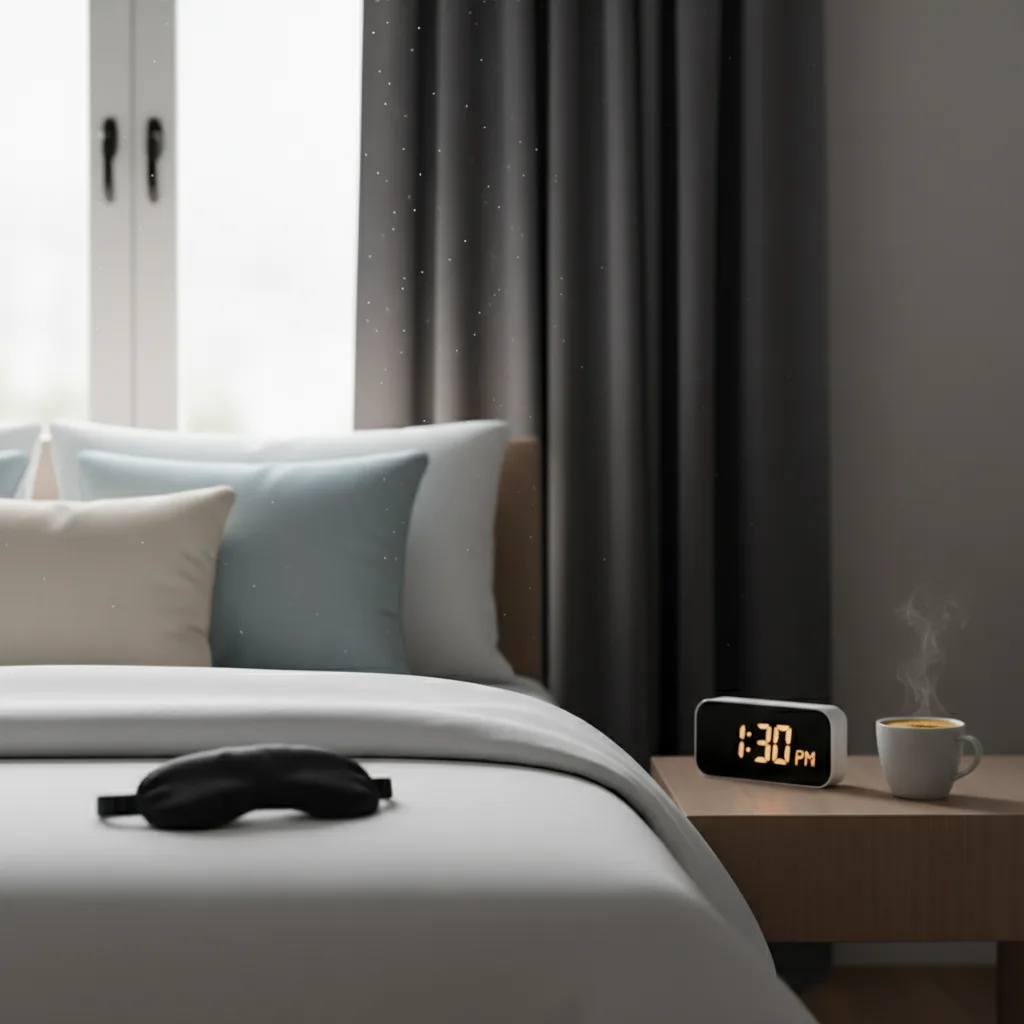
Learning While Sleeping: Uploading Data to Your Hard Drive
In a world that relentlessly demands more from our cognitive engines, the quest for optimized brain performance is relentless. We push boundaries, seeking every advantage to enhance learning, sharpen focus, and solidify memory. Yet, for many, the very foundation of cognitive prowess—our sleep—remains an underestimated, often neglected, powerhouse. Imagine if, instead of merely resting, your brain could actively process, consolidate, and even acquire new information during its nightly shutdown sequence. Imagine sleep learning as a nocturnal operating system update, quietly uploading critical data to your neural hard drive while you journey through the landscape of dreams. This isn’t science fiction; it’s the cutting edge of neuroscience and biohacking, revealing a profound truth: our sleeping brain is anything but dormant. It’s a dynamic, processing marvel, ripe for optimization.
Key Takeaways
- • Sleep is a Dynamic Learning State: Far from passive, sleep is an active period of memory consolidation and neural reorganization, crucial for embedding new information.
- • Myth vs. Reality: While direct absorption of complex new knowledge during deep sleep is largely a myth, targeted memory reactivation (TMR) and pre-sleep encoding significantly enhance retention.
- • Auditory Stimulation is Key: Specific sound cues, played during precise sleep stages, can reactivate memories and boost their consolidation, offering a practical avenue for learning while sleeping.
- • Biohacking Your Nightly Routine: Strategic study before bed, optimizing sleep hygiene, and exploring neurotech tools can transform your sleep into a powerful cognitive enhancement session.
What Exactly is Sleep Learning, and How Does Our Brain Process Information During the Night?
The concept of sleep learning, or hypnopedia, has captivated humanity for decades, promising a shortcut to mastery. However, the scientific understanding has evolved significantly from the simplistic notion of playing a foreign language tape and waking up fluent. Modern neuroscience defines sleep learning not as passive information absorption, but as an active, intricate process primarily focused on memory consolidation. This is the brain’s critical nightly chore: taking the ephemeral experiences and facts of the day and transforming them into stable, long-term memories. It’s the ultimate backend data processing, meticulously performed while your conscious mind is offline.
At its core, learning while sleeping harnesses the unique neurophysiological states of sleep to reinforce neural connections. Our brain, an intricate network of billions of neurons, doesn’t simply shut down. Instead, it shifts into different operating modes, characterized by distinct brainwave patterns such as Alpha Waves, Theta Waves, and Delta Waves. These patterns dictate the brain’s receptivity and processing capabilities. During specific sleep stages, particularly slow-wave sleep (SWS) and REM sleep, the brain actively replays recent memories, strengthens synaptic connections, and prunes unnecessary information – a process crucial for sleep and memory function.
The underlying mechanism involves Neuroplasticity, the brain’s remarkable ability to reorganize itself by forming new neural connections throughout life. Sleep provides the optimal environment for this reorganization. It’s during these hours that the hippocampus, a brain region vital for forming new memories, communicates with the neocortex, where long-term memories are stored. This dialogue transforms fragile, short-term memories into enduring knowledge, effectively “uploading data to your hard drive” in a biological sense.
Is Sleep Learning a Myth or a Reality? Separating Science from Science Fiction
The popular imagination often conjures images of individuals effortlessly absorbing entire textbooks overnight. This portrayal of sleep learning is where myth often diverges sharply from scientific reality. As a neuroscientist and biohacker, I’m here to clarify what’s genuinely possible and what remains in the realm of Hollywood fantasy.
The Myth of Passive, Direct Absorption of New Knowledge
Let’s be unequivocally clear: you cannot, with current technology or understanding, fall asleep to a recording of a new language and wake up fluent. The brain requires conscious attention and active engagement for initial encoding of complex, novel information. During sleep, our sensory gates are largely closed, and the conscious processing required for understanding grammar, vocabulary, or abstract concepts is simply not available. Attempts to teach entirely new information via auditory stimuli during sleep have consistently shown limited to no success in terms of conscious recall or skill acquisition.
The Reality: Targeted Memory Reactivation (TMR) and Enhanced Consolidation
Where the reality of learning while sleeping truly shines is in its capacity for memory consolidation and reinforcement. This is where the “uploading data to your hard drive” metaphor gains scientific footing. Researchers in the field of research on sleep and dreaming have discovered that memories formed during wakefulness can be selectively strengthened during sleep through a process called Targeted Memory Reactivation (TMR).
TMR involves re-presenting cues that were associated with specific learning experiences during wakefulness. These cues, often subtle sounds or scents, are introduced during specific sleep stages. The brain, upon detecting these cues, subtly reactivates the associated neural pathways, essentially giving those memories a “boost” during the consolidation process. This doesn’t teach you new information, but it makes existing, recently acquired information stick better and longer.
"Sleep is not merely a period of rest, but an active state of intense neural processing where our brains literally rewrite and solidify our understanding of the world."
The Brain’s Night Shift: How Sleep Reinforces Memories and Enhances Learning
To truly harness the power of sleep learning, we must understand the intricate dance of brain activity during the night. Our brain isn’t just “off”; it’s engaged in highly structured activities designed to optimize cognitive function for the next day. This involves a complex interplay between different sleep stages and specific neural oscillations.
The Role of Sleep Stages in Memory Consolidation
Sleep is not a monolithic state but a cyclical journey through several distinct stages, each with a unique contribution to memory consolidation:
-
• NREM Sleep (Non-Rapid Eye Movement): Comprising stages N1, N2, and N3 (Slow-Wave Sleep or SWS).
- – N1 & N2 (Light Sleep): Transitional stages. N2 is characterized by sleep spindles and K-complexes, which are thought to protect sleep and play a role in memory processing. Sleep spindles, in particular, are bursts of brain activity linked to transferring memories from the hippocampus to the neocortex.
- – N3 (Deep or Slow-Wave Sleep – SWS): This is arguably the most critical stage for declarative memory consolidation (facts, events, knowledge). Characterized by high-amplitude, slow delta waves, SWS facilitates the replay of learned information, strengthening synaptic connections. Studies have shown that the quantity and quality of SWS directly correlate with improved memory recall.
- • REM Sleep (Rapid Eye Movement): Often associated with vivid dreams and heightened brain activity, similar to wakefulness. REM sleep is crucial for procedural memory consolidation (skills, habits) and emotional memory processing. The science of dreams suggests that this stage allows the brain to integrate new information with existing knowledge, fostering creativity and problem-solving. It’s a period of intense synaptic reorganization, reinforcing the “why” and “how” of learned concepts.
Synaptic Pruning and Strengthening: The Brain’s Optimization Algorithm
Beyond merely consolidating memories, sleep plays a vital role in synaptic homeostasis. Throughout the day, our synapses (the junctions between neurons) strengthen with every new experience. This is crucial for learning, but it’s unsustainable. Imagine your computer hard drive constantly accumulating temporary files without ever cleaning up. Sleep acts as the brain’s defragmentation and optimization program.
- • Synaptic Homeostasis Hypothesis: Proposed by Dr. Giulio Tononi and Dr. Chiara Cirelli, this theory suggests that while we are awake, learning leads to a net increase in synaptic strength. During sleep, there’s a generalized downscaling of synaptic strength, allowing the brain to restore its baseline and prevent saturation, while selectively strengthening the most important connections. This “pruning” mechanism is essential for Neuroplasticity, making the brain more efficient and receptive to new learning the following day.
- • Memory Replay: During SWS, neurons in the hippocampus and cortex fire in coordinated patterns, replaying the sequence of activity that occurred during recent learning. This replay strengthens the connections between neurons, embedding the memory more deeply.
Understanding these processes highlights why sufficient, high-quality sleep isn’t just about feeling rested; it’s about optimizing your brain’s fundamental capacity for learning while sleeping and memory retention.
Auditory Stimulation and Targeted Memory Reactivation (TMR): The Biohacker’s Edge
If we can’t upload entirely new data, how can we actively engage in learning while sleeping? The answer lies in the sophisticated application of Targeted Memory Reactivation (TMR), primarily through auditory stimulation. This technique allows us to intelligently nudge the brain towards strengthening specific memories, turning sleep into a deliberate phase of cognitive enhancement.
The Science Behind Auditory Cues and Memory Boosts
The principle is elegant: during wakefulness, a specific sound (a word, a melody, a tone) is associated with information you want to remember. Then, during specific phases of subsequent sleep, that same sound is subtly replayed. Research, including pioneering work in research on sleep and dreaming, has consistently demonstrated that this re-exposure can reactivate the neural traces of the associated memory, thereby enhancing its memory consolidation. The timing and intensity of these cues are critical:
- • Slow-Wave Sleep (SWS) Optimization: Most TMR studies focus on SWS, as it is the prime stage for declarative memory consolidation. Auditory cues delivered during SWS have been shown to improve recall of word pairs, spatial navigation tasks, and vocabulary. The cues must be soft enough not to wake the sleeper but detectable by the sleeping brain.
- • Odor Cues: Similar to auditory cues, certain scents associated with learning during wakefulness have been shown to enhance memory when presented during SWS. For instance, a rose scent presented during a learning task, and then again during SWS, improved recall of the learned material.
Practical Applications and Ethical Considerations
For the biohacker, TMR presents an exciting frontier. Here’s how it can be applied:
- • Language Learning: Associate new vocabulary words with unique, distinct tones or short musical motifs. Replay these tones during SWS to reinforce the newly learned words.
- • Skill Acquisition: If you’re practicing a musical instrument or a sport, mentally rehearse the movements or passages before sleep. You can even create a specific sound cue to associate with that practice.
- • Academic Study: Before an exam, review key concepts or formulas while playing a specific, subtle background sound. Later, play that sound quietly during your deep sleep phase.

It’s crucial to employ TMR responsibly. Over-stimulation can disrupt sleep architecture, leading to fragmented sleep and counteracting any potential benefits. Furthermore, ethical considerations around influencing unconscious memory processes are paramount in research on sleep and dreaming. The goal is enhancement, not manipulation.
Optimizing Your Pre-Bed Study Routine for Maximum Retention
While direct sleep learning of entirely new concepts is limited, the period immediately preceding sleep is a golden window for preparing your brain for optimal memory consolidation. Think of it as carefully curating the data you want your brain to process and “upload” overnight.
Strategic Encoding Before Sleep
The “sleep-dependent memory benefit” is a well-established phenomenon. Information learned shortly before sleep is often remembered better than information learned earlier in the day. Here’s how to leverage this:
- • Prioritize Critical Information: Dedicate the last 30-60 minutes before bed to reviewing the most important concepts, facts, or skills you want to consolidate. Your brain will prioritize this information for processing during sleep.
- • Active Recall & Spaced Repetition: Don’t just passively reread. Actively test yourself (flashcards, quizzes) on the material. Combine this with spaced repetition techniques, reviewing material at increasing intervals. This flags the information as important for your brain.
- • Avoid Overload: Don’t cram. Overwhelming your brain with too much new information just before sleep can hinder effective consolidation. Focus on a few key areas.
- • Mindful Wind-Down: After studying, engage in a relaxing activity that doesn’t involve screens or intense mental effort. This transition signals to your brain that it’s time to shift from encoding to consolidating. Consider listening to calming music or sleep stories.
Crafting Your Sleep Environment for Cognitive Enhancement
The quality of your sleep directly impacts its capacity for memory consolidation. A well-optimized sleep environment is foundational for any biohacker aiming for enhanced learning while sleeping:
- • Darkness is Key: Eliminate all light sources. Even dim light can disrupt melatonin production, vital for regulating your Circadian Rhythm. Blackout curtains are your best friend.
- • Optimal Temperature: A cool room (around 18-20°C or 65-68°F) is ideal for initiating and maintaining deep sleep.
- • Silence or White Noise: Minimize noise disruptions. If complete silence is not possible, consider a white noise machine or fan to mask sudden sounds. Some individuals find specific binaural beats or ambient sounds helpful; apps like those mentioned in a Brain.fm Review can be effective for sleep induction and focus.
- • Consistent Sleep Schedule: Go to bed and wake up at the same time every day, even on weekends. This reinforces your Circadian Rhythm and optimizes your sleep architecture.
The Power of Naps: Micro-Uploads for Your Brain
Don’t underestimate the power of short naps. Even a 20-30 minute power nap can significantly boost cognitive performance, especially for recently learned material. Naps, particularly those containing NREM stage 2 sleep, contribute to memory consolidation, allowing for a quick “upload” session without disrupting your main sleep cycle. For complex, skill-based learning, longer naps (60-90 minutes) that include REM sleep can be beneficial.
Beyond Sound: Exploring Other Modalities and the Future of Sleep Learning
The journey into learning while sleeping extends beyond simple auditory cues. As a biohacker, I’m constantly looking at how we can leverage other sensory inputs and emerging neurotechnologies to optimize the brain’s nocturnal operations, moving closer to the vision of truly “uploading data to your hard drive.”
Olfactory Cues and Tactile Feedback
As briefly mentioned, olfactory (smell) cues have shown promise in TMR. Associating a specific scent with learning material during the day and then reintroducing that scent during SWS has been demonstrated to enhance memory recall. This is due to the direct pathway of olfactory information to brain regions involved in memory, like the hippocampus. Similarly, early research on sleep and dreaming suggests that subtle tactile stimuli could also play a role, though this area requires more extensive investigation.
Brainwave Entrainment and Neurofeedback
This is where the technology truly starts to interface with our brain’s internal rhythms. Brainwave entrainment involves using external stimuli (like flickering lights or specific audio frequencies) to guide the brain into desired brainwave states, such as the Alpha Waves associated with relaxation or the delta waves of deep sleep. By precisely timing these stimuli, we can potentially enhance the specific sleep stages most conducive to memory consolidation.
Neurofeedback, on the other hand, allows individuals to learn to self-regulate their brainwave activity. While typically used in waking states, future applications might involve real-time monitoring of sleep stages and providing subtle, non-waking feedback to enhance the duration or quality of specific beneficial sleep phases. Technologies that leverage advanced light therapy devices or visual brain entrainment tools, for instance, can guide your brain into optimal states for deep relaxation and improved sleep architecture. For those interested in exploring cutting-edge sensory resonance technology, you might consider investigating advanced tools like the NeuroVizr, designed to optimize brain states through precise sensory inputs.
The Biohacker’s Toolkit: Emerging Technologies
The market is seeing an influx of devices promising to optimize sleep and, by extension, sleep learning potential:
- • Wearable Sleep Trackers: Devices that monitor heart rate, movement, and even brainwave activity provide invaluable data for understanding your sleep cycles and identifying optimal windows for TMR.
- • Smart Pillows/Headbands: These can incorporate subtle auditory cues, vibrations, or even gentle electrical stimulation (tACS/tDCS) to enhance sleep spindles or slow oscillations, boosting memory consolidation.
- • Personalized Soundscapes: Software that adapts sound delivery based on real-time sleep stage detection, ensuring cues are delivered at the most effective moments without disrupting sleep.
The Vision of True “Data Upload”
While direct upload of complex data remains futuristic, advancements in understanding Neuroplasticity, brain-computer interfaces (BCIs), and Self-Learning AI suggest a future where the line between natural and technologically augmented learning while sleeping becomes increasingly blurred. Imagine AI algorithms identifying precise neural patterns associated with specific knowledge and then using highly targeted, non-invasive stimulation to induce those patterns during sleep. This is the long-term vision of truly “uploading data to your hard drive,” moving beyond mere consolidation to genuine acquisition of new, complex information in a sleep state. It also brings into focus the evolving understanding of consciousness and states like Lucid Dreaming, where conscious control might intersect with background memory processing.
Conclusion: Unleashing Your Brain’s Nocturnal Potential
The journey into sleep learning reveals a landscape far more nuanced and powerful than popular myths suggest. While we may not yet be able to plug in a USB cable and instantly download new skills, the scientific reality of memory consolidation during sleep offers an extraordinary opportunity for cognitive enhancement. By understanding the intricate mechanisms of our sleeping brain, we can move beyond passive rest to actively optimize our nightly “data upload” sessions.
Embracing the principles of Targeted Memory Reactivation, optimizing our pre-sleep routines, and intelligently integrating emerging neurotechnologies allows us to harness the brain’s innate capacity for growth and learning. This isn’t just about getting more sleep; it’s about getting smarter sleep – sleep that actively works to reinforce knowledge, sharpen skills, and prepare our cognitive faculties for peak performance. The future of human potential lies not just in what we do while awake, but in how intelligently we manage our time offline, transforming our sleep into a powerful engine for continuous self-improvement.
Expert Tip: Start with Consistency and Observation
Don’t jump straight into complex neurotech. Begin by mastering the fundamentals: establish an impeccable sleep routine, ensuring 7-9 hours of consistent, high-quality sleep aligned with your Circadian Rhythm. Practice strategic pre-sleep review of critical information. Once these foundations are solid, then explore targeted auditory stimulation or brainwave entrainment tools, always observing and logging your results. Your brain is a finely tuned instrument; learn its rhythms before attempting to conduct a symphony.