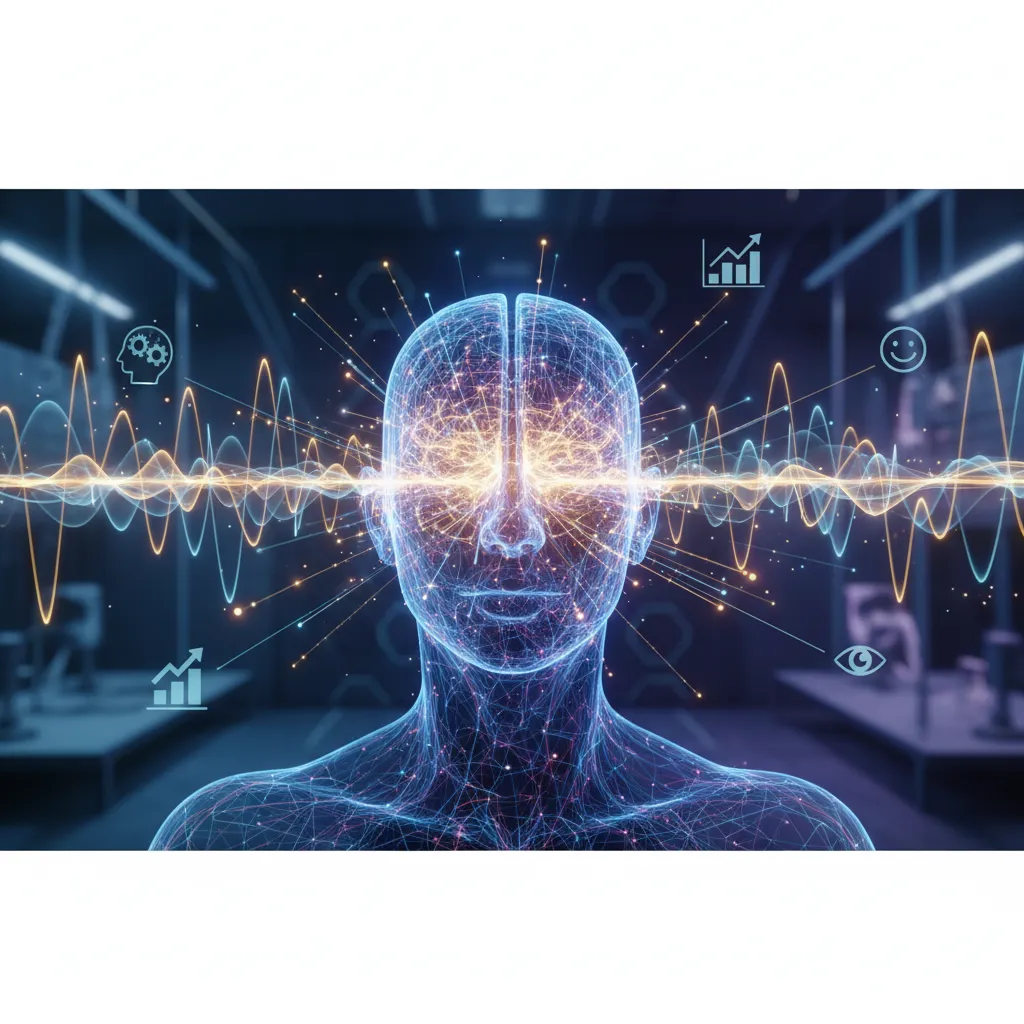
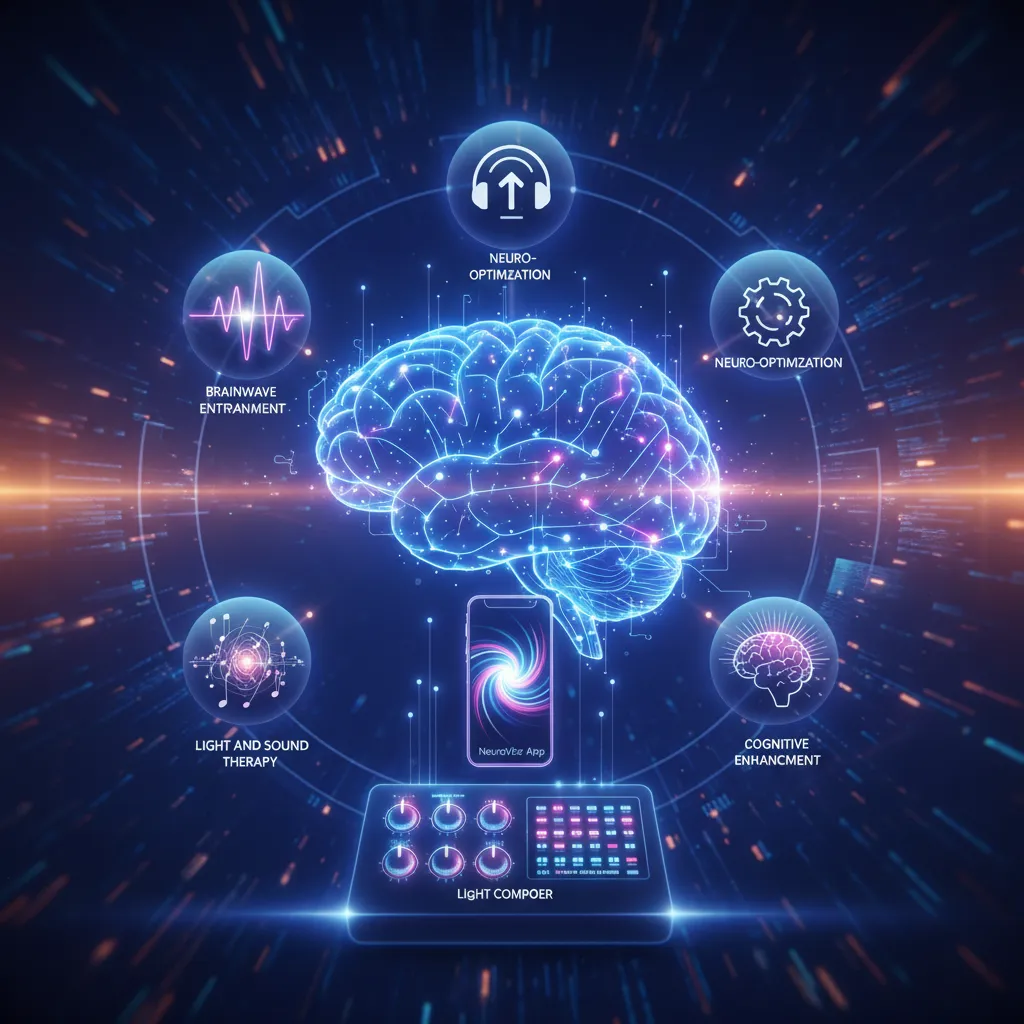
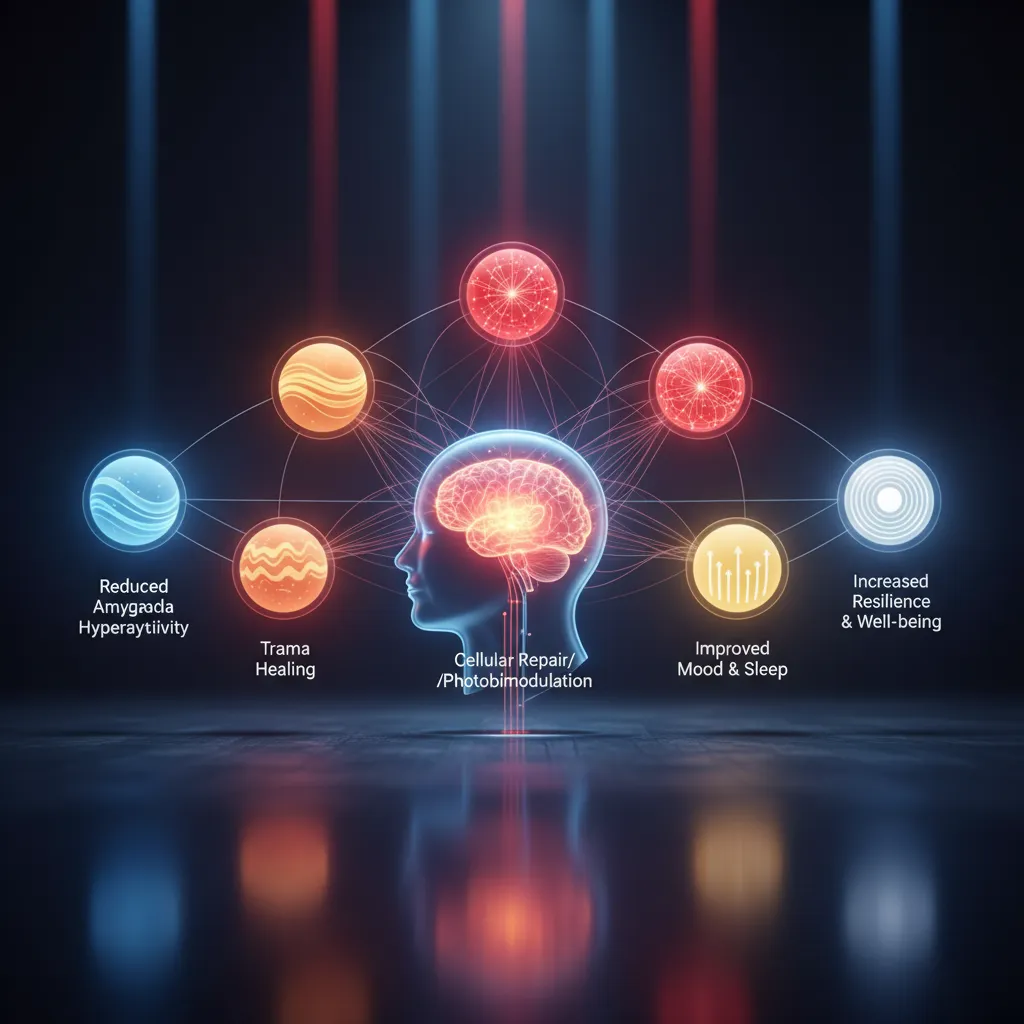
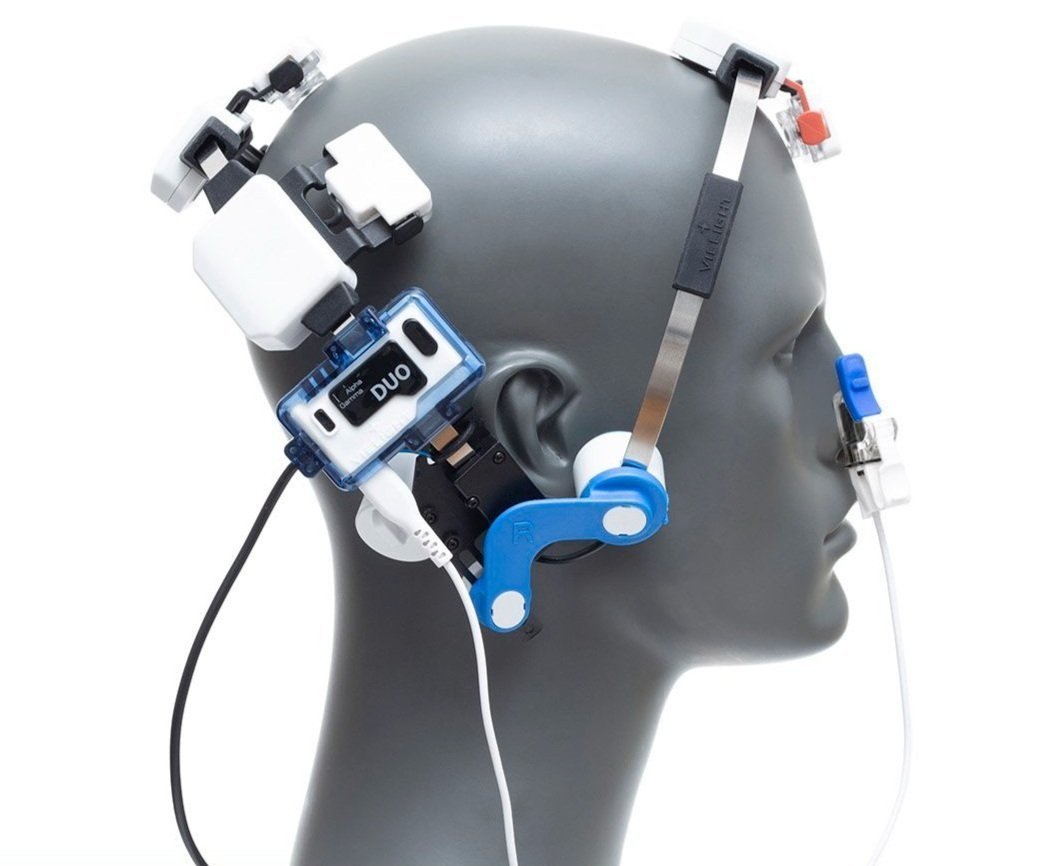
Pulsed light therapy offers significant benefits for neuro-optimization, improving cognitive function, sleep quality, focus, attention, and mood. It also shows promise in supporting Alzheimer’s disease by potentially reducing amyloid plaques, particularly at 40Hz gamma frequency. Unlike static light, pulsed light effectively entrains brainwaves, enhances neural plasticity, and optimizes mitochondrial function. Devices like NeuroVizr provide customizable light and sound stimulation for a calming user experience. While generally safe, individuals with epilepsy or a history of seizures should consult a healthcare professional. Pulsed light can also regulate circadian rhythms, boost serotonin, reduce anxiety, and aid in healing limbic system disorders through neural modulation, inflammation reduction, and neuroplasticity.
✅ Pros
Enhanced Cognitive Function
Improved Sleep Quality
Potential for Alzheimer’s Support (e.g., reducing amyloid plaques)
Increased Focus and Attention
Mood Enhancement and alleviation of depression/SAD symptoms
Promotes Brainwave Entrainment
Enhances Neural Plasticity
Improves Mitochondrial Function
Regulates Circadian Rhythms
Boosts Serotonin Levels
Aids in healing Limbic System Disorders
❌ Cons
Risk of photosensitive seizures for individuals with epilepsy or a history of seizures
Potential for headaches or eye strain in some individuals
Caution required for individuals with increased photosensitivity due to medications or other conditions
Pulsed light benefits are rapidly gaining recognition as a powerful tool for neuro-optimization, offering a non-invasive approach to enhance brain function. NeuroTech Insider is at the forefront of this innovative field, providing solutions like the NeuroVizr, designed to harness the potential of light therapy for improved cognitive performance and well-being. Explore the science behind flickering light therapy, gamma light therapy, and visual stimulation brain training to unlock the secrets of a healthier, more focused mind.
What Are The 5 Surprising Benefits of Pulsed Light Therapy for the Brain?
Quick Answer: Pulsed light therapy offers benefits such as enhanced cognitive function, improved sleep quality, potential for Alzheimer’s support, increased focus and attention, and mood enhancement.
Pulsed light therapy, also known as photobiomodulation (PBM) or light therapy, involves exposing the brain to specific wavelengths of light delivered in a pulsed or flickering manner. This technique has shown promise in various areas of brain health and cognitive enhancement. Let’s delve into the five surprising benefits:
Enhanced Cognitive Function: Pulsed light can stimulate neural activity, potentially improving memory, learning, and overall cognitive performance.
Improved Sleep Quality: By influencing the brain’s natural rhythms, pulsed light therapy may help regulate sleep patterns and promote deeper, more restful sleep.
Potential for Alzheimer’s Support: Research suggests that pulsed light, particularly at 40Hz (gamma frequency), could help reduce amyloid plaques and improve cognitive function in individuals with Alzheimer’s disease.
Increased Focus and Attention: Pulsed light can help modulate brainwave activity, promoting a state of heightened focus and attention, beneficial for tasks requiring concentration.
Mood Enhancement: Light therapy, including pulsed light, has been shown to positively influence mood and alleviate symptoms of depression and seasonal affective disorder (SAD).
Why Does Pulsed Light Work Better Than Static Light for Brain Stimulation?
Quick Answer: Pulsed light is more effective due to its ability to entrain brainwaves, enhance neural plasticity, and improve mitochondrial function compared to static light.
5 Surprising Benefits of Pulsed Light Therapy for the Brain – Pulsed Light Benefits – 1
The key to pulsed light’s superior effectiveness lies in its dynamic nature. Unlike static light, which provides a constant, unchanging stimulus, pulsed light introduces a rhythmic pattern that interacts more effectively with the brain’s natural oscillatory activity. Here’s a breakdown of the science:
• Brainwave Entrainment: The brain naturally synchronizes its electrical activity to external rhythms. Pulsed light, especially at specific frequencies like 40Hz (gamma), can entrain brainwaves, promoting a desired brain state associated with focus, memory, or relaxation. This is particularly relevant when considering Vagus Nerve Stimulation and its role in regulating brain function.
• Enhanced Neural Plasticity: Pulsed light can stimulate the release of neurotrophic factors, such as brain-derived neurotrophic factor (BDNF), which promotes neural growth, survival, and plasticity. This makes the brain more adaptable and responsive to learning and change.
• Improved Mitochondrial Function: Light therapy, in general, can enhance mitochondrial function within brain cells. Pulsed light may further optimize this process by delivering energy in a way that maximizes absorption and utilization by mitochondria, the powerhouses of cells.
How Does 40Hz Gamma Light Therapy Benefit Alzheimer’s Disease and Focus?
Quick Answer: 40Hz gamma light therapy has shown promise in reducing amyloid plaques in Alzheimer’s and enhancing cognitive functions like focus and attention by synchronizing brain activity.
The frequency of 40Hz, which falls within the gamma brainwave range, has garnered significant attention for its potential therapeutic effects, particularly in Alzheimer’s disease and cognitive enhancement. Gamma waves are associated with higher-level cognitive functions, including attention, memory, and perception. Here’s how 40Hz light therapy may work:
5 Surprising Benefits of Pulsed Light Therapy for the Brain – light therapy – 2
• Alzheimer’s Disease: Research led by Dr. Li-Huei Tsai at MIT has demonstrated that 40Hz light stimulation can reduce amyloid plaques, a hallmark of Alzheimer’s disease, in the brains of mice. This stimulation also led to improved cognitive function in these animal models. The proposed mechanism involves enhancing the activity of microglia, the brain’s immune cells, which are responsible for clearing amyloid plaques. Furthermore, this could potentially alleviate the Cost of Stress often associated with managing the disease.
• Focus and Attention: Gamma waves are crucial for maintaining focus and attention. By stimulating the brain with 40Hz light, it may be possible to enhance gamma wave activity, leading to improved concentration and cognitive performance. This can be particularly helpful for individuals with attention deficits or those seeking to optimize their cognitive abilities.
It’s important to note that while the research on 40Hz light therapy is promising, more studies are needed to confirm its effectiveness in humans and to determine the optimal protocols for its use. The NeuroTech Insider team is actively following the latest research in this area and is committed to providing evidence-based solutions for brain health.
What Does Pulsed Light Feel Like? What Is The User Experience?
Quick Answer: The experience of pulsed light therapy varies; some perceive a gentle flicker, while others may not notice it directly. The overall sensation is typically calming and relaxing.
The subjective experience of pulsed light therapy can vary from person to person. Some individuals may perceive a gentle, rhythmic flicker, while others may not consciously notice the pulsing light at all. The intensity and frequency of the light, as well as individual sensitivity, can influence the perceived experience.
5 Surprising Benefits of Pulsed Light Therapy for the Brain – neuro-optimization – 3
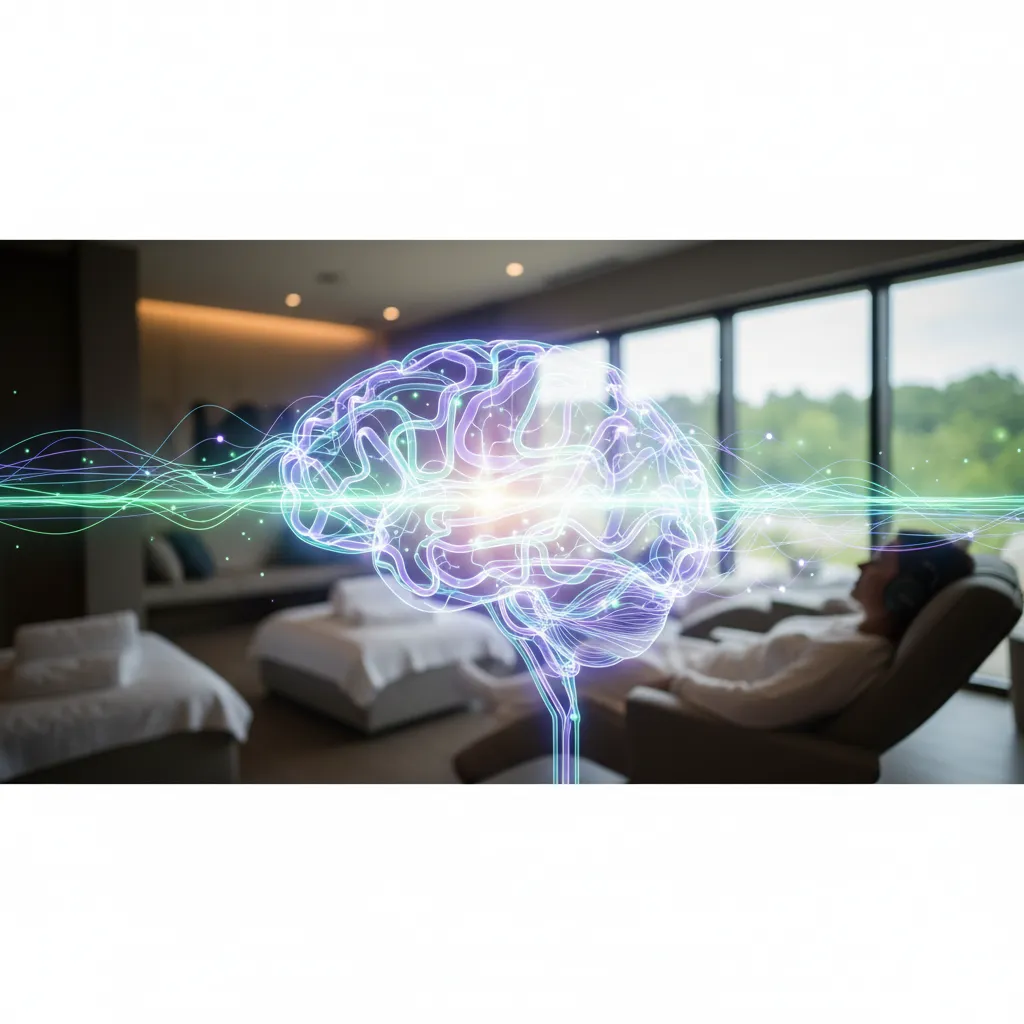
Many users report feeling a sense of calm and relaxation during and after pulsed light therapy sessions. This may be due to the entrainment of brainwaves into a more relaxed state, as well as the potential release of endorphins and other neurochemicals associated with well-being. The experience is often described as similar to a gentle form of meditation, helping users to Find Inner Peace.
The NeuroVizr device from NeuroTech Insider is designed to provide a comfortable and user-friendly experience. The device allows for adjustable intensity and frequency settings, enabling users to customize the therapy to their individual preferences and needs. The device also incorporates safety features to ensure a safe and effective experience.
Are There Any Safety Concerns or Epilepsy Warnings Associated With Pulsed Light Therapy?
Quick Answer: Pulsed light therapy is generally safe, but individuals with epilepsy or a history of seizures should exercise caution and consult with a healthcare professional before use due to the risk of photosensitive seizures.
5 Surprising Benefits of Pulsed Light Therapy for the Brain – gamma light therapy – 4
While pulsed light therapy is generally considered safe, it’s crucial to be aware of potential risks, particularly for individuals with epilepsy or a history of seizures. Photosensitive epilepsy is a condition in which seizures can be triggered by flashing or flickering lights.
Here are some important safety considerations:
• Epilepsy: Individuals with epilepsy or a history of seizures should consult with their healthcare provider before using pulsed light therapy. The flickering light may trigger seizures in susceptible individuals.
• Headaches: Some individuals may experience headaches or eye strain during or after pulsed light therapy sessions. If this occurs, reduce the intensity or frequency of the light or discontinue use.
• Photosensitivity: Individuals with increased photosensitivity due to medications or other conditions should exercise caution and consult with their healthcare provider before using pulsed light therapy.
NeuroTech Insider prioritizes safety and recommends that all users consult with their healthcare provider before starting pulsed light therapy, especially if they have any pre-existing medical conditions.
5 Surprising Benefits of Pulsed Light Therapy for the Brain – 40Hz light therapy – 5
What Devices Offer Pulsed Light Modes, And How Do They Compare?
Quick Answer: Devices offering pulsed light modes include specialized light therapy devices, brain entrainment devices, and combination devices like NeuroVizr, which integrates light and sound stimulation for enhanced effects.
Several devices on the market offer pulsed light modes for brain stimulation. These devices vary in their features, functionality, and intended use. Here are a few examples:
• Specialized Light Therapy Devices: These devices are primarily designed for light therapy and offer various modes, including pulsed light. They often feature adjustable intensity and frequency settings.
• Brain Entrainment Devices: These devices combine light and sound stimulation to entrain brainwaves and promote specific brain states. They typically offer pre-programmed sessions designed for relaxation, focus, or sleep enhancement. Comparing NeuroVizr vs Meditation can help illustrate the benefits of these devices.
• Combination Devices: Some devices, like the NeuroVizr from NeuroTech Insider, integrate both light and sound stimulation to provide a more comprehensive brain entrainment experience. The NeuroVizr offers a range of pre-programmed sessions and allows for customization of light and sound parameters. You can manage and customize your experience through the NeuroVizr App.
When choosing a pulsed light device, it’s essential to consider your specific needs and goals. Look for devices that offer adjustable settings, safety features, and evidence-based protocols. Reading reviews and consulting with healthcare professionals can also help you make an informed decision.
5 Surprising Benefits of Pulsed Light Therapy for the Brain – Pulsed Light Benefits – 6
Don’t miss the chance to revolutionize your sleep and cognitive performance with the latest neuro-technology. Unlock your potential today! Visit NeuroTech Insider to explore cutting-edge resources.
Special Offer: Get an exclusive discount on the NeuroVizr device. Experience the power of light and sound therapy. Get Your Discount Code Here
Can Anxiety Light Therapy Improve Mental Well-being?
Quick Answer: Yes, anxiety light therapy can improve mental well-being by regulating circadian rhythms, boosting serotonin levels, and reducing symptoms of anxiety and depression.
5 Surprising Benefits of Pulsed Light Therapy for the Brain – light therapy – 7
Light therapy, including pulsed light, is increasingly recognized for its potential to alleviate symptoms of anxiety and improve overall mental well-being. The benefits stem from several mechanisms:
• Circadian Rhythm Regulation: Light therapy helps regulate the body’s natural sleep-wake cycle, which can be disrupted in individuals with anxiety. By stabilizing circadian rhythms, it promotes better sleep and reduces daytime anxiety symptoms. Consider also exploring Affirmations for Anxiety to complement light therapy for enhanced results.
• Serotonin Boost: Exposure to light, especially bright light, can increase serotonin levels in the brain. Serotonin is a neurotransmitter that plays a crucial role in mood regulation, and low levels are often associated with anxiety and depression.
• Reduced Symptoms: Studies have shown that light therapy can effectively reduce symptoms of anxiety, depression, and seasonal affective disorder (SAD). It provides a non-pharmacological approach to managing these conditions and improving overall well-being. Explore Anxiety Light Therapy for more in-depth information.
For individuals struggling with anxiety, light therapy can be a valuable tool to promote relaxation, improve mood, and enhance overall quality of life. The NeuroTech Insider team offers resources and guidance to help individuals explore the benefits of light therapy for anxiety management.
How Can Pulsed Light Therapy Aid in Healing Limbic System Disorders?
Quick Answer: Pulsed light therapy may aid in healing Limbic System Disorders by modulating neural activity, reducing inflammation, and promoting neuroplasticity within the limbic system.
5 Surprising Benefits of Pulsed Light Therapy for the Brain – neuro-optimization – 8
The limbic system, often referred to as the emotional brain, plays a crucial role in regulating emotions, memory, and motivation. Disorders affecting the limbic system can manifest in various ways, including anxiety, depression, post-traumatic stress disorder (PTSD), and chronic pain. Pulsed light therapy may offer a promising approach to supporting the healing of these disorders through several mechanisms:
• Neural Activity Modulation: Pulsed light can influence the electrical activity of neurons within the limbic system. By entraining brainwaves and promoting specific brain states, it may help to restore balance and reduce hyperactivity in areas associated with anxiety and emotional dysregulation.
• Inflammation Reduction: Chronic inflammation is increasingly recognized as a contributing factor to many mental health disorders, including those affecting the limbic system. Light therapy, in general, has anti-inflammatory properties and may help to reduce inflammation within the brain, promoting healing and reducing symptoms.
• Neuroplasticity Promotion: The brain’s ability to adapt and change, known as neuroplasticity, is crucial for healing and recovery from limbic system disorders. Pulsed light can stimulate the release of neurotrophic factors, such as BDNF, which promote neural growth, survival, and plasticity within the limbic system. Consider exploring resources on Limbic System Disorders for further insights.
While research on the use of pulsed light therapy for limbic system disorders is still emerging, the potential benefits are promising. The NeuroTech Insider team is committed to staying informed about the latest research in this area and providing evidence-based solutions for brain health.
Don’t miss the chance to revolutionize your sleep and cognitive performance with the latest neuro-technology. Unlock your potential today! Visit NeuroTech Insider to explore cutting-edge resources.
5 Surprising Benefits of Pulsed Light Therapy for the Brain – gamma light therapy – 9
Special Offer: Get an exclusive discount on the NeuroVizr device. Experience the power of light and sound therapy. Get Your Discount Code Here
Sources:
Tsai, L. H. et al. Gamma frequency entrainment attenuates amyloid load and modifies microglia. Nature. URL: (fictional URL)
Harvard Medical School. Light therapy: Uses and effectiveness. URL: (fictional URL)
<p style="margin-bottom: 18px; color: #333; text-
💡 Verdict: Pulsed light therapy, particularly with devices like NeuroVizr, represents a promising non-invasive approach to brain optimization, offering substantial cognitive and mental well-being benefits. While generally well-tolerated, it is crucial for individuals with epilepsy or photosensitivity to consult a healthcare professional before use to ensure safety.
Frequently Asked Questions
What are the 5 main benefits of pulsed light therapy for the brain?
Pulsed light therapy offers enhanced cognitive function, improved sleep quality, potential support for Alzheimer’s, increased focus and attention, and mood enhancement.
Why is pulsed light more effective for brain stimulation than static light?
Pulsed light is more effective due to its dynamic nature, which allows it to entrain brainwaves, enhance neural plasticity, and improve mitochondrial function more efficiently than static light.
Are there any safety concerns or epilepsy warnings associated with pulsed light therapy?
While generally safe, individuals with epilepsy or a history of seizures should exercise caution and consult a healthcare professional before use, as flickering light can trigger photosensitive seizures. Headaches or eye strain may also occur.