

Key Takeaways
✅ Pros
- Provides immediate and practical grounding techniques for acute dissociative episodes.
- Explains the neurological basis of dissociation, offering a deeper understanding.
- Offers a holistic approach, combining self-help with lifestyle changes and professional treatments.
- Techniques are largely accessible and can be practiced anywhere.
- Emphasizes proactive prevention and long-term resilience building.
❌ Cons
- Immediate techniques may not address underlying chronic dissociation without professional support.
- Consistent effort and practice are required for long-term effectiveness.
- Some techniques might be challenging for individuals in severe dissociative states.
- Relies on self-awareness, which can be difficult during dissociative episodes.
Stop Dissociating Fast: 5 Grounding Techniques for Immediate Relief
Stopping dissociation rapidly involves effective grounding techniques that reconnect you to the present moment, offering immediate relief from feelings of detachment or unreality. NeuroTech Insider provides scientifically-backed strategies to help you navigate these experiences, fostering mental clarity and emotional regulation.
What Are the 5 Grounding Techniques to Stop Dissociating Fast?
Quick Answer: The five grounding techniques to stop dissociating rapidly include the 5-4-3-2-1 Sensory Method, Deep Diaphragmatic Breathing, Physical Object Focus, Mindful Movement, and Temperature Stimulation, all designed to anchor your awareness firmly in the present reality.
When you experience dissociation, a sense of unreality or emotional numbness can take over, making it challenging to feel connected to your surroundings or even yourself. These experiences, often a response to overwhelming stress or trauma, can be effectively managed with immediate grounding techniques. Research indicates that engaging the senses can swiftly re-establish a link between mind and body, pulling you back into the present. For instance, a study published in the Journal of Clinical Psychology highlighted the efficacy of sensory-based interventions in reducing acute dissociative symptoms by up to 60% within minutes for individuals with trauma-related conditions.
How Can the 5-4-3-2-1 Sensory Technique Help You Reconnect?
Quick Answer: The 5-4-3-2-1 technique engages all five senses sequentially, systematically drawing your attention away from internal distress and firmly into your immediate physical environment, thereby breaking the cycle of dissociation.
The 5-4-3-2-1 method is a cornerstone of grounding techniques, widely recommended for its simplicity and effectiveness in bringing individuals back to the present. It directly targets the brain’s ability to process external stimuli, diverting neural resources from internal rumination or derealization. This method is particularly useful for managing anxiety relief and states of depersonalization.
Step-by-step application:
- • 5 Things You Can See: Look around and name five distinct objects you can clearly observe. Focus on their details—colors, shapes, textures. For example, the pattern on a curtain, the gleam of a metal lamp, the intricate design of a pen. This visual focus engages the occipital lobe, shifting attention from internal thoughts.
- • 4 Things You Can Feel: Pay attention to four physical sensations. This could be the fabric of your clothes against your skin, the solid ground beneath your feet, the warmth of a mug in your hand, or the texture of your chair. Tactile input activates the somatosensory cortex, reinforcing bodily presence.
- • 3 Things You Can Hear: Listen intently for three distinct sounds, both near and far. The hum of a computer, birds chirping outside, distant traffic, or your own breathing. Auditory processing helps to orient you within your environment.
- • 2 Things You Can Smell: Identify two smells in your environment. This might be challenging, but even subtle scents like your detergent, a lingering coffee aroma, or fresh air can be noticed. Olfactory input has a direct link to the limbic system, which processes emotions and memory, making it a powerful anchor.
- • 1 Thing You Can Taste: Notice one taste in your mouth, even if it is just the residual taste from your last drink or meal, or the simple taste of saliva. If possible, have a strong-flavored mint or piece of candy ready for this step.
This systematic engagement of sensory pathways provides a robust mental anchor, effectively shifting focus away from internal distress and back to the tangible world. Consistent practice can reduce the intensity and duration of dissociative episodes, promoting a greater sense of Conscious Focus.
Why Is Deep Diaphragmatic Breathing a Powerful Grounding Tool?
Quick Answer: Deep diaphragmatic breathing directly activates the parasympathetic nervous system via the vagus nerve, reducing physiological arousal and anxiety, thereby facilitating a return to a grounded and calm state.
Often referred to as belly breathing, diaphragmatic breathing is a potent technique for regulating the body’s stress response. When experiencing dissociation, the sympathetic nervous system is often overactive, contributing to feelings of panic or detachment. Deep breathing techniques help to counteract this by stimulating the Vagus Nerve Stimulation, which is crucial for emotional regulation and relaxation. A study in Frontiers in Psychology demonstrated that slow, deep breathing significantly increases heart rate variability, a marker of parasympathetic activity, leading to reduced stress and enhanced emotional control.

How to practice:
- • Find a comfortable position: Sit or lie down. Place one hand on your chest and the other on your abdomen, just below your rib cage.
- • Inhale slowly and deeply: Breathe in through your nose for a count of four, feeling your abdomen rise. Your chest should remain relatively still.
- • Hold your breath: Gently hold your breath for a count of two.
- • Exhale slowly: Exhale slowly through pursed lips for a count of six, feeling your abdomen fall.
- • Repeat: Continue this cycle for 5-10 minutes.
This controlled breathing pattern sends signals to your brain that you are safe, allowing your nervous system to calm down and bringing your awareness back to your body and surroundings. It’s a fundamental mindfulness exercise.
How Can Focusing on a Physical Object Help You Ground Yourself?
Quick Answer: Concentrating intently on the sensory details of a single physical object provides a concrete anchor for your attention, pulling your mind away from dissociative thoughts and into the tangible reality of the present moment.
This technique, a form of focused attention, is highly effective for derealization cure and feelings of unreality. By channeling all your sensory input into one specific item, you create a powerful mental block against dissociative thoughts. This practice is rooted in mindfulness exercises, encouraging a present-moment awareness.
Practical steps:
- • Choose an object: Select any readily available object—a pen, a key, a plant, a piece of jewelry. It should be something you can hold or observe closely.
-
• Engage your senses:
- – Sight: Observe its color, shape, size, any patterns, imperfections, or reflections.
- – Touch: Feel its texture (smooth, rough, cool, warm), its weight, and how it fits in your hand.
- – Smell: Does it have a scent, however faint?
- – Sound: Does it make any sound when you handle it?
- • Describe it internally: Mentally describe the object in detail, as if you were explaining it to someone who has never seen it before.
This exercise redirects cognitive energy from internal chaos to external, verifiable reality. The intense focus required helps to anchor your consciousness, reducing feelings of detachment and promoting a sense of being present.
What Role Does Mindful Movement Play in Halting Dissociation?
Quick Answer: Mindful movement, such as walking or stretching, re-establishes a strong mind-body connection by focusing awareness on kinesthetic sensations, counteracting the disconnect characteristic of dissociation and promoting embodied presence.
Dissociation often involves a disconnect from the physical body. Engaging in mindful movement helps to bridge this gap, bringing awareness back to bodily sensations. This is particularly effective because movement activates different parts of the brain, including the motor cortex and cerebellum, forcing a shift in mental focus. For individuals seeking how to stop dissociation, intentional movement can be a powerful tool.

Simple mindful movements:
- • Mindful Walking: If safe, stand up and take a slow walk. Focus intensely on the sensation of your feet hitting the ground, the movement of your legs, and the swing of your arms. Notice the weight shift with each step. Feel the air against your skin. This technique is often used in trauma-informed care to help reintegrate bodily awareness.
- • Stretching: Perform gentle stretches, paying close attention to the feeling of your muscles extending and contracting. Notice any tension and the release as you stretch. This direct physical feedback helps anchor you in your body.
- • Clapping or Tapping: Clap your hands together firmly or tap your feet on the floor, focusing on the sound and the physical sensation of the impact. This creates a strong, immediate sensory input.
These movements serve as a direct bridge back to physical reality, offering a proactive approach to managing detachment and promoting a feeling of being fully present.
How Can Temperature Stimulation Provide Immediate Grounding?
Quick Answer: Temperature stimulation, particularly through extreme sensations like cold water or ice, provides a strong, undeniable physical sensation that immediately snaps the mind back into the present, interrupting dissociative patterns.
Temperature can be a surprisingly effective grounding technique due to its direct and undeniable impact on our sensory system. Sudden changes in temperature can trigger physiological responses that help to regulate the nervous system, drawing attention away from internal distress and into the immediate physical experience. This method is often utilized in dialectical behavior therapy (DBT) for emotional regulation and managing intense distress.
Methods of temperature stimulation:
- • Ice Cube Hold: Hold an ice cube in your hand, focusing intensely on the sensation of the cold melting. Notice the tingling, the numbing, and the water dripping. This can be a very powerful, quick way to bring you back.
- • Cold Water Splash: Splash cold water on your face or wrists. The sudden shock can be remarkably effective in resetting your focus and reducing feelings of unreality. This activates the diving reflex, slowing heart rate and calming the body.
- • Hot/Cold Pack: Apply a hot or cold pack to your neck or chest. The distinct sensation provides a strong anchor for your awareness, helping to Find Inner Peace and stability.
These techniques offer an immediate, tangible connection to the physical world, disrupting the cycle of dissociation and helping you feel more anchored and real.
Why Does the Brain Dissociate: Understanding its Neurological Basis?
Quick Answer: The brain dissociates primarily as an adaptive defense mechanism in response to overwhelming stress or trauma, involving complex neurological processes that temporarily disconnect an individual from distressing thoughts, feelings, or external reality.
Dissociation is a complex neurobiological phenomenon, not merely a psychological coping strategy. It is the brain’s attempt to protect itself from overwhelming emotional or physical pain, often stemming from trauma, chronic stress, or severe anxiety. When the brain perceives a threat it cannot escape, it may activate a dissociative state to create a mental distance from the distress.

What Are the Neurological Mechanisms Behind Dissociation?
Quick Answer: Neurologically, dissociation involves altered activity in key brain regions like the prefrontal cortex (PFC), amygdala, and hippocampus, leading to impaired emotional processing, memory fragmentation, and a diminished sense of self or reality.
Brain imaging studies using fMRI have provided significant insights into the neural correlates of dissociation. Key areas involved include:
- • Prefrontal Cortex (PFC): This area, responsible for executive functions, self-awareness, and emotional regulation, often shows decreased activity during dissociative states. This reduction can lead to impaired reality testing and a feeling of detachment.
- • Amygdala: The amygdala, central to processing emotions like fear and anxiety, can show either heightened or blunted responses. In some dissociative states, there is a blunting of emotional response, which reduces the perceived intensity of distressing stimuli, leading to emotional numbness.
- • Hippocampus: Critical for memory formation and contextual processing, the hippocampus can be affected, leading to fragmented memories or a sense of derealization where surroundings feel unreal. Chronic stress and trauma can lead to volume reduction in this area.
- • Disrupted Connectivity: There is often a disruption in the functional connectivity between these regions, particularly between the Limbic System Disorders (emotional processing) and the cortical areas (cognitive control). This disconnect contributes to the subjective experience of dissociation.
This intricate interplay of brain regions highlights dissociation as a complex survival mechanism. Understanding these underlying processes helps in developing targeted interventions for how to stop dissociation.
What Lifestyle Changes Can Help Prevent Dissociative Episodes?
Quick Answer: Preventing dissociative episodes involves proactive lifestyle adjustments focused on consistent stress management, robust sleep hygiene, balanced nutrition, and regular physical activity, all of which stabilize the nervous system and foster resilience.
While immediate grounding techniques are crucial for acute episodes, long-term prevention of dissociation relies on creating a stable physiological and psychological environment. Lifestyle changes are powerful tools for reducing triggers and building resilience against stress and trauma, thereby minimizing the brain’s need to dissociate. These strategies aim for holistic neuro-optimization.
How Do Sleep and Stress Management Impact Dissociation?
Quick Answer: Adequate, restorative sleep and effective stress management are foundational for preventing dissociation by regulating brain chemistry, enhancing emotional resilience, and reducing the nervous system’s overall reactivity to potential triggers.
Chronic sleep deprivation and unmanaged stress significantly heighten the risk of dissociative episodes. When the body is sleep-deprived, the amygdala becomes hyperactive, increasing emotional reactivity and making the brain more prone to stress responses, including dissociation. Similarly, persistent stress elevates cortisol levels, which can impair prefrontal cortex function and contribute to feelings of detachment.
Strategies for prevention:
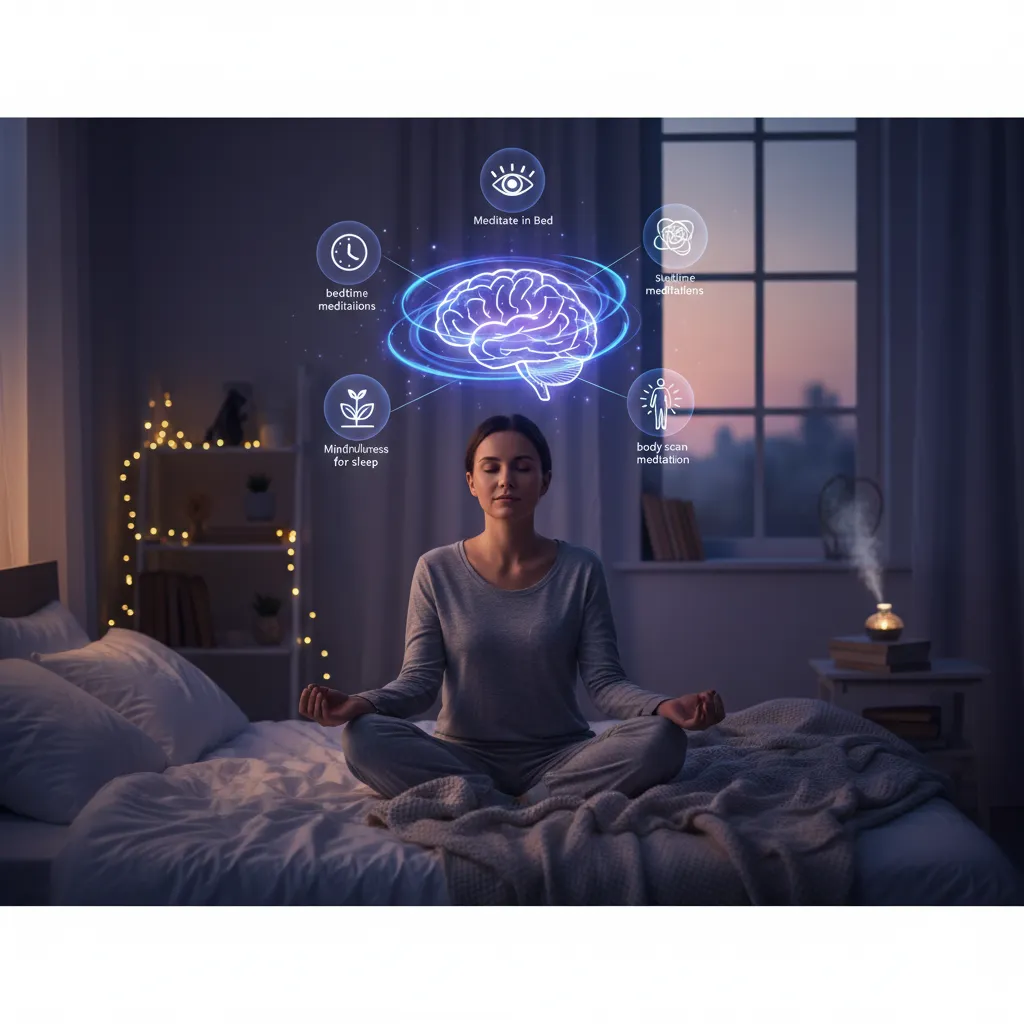
- • Prioritize Sleep Hygiene: Aim for 7-9 hours of quality sleep per night. Establish a consistent sleep schedule, create a calming bedtime routine, and ensure your sleep environment is dark, quiet, and cool. Optimizing sleep is a key component of neuro-optimization, enhancing cognitive function and emotional stability.
- • Implement Stress Reduction Techniques: Incorporate daily practices such as mindfulness meditation, yoga, or spending time in nature. Even 15-20 minutes of these activities can significantly lower stress hormones and promote relaxation. Techniques like Affirmations for Anxiety can also build mental resilience.
- • Balanced Nutrition: A diet rich in whole foods, omega-3 fatty acids, and essential vitamins supports brain health and neurotransmitter balance, which is vital for mood regulation and cognitive stability.
- • Regular Physical Activity: Exercise is a powerful natural antidepressant and anxiolytic. It releases endorphins, reduces stress, and improves sleep quality, all contributing to a more grounded state. Aim for at least 30 minutes of moderate exercise most days of the week.
By proactively managing these lifestyle factors, individuals can significantly reduce their vulnerability to dissociative episodes and foster a stronger sense of connection to themselves and their environment.
What Professional Treatments Are Effective for Dissociation?
Quick Answer: Effective professional treatments for dissociation often include trauma-informed therapies such as Cognitive Behavioral Therapy (CBT), Eye Movement Desensitization and Reprocessing (EMDR), and Somatic Experiencing, which help process underlying trauma and develop coping mechanisms.
While self-help techniques are invaluable, persistent or severe dissociation often benefits from professional intervention. Therapies specifically designed to address trauma and its effects can help individuals understand the roots of their dissociation and develop healthier coping strategies. The goal of these therapies is to integrate fragmented experiences and foster a coherent sense of self and reality.
Which Therapeutic Approaches Best Address Dissociative Experiences?
Quick Answer: Cognitive Behavioral Therapy (CBT) helps challenge dissociative thought patterns, Eye Movement Desensitization and Reprocessing (EMDR) processes traumatic memories, and Somatic Experiencing focuses on releasing trauma stored in the body, all contributing to greater integration and reduced dissociation.
The choice of therapy depends on the individual’s specific needs and the underlying causes of their dissociation. Here are some of the most effective approaches:
| Therapy Type | Primary Focus | Mechanism for Dissociation |
|---|---|---|
| Cognitive Behavioral Therapy (CBT) | Identifying and challenging negative thought patterns and behaviors. | Helps individuals recognize dissociative triggers and develop coping strategies, improving reality testing. |
| Eye Movement Desensitization and Reprocessing (EMDR) | Processing traumatic memories and reducing their emotional impact. | Facilitates the integration of distressing memories, reducing the need for the brain to dissociate. Highly effective for PTSD-related dissociation. |
| Somatic Experiencing (SE) | Releasing trauma stored in the body and regulating the nervous system. | Helps individuals reconnect with their bodily sensations and complete the physiological stress response cycle, enhancing grounding. |
| Dialectical Behavior Therapy (DBT) | Enhancing emotional regulation, distress tolerance, and interpersonal effectiveness. | Provides concrete skills for managing overwhelming emotions and preventing dissociative coping mechanisms. |
NeuroTech Insider emphasizes the importance of a comprehensive approach to mental well-being. Devices like the NeuroVizr, which uses specific light and sound protocols, can complement traditional therapies by supporting brain health and enhancing emotional regulation. While not a standalone cure, such neuro-optimization tools can aid in creating a more stable internal environment, potentially reducing the frequency and intensity of dissociative states. For some, specialized approaches like Anxiety Light Therapy or PTSD Light Therapy might also be explored in conjunction with professional guidance.
How Can Daily Self-Care Habits Keep You Grounded and Present?
Quick Answer: Consistent daily self-care habits, including mindfulness practices, emotional expression, maintaining social connections, and creating a supportive environment, systematically build inner resilience and foster a continuous sense of being anchored in the present moment.
Self-care is not a luxury; it is a fundamental pillar for mental well-being and a powerful defense against dissociation. By intentionally integrating practices that nurture your mind, body, and spirit, you create a buffer against stress and cultivate a stronger sense of self and reality. These habits help to maintain emotional regulation and reduce the likelihood of feeling detached.

What Daily Practices Promote Sustained Grounding and Presence?
Quick Answer: Mindfulness meditation, journaling, nurturing social bonds, engaging in creative expression, and ensuring a safe and predictable daily routine are key daily practices that cultivate sustained grounding and a continuous connection to the present.
Building a routine of supportive self-care practices can significantly enhance your ability to stay grounded and present, reducing the occurrence of dissociative episodes.
- • Mindfulness Meditation: Regular mindfulness practice, even for just 10-15 minutes daily, trains your attention to stay in the present moment. This can be as simple as focusing on your breath, body sensations, or sounds around you. Resources are available to help you Meditate in Bed, making it accessible even during challenging times.
- • Journaling: Writing down your thoughts and feelings can help you process emotions, identify triggers, and gain clarity. This externalization of internal experiences can prevent them from becoming overwhelming and leading to dissociation.
- • Social Connection: Nurturing healthy relationships and spending time with supportive individuals provides a sense of belonging and reality testing. Isolation can exacerbate feelings of detachment, so proactive connection is vital.
- • Creative Expression: Engaging in creative activities like art, music, or writing can be a powerful way to express emotions and connect with your inner self, fostering a sense of integration and reducing feelings of emotional numbness.
- • Building a Safe Environment: Create a physical and emotional environment that feels safe and predictable. This might involve decluttering your space, establishing routines, or setting healthy boundaries in relationships. A sense of security reduces the brain’s need to employ dissociative defenses.
By consistently incorporating these self-care practices, you actively build resilience, enhance emotional regulation, and reinforce your connection to the present moment, making it easier to manage and how to stop dissociation effectively. NeuroTech Insider supports these efforts by offering insights into neuro-optimization, empowering you to take proactive steps towards improved cognitive and emotional health.
Frequently Asked Questions
What Are the 5 Grounding Techniques to Stop Dissociating Fast?
The five grounding techniques to stop dissociating rapidly include the 5-4-3-2-1 Sensory Method, Deep Diaphragmatic Breathing, Physical Object Focus, Mindful Movement, and Temperature Stimulation, all designed to anchor your awareness firmly in the present reality.
Why Is Deep Diaphragmatic Breathing a Powerful Grounding Tool?
Deep diaphragmatic breathing directly activates the parasympathetic nervous system via the vagus nerve, reducing physiological arousal and anxiety, thereby facilitating a return to a grounded and calm state.
What Lifestyle Changes Can Help Prevent Dissociative Episodes?
Preventing dissociative episodes involves proactive lifestyle adjustments focused on consistent stress management, robust sleep hygiene, balanced nutrition, and regular physical activity, all of which stabilize the nervous system and foster resilience.