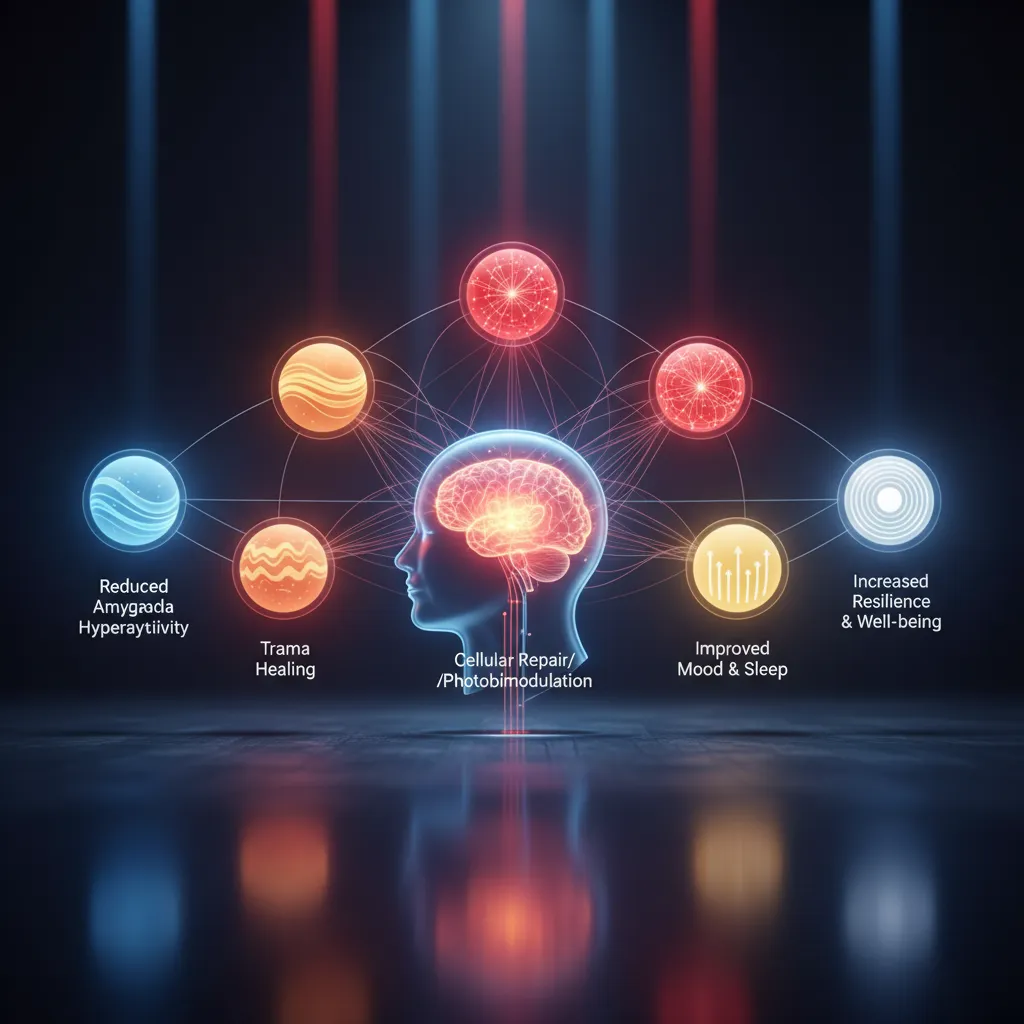
PTSD light therapy, also known as photobiomodulation (PBM), offers a promising non-invasive approach to managing trauma symptoms by calming the hyperactive fight-or-flight response. It primarily works by reducing amygdala hyperactivity, the brain’s fear center, through modulating neuronal activity and boosting cellular energy (ATP). Light therapy also enhances neuroplasticity, helping to rebuild neural pathways and improve emotional regulation. \nMethods include transcranial PBM, which directly targets brain tissue, and systemic PBM, which offers broader benefits like reduced inflammation and improved circulation throughout the body. This therapy can significantly complement traditional talk therapies like CBT and EMDR by reducing anxiety and hyperarousal, making individuals more receptive to treatment. While not a standalone cure, light therapy presents a valuable non-drug option for PTSD, particularly when integrated into a comprehensive treatment plan under professional guidance.
✅ Pros
Non-invasive treatment option
Modulates neuronal activity and boosts ATP production
Reduces amygdala hyperactivity, the brain’s fear center
Enhances neuroplasticity for improved brain function and resilience
Promotes relaxation and influences mood-regulating neurotransmitters
Can effectively complement traditional talk therapies like CBT and EMDR
Offers a non-drug alternative or adjunct for PTSD management
Systemic application can reduce inflammation and improve circulation
May contribute to improved sleep quality
❌ Cons
Not a ‘magic bullet’ and most effective when combined with other therapies
Results may vary among individuals
Requires professional consultation for a safe and effective treatment plan
Further research is ongoing to fully establish standalone efficacy and optimal protocols
PTSD Light Therapy offers a promising avenue for calming the hyperactive fight-or-flight response often associated with trauma. NeuroTech Insider is dedicated to exploring innovative approaches to neuro-optimization, and light therapy stands out as a potential non-invasive tool for managing PTSD symptoms. Explore the benefits of red light therapy for PTSD, transcranial photobiomodulation, and anxiety reduction light strategies.
How Does Light Therapy Calm the Fight-or-Flight Response in PTSD?
Quick Answer: Light therapy helps regulate the nervous system by influencing brain activity, specifically reducing the hyperactivation of the amygdala, the brain’s fear center. This, in turn, helps to calm the body’s stress response.
Post-traumatic stress disorder (PTSD) is a debilitating condition characterized by persistent anxiety, intrusive memories, nightmares, and a heightened startle response. These symptoms stem from a dysregulation of the nervous system, particularly an overactive “fight-or-flight” response. This chronic state of hyperarousal can significantly impair daily functioning and overall quality of life. Light therapy, also known as photobiomodulation (PBM), offers a promising avenue for intervention by directly influencing brain activity and promoting a state of calm.
The core mechanism behind light therapy’s calming effect lies in its ability to modulate neuronal activity. Specific wavelengths of light, typically red and near-infrared light, can penetrate the skull and interact with brain cells. This interaction stimulates the mitochondria, the powerhouses of the cell, leading to increased ATP (adenosine triphosphate) production. ATP is the primary energy currency of the cell, and boosting its production enhances cellular function and resilience. Moreover, light therapy can influence the release of neurotransmitters, such as serotonin and dopamine, which play crucial roles in mood regulation and stress response. For individuals struggling with Anxiety Light Therapy, this can bring a sense of peace and control.
Studies have shown that light therapy can effectively reduce amygdala hyperactivity, a key feature of PTSD. The amygdala is the brain region responsible for processing emotions, particularly fear and anxiety. In individuals with PTSD, the amygdala tends to be overactive, leading to exaggerated fear responses and a constant state of alert. By modulating neuronal activity in the amygdala, light therapy can help dampen these exaggerated responses and promote a sense of safety and calm. Imagine the amygdala as a car alarm that’s overly sensitive. Light therapy acts as a mechanic, adjusting the sensitivity so it only goes off when there’s a real threat, not just a passing breeze. This allows individuals to feel more grounded and less reactive to triggers.
Furthermore, light therapy has been shown to enhance neuroplasticity, the brain’s ability to reorganize itself by forming new neural connections. Trauma can disrupt neural pathways and impair cognitive function. By promoting neuroplasticity, light therapy can help rebuild these pathways and improve cognitive flexibility, emotional regulation, and overall resilience. This allows individuals to process traumatic memories in a healthier way and develop more adaptive coping mechanisms. For instance, consider exploring Ketamine Neuroplasticity options alongside light therapy, as these approaches can be complementary in fostering brain health and recovery.
Can Light Therapy Reduce Amygdala Hyperactivity in Trauma Survivors?
Quick Answer: Yes, light therapy has shown promise in reducing amygdala hyperactivity in trauma survivors. By modulating neuronal activity and promoting relaxation, it helps regulate emotional responses and decrease anxiety.
The amygdala, often referred to as the brain’s “fear center,” plays a critical role in processing emotions, particularly those related to threat and danger. In individuals with PTSD, the amygdala is often hyperactive, leading to an exaggerated fear response and a heightened sense of anxiety. This hyperactivity contributes to many of the hallmark symptoms of PTSD, including intrusive memories, nightmares, and a constant state of hypervigilance. Reducing amygdala hyperactivity is therefore a key target in PTSD treatment.
Light therapy offers a non-invasive approach to modulating amygdala activity. Studies using functional magnetic resonance imaging (fMRI) have demonstrated that light therapy can reduce blood flow and neuronal activity in the amygdala, suggesting a direct calming effect on this brain region. This reduction in amygdala hyperactivity translates to a decrease in anxiety symptoms and an improved ability to regulate emotional responses. Think of it like turning down the volume on an overly loud alarm system. Light therapy helps to quiet the amygdala’s response, allowing individuals to feel more in control of their emotions.
One proposed mechanism for this effect involves the influence of light on the Vagus Nerve Stimulation, a major nerve connecting the brain to the body. Light therapy can stimulate the vagus nerve, which in turn activates the parasympathetic nervous system, promoting relaxation and reducing stress hormones. This activation of the parasympathetic nervous system can help to counterbalance the sympathetic nervous system’s “fight-or-flight” response, leading to a more balanced and regulated emotional state. This connection is particularly important because it highlights the holistic impact of light therapy on both the brain and body.
Consider a hypothetical example: A veteran with PTSD experiences flashbacks triggered by loud noises. After undergoing a course of light therapy, fMRI scans show a decrease in amygdala activity during exposure to similar noises. The veteran reports feeling less anxious and more able to manage their emotional response. This example illustrates the potential of light therapy to directly address the neurological underpinnings of PTSD and improve quality of life. It is important to note that results can vary and further research is always ongoing.
What Are the Different Methods of Light Therapy for PTSD?
Quick Answer: Light therapy for PTSD can be administered through transcranial (directly to the head) or systemic (to the body) applications. Transcranial methods target the brain directly, while systemic methods offer broader benefits.
Light therapy, or photobiomodulation (PBM), can be delivered through various methods, each with its own advantages and considerations. The two primary approaches are transcranial and systemic application. Transcranial PBM involves directing light energy directly to the brain, while systemic PBM involves applying light to other parts of the body, indirectly influencing brain function.
How Does Transcranial Light Therapy Work?
Quick Answer: Transcranial light therapy uses devices that emit specific wavelengths of light, typically red or near-infrared, directly onto the scalp. This light penetrates the skull and interacts with brain cells.
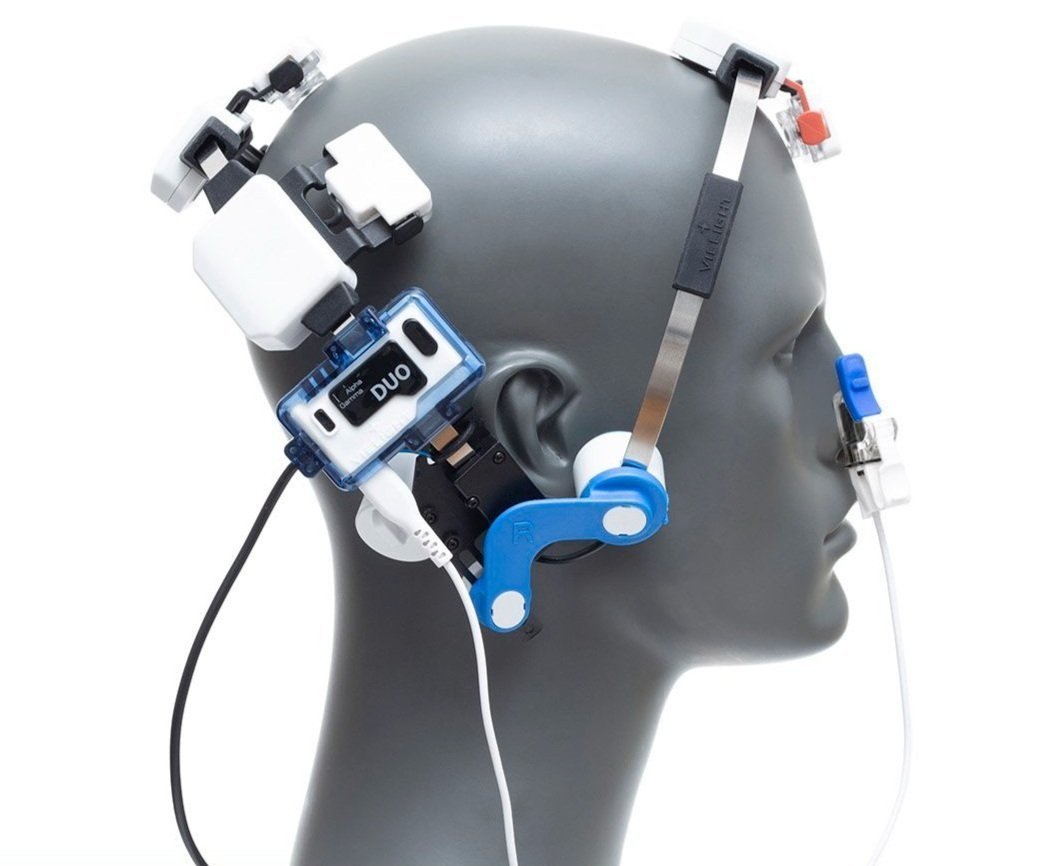
Transcranial PBM devices typically consist of a helmet or headset equipped with LED lights that emit red or near-infrared light. These wavelengths have been shown to penetrate the scalp and skull, reaching the brain tissue. Once the light reaches the brain, it interacts with mitochondria within neurons, boosting ATP production and enhancing cellular function. This direct stimulation of brain cells can lead to improved cognitive function, reduced inflammation, and enhanced neuroplasticity.
Because transcranial PBM directly targets the brain, it is often considered more effective for neurological conditions like PTSD. Studies have shown that transcranial PBM can reduce symptoms of anxiety, depression, and cognitive impairment in individuals with PTSD. One potential advantage of transcranial PBM is that it allows for targeted stimulation of specific brain regions, such as the amygdala or prefrontal cortex, potentially maximizing therapeutic effects. For example, applying light to the prefrontal cortex might help improve emotional regulation, while targeting the amygdala could directly reduce fear and anxiety responses.
What is Systemic Light Therapy and How Does it Help?
Quick Answer: Systemic light therapy involves applying light to the body, often using panels or beds of LED lights. This approach can improve circulation, reduce inflammation, and promote overall well-being.
Systemic PBM typically involves exposing large areas of the body to red or near-infrared light. This can be achieved using LED panels, light beds, or even handheld devices. While systemic PBM does not directly target the brain, it can still have beneficial effects on brain function. Light absorbed by the skin can stimulate the release of nitric oxide, a molecule that helps to dilate blood vessels and improve circulation. Improved circulation can deliver more oxygen and nutrients to the brain, supporting optimal function.
Systemic PBM can also reduce inflammation throughout the body. Chronic inflammation has been linked to a variety of health problems, including mental health disorders like PTSD. By reducing inflammation, systemic PBM can indirectly improve brain function and reduce symptoms of PTSD. Additionally, systemic PBM can promote relaxation and improve sleep quality, both of which are essential for managing PTSD symptoms. It may also help those who experience Stress Induced Vertigo.
The choice between transcranial and systemic PBM depends on individual needs and preferences. Transcranial PBM may be more effective for directly targeting brain dysfunction, while systemic PBM offers broader benefits for overall health and well-being. Some individuals may benefit from a combination of both approaches. It’s also worth noting related topics, such as Limbic System Disorders and how they relate to PTSD and the effectiveness of light therapy.
How Can Light Therapy Complement Talk Therapy for PTSD?
Quick Answer: Light therapy can enhance the effectiveness of talk therapy by calming the nervous system, reducing anxiety, and improving emotional regulation, making individuals more receptive to therapeutic interventions.
Talk therapy, such as cognitive behavioral therapy (CBT) or eye movement desensitization and reprocessing (EMDR), is a cornerstone of PTSD treatment. However, some individuals may find it difficult to fully engage in talk therapy due to the intensity of their emotional symptoms. Light therapy can serve as a valuable adjunct to talk therapy by preparing the brain and body for therapeutic work. By calming the nervous system and reducing anxiety, light therapy can make individuals more receptive to processing traumatic memories and developing coping mechanisms.
Imagine trying to have a conversation with someone who is in a state of panic. It would be nearly impossible to have a productive dialogue. Similarly, individuals with PTSD often struggle to engage in talk therapy because their brains are in a constant state of hyperarousal. Light therapy can help to lower this level of arousal, creating a more conducive environment for therapeutic work. By reducing amygdala hyperactivity and promoting relaxation, light therapy can help individuals feel safer and more grounded, allowing them to explore their traumatic experiences with less fear and anxiety.
For example, an individual undergoing EMDR therapy may find that light therapy helps them to better tolerate the process of recalling traumatic memories and reprocessing them. Light therapy can also enhance cognitive function, making it easier for individuals to understand and apply the concepts learned in CBT. In addition, if you are trying to Stop Dissociating, light therapy may help you remain present during therapy sessions.
In essence, light therapy can act as a bridge, facilitating deeper engagement and greater benefit from talk therapy. It’s not a replacement for talk therapy, but rather a powerful tool that can enhance its effectiveness. This synergistic approach combines the neurological benefits of light therapy with the psychological benefits of talk therapy, leading to more comprehensive and lasting healing for individuals with PTSD. Consider also how it might help with some of the more difficult issues like Adult Night Terrors, often associated with PTSD.
Is Light Therapy a Promising Non-Drug Option for PTSD?
Quick Answer: Yes, light therapy offers a promising non-drug option for PTSD, particularly for individuals seeking alternative treatments or those who have not responded well to traditional medications.
Many individuals with PTSD are seeking non-pharmacological approaches to managing their symptoms. Traditional medications, such as antidepressants and anti-anxiety drugs, can be effective for some, but they often come with unwanted side effects. Light therapy offers a potentially safer and more tolerable alternative or complement to medication. Because it works by modulating brain function at a cellular level, light therapy can address the underlying neurological imbalances associated with PTSD without the risk of systemic side effects.
One of the key advantages of light therapy is its non-invasiveness. Unlike medications, which can have widespread effects throughout the body, light therapy is a targeted treatment that primarily affects brain function. This makes it a particularly appealing option for individuals who are sensitive to medications or who prefer a more natural approach to healing. Additionally, light therapy can be easily integrated into existing treatment plans, making it a versatile tool for managing PTSD symptoms.
However, it is important to note that light therapy is not a magic bullet. While it can be a valuable tool for managing PTSD symptoms, it is most effective when combined with other therapies, such as talk therapy and lifestyle modifications. It is also important to consult with a healthcare professional to determine if light therapy is right for you and to develop a safe and effective treatment plan. Consider also reading a Neuradiant 1070 Review for more insights.
Light therapy represents a significant step forward in the treatment of PTSD, offering hope for a more balanced and fulfilling life. By understanding the mechanisms, methods, and complementary benefits of light therapy, individuals with PTSD can make informed decisions about their treatment options and work towards a brighter future.
Don’t miss the chance to revolutionize your sleep and cognitive performance with the latest neuro-technology. Unlock your potential today! Visit NeuroTech Insider to explore cutting-edge resources.
💡 Verdict: PTSD light therapy is a promising non-invasive adjunct or alternative for managing PTSD symptoms. By calming the nervous system, reducing amygdala hyperactivity, and promoting neuroplasticity, it can significantly enhance recovery when integrated with traditional therapies like talk therapy. Consult a healthcare professional for personalized guidance.
Frequently Asked Questions
How Does Light Therapy Calm the Fight-or-Flight Response in PTSD?
Light therapy helps regulate the nervous system by influencing brain activity, specifically reducing the hyperactivation of the amygdala, the brain’s fear center. This, in turn, helps to calm the body’s stress response.
Can Light Therapy Reduce Amygdala Hyperactivity in Trauma Survivors?
Yes, light therapy has shown promise in reducing amygdala hyperactivity in trauma survivors. By modulating neuronal activity and promoting relaxation, it helps regulate emotional responses and decrease anxiety.
What Are the Different Methods of Light Therapy for PTSD?
Light therapy for PTSD can be administered through transcranial (directly to the head) or systemic (to the body) applications. Transcranial methods target the brain directly, while systemic methods offer broader benefits.