This comprehensive guide outlines 8 essential steps for safely and effectively implementing light therapy at home. It covers understanding the science of photobiomodulation, selecting the right device based on wavelength and irradiance, creating an optimal therapy space, determining appropriate dosage and frequency, adhering to crucial safety guidelines and contraindications, enhancing sessions with mindfulness and advanced neuro-technology like NeuroVizr, and ensuring proper device maintenance for longevity. Consistent home light therapy offers profound benefits, including enhanced sleep quality, improved mood and cognitive function, accelerated physical recovery, rejuvenated skin health, and overall cellular vitality.
✅ Pros
Enhanced sleep quality and regulation of circadian rhythm.
Improved mood, reduced symptoms of seasonal affective disorder (SAD), and increased cognitive function.
Accelerated physical recovery from exercise and effective pain management.
Rejuvenated skin health through stimulation of collagen and elastin production.
Overall enhanced cellular vitality and systemic resilience against stressors.
❌ Cons
Potential side effects if safety guidelines are not consistently followed (e.g., eye strain, temporary skin irritation).
Requires consistent adherence to a regimen for optimal and lasting results.
Initial investment in quality light therapy devices can be significant.
Not suitable for individuals with certain medical conditions or those on photosensitizing medications without prior healthcare professional consultation.
Light Therapy At Home: 8 Steps To Use Safely & Effectively
Light therapy at home offers a powerful, non-invasive method to enhance well-being, optimize cognitive function, and improve sleep patterns, bringing the benefits of advanced neuro-optimization directly to your personal space. With guidance from NeuroTech Insider, you can master effective application, ensuring a transformative experience for better circadian rhythm, mood regulation, and cellular repair.
What Are The Essential 8 Steps For Safe And Effective Home Light Therapy?
Quick Answer: The 8 essential steps for safe and effective light therapy at home involve understanding the science, selecting the right device, creating an optimal therapy space, determining precise dosage and frequency, adhering to critical safety guidelines, enhancing session efficacy, and ensuring proper device maintenance.
Embarking on a journey with light therapy at home can significantly uplift your daily energy levels and cognitive performance. This comprehensive guide from NeuroTech Insider breaks down the process into eight clear, actionable steps, ensuring you harness the full potential of this powerful technology for neuro-optimization and improved well-being. Each step is designed to provide you with the knowledge and practical advice needed for a successful and beneficial experience. From understanding the underlying principles to selecting and maintaining your home devices, we cover everything you need to know.
Step 1: Why Is Understanding Light Therapy Fundamentals Crucial For Home Use?
Quick Answer: Understanding the scientific principles of light therapy, including specific wavelengths and mechanisms like photobiomodulation, is crucial to selecting appropriate home devices and applying them effectively for desired outcomes such as improved mood, sleep, and cellular health.
8 Steps to Use Light Therapy at Home Safely & Effectively – Light Therapy at Home – 1
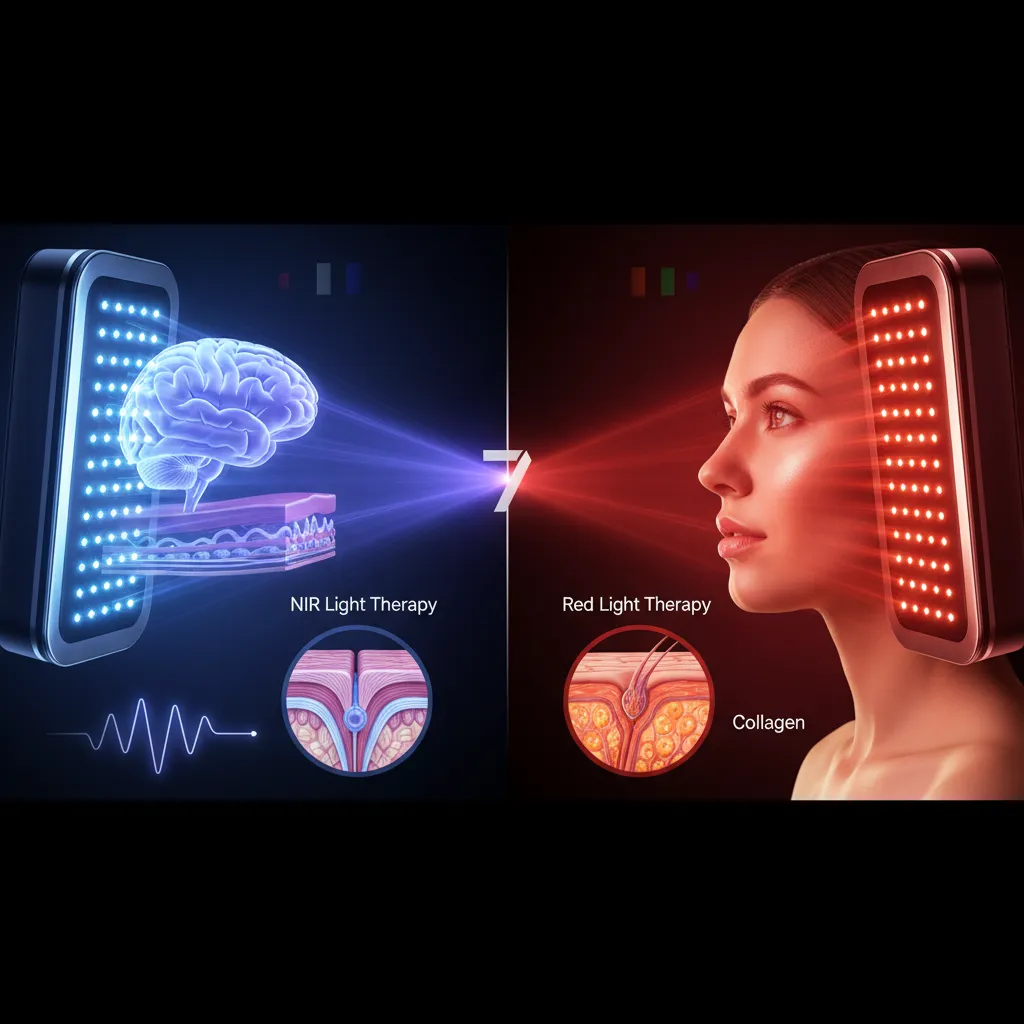
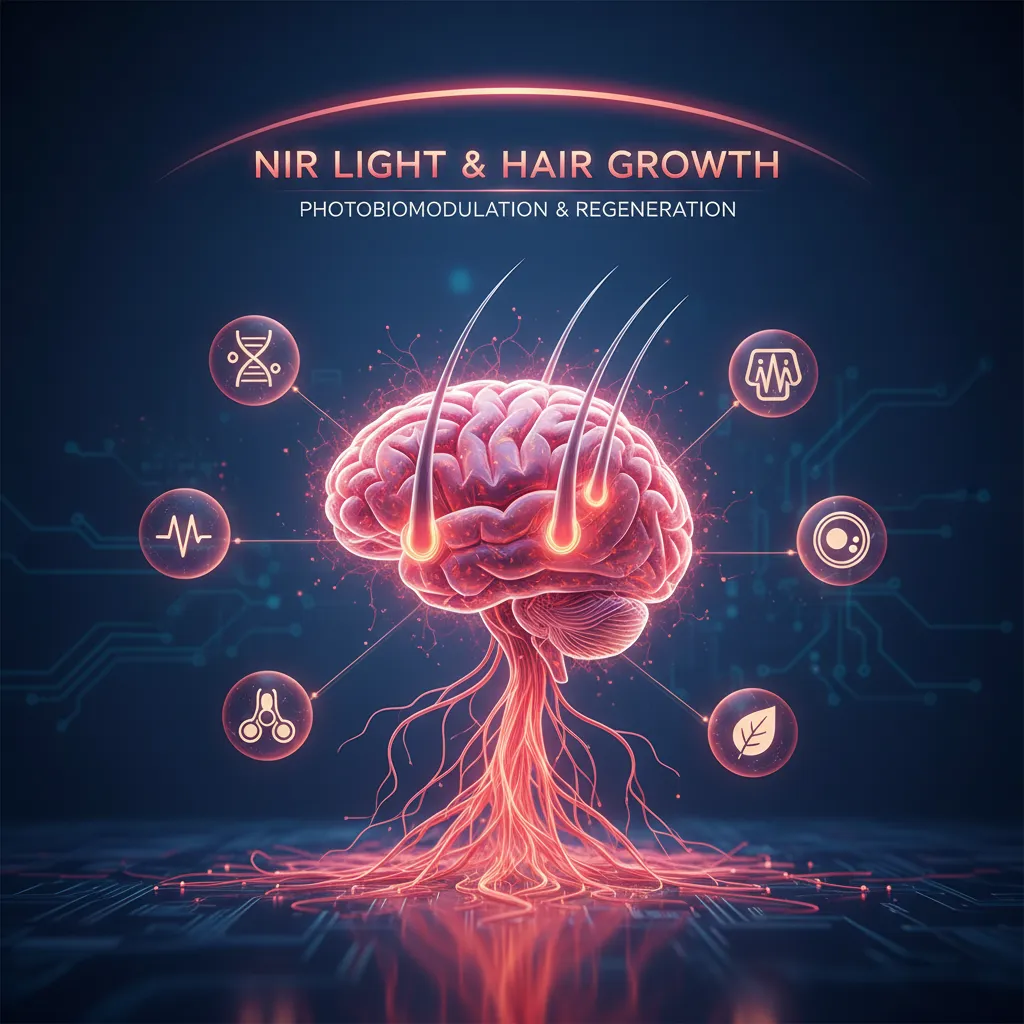
Before you begin your light therapy at home journey, a foundational understanding of its mechanisms is paramount. Light therapy, specifically photobiomodulation (PBM), involves exposing the body to specific wavelengths of light, typically red light (630-700 nm) and NIR Light Therapy (700-1100 nm). These wavelengths penetrate tissues, stimulating mitochondria within cells. This stimulation enhances ATP (adenosine triphosphate) production, vital for cellular energy, repair, and regeneration. Scientific studies, such as those published in the Journal of Biophotonics, consistently demonstrate PBM’s positive effects on inflammation reduction, pain management, tissue healing, and neurological function. For example, a 2017 review highlighted PBM’s potential in treating neurological disorders by improving mitochondrial function and reducing oxidative stress. Understanding these basics empowers you to make informed decisions about your therapy, aligning your goals with the science-backed benefits.
Step 2: How Do You Choose The Ideal Home Light Therapy Device For Your Needs?
Quick Answer: Selecting the best light therapy home devices involves evaluating wavelength, irradiance, coverage area, and specific features that align with your health goals, such as sleep enhancement, skin rejuvenation, or mood improvement.
The market for home devices for light therapy is diverse, offering options from targeted handheld devices to full-body panels and specialized neuro-optimization tools like NeuroTech Insider’s NeuroVizr. When choosing, consider these critical factors:
8 Steps to Use Light Therapy at Home Safely & Effectively – red light therapy – 2
•Irradiance (Power Density): Measured in mW/cm², this indicates the light intensity. Higher irradiance generally allows for shorter session times. For therapeutic effects, look for devices offering at least 50-100 mW/cm² at the treatment distance.
•Coverage Area: Handheld devices are ideal for targeted areas, while larger panels are better for broader applications or full-body treatments.
•Flicker-Free Operation: Essential for eye safety and reducing potential strain, especially for devices designed for neurological applications.
For cognitive and sleep enhancement, devices like NeuroTech Insider’s NeuroVizr utilize specific light and sound patterns designed to guide brainwave states, leveraging principles from NeuroVizr Science to promote relaxation, focus, or deep sleep. Always consult product specifications and user reviews when making your selection. Reviews like the FlexBeam Review can offer insights into specific device performance.
Step 3: How Can You Create An Optimal Light Therapy Space At Home?
Quick Answer: Creating an optimal therapy space at home involves choosing a quiet, comfortable, and well-ventilated area, free from distractions, where you can position your device for effective and relaxed sessions.
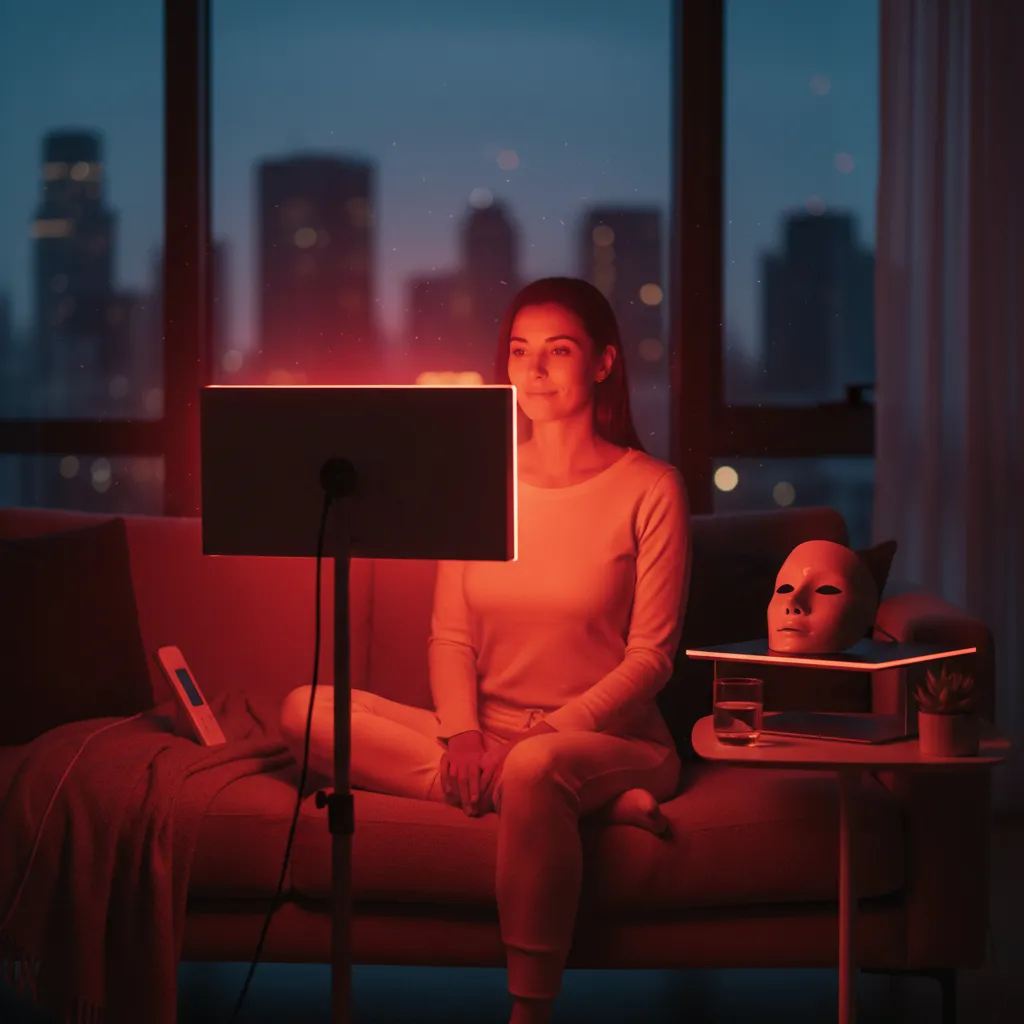
The environment in which you conduct your light therapy at home sessions plays a significant role in their overall effectiveness and your ability to relax and absorb the therapeutic light. A dedicated, comfortable space can enhance your experience and promote consistent adherence to your regimen.
8 Steps to Use Light Therapy at Home Safely & Effectively – photobiomodulation – 3
•Location: Choose a quiet room or corner where you can remain undisturbed for the duration of your session. Bedrooms, home offices, or a secluded living room area are often ideal.
•Comfort: Ensure you have a comfortable chair, bed, or mat where you can relax. The goal is to minimize physical discomfort so you can fully focus on the therapy.
•Distraction-Free Zone: Turn off or silence electronic devices, close blinds to reduce external light, and inform others in your household to avoid interruptions. This allows for deeper engagement with the therapy, especially if you are using devices with neuro-optimization features.
•Ventilation: While light therapy devices generally do not generate excessive heat, good air circulation can enhance comfort, particularly during longer sessions.
•Device Placement: Position your light therapy device according to its instructions, ensuring it is stable and at the correct distance and angle for the targeted area.
By carefully preparing your therapy space at home, you set the stage for a calm, effective, and deeply beneficial session, maximizing the positive outcomes of your personal light treatment. This strategic setup is key to successful how to use light therapy practices.
Step 4: What Are The Optimal Red Light Therapy Dosage Guidelines For Home Use?
Quick Answer: Optimal red light therapy dosage at home typically involves maintaining a distance of 6 to 18 inches from the device and conducting sessions for 10 to 20 minutes, depending on the device’s irradiance and your specific therapeutic goals.
Determining the correct red light therapy dosage is crucial for maximizing benefits and ensuring safety. The effectiveness of light therapy is highly dependent on delivering the right amount of energy (joules) to the target tissue. This is influenced by two primary factors: distance from the device and duration of the session.
8 Steps to Use Light Therapy at Home Safely & Effectively – home light therapy devices – 4
General Red Light Therapy Dosage Guidelines
Factor
Recommendation
Considerations
Distance from Device
6-18 inches (15-45 cm)
Closer distance increases irradiance (mW/cm²) but covers a smaller area. Farther distance reduces irradiance but increases coverage. Consult your device manual for specific recommendations.
Session Duration
10-20 minutes per targeted area
Duration depends on the device’s power output (irradiance) and your desired outcome. Shorter durations for higher irradiance, longer for lower.
Target Dose (Joules/cm²)
3-50 Joules/cm²
This is the cumulative energy delivered. It’s calculated as Irradiance (mW/cm²) x Time (seconds) / 1000. For example, 10 minutes at 50 mW/cm² equals 30 Joules/cm².
For optimal results, it is generally recommended to start with shorter durations and greater distances, gradually adjusting as your body adapts. For instance, if you are targeting general well-being or skin health, a 10-15 minute session at 12 inches might be effective. For deeper tissue issues, slightly longer sessions or closer distances might be considered, always within safe parameters. Scientific research suggests that there is a biphasic dose response, meaning too little or too much light can be less effective than an optimal dose. Always refer to your specific device’s user manual for precise red light therapy dosage recommendations.
Step 5: How Often Should You Use Light Therapy For Best Results?
Quick Answer: For most individuals, using light therapy at home 3-5 times per week, with consistent timing, yields the best results for addressing concerns like sleep quality, mood, and cellular vitality, allowing for cellular adaptation and repair.
Consistency is a cornerstone of effective light therapy at home. Just as with exercise or a balanced diet, regular engagement with light therapy helps the body adapt and benefit from the cellular stimulation. The optimal frequency can vary based on individual goals and the specific condition being addressed.
8 Steps to Use Light Therapy at Home Safely & Effectively – light therapy benefits – 5
•General Wellness & Mood: For enhancing overall well-being, mood, and cognitive function, 3-5 sessions per week are often recommended. This allows for consistent cellular support without overstimulation.
•Skin Health & Anti-Aging: Many dermatological studies suggest 3-5 times per week for 8-12 weeks to see significant improvements in collagen production, fine lines, and skin tone.
•Pain Relief & Muscle Recovery: For acute conditions or post-exercise recovery, daily sessions might be beneficial initially, reducing to 3-4 times a week as symptoms improve.
The best time for light therapy often depends on your specific goals. For energy and mood, morning sessions mimicking natural daylight can be profoundly beneficial. For sleep, avoiding bright blue light in the evenings and utilizing red or amber light can support melatonin production. Listen to your body and adjust frequency as needed, always adhering to manufacturer guidelines. A consistent routine is far more impactful than sporadic, intense sessions.
Step 6: What Are The Key Safety Guidelines And Contraindications For Home Light Therapy?
Quick Answer: Adhering to safety guidelines for light therapy at home includes consistent eye protection, understanding specific contraindications like photosensitivity or certain medications, and consulting a healthcare professional if you have underlying health conditions.
While light therapy at home is generally safe and well-tolerated, observing critical safety guidelines is essential to prevent potential side effects and ensure a positive experience. Your well-being is paramount, and NeuroTech Insider emphasizes a cautious approach.
8 Steps to Use Light Therapy at Home Safely & Effectively – Light Therapy at Home – 6
•Eye Protection: When using high-power red and NIR light devices, always wear the provided protective eyewear. While red light is generally safe for the eyes, prolonged direct exposure to high-intensity light, especially NIR, could potentially cause discomfort or strain. Devices designed specifically for eye health (e.g., certain SAD lamps or targeted eye masks) are exceptions, but always follow their specific instructions.
•Skin Sensitivity: Begin with shorter sessions to assess your skin’s reaction. Although rare, some individuals may experience temporary redness or mild irritation. Discontinue use if persistent discomfort occurs.
•Hydration: Ensure you are well-hydrated, especially during longer sessions, as photobiomodulation can increase metabolic activity.
•Photosensitizing Medications: Certain medications, such as some antibiotics, antifungals, or St. John’s Wort, can increase photosensitivity. Consult your doctor if you are taking such medications.
•Pregnancy: While no definitive studies indicate harm, it is advisable to consult a healthcare provider before starting light therapy during pregnancy.
•Epilepsy: Individuals with epilepsy or a history of seizures should exercise caution, especially with flashing or pulsing lights, and consult their doctor.
•Cancerous Lesions: Avoid exposing active cancerous lesions to light therapy without medical supervision.
•Open Wounds: While light therapy aids healing, avoid direct exposure to fresh, open wounds without professional guidance.
Always consult with a healthcare professional if you have any pre-existing medical conditions or concerns before integrating how to use light therapy into your routine. This proactive step ensures your therapy is both safe and tailored to your individual health profile.
Step 7: How Can You Enhance Your Light Therapy Session For Maximum Neuro-Optimization?
Quick Answer: To maximize neuro-optimization from your light therapy at home sessions, incorporate mindfulness, optimize your environment, synchronize with your circadian rhythm, and consider advanced neuro-technology like NeuroVizr.
8 Steps to Use Light Therapy at Home Safely & Effectively – red light therapy – 7
Beyond the basic application, several strategies can significantly amplify the neuro-optimizing benefits of your light therapy at home. By integrating these practices, you can cultivate a more profound impact on your cognitive function, mood, and overall vitality, aligning with principles of Biohacking for Beginners.
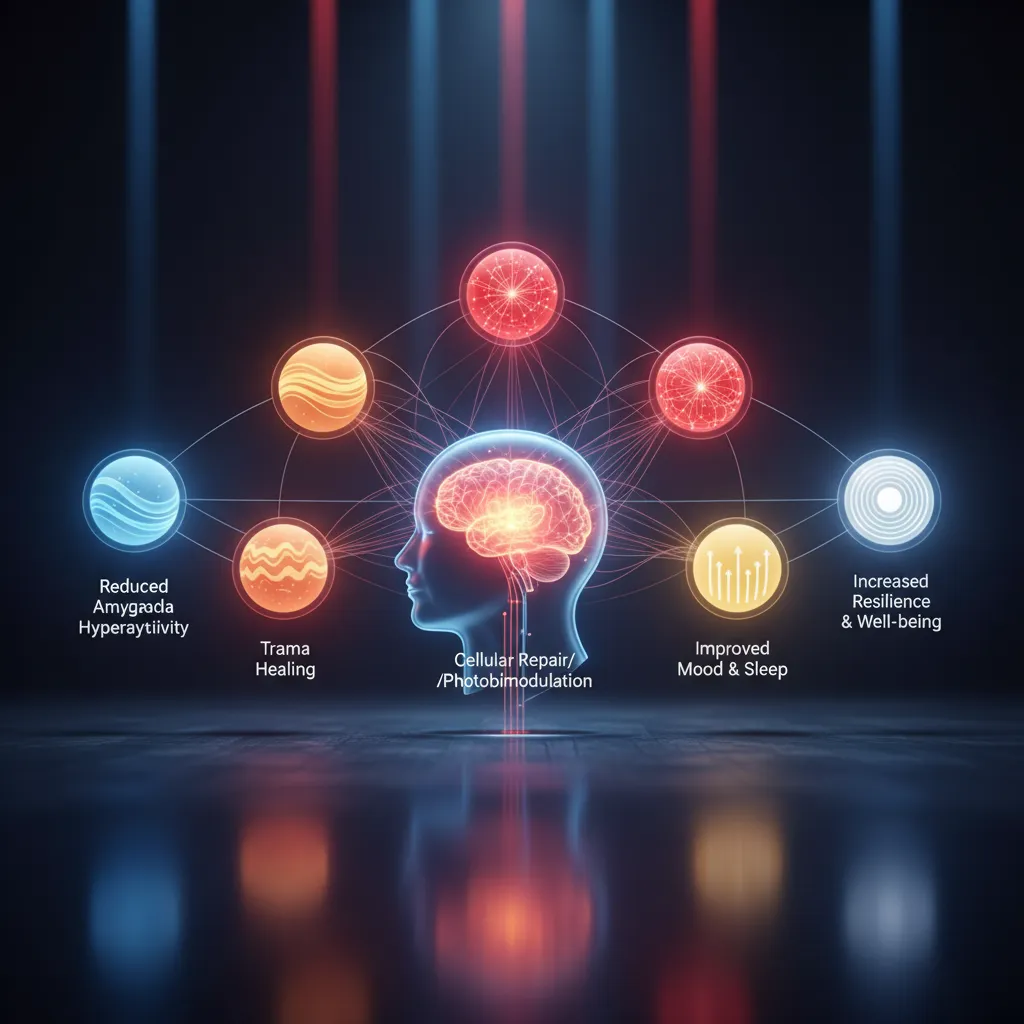
•Mindfulness and Meditation: Engaging in mindfulness or meditation during your light therapy session can enhance relaxation and focus. This combination can deepen the neurological impact, promoting a state of calm and mental clarity. A study published in Frontiers in Psychology (2020) demonstrated that mindfulness practices can positively influence brainwave activity, a synergy potentially amplified by light therapy.
•Aromatherapy and Soundscapes: Integrating calming essential oils (e.g., lavender, frankincense) or soothing soundscapes (e.g., binaural beats, nature sounds) can create a multi-sensory environment conducive to deeper relaxation and enhanced therapeutic effects.
•Advanced Neuro-Technology: For those seeking targeted neuro-optimization, consider devices like the NeuroVizr from NeuroTech Insider. These devices often combine specific light frequencies with synchronized sound to guide brainwave states, promoting enhanced focus, creativity, or profound relaxation. Such tools represent the cutting edge of personal neuro-enhancement.
By thoughtfully layering these complementary practices, your light therapy at home sessions transform into a holistic ritual for elevating your mental and physical vitality, truly embodying the spirit of how to use light therapy for maximum benefit.
Step 8: How Do You Properly Maintain Your Light Therapy Device For Longevity?
Quick Answer: Proper maintenance of your home devices ensures optimal performance and extends their lifespan, primarily involving regular cleaning, safe storage, and adhering to manufacturer guidelines.
8 Steps to Use Light Therapy at Home Safely & Effectively – photobiomodulation – 8
Investing in a quality light therapy device is an investment in your well-being. To ensure it continues to deliver optimal performance and lasts for many years, proper maintenance is indispensable. This helps preserve the integrity of the LEDs and other components, guaranteeing consistent and effective light therapy at home sessions.
•Regular Cleaning: Dust and debris can accumulate on the light surface, potentially reducing light output. Gently wipe the surface of your device with a soft, dry, or slightly damp cloth after each use. Avoid abrasive cleaners or harsh chemicals, which can damage the LEDs or housing. Ensure the device is unplugged before cleaning.
•Safe Storage: Store your device in a cool, dry place away from direct sunlight, excessive heat, or moisture. If it comes with a protective case or cover, use it to shield the device from dust and accidental damage. Avoid placing heavy objects on top of it.
•Cable Care: Inspect power cords and connectors regularly for any signs of fraying or damage. Always unplug the device by grasping the plug, not the cord. Proper cable management prevents wear and tear.
•Follow Manufacturer Guidelines: Every device comes with specific care instructions. Adhering to these guidelines is crucial. They often contain important details regarding cleaning solutions, operating temperatures, and troubleshooting tips unique to your home devices.
•Software Updates (for Smart Devices): If your device has smart features, regularly check for firmware or software updates. These can improve performance, add new features, or address bugs, ensuring your device remains at the forefront of technology.
By diligently following these maintenance steps, you ensure your light therapy device remains a reliable tool for your ongoing health and neuro-optimization journey, providing consistent benefits for years to come.
What Are The Benefits Of Consistent Light Therapy At Home?
Quick Answer: Consistent light therapy at home offers profound benefits including enhanced sleep quality, improved mood and cognitive function, accelerated physical recovery, and rejuvenated skin health by optimizing cellular activity and supporting natural bodily rhythms.
8 Steps to Use Light Therapy at Home Safely & Effectively – home light therapy devices – 9
Embracing light therapy at home as a regular practice can unlock a cascade of positive changes, elevating various aspects of your health and well-being. NeuroTech Insider recognizes the power of consistent, targeted light exposure to foster a state of optimal vitality.
•Enhanced Sleep Quality and Circadian Rhythm: Regular exposure to specific wavelengths of light, particularly in the morning, helps to regulate your natural sleep-wake cycle (circadian rhythm). This can lead to easier falling asleep, deeper sleep, and waking up feeling more refreshed. Red light therapy in the evening has been shown to support melatonin production, further optimizing sleep hygiene.
•Improved Mood and Cognitive Function: Light therapy can positively influence neurotransmitter balance, leading to improved mood, reduced symptoms of seasonal affective disorder (SAD), and increased overall sense of well-being. By enhancing mitochondrial function in brain cells, it can also support better focus, memory, and cognitive performance. A meta-analysis published in the Journal of Affective Disorders (2020) indicated that light therapy is an effective treatment for non-seasonal depression.
•Accelerated Physical Recovery and Pain Management: Red and NIR light penetrate tissues to reduce inflammation, improve blood flow, and stimulate cellular repair. This translates to faster recovery from exercise, reduced muscle soreness, and effective relief from chronic pain conditions, offering a non-pharmacological approach to comfort and mobility.
•Rejuvenated Skin Health: Red light therapy stimulates collagen and elastin production, leading to smoother skin texture, reduced fine lines and wrinkles, and improved skin tone. It can also assist in wound healing and diminish the appearance of scars, offering a natural path to a more radiant complexion.
•Enhanced Cellular Vitality: At its core, light therapy optimizes cellular function. By boosting ATP production, cells operate more efficiently, leading to systemic improvements in energy, detoxification, and overall cellular resilience against environmental stressors.
By committing to these home devices and incorporating how to use light therapy into your routine, you are actively choosing a path toward a more vibrant, balanced, and optimized life. The cumulative effects of regular sessions are truly transformative, paving the way for superior sleep, sharper cognition, and a renewed sense of well-being.
How Does NeuroTech Insider Support Your Light Therapy Journey?
💡 Verdict: Light therapy at home is a powerful and accessible tool for enhancing overall well-being. By following the 8 essential steps for safe application, users can effectively boost sleep, mood, cognition, and physical recovery. While requiring adherence to safety protocols and an initial investment, the long-term benefits for cellular vitality and neuro-optimization make it a highly recommended practice for those seeking to proactively manage their health.
Frequently Asked Questions
What are the 8 essential steps for safe and effective home light therapy?
The 8 essential steps for safe and effective light therapy at home involve understanding the science, selecting the right device, creating an optimal therapy space, determining precise dosage and frequency, adhering to critical safety guidelines, enhancing session efficacy, and ensuring proper device maintenance.
How often should you use light therapy for best results?
For most individuals, using light therapy at home 3-5 times per week, with consistent timing, yields the best results for addressing concerns like sleep quality, mood, and cellular vitality, allowing for cellular adaptation and repair.
What are the key safety guidelines and contraindications for home light therapy?
Adhering to safety guidelines for light therapy at home includes consistent eye protection, understanding specific contraindications like photosensitivity or certain medications, and consulting a healthcare professional if you have underlying health conditions.