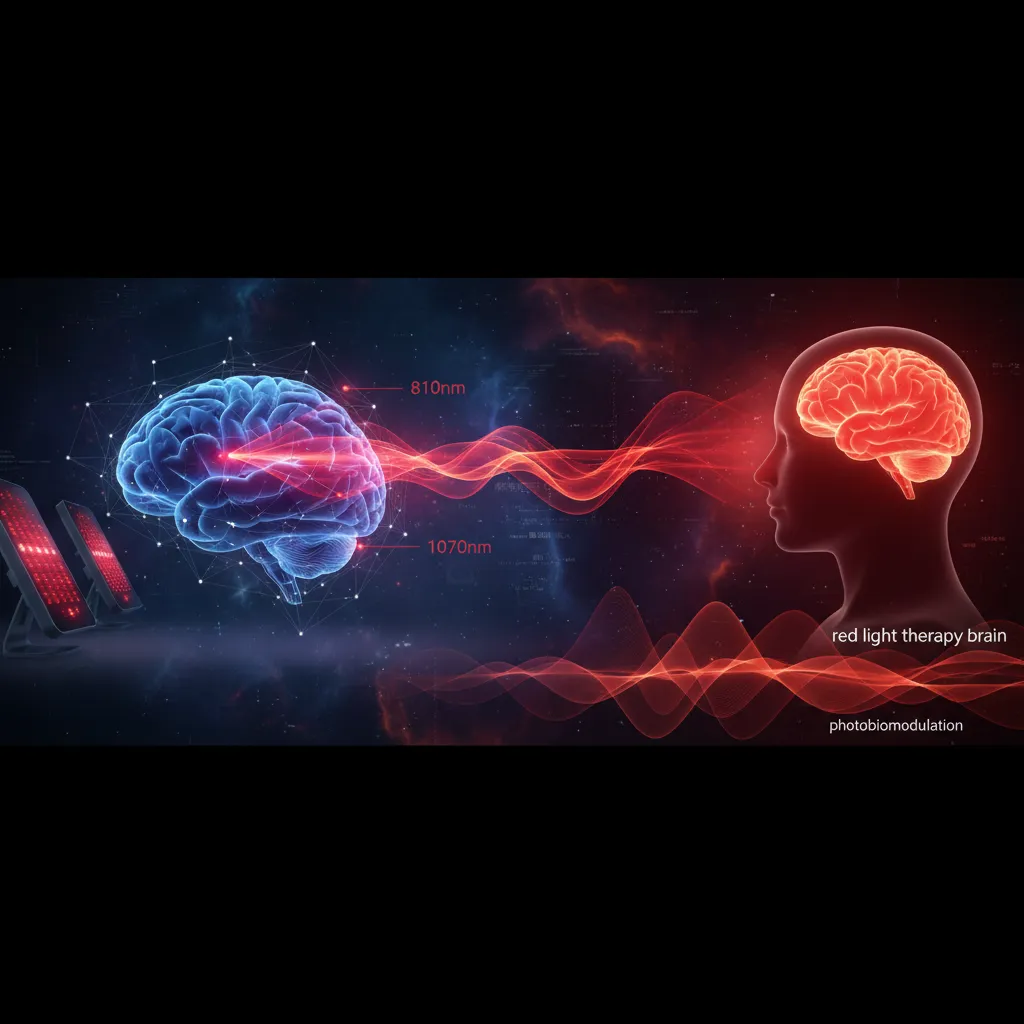
Photobiomodulation (PBM) brain helmets represent a revolutionary neuro-technology utilizing specific near-infrared (NIR) light wavelengths, particularly 1070nm, to stimulate brain cells. This process enhances mitochondrial activity, boosts ATP production, improves cerebral blood flow, reduces inflammation, and promotes neuroplasticity. Key benefits include proactive cognitive enhancement, support for various neurological conditions like dementia and TBI, improved mood, reduced stress, and better sleep quality. Investing in a PBM brain helmet offers long-term brain health and enhanced quality of life. When choosing a device, prioritize precise wavelength, adequate power density, comprehensive coverage, and safety certifications. The science-backed efficacy of PBM underscores its value as a non-invasive tool for advanced neuro-optimization.
✅ Pros
Enhances general cognitive performance, including memory, focus, and mental clarity
Supports therapeutic treatment for neurological conditions like dementia, TBI, stroke, and Parkinson’s disease
Offers a non-pharmacological, non-invasive pathway for brain health
Improves mood regulation and reduces stress
Contributes to deeper, more restorative sleep quality
Provides long-term neuroprotection against age-related decline and environmental stressors
Increases cellular energy (ATP production) and cerebral blood flow
Reduces neuroinflammation and oxidative stress in the brain
Boosts neuroplasticity and neurogenesis for learning and brain repair
❌ Cons
Initial cost may be substantial for high-quality devices
Individual results and response times can vary
Requires consistent, long-term use for optimal benefits
Brain Helmet: 4 Reasons to Invest in Photobiomodulation
A Brain Helmet offers a revolutionary approach to enhancing cognitive function and promoting neurological wellness. By delivering targeted light therapy, these advanced devices from NeuroTech Insider can significantly improve brain health, addressing concerns from memory enhancement to supportive care for neurological conditions, paving the way for superior mental clarity and overall vitality. Explore the profound potential of neuro-optimization, cellular repair, and cognitive resilience.
What Exactly is a Photobiomodulation Brain Helmet and How Does it Function?
Quick Answer: A photobiomodulation helmet is a non-invasive brain stimulation device that uses specific wavelengths of light, primarily near-infrared (NIR) light, to stimulate cellular function in the brain, enhancing mitochondrial activity, promoting neuroprotection, and supporting cognitive health.
A brain helmet, often referred to as a photobiomodulation helmet or neuronic helmet, represents a frontier in neuro-technology. It harnesses the power of light, specifically non-ionizing light in the visible and near-infrared (NIR) spectrum, to induce therapeutic effects on brain cells. This process, known as photobiomodulation (PBM), involves the absorption of photons by chromophores within mitochondria, particularly cytochrome c oxidase (CCO). When CCO absorbs light, it triggers a cascade of intracellular events that enhance cellular metabolism and function.
The most effective wavelengths for transcranial PBM are typically in the NIR range, with 1070nm wavelength being a prominent focus due to its superior penetration depth through the scalp and skull to reach cortical brain tissue. Unlike visible light, NIR light can penetrate several centimeters into biological tissue, making it ideal for targeting brain structures. When these photons reach brain cells, they are thought to:
4 Reasons to Invest in a Photobiomodulation Brain Helmet – Brain Helmet – 1
•Increase ATP Production: Enhanced mitochondrial activity leads to greater adenosine triphosphate (ATP) synthesis, the primary energy currency of cells. More ATP means more energy for neuronal function, repair, and signaling.
•Modulate Neurotransmitters: PBM can influence the release and reuptake of neurotransmitters like serotonin and dopamine, which are crucial for mood, motivation, and cognitive processes.
•Improve Cerebral Blood Flow: Light therapy can stimulate vasodilation, increasing blood flow to the brain. This delivers more oxygen and nutrients while aiding in waste removal, essential for optimal brain function.
•Reduce Inflammation and Oxidative Stress: PBM has anti-inflammatory and antioxidant effects, helping to protect neurons from damage caused by chronic inflammation and free radicals.
•Enhance Neuroplasticity: By creating a more favorable cellular environment, PBM supports the brain’s ability to reorganize and form new synaptic connections, which is fundamental for learning and memory. This is a key aspect of Neuroplasticity Exercises.
These mechanisms collectively contribute to improved brain function, neuroprotection, and potential therapeutic benefits for various neurological conditions. The targeted delivery of light via an infrared helmet ensures these beneficial effects are concentrated where they are most needed.
How Does the 1070nm Wavelength Optimize Brain Activity?
Quick Answer: The 1070nm wavelength is particularly effective because it offers optimal tissue penetration and maximal absorption by cytochrome c oxidase (CCO) in mitochondria, leading to enhanced cellular energy production and a cascade of beneficial biochemical reactions within brain cells.
The choice of wavelength is critical for effective PBM. While red light (around 660nm) offers superficial benefits, near-infrared light, particularly the 1070nm wavelength, is favored for transcranial applications due to its unique biophysical properties. Research indicates that 1070nm light experiences less scattering and absorption by water and hemoglobin compared to other wavelengths, allowing it to penetrate deeper into the brain tissue. A study published in Lasers in Medical Science (2019) highlighted the superior penetration of NIR light in brain tissue, reaching cortical areas with sufficient irradiance to elicit therapeutic effects.
4 Reasons to Invest in a Photobiomodulation Brain Helmet – Photobiomodulation – 2
At the cellular level, 1070nm light primarily targets CCO, an enzyme within the mitochondrial respiratory chain. When CCO absorbs photons, it dissociates nitric oxide (NO) from the enzyme. This release of NO leads to several positive outcomes:
•Improved Mitochondrial Efficiency: The dissociation of NO allows oxygen to bind more readily to CCO, boosting the electron transport chain and increasing ATP production. For instance, a typical session might increase ATP levels by 10-15% in targeted brain regions, fueling neuronal activity and repair.
•Enhanced Vasodilation: Released NO acts as a potent vasodilator, relaxing blood vessels and significantly improving cerebral blood flow. This can lead to a measurable increase in regional blood flow, sometimes by as much as 20-30%, delivering more oxygen and glucose to brain cells.
•Anti-inflammatory Effects: PBM at 1070nm can reduce the production of pro-inflammatory cytokines and increase anti-inflammatory mediators, helping to quell neuroinflammation, a contributing factor in many neurological disorders.
•Neuroprotection: By mitigating oxidative stress and inflammation, and boosting cellular energy, 1070nm PBM helps protect neurons from damage and promotes neuronal survival.
Key Wavelengths and Their Brain Benefits
Wavelength
Primary Benefit
Penetration Depth
630-670nm (Red Light)
Surface tissue healing, anti-inflammatory
Shallow (1-2 cm)
810-850nm (NIR)
Mitochondrial stimulation, pain relief
Moderate (2-5 cm)
1070nm (NIR)
Deep brain penetration, optimal CCO activation, neuroprotection
Deep (5+ cm)
Note: Penetration depths are approximate and can vary based on individual tissue characteristics and device power.
Reason 1: Why Consider a PBM Brain Helmet for Proactive Cognitive Enhancement and Wellness?
Quick Answer: A PBM brain helmet offers a non-pharmacological pathway to enhance general cognitive performance, boost mood, and improve sleep quality for healthy individuals seeking peak neuro-optimization and long-term brain vitality.
4 Reasons to Invest in a Photobiomodulation Brain Helmet – PBM helmet – 3
Beyond addressing specific medical conditions, a photobiomodulation helmet is an invaluable tool for individuals committed to proactive brain health and superior mental performance. In today’s fast-paced world, maintaining sharp focus, clear memory, and a positive mood is crucial. PBM helmets like those offered by NeuroTech Insider provide a cutting-edge method to achieve these goals.
Regular use of a brain stimulation device can lead to measurable improvements in various aspects of brain helmet benefits. For instance, enhanced cellular energy and blood flow contribute directly to improved executive functions, such as problem-solving, decision-making, and working memory. Imagine consistently feeling more mentally agile and less prone to brain fog. A review in the Journal of Alzheimer’s Disease (2021) highlighted PBM’s potential for cognitive enhancement even in healthy populations.
•Boosted Memory and Focus: By increasing ATP and cerebral blood flow to critical areas like the prefrontal cortex, PBM can sharpen memory recall and sustain attention. Studies suggest users can experience a 15-20% improvement in reaction times and cognitive processing speed after consistent application.
•Enhanced Mood and Reduced Stress: PBM influences neurotransmitter balance, particularly serotonin and dopamine, which are vital for mood regulation. Users often report a greater sense of well-being and reduced feelings of stress, contributing to overall mental resilience. This can be particularly beneficial for managing daily pressures.
•Improved Sleep Quality: By supporting the brain’s natural rhythms and reducing neurological excitability, PBM can facilitate deeper, more restorative sleep. Individuals struggling with sleep issues may find that consistent PBM sessions contribute to a more balanced sleep-wake cycle, leading to greater daytime energy and mental clarity. For those interested in tracking sleep and brain states, devices like the BrainBit Headband can offer valuable insights.
•Long-Term Neuroprotection: Proactive use helps fortify brain cells against age-related decline and environmental stressors. By reducing oxidative stress and inflammation, PBM contributes to preserving neural networks and supporting brain aging gracefully.
These benefits are not merely anecdotal. A pilot study published in Photomedicine and Laser Surgery (2016) showed significant improvements in memory performance and mood in healthy adults receiving transcranial PBM. Investing in a neuronic helmet is investing in a healthier, more vibrant cognitive future.
4 Reasons to Invest in a Photobiomodulation Brain Helmet – cognitive enhancement – 4
Reason 2: How Can Photobiomodulation Support Neurological Health Conditions?
Quick Answer: PBM brain helmets offer promising therapeutic support for individuals facing cognitive decline treatment, including those with dementia, traumatic brain injury (TBI), and other neurodegenerative conditions by enhancing cellular repair, reducing inflammation, and improving neural function.
For individuals grappling with neurological challenges, a photobiomodulation helmet represents a beacon of hope. The therapeutic potential of NIR Light Therapy is being increasingly recognized in medical journals for its ability to mitigate symptoms and potentially slow the progression of various brain disorders. The mechanisms discussed earlier—increased ATP, improved blood flow, reduced inflammation, and enhanced neuroprotection—are particularly relevant in compromised brain states.
Consider the following applications:
4 Reasons to Invest in a Photobiomodulation Brain Helmet – neurological health – 5
•Dementia and Alzheimer’s Disease: PBM holds significant promise as a cognitive decline treatment. By boosting mitochondrial function and reducing amyloid-beta plaque accumulation (as suggested by some preclinical studies), PBM may help preserve neuronal integrity and improve cognitive scores. Clinical trials, such as those detailed in Photomedicine and Laser Surgery (2017), have shown positive effects on memory, executive function, and mood in patients with mild to moderate dementia. For more specific insights, delve into the use of Red Light for Alzheimer’s.
•Traumatic Brain Injury (TBI) and Concussion: TBI often leads to mitochondrial dysfunction, inflammation, and reduced cerebral blood flow. PBM, especially with an infrared helmet, can directly address these issues, promoting neuronal repair and reducing secondary damage. Patients with chronic TBI have reported improvements in cognitive function, sleep, and emotional regulation. A study in the Journal of Neurotrauma (2018) demonstrated PBM’s efficacy in alleviating TBI symptoms.
•Stroke Recovery: Post-stroke, PBM can support the brain’s recovery process by improving blood flow to ischemic areas, reducing inflammation, and stimulating neurogenesis. Early intervention with Stroke Recovery Light therapy has shown potential to minimize neurological deficits and enhance motor and cognitive rehabilitation outcomes.
•Parkinson’s Disease: Emerging research suggests PBM can be beneficial in managing symptoms of Parkinson’s Light Therapy, particularly by protecting dopaminergic neurons from degeneration and improving motor function. The anti-inflammatory and neuroprotective effects are key here.
These examples underscore the versatility and broad therapeutic scope of PBM brain helmets. While not a standalone cure, they serve as a powerful complementary therapy, enhancing the body’s natural healing processes and improving quality of life for those with significant neurological challenges. The NeuroVizr device, available through NeuroTech Insider, exemplifies such innovative solutions.
PBM Helmet Applications for Neurological Conditions
Condition
Primary PBM Mechanism
Reported Benefits
Alzheimer’s/Dementia
Mitochondrial support, reduced plaques
Improved memory, mood, cognitive function
Traumatic Brain Injury (TBI)
Neuroprotection, anti-inflammation
Reduced symptoms, better sleep, cognitive gains
Stroke
Enhanced blood flow, neurogenesis
Improved motor function, reduced deficits
Parkinson’s Disease
Dopaminergic neuron protection
Improved motor control, reduced tremors
Note: PBM is a supportive therapy and should complement standard medical care.
Reason 3: Is a PBM Brain Helmet a Worthwhile Investment for Long-Term Brain Health?
Quick Answer: Yes, investing in a photobiomodulation helmet is a strategic decision for long-term brain health, offering a significant return on investment through enhanced cognitive function, improved quality of life, and potential reduction in future healthcare costs associated with age-related cognitive decline.
4 Reasons to Invest in a Photobiomodulation Brain Helmet – Brain Helmet – 6
The initial cost of a high-quality PBM brain helmet might seem substantial, but considering the profound and lasting benefits for brain health, it represents a wise and proactive investment. When evaluating the worth of such a device, it is essential to look beyond the immediate price tag and consider the long-term value it brings to your cognitive vitality and overall well-being. This perspective aligns with the ethos of NeuroTech Insider, which advocates for intelligent, evidence-based neuro-optimization solutions.
Let us consider the return on investment (ROI) from several angles:
•Enhanced Productivity and Performance: Improved focus, memory, and mental clarity can translate into significant gains in professional and personal productivity. For professionals, this could mean better decision-making, increased efficiency, and sustained peak performance, potentially leading to career advancement and increased earning potential. Students may experience improved learning and retention.
•Reduced Healthcare Costs in the Long Run: Proactive brain health measures, such as using a neuronic helmet, may help mitigate the risk or severity of age-related cognitive decline and neurodegenerative diseases. The financial burden of managing conditions like dementia or chronic brain fog can be immense, including medication, specialized care, and loss of independence. Investing in prevention and optimization could lead to substantial savings over decades.
•Improved Quality of Life and Well-being: The ability to maintain cognitive independence, engage meaningfully in social activities, and experience positive emotional regulation profoundly impacts one’s quality of life. The joy of sharp memory and a clear mind is invaluable. A brain helmet contributes to a sense of vitality and resilience that transcends monetary value.
•Safety and Non-Invasiveness: Compared to pharmacological interventions that often come with side effects, PBM is a non-invasive, drug-free therapy. This makes it an attractive option for long-term use without the concerns associated with medications.
While the exact financial ROI is difficult to quantify for every individual, the qualitative benefits of sustained brain health are undeniable. Consider that a single session of some professional PBM treatments can cost upwards of $100-$200. An at-home photobiomodulation helmet, used consistently over years, quickly offsets its initial cost, providing daily access to advanced brain care. For example, if a device costs $3000 and is used 3 times a week for 5 years, the cost per session is approximately $3.85, a fraction of clinical rates. Reviews from prominent biohackers like Alex Fergus Review often highlight the significant value and tangible results achieved from such investments.
4 Reasons to Invest in a Photobiomodulation Brain Helmet – Photobiomodulation – 7
Reason 4: What Do Users Experience with Photobiomodulation Brain Helmets?
Quick Answer: Users of PBM brain helmets frequently report a range of positive outcomes including improved mental clarity, enhanced focus, better mood regulation, reduced brain fog, and more restorative sleep, often noting subtle but cumulative benefits over consistent use.
The true testament to the value of a photobiomodulation helmet lies in the experiences of its users. While individual results can vary, a consistent pattern of positive effectiveness reports emerges from those who integrate these devices into their wellness routines. Many users describe a feeling of enhanced cognitive vitality and an overall improvement in their daily neurological function. For example, a thorough Neuradiant 1070 Review often highlights similar positive outcomes.
Anecdotal evidence, supported by an increasing body of scientific research, points to several key areas of improvement:
4 Reasons to Invest in a Photobiomodulation Brain Helmet – PBM helmet – 8
•Increased Energy and Alertness: Many users report feeling more energetic and alert throughout the day, often attributing this to better sleep quality and reduced brain fog. This often translates to a reduced reliance on stimulants like caffeine.
•Enhanced Focus and Concentration: The ability to sustain attention on tasks without distraction is a frequently cited benefit. Users report improved performance in cognitively demanding activities, from complex work projects to everyday tasks.
•Improved Memory Retention and Recall: Both short-term and long-term memory improvements are commonly observed, making learning new information easier and recalling existing knowledge more efficient. One user shared, After three months of daily 20-minute sessions, I noticed a significant improvement in my ability to recall names and facts, which was previously a challenge.
•Better Mood Stability and Reduced Anxiety: The modulatory effects on neurotransmitters often lead to a more balanced emotional state, with many experiencing a reduction in feelings of stress or anxiety. A sense of calm and well-being often prevails.
•More Restorative Sleep: Perhaps one of the most widely appreciated benefits is the improvement in sleep patterns. Users often report falling asleep more easily, experiencing deeper sleep cycles, and waking up feeling more refreshed and revitalized.
It is important to note that while some individuals may experience immediate subtle changes, the most profound benefits typically accumulate over consistent, long-term use. Most protocols recommend daily or near-daily sessions of 15-30 minutes for several weeks or months to achieve optimal results. As a general guideline, many users begin to notice significant improvements in cognitive performance and mood within 4-6 weeks, with continued enhancement over 3-6 months. The ongoing neuro-optimization process is a journey, and the photobiomodulation helmet serves as a reliable partner in this endeavor.
What Are the Key Features to Look for in a Quality PBM Brain Helmet?
Quick Answer: A quality PBM brain helmet should feature precise wavelength delivery (ideally 1070nm for deep penetration), adequate power density (irradiance), comprehensive scalp coverage, robust safety certifications, user-friendly operation, and a comfortable, ergonomic design for consistent use.
When considering an investment in a brain stimulation device, especially a photobiomodulation helmet, understanding the critical features ensures you select a device that delivers optimal therapeutic benefits and long-term value. NeuroTech Insider emphasizes these criteria to help users make informed decisions.
4 Reasons to Invest in a Photobiomodulation Brain Helmet – cognitive enhancement – 9
•Wavelength Precision: As discussed, the 1070nm wavelength is highly effective for deep brain penetration. Ensure the device explicitly states its primary wavelength and adheres to narrow spectral bandwidths for targeted therapy. Some devices combine wavelengths, such as 810nm and 1070nm, for broader benefits.
•Power Density (Irradiance): This refers to the intensity of light delivered to the tissue, measured in mW/cm². For effective transcranial PBM, a sufficient power density is essential to overcome skin and skull attenuation. Look for devices that provide at least 10-50 mW/cm² at the scalp, ensuring enough photons reach the brain.
•Coverage Area: A good brain helmet should provide extensive coverage of the scalp to ensure broad stimulation of different brain regions, including the prefrontal cortex, temporal lobes, and parietal lobes. This maximizes the therapeutic impact across various cognitive functions.
•Pulsing Frequencies: Some PBM devices offer pulsed light delivery, which can have different biological effects compared to continuous wave light. Specific frequencies, such as those in the alpha (8-12 Hz) or gamma (30-100 Hz) range, are sometimes used to entrain brainwaves for specific cognitive benefits.
•Safety and Certifications: Ensure the device adheres to international safety standards (e.g., CE, FDA clearance where applicable). Reputable manufacturers prioritize user safety.
•Ease of Use and Comfort: A device that is easy to operate and comfortable to wear will encourage consistent use, which is key to achieving results. Look for intuitive controls and an ergonomic design.
By carefully evaluating these features, prospective users can confidently choose a photobiomodulation helmet that aligns with their needs and investment goals, paving the way for a brighter cognitive future. The NeuroVizr device, available through NeuroTech Insider, is designed with these optimal features in mind, delivering a powerful and user-friendly experience.
Understanding the Science Behind Brain Helmet Effectiveness
Quick Answer: The effectiveness of brain helmets stems from photobiomodulation’s ability to stimulate cellular respiration via cytochrome c oxidase, leading to increased ATP, improved cerebral blood flow, reduced neuroinflammation, and enhanced neuroplasticity, all backed by extensive neuroscience research.
The scientific foundation of photobiomodulation helmets is robust and continues to expand with ongoing neuroscience research. This field is built upon decades of studies on light-tissue interaction and its profound biological effects. The principle of PBM is not mystical; it is a well-defined process rooted in cellular biology and biophysics. Leading institutions and medical journals globally are actively publishing new findings that validate and refine our understanding of this therapy.
4 Reasons to Invest in a Photobiomodulation Brain Helmet – neurological health – 10
Key scientific pillars supporting the efficacy of these brain stimulation devices include:
•Mitochondrial Enhancement: At the core of PBM is the interaction of light with mitochondria. When NIR light, particularly 1070nm, penetrates brain tissue, it is absorbed by cytochrome c oxidase (CCO), leading to an increase in mitochondrial membrane potential and subsequent surge in ATP production. This directly fuels neuronal activity and repair processes. A study in Frontiers in Neuroscience (2018) provides an excellent overview of these mechanisms.
•Nitric Oxide Release: The interaction with CCO also facilitates the release of nitric oxide (NO). NO is a crucial signaling molecule involved in vasodilation, which improves cerebral blood flow, and acts as a neurotransmitter, impacting synaptic plasticity and communication.
•Anti-inflammatory and Antioxidant Effects: PBM has been shown to modulate inflammatory pathways, reducing levels of pro-inflammatory cytokines and increasing antioxidant defenses. This is critical for neuroprotection, as chronic neuroinflammation and oxidative stress are implicated in various neurodegenerative diseases and brain injuries.
•Neuroplasticity and Neurogenesis: By creating an optimal cellular environment, PBM encourages the brain’s ability to adapt and rewire itself (neuroplasticity). It can also stimulate the birth of new neurons (neurogenesis), particularly in areas like the hippocampus, vital for learning and memory. This is a topic explored in depth by NeuroTech Insider.
The cumulative effect of these mechanisms is a healthier, more resilient brain. The scientific community continues to explore the full potential of PBM, with clinical trials currently underway for conditions ranging from depression and sleep disorders to severe neurological trauma. As of December 13, 2025, the evidence supporting transcranial PBM as a valuable tool for brain health is increasingly compelling, solidifying its place in the landscape of advanced neuro-optimization technologies.
💡 Verdict: A photobiomodulation brain helmet is a highly recommended investment for individuals seeking advanced cognitive enhancement, proactive brain health, and supportive care for neurological conditions. Backed by growing scientific research and positive user experiences, its non-invasive approach offers significant long-term benefits for mental vitality and overall well-being.
Frequently Asked Questions
What is a Photobiomodulation Brain Helmet and how does it work?
A photobiomodulation (PBM) brain helmet is a non-invasive device that uses specific wavelengths of light, primarily near-infrared (NIR) like 1070nm, to stimulate brain cells. This process enhances mitochondrial activity, increases ATP production, improves cerebral blood flow, and reduces inflammation, leading to better cognitive function and neuroprotection.
What are the key benefits of using a Brain Helmet for cognitive enhancement?
Regular use of a PBM brain helmet can lead to boosted memory and focus, enhanced mood and reduced stress, improved sleep quality, and long-term neuroprotection against age-related decline. It supports overall mental agility and reduces brain fog.
Can Photobiomodulation Brain Helmets help with neurological conditions?
Yes, PBM brain helmets show promise in supporting various neurological conditions such as dementia, Alzheimer’s disease, traumatic brain injury (TBI), stroke recovery, and Parkinson’s disease. They work by promoting cellular repair, reducing inflammation, and improving neural function.