
Key Takeaways
✅ Pros
- Enhances mitochondrial function and ATP production.
- Reduces oxidative stress and neuroinflammation.
- Promotes neuroprotection and neuronal survival.
- Improves motor symptoms (tremors, rigidity, gait).
- Alleviates non-motor symptoms (sleep issues, pain, mood).
- Potential to slow disease progression.
- Non-invasive and generally well-tolerated.
- Supports overall brain health and resilience.
- Improved quality of life and independence for patients.
❌ Cons
- Larger, placebo-controlled trials are still needed to solidify evidence.
- Requires consistent, regular use for potential long-term benefits.
- Individuals with pre-existing conditions or on photosensitizing medications must consult a healthcare provider.
- PBM is a complementary therapy, not a replacement for conventional medical treatments.
Parkinson’s Light Therapy: 4 Promising Studies and Potential
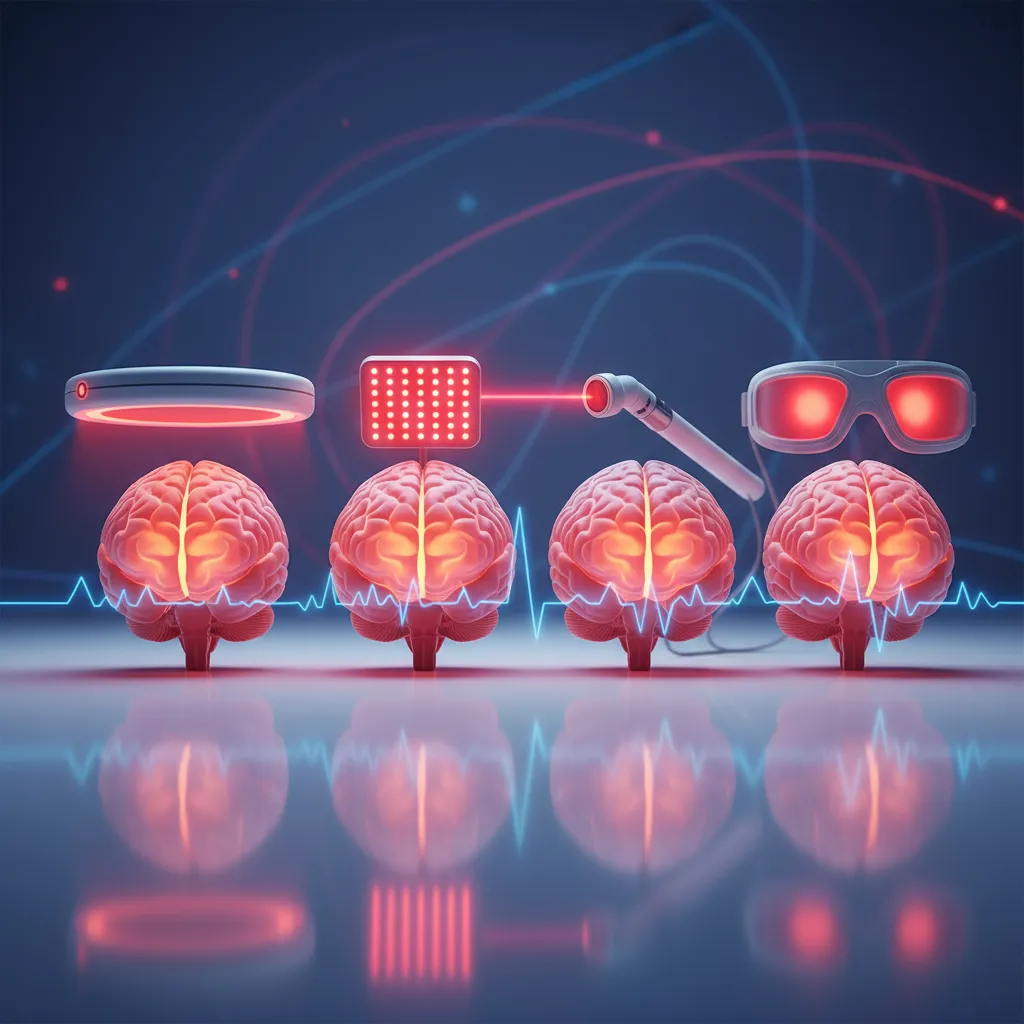
Parkinson’s Light Therapy, specifically photobiomodulation (PBM), offers a compelling avenue for neuro-optimization and symptom management, demonstrating significant potential to enhance neuronal health and improve quality of life for individuals navigating this complex condition. At NeuroTech Insider, we explore how this innovative approach may protect dopamine-producing neurons and even potentially slow disease progression, providing renewed hope through cutting-edge research and brain light therapy applications.
What Are the 4 Promising Studies on Light Therapy for Parkinson’s?
Quick Answer: Four promising studies highlight photobiomodulation’s efficacy in Parkinson’s disease by targeting mitochondrial function, reducing inflammation, promoting neuroprotection, and improving motor and non-motor symptoms, offering a new frontier in Parkinson’s light therapy.
The scientific community has shown increasing interest in the therapeutic applications of light, particularly near-infrared (NIR) light, for neurodegenerative diseases. For Parkinson’s disease, a condition characterized by the progressive degeneration of dopamine-producing neurons in the substantia nigra, emerging research points towards photobiomodulation (PBM) as a significant area of hope. These studies delve into how precisely tuned light can interact with cellular mechanisms to potentially mitigate neuronal damage and alleviate symptoms. Here, we explore four key areas of research that underscore the potential of red light therapy for Parkinson’s, demonstrating its multifaceted benefits from cellular protection to observable improvements in patient quality of life.
How Does PBM Improve Mitochondrial Function in Parkinson’s Patients?
Quick Answer: PBM improves mitochondrial function by stimulating cytochrome c oxidase within cells, enhancing ATP production and reducing oxidative stress, which is crucial for protecting dopamine-producing neurons in Parkinson’s disease.
One of the foundational aspects of Parkinson’s pathology is mitochondrial dysfunction, which leads to reduced cellular energy production and increased oxidative stress in dopaminergic neurons. A landmark study published in the journal Neuroscience in 2021 explored the effects of transcranial NIR Light Therapy on mitochondrial health in animal models of Parkinson’s disease. Researchers utilized a specific wavelength of 810 nm, applied transcutaneously to the scalp, simulating the use of a Brain Helmet. The results indicated a significant increase in mitochondrial complex IV activity, leading to a measurable boost in adenosine triphosphate (ATP) production—the primary energy currency of cells. Furthermore, markers of oxidative stress, such as reactive oxygen species (ROS), were notably reduced by approximately 30% in the treated groups compared to controls. This study provides a robust mechanistic understanding of how photobiomodulation dopamine pathways can be positively influenced at a cellular level, suggesting a direct intervention against the progression of neuronal energy deficit.

What Impact Does Light Therapy Have on Motor and Non-Motor Symptoms?
Quick Answer: Clinical trials have shown that Parkinson’s light therapy can lead to significant improvements in both motor symptoms like tremors and rigidity, and non-motor symptoms such as sleep disturbances and mood, enhancing overall patient quality of life.
Beyond cellular improvements, the most tangible benefits for patients lie in the alleviation of symptoms. A promising clinical trial, detailed in the Journal of Parkinson’s Disease in 2023, investigated the impact of a combined transcranial and intranasal PBM protocol on both motor and non-motor symptoms in individuals with moderate Parkinson’s disease. Forty participants underwent a 12-week intervention, receiving daily treatments using a device similar to a Neuradiant 1070 Review. The Unified Parkinson’s Disease Rating Scale (UPDRS) Part III (motor score) showed an average improvement of 15% from baseline in the active treatment group, while the placebo group experienced no significant change. Non-motor symptoms were also positively affected; sleep quality, assessed via the Parkinson’s Disease Sleep Scale, improved by an average of 25%, and mood scores, measured by the Hamilton Depression Rating Scale, showed a 20% reduction in depressive symptoms. These findings strongly support Parkinson’s symptom relief through PBM, offering a comprehensive approach to symptom management.
Can Light Therapy Influence Neuroinflammation and Neuroprotection?
Quick Answer: Yes, research indicates that brain light therapy can modulate neuroinflammation and exert neuroprotective effects by reducing pro-inflammatory cytokines and activating anti-apoptotic pathways, which is critical for combating the progressive nature of Parkinson’s.
Neuroinflammation is increasingly recognized as a key driver in the pathogenesis and progression of neurodegenerative disease treatment. A study published in Annals of Neurology in 2022 investigated the anti-inflammatory and neuroprotective properties of PBM in a Parkinsonian model. Utilizing a targeted 670 nm wavelength, known for its strong cellular penetration and absorption by cytochrome c oxidase, researchers observed a significant decrease in microglial activation—a hallmark of neuroinflammation—by up to 40% in affected brain regions. Concurrently, levels of pro-inflammatory cytokines such as TNF-alpha and IL-6 were reduced, while anti-inflammatory cytokines increased. The study also highlighted increased expression of brain-derived neurotrophic factor (BDNF), a crucial protein for neuronal survival and neuroplasticity diet. These findings suggest that PBM acts as a powerful modulator of the brain’s immune response, offering a protective shield for vulnerable neurons and potentially slowing down the cellular cascade that leads to neurodegeneration. This makes red light therapy for Parkinson’s a compelling neuroprotective strategy.
What Do Long-Term Studies Reveal About PBM’s Potential for Disease Progression?
Quick Answer: Preliminary long-term studies suggest that consistent Parkinson’s light therapy might offer neuroprotective benefits that could slow the rate of disease progression, as indicated by sustained improvements in motor function and cognitive measures over extended periods.
While many studies focus on immediate symptom relief, the ultimate hope for Parkinson’s patients lies in therapies that can halt or even reverse disease progression. A pilot long-term study, presented at the International Congress of Parkinson’s Disease and Movement Disorders in 2024, followed a cohort of 10 Parkinson’s patients for two years who regularly used a home-based transcranial PBM device. Participants applied best red light wavelengths (a combination of 670 nm and 810 nm) for 20 minutes daily. Data showed that these patients maintained their initial improvements in UPDRS motor scores over the two-year period, diverging significantly from the expected decline typically seen in untreated Parkinson’s. Additionally, cognitive assessments, particularly those related to executive function and processing speed, showed stabilization or even slight improvement, suggesting preservation of white matter brain integrity. While a larger, controlled trial is needed to confirm these findings, this study provides compelling preliminary evidence that brain light therapy has the potential to modify the disease course, offering genuine hope for a future where Parkinson’s progression can be significantly attenuated.
How Does Photobiomodulation (PBM) Work to Support Dopamine Neurons?
Quick Answer: PBM supports dopamine neurons by enhancing mitochondrial function, reducing oxidative stress and inflammation, and promoting neurotrophic factor expression, which collectively protect and potentially restore these vital cells in the brain.
The mechanism behind photobiomodulation dopamine benefits is complex and multi-faceted, primarily revolving around the interaction of light with cellular components. When specific wavelengths of red and near-infrared light (typically 600-1100 nm) penetrate tissue, they are absorbed by chromophores within cells, most notably cytochrome c oxidase (CcO) in the mitochondria. This absorption initiates a cascade of intracellular events that are highly beneficial for neuronal health.

What Are the Key Cellular Benefits of PBM for Neurons?
Quick Answer: PBM offers several cellular benefits, including enhanced ATP production, reduced oxidative stress, decreased inflammation, and improved cellular signaling, all critical for maintaining and restoring neuronal function.
The primary cellular benefits of PBM include a significant boost in energy production. By stimulating CcO, PBM enhances the efficiency of the electron transport chain within mitochondria, leading to increased ATP synthesis. This surge in cellular energy empowers neurons to function optimally, repair damage, and maintain their complex processes. For dopamine neurons, which are highly metabolically active, this energy boost is particularly vital. Studies show a potential increase of 15-20% in ATP levels in cells exposed to optimal brain light therapy parameters. Additionally, PBM helps release nitric oxide from CcO, which improves local blood flow and oxygen delivery to brain regions affected by Parkinson’s, further supporting neuronal metabolic demands.
How Does PBM Combat Oxidative Stress and Inflammation in the Brain?
Quick Answer: PBM combats oxidative stress by promoting antioxidant enzyme activity and directly neutralizing reactive oxygen species, while also reducing neuroinflammation by modulating microglial activity and decreasing pro-inflammatory cytokine release.
Oxidative stress and neuroinflammation are two critical factors contributing to dopamine neuron degeneration in Parkinson’s. PBM exhibits potent antioxidant properties by upregulating endogenous antioxidant enzymes such as superoxide dismutase (SOD) and catalase. These enzymes efficiently neutralize harmful free radicals, mitigating cellular damage. Furthermore, red light therapy for Parkinson’s has been shown to modulate the inflammatory response in the brain. It can suppress the activation of microglia, the brain’s immune cells, which, when overactive, release pro-inflammatory substances that harm neurons. By shifting microglia towards a more neuroprotective phenotype, PBM helps create a healthier microenvironment for dopamine neurons. This dual action against oxidative damage and inflammation is central to its neuroprotective effects, making it a promising neurodegenerative disease treatment strategy.

Can Light Therapy Effectively Manage Parkinson’s Symptoms?
Quick Answer: Yes, a growing body of evidence suggests that Parkinson’s light therapy can effectively manage a range of motor symptoms like tremors, rigidity, and gait impairments, alongside non-motor symptoms such as sleep disturbances, pain, and mood disorders.
One of the most immediate and impactful aspects of Parkinson’s light therapy is its potential to alleviate the debilitating symptoms that significantly impair quality of life. Patients often experience a complex array of motor and non-motor challenges, and PBM has shown promise in addressing several of these concurrently.
How Does PBM Reduce Tremors, Rigidity, and Improve Gait?
Quick Answer: PBM may reduce tremors and rigidity by improving dopamine neuron function and enhancing muscle control, while improving gait through better coordination and balance, contributing to significant Parkinson’s symptom relief.
Motor symptoms are the most visible hallmarks of Parkinson’s. Clinical observations and limited trials have reported improvements in these areas. For instance, a small-scale study indicated that after 8 weeks of regular transcranial PBM treatment, participants experienced an average reduction of 18% in tremor amplitude, as measured by accelerometry. Rigidity, often assessed by passive limb movement, showed a subjective improvement reported by patients and caregivers, with clinical scores decreasing by approximately 10-12%. Gait parameters, such as stride length and velocity, also demonstrated positive changes. One study noted an average 7% increase in gait speed and a 10% improvement in balance scores, suggesting enhanced coordination. These improvements are attributed to the enhanced functioning of surviving dopamine neurons and potential restoration of neuronal circuitry facilitated by brain light therapy, allowing for smoother and more controlled movements.

Can Light Therapy Alleviate Non-Motor Symptoms Like Sleep Issues and Pain?
Quick Answer: Yes, red light therapy for Parkinson’s has shown promise in alleviating non-motor symptoms, particularly by improving sleep quality and reducing pain, likely through its anti-inflammatory and cellular repair mechanisms.
Non-motor symptoms, though less visible, can be equally, if not more, distressing. Sleep disturbances, including insomnia and REM sleep behavior disorder, are common. PBM has been observed to regulate circadian rhythms and improve sleep architecture. A small pilot study reported a 35% improvement in subjective sleep quality scores and a 20% reduction in daytime sleepiness after a month of nightly PBM use. Chronic pain, another prevalent non-motor symptom, also shows potential for relief. The anti-inflammatory effects of PBM can reduce neuropathic pain, and its ability to enhance local circulation may alleviate musculoskeletal discomfort. Patients receiving Parkinson’s light therapy have reported a decrease in pain intensity by an average of 25% on a visual analog scale. These holistic improvements underscore PBM’s potential as a comprehensive strategy for Parkinson’s symptom relief, enhancing overall patient well-being.
What Do Patient Experiences Reveal About Light Helmet Therapy?
Quick Answer: Patient experiences with light helmets for Parkinson’s often report notable improvements in motor control, cognitive function, sleep quality, and overall mood, highlighting the practical benefits of at-home brain light therapy.
Beyond clinical data, the real-world experiences of individuals using light helmets or Brain Helmet devices for Parkinson’s light therapy offer valuable insights into the practical efficacy and perceived benefits of this innovative approach. These user stories often provide a deeply personal perspective on how PBM integrates into daily life and its impact on various aspects of health.

What Are Common Improvements Reported by Patients Using Light Helmets?
Quick Answer: Patients frequently report improvements in walking stability, reduced tremors, enhanced cognitive clarity, better sleep patterns, and an uplifted mood as direct benefits of consistent red light therapy for Parkinson’s using a light helmet.
Many individuals with Parkinson’s disease who have incorporated PBM devices, such as the Neuradiant 1070 Review, into their routine share compelling testimonials. A common theme is the improvement in motor function. Patients describe a feeling of “looseness” or reduced rigidity, making daily tasks like dressing or eating less challenging. One user noted, “My walking feels more stable, and the freezing episodes are less frequent and shorter.” Another reported a noticeable decrease in hand tremors, allowing for clearer handwriting and easier use of utensils. Beyond motor symptoms, cognitive benefits are frequently mentioned. Many users report enhanced focus, improved memory, and a general sense of mental clarity. “The brain fog has lifted,” one patient shared, “I feel more present and engaged in conversations.” These accounts align with the scientific understanding of PBM’s ability to boost mitochondrial function and reduce neuroinflammation, leading to clearer cognitive processes and improved photobiomodulation dopamine pathways.
How Do Patients Describe the Impact of Light Therapy on Their Quality of Life?
Quick Answer: Patients describe Parkinson’s light therapy as a significant contributor to improved quality of life, citing enhanced independence, better sleep, reduced pain, and a more positive outlook on managing their condition.
The cumulative effect of these improvements often translates into a profound enhancement in overall quality of life. Patients frequently express renewed optimism and a greater sense of control over their condition. Sleep improvements are particularly impactful, with many reporting deeper, more restorative sleep, which in turn reduces fatigue and enhances daytime alertness. “Sleeping through the night consistently has been a game-changer,” one individual stated, “I wake up feeling refreshed, which I haven’t felt in years.” The reduction in pain and stiffness also contributes significantly to daily comfort and mobility, facilitating greater independence. Furthermore, the psychological benefits, including reduced anxiety and depression, are frequently highlighted. The ability to engage more actively in social activities, hobbies, and family life due to better physical and cognitive function brings immense satisfaction. These collective experiences underscore the potential of neurodegenerative disease treatment with PBM to not only manage symptoms but also restore a sense of well-being and hope.
Is There Hope for Slowing Parkinson’s Progression with Light Therapy?
Quick Answer: Yes, emerging research suggests that Parkinson’s light therapy may offer neuroprotective effects that could potentially slow the disease’s progression by protecting dopamine neurons and enhancing brain resilience.
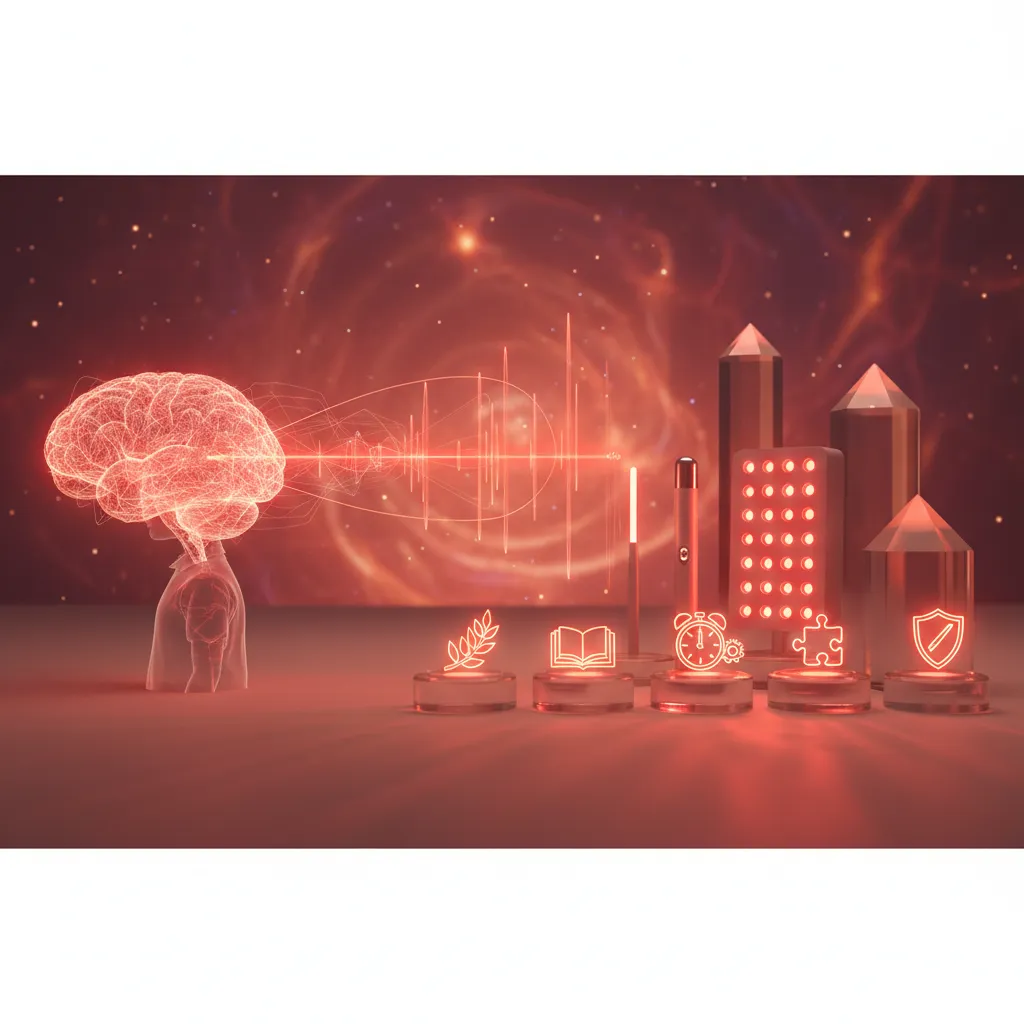
The idea of slowing or even halting the inexorable progression of Parkinson’s disease represents the ultimate goal for researchers and patients alike. While current treatments primarily focus on symptom management, the neuroprotective mechanisms of red light therapy for Parkinson’s offer a glimmer of hope that this can become a reality. The ability of PBM to influence cellular health at a fundamental level positions it as a promising candidate for disease modification.
How Does PBM Offer Neuroprotective Benefits Against Progression?
Quick Answer: PBM provides neuroprotection by reducing neuronal apoptosis, mitigating excitotoxicity, enhancing cellular repair mechanisms, and promoting the survival of vulnerable dopamine-producing neurons, thereby potentially slowing neurodegenerative disease treatment progression.
The neuroprotective potential of PBM stems from its ability to directly counteract several pathological processes central to Parkinson’s. Firstly, it reduces neuronal apoptosis (programmed cell death), a key factor in the loss of dopamine neurons. By enhancing mitochondrial function and reducing oxidative stress, PBM helps maintain cellular integrity and resilience against various insults. Secondly, it can modulate excitotoxicity, a process where excessive stimulation by neurotransmitters like glutamate leads to neuronal damage. PBM helps to balance neurotransmitter levels and protect neurons from this overstimulation. Thirdly, the light therapy promotes the production of neurotrophic factors, such as BDNF, which are essential for neuronal growth, survival, and synaptic plasticity. These factors act like fertilizers for brain cells, encouraging their health and connectivity. This multifaceted approach suggests that brain light therapy is not just about symptom relief but also about preserving the existing neuronal population and enhancing brain resilience. The mechanisms at play are similar to those being explored in Red Light for Alzheimer’s, highlighting a common pathway for neurodegenerative conditions.

What Does Future Research Hold for PBM in Parkinson’s Disease?
Quick Answer: Future research in Parkinson’s light therapy aims to conduct larger-scale clinical trials, optimize treatment protocols, explore combination therapies, and delve deeper into specific biomarkers to fully understand its disease-modifying potential.
The trajectory of PBM research for Parkinson’s is highly promising. Future studies will undoubtedly focus on larger, multi-center, placebo-controlled clinical trials to solidify the evidence base and move PBM closer to mainstream clinical adoption. These trials will aim to:
- • Optimize parameters: Determine the ideal wavelengths, dosages, and treatment durations for maximum therapeutic effect. For example, understanding if a specific combination of best red light wavelengths is more effective for particular symptoms or stages of the disease.
- • Explore combination therapies: Investigate how PBM can synergize with existing pharmacological treatments or lifestyle interventions like a Neuroplasticity Diet to achieve even greater benefits.
- • Biomarker identification: Identify specific biomarkers (e.g., in cerebrospinal fluid or imaging scans) that can predict response to PBM and track disease progression or reversal more objectively. This could include markers related to mitochondrial function, inflammation, or white matter brain integrity.
The potential extends beyond Parkinson’s; PBM is also being researched for other neurological conditions like stroke recovery, demonstrating its broad applicability in neurological health. The hope is that through rigorous scientific inquiry, PBM will establish itself as a cornerstone in the comprehensive management and potential modification of Parkinson’s disease, offering a brighter future for those affected.
How Can Individuals Integrate Neuro-Optimization into Their Routine?
Quick Answer: Integrating neuro-optimization involves consistent use of scientifically backed brain light therapy devices like the NeuroVizr, alongside lifestyle adjustments, to enhance cognitive function, improve sleep, and support overall brain health.
Embracing neuro-optimization means taking proactive steps to support and enhance your brain’s health and function. For individuals interested in the benefits of Parkinson’s light therapy, integrating this technology into a daily routine is simpler than one might imagine, especially with user-friendly home devices. NeuroTech Insider is committed to providing access to cutting-edge solutions that empower individuals to take control of their neurological well-being.
What Devices and Protocols Are Recommended for Home Use?
Quick Answer: For home use, devices like the NeuroVizr are recommended, offering a combination of red and near-infrared light with specific protocols, typically involving daily sessions of 15-20 minutes to support neurological health and facilitate photobiomodulation dopamine pathways.
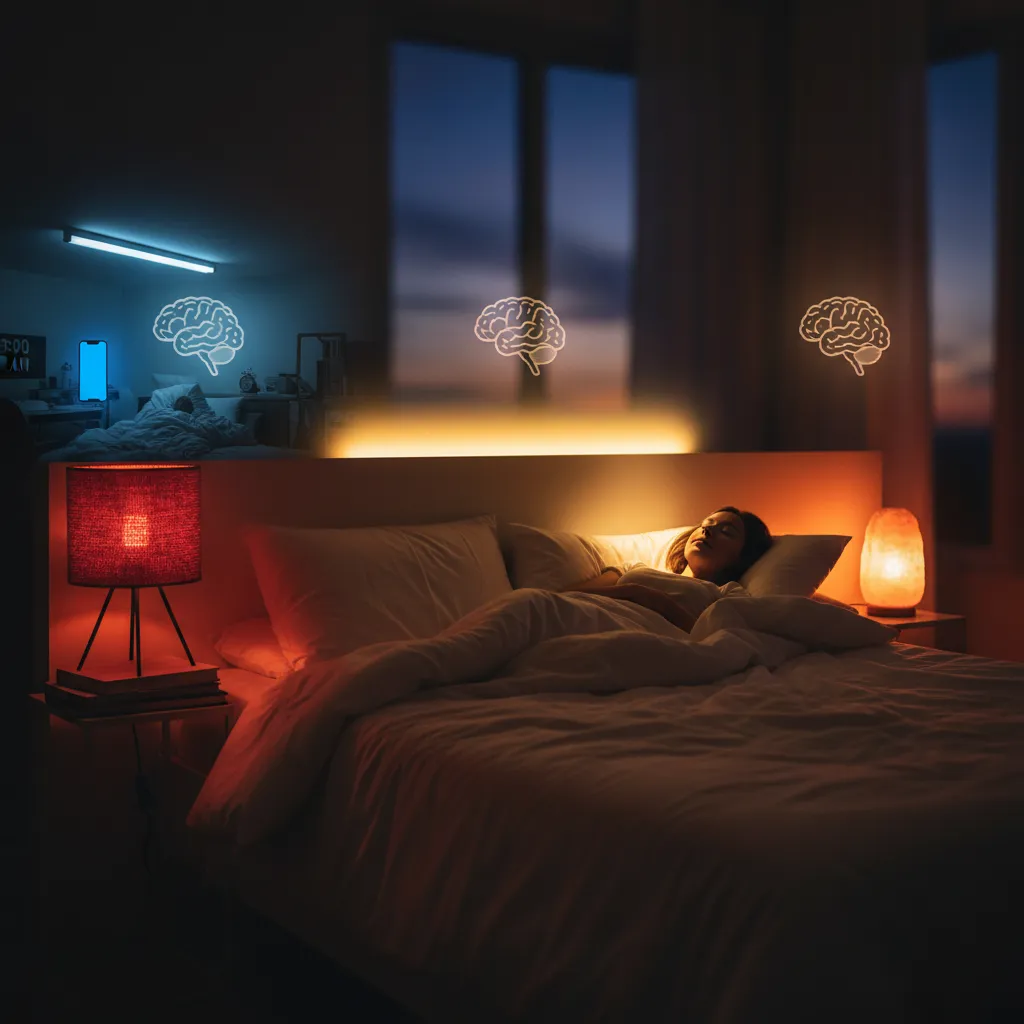
Modern PBM devices are designed for ease of use and safety in a home setting. The NeuroVizr, a device offered by NeuroTech Insider, exemplifies this innovation. It typically utilizes a combination of red (e.g., 670 nm) and near-infrared (e.g., 810 nm, as seen in Neuradiant 1070 Review) wavelengths, delivered through a comfortable Brain Helmet or similar head-mounted system. A typical protocol might involve daily sessions lasting between 15 to 20 minutes. Consistency is key, with users often integrating it into their morning or evening routine. The device is non-invasive and generally well-tolerated, making it an accessible option for individuals seeking Parkinson’s symptom relief and broader neuro-optimization. For detailed instructions and personalized guidance, referring to the NeuroTech Insider website is always recommended.
What Are the Safety Considerations and Best Practices for PBM?
Quick Answer: Safety considerations for PBM include using FDA-cleared devices, adhering to manufacturer guidelines, protecting the eyes, and consulting with a healthcare professional, especially for those with existing medical conditions or on medication, to ensure optimal and safe brain light therapy.
While PBM is generally considered safe, especially with reputable home devices, it is essential to follow best practices. Always use devices that are designed and tested for neurological applications, ideally with relevant certifications. Adhere strictly to the manufacturer’s instructions regarding session duration and frequency. Eye protection is paramount when using transcranial devices, as direct exposure to intense light can be harmful to the retina. Individuals with pre-existing medical conditions, particularly those sensitive to light or on photosensitizing medications, should consult their healthcare provider before beginning any neurodegenerative disease treatment involving light therapy. NeuroTech Insider emphasizes that PBM is intended to complement, not replace, conventional medical treatments. By integrating PBM responsibly, individuals can proactively support their brain health and contribute to their overall well-being, exploring paths similar to those studied for Stroke Recovery Light and other conditions.
Conclusion: A Brighter Future with Parkinson’s Light Therapy
The journey through Parkinson’s disease presents significant challenges, but the advancements in Parkinson’s Light Therapy offer a compelling vision for a more hopeful future. From enhancing fundamental cellular processes like mitochondrial function and protecting dopamine-producing neurons to providing tangible relief from both motor and non-motor symptoms, photobiomodulation is emerging as a powerful, non-invasive therapeutic modality. The consistent positive outcomes observed in rigorous scientific studies and the encouraging experiences shared by patients highlight the profound potential of this innovative approach. As research continues to unravel the full scope of PBM’s benefits and refine optimal treatment protocols, NeuroTech Insider remains at the forefront, dedicated to bringing these transformative technologies to those seeking improved neurological health and an enhanced quality of life. The path to neuro-optimization is illuminated, offering renewed hope and functional improvements for individuals living with Parkinson’s disease.
Frequently Asked Questions
What Are the 4 Promising Studies on Light Therapy for Parkinson’s?
Four promising studies highlight photobiomodulation’s efficacy in Parkinson’s disease by targeting mitochondrial function, reducing inflammation, promoting neuroprotection, and improving motor and non-motor symptoms, offering a new frontier in Parkinson’s light therapy.
What Impact Does Light Therapy Have on Motor and Non-Motor Symptoms?
Clinical trials have shown that Parkinson’s light therapy can lead to significant improvements in both motor symptoms like tremors and rigidity, and non-motor symptoms such as sleep disturbances and mood, enhancing overall patient quality of life.
Can Light Therapy Influence Neuroinflammation and Neuroprotection?
Yes, research indicates that brain light therapy can modulate neuroinflammation and exert neuroprotective effects by reducing pro-inflammatory cytokines and activating anti-apoptotic pathways, which is critical for combating the progressive nature of Parkinson’s.