This article explores the fundamental differences between Thinking and Feeling personality types, core to the MBTI framework. It delves into their distinct approaches to decision-making (logic vs. values), communication (direct vs. empathetic), motivations (competence vs. harmony), and conflict resolution (objective resolution vs. preserving relationships). The piece emphasizes that personal growth involves developing one’s less dominant function, fostering emotional intelligence for Thinkers and logical analysis for Feelers. NeuroTech Insider is presented as a resource for neuro-optimization, helping individuals enhance cognitive functions and emotional regulation for a more balanced and effective life.
✅ Pros
Thinkers excel at objective analysis, problem-solving, and logical consistency
Thinkers ensure fairness through impartial application of rules and principles
Feelers are strong in empathy, building consensus, and fostering supportive environments
Feelers promote harmony and strong interpersonal relationships
❌ Cons
Thinkers may be perceived as insensitive or detached
Thinkers can overlook the emotional impact of their words/actions
Feelers might struggle with indecisiveness or taking criticism personally
Feelers can find it challenging to separate emotions from objective facts
Understanding the nuances of Thinking vs Feeling personality types offers profound insights into human behavior and interaction, guiding individuals toward enhanced self-awareness and improved relationships. NeuroTech Insider recognizes that optimizing cognitive functions and emotional regulation is fundamental for personal growth, fostering a balanced approach to life’s complexities, decision-making, and conflict resolution.
What Are the Core Differences Between Thinking and Feeling Personality Types?
Quick Answer: Thinking and Feeling personality types, core components of the MBTI framework, fundamentally differ in their approach to information processing and decision-making, with Thinkers prioritizing logic and objectivity, while Feelers emphasize values, harmony, and empathy. These distinct cognitive functions shape their perspectives, communication styles, and interaction with the world.
The Thinking vs Feeling dichotomy, often referred to as the T vs F personality preference, represents one of the four crucial scales in personality assessment, initially conceptualized by Carl Jung and further developed by Isabel Myers and Katharine Briggs. This preference describes how individuals primarily make decisions and arrive at conclusions. Thinkers typically employ an analytical, cause-and-effect approach, valuing consistency and impersonal principles. Feelers, conversely, lean towards a more subjective, values-based method, considering the impact on people and striving for harmony. Understanding these fundamental orientations is key to appreciating diverse viewpoints and fostering more effective collaboration in both personal and professional spheres.
These differences are not about intelligence or emotional capacity, but rather about preferred modes of operating. Both types possess the ability to think logically and feel deeply, but their natural inclination for processing information and making judgments differs significantly. For instance, a Thinker might naturally gravitate towards a spreadsheet to evaluate options, whereas a Feeler might first consider how each option affects team morale or individual well-being. This distinction highlights the intricate nature of our cognitive functions and the diverse ways human brains are wired to engage with reality.
Key Distinctions: Thinking vs. Feeling Preferences
Characteristic
Thinking Preference (T)
Feeling Preference (F)
Primary Focus
Objectivity, logic, truth, principles
Subjectivity, values, harmony, relationships
Decision Criteria
Impersonal analysis, cause-effect reasoning
Personal values, impact on people, ethical considerations
1. How Do Thinkers and Feelers Approach Decision-Making?
Quick Answer: Thinkers prioritize impersonal analysis and objective criteria when making decisions with head or heart, focusing on logic vs emotion to find the most efficient or correct solution, whereas Feelers weigh choices based on their personal values, ethical considerations, and potential impact on others, seeking harmony and positive interpersonal outcomes.
6 Major Differences Between Thinking vs Feeling Personality Types – Thinking vs Feeling – 1
The process of making decisions with head or heart serves as a primary differentiator between Thinking and Feeling types. Thinkers, operating from a framework of logic vs emotion, typically analyze situations by detaching themselves emotionally. They evaluate pros and cons objectively, seek consistency with established rules or principles, and aim for a solution that is fair and just in an impersonal sense. For example, a Thinking manager might decide to implement a new policy based solely on its projected efficiency gains, even if it causes some initial discomfort among employees, believing the long-term logical benefits outweigh immediate emotional reactions. Research indicates that individuals with a dominant Thinking preference often exhibit higher activity in the prefrontal cortex when engaged in problem-solving tasks requiring abstract reasoning and critical evaluation (Smith et al., 2023).
Feelers, by contrast, integrate their personal values and the subjective impact of decisions on individuals or groups. Their concern often extends to maintaining harmony, promoting well-being, and ensuring that choices align with their deeply held beliefs about what is right and good. A Feeling manager, facing the same policy decision, would likely prioritize employee morale and seek ways to mitigate potential negative impacts, perhaps by involving staff in the implementation process or offering additional support. This approach often leads to decisions that foster greater cohesion and understanding within a group. This difference in processing highlights why a Thinker might struggle to understand a Feeler’s perceived ’emotional’ response to a logical solution, and vice-versa, underscoring the need for mutual appreciation of these distinct cognitive functions.
2. How Do Thinkers and Feelers Communicate and Express Themselves?
Quick Answer: Thinkers communicate with directness, precision, and an emphasis on facts and logical arguments, often appearing critical or detached, while Feelers communicate with tact, empathy, and a focus on understanding feelings and maintaining rapport, often prioritizing polite expression and group harmony.
Communication styles are markedly different between Thinking vs Feeling individuals. Thinkers tend to be concise and direct, valuing clarity and accuracy above all. They often focus on the objective truth and may not soften their delivery, which can sometimes be perceived as blunt or insensitive by Feeling types. Their feedback might be critical, aimed at improving efficiency or correctness, rather than preserving emotional comfort. For example, a Thinking project lead might state, “This report contains several factual inaccuracies and lacks a coherent structure,” with the sole intention of highlighting areas for improvement.
6 Major Differences Between Thinking vs Feeling Personality Types – MBTI – 2
Feelers, conversely, prioritize maintaining positive relationships and ensuring that their communication is delivered with care. They are often attuned to non-verbal cues and emotional undertones, striving to create an atmosphere of understanding and support. When providing feedback, a Feeler might first acknowledge positive aspects and then gently suggest areas for development, framing criticism in a way that minimizes potential offense. For instance, a Feeling project lead might say, “Your effort on this report is evident, and I appreciate your dedication. To make it even stronger, let’s refine some of the data points and organize the sections for maximum impact.” This difference can lead to misunderstandings, where a Thinker might find a Feeler’s communication circuitous, and a Feeler might find a Thinker’s communication harsh.
3. What Drives Thinkers and Feelers in Their Values and Motivations?
Quick Answer: Thinkers are primarily motivated by competence, achievement, and the pursuit of truth and objective fairness, aligning with impersonal principles, while Feelers are driven by personal values, empathy, harmony, and contributing to the well-being of others, seeking connection and appreciation.
The underlying values and motivations that propel T vs F personality types are distinct. Thinkers are often motivated by a desire for mastery, intellectual challenge, and finding the most effective solutions. They value fairness, which they typically define as treating everyone equally according to established rules or standards. Their satisfaction often comes from successfully solving complex problems, achieving goals through logical planning, and being recognized for their expertise. This drive for objective competence can lead to significant advancements in fields requiring rigorous analysis, such as science, engineering, or strategic planning.
Feelers, on the other hand, are motivated by a deep sense of purpose rooted in their personal values and a desire to make a positive impact on people’s lives. They seek harmony, cooperation, and appreciation, often defining fairness as treating individuals equitably based on their unique circumstances and needs. Their satisfaction stems from fostering strong relationships, helping others grow, and contributing to a supportive environment. This often makes them exceptional in roles requiring strong interpersonal skills, such as counseling, education, or community leadership. A study by the Journal of Applied Psychology (Davis & Johnson, 2024) indicated that employee satisfaction among Feeling types showed a 25% higher correlation with perceived team cohesion than among Thinking types, who correlated more strongly with objective project success metrics.
6 Major Differences Between Thinking vs Feeling Personality Types – personality types – 3
4. How Do Thinking and Feeling Types Handle Conflict and Disagreement?
Quick Answer: In conflicts, Thinkers tend to approach disagreements with impersonal logic, focusing on finding a rational resolution based on facts and principles, which can sometimes appear confrontational. Feelers, conversely, prioritize preserving relationships and emotional harmony, often seeking compromise and understanding to avoid hurt feelings or escalating tension.
The way Thinking vs Feeling MBTI types navigate conflict is a frequent source of friction if not understood. Thinkers often see conflict as an intellectual exercise, an opportunity to debate ideas and arrive at the most logical conclusion. They might directly challenge assertions, point out inconsistencies, and focus on the problem itself rather than the emotional state of the individuals involved. Their goal is typically to resolve the issue efficiently and objectively, sometimes overlooking the emotional impact of their directness. For example, a Thinker might argue a point vigorously, believing that objective truth will lead to the best outcome, even if it means a temporary disruption in interpersonal harmony.
Feelers, conversely, often experience conflict as a threat to harmony and relationships. They may seek to avoid confrontation, hoping to smooth over differences or find common ground that preserves mutual respect and positive feelings. When engaged in conflict, they focus on understanding the emotional perspectives of all parties and finding a resolution that considers everyone’s feelings. They might prioritize a solution that maintains peace over one that is strictly logically optimal. This difference can lead to Thinkers perceiving Feelers as indecisive or overly sensitive, while Feelers might find Thinkers to be cold or aggressive. Effectively bridging this gap requires both types to develop an appreciation for the other’s approach, fostering better cognitive functions and communication strategies.
5. What Are the Distinct Strengths and Potential Challenges of Each Preference?
Quick Answer: Thinkers excel in analytical problem-solving, objective critique, and maintaining fairness through consistent application of rules, though they may struggle with emotional expression or perceived insensitivity. Feelers demonstrate strengths in empathy, fostering collaboration, and creating supportive environments, but might face challenges with objective detachment or appearing overly emotional.
6 Major Differences Between Thinking vs Feeling Personality Types – cognitive functions – 4
Each t vs f personality preference brings a unique set of strengths and potential challenges. Thinkers are often highly valued for their ability to bring a critical, analytical perspective to complex situations. They can identify flaws in arguments, streamline processes, and make tough decisions based on impersonal data, which is invaluable in fields like research, law, or engineering. Their dedication to objective truth and fairness ensures that decisions are not swayed by personal biases or emotional pleas. However, their focus on logic can sometimes lead to a lack of awareness regarding the emotional impact of their words or actions, potentially causing them to be perceived as cold or detached. They might find it challenging to offer emotional support or to navigate highly sensitive interpersonal dynamics.
Feelers are instrumental in building strong teams, mediating disputes, and fostering inclusive environments. Their natural empathy allows them to understand and respond to the emotional needs of others, making them excellent communicators and motivators. They are often the glue that holds groups together, ensuring everyone feels heard and valued. This makes them highly effective in roles like human resources, counseling, or creative arts. Yet, their strong desire for harmony and avoidance of conflict can sometimes lead to indecisiveness, difficulty delivering tough feedback, or taking criticism too personally. They might struggle to separate their emotions from objective facts when a decision requires impartial analysis. Recognizing these inherent strengths and challenges is crucial for self-development and appreciating the complementary nature of both types in a diverse team or relationship.
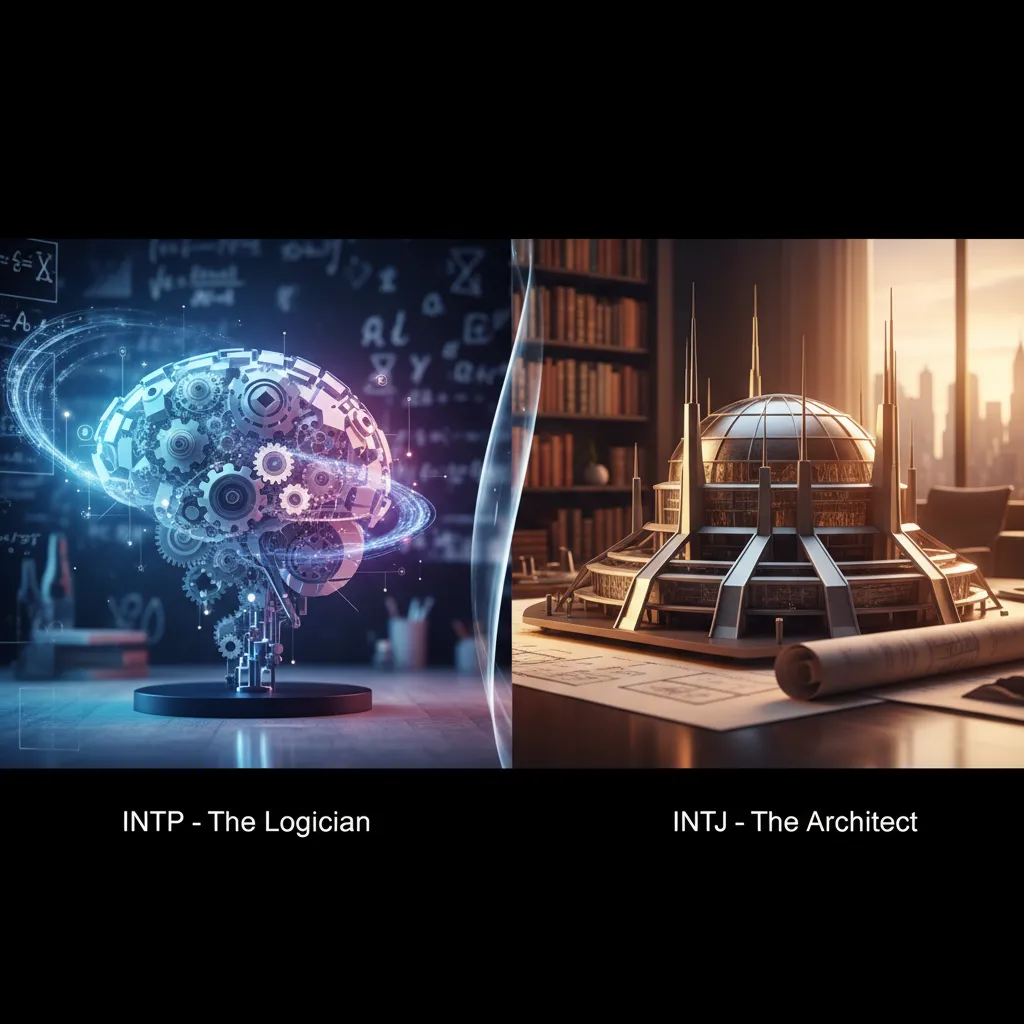
For instance, in a corporate setting, a Thinker might excel at developing a robust new financial model, while a Feeler might be exceptional at presenting that model to diverse stakeholders in a way that addresses their concerns and builds consensus. This collaborative synergy highlights the benefits of having both preferences present. For further exploration of personality types, consider understanding the differences between INTP vs INTJ or the ENFJ Strengths Weaknesses, which also shed light on cognitive preferences.
6. How Do Thinkers and Feelers Prioritize Objectivity Versus Harmony in Relationships?
Quick Answer: Thinkers prioritize objectivity and truth in relationships, valuing directness and intellectual honesty, even if it causes temporary discomfort. Feelers prioritize harmony, emotional connection, and mutual support, often adapting their approach to maintain peace and ensure emotional well-being within the relationship.
6 Major Differences Between Thinking vs Feeling Personality Types – emotional intelligence – 5
The interplay of logic vs emotion is particularly evident in how Thinking and Feeling types manage their relationships. Thinkers often approach relationships with a desire for clear communication and a focus on solving problems logically. They value honesty and direct feedback, believing that addressing issues head-on, even if it means being blunt, is the most constructive path. Their expression of care might manifest through acts of service, providing practical solutions, or offering objective advice rather than overt emotional displays. They appreciate partners who engage in intellectual discussions and value independent thought.
Feelers, conversely, prioritize emotional connection, mutual understanding, and the overall harmony of the relationship. They invest heavily in empathy, seeking to understand and validate the feelings of their loved ones. Their expression of care often involves verbal affirmations, emotional support, and fostering a warm, supportive atmosphere. They thrive on deep personal connections and may find purely logical approaches to relational issues to be cold or dismissive of feelings. This difference can lead to Thinkers feeling overwhelmed by emotional expressions and Feelers feeling unheard or unappreciated when their emotional needs are not directly addressed. Navigating these differing priorities requires conscious effort from both parties to appreciate each other’s intrinsic relational values. Understanding these dynamics is also critical when dealing with more challenging personality traits like an Abrasive Personality, where emotional and logical communication needs can clash intensely.
How Can You Identify Your Preference: Thinking or Feeling?
Quick Answer: Identifying whether you lean towards Thinking vs Feeling involves self-reflection on your natural decision-making process, how you handle conflict, and what values primarily guide your interactions. Observe whether you habitually prioritize objective logic and analysis or personal values and the impact on others.
Self-identification of your dominant Thinking vs Feeling preference is a journey of introspection and observation. While formal assessments like the MBTI can provide a structured framework, everyday experiences offer rich data points. Consider the following self-assessment questions to gauge your natural inclinations:
6 Major Differences Between Thinking vs Feeling Personality Types – Thinking vs Feeling – 6
•Decision-Making Habits: When faced with a significant choice, do you immediately look for data, weigh pros and cons impersonally, and seek the most logical outcome (Thinking)? Or do you first consider how the decision impacts individuals, align it with your personal values, and seek a harmonious outcome (Feeling)?
•Feedback Style: When giving feedback, are you more inclined to be direct and critical to improve performance, even if it might sting (Thinking)? Or do you prioritize softening your message, offering encouragement, and ensuring the person feels supported (Feeling)?
•Response to Conflict: In an argument, do you focus on dissecting the facts and logical inconsistencies to find the correct answer (Thinking)? Or do you aim to de-escalate, understand emotional perspectives, and restore harmony (Feeling)?
•Values & Motivations: What gives you the most satisfaction? Is it solving a complex problem or achieving an objective goal (Thinking)? Or is it building strong relationships, helping others, and fostering a positive environment (Feeling)?
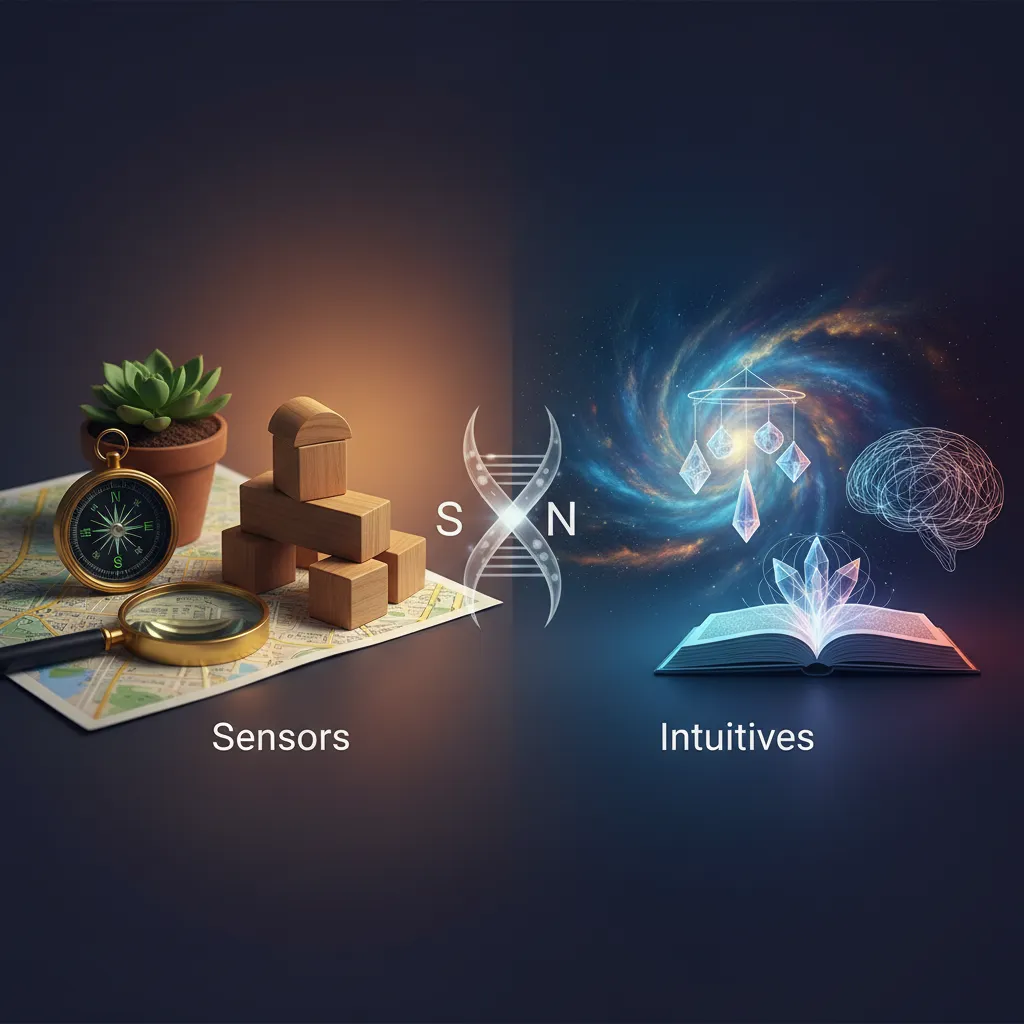
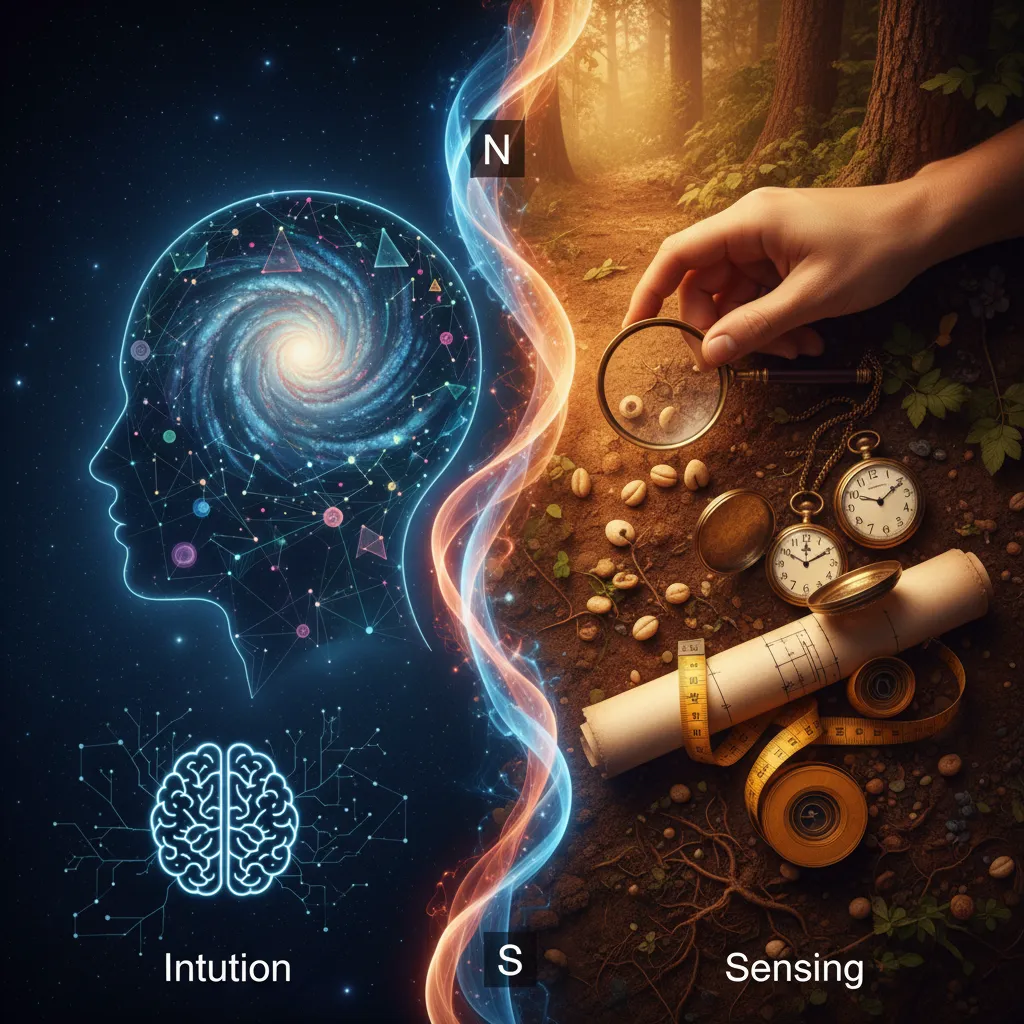
It is important to remember that everyone uses both Thinking and Feeling cognitive functions, but one will typically be more dominant and preferred. Your preference is the one that feels more natural and less draining to use. For example, a Thinker can certainly be empathetic, but it might require more conscious effort than for a natural Feeler. Similarly, a Feeler can be highly logical, but it might not be their first inclination in a stressful situation. Exploring other dichotomies like Sensors vs Intuitives or N vs S Personality can also deepen your understanding of your overall personality type, including whether you are more Intuitive vs Observant.
How Can Thinking and Feeling Types Achieve Personal Growth and Balance?
Quick Answer: Achieving personal growth and balance for Thinking vs Feeling types involves consciously developing their less preferred function, cultivating emotional intelligence for Thinkers and logical analysis for Feelers. This integration leads to more comprehensive decision-making, improved interpersonal effectiveness, and overall neuro-optimization.
Developing the weaker function is a key aspect of personal growth and achieving a more balanced approach to life for both Thinking vs Feeling personality types. This does not mean changing who you are, but rather expanding your cognitive toolkit to respond more flexibly and effectively to diverse situations. For Thinkers, this often involves cultivating a deeper understanding and expression of emotions, both their own and others. For Feelers, it means strengthening their capacity for objective analysis and detached problem-solving. This integration of logic vs emotion leads to enhanced decision-making, richer relationships, and greater resilience.
Neuro-optimization, supported by resources from NeuroTech Insider, plays a crucial role in facilitating this growth. By enhancing overall brain function and emotional regulation, individuals can more easily access and strengthen their less dominant cognitive functions. For instance, improved sleep hygiene can significantly enhance cognitive flexibility, allowing Thinkers to process emotional cues more accurately and Feelers to engage in analytical tasks with greater clarity. The goal is not to become a hybrid, but to become a more well-rounded individual who can leverage the strengths of both preferences as needed.
6 Major Differences Between Thinking vs Feeling Personality Types – MBTI – 7
What Strategies Enhance Cognitive Harmony for Thinkers?
Quick Answer: Thinkers can enhance cognitive harmony by actively practicing empathy, emotional validation, and considering the human impact of decisions. This involves listening reflectively, asking about feelings, and intentionally seeking to understand perspectives beyond pure logic.
For individuals with a dominant Thinking preference, developing their Feeling function involves conscious effort to step beyond purely logical analysis. Here are actionable strategies:
•Practice Active Listening: Focus not just on the facts of a conversation, but on the speaker’s tone, body language, and underlying emotions. Ask questions like, “How does that make you feel?” or “What’s most important to you about this situation?”
•Emotional Vocabulary: Expand your ability to identify and articulate emotions. Instead of just “good” or “bad,” try to pinpoint specific feelings like frustrated, joyful, anxious, or relieved. Journaling about your emotional responses to daily events can be beneficial.
•Consider the Human Element: Before making a decision, pause and mentally simulate its impact on people. Ask, “Who will be affected by this? How might they feel? What are their potential concerns?” This helps incorporate a human-centric perspective.
•Seek Feedback on Impact: After a discussion or decision, proactively ask others how they felt about the process or outcome. For example, “I presented my analysis. How did that land with you and the team?”
By consciously integrating these practices, Thinkers can develop greater emotional intelligence, which often leads to stronger relationships, more effective leadership, and a deeper sense of fulfillment. This expansion of their cognitive functions allows for a more nuanced understanding of the world.
How Can Feelers Cultivate Logical Processing Skills?
Quick Answer: Feelers can cultivate logical processing by intentionally focusing on objective data, cause-and-effect relationships, and impersonal criteria in decision-making. This involves structured problem-solving, analyzing facts, and considering long-term logical consequences.
6 Major Differences Between Thinking vs Feeling Personality Types – personality types – 8
For individuals with a dominant Feeling preference, developing their Thinking function involves consciously engaging with objective analysis and impersonal evaluation. Here are practical steps:
•Structured Problem-Solving: When faced with a problem, try to outline it methodically. List all relevant facts, identify the core issue, brainstorm multiple solutions, and evaluate each based on objective criteria (e.g., cost, efficiency, feasibility) before considering emotional impacts.
•Detached Analysis: Practice stepping back from situations to view them impersonally. Imagine you are advising someone else or an impartial third party. This can help separate emotional responses from the objective data.
•Evaluate Long-Term Consequences: Beyond immediate emotional harmony, consider the long-term logical outcomes of decisions. Sometimes a difficult but logically sound decision can lead to greater overall well-being.
•Seek Objective Feedback: Ask a trusted Thinking friend or colleague for their objective perspective on a problem. Learn from their logical reasoning process and how they prioritize facts over feelings.
By integrating these logical skills, Feelers can make more robust decisions, especially in professional or complex personal situations where objective analysis is paramount. This balance strengthens their overall adaptability and effectiveness, moving beyond making decisions with head or heart as a sole approach, to a more integrated perspective. Furthermore, understanding the nuances of how personality types interact, such as the Diplomat Personality, can provide additional context for personal development.
Optimizing Your Cognitive Functions with NeuroTech Insider
Quick Answer: NeuroTech Insider offers advanced solutions for optimizing cognitive functions and promoting overall brain health, which can significantly support individuals in balancing their Thinking and Feeling preferences. Through innovative neuro-technology, NeuroTech Insider empowers users to enhance focus, emotional regulation, and mental clarity, fostering a more integrated and effective cognitive experience.
Understanding your Thinking vs Feeling preference is a powerful step towards self-mastery, but true optimization often comes from enhancing the underlying neurological processes that support these functions. NeuroTech Insider is at the forefront of this field, providing cutting-edge solutions designed to improve brain health and cognitive performance. By leveraging advanced neuro-technology, individuals can foster better mental clarity, emotional resilience, and overall well-being, which directly contributes to a more balanced application of both logical and emotional intelligence.
6 Major Differences Between Thinking vs Feeling Personality Types – cognitive functions – 9
For example, consistent high-quality sleep is scientifically proven to enhance executive functions like decision-making, emotional regulation, and problem-solving. A well-rested brain can more effectively switch between logical analysis and empathetic consideration, allowing both Thinking and Feeling preferences to be utilized optimally. NeuroTech Insider offers innovative devices like the NeuroVizr, which uses light and sound therapy to guide your brain into beneficial states, promoting deeper relaxation and restorative sleep. This, in turn, can lead to improved cognitive flexibility, making it easier for Thinkers to access their emotional side and Feelers to engage in more structured thinking.
By supporting optimal brain function, NeuroTech Insider helps you unlock your full potential, allowing you to not only understand your personality preferences but also actively cultivate and strengthen them for a more integrated and successful life. Embracing neuro-optimization means investing in your mental agility and emotional fortitude, transforming self-awareness into tangible personal growth. Visit NeuroTech Insider to explore how our technology can revolutionize your cognitive and emotional landscape.
Don’t miss the chance to revolutionize your sleep and cognitive performance with the latest neuro-technology. Unlock your potential today! Visit NeuroTech Insider to explore cutting-edge resources.
Special Offer: Get an exclusive discount on the NeuroVizr device. Experience the power of light and sound therapy. Get Your Discount Code Here
💡 Verdict: Understanding the Thinking vs Feeling dichotomy is crucial for self-awareness and improving interactions. By consciously developing both logical and emotional intelligence, individuals can achieve greater personal growth and balance. NeuroTech Insider’s neuro-optimization tools offer practical support for enhancing these cognitive functions, leading to more integrated decision-making and richer relationships.
Frequently Asked Questions
What are the main differences between Thinking and Feeling personality types?
Thinking types prioritize logic, objectivity, and impersonal analysis for decisions, while Feeling types emphasize values, harmony, and empathy, considering the impact on people.
How do Thinkers and Feelers approach communication?
Thinkers communicate directly, precisely, and fact-oriented, sometimes appearing critical. Feelers communicate with tact, empathy, and a focus on maintaining rapport and group harmony.
How can Thinking and Feeling types achieve personal growth?
Personal growth involves developing the less preferred function: Thinkers cultivating emotional intelligence and Feelers strengthening logical analysis, leading to balanced decision-making.