
Key Takeaways
✅ Pros
- Does not cause DNA damage or initiate cancer development, unlike UV radiation.
- Can promote cellular healing, reduce inflammation, and stimulate cellular energy production.
- Shows promise in managing severe side effects of cancer treatment, such as oral and esophageal mucositis.
- Specific red and near-infrared (NIR) wavelengths (e.g., 630-680 nm, 800-880 nm) are well-established as safe for therapeutic use.
- Offers a non-invasive approach to support well-being during and after cancer treatment (with medical guidance).
❌ Cons
- Potential to stimulate active, untreated tumors.
- Requires strict medical consultation with an oncologist, especially for individuals with a history of cancer.
- Research on optimal parameters (wavelength, dose, duration) for cancer-related applications is still evolving.
- Not a standalone cancer treatment.
Cancer Infrared Light therapies are increasingly popular, but are they safe? NeuroTech Insider clarifies the crucial safety facts surrounding infrared light and cancer, separating myth from reality. Understand the benefits, contraindications, and guidelines for safe use, empowering you to make informed decisions about neuro-optimization. Learn about photobiomodulation, red light therapy, and light therapy devices.
Is Infrared Light Safe When Considering Cancer Risk?
Quick Answer: Infrared light is generally considered safe and does not cause cancer. Unlike ultraviolet (UV) radiation, infrared light lacks the energy to damage DNA and initiate cancer development. However, certain contraindications must be considered, particularly regarding active tumors.
The primary concern surrounding light and cancer stems from the well-established link between UV radiation and skin cancer. UV light, with its high energy, can directly damage DNA, leading to mutations that can result in cancerous growth. Infrared light, on the other hand, occupies a different portion of the electromagnetic spectrum. It has a lower frequency and longer wavelength than visible light, and significantly less energy than UV light. This fundamental difference in energy levels is critical to understanding why infrared light is not considered a carcinogen.
Multiple studies have investigated the effects of infrared light on cells and tissues, and the overwhelming consensus is that it does not induce DNA damage or promote cancer development. In fact, research suggests that infrared light, particularly in the near-infrared (NIR) range, can have beneficial effects on cells, promoting healing, reducing inflammation, and stimulating cellular energy production. This is the basis for the growing popularity of NIR Light Therapy for various health conditions.
A crucial distinction must be made between different types of light. The following table summarizes the key differences between UV and Infrared light:
| Characteristic | Ultraviolet (UV) Light | Infrared (IR) Light |
|---|---|---|
| Wavelength | 10 nm – 400 nm | 700 nm – 1 mm |
| Energy Level | High | Low |
| DNA Damage | Yes | No |
| Cancer Risk | High | Low (Generally Considered Safe) |
| Common Sources | Sunlight, Tanning Beds | Heat Lamps, Red Light Therapy Devices |
When are Light Therapy Contraindications Important to Consider Regarding Cancer?
Quick Answer: While infrared light itself is not considered carcinogenic, there are specific situations where caution is advised. The primary contraindication involves active, untreated tumors. It is crucial to consult with an oncologist before using infrared light therapy if you have a history of cancer or suspect you may have an undiagnosed tumor.
The concern arises from the potential for infrared light to stimulate cellular activity and blood flow. While this can be beneficial for healthy tissues, it could theoretically promote the growth or spread of cancerous cells in an active tumor. Although there is limited scientific evidence to support this concern, it is a precautionary principle adopted by many medical professionals. It’s better to err on the side of caution, especially when dealing with a condition as serious as cancer.
This does not mean that infrared light is inherently dangerous for individuals with a history of cancer. In many cases, after successful cancer treatment (surgery, chemotherapy, radiation), the risk associated with infrared light therapy is significantly reduced. However, it is still essential to discuss this with your oncologist. They can assess your individual situation, taking into account the type of cancer, the stage of treatment, and your overall health, to provide personalized recommendations.
Here’s a breakdown of key considerations regarding Light Therapy Contraindications in the context of cancer:
- • Active, Untreated Tumors: Avoid infrared light therapy in areas with active tumors unless specifically approved by your oncologist.
- • History of Cancer: Consult with your oncologist before starting infrared light therapy, even after successful treatment.
- • Undiagnosed Growths: If you suspect you may have an undiagnosed growth or tumor, seek medical evaluation before using infrared light therapy.
It’s important to remember that these are general guidelines. Individual circumstances vary, and the best course of action is always to seek personalized medical advice from a qualified healthcare professional.
Can Infrared Light Offer Benefits During Cancer Treatment, Specifically for Mucositis?
Quick Answer: Emerging research suggests that infrared light therapy, also known as photobiomodulation (PBM), may help manage certain side effects of cancer treatment, such as mucositis. Mucositis is a painful inflammation and ulceration of the mucous membranes lining the digestive tract, often caused by chemotherapy and radiation.
Chemotherapy and radiation therapy, while effective at targeting cancer cells, can also damage healthy cells, leading to various side effects. Mucositis is a particularly debilitating side effect that can significantly impact a patient’s quality of life. It can cause severe pain, difficulty eating and swallowing, and increased risk of infection. Traditional treatments for mucositis often provide limited relief, prompting researchers to explore alternative approaches.
Several studies have investigated the potential of PBM to alleviate mucositis. The proposed mechanism of action involves the ability of infrared light to stimulate cellular repair, reduce inflammation, and promote tissue regeneration. By targeting the affected mucous membranes with specific wavelengths of infrared light, PBM may help accelerate healing and reduce the severity of mucositis symptoms.
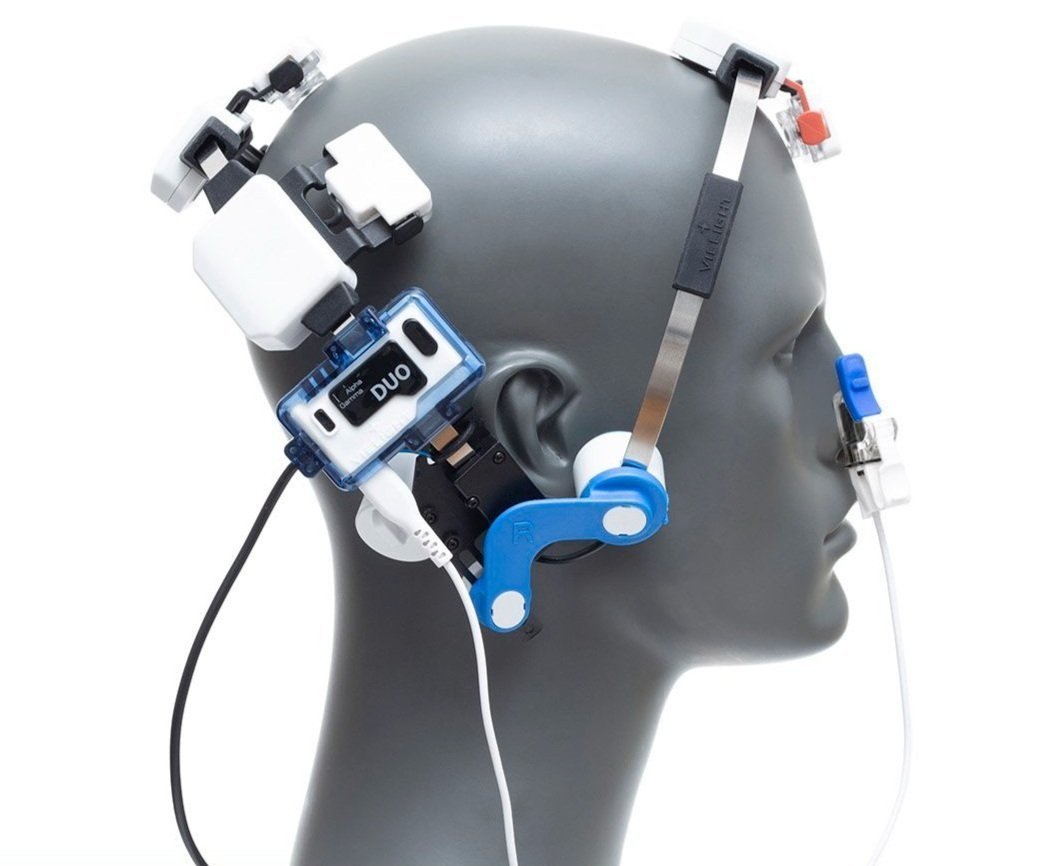
A systematic review and meta-analysis published in the journal Supportive Care in Cancer (2019) analyzed several randomized controlled trials evaluating the efficacy of PBM for oral mucositis in cancer patients. The results indicated that PBM significantly reduced the incidence and severity of oral mucositis compared to placebo or standard care. The review concluded that PBM is a promising intervention for preventing and treating oral mucositis in cancer patients undergoing chemotherapy and/or radiation therapy.
Another study published in Lasers in Surgery and Medicine (2020) investigated the effects of PBM on esophageal mucositis in patients undergoing chemoradiotherapy for esophageal cancer. The results showed that PBM significantly reduced the severity of esophageal mucositis and improved patients’ ability to eat and swallow. These findings suggest that PBM may be a valuable tool for managing esophageal mucositis and improving the quality of life for patients undergoing treatment for esophageal cancer.
While the research on PBM for mucositis is promising, it’s essential to note that it is still an evolving field. More research is needed to determine the optimal parameters for PBM treatment, including the wavelength, dose, and duration of light exposure. It is also crucial to consider individual patient factors and potential interactions with other cancer treatments. As always, consult with your oncologist or healthcare provider to determine if PBM is an appropriate option for you.
How Do You Talk to Your Oncologist About Oncology and Light Therapy?
Quick Answer: Open and honest communication with your oncologist is crucial when considering any complementary therapy, including light therapy. Prepare for the conversation by gathering information about the specific type of light therapy you are interested in, its potential benefits, and any potential risks or contraindications.
Approaching your oncologist with well-researched information demonstrates your proactive involvement in your health and allows for a more informed discussion. Here’s a step-by-step guide to help you prepare for and navigate this conversation:
- Research Light Therapy: Understand the basics of the specific type of light therapy you’re interested in (e.g., red light therapy, near-infrared light therapy). Know its intended uses, potential benefits, and any known risks or side effects. Refer to reputable sources like medical journals, research institutions, and established healthcare websites. NeuroTech Insider offers resources on Light Therapy at Home.
-
Prepare Specific Questions: Write down a list of specific questions you want to ask your oncologist. Examples include:
- Is light therapy safe for me, considering my specific type of cancer and treatment plan?
- Are there any potential interactions between light therapy and my current medications or treatments?
- What are the potential benefits and risks of light therapy in my case?
- Do you have any experience with light therapy for cancer patients, and what are your thoughts on its use?
- Be Open and Honest: Share your reasons for considering light therapy. Are you hoping to manage side effects, improve your overall well-being, or explore alternative treatment options? Be transparent about your expectations and any concerns you may have.
- Listen Carefully and Ask for Clarification: Pay close attention to your oncologist’s responses and ask for clarification if anything is unclear. Don’t hesitate to ask them to explain their reasoning or provide additional information.
- Respect Their Opinion: Your oncologist is your primary source of medical advice, and their opinion should be respected. Even if you disagree with their assessment, listen to their concerns and consider their recommendations carefully.
- Document the Discussion: Take notes during the conversation to help you remember the key points and recommendations. This can be helpful for future reference and decision-making.
Remember, the goal is to have an open and collaborative discussion with your oncologist to determine if light therapy is a safe and appropriate option for you. They can provide personalized guidance based on your individual circumstances and help you make informed decisions about your cancer care.
What are Safe Wavelengths to Consider for Light Therapy?
Quick Answer: When considering light therapy, particularly for applications like photobiomodulation, certain wavelengths are generally considered safer and more effective. These typically fall within the red and near-infrared (NIR) spectrum. Common safe wavelengths include 630-680 nm (red light) and 800-880 nm (NIR light).
The effectiveness of light therapy depends heavily on the wavelength of light used. Different wavelengths penetrate the skin to varying depths and interact with different molecules within the cells. The red and NIR wavelengths have been extensively studied and shown to have beneficial effects on cellular function without causing harm.
Red light, typically in the 630-680 nm range, is readily absorbed by the skin and is effective for treating surface-level conditions such as skin inflammation, wrinkles, and wound healing. NIR light, with wavelengths between 800-880 nm, penetrates deeper into the tissues and can reach muscles, nerves, and even the brain. This makes NIR light suitable for treating conditions such as muscle pain, joint pain, and neurological disorders.
Here’s a more detailed look at commonly used and considered “Best Red Light Wavelengths“:
- • 630 nm (Red): Effective for skin rejuvenation and reducing inflammation.
- • 660 nm (Red): Promotes wound healing and reduces scar tissue formation.
- • 810 nm (NIR): Enhances cognitive function and reduces brain inflammation.
- • 830 nm (NIR): Improves muscle recovery and reduces joint pain.
- • 850 nm (NIR): Promotes bone regeneration and accelerates fracture healing.
It’s important to choose light therapy devices that use these well-established and safe wavelengths. Avoid devices that emit UV light or other potentially harmful wavelengths. Also, consider exploring options like a Brain Helmet using safe NIR wavelengths for neuro-optimization.
The power output and duration of exposure are also important factors to consider. Follow the manufacturer’s instructions carefully and start with shorter exposure times to assess your tolerance. If you have any concerns, consult with a healthcare professional before using light therapy.

In summary, while infrared light is generally considered safe and does not cause cancer, it’s crucial to be aware of potential contraindications, particularly regarding active tumors. When used appropriately and under the guidance of a healthcare professional, infrared light therapy can offer various benefits, including managing side effects of cancer treatment and promoting overall well-being. Always prioritize safety and informed decision-making when considering any therapeutic intervention.
Frequently Asked Questions
Is infrared light therapy safe for individuals with cancer?
Infrared light is generally considered safe and does not cause cancer, as it lacks the DNA-damaging energy of UV light. However, it is contraindicated for active, untreated tumors due to its potential to stimulate cellular activity. Always consult an oncologist before use.
Can infrared light therapy help with side effects of cancer treatment?
Yes, emerging research suggests that photobiomodulation (PBM) using infrared light may help manage certain side effects, such as mucositis, which is a painful inflammation caused by chemotherapy and radiation. PBM can promote cellular repair and reduce inflammation.
What are the safest wavelengths for light therapy, especially regarding cancer?
For therapeutic applications like photobiomodulation, red light (630-680 nm) and near-infrared (NIR) light (800-880 nm) are generally considered safe and effective. These wavelengths penetrate tissues beneficially without causing DNA damage or cancer.