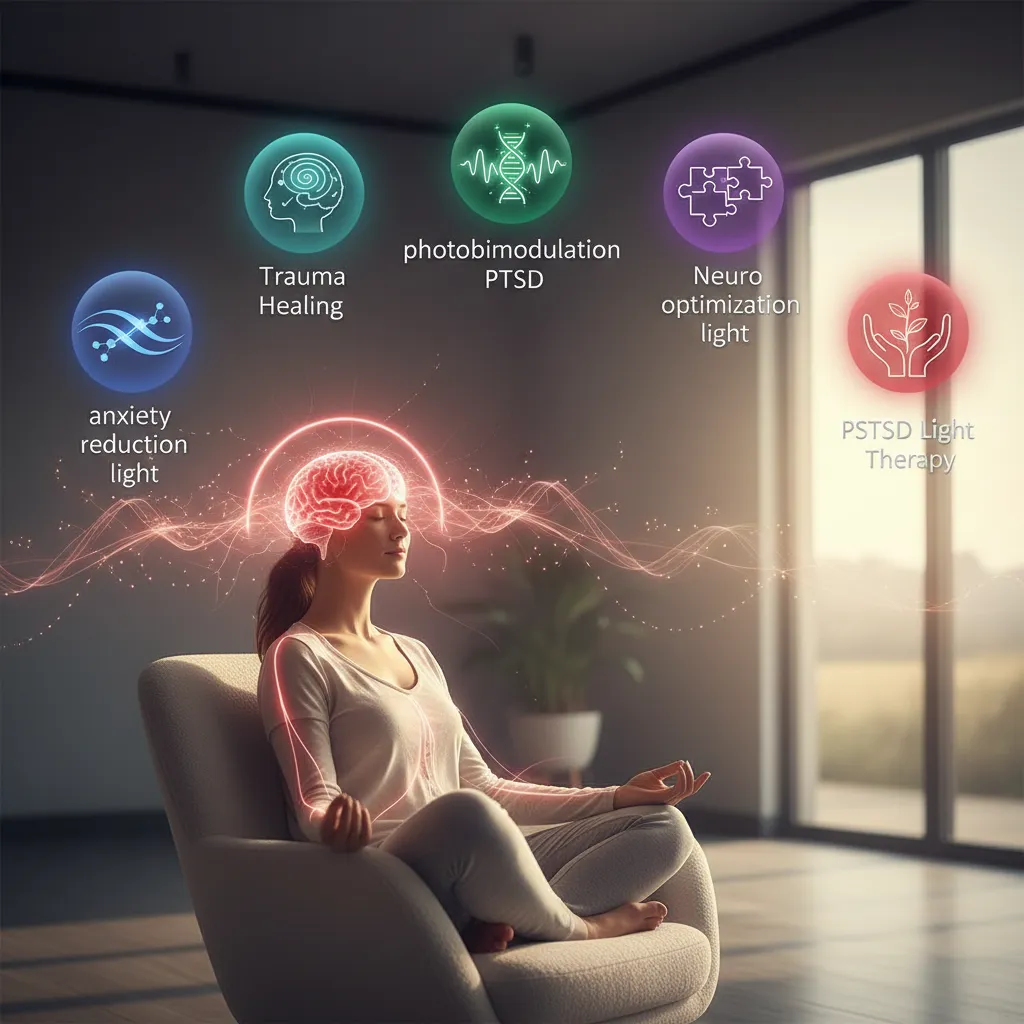
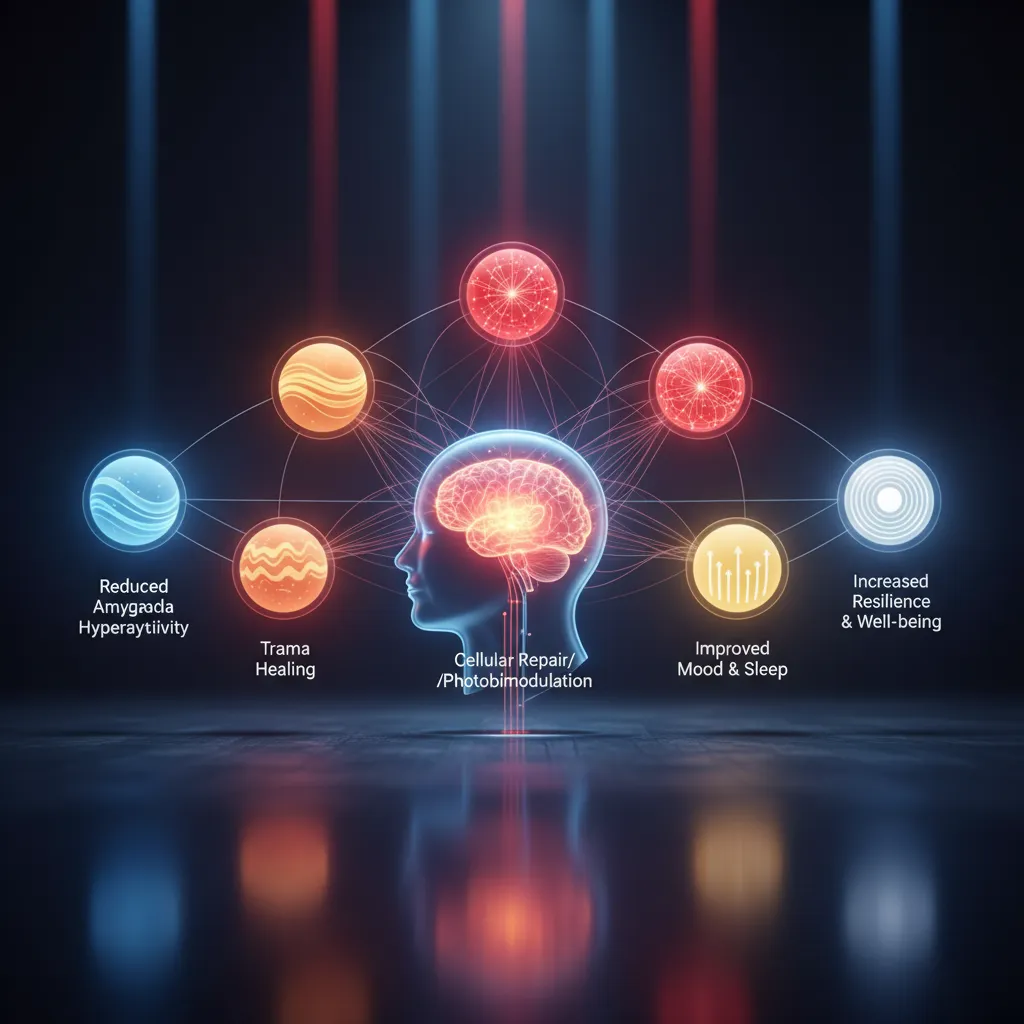
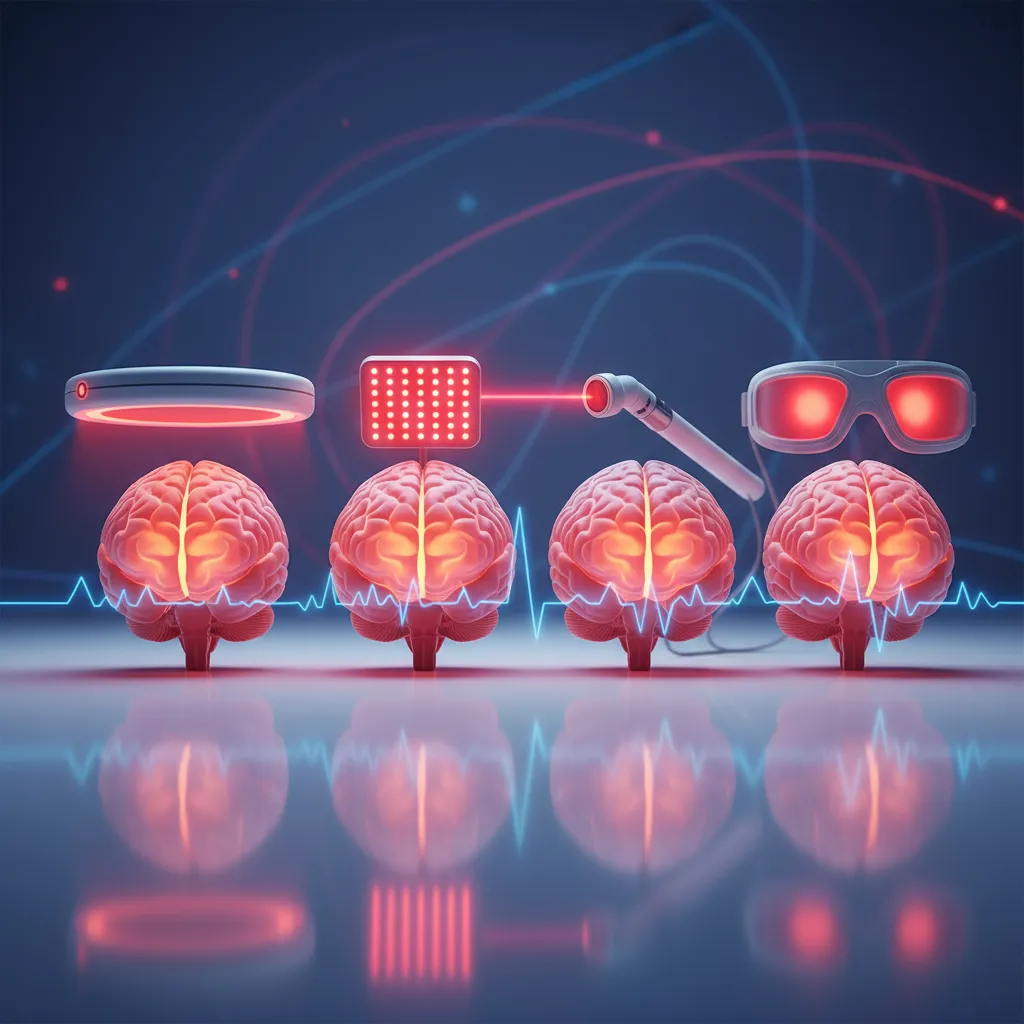
PTSD light therapy, or photobiomodulation (PBM), offers a non-invasive and promising approach to healing trauma and enhancing well-being. It works by modulating the brain’s stress response, calming the fight-or-flight system, and reducing amygdala hyperactivity. PBM also significantly boosts neuroplasticity, allowing the brain to re-organize and integrate traumatic memories more effectively. Both transcranial and systemic light applications contribute to improved mental health by reducing inflammation, enhancing circulation, and balancing neurotransmitters, leading to better mood, reduced anxiety, and improved sleep quality, including a reduction in night terrors. Light therapy serves as an effective standalone option or a powerful complement to traditional psychotherapies, preparing the brain for more productive healing. Scientific studies support its efficacy in reducing PTSD symptoms and improving cognitive function through enhanced mitochondrial activity and reduced neuroinflammation. Devices like NeuroTech Insider’s NeuroVizr leverage these principles for comprehensive neuro-optimization.
✅ Pros
Non-invasive with minimal side effects
Calms the brain’s stress response and fight-or-flight system
Reduces amygdala hyperactivity for better emotional regulation
Enhances neuroplasticity, aiding in trauma memory integration
Improves sleep quality and reduces night terrors
Complements traditional psychotherapies (CBT, EMDR)
Reduces neuroinflammation and systemic inflammation
Enhances cerebral blood flow and neurotransmitter activity
Boosts cellular energy production (mitochondrial function)
Supports gut-brain axis function indirectly
❌ Cons
Potential for mild, transient skin irritation if parameters are incorrect.
More research is needed on the direct impact of light therapy on the vagus nerve.
PTSD light therapy offers a powerful, non-invasive avenue for trauma brain healing, helping to calm the overactive fight-or-flight response by modulating neural pathways. NeuroTech Insider presents this innovative approach as a beacon of hope for enhancing emotional resilience and promoting comprehensive mental well-being, providing a path toward neuro-optimization and anxiety reduction.
How Does Light Therapy Modulate the Brain’s Stress Response to Alleviate PTSD Symptoms?
Quick Answer: Light therapy, particularly photobiomodulation (PBM), calms the brain’s stress response by enhancing mitochondrial function and reducing neuroinflammation, leading to a more balanced autonomic nervous system and decreased fight-or-flight activation in individuals experiencing PTSD.
Post-Traumatic Stress Disorder (PTSD) is characterized by a persistent state of hyperarousal, where the body’s fight-or-flight response remains chronically activated. This state is largely governed by the autonomic nervous system (ANS), which struggles to return to a balanced parasympathetic state after a traumatic event. Emerging research into Anxiety Light Therapy, especially using specific wavelengths of light, offers a promising non-pharmacological intervention for modulating this dysregulated stress response.
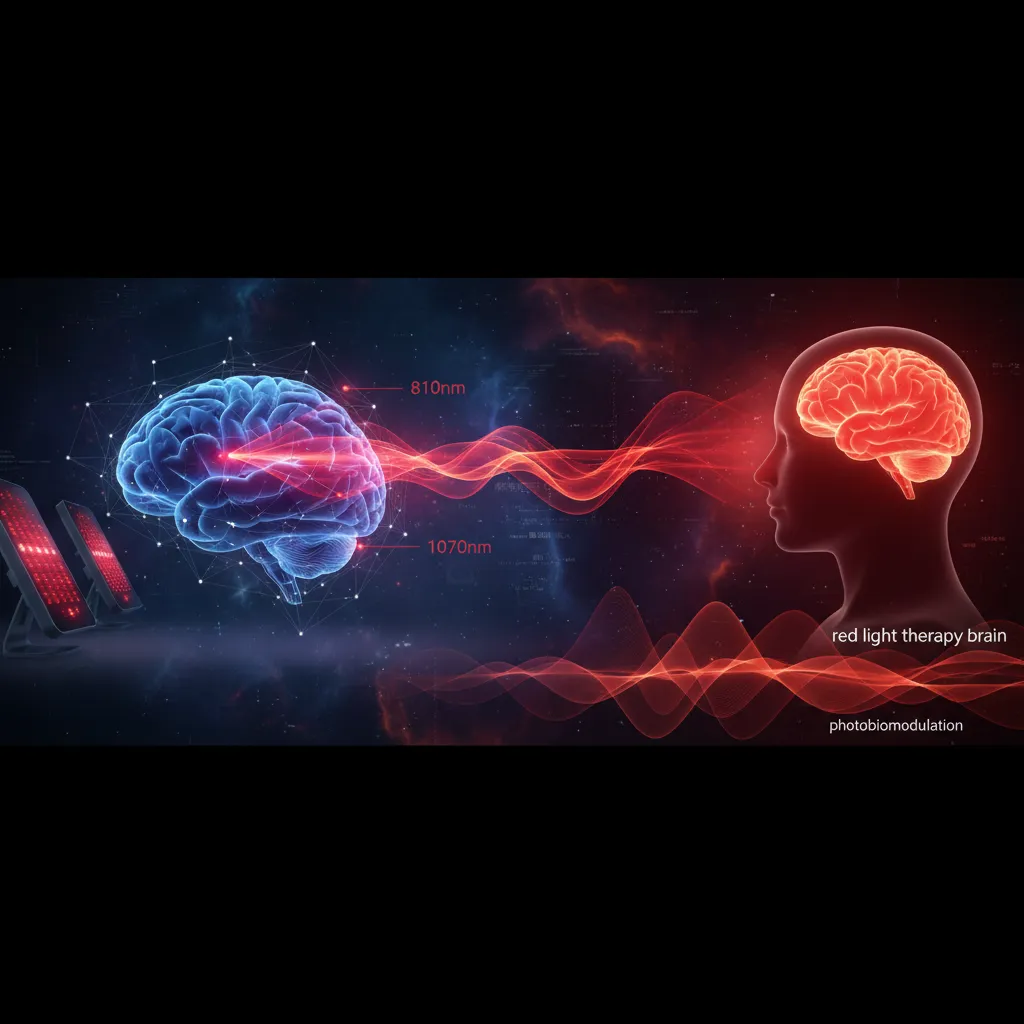
The mechanism involves photobiomodulation (PBM), a process where specific wavelengths of light, often in the red and near-infrared (NIR) spectrum (typically 600-1100 nm), penetrate tissues and are absorbed by chromophores within cells, primarily cytochrome c oxidase in the mitochondria. This absorption leads to a cascade of beneficial cellular events. For individuals with PTSD, this means enhancing cellular energy production, reducing oxidative stress, and mitigating neuroinflammation within critical brain regions. A study published in BMC Psychiatry in 2018 highlighted the potential of transcranial NIR PBM to improve symptoms of PTSD and traumatic brain injury, demonstrating a significant reduction in depressive and anxiety symptoms.
By optimizing mitochondrial function, PBM supports the resilience of neuronal cells, particularly in areas like the prefrontal cortex, which is vital for executive function and emotional regulation. This improved cellular health can help to downregulate the overactive sympathetic nervous system, thereby calming the persistent fight-or-flight alarm. For example, a person experiencing chronic hypervigilance might find their heart rate variability (HRV) — a key indicator of ANS balance — improving after consistent PBM sessions, shifting towards a healthier, more adaptable stress response. This shift represents a significant step towards trauma brain healing, providing a sense of calm and control often elusive in PTSD.
Can Light Therapy Directly Reduce Amygdala Hyperactivity and Foster Emotional Regulation?
Quick Answer: Yes, light therapy, particularly transcranial photobiomodulation, can reduce amygdala hyperactivity by improving neuronal metabolism and reducing inflammation in the limbic system, leading to enhanced emotional regulation and a decrease in fear-based responses.
The amygdala, a key component of the brain’s limbic system, plays a central role in processing emotions, particularly fear and anxiety. In individuals with PTSD, the amygdala often exhibits hyperactivity, leading to exaggerated fear responses and difficulty with emotional regulation. This persistent state contributes to symptoms such as intrusive thoughts, flashbacks, and an inability to feel safe. Addressing this amygdala dysregulation is crucial for effective PTSD treatment and fostering emotional resilience.
Limbic System Disorders often manifest with an overactive amygdala. Research suggests that transcranial red light therapy for PTSD can penetrate the scalp and skull to reach superficial brain regions, including the amygdala. Once absorbed by neurons, the light energy stimulates mitochondrial activity, increasing ATP (adenosine triphosphate) production, which is the primary energy currency of cells. This boost in cellular energy can help normalize neuronal firing patterns and reduce the excitability of overactive neural circuits within the amygdala.
A study published in Lasers in Medical Science in 2017 demonstrated that NIR light applied to the scalp could significantly reduce symptoms of anxiety and depression, likely through its effects on brain metabolism and neuroinflammation. By calming the amygdala, individuals may experience a reduction in their baseline anxiety levels, improved mood regulation, and a greater capacity to process traumatic memories without becoming overwhelmed. For instance, a veteran suffering from severe flashbacks might observe a measurable decrease in the frequency and intensity of these episodes after a series of targeted light therapy sessions, enabling them to engage more effectively in daily life and therapeutic interventions. This targeted effect on key brain structures makes PTSD light therapy a powerful tool for neuro-optimization.
What Role Does Light Therapy Play in Enhancing Neuroplasticity for Trauma Brain Healing?
Quick Answer: Light therapy significantly enhances neuroplasticity by stimulating the production of brain-derived neurotrophic factor (BDNF) and promoting synaptic growth, allowing the brain to reorganize neural pathways, integrate traumatic memories more effectively, and facilitate trauma brain healing.
Neuroplasticity, the brain’s remarkable ability to reorganize itself by forming new neural connections and pathways, is fundamental to learning, memory, and recovery from injury. In the context of PTSD, trauma can alter brain structure and function, leading to maladaptive neural circuits that perpetuate symptoms. Enhancing neuroplasticity is therefore a critical component of trauma brain healing, allowing individuals to process and integrate traumatic experiences in a healthier way.
Ketamine Neuroplasticity research has shown the power of rapid synaptic changes. Similarly, PBM, or PTSD light therapy, has been shown to stimulate the production of brain-derived neurotrophic factor (BDNF), a key protein that supports the survival of existing neurons and encourages the growth and differentiation of new neurons and synapses. This increase in BDNF levels, observed in various studies on light therapy and brain function, directly contributes to enhanced neuroplasticity. By fostering a more neuroplastic brain state, individuals with PTSD can develop healthier coping mechanisms and reframe their traumatic memories.
For example, improved neuroplasticity can facilitate the integration of traumatic memories into the broader autobiographical narrative, rather than them remaining isolated and intrusive. A person struggling to Stop Dissociating may find that enhanced neuroplasticity allows for a stronger connection between their emotional and cognitive experiences, reducing feelings of detachment. A 2019 review in the Journal of Neurotrauma emphasized the neuroprotective and neuroregenerative effects of PBM, including its role in synaptogenesis and axon regeneration. This scientific backing underscores the potential for light therapy to not only mitigate symptoms but also to actively rebuild and restore brain health post-trauma, contributing to sustained emotional well-being and cognitive function.
How Can Transcranial and Systemic Light Applications Optimize Mental Health and Reduce Anxiety?
Quick Answer: Transcranial light therapy directly targets brain regions like the prefrontal cortex and amygdala, while systemic applications provide whole-body benefits, both contributing to optimized mental health by reducing inflammation, enhancing circulation, and balancing neurotransmitters to alleviate anxiety and improve overall well-being.
The application of light therapy for mental health benefits can be broadly categorized into two main approaches: transcranial and systemic. Both methods leverage the therapeutic power of specific light wavelengths to influence physiological processes, but they differ in their target areas and mechanisms of action, offering a comprehensive strategy for anxiety reduction light and mental health PBM.
What are the Benefits of Transcranial Light Therapy for Mental Health?
Transcranial photobiomodulation (tPBM) involves directing light, typically near-infrared, through the skull to stimulate brain tissue. Devices like those reviewed in Neuradiant 1070 Review demonstrate this principle. This method is particularly effective for targeting specific brain regions implicated in PTSD and anxiety, such as the prefrontal cortex (responsible for executive functions and emotional regulation) and the amygdala (involved in fear processing). By directly stimulating these areas, tPBM can:
•Enhance Cerebral Blood Flow: Improved circulation delivers more oxygen and nutrients to neurons.
•Modulate Neurotransmitter Activity: Influencing levels of serotonin, dopamine, and norepinephrine, which are crucial for mood regulation.
•Reduce Neuroinflammation: Calming inflammatory processes in the brain that contribute to mood disorders and cognitive dysfunction.
Clinical trials have shown tPBM to be effective in reducing symptoms of depression and anxiety, with some participants experiencing significant improvements in mood and cognitive function within weeks. For instance, a 2018 study published in Photomedicine and Laser Surgery found that tPBM improved cognitive function and reduced PTSD symptoms in veterans.
What are the Benefits of Systemic Light Therapy for Overall Well-being?
Systemic light therapy involves applying light to broader areas of the body, allowing for more widespread physiological benefits. This can include full-body red light therapy for PTSD panels or devices that target specific peripheral nerve clusters. One notable application is the concept of stellate ganglion block light, which conceptually aims to mimic or augment the effects of a stellate ganglion block by influencing the sympathetic nervous system through light, though direct light application to the ganglion is still an area of evolving research. Systemic PBM can:
•Reduce Systemic Inflammation: Chronic stress and trauma are associated with elevated inflammatory markers throughout the body. Systemic light therapy can help reduce this burden.
•Improve Sleep Quality: By influencing circadian rhythms and reducing overall stress, systemic light exposure can alleviate issues like Adult Night Terrors and promote deeper, more restorative sleep, which is critical for mental health.
•Enhance Mood and Energy: Whole-body light exposure can stimulate endorphin release and improve overall cellular vitality, leading to an uplifted mood and increased energy levels.
Combining both transcranial and systemic approaches offers a multi-faceted strategy for comprehensive mental health improvement. For example, a person experiencing generalized anxiety reduction light and mental health PBM might use a transcranial device for targeted brain benefits while also incorporating full-body red light sessions to address systemic inflammation and improve sleep. This dual approach can significantly accelerate trauma brain healing and foster a greater sense of calm and well-being.
Why Is Light Therapy a Promising Non-Drug Option and Complement to Traditional PTSD Treatments?
Quick Answer: Light therapy offers a compelling non-drug alternative for PTSD due to its minimal side effects and neurobiological benefits, working synergistically with traditional talk therapies like CBT or EMDR to enhance their effectiveness by preparing the brain for processing and integration.
For many individuals navigating the complexities of PTSD, the prospect of non-drug options for PTSD is highly appealing. Traditional pharmacological treatments often come with a range of side effects, and while beneficial for some, they may not be suitable or sufficient for everyone. PTSD light therapy emerges as a promising complementary and standalone approach, offering therapeutic benefits with an excellent safety profile.
What Makes Light Therapy an Attractive Non-Drug Alternative for PTSD?
The appeal of light therapy as a non-drug option stems from its ability to induce positive neurobiological changes without systemic pharmacological effects. Unlike medications, which can have widespread impacts on the body, PBM works at the cellular level to enhance natural healing processes. Key advantages include:
•Minimal Side Effects: Generally, light therapy is well-tolerated, with very few reported adverse effects, typically limited to mild, transient skin irritation if parameters are incorrect.
•Improved Brain Function: By enhancing mitochondrial activity and reducing neuroinflammation, light therapy improves the overall health and function of brain cells, leading to better mood, cognition, and emotional regulation.
•Non-Invasive: The application of light is non-invasive and does not require surgical procedures or injections, making it a comfortable and accessible treatment.
This approach holds significant hope for those seeking alternative therapies or for whom conventional treatments have not yielded desired results. It contributes to trauma brain healing by addressing underlying cellular dysfunction rather than just masking symptoms.
How Does Light Therapy Complement Traditional Talk Therapy for PTSD?
Beyond being a standalone option, light therapy can significantly enhance the effectiveness of traditional psychotherapy approaches like Cognitive Behavioral Therapy (CBT), Eye Movement Desensitization and Reprocessing (EMDR), and Prolonged Exposure Therapy. By creating a more optimal brain state, PBM can make individuals more receptive to therapeutic interventions.
•Reduced Hyperarousal: Calming the fight-or-flight response with red light therapy for PTSD can make it easier for individuals to engage in difficult therapeutic work without becoming overwhelmed. For example, a patient undergoing EMDR might find it easier to process traumatic memories if their baseline anxiety is reduced.
•Enhanced Cognitive Function: Improved neuroplasticity and blood flow can boost cognitive flexibility, attention, and memory, which are essential for learning new coping skills and processing traumatic narratives. This can be particularly beneficial for those struggling with memory issues or brain fog, often associated with Stress Induced Vertigo or other stress-related cognitive impacts.
•Better Emotional Regulation: By reducing amygdala hyperactivity, light therapy can help individuals better manage their emotional responses during therapy sessions, leading to more productive outcomes.
The synergistic effects of combining light therapy with talk therapy can accelerate recovery, reduce symptom severity, and build greater emotional resilience. It provides a holistic approach to mental health PBM, addressing both the physiological and psychological dimensions of PTSD.
How Can Light Therapy Improve Sleep Quality and Reduce Night Terrors in PTSD Sufferers?
Quick Answer: Light therapy can significantly improve sleep quality and reduce night terrors in PTSD sufferers by regulating circadian rhythms, calming the nervous system, and reducing overall anxiety, fostering deeper and more restorative sleep patterns.
Sleep disturbances are a hallmark symptom of PTSD, often manifesting as insomnia, nightmares, and Adult Night Terrors. These issues not only exacerbate the distress of PTSD but also impair cognitive function and emotional regulation, creating a vicious cycle. Addressing sleep quality is therefore paramount for comprehensive trauma brain healing and overall mental well-being.
PTSD light therapy offers a unique approach to optimizing sleep by influencing circadian rhythms and calming the nervous system. Exposure to specific wavelengths of red and near-infrared light in the evenings, for example, can promote relaxation without disrupting melatonin production, unlike blue light.
Furthermore, by reducing the overall fight-or-flight response and diminishing amygdala hyperactivity, light therapy can create a more tranquil internal state conducive to sleep. A more balanced autonomic nervous system, bolstered by enhanced mitochondrial function, enables the brain and body to transition more smoothly into restorative sleep stages. This can lead to a measurable reduction in sleep onset latency and an increase in total sleep time. For someone frequently waking due to nightmares or experiencing Adult Night Terrors, consistent light therapy might lead to fewer awakenings and a greater sense of restfulness upon waking. A study published in Sleep Science (2014) indicated that red light exposure significantly improved sleep quality and endurance performance in athletes, suggesting its broader potential for enhancing recovery and reducing sleep disturbances.
The benefits extend beyond just falling asleep. Deeper sleep allows for crucial brain processes, including memory consolidation and emotional processing, both of which are vital for recovering from trauma. By fostering healthier sleep architecture, mental health PBM supports the brain’s natural healing mechanisms, leading to a more stable mood, improved concentration, and enhanced emotional resilience throughout the day.
How Can Light Therapy Modulate the Vagus Nerve and Improve Gut-Brain Axis Function for PTSD?
Quick Answer: Light therapy can indirectly modulate the vagus nerve and improve gut-brain axis function by reducing systemic inflammation, enhancing mitochondrial activity in neural pathways, and promoting overall autonomic nervous system balance, thereby contributing to reduced PTSD symptoms and improved emotional well-being.
The vagus nerve is a critical component of the parasympathetic nervous system, responsible for the rest-and-digest response and deeply involved in regulating mood, stress, and inflammation. Its influence extends to the gut-brain axis, a bidirectional communication system that links the emotional and cognitive centers of the brain with peripheral intestinal functions. In PTSD, a dysregulated vagus nerve and impaired gut-brain axis can contribute to persistent anxiety, digestive issues, and a heightened stress response.
While direct Vagus Nerve Stimulation typically involves electrical impulses, light therapy can indirectly support vagal tone and gut-brain axis health through its systemic effects. By reducing systemic inflammation and oxidative stress, PBM creates a healthier internal environment that allows the vagus nerve to function more optimally. The mitochondria in vagal nerve cells, like other cells, can benefit from light exposure, leading to enhanced energy production and improved neural signaling.
A healthier gut-brain axis, supported by reduced inflammation and improved vagal tone, can lead to several benefits for PTSD sufferers. These include:
•Improved Mood and Reduced Anxiety: The gut produces a significant portion of the body’s serotonin, a key neurotransmitter for mood. A healthier gut microbiome, influenced by reduced inflammation, can positively impact serotonin production and signaling.
•Enhanced Stress Resilience: A well-functioning vagus nerve helps the body switch from fight-or-flight to rest-and-digest more efficiently, improving overall stress coping mechanisms and reducing the impact of traumatic triggers.
•Reduced Gastrointestinal Symptoms: Many PTSD sufferers experience digestive issues. By promoting gut health, light therapy can alleviate these symptoms, further contributing to overall comfort and well-being.
While more research is needed on the direct impact of light therapy on the vagus nerve, the broad anti-inflammatory and cellular energizing effects of PBM suggest a supportive role in optimizing the gut-brain axis. This holistic approach, encompassing both brain and body, underscores the comprehensive potential of PTSD light therapy in fostering deep and lasting healing.
What Scientific Data Supports the Efficacy of Light Therapy for PTSD and Trauma?
Quick Answer: Scientific studies, including randomized controlled trials and clinical observations, indicate that light therapy, specifically transcranial photobiomodulation (tPBM), can significantly reduce PTSD symptoms, improve mood, enhance cognitive function, and mitigate anxiety through mechanisms like reducing neuroinflammation and boosting mitochondrial activity.
The scientific community has increasingly turned its attention to the therapeutic potential of light for neurological and psychological conditions. A growing body of evidence, derived from both preclinical and clinical studies, supports the efficacy of PTSD light therapy, particularly in the context of trauma and related mental health challenges. These studies often focus on the specific wavelengths, dosages, and application methods that yield the most beneficial outcomes.
Key Findings from Research on Light Therapy and PTSD:
1. Reduction in PTSD Symptoms: Multiple studies have reported a significant decrease in the overall severity of PTSD symptoms, including reductions in re-experiencing, avoidance, negative alterations in cognition and mood, and hyperarousal. For example, a pilot study published in Neuropsychiatric Disease and Treatment (2018) showed that participants receiving tPBM experienced an average reduction of 27% in their PTSD symptom scores as measured by the CAPS-5.
2. Improved Mood and Decreased Anxiety: Beyond core PTSD symptoms, light therapy has been consistently linked to improvements in mood and a marked reduction in anxiety levels. A meta-analysis published in the Journal of Affective Disorders (2020) reviewing various forms of light therapy for depression and anxiety, while not solely focused on PTSD, highlighted the robust antidepressant and anxiolytic effects of PBM across different populations.
3. Enhanced Cognitive Function: Trauma can significantly impair cognitive functions such as memory, attention, and executive processing. Research indicates that PBM can improve these areas. A 2017 study in Photomedicine and Laser Surgery demonstrated improvements in memory and attention in individuals with mild traumatic brain injury and PTSD following tPBM.
4. Neurobiological Changes: Functional MRI (fMRI) and other neuroimaging techniques have shown that tPBM can lead to observable changes in brain activity, including reduced activity in the amygdala (as discussed previously) and increased connectivity in regions associated with emotional regulation and cognitive control. This directly supports the hypothesis of trauma brain healing.
Table: Overview of Key Studies on Light Therapy for PTSD
Study Year/Journal
Key Intervention
Observed Benefits for PTSD
2018 / BMC Psychiatry
Transcranial NIR PBM (810 nm)
Significant reduction in PTSD, anxiety, and depression symptoms in veterans.
2018 / Neuropsychiatric Disease and Treatment
Transcranial PBM (633 nm & 810 nm)
Average 27% reduction in CAPS-5 scores; improved sleep and cognitive function.
2017 / Photomedicine and Laser Surgery
Transcranial PBM (1064 nm)
Improvements in cognitive function, reduced anxiety and depression after 12 weeks.
These studies collectively paint a picture of light therapy as a credible and effective intervention for PTSD and associated symptoms. The underlying mechanisms, such as enhanced mitochondrial function, reduced neuroinflammation, and improved neuroplasticity, provide a scientific basis for the observed clinical improvements, offering hope for those seeking advanced and holistic approaches to mental health PBM.
How Can NeuroTech Insider’s NeuroVizr Device Support Your Journey Towards Trauma Healing?
Quick Answer: NeuroTech Insider’s NeuroVizr device leverages advanced light and sound therapy to provide targeted neuro-optimization, helping to calm the nervous system, reduce amygdala hyperactivity, and support neuroplasticity for enhanced emotional resilience and trauma brain healing.
At NeuroTech Insider, we are committed to empowering individuals on their journey to optimal brain health and emotional well-being. Recognizing the profound impact of PTSD and trauma, we offer innovative solutions like the NeuroVizr device, designed to harness the therapeutic potential of light and sound for comprehensive neuro-optimization. The NeuroVizr integrates cutting-edge photobiomodulation (PBM) principles with sound frequencies to create a synergistic effect that supports the brain’s natural healing capabilities.
The NeuroVizr’s advanced technology is engineered to deliver precise wavelengths of light that penetrate brain tissue, targeting key areas involved in stress response, emotional regulation, and cognitive function. This targeted approach helps to:
•Calm the Fight-or-Flight System: By influencing the autonomic nervous system, the device helps to shift the brain from a state of hyperarousal to one of calm and relaxation, crucial for PTSD symptom reduction.
•Reduce Amygdala Overactivity: The specific light protocols aim to normalize activity in the amygdala, diminishing exaggerated fear responses and fostering greater emotional control.
•Enhance Neuroplasticity: Supporting the brain’s ability to reorganize and form new, healthier neural connections is vital for processing traumatic memories and building resilience.
•Improve Sleep and Cognitive Function: By promoting a balanced brain state, NeuroVizr can help improve sleep architecture, reduce instances of Adult Night Terrors, and enhance mental clarity.
The NeuroVizr is more than just a device; it is a companion in your journey toward trauma brain healing and peak mental performance. It offers a convenient, at-home solution for individuals seeking to complement their existing therapies or explore non-pharmacological avenues for managing PTSD and related conditions. NeuroTech Insider is dedicated to providing tools that support profound positive change and empower you to reclaim your well-being.
Conclusion: Embracing a Brighter Path to Healing with PTSD Light Therapy
The journey through PTSD and trauma is profoundly challenging, yet the advent of innovative approaches like PTSD light therapy offers a powerful and hopeful path forward. As we have explored, targeted light interventions, encompassing both transcranial and systemic photobiomodulation, provide a multifaceted approach to trauma brain healing. From calming the overactive fight-or-flight response and reducing amygdala hyperactivity to enhancing neuroplasticity and improving sleep quality, light therapy addresses core neurobiological dysfunctions associated with PTSD.
This non-drug option for PTSD not only stands as a compelling alternative but also serves as a potent complement to traditional psychotherapies, preparing the brain for more effective processing and integration of traumatic experiences. The scientific evidence supporting its mechanisms and clinical benefits continues to grow, painting a clear picture of its potential to foster emotional resilience and promote comprehensive mental well-being.
Embracing light therapy means choosing a path that respects the body’s natural healing capacities, leveraging advanced technology to gently guide the brain back to a state of balance and optimal function. For those seeking advanced solutions for anxiety reduction light and mental health PBM, NeuroTech Insider provides resources and innovative devices like the NeuroVizr to support this transformative journey. We believe in empowering individuals with the tools to unlock their potential for healing and achieve lasting neuro-optimization.
💡 Verdict: PTSD light therapy, utilizing photobiomodulation, represents a highly promising and evidence-backed non-pharmacological approach for trauma healing. Its ability to address core neurobiological dysfunctions—from calming hyperarousal and reducing amygdala activity to enhancing neuroplasticity and improving sleep—makes it a powerful tool for fostering emotional resilience. Whether used as a standalone treatment or synergistically with traditional therapies, light therapy offers a safe, effective, and holistic path toward lasting mental well-being and neuro-optimization.
Frequently Asked Questions
How Does Light Therapy Modulate the Brain’s Stress Response to Alleviate PTSD Symptoms?
Light therapy, particularly photobiomodulation (PBM), calms the brain’s stress response by enhancing mitochondrial function and reducing neuroinflammation, leading to a more balanced autonomic nervous system and decreased fight-or-flight activation in individuals experiencing PTSD.
Can Light Therapy Directly Reduce Amygdala Hyperactivity and Foster Emotional Regulation?
Yes, light therapy, particularly transcranial photobiomodulation, can reduce amygdala hyperactivity by improving neuronal metabolism and reducing inflammation in the limbic system, leading to enhanced emotional regulation and a decrease in fear-based responses.
What Role Does Light Therapy Play in Enhancing Neuroplasticity for Trauma Brain Healing?
Light therapy significantly enhances neuroplasticity by stimulating the production of brain-derived neurotrophic factor (BDNF) and promoting synaptic growth, allowing the brain to reorganize neural pathways, integrate traumatic memories more effectively, and facilitate trauma brain healing.