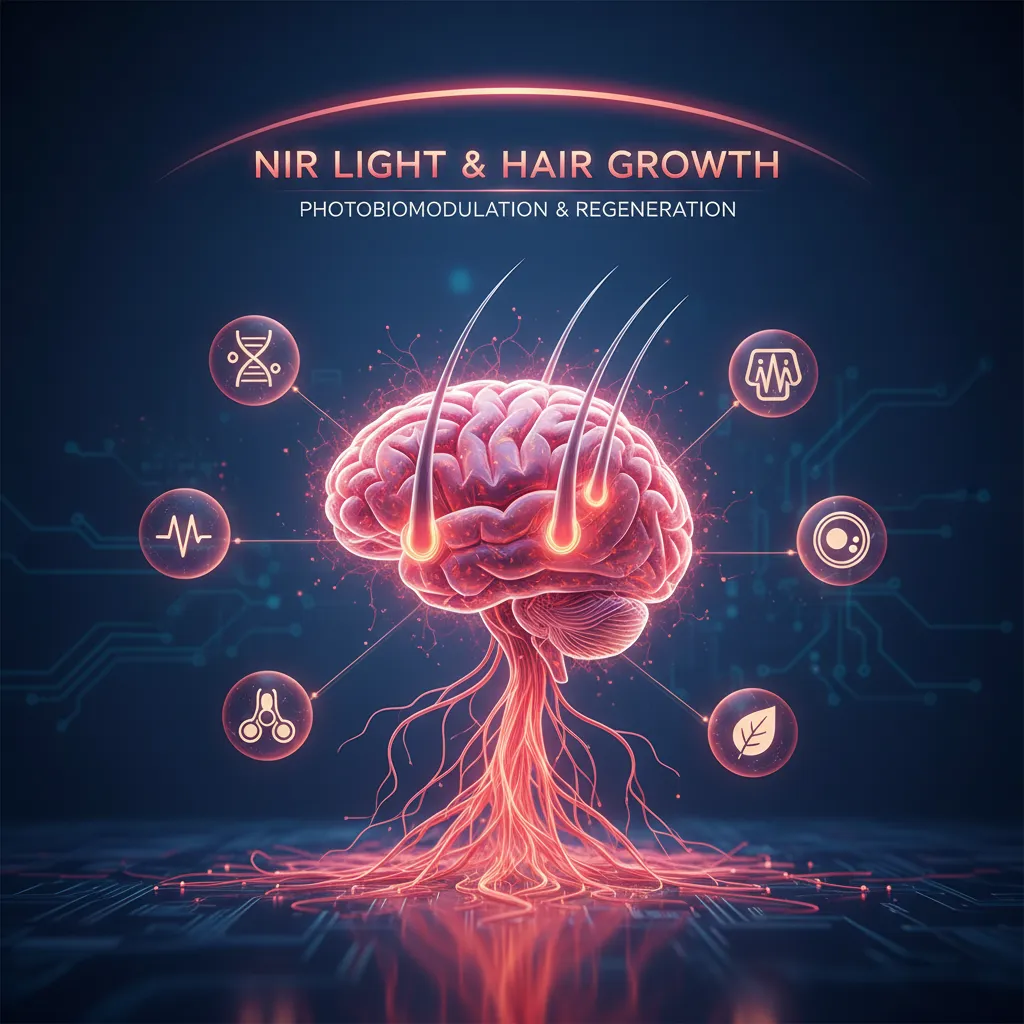
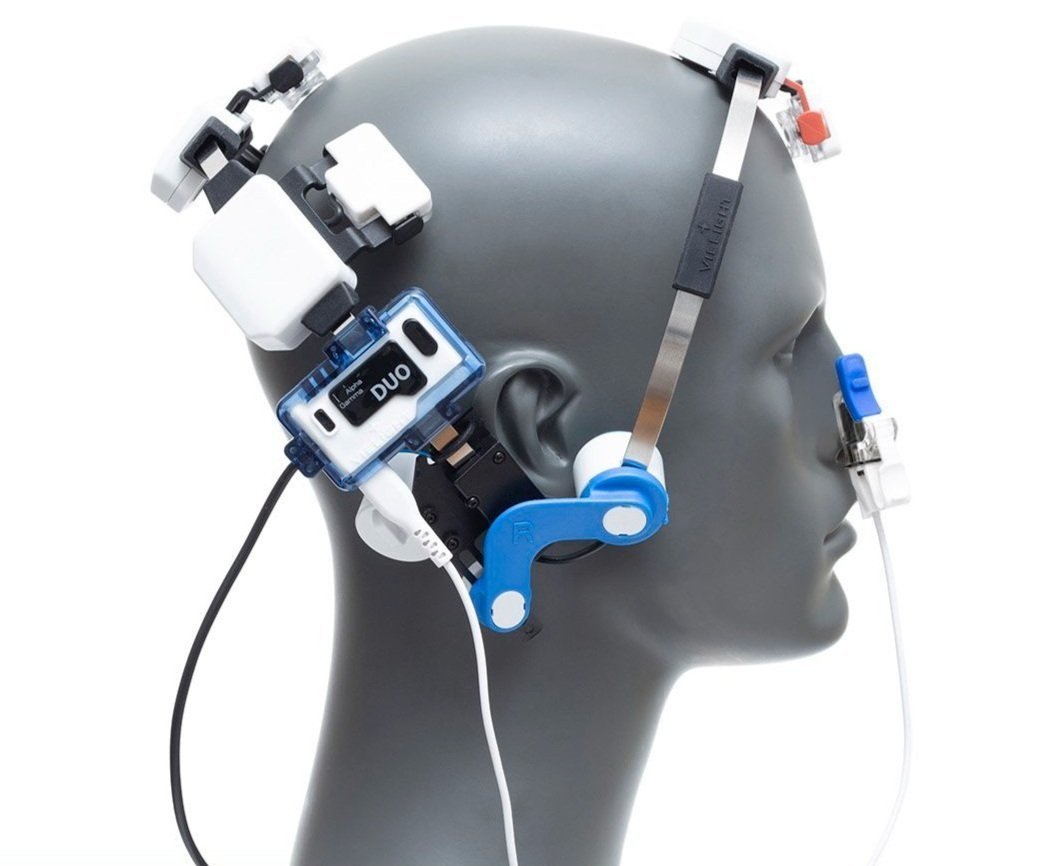
NIR light therapy, or photobiomodulation (PBM), is an innovative, non-invasive solution for hair loss, stimulating follicle regeneration through increased blood flow, reduced inflammation, and enhanced cellular energy (ATP) production. Effective wavelengths for hair growth typically range from 630-670nm (red light) and 800-900nm (NIR light), with NIR penetrating deeper to target follicles directly. Scientific evidence, including meta-analyses and clinical trials, supports its efficacy in increasing hair density and thickness for conditions like androgenetic alopecia. Benefits include its non-invasive nature, improved hair quality, and enhanced scalp health. Devices like helmets and caps are available for home use, requiring consistent application. While generally safe, mild side effects such as temporary redness, dryness, or itching of the scalp can occur. Consulting a dermatologist before starting treatment is advised.
✅ Pros
Non-invasive treatment method for hair loss
Increases hair density and thickness
Reduces scalp inflammation
Enhances overall scalp health
Stimulates cellular metabolism and ATP production
Can be used as a standalone treatment or with other therapies
Supported by scientific evidence for androgenetic alopecia
❌ Cons
Results require consistent, long-term use (several months)
Individual results may vary
Potential for mild, temporary side effects like scalp redness, dryness, or itching
May increase photosensitivity in rare cases
NIR light hair growth is revolutionizing hair restoration, offering a non-invasive solution for thinning hair and stimulating follicle regeneration. At NeuroTech Insider, we’re committed to providing cutting-edge neuro-optimization technologies, and NIR light therapy is a prime example of its potential. Explore the science behind red light therapy for hair loss and discover how it can boost hair regrowth, promoting scalp health and enhancing overall well-being through innovative light-based solutions. Discover the benefits of NIR Light Therapy, red light therapy, and scalp stimulation.
How Does NIR Light Therapy Stimulate Hair Follicles?
Quick Answer: NIR light therapy stimulates hair follicles by increasing blood flow, reducing inflammation, and boosting cellular energy (ATP) production, leading to hair regrowth.
Near-infrared (NIR) light therapy, also known as photobiomodulation (PBM), operates on the principle of stimulating cellular activity through light. When applied to the scalp, NIR light penetrates the tissue and is absorbed by mitochondria, the powerhouses of cells. This absorption boosts the production of adenosine triphosphate (ATP), the primary energy carrier in cells. Increased ATP levels enhance cellular functions, including hair follicle activity.
• Increased Blood Flow: NIR light promotes vasodilation, which widens blood vessels and increases blood flow to the scalp. Enhanced circulation delivers more oxygen and nutrients to hair follicles, vital for their growth and function.
• Reduced Inflammation: Chronic inflammation can inhibit hair growth. NIR light has anti-inflammatory properties, helping to soothe the scalp and create a healthier environment for hair follicles.
• Stimulated Cellular Metabolism: By increasing ATP production, NIR light boosts the metabolic activity of hair follicle cells, encouraging them to enter the active growth phase (anagen).
A study published in the Journal of Cosmetic and Laser Therapy found that PBM therapy significantly increased hair density in participants with androgenetic alopecia (male and female pattern baldness) compared to a control group. This highlights the potential of NIR light to address hair loss by directly influencing follicle health and activity.
What Wavelengths of NIR Light Are Most Effective for Hair Growth?
Quick Answer: Wavelengths between 630nm and 670nm (red light) and 800nm to 900nm (NIR light) are commonly used and considered most effective for stimulating hair growth.
The effectiveness of light therapy depends on the wavelength of light used, as different wavelengths penetrate the skin to varying depths and are absorbed by different molecules. For hair growth, red light (around 630-670nm) and near-infrared (NIR) light (around 800-900nm) have shown the most promising results.
5 Scientific Facts About NIR Light & Hair Growth Regrowth – red light therapy hair loss – 2
Here’s a table summarizing the key differences and benefits of each:
Increases blood flow, enhances ATP production, stimulates hair follicle activity.
NIR light’s ability to penetrate deeper into the scalp tissue makes it particularly effective for targeting hair follicles directly. This is why many Light Therapy at Home devices, including helmets and caps, utilize NIR light in combination with red light to maximize hair regrowth potential. The specific Best Red Light Wavelengths for hair growth typically fall within the 630-670nm range, offering a balance between surface-level benefits and deeper tissue penetration.
What Scientific Evidence Supports NIR Light for Hair Regrowth?
Quick Answer: Numerous clinical studies have demonstrated the efficacy of NIR light therapy for promoting hair regrowth in both men and women with androgenetic alopecia and other forms of hair loss.
The scientific literature provides substantial evidence supporting the use of NIR light for hair regrowth. Several studies have investigated the effects of PBM therapy on hair loss, with many demonstrating significant improvements in hair density, thickness, and overall appearance.
Here are some notable findings from scientific research:
•
A meta-analysis published in the Lasers in Surgery and Medicine journal reviewed multiple randomized controlled trials and concluded that PBM therapy is a safe and effective treatment for androgenetic alopecia.
•
A study in the Journal of the American Academy of Dermatology found that participants treated with a low-level laser therapy (LLLT) device, which emits red and NIR light, experienced a significant increase in hair count compared to a placebo group.
•
Research has also shown that NIR light can stimulate the release of growth factors, such as vascular endothelial growth factor (VEGF), which promotes angiogenesis (formation of new blood vessels) in the scalp, further enhancing hair follicle function.
These studies, along with numerous others, consistently demonstrate that NIR light therapy can be a valuable tool in combating hair loss and promoting hair regrowth. It’s important to note that individual results may vary, and consistency in treatment is crucial for achieving optimal outcomes.
What Are the Key Benefits of NIR Light Therapy for Hair?
Quick Answer: The key benefits include non-invasive treatment, increased hair density, improved hair thickness, reduced inflammation, and enhanced scalp health, making it a versatile solution for various types of hair loss.
NIR light therapy offers a multitude of benefits for those seeking to address hair loss and improve hair health. Its non-invasive nature, combined with its ability to stimulate cellular activity and promote scalp health, makes it an attractive option for many individuals.
• Non-Invasive Treatment: Unlike surgical hair restoration procedures, NIR light therapy is a non-invasive treatment that does not require incisions or anesthesia, minimizing the risk of complications and downtime.
• Increased Hair Density: Clinical studies have shown that NIR light therapy can significantly increase hair density, resulting in a fuller and thicker head of hair.
• Improved Hair Thickness: In addition to increasing hair density, NIR light can also improve the thickness of individual hair strands, making hair appear healthier and more voluminous.
• Reduced Inflammation: The anti-inflammatory properties of NIR light can help soothe the scalp and create a healthier environment for hair follicles, reducing inflammation that can contribute to hair loss.
• Enhanced Scalp Health: By increasing blood flow and stimulating cellular activity, NIR light can improve overall scalp health, providing a foundation for healthy hair growth.
Furthermore, NIR light therapy can be used as a standalone treatment or in combination with other hair loss therapies, such as topical medications or hair transplant surgery, to enhance their effectiveness. As part of your Biohacking for Beginners journey, consider how NIR light therapy can optimize your hair health.
How Can You Use NIR Light Therapy Devices for Hair Growth?
Quick Answer: NIR light therapy devices for hair growth come in various forms, including helmets, caps, and handheld devices. Consistent and regular use, following the manufacturer’s instructions, is crucial for achieving optimal results.
NIR light therapy devices are readily available for home use, offering a convenient and accessible way to experience the benefits of light therapy for hair growth. These devices typically come in the form of helmets, caps, or handheld devices, each with its own set of features and instructions.
Here’s a step-by-step guide on how to use NIR light therapy devices for hair growth:
Choose the Right Device: Select a device that is specifically designed for hair growth and emits red and/or NIR light at the appropriate wavelengths (630-670nm and 800-900nm). Consider factors such as coverage area, treatment time, and user reviews when making your decision. You can even find specialized options like a Brain Helmet that combines cognitive benefits with hair growth stimulation.
Prepare Your Scalp: Ensure that your scalp is clean and dry before using the device. Remove any hair products or oils that may block the light from reaching the hair follicles.
Follow the Instructions: Carefully read and follow the manufacturer’s instructions for the device you are using. Pay attention to the recommended treatment time, frequency, and any safety precautions.
Consistency is Key: For optimal results, use the device consistently and regularly, as recommended by the manufacturer. Most devices require treatments several times a week for several months to see noticeable improvements.
Be Patient: Hair growth is a slow process, and it may take several months to see significant results from NIR light therapy. Be patient and continue using the device as directed, even if you don’t see immediate changes.
Remember to consult with a dermatologist or healthcare professional before starting NIR light therapy, especially if you have any underlying medical conditions or are taking medications that may affect your skin’s sensitivity to light. Before starting light therapy, be aware of potential Light Therapy Contraindications.
Are There Any Potential Side Effects of NIR Light Therapy for Hair Growth?
Quick Answer: NIR light therapy is generally considered safe, but some individuals may experience mild and temporary side effects such as scalp redness, dryness, or itching. Serious side effects are rare.
5 Scientific Facts About NIR Light & Hair Growth Regrowth – red light therapy hair loss – 7
NIR light therapy is generally well-tolerated, and serious side effects are rare. However, like any medical treatment, there is a potential for some individuals to experience mild and temporary side effects.
Here are some of the potential side effects of NIR light therapy for hair growth:
• Scalp Redness: Some individuals may experience mild redness or flushing of the scalp during or after treatment. This is usually temporary and resolves within a few hours.
• Scalp Dryness: NIR light therapy can sometimes cause dryness of the scalp. This can be alleviated by using a gentle, moisturizing shampoo and conditioner.
• Scalp Itching: Some individuals may experience mild itching or irritation of the scalp. This is usually temporary and can be relieved with an anti-itch cream or lotion.
• Photosensitivity: In rare cases, NIR light therapy may increase the skin’s sensitivity to sunlight. It’s important to wear sunscreen and protective clothing when exposed to the sun after treatment.
If you experience any persistent or severe side effects, discontinue use of the device and consult with a dermatologist or healthcare professional.
In conclusion, NIR light therapy offers a promising and scientifically supported approach to hair regrowth. By understanding the mechanisms of action, benefits, and potential side effects, individuals can make informed decisions about incorporating NIR light therapy into their hair care routine. At NeuroTech Insider, we are dedicated to providing innovative solutions for neuro-optimization, including technologies that promote hair health and overall well-being. Consider exploring options like the FlexBeam Review to learn more about targeted light therapy solutions. Whether you’re looking to address hair loss, improve scalp health, or simply enhance the appearance of your hair, NIR light therapy may be a valuable tool to consider. Embrace the power of light and unlock your hair’s full potential.
💡 Verdict: NIR light therapy presents a scientifically backed, non-invasive, and effective approach to combating hair loss and promoting hair regrowth. With consistent use, it can significantly improve hair density, thickness, and overall scalp health by leveraging the power of specific light wavelengths. While generally safe, understanding its mechanisms and adhering to usage guidelines are key for optimal results. It is a promising option for individuals seeking to enhance their hair care routine, potentially in conjunction with other treatments.
Frequently Asked Questions
How does NIR light therapy help with hair growth?
NIR light therapy stimulates hair follicles by increasing blood flow to the scalp, reducing inflammation, and boosting cellular energy (ATP) production within the cells. This enhanced cellular activity encourages hair follicles to enter and remain in the active growth phase, leading to increased hair density and thickness.
What wavelengths of light are best for stimulating hair growth?
The most effective wavelengths for stimulating hair growth are typically between 630nm and 670nm (red light) for superficial benefits like inflammation reduction, and 800nm to 900nm (near-infrared light) for deeper penetration to directly enhance hair follicle activity and blood flow.
Are there any side effects to using NIR light therapy for hair growth?
NIR light therapy is generally considered safe, with rare serious side effects. Some individuals may experience mild and temporary side effects such as scalp redness, dryness, or itching. In rare cases, increased skin sensitivity to sunlight may occur, making sun protection important after treatment.