Adult night terrors are distinct NREM sleep parasomnias, often mistaken for nightmares, characterized by intense fear and physical agitation with little to no recall. While more common in children, adult night terrors are often linked to underlying factors like chronic stress, anxiety, trauma, sleep deprivation, alcohol use, certain medications, and co-existing sleep disorders such as sleep apnea. Identifying triggers through a detailed sleep history is crucial. Safety during episodes involves removing hazards, securing the bedroom, and gentle redirection without forceful awakening. Effective management strategies include behavioral therapies like scheduled awakenings and CBT-I, alongside stringent sleep hygiene. For persistent or severe cases, medical interventions such as polysomnography and short-term medication may be considered under specialist supervision. NeuroTech Insider advocates for neuro-optimization, utilizing advanced insights and technologies like the NeuroVizr device, to promote stable brainwave activity and restorative sleep, ultimately enhancing overall well-being.
✅ Pros
Clear distinction between night terrors and nightmares.
Comprehensive list of adult night terror causes and triggers.
Detailed safety measures for managing episodes.
Effective behavioral therapies and sleep hygiene tips provided.
Addresses when medical intervention is necessary.
Highlights the role of neuro-optimization for better sleep.
❌ Cons
Requires consistent effort and lifestyle changes.
Diagnosis can be challenging without professional help.
Medical interventions carry potential side effects.
Episodes can be frightening for both the individual and observers.
Adult night terrors, a less common but profoundly impactful sleep disorder in adults, involve abrupt awakenings accompanied by intense fear, often mistaken for severe nightmares. At NeuroTech Insider, we believe understanding these episodes is the first step toward achieving restful, restorative sleep and overall neuro-optimization.
Unraveling the complexities of nocturnal terrors, sleep architecture, and parasomnia treatment empowers individuals to reclaim peaceful nights.
What Are Adult Night Terrors and How Do They Differ from Nightmares?
Quick Answer: Adult night terrors are NREM parasomnias characterized by sudden awakenings with screaming, intense fear, and physical manifestations, often without memory of the event, distinct from nightmares which occur during REM sleep and are remembered vividly.
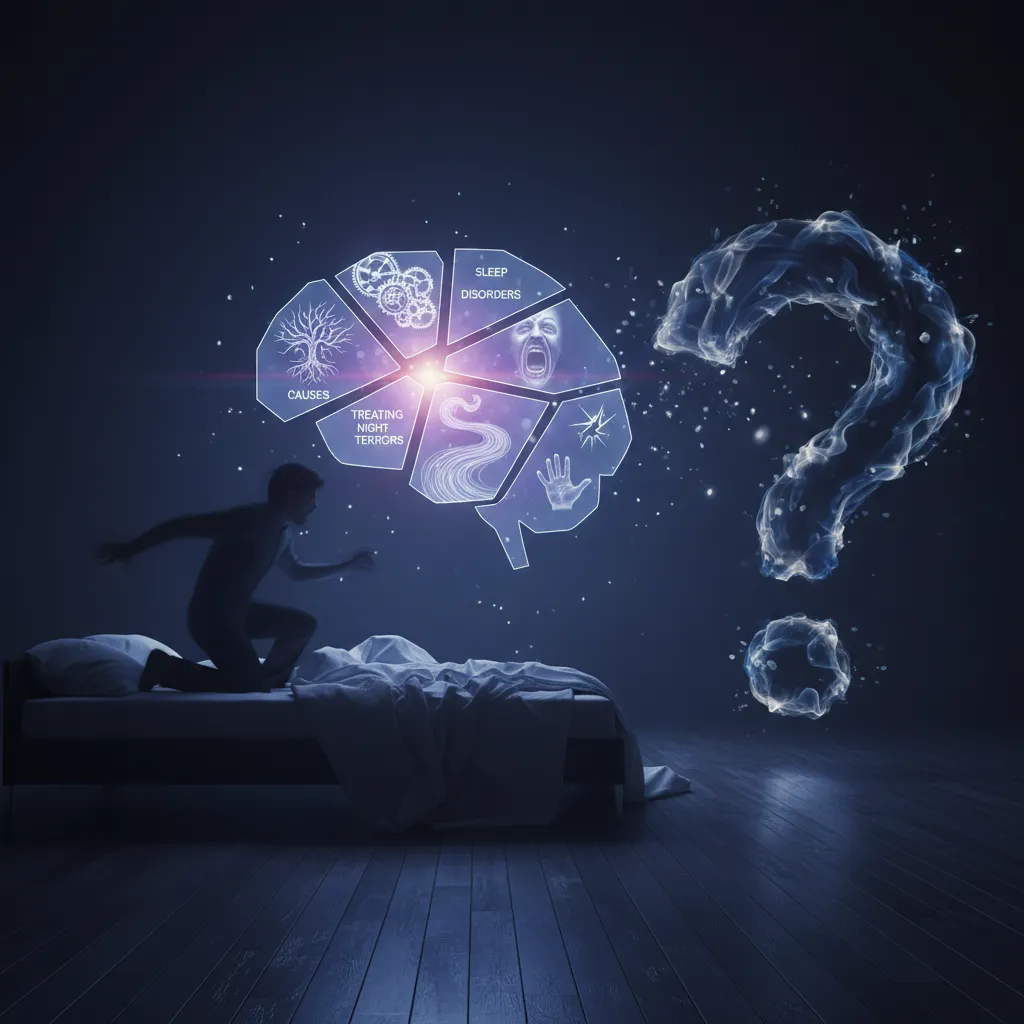
Understanding the distinction between a typical bad dream and an adult night terror is crucial for accurate diagnosis and effective management. While both can be distressing, their physiological origins, manifestations, and recall differ significantly. Night terrors, officially known as sleep terrors, are a type of parasomnia, which are disruptive sleep-related events that occur during specific sleep stages. They fall under the umbrella of sleep disorders in adults, though more commonly associated with childhood.
Night terrors primarily occur during non-rapid eye movement (NREM) sleep, specifically during the deepest stages (N3 or slow-wave sleep), typically within the first few hours of falling asleep. During an episode, an individual may suddenly sit upright in bed, scream, thrash, or even run around. They often appear to be awake but are usually unresponsive to attempts to comfort them and are difficult to rouse fully. Physiological signs can include a racing heart rate, rapid breathing, sweating, and dilated pupils. One of the most defining characteristics is the profound amnesia for the event; the person usually has little to no memory of the terror itself or any associated imagery upon waking.
In contrast, nightmares occur during rapid eye movement (REM) sleep, typically later in the night. They are vivid, disturbing dreams that the sleeper can usually recall in great detail upon waking. While nightmares can cause fear and anxiety, they rarely involve the intense physical manifestations and confusion seen in night terrors. The brain activity during NREM sleep terror episodes is characterized by a sudden, intense arousal from deep sleep, often with a rapid activation of the fight-or-flight response, explaining the intense fear and physiological symptoms. This differentiates them from the more narrative and less physically active nature of REM sleep, where most of the Science of Dreams unfolds.
6 Facts About Adult Night Terrors & How to Cure Them – Adult Night Terrors – 1
According to the American Academy of Sleep Medicine, adult sleep terrors affect approximately 1% to 2% of the adult population, a lower prevalence compared to children, but still significant for those impacted. The Diagnostic and Statistical Manual of Mental Disorders, Fifth Edition (DSM-5), outlines specific criteria for sleep terror disorder, emphasizing recurrent episodes of abrupt awakening from sleep, usually with a panicky scream, accompanied by intense fear, autonomic arousal, and unresponsiveness. The lack of detailed dream recall and subsequent amnesia are key diagnostic markers.
How Do Night Terrors and Nightmares Compare?
To further clarify the distinction, the following table highlights key differences between night terrors vs nightmares:
Feature
Night Terrors
Nightmares
Sleep Stage
NREM (Deep Sleep, N3)
REM Sleep
Timing
First 1-3 hours of sleep
Later half of the night
Recall
Little to no memory
Vividly remembered
Behavior
Screaming, thrashing, agitation, difficult to rouse
Awaken with fear, usually calm quickly
Consciousness
Appears awake but confused, disoriented
Fully awake and aware
Emotional State
Intense panic, fear, terror
Fear, anxiety, sadness
Why Do Adults Experience Night Terrors, Unlike Children?
Quick Answer: While more common in children due to developing nervous systems, adults experience night terrors often due to underlying factors like chronic stress, anxiety, trauma, certain medications, or co-existing sleep disorders, affecting approximately 1-2% of the adult population.
The occurrence of night terrors in adults, though less frequent than in children, points to a different set of contributing factors. In childhood, night terrors are often seen as a developmental phenomenon, linked to the maturation of the central nervous system and the sleep architecture itself. The prevalence in children can be as high as 6.5%, typically resolving by adolescence. When these episodes persist or emerge in adulthood, they frequently signal underlying physiological or psychological stressors.
Research suggests that a genetic predisposition can play a role, with studies indicating a higher likelihood of night terrors if there is a family history of sleep terrors or other parasomnias. However, in adults, environmental and lifestyle factors often act as primary catalysts. These nocturnal terrors are often linked to disruptions in the normal sleep cycle, particularly an instability in the transition between NREM and REM sleep. The brain’s arousal system may become hypersensitive, leading to an exaggerated response during deep sleep.
6 Facts About Adult Night Terrors & How to Cure Them – sleep disorders adults – 2
Adults with certain mental health conditions, such as generalized anxiety disorder, panic disorder, or post-traumatic stress disorder (PTSD), show a higher incidence of sleep terrors. The brain’s inability to fully relax and process daily stressors can manifest during vulnerable deep sleep stages. A study published in the journal Sleep Medicine Reviews in 2021 highlighted that psychological factors, including chronic stress and anxiety, are significant predictors of adult-onset night terrors. The intricate dance of neurotransmitters, particularly those involved in sleep regulation like GABA and serotonin, can be affected by these psychological states, leading to an increased susceptibility to parasomnias.
Furthermore, co-existing sleep disorders in adults, such as sleep apnea or restless legs syndrome, can fragment sleep and increase the likelihood of night terror episodes. These conditions disrupt the natural progression through sleep stages, creating opportunities for incomplete arousal from deep sleep. For example, an apnea event causing a sudden drop in oxygen levels can trigger an arousal that manifests as a night terror in a predisposed individual. Addressing these underlying sleep issues is often a critical step in effective parasomnia treatment.
What Triggers Adult Night Terrors and How Can They Be Identified?
Quick Answer: Common triggers for adult night terrors include significant stress, anxiety, emotional trauma, chronic sleep deprivation, excessive alcohol consumption, certain medications, and other sleep conditions like sleep apnea or restless legs syndrome. Identifying these often requires a detailed sleep history.
Identifying the specific causes of night terrors in adults is a pivotal step towards managing and ultimately resolving these disruptive episodes. While the exact neurobiological mechanisms are complex, several factors are consistently linked to their onset and exacerbation.
What Are the Primary Triggers for Adult Night Terrors?
1. Psychological Stress and Anxiety: High levels of daily stress, chronic anxiety, and significant life changes are paramount triggers. The brain struggles to fully disengage from vigilance during sleep, leading to fragmented NREM sleep and increased likelihood of arousal disorders. For example, individuals experiencing job-related pressure or relationship difficulties often report an uptick in sleep disturbances. The brain’s continuous processing of worries can impede deep sleep consolidation.
6 Facts About Adult Night Terrors & How to Cure Them – night terror causes – 3
2. Trauma and PTSD: Past or present emotional trauma, including conditions like PTSD, significantly increases the risk of night terrors. The hyper-arousal state associated with trauma can disrupt normal sleep cycles, making individuals more prone to abrupt awakenings from deep sleep. Therapies focusing on stress reduction and emotional processing, such as certain light therapies, can be beneficial in managing the physiological and psychological impact of trauma, as explored in PTSD Light Therapy research.
3. Sleep Deprivation and Fatigue: A consistent lack of sufficient sleep is a powerful trigger. When the body is severely sleep-deprived, it compensates by spending more time in deep NREM sleep, which paradoxically increases the chance of incomplete arousal events like night terrors. This profound need for Benefits of Sleep can lead to conditions like Sleep Deprivation Fainting, highlighting the severe impact of inadequate rest.
4. Alcohol and Sedatives: Consuming alcohol, especially close to bedtime, disrupts sleep architecture by initially promoting sedation but later causing rebound awakenings and fragmented sleep, which can precipitate night terrors. Similarly, withdrawal from sedatives can have a similar effect.
5. Certain Medications: Some pharmacological agents, including certain antidepressants, neuroleptics, and stimulants, have been anecdotally and clinically linked to an increased risk of parasomnias. It is vital to discuss any new or changed medications with a healthcare provider if night terrors emerge.
6. Other Sleep Disorders: Co-existing sleep disorders in adults such as obstructive sleep apnea (OSA), restless legs syndrome (RLS), or periodic limb movement disorder (PLMD) can fragment sleep and increase the likelihood of night terrors. Treating these primary disorders often leads to a reduction in night terror frequency. For example, effective management of sleep apnea can significantly improve overall sleep quality and reduce arousal events.
6 Facts About Adult Night Terrors & How to Cure Them – night terror treatment – 4
To identify these triggers, maintaining a detailed sleep diary for several weeks can be invaluable. This diary should record sleep and wake times, any awakenings, perceived sleep quality, alcohol/caffeine intake, stress levels, and any medications. This data provides crucial insights for healthcare professionals to pinpoint potential causes of night terrors and formulate an individualized parasomnia treatment plan.
How Can We Ensure Safety During Adult Night Terror Episodes?
Quick Answer: Prioritizing safety during an adult night terror episode involves removing potential hazards from the bedroom, securing windows and doors, avoiding attempts to forcefully awaken the individual, and gently guiding them back to bed if they become mobile, while maintaining a calm presence.
One of the most concerning aspects of adult night terrors is the potential for injury, both to the individual experiencing the terror and to anyone in their vicinity. Due to the intense physical activity and disorientation, ensuring a safe sleep environment is paramount. Unlike nightmares, where the sleeper typically remains still, night terror sufferers may bolt upright, thrash, scream, or even attempt to leave the bed or room, often with their eyes open but without full awareness of their surroundings.
What Safety Measures Should Be Implemented in the Sleep Environment?
1. Hazard Removal: The immediate sleep environment should be free of anything that could cause injury. This includes moving sharp objects, fragile items, or heavy furniture away from the bed. Consider padding sharp corners or edges if the sleeper is particularly restless.
2. Securing the Bedroom: For individuals prone to getting out of bed during an episode, securing windows and doors can prevent accidental falls or wandering. Childproof locks on windows or a gate at the top of stairs may be necessary. Ensure clear pathways to the bathroom, free of obstacles.
6 Facts About Adult Night Terrors & How to Cure Them – parasomnia treatment – 5
3. Bed Safety: If there is a risk of falling out of bed, consider placing mattresses on the floor or using bed rails, similar to precautions for young children. This can mitigate the impact of sudden movements or attempts to exit the bed.
4. Communication with Partners/Family: If the individual shares a bed or lives with others, it is crucial to educate them about night terrors. Explain that attempts to forcefully awaken the person are generally ineffective and can even increase agitation. Instead, the focus should be on gentle redirection and protection.
How Should an Episode Be Managed?
1. Do Not Forcefully Awaken: Attempting to wake someone from a night terror can prolong the episode, increase confusion, and potentially lead to defensive reactions. The individual is not truly awake or responsive.
2. Gentle Guidance and Protection: If the individual is thrashing or moving, gently guide them away from potential hazards. If they attempt to get out of bed, calmly and gently lead them back. Use minimal physical contact, and speak in a soft, reassuring tone, even if they appear not to hear you. The goal is to prevent harm until the episode subsides naturally, which typically lasts only a few minutes.
3. Remain Calm: For observers, witnessing a night terror can be frightening. Maintaining a calm demeanor is essential to effectively manage the situation and to provide a stable presence.
6 Facts About Adult Night Terrors & How to Cure Them – Adult Night Terrors – 6
4. Post-Episode Support: Once the episode has passed and the person returns to peaceful sleep, avoid discussing the event immediately. As they likely won’t remember it, bringing it up can cause unnecessary anxiety. If they do recall fragments, reassure them and focus on positive sleep outcomes.
Implementing these safety measures significantly reduces the risk associated with adult night terrors, fostering a more secure environment for both the sleeper and their household.
What Are the Effective Strategies to Cure Adult Night Terrors?
Quick Answer: Curing adult night terrors involves a multi-faceted approach, primarily focusing on behavioral therapies like scheduled awakenings and CBT-I, alongside stringent sleep hygiene adjustments to optimize sleep quality and reduce triggers. In some persistent cases, medical interventions may be considered.
Successfully addressing adult night terrors often requires a comprehensive strategy that tackles both immediate triggers and underlying vulnerabilities. The goal is not just to suppress the symptoms but to enhance overall sleep health and neuro-optimization. A range of approaches, from lifestyle modifications to targeted therapies, can effectively help to stop night terrors and promote restorative sleep.
How Do Behavioral Therapies Offer Relief from Night Terrors?
Quick Answer: Behavioral therapies, particularly scheduled awakenings and cognitive behavioral therapy for insomnia (CBT-I), help retrain the sleep-wake cycle and address underlying psychological stressors, effectively reducing the frequency and intensity of night terrors.
6 Facts About Adult Night Terrors & How to Cure Them – sleep disorders adults – 7
Behavioral therapies are often the first line of parasomnia treatment for adult night terrors, focusing on retraining the brain and mitigating psychological contributors.
•Scheduled Awakenings: This technique, particularly effective for predictable night terrors, involves waking the individual approximately 15-30 minutes before the typical onset of an episode. For example, if terrors consistently occur around 2 AM, setting an alarm for 1:30 AM for several nights can disrupt the sleep cycle at that critical point, preventing the deep sleep arousal that triggers the terror. This method aims to reset the brain’s internal clock and consolidate NREM sleep, thereby reducing the likelihood of incomplete arousals. A study in the Journal of Clinical Sleep Medicine demonstrated success rates of up to 85% with this method.
•Cognitive Behavioral Therapy for Insomnia (CBT-I): While primarily for insomnia, CBT-I addresses underlying anxiety and maladaptive sleep behaviors that can exacerbate night terrors. It includes techniques like sleep restriction, stimulus control, and cognitive restructuring to challenge unhelpful thoughts about sleep. By improving overall sleep quality and reducing sleep-related anxiety, CBT-I can indirectly decrease night terror frequency. For example, learning to manage pre-sleep worries can prevent the fragmentation of deep sleep.
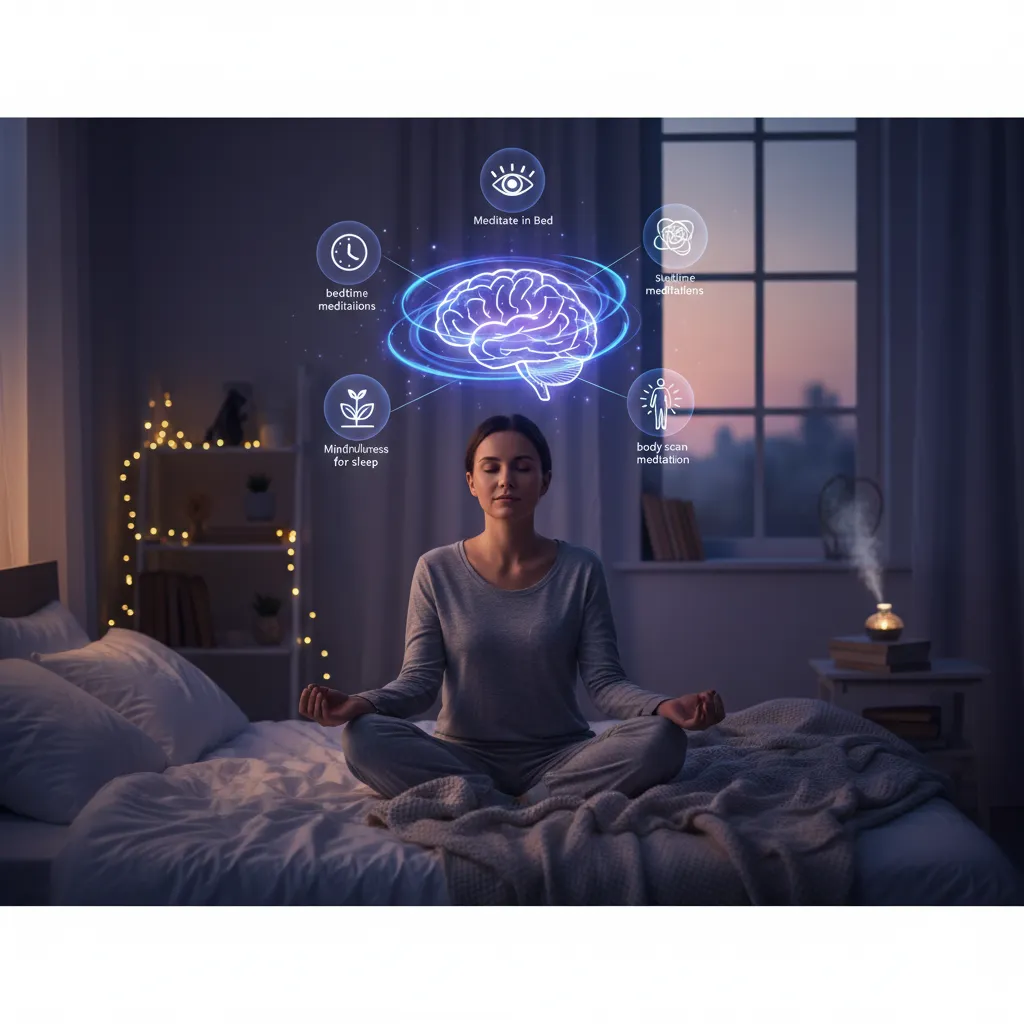
•Relaxation Techniques: Incorporating stress-reducing practices before bedtime can significantly lower the physiological arousal that contributes to night terrors. Progressive muscle relaxation, deep breathing exercises, mindfulness, and meditation (such as learning to Meditate in Bed) can promote a calmer transition into sleep. These practices foster a state of tranquility that supports stable NREM sleep.
•Psychotherapy: If night terrors are linked to underlying psychological conditions like anxiety, depression, or trauma, addressing these issues through psychotherapy can be profoundly beneficial. Techniques like exposure therapy or Eye Movement Desensitization and Reprocessing (EMDR) can help process traumatic memories that might be disrupting sleep architecture.
What Sleep Hygiene Adjustments Can Positively Impact Night Terrors?
Quick Answer: Optimizing sleep hygiene involves maintaining a consistent sleep schedule, creating a conducive sleep environment, avoiding stimulants, and limiting screen time, all of which contribute to stable sleep architecture and reduce the likelihood of night terror occurrences.
Effective sleep hygiene is the foundation for healthy sleep and plays a critical role in preventing and reducing the frequency of adult night terrors. These practices help stabilize the sleep-wake cycle and enhance the overall quality of sleep, supporting the brain’s natural restorative processes.
•Maintain a Consistent Sleep Schedule: Going to bed and waking up at the same time every day, even on weekends, helps regulate the body’s circadian rhythm. This consistency promotes a more predictable and consolidated sleep pattern, reducing sleep deprivation—a common trigger for night terrors. Aim for 7-9 hours of quality sleep nightly.
•Create an Optimal Sleep Environment: The bedroom should be a sanctuary for sleep. Ensure it is dark, quiet, and cool (ideally between 60-67°F or 15-19°C). Block out excess light with blackout curtains. Minimize noise using earplugs or by incorporating White Noise Benefits to mask disruptive sounds. A comfortable mattress and pillows also contribute significantly to sleep quality.
•Limit Stimulants and Alcohol: Avoid caffeine and nicotine, especially in the hours leading up to bedtime, as they are stimulants that interfere with sleep onset and quality. Alcohol, while initially sedating, fragments sleep in the latter half of the night, increasing the likelihood of NREM arousal disorders.
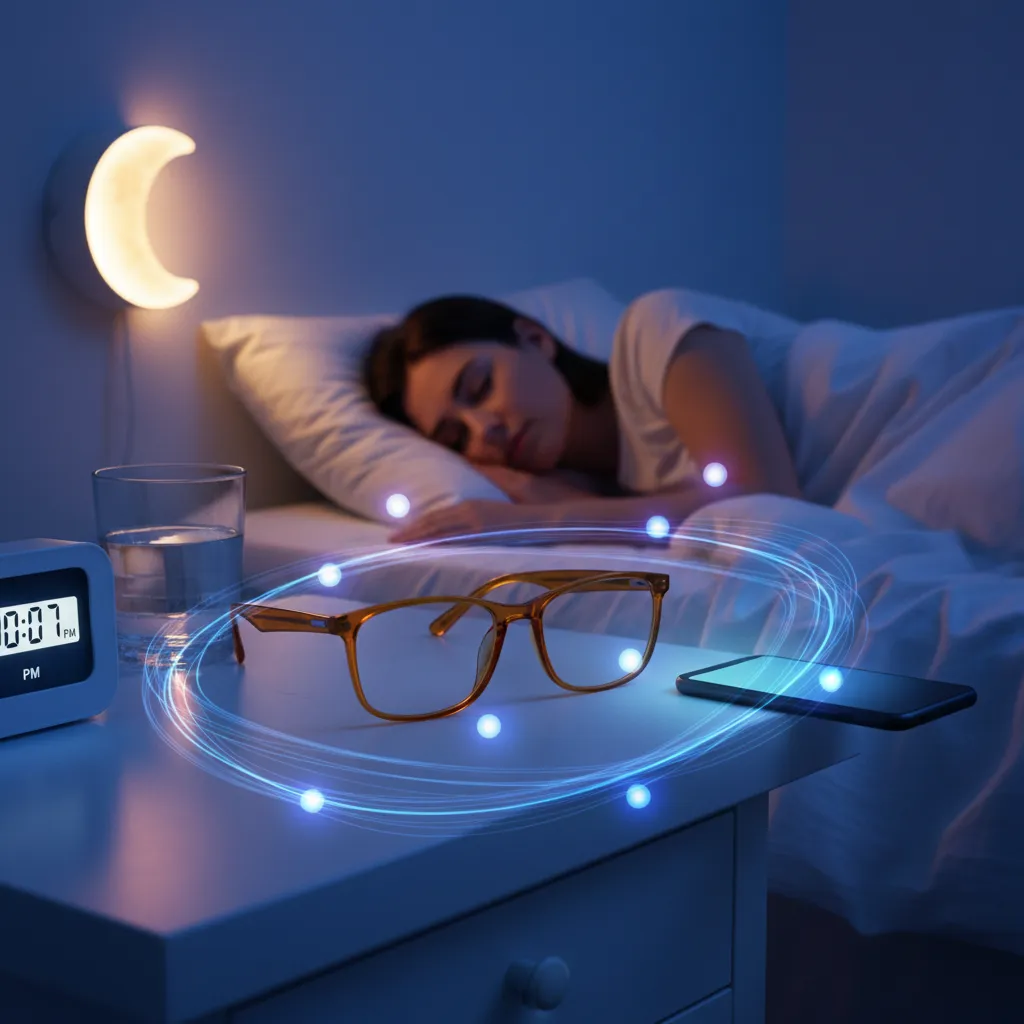
•Manage Screen Time: Exposure to blue light from electronic devices (phones, tablets, computers) before bed can suppress melatonin production, delaying sleep and disrupting circadian rhythms. Utilizing Blue Light Glasses Sleep or implementing a digital detox for at least an hour before sleep can support natural melatonin release and smoother sleep transitions.
•Regular Physical Activity: Engaging in regular exercise can promote deeper, more restful sleep. However, avoid strenuous workouts too close to bedtime, as this can be stimulating. Aim for moderate activity earlier in the day.
By consistently applying these sleep hygiene principles, individuals can significantly improve their sleep quality and reduce the frequency and intensity of adult night terrors, fostering a positive cycle of restful sleep and enhanced well-being.
Are There Medical Interventions for Persistent Adult Night Terrors?
Quick Answer: For persistent or severe adult night terrors unresponsive to behavioral and lifestyle changes, medical interventions may be considered. These include diagnostic sleep studies (polysomnography) and, in some cases, short-term medication to stabilize sleep architecture under strict medical supervision.
6 Facts About Adult Night Terrors & How to Cure Them – night terror causes – 8
When behavioral therapies and rigorous sleep hygiene adjustments prove insufficient, or if night terrors are particularly severe and pose a significant risk of injury, medical intervention may be necessary. Consulting a board-certified sleep specialist is crucial at this stage to explore advanced diagnostic and treatment options.
1. Polysomnography (Sleep Study): A comprehensive sleep study can provide invaluable data. This overnight test monitors various physiological parameters during sleep, including brain waves (EEG), eye movements (EOG), muscle activity (EMG), heart rhythm (ECG), breathing patterns, and oxygen levels. Polysomnography helps rule out other sleep disorders in adults like sleep apnea or periodic limb movement disorder, which can mimic or exacerbate night terrors. Identifying and treating these co-existing conditions can often lead to a significant reduction in night terror frequency. For instance, if sleep apnea is diagnosed, continuous positive airway pressure (CPAP) therapy could resolve both the apnea and the associated night terrors.
2. Medication Considerations: Pharmacological interventions are generally reserved for severe cases, especially when there is a risk of self-injury or significant impact on quality of life. These are not typically long-term solutions but can provide short-term relief to break the cycle of terrors.
•Benzodiazepines: Low-dose benzodiazepines, such as clonazepam, can be prescribed. These medications act on GABA receptors in the brain, promoting sedation and suppressing NREM arousal. However, they carry risks of dependence, tolerance, and potential side effects like daytime drowsiness. They are typically used for short durations under strict medical supervision.
•Antidepressants: Certain antidepressants, particularly tricyclic antidepressants (TCAs) or selective serotonin reuptake inhibitors (SSRIs), may be considered, especially if underlying depression or anxiety is a significant factor. These can alter sleep architecture and reduce NREM arousal events. The choice of medication is highly individualized and depends on the specific presentation and co-morbidities.
It is crucial to emphasize that any medication for parasomnia treatment must be prescribed and monitored by a qualified healthcare professional. Self-medication is strongly discouraged due to potential risks and interactions. The ultimate goal remains to identify and treat the root causes of night terrors, promoting sustainable and natural improvements in sleep quality.
How Does NeuroTech Insider Support Neuro-Optimization for Better Sleep?
Quick Answer: NeuroTech Insider champions neuro-optimization by providing advanced insights and innovative technologies, like the NeuroVizr device, to enhance brain function and promote high-quality sleep, fostering overall well-being and cognitive performance.
6 Facts About Adult Night Terrors & How to Cure Them – night terror treatment – 9
At NeuroTech Insider, we understand that sleep is not merely a period of inactivity but a vital process for brain health, cognitive function, and emotional regulation. Our mission is to empower individuals to achieve optimal brain performance through neuro-optimization, and this includes fostering truly restorative sleep. While our focus on adult night terrors centers on understanding, managing, and resolving these disruptive events, our broader commitment extends to enhancing every aspect of neurological well-being.
We delve into cutting-edge neuroscience to provide insights into how brain activity during different sleep stages impacts everything from memory consolidation to emotional resilience. Understanding the intricacies of the Science of Dreams and the various states of consciousness, including the often-misunderstood Hypnagogic State, allows us to offer a holistic perspective on sleep health.
Neuro-optimization, at its core, is about nurturing the brain’s natural capabilities and resilience. For those experiencing sleep disorders in adults like night terrors, this means exploring how to stabilize brainwave patterns and reduce the neurological excitability that contributes to these episodes. Our resources provide up-to-date information on the latest research in sleep neuroscience, offering practical, evidence-based strategies for improving sleep quality.
We believe in leveraging innovative technology to support these goals. The NeuroVizr device, for example, is designed to utilize advanced light and sound therapy to gently guide brainwave activity into beneficial states, promoting relaxation, mental clarity, and deeper, more restorative sleep. By engaging with precise frequencies and visual patterns, NeuroVizr can help to harmonize the brain’s electrical activity, supporting smoother transitions between sleep stages and reducing the likelihood of disruptive arousal events. This approach aligns with the principles of neurofeedback and brainwave entrainment, offering a non-invasive pathway to improved sleep and cognitive vitality.
Through our commitment to authoritative information and cutting-edge solutions, NeuroTech Insider aims to be a trusted resource for anyone seeking to understand their brain better and unlock their full potential, starting with the fundamental pillar of optimal sleep.
6 Facts About Adult Night Terrors & How to Cure Them – parasomnia treatment – 10
💡 Verdict: Adult night terrors are a significant sleep disorder requiring a multifaceted approach for effective management. Understanding their distinction from nightmares, identifying personal triggers, and implementing robust sleep hygiene practices are foundational. Behavioral therapies offer substantial relief, and for persistent cases, professional medical evaluation is crucial. Prioritizing safety and embracing neuro-optimization strategies can lead to profound improvements in sleep quality and overall neurological well-being.
Frequently Asked Questions
What are adult night terrors and how do they differ from nightmares?
Adult night terrors are NREM parasomnias with sudden awakenings, intense fear, and physical manifestations, usually without memory. Nightmares occur during REM sleep, are vividly remembered, and lack the physical intensity.
What causes or triggers night terrors in adults?
Adult night terrors are often triggered by chronic stress, anxiety, trauma, sleep deprivation, alcohol, certain medications, and co-existing sleep disorders like sleep apnea. Genetic predisposition can also play a role.
What are the effective strategies to manage and cure adult night terrors?
Effective strategies include behavioral therapies (scheduled awakenings, CBT-I), rigorous sleep hygiene (consistent schedule, optimal environment), relaxation techniques, psychotherapy, and in severe cases, medical interventions like polysomnography or short-term medication under supervision.