

Key Takeaways
✅ Pros
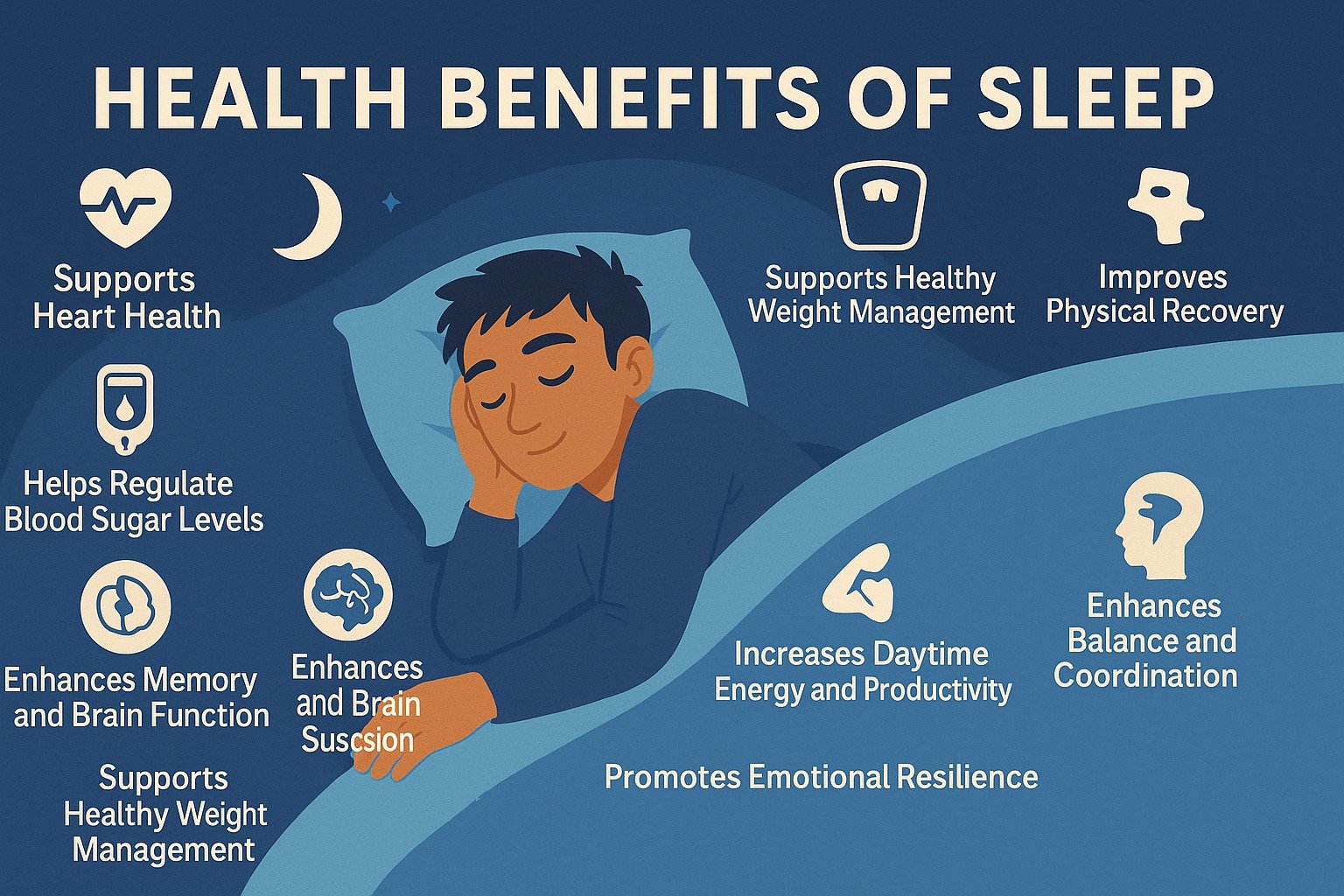
- Brain detoxification and waste clearance via the glymphatic system.
- Enhanced mood, motivation, and pleasure through optimized dopamine regulation.
- Improved memory consolidation and learning across all sleep stages.
- Better emotional regulation, reduced stress, and balanced emotional responses.
- Accelerated physical repair, muscle growth, and cellular regeneration during deep sleep.
- Optimal hormonal balance for appetite, metabolism, and energy levels.
- Fortified immune system and increased vaccine efficacy against pathogens.
- Sharpened cognitive functions, including attention, decision-making, and creativity.
- Supports neuroplasticity, brain adaptability, and long-term brain health.
- Leads to significantly higher overall life satisfaction and well-being.
❌ Cons
- Accumulation of neurotoxic waste due to impaired glymphatic system function.
- Disrupted dopamine regulation leading to reduced motivation and pleasure.
- Impaired memory consolidation and learning abilities.
- Heightened emotional reactivity, increased irritability, and anxiety.
- Hindered physical recovery and cellular regeneration.
- Hormonal imbalances affecting appetite, metabolism, and insulin sensitivity.
- Weakened immune system, increasing susceptibility to illness and reducing vaccine efficacy.
- Decreased cognitive functions, impaired decision-making, and reduced creativity.
The benefits of sleep extend far beyond mere rest, profoundly influencing our cognitive prowess and emotional well-being by orchestrating complex neurological processes that make us feel remarkably refreshed. At NeuroTech Insider, we understand the critical role quality sleep plays in neuro-optimization, offering a pathway to enhanced brain restoration and sustained sleep satisfaction.
Why Do We Experience Such Profound Pleasure From Quality Sleep?
Quick Answer: The profound pleasure derived from quality sleep stems from a complex interplay of neurochemical rebalancing, cellular repair, and cognitive consolidation, which collectively restore the brain and body to optimal function, leading to feelings of rejuvenation and mental clarity.
The feeling of waking up after a truly restful night is universally acknowledged as one of life’s simple yet profound joys. This isn’t just anecdotal; scientific research increasingly reveals the intricate biological mechanisms that underpin why does sleep feel good. Our brains, far from being inactive during slumber, enter a highly organized state of repair and processing. This active period allows for the clearance of metabolic waste, the recalibration of neurotransmitter systems, and the consolidation of memories, all contributing to a refreshed mental state and an improved capacity for daily challenges. The subjective experience of pleasure is a direct consequence of these restorative processes, signaling to the body that vital maintenance has been successfully completed, preparing us for optimal engagement with the world.
Understanding the science behind this restorative power encourages us to prioritize sleep not as a luxury, but as a fundamental pillar of health and neuro-optimization. From enhancing our mood to sharpening our focus, the advantages are undeniable, proving that quality sleep is an investment in our overall well-being. This article will delve into eight specific scientific reasons that illustrate the deep and multifaceted benefits of sleep for our brain, ensuring you grasp the full scope of its importance for peak cognitive performance and emotional balance.
How Does Sleep Detoxify the Brain Through the Glymphatic System?
Quick Answer: During sleep, the brain activates the glymphatic system brain, a unique waste clearance pathway that flushes out neurotoxic byproducts, including amyloid-beta proteins associated with neurodegenerative diseases, making us feel mentally clear and revitalized.
One of the most remarkable discoveries in modern neuroscience is the identification of the glymphatic system, a dedicated brain waste clearance system that operates predominantly during sleep. Analogous to the body’s lymphatic system, the glymphatic system uses cerebrospinal fluid (CSF) to wash away metabolic waste products accumulated during waking hours. Research, particularly studies from the University of Rochester Medical Center, has shown that during non-REM sleep, brain cells (specifically glial cells) shrink by approximately 60%, significantly increasing the interstitial space between neurons. This expansion allows CSF to flow more freely through the brain tissue, effectively flushing out harmful toxins like amyloid-beta, tau proteins, and other cellular debris.
The efficiency of this detoxification process is directly correlated with sleep quality. A study published in Science in 2013 demonstrated that the glymphatic system’s activity can increase by up to 10-20 times during sleep compared to wakefulness. This nocturnal cleansing is crucial for maintaining optimal brain health and cognitive function. When this system is impaired, for instance due to chronic sleep deprivation, toxins can accumulate, potentially contributing to cognitive decline and increasing the risk of neurodegenerative disorders. The feeling of mental clarity and sharpness upon waking is a direct manifestation of this nightly deep cleansing, providing a tangible benefit of sleep.
What Are the Key Components of the Glymphatic System and Their Functions?
Quick Answer: The glymphatic system relies on the flow of cerebrospinal fluid (CSF) through perivascular spaces and the activity of aquaporin-4 water channels on astrocytes to efficiently remove waste from the brain.
Understanding the specific elements involved in the glymphatic system provides a deeper appreciation of its vital role. This intricate network comprises several key components working in concert:
- • Cerebrospinal Fluid (CSF): Produced in the choroid plexus, CSF acts as the primary fluid medium, circulating nutrients and collecting waste. Its pulsatile flow is crucial for driving the glymphatic system.
- • Perivascular Spaces: These are fluid-filled channels surrounding blood vessels in the brain, serving as conduits for CSF influx and efflux, guiding the flow deep into brain tissue.
- • Astrocytes: A type of glial cell, astrocytes play a crucial role. Their end-feet, which ensheath cerebral blood vessels, contain specialized water channels called aquaporin-4 (AQP4). These channels are essential for regulating CSF movement into and out of the brain parenchyma.
The coordinated action of these elements ensures efficient waste removal. For individuals seeking neuro-optimization, understanding this system underscores the importance of consistent, high-quality sleep. Devices like the NeuroVizr, by promoting relaxation and deep sleep states through specific NeuroVizr Light Patterns, can indirectly support glymphatic function, thereby contributing to enhanced brain restoration. Maintaining robust glymphatic activity is a key benefit of sleep for long-term cognitive vitality.
What Role Does Dopamine Play in Sleep’s Mood-Boosting Effects?
Quick Answer: Sleep plays a critical role in regulating dopamine and sleep interactions, helping to rebalance this key neurotransmitter, which significantly contributes to feelings of reward, motivation, and overall mood elevation upon waking.
Dopamine, often referred to as the brain’s reward chemical, is intimately linked with our mood, motivation, and sense of pleasure. During wakefulness, dopamine levels fluctuate significantly based on our activities and interactions. Sleep acts as a crucial regulatory period for this vital neurotransmitter. Research indicates that sleep deprivation can disrupt dopamine receptor sensitivity and synthesis, leading to reduced motivation, anhedonia (inability to feel pleasure), and impaired decision-making. Conversely, a full night of sleep allows the brain to optimize its dopamine systems, restoring receptor sensitivity and ensuring adequate production.
This rebalancing effect means that after sufficient sleep, we are better equipped to experience positive emotions, feel motivated to pursue goals, and find satisfaction in daily activities. A study published in the Journal of Neuroscience found that even moderate sleep restriction can reduce dopamine availability, impacting areas of the brain associated with reward and motivation. Therefore, the feeling of contentment and drive that accompanies a well-rested state is largely attributable to optimized dopamine function, highlighting a significant benefit of sleep for mental well-being and positive outlook.

How Does Sleep Impact Dopamine Receptor Sensitivity?
Quick Answer: Adequate sleep restores the sensitivity of dopamine receptors in the brain, allowing them to respond more effectively to dopamine, thereby enhancing feelings of reward and pleasure.
Dopamine’s effectiveness is not solely about its quantity but also about the sensitivity of the receptors that receive it. Chronic sleep loss has been shown to downregulate dopamine D2 receptors, making the brain less responsive to dopamine’s signals. This can manifest as a reduced capacity for pleasure and motivation. For instance, a person experiencing Sleep Deprivation Fainting or persistent fatigue might find less joy in activities they once loved.
Conversely, consistent, high-quality sleep helps to upregulate or restore these receptors to their optimal sensitivity. This means that even normal levels of dopamine can elicit stronger feelings of reward and satisfaction. This mechanism is a key factor in the overall sleep satisfaction and positive emotional state we experience after a good night’s rest. Optimizing your sleep environment, potentially with practices like White Noise Benefits or using specific Light Color for Sleep, can support this crucial dopamine regulation.
How Does Restorative Sleep Enhance Memory and Learning?
Quick Answer: Sleep is crucial for memory consolidation, actively processing and strengthening new information acquired during the day, which significantly enhances learning, recall, and overall cognitive performance.
Beyond physical rest, sleep is a powerhouse for cognitive function, particularly in the realm of memory and learning. During different stages of sleep, the brain actively processes and consolidates information learned during the day. Non-REM (NREM) sleep, especially slow-wave sleep, is critical for consolidating declarative memories (facts and events). During this phase, the hippocampus replays newly acquired information to the neocortex, where it is stored for long-term retention. This process strengthens neural connections, making memories more stable and accessible.
REM (Rapid Eye Movement) sleep, on the other hand, is vital for procedural memories (skills) and emotional memory processing. It is during REM sleep that our brains synthesize and integrate complex information, helping us to understand concepts more deeply and solve problems creatively. A meta-analysis of over 50 studies highlighted that sleep-dependent memory consolidation leads to an average performance improvement of 10-20% in various memory tasks. This nightly cognitive enhancement is a profound benefit of sleep, enabling us to learn more effectively and think more clearly.

What Are the Different Stages of Sleep and Their Memory Functions?
Quick Answer: Sleep progresses through NREM stages (N1, N2, N3) and REM sleep, with NREM facilitating declarative memory consolidation and REM supporting procedural and emotional memory processing, alongside the fascinating Science of Dreams.
Our sleep cycle consists of distinct stages, each contributing uniquely to cognitive restoration. Here is a breakdown of their roles in memory:
| Sleep Stage | Characteristics | Memory Function |
|---|---|---|
| NREM Stage 1 (N1) | Lightest sleep, transition from wakefulness. | Initial processing, preparing for deeper consolidation. |
| NREM Stage 2 (N2) | Deeper sleep, characterized by sleep spindles and K-complexes. | Significant role in declarative memory consolidation and skill learning. |
| NREM Stage 3 (N3) | Deepest sleep (slow-wave sleep), critical for physical rest. | Primary stage for declarative memory transfer from hippocampus to neocortex. |
| REM Sleep | Active brain, vivid dreams, muscle paralysis. | Emotional memory processing, procedural learning, creative problem-solving. |
Ensuring sufficient time in each of these stages is vital for comprehensive memory enhancement. Technologies that promote stable sleep architecture, such as certain guided meditations or sound frequencies, can support these processes. For instance, exploring NeuroVizr vs Meditation can provide insights into how different approaches aid memory. This cognitive advantage is a key benefit of sleep that directly contributes to our sense of competence and mental agility.
In What Ways Does Sleep Regulate Our Emotions and Reduce Stress?
Quick Answer: Sleep optimizes the brain’s emotional regulation centers, particularly the prefrontal cortex and amygdala, allowing us to process emotional experiences, reduce reactivity to stress, and maintain a more balanced and resilient mood.
The connection between sleep and emotional well-being is profound. When we are sleep-deprived, our emotional responses become amplified, often leading to increased irritability, anxiety, and a diminished capacity to cope with stress. This is largely due to the impact of sleep on key brain regions involved in emotional processing. The amygdala, often referred to as the brain’s emotional alarm center, becomes hyperactive with insufficient sleep, leading to exaggerated reactions to negative stimuli.
Simultaneously, the prefrontal cortex, responsible for executive functions like reasoning, decision-making, and emotional control, becomes less connected to the amygdala during sleep deprivation. This weakened connection means the rational part of our brain struggles to temper the emotional responses generated by the amygdala. Quality sleep, conversely, restores this critical prefrontal-amygdala connectivity, allowing for more adaptive and measured emotional responses. A study from UC Berkeley demonstrated that a full night of sleep can reset the brain’s emotional compass, making individuals 60% less reactive to disturbing images compared to those who were sleep-deprived. This robust emotional recalibration is a significant benefit of sleep, fostering a sense of inner calm and resilience.

How Does Sleep Influence Stress Hormones?
Quick Answer: Sufficient sleep helps regulate cortisol, the primary stress hormone, by normalizing its circadian rhythm, leading to reduced physiological stress responses and promoting a calmer state.
Beyond direct brain region activity, sleep profoundly influences our hormonal landscape, particularly stress hormones. Cortisol, the body’s main stress hormone, typically follows a diurnal rhythm, peaking in the morning to help us wake up and gradually declining throughout the day. Sleep disruption, however, can elevate evening cortisol levels, keeping the body in a state of heightened alert and making it difficult to fall asleep. This creates a vicious cycle of stress and poor sleep.
Adequate sleep helps to restore the normal, healthy circadian rhythm of cortisol release. By reducing circulating stress hormones, sleep directly contributes to a sense of relaxation and well-being. This hormonal rebalancing is a critical benefit of sleep, allowing both mind and body to unwind. Implementing good sleep hygiene practices, such as creating a calming bedtime routine or trying to Meditate in Bed, can significantly aid in this process.
How Does Deep Sleep Facilitate Physical Repair and Cellular Regeneration?
Quick Answer: Deep sleep is a critical period for physical repair, where the body undertakes extensive muscle and tissue recovery, cellular regeneration, and protein synthesis, leading to feelings of physical restoration and vitality.
While the brain is busy with its own restorative tasks, the body simultaneously undergoes significant repair and regeneration during sleep. This is particularly true during slow-wave sleep (NREM Stage 3), also known as deep sleep. During this phase, the body releases growth hormone (GH), a crucial hormone for tissue repair and muscle growth. GH secretion peaks during deep sleep, facilitating the repair of micro-tears in muscles, replenishment of energy stores, and overall physical recovery from the day’s activities.
Beyond growth hormone, sleep is a period of heightened protein synthesis and reduced breakdown, supporting cellular repair and the production of new cells. The body also works to consolidate bone and muscle mass. For athletes or anyone engaging in regular physical activity, adequate deep sleep is non-negotiable for recovery and performance enhancement. Without sufficient restorative sleep, physical fatigue accumulates, muscle repair is hindered, and susceptibility to injury increases. The feeling of physical readiness and reduced soreness after a good night’s rest is a testament to this powerful benefit of sleep.

What Specific Repair Processes Occur During Deep Sleep?
Quick Answer: Deep sleep facilitates growth hormone release, muscle repair, replenishment of cellular energy (ATP), and the consolidation of physical strength and endurance.
The regenerative processes occurring during deep sleep are comprehensive, impacting nearly every system in the body. Here are some detailed examples:
- • Growth Hormone Secretion: Approximately 70% of daily growth hormone is released during deep sleep. This hormone is vital not only for growth in children but also for tissue repair, cell reproduction, and metabolism in adults.
- • Muscle and Tissue Repair: During deep sleep, the body increases blood flow to muscles, delivering oxygen and nutrients, and removing metabolic byproducts like lactic acid. This accelerates muscle recovery and reduces post-exercise soreness.
- • Energy Restoration: Cellular adenosine triphosphate (ATP) levels, the primary energy currency of cells, are replenished. This is crucial for sustained physical and mental performance the following day.
This extensive physical overhaul is a cornerstone of overall vitality and contributes significantly to the feeling of being physically ready and robust each morning. Prioritizing deep sleep is a direct path to maximizing physical health and performance. Incorporating a Neuroplasticity Diet can further support cellular health and the restorative processes of sleep.
What Are The Hormonal Benefits That Make Sleep So Essential For Wellbeing?
Quick Answer: Sleep is a master regulator of numerous hormones, including those controlling appetite (leptin and ghrelin), stress (cortisol), and metabolism, thereby maintaining physiological balance and contributing to overall health and well-being.
Beyond growth hormone and cortisol, sleep profoundly influences a cascade of other hormones that are critical for maintaining homeostasis. Two particularly important hormones are leptin and ghrelin, which regulate appetite. Leptin signals satiety to the brain, while ghrelin stimulates hunger. Sleep deprivation disrupts the balance between these two, leading to decreased leptin and increased ghrelin. This hormonal imbalance can result in increased appetite, cravings for high-calorie foods, and a greater likelihood of weight gain.
Furthermore, sleep affects insulin sensitivity and glucose metabolism. Chronic poor sleep can lead to insulin resistance, increasing the risk of type 2 diabetes. Melatonin, the sleep hormone, also plays a broader role than just inducing sleep; it has antioxidant properties and influences other endocrine functions. By maintaining optimal hormonal balance, sleep helps regulate metabolism, energy levels, and mood, leading to a profound sense of internal harmony and vitality. This systemic regulation is a key benefit of sleep that impacts virtually every bodily process, contributing to a holistic feeling of health and comfort.

How Does Sleep Influence Metabolic Hormones?
Quick Answer: Sleep regulates metabolic hormones like insulin, leptin, and ghrelin, optimizing glucose control, appetite regulation, and energy balance to support healthy body weight and reduce metabolic disease risk.
The intricate dance of metabolic hormones is finely tuned by our sleep patterns. Here’s how sleep contributes to their optimal function:
- • Insulin Sensitivity: After a full night’s sleep, cells are more responsive to insulin, efficiently absorbing glucose from the bloodstream. Conversely, studies show that just one night of sleep deprivation can reduce insulin sensitivity by 25-30%, mirroring the effects of early-stage diabetes.
- • Appetite Regulation: The balance between leptin and ghrelin directly influences our hunger cues. With insufficient sleep, ghrelin (hunger hormone) increases by about 28%, while leptin (satiety hormone) decreases by 18%, leading to an average increase in caloric intake by 300-500 calories per day.
- • Energy Metabolism: Sleep allows for the restoration of glycogen stores in the liver and muscles, providing sustained energy for the next day. This efficient energy management is a foundational benefit of sleep for overall physical performance and a feeling of sustained vigor.
For optimal metabolic health, prioritizing 7-9 hours of quality sleep is as crucial as diet and exercise. This holistic approach supports sustained energy and prevents conditions that can severely impact quality of life.
How Does Quality Sleep Fortify Our Immune System Against Illness?
Quick Answer: Adequate sleep significantly strengthens the immune system by enhancing the production of cytokines, T-cells, and antibodies, which are essential for fighting off infections and maintaining overall physical resilience.
A robust immune system is our primary defense against pathogens, and sleep is a non-negotiable component of its optimal function. During sleep, particularly deep sleep, the body releases cytokines, small proteins that are vital for immune responses. These cytokines help fight inflammation, infection, and stress. When we are sleep-deprived, the production of these protective cytokines decreases, while inflammatory cytokines can increase, leading to a state of chronic low-grade inflammation.
Furthermore, sleep enhances the effectiveness of T-cells, a type of white blood cell that plays a central role in adaptive immunity. A study published in the Journal of Experimental Medicine in 2019 demonstrated that sleep improves the ability of T-cells to adhere to and destroy infected cells. Sleep also supports the formation of antibodies, which are crucial for long-term immunity against viruses and bacteria. The feeling of being healthy, energetic, and less susceptible to common colds and flu is a direct result of a well-functioning immune system, fueled by consistent, quality sleep. This enhanced protection is a profound benefit of sleep for sustained physical well-being.

What Is the Impact of Sleep on Vaccine Efficacy?
Quick Answer: Adequate sleep significantly enhances the body’s antibody response to vaccinations, leading to stronger and more durable immunity compared to insufficient sleep.
The immune-boosting effects of sleep are so potent that they even influence the effectiveness of vaccines. Several studies have demonstrated that individuals who receive adequate sleep in the days leading up to and immediately following a vaccination produce a significantly higher antibody response compared to those who are sleep-deprived. For instance, a landmark study on hepatitis A vaccination showed that individuals who slept fewer than 6 hours per night produced less than half the antibody response of those who slept more than 7 hours.
This has profound implications for public health, underscoring that sleep is not merely a passive state but an active immunological enhancer. Ensuring you are well-rested when receiving vaccinations can maximize their protective effects. This concrete evidence highlights how vital sleep is for maintaining a robust defense against illness, providing a deep sense of security and physical readiness. The overall feeling of being well-protected and resilient is a powerful benefit of sleep that directly contributes to our sense of well-being.
How Does Sleep Sharpen Cognitive Functions and Boost Daily Performance?
Quick Answer: Quality sleep enhances nearly all cognitive functions, including attention, concentration, problem-solving, creativity, and reaction time, leading to significantly improved daily performance and a heightened sense of mental capability.
The restorative power of sleep extends dramatically to our waking cognitive abilities. A well-rested brain functions at its peak, demonstrating superior attention, concentration, and executive function. Sleep allows the brain to clear adenosine, a neuromodulator that builds up during wakefulness and promotes sleepiness, thereby restoring alertness. Beyond just feeling awake, sleep optimizes neural networks, making information processing more efficient.
Numerous studies have demonstrated the profound impact of sleep on cognitive performance. For instance, individuals with adequate sleep exhibit faster reaction times, make fewer errors, and show greater accuracy in complex tasks. Problem-solving abilities are enhanced, as sleep facilitates the reorganization of information, allowing for new insights and creative solutions. The prefrontal cortex, vital for planning and decision-making, operates optimally with sufficient sleep. This translates into better performance at work, improved academic outcomes, and enhanced safety in tasks requiring sustained attention, such as driving. The mental acuity and effortless flow of thought experienced after restorative sleep are key components of brain restoration and contribute directly to a high level of sleep satisfaction.

How Does Sleep Improve Decision-Making and Creativity?
Quick Answer: Sleep enhances decision-making by restoring prefrontal cortex function and boosts creativity by reorganizing memories and fostering novel associations.
The impact of sleep on higher-order cognitive functions is significant. When sleep-deprived, individuals tend to make riskier decisions, struggle with ethical dilemmas, and have difficulty with complex problem-solving. This is primarily because the prefrontal cortex, the brain region responsible for rational thought and impulse control, is one of the first areas affected by sleep loss.
Conversely, a well-rested brain allows the prefrontal cortex to operate optimally, leading to more thoughtful, logical, and nuanced decisions. Moreover, sleep, particularly REM sleep, is a catalyst for creativity. During REM sleep, the brain actively re-processes and combines disparate pieces of information, forming new, often unexpected, associations. This is why solutions to problems or creative ideas can often emerge after a good night’s sleep. This enhanced mental capacity is a profound benefit of sleep, enabling us to navigate challenges with greater ease and innovation.
How Does Sleep Support Neuroplasticity and Brain Adaptability?
Quick Answer: Sleep is essential for neuroplasticity, the brain’s ability to reorganize itself by forming new neural connections, which supports learning, adaptation to new experiences, and overall brain health and resilience.
Neuroplasticity is the brain’s remarkable ability to change and adapt throughout life, forming new neural connections and reorganizing existing ones in response to learning, experience, and even injury. Sleep plays a critical role in facilitating these plastic changes. During wakefulness, our brains are constantly bombarded with new sensory information and experiences, leading to the formation of many new, sometimes weak, synaptic connections. Sleep provides a crucial period for the brain to prune unnecessary connections and strengthen the most important ones, a process known as synaptic homeostasis.
Specifically, slow-wave sleep is associated with synaptic downscaling, where less important synapses are weakened, making room for new learning. REM sleep, conversely, is thought to be involved in synaptic potentiation, strengthening key connections. This dynamic remodeling allows the brain to remain flexible, efficient, and ready to absorb new information the next day. A brain that can adapt and learn effectively feels more capable and vibrant, contributing significantly to a positive mental state. This fundamental aspect of brain restoration is a powerful benefit of sleep for lifelong cognitive agility.

How Does Sleep Contribute to Brain Growth and Repair?
Quick Answer: Sleep supports neurogenesis (the birth of new neurons), glial cell maintenance, and overall neural repair processes, contributing to the brain’s long-term structural integrity and functional capacity.
Beyond synaptic plasticity, sleep is implicated in more fundamental aspects of brain health, including the generation of new brain cells and the maintenance of supporting glial cells. While adult neurogenesis (the birth of new neurons) is limited, it does occur in certain brain regions, notably the hippocampus, which is crucial for learning and memory. Studies suggest that sleep deprivation can suppress neurogenesis, while adequate sleep promotes it. This means sleep actively contributes to rebuilding and strengthening the brain’s fundamental structures.
Glial cells, which include astrocytes, oligodendrocytes, and microglia, comprise about 90% of the cells in the brain and play vital supportive roles, such as providing nutrients, forming myelin (insulation for neurons), and clearing debris. Sleep is essential for the health and function of these cells, ensuring they can effectively support neuronal activity. The comprehensive care that sleep provides for the brain’s infrastructure ensures its longevity and peak performance. This fundamental brain restoration is a core benefit of sleep that underpins all other cognitive and emotional advantages.
How Does Sleep Enhance Overall Life Satisfaction and Well-being?
Quick Answer: By optimizing physical health, cognitive function, and emotional regulation, quality sleep profoundly elevates overall life satisfaction, contributing to improved relationships, greater productivity, and a more positive outlook on life.
Ultimately, the cumulative effect of all these scientific benefits of sleep culminates in a significantly enhanced sense of overall life satisfaction and well-being. When our brains are detoxified, our moods are balanced by optimal dopamine, our memories are sharp, our emotions are regulated, our bodies are repaired, our hormones are balanced, our immune systems are robust, and our cognitive functions are primed, we are simply better equipped to thrive.
This holistic optimization translates into tangible improvements in daily life. Individuals who consistently achieve quality sleep report higher levels of happiness, greater resilience in the face of adversity, more positive social interactions, and increased productivity. They are more motivated to engage with life, pursue their passions, and maintain healthy habits. The sustained feeling of vitality, mental clarity, and emotional stability that arises from prioritized sleep fosters a positive feedback loop, encouraging further dedication to good sleep hygiene. This overarching sense of thriving is perhaps the most compelling benefit of sleep, making it truly feel so good.
How Can We Proactively Prioritize Sleep for Optimal Well-being?
Quick Answer: Prioritizing sleep involves establishing a consistent sleep schedule, optimizing the sleep environment, managing stress, and considering neuro-optimization tools to enhance sleep quality.
Achieving these profound benefits of sleep requires a proactive approach to sleep hygiene and, for some, advanced neuro-optimization techniques. Here are actionable steps:
- • Maintain a Consistent Schedule: Go to bed and wake up at the same time every day, even on weekends. This reinforces your body’s natural circadian rhythm.
- • Optimize Your Sleep Environment: Ensure your bedroom is dark, quiet, and cool (ideally between 60-67°F or 15-19°C). Consider blackout curtains or a sleep mask.
- • Limit Stimulants and Heavy Meals: Avoid caffeine and nicotine close to bedtime. Large meals, alcohol, and excessive screen time before sleep can also disrupt your sleep architecture.
- • Incorporate Relaxation Techniques: Practices like meditation, deep breathing exercises, or a warm bath can signal to your body that it’s time to wind down.
- • Explore Neuro-optimization Tools: Devices designed to promote brain wave states conducive to deep, restorative sleep can be highly effective. The NeuroVizr device, available through NeuroTech Insider, uses advanced light and sound therapy to guide your brain into optimal sleep patterns, enhancing sleep satisfaction and brain restoration.
Frequently Asked Questions
How Does Sleep Detoxify the Brain Through the Glymphatic System?
During sleep, the brain activates the glymphatic system, a unique waste clearance pathway that flushes out neurotoxic byproducts, including amyloid-beta proteins, making us feel mentally clear and revitalized.
What Role Does Dopamine Play in Sleep’s Mood-Boosting Effects?
Sleep plays a critical role in regulating dopamine interactions, helping to rebalance this key neurotransmitter, which significantly contributes to feelings of reward, motivation, and overall mood elevation upon waking.
How Does Quality Sleep Fortify Our Immune System Against Illness?
Adequate sleep significantly strengthens the immune system by enhancing the production of cytokines, T-cells, and antibodies, which are essential for fighting off infections and maintaining overall physical resilience.