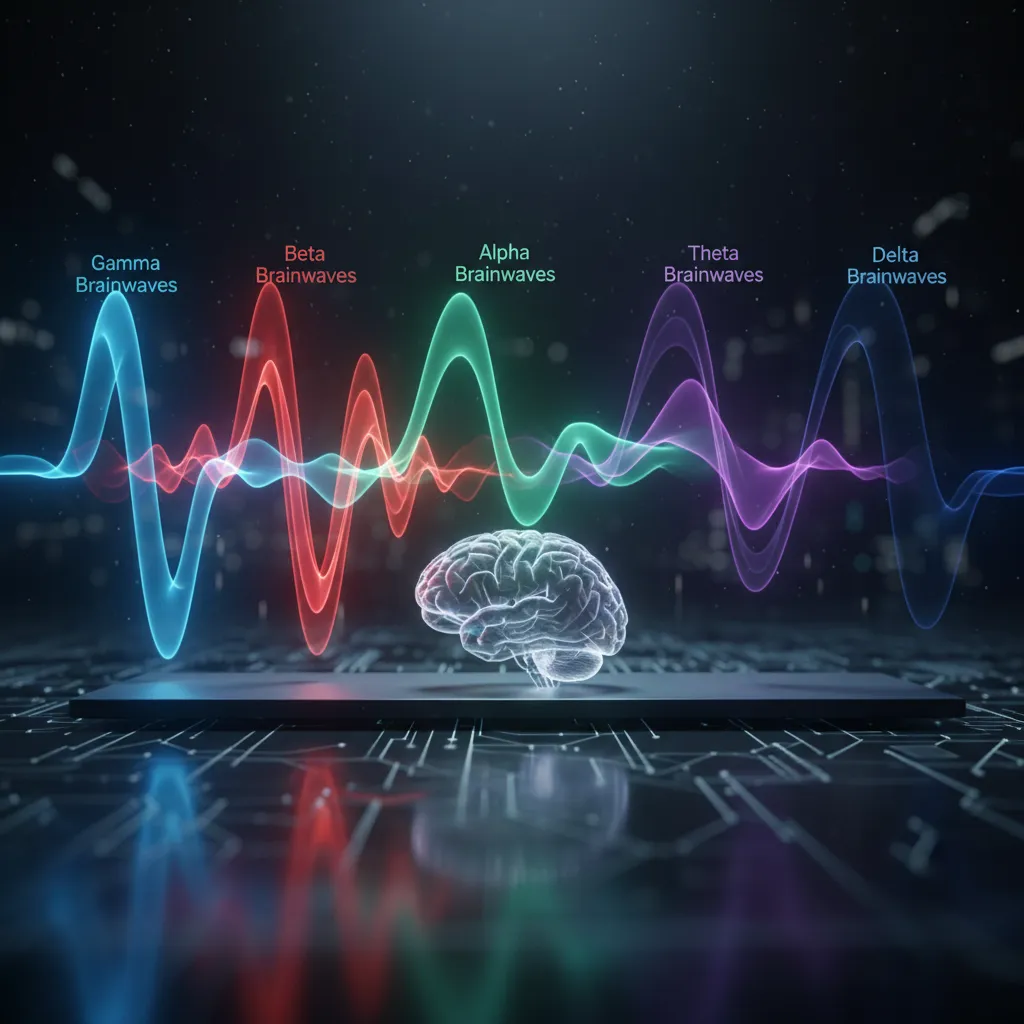
Brainwave frequencies are electrical impulses in the brain that govern our thoughts, emotions, and actions. There are five main types: Gamma (30-100+ Hz) for intense focus and high-level processing; Beta (12-30 Hz) for alertness and active thinking; Alpha (8-12 Hz) for relaxed awareness and creativity; Theta (4-8 Hz) for deep relaxation, memory, and intuition; and Delta (0.5-4 Hz) for restorative deep sleep and healing. These frequencies are precisely measured using Electroencephalography (EEG) technology. Various methods, including meditation, brainwave entrainment (binaural beats, isochronic tones), neurofeedback, and healthy lifestyle adjustments, can optimize these brainwave patterns. Actively influencing brainwaves can lead to enhanced cognitive performance, improved emotional regulation, superior sleep quality, and boosted creativity, unlocking full mental potential and overall well-being.
✅ Pros
Enhanced Cognitive Performance
Improved Emotional Regulation
Restorative Sleep
Boosted Creativity and Intuition
❌ Cons
Requires consistent practice and effort for sustained results
Effectiveness can vary individually
Potential for overstimulation if not properly managed, especially with high beta activity
Brainwave Frequencies: How They Control Your Mind and Well-being
Brainwave frequencies are the electrical impulses generated by your brain, orchestrating every thought, emotion, and action, profoundly influencing your mental states and overall well-being. Understanding these intricate brain rhythms offers a powerful pathway to enhanced focus, restorative sleep, and elevated creativity, empowering individuals to achieve optimal neuro-optimization with insights from NeuroTech Insider.
What Are the 5 Main Brainwave Frequencies and How Do They Control Your Mind?
Quick Answer: The five main brainwave frequencies—Gamma, Beta, Alpha, Theta, and Delta—are distinct electrical patterns in the brain that correspond to different states of consciousness, cognitive functions, and levels of arousal. Each frequency plays a crucial role in controlling specific mental processes, from intense focus and problem-solving to deep relaxation, creativity, and restorative sleep.
Our brains are incredibly complex electrical systems, constantly generating neural oscillations, or brainwave frequencies, that vary in speed and amplitude. These electrical brain signals are measured in Hertz (Hz) and represent the synchronized activity of millions of neurons communicating within the cerebral cortex. Understanding these distinct brain rhythms provides profound insight into our cognitive function, emotional regulation, and overall mental wellness. Each brainwave type is associated with a unique set of mental states, offering opportunities for cognitive enhancement and improved well-being through targeted neuro-optimization techniques.
5 Main Brainwave Frequencies & How They Control Your Mind – Brainwave Frequencies – 1
The balance and dominance of specific brainwave types shift naturally throughout the day, guiding us through various experiences from waking consciousness to deep slumber. For instance, when you are intensely focused on a task, your brain exhibits a higher proportion of faster waves, while during relaxed states or meditation, slower waves become more prominent. Recent studies, such as those published in the journal Frontiers in Neuroscience, continue to unravel the intricate roles of these oscillations in shaping our reality. Optimizing these patterns can lead to significant benefits, including enhanced peak performance and improved stress reduction.
What are the distinct characteristics and benefits of Gamma Brain Waves?
Quick Answer: Gamma brainwave frequencies, ranging from 30 to over 100 Hz, are the fastest brainwaves and are associated with peak cognitive functioning. They facilitate high-level information processing, enhanced learning, superior memory recall, and moments of profound insight, acting as the brain’s mechanism for binding diverse information into a coherent perception.
5 Main Brainwave Frequencies & How They Control Your Mind – Gamma Brainwaves – 2
Gamma brain waves are often considered the brain’s “aha” waves, crucial for integrating information from different brain regions. When you experience a sudden moment of clarity or intensely focus on a complex problem, your brain is likely generating an abundance of gamma activity. Research indicates a strong correlation between robust gamma activity and enhanced cognitive function, particularly in areas like perception, memory, and problem-solving. For example, a 2017 study published in Nature Communications demonstrated that gamma oscillations are fundamental for working memory processes, allowing us to hold and manipulate information actively. Individuals with strong gamma coherence often report feelings of expanded consciousness and heightened awareness, making them a target for those seeking advanced neuro-optimization.
How do Beta Brain Waves contribute to our daily focus and alertness?
Quick Answer: Beta brain waves, operating between 12 and 30 Hz, are prevalent during states of active concentration, alertness, and engagement with the external world. They are essential for sustained focused attention, logical thinking, and decision-making, enabling us to process information efficiently and interact effectively with our environment.
5 Main Brainwave Frequencies & How They Control Your Mind – Beta Brainwaves – 3
When you are awake, alert, and actively thinking, your brain is typically producing Beta Brain Waves. These are the dominant brainwave frequencies during tasks requiring mental effort, such as studying, working, or engaging in conversation. Optimal beta activity is linked to sharp attention and effective problem-solving skills. However, an excess of high beta activity, particularly in the higher frequency range (20-30 Hz), can sometimes correlate with feelings of anxiety or overstimulation. Maintaining a balanced level of beta is key for productive engagement without succumbing to stress. For example, a salesperson making a compelling pitch or a student diligently preparing for an exam would primarily operate in a beta state, leveraging its benefits for heightened mental acuity.
What role do Alpha Brain Waves play in relaxation and creativity?
Quick Answer: Alpha brainwave frequencies, typically ranging from 8 to 12 Hz, are associated with a state of relaxed wakefulness, mental calmness, and readiness for tasks. They are crucial for promoting a sense of tranquility, facilitating creative thinking, and acting as a bridge between our conscious and subconscious mental states.
5 Main Brainwave Frequencies & How They Control Your Mind – Alpha Brainwaves – 4
When you close your eyes, relax, and begin to daydream or engage in light meditation, your brain naturally shifts into an alpha state. These waves are central to achieving a peaceful and serene mental state, reducing mental chatter, and opening the mind to new ideas. Artists, musicians, and innovators often tap into the alpha state to enhance their creativity and flow. A study from the Journal of Neuroscience in 2012 highlighted alpha waves’ role in inhibitory control, essentially helping to quiet distracting thoughts and enhance focus on internal processes. Cultivating alpha brainwave frequencies is a common goal in relaxation techniques and is highly beneficial for overall mental wellness.
How do Theta Brain Waves enhance memory and deep meditative states?
Quick Answer: Theta brain waves, ranging from 4 to 8 Hz, emerge during deep relaxation, light sleep, and profound meditative states. They are instrumental in memory consolidation, facilitating access to subconscious thoughts, nurturing creative thinking, and enhancing learning, making them a gateway to inner exploration and heightened intuition.
5 Main Brainwave Frequencies & How They Control Your Mind – Theta Brainwaves – 5
Entering the theta state is like unlocking a hidden chamber of the mind. These brainwave frequencies are particularly active during REM (Rapid Eye Movement) sleep, where dreaming occurs, and during deep meditation. The Theta Wave Benefits are vast, including significant improvements in memory consolidation and access to subconscious insights. For instance, a 2018 review in Brain Sciences emphasized theta oscillations’ critical role in hippocampus-dependent learning and memory. Cultivating theta waves can foster profound relaxation, expand creative thinking, and enhance emotional processing, making them highly desirable for self-exploration and personal growth.
What is the significance of Delta Brain Waves for restorative sleep and healing?
Quick Answer: Delta brain waves, the slowest brainwave frequencies (0.5 to 4 Hz), are predominantly active during deep, dreamless deep sleep. This crucial state is when the body undergoes significant physical restoration, cellular regeneration, and immune system strengthening. Delta waves are vital for achieving truly restorative sleep cycles and profound healing.
5 Main Brainwave Frequencies & How They Control Your Mind – Brainwave Frequencies – 6
The delta state is our deepest level of relaxation, often associated with unconscious processes and the body’s natural healing mechanisms. During deep sleep, delta waves are most prominent, allowing for the release of growth hormones, muscle repair, and immune system replenishment. Without sufficient delta wave activity, individuals may experience chronic fatigue, impaired cognitive function, and reduced physical recovery. For instance, a 2019 study in the Journal of Clinical Sleep Medicine confirmed the correlation between robust slow-wave (delta) sleep and overall brain health and restoration. Prioritizing healthy sleep hygiene is paramount for maximizing delta activity and unlocking its profound benefits for physical and mental well-being.
How Does Technology Precisely Measure Brainwave Activity?
Quick Answer: Brainwave activity is precisely measured using Electroencephalography (EEG) technology. EEG devices detect the tiny electrical signals generated by the synchronized activity of neurons in the brain through electrodes placed on the scalp. This data is then displayed as a brainwave chart, allowing neuroscientists and clinicians to analyze brain rhythms, identify patterns, and understand various mental states.
5 Main Brainwave Frequencies & How They Control Your Mind – Gamma Brainwaves – 7
The primary method for observing brainwave frequencies is Electroencephalography (EEG). This non-invasive neuroscience technique uses small sensors, or electrodes, placed on the scalp to detect electrical activity in the brain. These neurons generate electrical impulses as they communicate, and when millions of synapses fire in synchrony, these electrical signals are strong enough to be detected through the skull. The signals are then amplified and recorded, producing a visual representation of the brain’s electrical activity over time, often referred to as an EEG. This technology has been a cornerstone in brain research for decades, providing invaluable data on brain function and dysfunction.
Modern EEG systems, including advanced consumer-grade devices, can now provide sophisticated analysis of brainwave frequencies. These devices can quantify the amplitude (strength) and frequency (speed) of each brainwave type—gamma, beta, alpha, theta, and delta—in real-time. This provides a comprehensive brainwave chart, allowing users to observe their own neural activity during different activities or mental states. For individuals interested in personal neuro-optimization, understanding How to Measure Brain Waves offers a foundational step toward taking control of their cognitive landscape. Wearable EEG devices, such as the BrainBit Headband, are making this technology more accessible for home use, providing valuable feedback for practices like meditation and biofeedback.
5 Main Brainwave Frequencies & How They Control Your Mind – Beta Brainwaves – 8
What Proven Methods Can Optimize Your Brainwave Frequencies for Enhanced Well-being?
The exciting frontier of neuro-optimization lies in our ability to consciously or semi-consciously influence our own brainwave frequencies. This is not a futuristic concept, but a practice supported by decades of neuroscience research. By engaging in specific activities and utilizing innovative technologies, individuals can effectively optimize brainwaves to achieve desired mental states and enhance overall well-being. The goal is often to balance brain activity, increasing beneficial frequencies like alpha and theta for relaxation and creativity, or gamma and beta for focus and cognitive performance, while ensuring adequate delta for restorative sleep.
5 Main Brainwave Frequencies & How They Control Your Mind – Alpha Brainwaves – 9
How can specific practices and technologies influence brainwave patterns?
Quick Answer: Brainwave patterns can be intentionally influenced through practices like meditation, which naturally enhances alpha and theta activity, and through advanced technologies such as brainwave entrainment and neurofeedback. These methods guide the brain toward desirable frequency states, promoting neuroplasticity and adaptive mental functioning.
•Meditation and Mindfulness: Regular practice of meditation and mindfulness has been scientifically proven to increase alpha and theta wave activity, fostering states of deep relaxation, inner peace, and heightened creative thinking. Consistent practice, even for 10-15 minutes daily, can gradually reshape your brainwave chart.
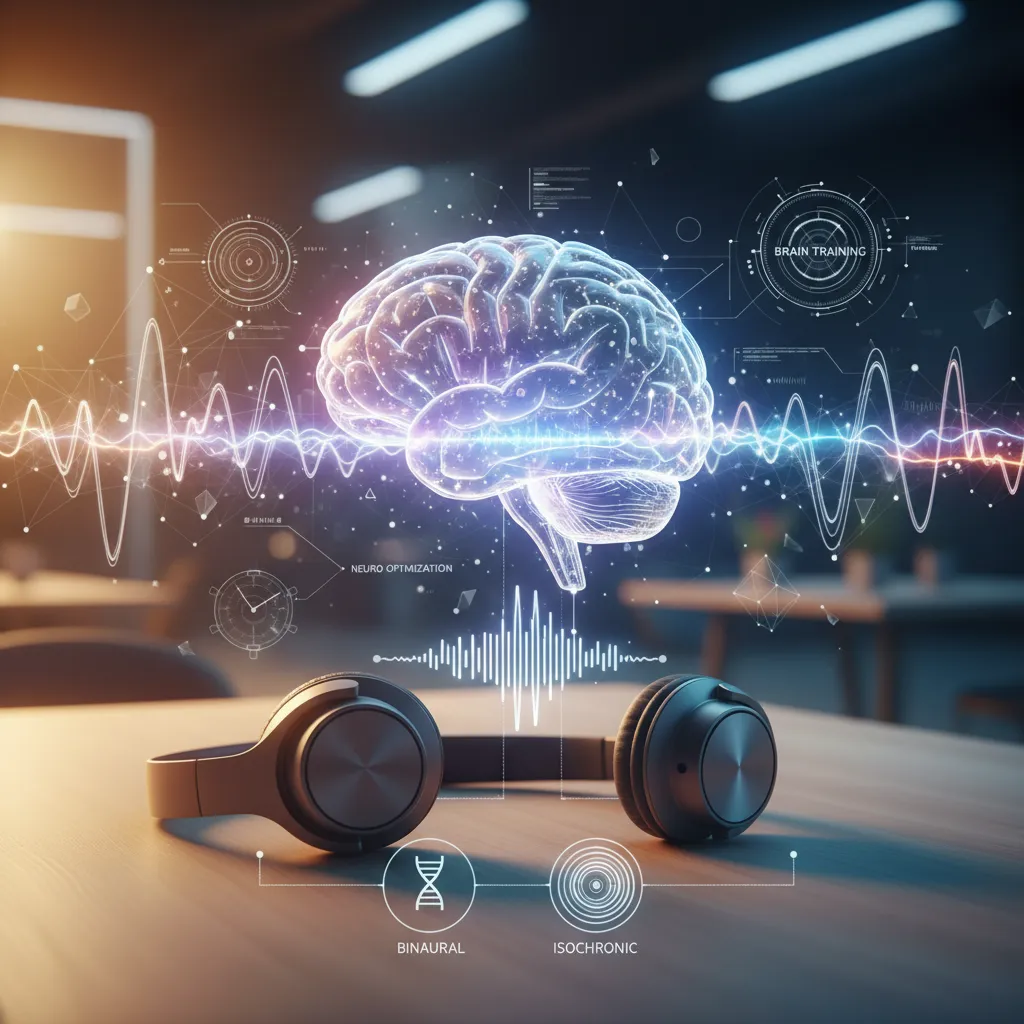
•Brainwave Entrainment: This method uses rhythmic auditory or visual stimuli to encourage brainwaves to synchronize with a target frequency. Binaural beats, isochronic tones, and monaural beats are popular forms of auditory entrainment. For example, listening to binaural beats tuned to 10 Hz can help induce an alpha state, promoting relaxation. Light and sound devices, such as the NeuroVizr, utilize visual entrainment to achieve similar effects.
•Neurofeedback Training: A form of biofeedback, neurofeedback uses real-time EEG monitoring to provide individuals with feedback on their brainwave activity. Users learn to voluntarily self-regulate their brain patterns, for example, increasing theta waves for deeper meditation or decreasing excessive beta for stress reduction. The Neurofeedback Benefits include improved focused attention, better sleep, and enhanced emotional regulation.
•Lifestyle Adjustments: Fundamental elements like consistent sleep hygiene, a balanced diet rich in neurotransmitters-supporting nutrients, and regular physical activity all significantly impact brainwave frequencies, fostering a more balanced and resilient brain.
What are the benefits of actively optimizing your brainwaves?
The benefits of purposefully influencing your brainwave frequencies extend across various aspects of life:
•Enhanced Cognitive Performance: By increasing beta and gamma activity when needed, you can sharpen focus, improve attention span, and boost problem-solving abilities. Imagine tackling complex projects with unprecedented clarity and efficiency.
•Improved Emotional Regulation: Cultivating alpha and theta waves can lead to greater calmness, reduced stress, and enhanced emotional resilience. This allows for a more positive response to daily challenges and fosters a sense of inner peace.
•Restorative Sleep: Encouraging healthy delta wave activity is key to achieving deep, rejuvenating deep sleep. This translates to waking up feeling more refreshed, energized, and ready to embrace the day, supporting overall physical and mental health.
•Boosted Creativity and Intuition: Tapping into alpha and theta states can unlock new perspectives, spark innovative ideas, and deepen your intuitive capabilities, opening doors to personal and professional breakthroughs.
💡 Verdict: Understanding and actively optimizing your brainwave frequencies offers a profound pathway to unlocking your full mental potential and significantly enhancing overall well-being through improved focus, relaxation, sleep, and creativity. Modern neuro-optimization techniques make this more accessible than ever.
Frequently Asked Questions
What Are the 5 Main Brainwave Frequencies and How Do They Control Your Mind?
The five main brainwave frequencies—Gamma, Beta, Alpha, Theta, and Delta—are distinct electrical patterns in the brain that correspond to different states of consciousness, cognitive functions, and levels of arousal. Each frequency plays a crucial role in controlling specific mental processes, from intense focus and problem-solving to deep relaxation, creativity, and restorative sleep.
How do Beta Brain Waves contribute to our daily focus and alertness?
Beta brain waves, operating between 12 and 30 Hz, are prevalent during states of active concentration, alertness, and engagement with the external world. They are essential for sustained focused attention, logical thinking, and decision-making, enabling us to process information efficiently and interact effectively with our environment.
How Does Technology Precisely Measure Brainwave Activity?
Brainwave activity is precisely measured using Electroencephalography (EEG) technology. EEG devices detect the tiny electrical signals generated by the synchronized activity of neurons in the brain through electrodes placed on the scalp. This data is then displayed as a brainwave chart, allowing neuroscientists and clinicians to analyze brain rhythms, identify patterns, and understand various mental states.