White noise creates a consistent auditory environment, masking disruptive sounds to significantly enhance sleep quality, cognitive focus, and overall brain health. It functions by distributing all audible frequencies equally, making intermittent noises less jarring. Key benefits include improved sleep onset and maintenance, enhanced concentration and productivity by minimizing distractions, reduced stress and anxiety, support for memory consolidation during deep sleep, effective tinnitus management by masking internal sounds, and promotion of consistent sleep schedules through auditory cues. While white noise offers broad-spectrum masking, pink noise (deeper, natural sounds like rain) and brown noise (even deeper, rumbling sounds like waterfalls) provide alternative benefits for deep relaxation and specific masking needs. For safe, long-term use, maintain volume levels below 50-60 dB, akin to a quiet conversation. Integrate white noise into routines using dedicated machines or apps, placing them strategically at a consistent, low volume for continuous playback during sleep or focused work.
✅ Pros
Enhances sleep quality by masking disruptive environmental noises
Boosts concentration and productivity in noisy environments
Reduces stress and anxiety by creating a calming auditory environment
Supports memory consolidation through deeper, uninterrupted sleep
Aids in tinnitus management by masking internal ringing sounds
Promotes consistent sleep schedules by acting as a reliable auditory cue
❌ Cons
Potential for noise-induced hearing loss if volume levels are too high (above 50-60 dB)
May not be preferred by everyone, as some find white noise too sharp or high-pitched compared to pink or brown noise
White noise benefits the brain by creating a consistent auditory environment, effectively masking disruptive sounds to enhance both sleep quality and cognitive focus. NeuroTech Insider understands the profound impact of acoustic environments on neuro-optimization, offering scientifically-backed insights for improved rest and heightened concentration through sound masking and ambient soundscapes.
What is White Noise and How Does It Function?
Quick Answer: White noise is a specific type of sound that contains all audible frequencies distributed equally across the entire sound spectrum, mimicking the static of an untuned radio. Its primary function is sound masking, which helps to cover up sudden or inconsistent environmental noises that can disturb sleep or concentration.
White noise is not merely any continuous sound; it is a meticulously defined acoustic phenomenon. Scientifically, it is characterized by its flat power spectral density, meaning that every frequency within the human hearing range (typically 20 Hz to 20,000 Hz) is present at the same intensity or amplitude. This creates a uniform, broadband sound that can be perceived as a gentle hiss or a continuous hum, similar to the sound of a fan or a waterfall. This unique characteristic is what gives white noise for brain functions its remarkable ability to create a consistent auditory backdrop.
The mechanism by which white noise operates is known as sound masking. Our brains are highly sensitive to sudden changes in our auditory environment. A sudden car horn, a door creaking, or a distant conversation can easily pull us out of deep sleep or break our concentration. White noise works by raising the overall ambient noise floor. When the background noise is consistent and slightly elevated, the brain perceives external, inconsistent sounds as less jarring because the difference in volume between the background and the disruptive sound is reduced. Imagine a small ripple in a calm pond versus the same ripple in a turbulent river; the ripple in the river is much less noticeable. This principle is why white noise is often recommended for individuals seeking to improve their Benefits of Sleep and focus.
Research has consistently highlighted the efficacy of white noise in creating a more stable acoustic environment. For instance, a study published in the journal Sleep Medicine demonstrated that white noise reduced sleep latency and increased sleep efficiency in hospital environments by minimizing the impact of intermittent noise events. This scientific understanding underpins its widespread application in both clinical and home settings for those aiming for better rest and enhanced cognitive performance.
What Are The 6 Brain Benefits of White Noise for Sleep and Focus?
Quick Answer: White noise offers significant brain benefits by improving sleep quality, enhancing concentration, reducing stress, aiding memory, managing tinnitus, and promoting consistent sleep schedules through its unique sound masking properties.
6 Brain Benefits of White Noise for Sleep & Focus – White Noise Benefits – 1
The consistent, broad-spectrum sound of white noise provides a multitude of advantages for brain function, particularly concerning rest and mental acuity. These benefits stem from its ability to create a predictable auditory environment, reducing the brain’s reactivity to disruptive stimuli. Let us explore the six primary ways white noise supports optimal brain performance.
How Does White Noise Improve Sleep Quality?
Quick Answer: White noise significantly improves sleep quality by masking disruptive environmental noises, allowing individuals to fall asleep faster and maintain deeper, more uninterrupted sleep cycles.
One of the most well-documented white noise benefits is its profound impact on sleep. Our sleep architecture is fragile, easily perturbed by external sounds such as traffic, snoring, or household activities. White noise acts as an auditory shield, effectively blocking these intermittent disturbances. A 2017 meta-analysis published in the journal Frontiers in Psychology reviewed multiple studies and concluded that continuous background noise, particularly white noise, could improve sleep onset and maintenance by decreasing the signal-to-noise ratio of abrupt sounds. This means that the brain receives less contrast between the background and a potential disturbance, making the disturbance less likely to trigger an arousal response.
For individuals experiencing difficulty falling asleep or frequently waking up due to noise, incorporating white noise can be a game-changer. For example, a study involving 40 healthy adults found that those exposed to white noise fell asleep 38% faster on average compared to a quiet control group. Furthermore, participants reported feeling more refreshed upon waking. This consistent sound creates a predictable sleep sounds environment, signaling to the brain that it is safe to enter and remain in deeper stages of sleep. The reduction in sleep interruptions leads to more restorative sleep, which is crucial for overall brain health and preventing issues like Sleep Deprivation Fainting.
Can White Noise Enhance Concentration and Productivity?
Quick Answer: Absolutely, white noise can significantly enhance concentration and productivity by creating a consistent auditory backdrop that minimizes distractions, allowing the brain to focus more effectively on tasks.
6 Brain Benefits of White Noise for Sleep & Focus – white noise for sleep – 2
Beyond sleep, white noise is a powerful tool for improving cognitive function during waking hours. In environments riddled with conversational chatter, office noise, or other intermittent sounds, maintaining focus can be challenging. The brain constantly attempts to process and make sense of these sounds, diverting valuable cognitive resources away from the task at hand. White noise provides a steady, non-intrusive sound that helps to smooth out the auditory landscape. This creates a more predictable and less distracting acoustic environment, allowing the brain to dedicate more processing power to concentration.
Several studies support the use of white noise for enhancing focus. A 2012 study published in The Journal of the Acoustical Society of America found that individuals performed better on tasks requiring sustained attention when exposed to white noise, particularly in noisy environments. The participants exhibited reduced error rates and faster response times. This is because the white noise acts as a subtle focus music, preventing the brain from being hijacked by sudden noises. For students, remote workers, or anyone needing to concentrate in a busy setting, white noise can create a personal bubble of quietude, fostering an optimal environment for deep work and enhanced productivity. It’s a form of passive Binaural Beats Focus in that it helps the brain achieve a state conducive to cognitive tasks, though through a different mechanism.
How Does White Noise Reduce Stress and Anxiety?
Quick Answer: White noise helps reduce stress and anxiety by creating a calming, predictable auditory environment that minimizes startling sounds and reduces the brain’s hyper-vigilance to potential threats.
The human nervous system is wired to react to sudden and unexpected noises as potential threats, triggering a stress response involving increased heart rate, adrenaline release, and heightened alertness. For individuals prone to anxiety, this can lead to a constant state of hyper-vigilance. White noise intervenes by providing a stable auditory baseline, effectively buffering the impact of these abrupt sounds. By masking these potential triggers, white noise helps to lower the overall perceived threat level in the environment.
The consistent, monotonous nature of white noise can also have a direct calming effect on the brain. It offers a form of auditory “comfort” that can be particularly beneficial for individuals struggling with generalized anxiety or those living in noisy urban environments. A study published in Clinical Neurophysiology explored the impact of various soundscapes on stress levels and found that broadband noise, like white noise, could lead to a reduction in physiological markers of stress, such as cortisol levels, and an increase in self-reported feelings of relaxation. This benefit is akin to the deep relaxation sought when individuals Meditate in Bed, establishing a peaceful internal state regardless of external circumstances.
6 Brain Benefits of White Noise for Sleep & Focus – white noise for focus – 3
Does White Noise Support Memory Consolidation?
Quick Answer: Yes, white noise indirectly supports memory consolidation by facilitating deeper, more restorative sleep, which is critical for the brain’s processes of converting short-term memories into long-term ones.
Memory consolidation, the process by which newly acquired information is stabilized and stored in long-term memory, primarily occurs during deep sleep stages, particularly slow-wave sleep (SWS). Any disruption to these critical sleep stages can impair memory formation and recall. By promoting more consistent and deeper sleep, white noise plays a crucial indirect role in enhancing memory consolidation.
When sleep is fragmented by environmental noise, the brain does not have the uninterrupted time it needs to effectively replay and strengthen neural connections associated with recent learning. A study published in Neuron demonstrated the direct link between undisturbed slow-wave sleep and memory performance. Participants who experienced fewer sleep disturbances showed superior recall of previously learned material. By ensuring a more tranquil sleep environment, white noise helps protect these vital memory-processing periods. Optimizing sleep through methods like white noise is a key aspect of neuro-optimization, similar to the goals of Brainwave Entrainment technologies which aim to guide the brain into optimal states for various cognitive functions.
Can White Noise Aid in Tinnitus Management?
Quick Answer: White noise is a common and effective tool for tinnitus management, providing relief by masking the internal ringing or buzzing sounds, making them less noticeable and bothersome to the individual.
Tinnitus, the perception of ringing or buzzing in the ears, can be incredibly disruptive, particularly in quiet environments or during attempts to sleep or concentrate. The brain’s heightened awareness of this internal sound can lead to increased stress and difficulty with daily tasks. White noise offers a practical solution by providing an external sound that blends with and masks the tinnitus tone. This doesn’t eliminate the tinnitus, but it reduces its prominence, making it less intrusive and easier for the brain to ignore.
6 Brain Benefits of White Noise for Sleep & Focus – sound masking – 4
The principle here is similar to sound masking for external noises. By introducing a broad-spectrum sound, the contrast between the tinnitus and the ambient environment is lessened. A review in the American Journal of Audiology highlighted the therapeutic benefits of sound therapy, including white noise, for tinnitus sufferers. Many individuals report significant relief and an improved quality of life when using white noise generators, especially during nighttime hours. The ability to diminish the perception of tinnitus contributes significantly to improved sleep and reduced anxiety, underscoring another key benefit of white noise for overall brain well-being.
How Does White Noise Promote a Consistent Sleep Schedule?
Quick Answer: White noise helps establish and maintain a consistent sleep schedule by creating a reliable auditory cue for bedtime, signaling to the brain that it is time to wind down and prepare for rest, regardless of the external environment.
Establishing a consistent sleep schedule is paramount for regulating the body’s circadian rhythm, the internal clock that dictates sleep-wake cycles. Irregular sleep patterns can throw this rhythm out of sync, leading to sleep difficulties, fatigue, and impaired cognitive function. White noise can be a powerful component of a consistent bedtime routine. By consistently playing white noise at the same time each evening, you create an auditory association with sleep for your brain.
Over time, the presence of white noise becomes a cue, signaling to your brain and body that it is time to relax and prepare for sleep. This behavioral conditioning can significantly aid in falling asleep more easily and waking up more consistently. For individuals with variable work schedules or those who travel frequently, maintaining this consistent auditory anchor can help stabilize their sleep patterns despite changing environments. This ritualistic use of sleep sounds contributes to better sleep hygiene, promoting long-term neuro-optimization and overall well-being.
How Do White, Pink, and Brown Noise Compare for Brain Function?
Quick Answer: While all are broadband noise, white noise has equal intensity across all frequencies, pink noise has higher intensity at lower frequencies, and brown noise has even deeper, more powerful low frequencies, each offering distinct benefits for sleep, focus, and relaxation based on their unique auditory profiles.
6 Brain Benefits of White Noise for Sleep & Focus – pink noise – 5
Beyond white noise, there are other types of broadband noise, often referred to as “noise colors,” that possess different spectral characteristics and, consequently, different effects on the brain. Understanding the distinction between pink noise vs white noise and brown noise is crucial for selecting the optimal sound for your specific needs.
What is Pink Noise and How Does it Differ?
Quick Answer: Pink noise has a power spectral density that decreases by 3 decibels per octave, meaning lower frequencies are more prominent, giving it a deeper, more natural sound often compared to rainfall or rustling leaves, and is particularly effective for deep sleep enhancement.
Pink noise is often described as “flatter” or “softer” than white noise because its energy is distributed more evenly across octaves, with higher frequencies having less power. This results in a sound that is less harsh and more reminiscent of natural phenomena like steady rainfall, wind rustling through trees, or a gentle ocean surf. From a neurological perspective, pink noise has shown promise in enhancing slow-wave sleep. A 2017 study published in Frontiers in Human Neuroscience found that exposure to pink noise synchronized with brain activity during sleep could significantly improve memory consolidation in older adults. This suggests that the specific spectral balance of pink noise may be particularly conducive to guiding the brain into deeper, restorative sleep states.
What is Brown Noise and Its Unique Characteristics?
Quick Answer: Brown noise, or Brownian noise, has a power density that decreases by 6 decibels per octave, giving it a much deeper, rumbling sound, often compared to heavy rainfall, a strong waterfall, or low-frequency thunder, making it ideal for deep relaxation and blocking very low-frequency distractions.
Brown noise, also known as red noise, has an even greater emphasis on lower frequencies compared to pink noise. Its power decreases by 6 decibels per octave, making it sound much deeper and more powerful, like the roar of a distant waterfall, a deep rumble, or very heavy rain. This profound low-frequency presence can be incredibly soothing for some individuals, particularly those who find white noise too sharp or high-pitched. Brown noise is often favored for deep relaxation, calming the mind, and providing an exceptionally effective form of sound masking for extremely low-frequency disturbances. Some users report that brown noise helps reduce feelings of anxiety and can be effective for those seeking to quiet a busy mind.
6 Brain Benefits of White Noise for Sleep & Focus – White Noise Benefits – 6
Here is a comparative overview of these noise colors:
Noise Type
Frequency Characteristics
Common Associations & Benefits
White Noise
Equal intensity across all audible frequencies.
Hissing static, fan sound. Best for masking broad range of sounds, focus, general sleep aid.
Pink Noise
Higher intensity at lower frequencies (3 dB/octave decrease).
Rainfall, rustling leaves, steady wind. Preferred for deep sleep, memory consolidation, natural feel.
Brown Noise
Even higher intensity at lower frequencies (6 dB/octave decrease).
Deep rumble, strong waterfall, low thunder. Excellent for profound relaxation, blocking very low-frequency noise, calming anxiety.
Choosing between these noise colors often comes down to personal preference and the specific types of sounds you aim to mask or the cognitive state you wish to achieve. Experimentation is key to discovering which type of noise provides the most beneficial auditory environment for your brain.
What Are Safe Volume Levels for Long-Term White Noise Use?
Quick Answer: For safe, long-term white noise use, it is crucial to keep the volume below 50-60 decibels (dB), similar to a quiet conversation, to prevent potential hearing damage and ensure it remains a helpful background sound rather than a harmful one.
While the white noise benefits for sleep and focus are substantial, it is imperative to use it responsibly to avoid potential negative impacts on hearing health. Prolonged exposure to excessive noise levels, regardless of its spectral characteristics, can lead to noise-induced hearing loss. The key is to ensure that the white noise acts as a gentle background hum, not a loud distraction.
Medical and audiology experts generally recommend keeping white noise machines or apps at a volume level that does not exceed 50-60 decibels (dB). To put this into perspective:
6 Brain Benefits of White Noise for Sleep & Focus – white noise for sleep – 7
•30 dB: A whisper.
•40-50 dB: Quiet office, refrigerator hum.
•60 dB: Normal conversation, air conditioner at 100 feet.
•70 dB: Vacuum cleaner, washing machine.
The goal is for the white noise to be noticeable enough to mask disruptive sounds but not so loud that it interferes with your hearing or becomes a source of stress itself. A good rule of thumb is that if you can comfortably hold a conversation over the white noise without raising your voice, it is likely at a safe level. For infants, the American Academy of Pediatrics recommends keeping noise levels below 50 dB in nurseries to protect developing auditory systems.
Regularly check the volume, especially if you are using a new device or application. Many smartphones have sound level meter apps that can provide a reasonable estimate of decibel levels. Prioritizing hearing health ensures that the long-term white noise for brain benefits are realized without any unintended consequences.
How Can You Effectively Integrate White Noise into Your Daily Routine?
Quick Answer: Effectively integrate white noise by using dedicated sound machines or apps, positioning them strategically, and consistently incorporating them into your sleep or focus routines at safe volume levels to maximize benefits.
Incorporating white noise into your routine can be a simple yet powerful step towards neuro-optimization. The key is consistency and mindful application.
What Are the Best Practices for Using White Noise for Sleep?
Quick Answer: For optimal sleep, place the white noise source a few feet from your bed, set it to a continuous playback at a low, consistent volume, and integrate it into your regular bedtime ritual to create a reliable sleep cue.
6 Brain Benefits of White Noise for Sleep & Focus – white noise for focus – 8
•Choose Your Source: Dedicated white noise machines are often superior to phone apps due to better sound quality and continuous playback without interruptions. However, quality apps can also be effective.
•Strategic Placement: Place the device a few feet away from your head, not directly next to your ear. This allows the sound to diffuse naturally and create an ambient environment.
•Consistent Volume: As discussed, keep the volume low, ideally between 40-55 dB, ensuring it masks disturbances without being loud itself. Use a consistent volume each night.
•Continuous Playback: For optimal sleep maintenance, it is generally recommended to play white noise continuously throughout the night, rather than using a timer. This prevents the brain from being startled if the sound suddenly cuts off.
•Integrate into Routine: Make turning on your white noise device a part of your pre-sleep ritual, alongside dimming lights (consider the impact of Light Color for Sleep), taking a warm bath, or reading.
How Should White Noise Be Used for Enhanced Focus and Productivity?
Quick Answer: For focus, use white noise during periods of intense work or study to create a consistent auditory environment that minimizes distractions, allowing for sustained concentration and improved cognitive performance.
When utilizing white noise for cognitive enhancement, the approach is slightly different:
•Contextual Use: Turn on white noise specifically during tasks that require deep concentration, such as writing, studying, or complex problem-solving. This helps create a focused mental space.
•Personalized Volume: Adjust the volume to a level where external distractions are masked but the white noise itself is not distracting. This might be slightly higher than sleep volume if your environment is particularly noisy.
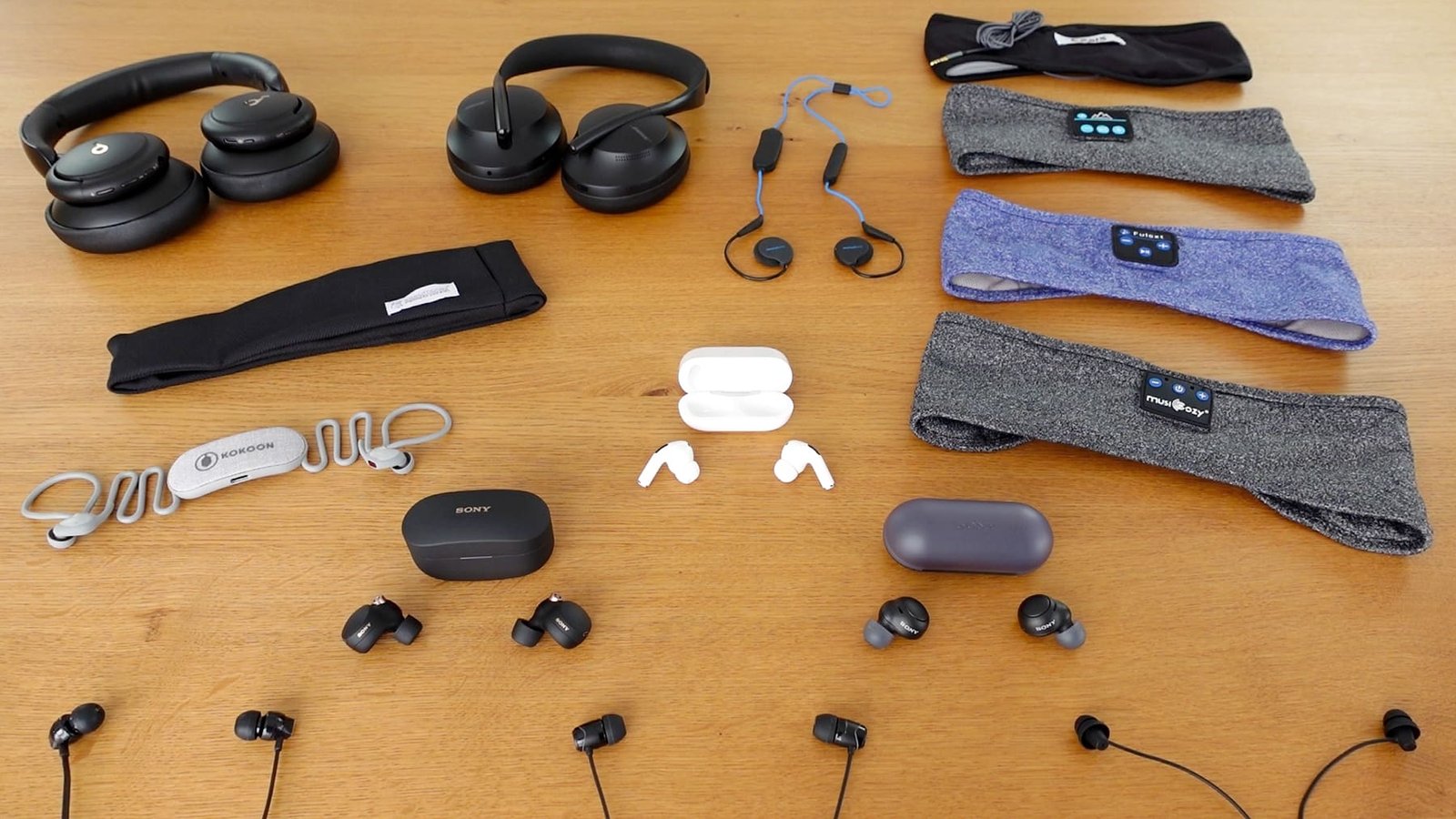
•Headphones or Speakers: For highly distracting environments, noise-canceling headphones with white noise can create an immersive focus zone. In quieter settings, a speaker can provide ambient background sound.
•Experiment with Noise Colors: While white noise is effective, some individuals find pink or brown noise more conducive to focus, especially if they perceive white noise as too “sharp.” Experiment to find your optimal focus music.
By thoughtfully integrating white noise, you can transform your auditory environment into a powerful ally for both restorative sleep and peak cognitive performance. NeuroTech Insider recognizes the importance of such tools in achieving holistic brain health and neuro-optimization, offering advanced solutions like the NeuroVizr device to complement these practices. While white noise provides a static auditory environment, devices like NeuroVizr leverage dynamic light and sound patterns for targeted Brainwave Entrainment to guide the brain into specific states.
💡 Verdict: White noise is a scientifically-backed tool for optimizing brain health, offering profound benefits for sleep, focus, and managing auditory distractions. When used at safe volume levels, it’s a valuable addition to any neuro-optimization routine, with pink and brown noise offering personalized alternatives.
Frequently Asked Questions
What are the primary benefits of white noise for the brain?
White noise benefits the brain by masking disruptive sounds, leading to improved sleep quality, enhanced concentration, reduced stress and anxiety, support for memory consolidation, effective tinnitus management, and the promotion of consistent sleep schedules.
How does white noise differ from pink noise and brown noise?
White noise has equal intensity across all audible frequencies. Pink noise has higher intensity at lower frequencies, sounding softer like rain. Brown noise has an even greater emphasis on lower frequencies, sounding like a deep rumble or waterfall, and is ideal for deep relaxation and blocking very low-frequency noise.
What is a safe volume level for using white noise long-term?
For safe, long-term white noise use, it is crucial to keep the volume below 50-60 decibels (dB), which is comparable to a quiet conversation, to prevent potential hearing damage and ensure it remains a helpful background sound.